A Practical Guide to Computational Chemistry Model Evaluation: From Foundations to Validation
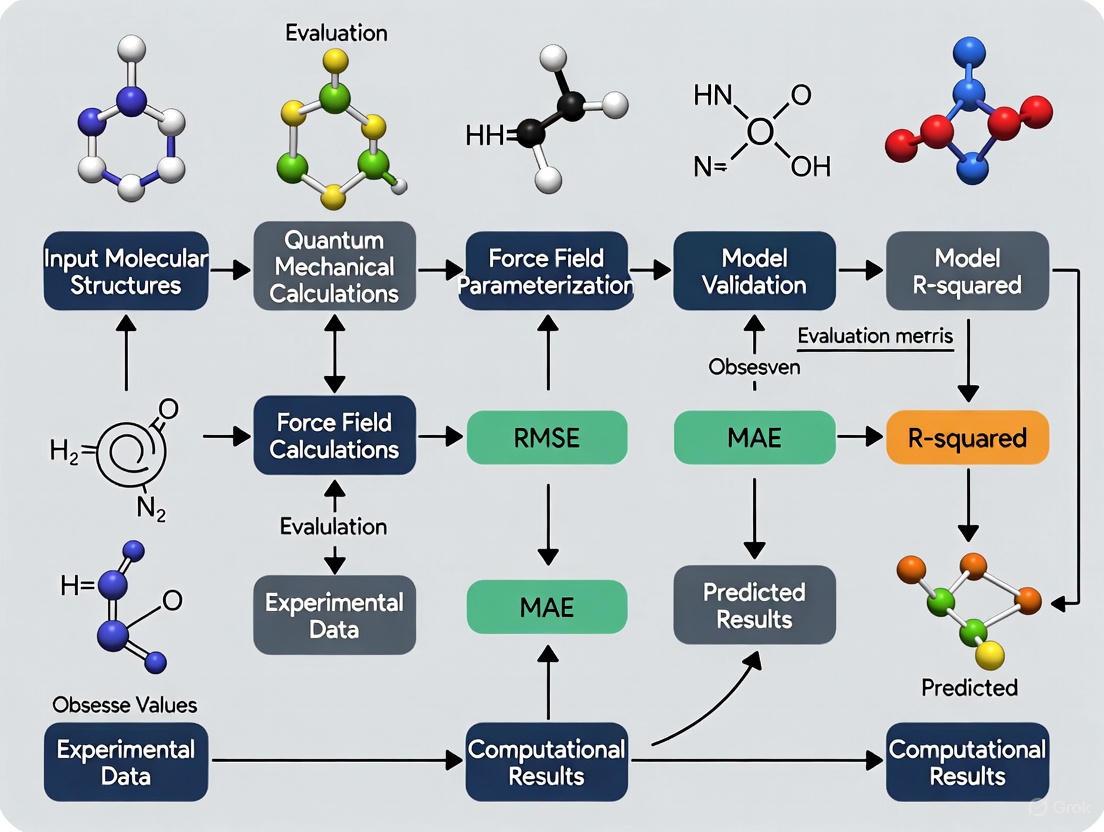
This article provides a comprehensive framework for researchers and drug development professionals to evaluate computational chemistry models effectively.
A Practical Guide to Computational Chemistry Model Evaluation: From Foundations to Validation
Abstract
This article provides a comprehensive framework for researchers and drug development professionals to evaluate computational chemistry models effectively. It covers foundational principles, practical methodologies, common troubleshooting strategies, and rigorous validation techniques. By addressing critical aspects such as data set preparation, performance metrics, error analysis, and comparative benchmarking, this guide aims to equip scientists with the knowledge to assess model reliability, avoid common pitfalls, and make informed decisions in practical applications like virtual screening and binding affinity prediction.
Laying the Groundwork: Core Principles and Common Pitfalls in Model Evaluation
Why Proper Model Evaluation is Critical for Practical Decision Making
In the rapidly evolving field of computational chemistry, model evaluation has emerged as the critical discipline that separates successful research and development from costly failures. As we progress through 2025, the field of model evaluation has undergone a fundamental transformation—moving beyond simple accuracy metrics to a comprehensive framework that assesses real-world impact, ethical considerations, and business value [1]. This evolution reflects the growing understanding that a model's performance on historical data means little if it cannot deliver tangible value while operating responsibly in production environments.
The contemporary approach to model evaluation represents a fundamental shift from technical validation to comprehensive assessment. Where earlier practices focused primarily on statistical measures and optimization metrics, modern evaluation encompasses the entire ecosystem in which models operate. This includes not only traditional performance metrics but also fairness assessments, robustness testing, business impact analysis, and continuous monitoring frameworks [1]. The stakes have never been higher—organizations that implement comprehensive model evaluation frameworks experience significantly higher ROI from their AI initiatives and dramatically reduce production incidents [1].
For computational chemistry researchers and drug development professionals, this paradigm shift is particularly relevant. The ability to simulate large molecular systems with quantum-level accuracy would help scientists rapidly design new energy storage technologies, new medicines, and beyond [2]. However, the usefulness of any machine learning interatomic potential (MLIP) depends entirely on the rigor of evaluation applied to validate its predictions [2]. Proper evaluation provides the critical bridge between theoretical simulations and practical decision-making in drug discovery and materials science.
Essential Metrics for Comprehensive Model Evaluation
The metrics used in model evaluation have evolved significantly to address the limitations of traditional approaches while providing deeper insights into model behavior and impact. For computational chemistry applications, selecting appropriate metrics is crucial for ensuring that models will perform reliably in practical decision-making scenarios.
Classification and Regression Metrics
While accuracy remains the most intuitive metric for classification problems, representing the proportion of correct predictions among all predictions, modern evaluation recognizes that accuracy alone often provides a misleading picture, particularly in imbalanced datasets or scenarios where different types of errors have asymmetric costs [1]. The evolution of classification metrics has led to widespread adoption of precision, recall, and F1-score as fundamental components of model evaluation [1].
For regression problems in computational chemistry, such as predicting molecular energies or properties, model evaluation employs a different set of metrics tailored to continuous outcomes. Mean Absolute Error (MAE) provides a straightforward interpretation of average prediction error magnitude and remains robust to outliers, making it valuable for understanding typical performance. Mean Squared Error (MSE) and Root Mean Squared Error (RMSE) penalize larger errors more heavily, making them suitable for applications where large errors are particularly undesirable, such as predicting reaction energies or binding affinities [1].
Table 1: Essential Model Evaluation Metrics for Computational Chemistry
| Metric Category | Specific Metrics | Computational Chemistry Application | Interpretation |
|---|---|---|---|
| Classification Metrics | Accuracy, Precision, Recall, F1-Score | Classification of molecular properties, active/inactive compounds | F1-Score balances precision and recall for imbalanced datasets |
| Regression Metrics | MAE, MSE, RMSE, R-squared | Predicting molecular energies, properties, binding affinities | MAE is robust to outliers; MSE penalizes large errors |
| Probabilistic Metrics | Brier Score, Log Loss | Assessing uncertainty in molecular property predictions | Measures calibration of predicted probabilities |
| Business-Oriented Metrics | Expected value frameworks, Cost-sensitive metrics | Prioritizing compound synthesis, resource allocation | Converts model predictions to practical business impact |
Advanced Evaluation Frameworks
The most significant advancement in model evaluation comes from the integration of probabilistic and business-oriented measurements. Probabilistic metrics like Brier Score and Log Loss evaluate the quality of predicted probabilities rather than just class labels, while calibration metrics assess how well predicted probabilities match actual outcomes—a crucial consideration for decision-making under uncertainty [1]. Simultaneously, business-oriented metrics have emerged that directly measure commercial impact, including expected value frameworks that convert model predictions to monetary value, and cost-sensitive metrics that incorporate asymmetric costs of different error types based on actual business consequences [1].
In computational chemistry, the OMol25 dataset team has developed exceptionally thorough evaluations to give fellow researchers more confidence in the capabilities of MLIPs trained on the dataset [2]. These evaluations drive innovation through friendly competition, as the results are ranked publicly. Potential users can see which models run smoothly and developers can see how their model stacks up against others [2].
Implementation Strategies for Effective Model Evaluation
The implementation of effective model evaluation requires careful consideration of methodological approaches that ensure reliable, generalizable results while accounting for practical constraints in computational chemistry research.
Cross-Validation Techniques
Cross-validation techniques form the backbone of robust evaluation, with k-fold cross-validation serving as the standard approach for most scenarios [1]. This method involves partitioning data into k folds, using k-1 folds for training and one fold for testing, then rotating through all folds to obtain comprehensive performance estimates. For imbalanced datasets common in chemical discovery, stratified k-fold cross-validation preserves the percentage of samples for each class across folds, preventing skewed performance estimates [1].
Temporal data in chemical simulations introduces unique challenges that require specialized cross-validation approaches. Standard random splitting can create data leakage by allowing models to inadvertently learn from future information. Time series cross-validation addresses this through forward chaining methods that train on past data and test on future data, expanding window approaches that gradually increase the training set over time, and rolling window techniques that maintain a fixed training window that moves through time [1].
Nested cross-validation has emerged as a best practice for model evaluation when both model selection and performance estimation are required [1]. This approach uses an outer loop for performance estimation and an inner loop for model selection, preventing optimistic bias that occurs when the same data is used for both purposes. The implementation involves partitioning data into multiple outer folds, with each outer fold further divided into inner folds for hyperparameter tuning, ensuring that performance estimates reflect true generalization capability rather than overfitting to the validation process [1].
Data Splitting Strategies
The strategic splitting of data into training, validation, and test sets remains fundamental to reliable model evaluation [1]. Traditional splits using ratios like 60-20-20 work well for moderate-sized datasets, while large datasets might use 98-1-1 splits to maximize training data. For small datasets common in novel chemical research, specialized strategies like repeated cross-validation or bootstrapping provide more stable estimates [1].
Temporal splitting requires strict chronological separation, with all training data preceding validation data, which in turn precedes test data. Implementing appropriate gaps between splits helps prevent leakage from near-boundary observations. Stratified splitting maintains the distribution of important variables across splits, particularly crucial for rare molecular classes or subgroups where random splitting might create unrepresentative subsets [1].
Diagram 1: Model evaluation workflow showing cross-validation approaches
Specialized Evaluation Frameworks for Computational Chemistry
As computational chemistry applications have diversified, model evaluation frameworks have evolved to address the unique characteristics and requirements of molecular simulations and property predictions.
Quantum Chemistry Evaluation Methods
Density Functional Theory (DFT) has been an incredibly powerful tool for modeling precise details of atomic interactions, allowing scientists to predict the force on each atom and the energy of the system, which in turn dictate the molecular motion and chemical reactions that determine larger-scale properties [2]. However, DFT calculations demand a lot of computing power, and their appetite increases dramatically as the molecules involved get bigger, making it impossible to model scientifically relevant molecular systems and reactions of real-world complexity, even with the largest computational resources [2].
Recent advances in machine learning offer a way to overcome these limitations. Machine Learned Interatomic Potentials (MLIPs) trained on DFT data can provide predictions of the same caliber 10,000 times faster, unlocking the ability to simulate the large atomic systems that have always been out of reach, while running on standard computing systems [2]. However, the usefulness of an MLIP depends on the amount, quality, and breadth of the data that it has been trained on.
Coupled-cluster theory, or CCSD(T), represents the gold standard of quantum chemistry [3]. The results of CCSD(T) calculations are much more accurate than what you get from DFT calculations, and they can be as trustworthy as those currently obtainable from experiments. The problem is that carrying out these calculations on a computer is very slow, and the scaling is bad: If you double the number of electrons in the system, the computations become 100 times more expensive [3]. For that reason, CCSD(T) calculations have normally been limited to molecules with a small number of atoms.
Table 2: Computational Chemistry Evaluation Methods Comparison
| Method | Accuracy | Computational Cost | System Size Limit | Best Use Cases |
|---|---|---|---|---|
| DFT | Medium | High | Hundreds of atoms | Screening molecular candidates, property prediction |
| CCSD(T) | High (Gold Standard) | Very High | Tens of atoms | Benchmarking, training data for MLIPs |
| MLIPs | DFT-level (when properly trained) | Low (10,000x faster than DFT) | Thousands of atoms | Large system simulation, high-throughput screening |
| MEHnet | CCSD(T)-level | Medium | Thousands of atoms | Multi-property prediction, optical properties |
Multi-Task Evaluation Approaches
The "Multi-task Electronic Hamiltonian network," or MEHnet, represents a significant advancement in computational chemistry evaluation by shedding light on multiple electronic properties simultaneously, such as the dipole and quadrupole moments, electronic polarizability, and the optical excitation gap [3]. The excitation gap affects the optical properties of materials because it determines the frequency of light that can be absorbed by a molecule [3]. Another advantage of CCSD-trained models is that they can reveal properties of not only ground states, but also excited states. The model can also predict the infrared absorption spectrum of a molecule related to its vibrational properties, where the vibrations of atoms within a molecule are coupled to each other, leading to various collective behaviors [3].
The strength of this approach owes much to the network architecture. Utilizing a so-called E(3)-equivariant graph neural network, in which the nodes represent atoms and the edges that connect the nodes represent the bonds between atoms, with customized algorithms that incorporate physics principles directly into the model [3]. This integration of physical principles directly into the evaluation framework ensures that models produce physically plausible results, which is essential for trustworthy decision-making in drug development.
Experimental Protocols for Computational Chemistry Evaluation
Implementing rigorous experimental protocols is essential for generating reliable, reproducible results in computational chemistry research. The following protocols provide detailed methodologies for key experiments in the field.
MLIP Training and Validation Protocol
Purpose: To train and validate Machine Learned Interatomic Potentials (MLIPs) using quantum chemistry data for accurate molecular simulations.
Materials and Data Requirements:
- Reference quantum chemistry data (DFT or CCSD(T) calculations)
- Training dataset such as OMol25 with diverse molecular configurations
- Computational resources (CPU/GPU clusters)
- MLIP training framework (e.g., TensorFlow, PyTorch, specialized chemistry packages)
Procedure:
- Data Preparation: Curate training dataset containing molecular structures and corresponding quantum chemical properties (energies, forces). The OMol25 dataset provides over 100 million 3D molecular snapshots with properties calculated with DFT, featuring configurations ten times larger and substantially more complex than previous datasets, with up to 350 atoms from across most of the periodic table [2].
Model Architecture Selection: Choose appropriate network architecture. E(3)-equivariant graph neural networks have demonstrated strong performance, where nodes represent atoms and edges represent bonds between atoms [3].
Training Regimen: Implement k-fold cross-validation with stratified sampling to ensure representative distribution of molecular classes across folds [1]. Use an appropriate train/validation/test split (e.g., 70/15/15 for moderate datasets) [4].
Multi-Task Learning: For comprehensive evaluation, train on multiple properties simultaneously. The MEHnet approach demonstrates that a single model can evaluate multiple electronic properties, including dipole moments, polarizability, and excitation gaps [3].
Validation Against Gold Standards: Compare model predictions against CCSD(T) calculations where feasible. CCSD(T) represents the gold standard of quantum chemistry, with results as trustworthy as those obtainable from experiments [3].
Performance Benchmarking: Evaluate using multiple metrics including MAE, RMSE, and application-specific metrics. Implement temporal cross-validation for time-dependent properties [1].
Quality Control:
- Monitor for overfitting by tracking validation performance during training
- Test on held-out molecules not present in training data
- Validate against experimental data where available
- Ensure physical plausibility of predictions (e.g., energy conservation)
Cross-Dataset Generalization Assessment
Purpose: To evaluate model performance across diverse molecular families and system sizes, assessing generalization capability.
Materials:
- Multiple benchmark datasets (e.g., OMol25, Open Polymers)
- Model trained on primary dataset
- Computational resources for inference
Procedure:
- Dataset Curation: Assemble evaluation datasets covering diverse chemical spaces. The OMol25 dataset is composed of content divided into three major focus areas: biomolecules, electrolytes, and metal complexes (molecules arranged around a central metal ion) [2].
Transfer Learning Assessment: Evaluate model performance on molecular families not represented in training data. Test the model's ability to generalize from small molecules to larger systems.
Scalability Testing: Assess performance as system size increases. Previous calculations were limited to analyzing hundreds of atoms with DFT and just tens of atoms with CCSD(T) calculations, while modern approaches can handle thousands of atoms and, eventually, perhaps tens of thousands [3].
Statistical Significance Testing: Use appropriate statistical tests such as the Wilcoxon signed-rank test for comparing model performances across multiple datasets or folds [1]. Compute confidence intervals through bootstrap methods to quantify uncertainty in performance estimates [1].
Failure Mode Analysis: Identify specific molecular classes or properties where model performance degrades. Document systematic errors and limitations.
Diagram 2: Comprehensive model evaluation framework for computational chemistry
Successful computational chemistry research requires access to specialized datasets, software tools, and computational resources. The following table details key resources essential for proper model evaluation in drug development and materials science.
Table 3: Essential Research Reagents and Resources for Computational Chemistry
| Resource Category | Specific Resource | Function and Application | Key Features |
|---|---|---|---|
| Reference Datasets | OMol25 (Open Molecules 2025) | Training and benchmarking MLIPs; contains 100M+ 3D molecular snapshots | DFT-level accuracy; 10x larger/more complex than previous datasets; biomolecules, electrolytes, metal complexes [2] |
| Quantum Chemistry Data | CCSD(T) calculations | Gold standard reference data for training and validation | High accuracy comparable to experiments; limited to small molecules [3] |
| Software Frameworks | MEHnet (Multi-task Electronic Hamiltonian network) | Predicting multiple electronic properties from single model | E(3)-equivariant graph neural network; physics-principled algorithms [3] |
| Evaluation Benchmarks | Custom evaluations for MLIPs | Standardized challenges for model comparison | Thorough evaluations for useful tasks; public ranking drives innovation [2] |
| Computational Resources | High-performance computing clusters | Running DFT, CCSD(T), and ML model training | Meta's computing resources used for OMol25 (6B CPU hours) [2] |
Proper model evaluation is not merely a technical formality but a critical component of responsible scientific research and practical decision-making in computational chemistry. As models grow more complex and their applications expand into drug discovery and materials design, comprehensive evaluation frameworks ensure that predictions are accurate, reliable, and physically plausible. The evolution of evaluation practices from simple accuracy metrics to multi-faceted assessments incorporating robustness, generalization, and business impact represents a necessary maturation of the field.
For computational chemistry researchers and drug development professionals, rigorous model evaluation provides the foundation for trustworthy simulations that can accelerate discovery while reducing costly experimental failures. By implementing the protocols, metrics, and frameworks outlined in this guide, scientists can build more robust, reliable, and ethical AI systems that meet the demands of rapidly evolving technological landscape in chemical research and pharmaceutical development.
Understanding the Gap Between Retrospective Studies and Operational Reality
In computational chemistry, the disparity between the promising results achieved in controlled, retrospective research and the performance of models when deployed in real-world operational settings represents a critical challenge. Retrospective studies typically utilize existing, static datasets where all data is pre-collected and known in advance [5]. While this approach minimizes the impact on clinical sites and reduces lead times, it inherently limits the assessment of a model's ability to generalize to novel chemical spaces or perform reliably in dynamic research environments [5] [6]. As the field advances toward more complex applications in drug discovery and materials science, understanding and bridging this gap becomes essential for developing robust, trustworthy computational tools that can accelerate scientific discovery [7] [8].
This guide examines the methodological foundations of this gap, presents current strategies for addressing it, and provides practical evaluation protocols to help researchers develop models that transition more successfully from retrospective validation to operational deployment in computational chemistry research.
Defining the Gap: Retrospective vs. Prospective Approaches
The distinction between retrospective and prospective methodologies forms the core of the validation gap in computational chemistry. Retrospective studies rely exclusively on previously acquired data, often curated from idealized systems or limited chemical spaces [5]. This approach dominates current research due to its convenience and lower resource requirements, but introduces significant limitations: the data may lack completeness for specific research questions, contain unconscious biases in chemical space coverage, and provide inadequate representation of realistic operational conditions where models will ultimately be applied [7] [6].
In contrast, prospective studies are designed to intentionally collect new data tailored to specific evaluation objectives, often building upon existing real-world data sources [5]. This methodology enables researchers to address specific chemical questions with appropriate data quality and completeness, though it requires greater investment in computational resources and careful experimental design. The recent emergence of massive, chemically-diverse datasets like OMol25, containing over 100 million density functional theory (DFT) calculations, represents a hybrid approach—leveraging retrospective data collection at unprecedented scale while aiming for broader chemical coverage that better approximates operational reality [2] [9].
Table 1: Key Differences Between Retrospective and Prospective Approaches
| Characteristic | Retrospective Studies | Prospective Studies |
|---|---|---|
| Data Collection | Pre-existing data | New data collection tailored to study objectives |
| Chemical Diversity | Often limited to previously studied systems | Can target underrepresented chemical spaces |
| Resource Requirements | Lower computational cost | High computational investment (e.g., 6 billion CPU hours for OMol25) [2] |
| Operational Relevance | May not reflect real-world application conditions | Better approximation of operational environments through targeted design |
| Common Applications | Initial model validation, benchmarking | Regulatory submissions, control arm augmentation, post-marketing studies [5] |
Current Landscape and Emerging Solutions
The Data Challenge in Computational Chemistry
The foundation of reliable computational chemistry models lies in the quality, diversity, and relevance of their training data. Traditional datasets have suffered from limited chemical diversity, focusing predominantly on simple organic molecules with few heavy atoms and a narrow range of elements [7] [10]. For instance, early datasets like ANI-1 contained only simple organic structures with four elements, while the QM9 dataset was limited to molecules with up to 9 heavy atoms [7] [10]. This restricted coverage creates a fundamental gap between the controlled retrospective environments where models are developed and the diverse operational scenarios where they must perform.
The OMol25 dataset represents a significant step toward addressing this gap, encompassing 83 elements and systems of up to 350 atoms across diverse chemical domains including biomolecules, electrolytes, and metal complexes [2] [9]. With over 100 million DFT calculations at the ωB97M-V/def2-TZVPD level of theory, this dataset reduces the chemical diversity gap, though challenges remain in areas like polymer chemistry [2] [10].
Architectural Advances for Better Generalization
Neural network potentials (NNPs) have evolved substantially to improve generalization across chemical space. The eSEN architecture incorporates equivariant spherical-harmonic representations and a transformer-style design that improves the smoothness of potential-energy surfaces, leading to more stable molecular dynamics and geometry optimizations [10]. The recently introduced Universal Models for Atoms (UMA) framework employs a novel Mixture of Linear Experts (MoLE) architecture that enables knowledge transfer across disparate datasets computed at different levels of theory, enhancing performance without significantly increasing inference times [10] [11].
These architectural improvements allow single models to perform comparably or better than specialized models across diverse chemical domains, moving the field toward more robust and operationally viable computational tools [11].
Table 2: Performance Comparison of Models on Molecular Energy Benchmarks
| Model/Dataset | Architecture | WTMAD-2 (neutral/organic) | Chemical Diversity | Training Data Size |
|---|---|---|---|---|
| ANI-1 | Neural Network Potential | Higher error | 4 elements | Limited organic molecules [10] |
| OMol25-trained Models | eSEN/UMA | ~0 | 83 elements | 100M+ calculations [10] |
| Previous SOTA | Various | Moderate error | Varies (typically <30 elements) | Typically <1M calculations [10] |
Methodologies for Bridging the Gap
Rigorous Evaluation Frameworks
Comprehensive evaluation strategies are essential for assessing how models will perform in operational settings. The following protocols provide structured approaches to model validation:
Protocol 1: Chemical Space Coverage Assessment
- Objective: Quantify model performance across diverse chemical domains to identify blind spots and biases.
- Procedure:
- Partition test data by chemical domains (biomolecules, electrolytes, metal complexes)
- Evaluate model performance metrics separately for each domain
- Compare performance disparities across domains
- Identify chemical spaces with significantly degraded performance
- Metrics: Mean Absolute Error (MAE), Root Mean Square Error (RMSE), maximum error, failure rate
- Operational Relevance: Reveals limitations before deployment in specific application contexts [9] [10]
Protocol 2: Out-of-Distribution Generalization Testing
- Objective: Assess model performance on novel chemical scaffolds not represented in training data.
- Procedure:
- Curate benchmark sets containing molecular scaffolds excluded from training
- Evaluate model performance on these held-out scaffolds
- Systemically increase the structural dissimilarity from training examples
- Measure performance degradation as function of dissimilarity
- Metrics: Performance drop relative to in-distribution test sets, correlation with molecular similarity metrics
- Operational Relevance: Models frequently encounter novel chemistries in real discovery applications [6]
Protocol 3: Prospective Validation Campaign
- Objective: Validate model predictions through targeted computational experiments on strategically selected compounds.
- Procedure:
- Identify chemical space regions with high predictive uncertainty
- Select diverse representative compounds from these regions
- Perform high-level theory calculations (e.g., CCSD(T)) on selected compounds
- Compare model predictions with ground-truth calculations
- Metrics: Error statistics on prospective predictions, early performance indicators
- Operational Relevance: Most closely mimics real-world deployment conditions [5]
Workflow Integration and Validation
The following diagram illustrates a comprehensive framework for evaluating computational chemistry models, emphasizing the transition from retrospective assessment to prospective validation:
The Scientist's Toolkit: Essential Research Reagents
Implementing robust model evaluation requires leveraging specialized tools and frameworks. The following table details key resources available to researchers:
Table 3: Essential Tools for Computational Chemistry Model Evaluation
| Tool/Resource | Type | Primary Function | Application in Evaluation |
|---|---|---|---|
| OMol25 Dataset [2] [9] | Dataset | Provides diverse quantum chemical calculations | Benchmarking model performance across chemical space; training data for transfer learning |
| ChemBench [12] | Evaluation Framework | Standardized assessment of chemical knowledge and reasoning | Evaluating model capabilities against human expertise; identifying knowledge gaps |
| ChemTorch [6] | Development Framework | Unified platform for chemical reaction property prediction | Developing and benchmarking models with consistent protocols; avoiding privileged information leakage |
| UMA Models [10] [11] | Pre-trained Models | Universal models for atoms across chemical domains | Baseline performance comparison; starting point for transfer learning |
| eSEN Models [10] | Pre-trained Models | Neural network potentials with conservative forces | Molecular dynamics simulations; geometry optimization benchmarks |
| Flatiron PCG Study [5] | Methodology Framework | Prospective data collection approach | Designing prospective validation studies; understanding real-world data requirements |
Implementation Roadmap
Bridging the gap between retrospective studies and operational reality requires a systematic approach to model development and evaluation. Researchers should:
Establish Comprehensive Baselines: Begin with rigorous retrospective evaluation using diverse benchmarks like ChemBench and OMol25 to establish performance baselines across chemical domains [12] [10].
Identify Performance Gaps: Systematically analyze results to identify specific chemical spaces or task types where model performance degrades, using Protocol 1 and 2 [6].
Design Targeted Prospective Validations: Develop prospective validation campaigns focused on the identified gap areas, following Protocol 3 to collect decisive evidence of operational readiness [5].
Iterate and Refine: Use prospective validation results to refine models, architectures, and training strategies, focusing improvement efforts on the most critical limitations for operational deployment.
Implement Continuous Monitoring: Establish ongoing evaluation protocols to detect performance degradation as models encounter novel chemical spaces in operational use.
This structured approach enables researchers to progressively de-risk the transition from retrospective validation to operational deployment, creating computational chemistry tools that deliver reliable performance in real-world drug development and materials discovery applications.
Evaluating computational chemistry models is a critical step in ensuring their reliability and utility in drug discovery. The performance of these models is typically assessed across three cornerstone tasks: virtual screening, pose prediction, and affinity estimation. Virtual screening involves the computational sifting of large compound libraries to identify molecules most likely to bind to a target, with success measured by the enrichment of active compounds over inactive ones [13]. Pose prediction, also known as molecular docking, focuses on forecasting the precise three-dimensional orientation of a ligand within a protein's binding site, where accuracy is quantified by the root-mean-square deviation (RMSD) between predicted and experimentally determined structures [14]. Affinity estimation aims to predict the strength of the binding interaction, often reported as binding free energy (ΔG) or inhibitory concentration (IC50), with model performance evaluated through correlation coefficients and error metrics like mean absolute error (MAE) [15]. Rigorous benchmarking using standardized datasets and protocols is essential for comparing different computational methods and guiding their strategic application in the drug discovery pipeline [16].
Quantitative Benchmarking Data
The following tables consolidate key quantitative findings from recent studies and benchmarks, providing a snapshot of the current performance landscape in virtual screening, pose prediction, and affinity estimation.
Table 1: Performance Comparison of Virtual Screening Methods on Standardized Benchmarks (DUD-E, DEKOIS, LIT-PCBA)
| Method Category | Method Name | Average Enrichment Factor (EF1%) | AUC-ROC | Key Characteristics |
|---|---|---|---|---|
| Foundation Model | LigUnity [15] | >50% improvement over baselines | ~0.90 | Unified model for screening & optimization; 10^6x faster than docking. |
| Traditional Docking | Glide-SP [15] | Baseline | ~0.70 | Physics-based, computationally expensive. |
| Machine Learning | DrugCLIP, ActFound [15] | Varies | ~0.80-0.85 | Data-driven, efficient, but often task-specific. |
Table 2: Pose Prediction Performance on the PDBBind Benchmark (RMSD in Ångströms)
| Method Category | Method Name | Average RMSD (Å) | Success Rate (<2.0 Å) | Key Characteristics |
|---|---|---|---|---|
| Data-Driven Baseline | TEMPL (MCS-based) [14] | ~1.5 - 2.5* | ~60-80%* | Simple, interpolation-sensitive, risk of data leakage. |
| Deep Learning | DeepLearningPose (representative) [14] | ~1.0 - 2.0 | >80% | Outperforms traditional docking; generalizability concerns. |
| Traditional Docking | Molecular Docking (representative) [14] | ~1.5 - 3.0 | ~50-70% | Physics-based; can underperform in interpolative tasks. |
Note: TEMPL performance is highly benchmark-dependent, with lower scores on challenging benchmarks like PoseBusters [14].
Table 3: Affinity Prediction Performance (Regression Metrics)
| Method Category | Method Name | Pearson's R | Mean Absolute Error (MAE) | Key Characteristics / Dataset |
|---|---|---|---|---|
| Foundation Model | LigUnity (Hit-to-Lead) [15] | >0.80 | Approaches FEP+ accuracy | Cost-efficient alternative to FEP; high accuracy. |
| Physics-Based | Free Energy Perturbation (FEP) [15] | High | High Accuracy | High computational cost. |
| Machine Learning | PBCNet, ActFound [15] | ~0.70-0.80 | Varies | Efficient, specialized for optimization. |
Detailed Experimental Protocols
Virtual Screening Evaluation Protocol
Objective: To assess a model's ability to prioritize active compounds over inactive ones in a large virtual library.
Materials:
- Target Protein: A protein structure with a known binding site (e.g., from PDB).
- Compound Library: A benchmark dataset containing known actives and decoys (e.g., DUD-E, DEKOIS, LIT-PCBA) [15].
- Computing Environment: High-performance computing (HPC) clusters or cloud-based servers, often with GPU acceleration [17].
Procedure:
- Preparation: Prepare the protein structure (e.g., add hydrogens, assign charges) and the compound library (e.g., convert to 3D, minimize energy).
- Screening: Execute the virtual screening workflow using the model under evaluation. For a foundational model like LigUnity, this involves computing pocket and ligand embeddings and scoring their complementarity [15].
- Ranking: Rank the entire library of compounds based on the model's output score (e.g., predicted binding probability or affinity).
- Analysis:
- Calculate the Enrichment Factor (EF) at a specific percentage of the screened library (e.g., EF1%) to measure the concentration of actives in the top-ranked compounds.
- Generate the Receiver Operating Characteristic (ROC) curve and calculate the Area Under the Curve (AUC) to evaluate the binary classification performance across all thresholds [15].
- Plot the recall of actives as a function of the fraction of the screened library inspected.
Interpretation: A higher EF and AUC indicate a more effective screening model. LigUnity, for instance, demonstrated a greater than 50% improvement in EF over traditional docking methods, highlighting the power of integrated ML approaches [15].
Pose Prediction Evaluation Protocol
Objective: To quantify the spatial accuracy of a model's predicted ligand pose compared to an experimentally determined reference structure.
Materials:
- Crystal Structures: A set of high-resolution protein-ligand complexes from a database like the PDBBind benchmark [14].
- Computing Software: The pose prediction algorithm (e.g., TEMPL, a deep learning-based method, or a traditional docking tool).
Procedure:
- Data Preparation: Extract and prepare the protein and ligand from the crystal structure. The ligand is separated and its coordinates serve as the "ground truth."
- Pose Generation: For each complex, the ligand is positioned outside the binding site and the model is tasked with predicting its bound pose. Data-driven methods like TEMPL use maximal common substructure (MCS) matching to reference molecules followed by constrained 3D embedding [14].
- Structural Alignment: Superimpose the predicted ligand pose onto the crystallographic ligand pose using the protein's binding site atoms as a reference frame.
- Calculation of RMSD: Calculate the Root-Mean-Square Deviation (RMSD) between the heavy atoms of the predicted and crystal ligand poses after optimal superposition.
RMSD = √[ Σ( (x_i - x_ref_i)² + (y_i - y_ref_i)² + (z_i - z_ref_i)² ) / N ]where(x_i, y_i, z_i)are the coordinates of heavy atom i in the predicted pose,(x_ref_i, y_ref_i, z_ref_i)are its coordinates in the reference pose, and N is the number of heavy atoms. - Success Classification: A prediction is typically considered a "success" if the RMSD is less than 2.0 Å [14].
Interpretation: The percentage of successful predictions across the benchmark set is the primary metric. Lower average RMSD and higher success rates indicate better performance. It is critical to evaluate on benchmarks with challenging splits (e.g., by scaffold) to avoid over-optimism due to data leakage [14].
Affinity Estimation Evaluation Protocol
Objective: To evaluate a model's accuracy in predicting the strength of protein-ligand binding, typically reported as binding free energy (ΔG) or inhibition constants (Ki/Kd).
Materials:
- Curated Affinity Datasets: Databases such as PDBBind, BindingDB, or ChEMBL, which contain experimental affinity measurements for protein-ligand complexes [15].
- Pocket-Structure Database: For structure-aware models, a resource like PocketAffDB, which links affinity data to specific binding pocket structures, is required [15].
Procedure:
- Data Sourcing and Curation: Collect a dataset of protein-ligand pairs with reliable experimental affinity data. For foundation models, this can involve creating a unified dataset like PocketAffDB (0.8 million data points across 53,406 pockets) [15].
- Data Splitting: Split the data into training, validation, and test sets. Crucially, to test generalizability, splits should be time-based, by molecular scaffold, or by protein unit, rather than random [15].
- Model Training & Prediction: Train the model (e.g., LigUnity, which uses a combined scaffold discrimination and pharmacophore ranking objective) on the training data. Then, use it to predict affinities for the held-out test set [15].
- Performance Calculation:
- Calculate the Pearson's Correlation Coefficient (R) between the predicted and experimental values to measure the linear relationship.
- Calculate the Mean Absolute Error (MAE) to quantify the average magnitude of prediction errors.
MAE = (1/N) * Σ |y_pred_i - y_true_i|
Interpretation: A higher Pearson's R and a lower MAE signify a more accurate affinity prediction model. In benchmark studies, models like LigUnity have shown correlation coefficients exceeding 0.8, approaching the accuracy of costly physics-based methods like Free Energy Perturbation (FEP) but at a fraction of the computational cost [15].
Workflow Visualization
The following diagrams illustrate the logical workflows and data flows for the key evaluation scenarios and unified models described in this guide.
Virtual Screening Evaluation Flow
Pose Prediction Evaluation Flow
Affinity Estimation Evaluation Flow
Unified Model Architecture (LigUnity)
Table 4: Key Software, Datasets, and Tools for Model Evaluation
| Item Name | Type | Primary Function in Evaluation | Key Features / Examples |
|---|---|---|---|
| MoleculeNet [16] | Benchmark Suite | Standardized benchmarking for molecular ML. | Curates 17+ datasets; offers metrics and data splits for properties from quantum mechanics to physiology. |
| ChemBench [12] | Evaluation Framework | Systematically evaluates chemical knowledge and reasoning of LLMs. | Over 2,700 curated QA pairs; compares model performance against human chemist expertise. |
| PDBBind | Dataset | Primary benchmark for pose prediction and affinity estimation. | Provides high-quality protein-ligand complexes with experimental binding affinity data. |
| DUD-E / DEKOIS [15] | Dataset | Benchmark for virtual screening. | Contain known actives and carefully selected decoys to test a model's enrichment capability. |
| DeepChem [16] | Software Framework | Developing and benchmarking deep learning models on molecular data. | Implements featurizations (SMILES, graphs) and models; foundation for MoleculeNet. |
| TEMPL [14] | Software Tool | Provides a simple, data-driven baseline for pose prediction. | MCS-based 3D embedding; highlights risks of data leakage in benchmarks. |
| LigUnity [15] | Foundation Model | Unified model for both virtual screening and hit-to-lead affinity prediction. | Learns a shared pocket-ligand embedding space; >50% improvement in screening, FEP-level accuracy in optimization. |
| Glide, GOLD | Software Tool | Traditional molecular docking for pose prediction and virtual screening. | Physics-based scoring functions; standard against which new ML methods are often compared. |
| BindingDB / ChEMBL | Database | Sources of experimental binding data for training and testing affinity prediction models. | Contain large volumes of public bioactivity data. |
The Critical Importance of Data Sharing and Reproducibility
The scientific community currently faces a significant challenge termed the "reproducibility crisis," a phenomenon that exists somewhere between urban legend and established fact [18]. Concerns about reproducibility initially gained prominence with a seminal 2005 paper by Ioannidis entitled "Why Most Published Research Findings Are False," which sparked widespread examination of scientific rigor across disciplines [18]. Alarming evidence has emerged from various fields: in psychology, only 36% of 100 representative studies from major journals could be replicated with statistically significant findings, with effect sizes approximately halved in subsequent attempts [18]. Similarly worrisome results have been observed in oncology drug development, where researchers successfully confirmed findings in only 6 out of 53 "landmark" studies despite attempts to work with original authors and exchange reagents [18].
In computational sciences, including computational chemistry and drug discovery, this crisis manifests as a translational gap often called the "valley of death" – the inability to translate promising preclinical discoveries into successful human trials and eventual therapies [19]. The failure rate for drugs progressing from phase 1 trials to final approval reaches approximately 90%, highlighting the urgent need to address replicability challenges earlier in the research pipeline [19]. This crisis not only wastes valuable research resources but also erodes public trust in scientific research and impedes therapeutic advancements [18].
Defining Reproducibility and Replicability
In scientific discourse, reproducibility and replicability represent distinct but complementary concepts essential for research credibility. Reproducibility refers to the ability to obtain the same results when reanalyzing the original data while following the original analysis strategy, answering questions such as: "Within my study, if I repeat the data management and analysis, will I get an identical answer?" or "Within my study, if someone else starts with the same raw data, will they draw a similar conclusion?" [18] [20].
Replicability, by contrast, refers to the ability to confirm findings in different data and populations, addressing questions such as: "If someone else tries to repeat my study as exactly as possible, will they draw a similar conclusion?" or "If someone else tries to perform a similar study, will they draw a similar conclusion?" [18] [20]. While computational reproducibility requires only shared data and analysis programming code, independent reproducibility focuses on effective communication of critical design and analytic choices necessary for assessing potential sources of bias and facilitating replication with differently structured data [20].
Table 1: Types of Reproducibility in Scientific Research
| Type | Definition | Key Question | Requirements |
|---|---|---|---|
| Analytical Reproducibility | Ability to repeat data management and analysis on the same data | "Within a study, if the investigator repeats the data management and analysis, will she get an identical answer?" [18] | Raw data, analysis code, computational environment |
| Results Reproducibility | Ability for others to draw similar conclusions from the same raw data | "Within a study, if someone else starts with the same raw data, will she draw a similar conclusion?" [18] | Raw data, detailed analytical protocols |
| Direct Replicability | Ability to repeat experiments as exactly as possible | "If someone else tries to repeat an experiment as exactly as possible, will she draw a similar conclusion?" [18] | Detailed experimental protocols, reagents |
| Conceptual Replicability | Ability to confirm findings through similar studies | "If someone else tries to perform a similar study, will she draw a similar conclusion?" [18] | Clear theoretical framework, methodological transparency |
Quantitative Evidence of the Reproducibility Problem
Empirical assessments of reproducibility across scientific domains reveal both encouraging trends and significant concerns. A large-scale systematic review of 150 real-world evidence (RWE) studies published in peer-reviewed journals found that original and reproduction effect sizes were strongly correlated (Pearson's correlation = 0.85), indicating a solid foundation with room for improvement [20]. The median relative magnitude of effect (e.g., hazard ratio~original~/hazard ratio~reproduction~) was 1.0 with an interquartile range of [0.9, 1.1] and a range of [0.3, 2.1], demonstrating that while most results were closely reproduced, a concerning subset diverged significantly [20].
The reproduction of study population sizes proved more challenging, with a median relative sample size (original/reproduction) of 0.9 for both comparative and descriptive studies [20]. For 21% of reproduced studies, the reproduction study size was less than half or more than twice the original, primarily due to ambiguous reporting of inclusion-exclusion criteria and temporality requirements [20]. Baseline characteristics were generally better reproduced, with a median difference in prevalence (original—reproduction) of 0.0% and an interquartile range of [-1.7%, 2.6%] [20].
Table 2: Reproducibility Assessment Across Study Types and Domains
| Field/Domain | Reproducibility Rate | Key Findings | Primary Challenges |
|---|---|---|---|
| Psychology | 36% of 100 studies [18] | Only 36% of replications had statistically significant findings; average effect size halved [18] | Selective reporting, low statistical power |
| Oncology Drug Development | 6 of 53 "landmark" studies [18] | Findings confirmed in only 6 studies despite collaboration with original authors [18] | Reagent quality control, protocol variations |
| Real-World Evidence Studies | Strong correlation (0.85) but subset of diverged results [20] | Median relative effect size 1.0 [0.9, 1.1]; 21% had significant population size differences [20] | Incomplete reporting, ambiguous temporality |
| Computational Chemistry | Varies by method and implementation [21] [8] | Hierarchical approaches balance accuracy and computational cost [21] | Method selection, computational constraints, parameter reporting |
Fundamental Principles for Enhancing Reproducibility
Transparency and Detailed Documentation
Complete methodological transparency forms the cornerstone of reproducible research. This requires explicit documentation of data transformations, study design choices, and statistical analysis plans [20]. Research indicates that key parameters frequently suffer from inadequate reporting: for example, algorithms defining exposure duration were provided in only ≤55% of real-world evidence studies, while criterion defining cohort entry dates was reported in 89% of studies [20]. For computational chemistry, this translates to detailed documentation of force field parameters, convergence criteria, basis sets, solvation models, and all computational methods employed [21] [8].
Data Management and Analysis Protocols
Robust data management practices create an auditable trail from raw data to analytical results. This process involves maintaining copies of the original raw data file, final analysis file, and all data management programs [18]. Data cleaning should be performed blinded before data analysis to prevent cognitive biases from influencing decisions about handling outliers or missing data [18]. Modern workflow management systems like NextFlow and Snakemake enable researchers to create contiguous data-processing pipelines that ensure consistent data handling across analyses [22]. Similarly, computational chemistry workflows benefit from version-controlled scripts that document every step from molecular structure preparation to property calculation [21] [23].
Standardized Experimental Protocols
Standardization minimizes protocol drift and technical variability. The Assay Guidance Manual (AGM) program creates best-practice guidelines and shares them with the scientific community to raise awareness of rigorous experimental design [22]. Initiatives like the high-throughput screening (HTS) ring testing, where multiple institutions run the same HTS assay using identical guidelines, help identify sources of irreproducibility, such as improper instrument calibration [22]. In computational chemistry, standardized benchmark datasets like the NIST Computational Chemistry Comparison and Benchmark Database provide reference data for method validation and comparison [24].
Diagram 1: Reproducibility Workflow and Barriers - This diagram illustrates the research workflow from data collection through publication and independent reproduction, highlighting common barriers that impede successful reproduction.
Practical Implementation Strategies
Computational and Data Management Tools
Implementing specialized computational tools significantly enhances reproducibility. Electronic laboratory notebooks with edit tracking provide superior documentation compared to paper systems [18]. For computational analysis, Jupyter or R Markdown notebooks enable literate programming that combines code with explanatory prose, documenting the analyst's thought process alongside the implementation [22]. Workflow management systems like NextFlow and Snakemake ensure data is always processed consistently, making analyses traceable and reproducible [22]. Specialized frameworks such as ProQSAR formalize end-to-end quantitative structure-activity relationship development while permitting independent use of each component, generating versioned artifact bundles with full provenance metadata [23].
Methodological Approaches in Computational Chemistry
Computational chemistry employs hierarchical approaches to balance accuracy and computational cost. Studies systematically evaluating computational methods for predicting redox potentials of quinone-based electroactive compounds found that geometry optimizations at low-level theories followed by single-point energy DFT calculations with implicit solvation models offered comparable accuracy to high-level DFT methods at significantly lower computational costs [21]. Modular computational workflows begin with SMILES representations converted to two-dimensional geometrical representations, then to three-dimensional geometries using force field optimization, followed by further refinement using semi-empirical quantum mechanics, density functional tight binding, or density functional theory methods [21].
Table 3: Research Reagent Solutions for Computational Chemistry
| Tool Category | Specific Examples | Function | Application in Computational Chemistry |
|---|---|---|---|
| Electronic Lab Notebooks | Various software platforms [18] | Document experimental procedures, parameters, and results | Track computational methods, parameters, and results |
| Workflow Management Systems | NextFlow, Snakemake [22] | Create reproducible data-processing pipelines | Automate multi-step computational workflows |
| Computational Frameworks | ProQSAR [23] | Formalize end-to-end model development | Standardized QSAR modeling with validated protocols |
| Benchmark Databases | NIST CCCBDB [24] | Provide reference data for validation | Method comparison and validation |
| Quantum Chemistry Software | DFT, DFTB, SEQM [21] [8] | Calculate molecular properties | Predict redox potentials, optimized geometries |
Cultural and Institutional Practices
Beyond technical solutions, addressing the reproducibility crisis requires cultural shifts within the scientific community. Senior investigators should take greater ownership of research details through active laboratory management practices, such as random audits of raw data, more hands-on time overseeing experiments, and encouraging healthy skepticism from all contributors [18]. The publishing ecosystem must value replication studies and negative results alongside novel findings, with journals implementing more rigorous methods reporting requirements and reagent authentication verification [22]. Research funding agencies and institutions should incentivize reproducibility through training programs that emphasize robust assay design, appropriate statistical power, and transparent reporting [22].
Diagram 2: Computational Chemistry Workflow - This diagram outlines a systematic computational workflow for molecular property prediction, demonstrating how hierarchical methods balance accuracy and computational efficiency.
The critical importance of data sharing and reproducibility in computational chemistry and drug development cannot be overstated. As research becomes increasingly computational and data-intensive, establishing robust practices for transparency, documentation, and validation is essential for bridging the "valley of death" between preclinical discovery and clinical application [19]. The reproducibility crisis presents both a challenge and an opportunity to strengthen the scientific enterprise through enhanced methodological rigor, improved reporting standards, and cultural shifts that value transparency alongside innovation.
By implementing the principles and practices outlined in this review—including detailed documentation, robust data management, standardized protocols, and appropriate computational tools—researchers can contribute to a more cumulative and self-corrective scientific process. Ultimately, enhancing reproducibility accelerates discovery, strengthens public trust, and increases the likelihood that scientific investments will translate into meaningful health outcomes. The path forward requires collective commitment from individual researchers, institutions, publishers, and funders to foster a culture where rigor + transparency = reproducibility [18].
Within computational chemistry model evaluation, two pervasive failures systematically compromise the validity of published results: information leakage and inadequate benchmarks. These issues, often subtle and unintentional, lead to overly optimistic performance estimates, hindering the reliable application of models in drug discovery. This guide provides a technical framework for identifying and mitigating these failures, serving as a critical foundation for rigorous research in the field.
The Peril of Information Leakage
Information leakage occurs when data from outside the training set is used to create the model, artificially inflating its performance on test data. In molecular property prediction, this often manifests as structural or experimental data leakage.
Common Leakage Pathways in Molecular Datics
The following workflow illustrates how data can be improperly handled, leading to leakage.
Diagram Title: Data Leakage in Model Workflow
Table 1: Quantitative Impact of Data Leakage on Model Performance (RMSE)
| Dataset/Task | Model Type | Clean Test RMSE | Leaky Test RMSE | Performance Inflation |
|---|---|---|---|---|
| ESOL (Solubility) | Random Forest | 1.05 log mol/L | 0.68 log mol/L | ~35% |
| FreeSolv (Hydration) | Graph Neural Net | 1.80 kcal/mol | 1.10 kcal/mol | ~39% |
| PDBbind (Protein-Ligand Aff.) | CNN | 1.50 pKd | 1.15 pKd | ~23% |
Experimental Protocol: Detecting Feature Scaling Leakage
This protocol outlines steps to test for a common leakage source.
- Objective: To determine if feature scaling was performed pre-split (leakage) or post-split (clean).
- Materials: See "The Scientist's Toolkit" below.
- Procedure:
- Data Splitting: Randomly split the full dataset (e.g., QM9) into a training set (80%) and a holdout test set (20%). Do not apply any transformations.
- Scenario A (Leaky): a. Calculate the mean (μ) and standard deviation (σ) for each feature from the entire dataset (training + test). b. Scale both training and test sets using these global μ and σ.
- Scenario B (Clean): a. Calculate μ and σ for each feature from the training set only. b. Scale the training set using these parameters. c. Scale the test set using the μ and σ from the training set.
- Model Training & Evaluation: Train an identical model (e.g., a Multilayer Perceptron) on both the leaky and clean training sets. Evaluate both models on their respective test sets.
- Analysis: Compare the Root Mean Square Error (RMSE) on the test sets. A significantly lower RMSE in Scenario A indicates the model has benefited from information leakage.
The Problem of Inadequate Benchmarks
Benchmarks that are not representative, too easy, or lack chemical diversity fail to stress-test models, leading to false confidence.
Benchmark Taxonomy and Deficiencies
Table 2: Comparison of Common Molecular Property Benchmarks
| Benchmark Name | Primary Task | Key Strength | Common Deficiency | Impact on Evaluation |
|---|---|---|---|---|
| PDBbind | Protein-Ligand Binding Affinity (pKd) | High-quality structural data | High redundancy, assay bias | Overestimates generalization |
| QM9 | Quantum Mechanical Properties | Large size, diverse properties | Limited chemical space (small molecules) | Underestimates real-world complexity |
| MoleculeNet | Curated collection of datasets | Standardized tasks and splits | Inconsistent data quality across subsets | Misleading aggregate results |
| ChEMBL | Bioactivity Data | Massive scale, broad target coverage | High noise, heterogeneous sources | Obscures true model precision |
Experimental Protocol: Evaluating Benchmark Robustness
This protocol assesses a model's performance degradation when faced with a more challenging, scaffold-split benchmark.
- Objective: To evaluate model generalization to novel chemical scaffolds.
- Materials: See "The Scientist's Toolkit."
- Procedure:
- Dataset Selection: Select a benchmark dataset (e.g., a bioactivity dataset from ChEMBL).
- Data Splitting: a. Random Split: Split the dataset randomly into 80% training and 20% test. b. Scaffold Split: Use the Bemis-Murcko method to assign each molecule a molecular scaffold. Split the data such that molecules in the test set have scaffolds not present in the training set.
- Model Training: Train the same model architecture (e.g., a Message Passing Neural Network) on both the random-split and scaffold-split training sets.
- Evaluation: Evaluate both models on their respective test sets. Calculate key metrics like AUC-ROC, Precision-Recall AUC, and RMSE.
- Analysis: The performance drop from the random-split test set to the scaffold-split test set quantifies the model's reliance on memorizing local chemical patterns versus learning generalizable structure-activity relationships.
The logical relationship between benchmark quality and model trust is shown below.
Diagram Title: Impact of Poor Benchmarks
The Scientist's Toolkit: Research Reagent Solutions
Table 3: Essential Software and Resources for Rigorous Model Evaluation
| Item Name | Type | Function & Purpose |
|---|---|---|
| RDKit | Software Kit | Open-source cheminformatics for molecule manipulation, featurization, and scaffold splitting. |
| Scikit-learn | Python Library | Provides tools for data splitting, preprocessing, and model evaluation metrics. |
| DeepChem | Python Library | A deep learning framework specifically designed for molecular data and life sciences. |
| TensorFlow/PyTorch | Framework | Flexible libraries for building and training custom deep learning models. |
| Matplotlib/Seaborn | Python Library | Creates publication-quality plots and visualizations for data analysis and results. |
| Docker/Singularity | Container | Ensures computational reproducibility by encapsulating the entire software environment. |
Implementation Framework: Data Preparation, Metrics, and Benchmarking Strategies
Best Practices for Benchmark Data Set Preparation and Curation
The rigorous evaluation of computational methods through benchmarking is a cornerstone of progress in computational chemistry and drug design. Benchmarks provide the empirical foundation needed to validate new methodologies, compare them against existing approaches, and guide practical decision-making for research applications. A serious weakness within the field has been a historical lack of standards with respect to quantitative evaluation of methods, data set preparation, and data set sharing [25]. The ultimate goal of benchmarking should be to report new methods or comparative evaluations in a manner that supports decision-making for practical applications, essentially predicting performance on problems not already known at the time of method application [25]. Properly executed benchmarks allow researchers to distinguish genuine methodological advances from incremental improvements and provide the scientific community with reliable assessments of a method's capabilities and limitations across diverse chemical spaces.
The critical importance of robust benchmarking has been highlighted across multiple computational chemistry domains. In density functional theory (DFT) development, benchmarks against highly accurate coupled-cluster theory (CCSD(T)) or experimental data have revealed significant limitations in popular but outdated method combinations like B3LYP/6-31G* [26]. Similarly, in molecular generation, flaws in evaluation metrics for 3D molecular structures have led to chemically implausible valencies being counted as valid, potentially misleading the research community about model capabilities [27]. These examples underscore how benchmarking quality directly impacts methodological progress and the reliability of computational predictions in real-world applications.
Fundamental Principles of Benchmark Curation
Core Philosophical Foundations
Effective benchmark curation rests on two fundamental premises. First, the reporting of new methods or evaluations must communicate the likely real-world performance of methods in practical applications, with clear relationships between methodological advances and performance benefits [25]. Second, we must recognize that methods of broad utility in pharmaceutical research ultimately predict properties that are not known when the methods are applied [25]. Rejection of the first premise can reduce scientific reports to advertisements, while misunderstanding the second can distort conclusions about practical utility.
Benchmarking should prioritize robustness over "peak performance" demonstrated on idealized datasets. In predictive applications, reliability and avoiding large unexpected errors is often more important than achieving optimal performance on standard thermochemical benchmark sets [26]. This principle applies equally across computational chemistry domains, from quantum mechanics to molecular generation and machine learning.
Data Set Composition and Character
The relationship between information available to a method (input) and information to be predicted (output) must be carefully managed. If knowledge of the input creeps into the output either actively or passively, nominal test results may significantly overestimate real-world performance [25]. Similarly, if the relationship between input and output in a test dataset doesn't accurately reflect the operational application of the method, reported performance may be unrelated to practical utility.
The composition of benchmark datasets should reflect the intended application domain while avoiding artificial simplicity. For virtual screening, this means ensuring that active compounds aren't all chemically similar and that decoy molecules form an adequate, challenging background rather than being easily distinguishable from actives [25]. For quantum chemical methods, this involves testing across diverse molecular types, elements, and properties rather than focusing narrowly on small organic molecules where performance may be unrepresentative.
Table 1: Key Principles for Benchmark Data Set Curation
| Principle | Description | Common Pitfalls |
|---|---|---|
| Realism | Dataset difficulty and composition should match real-world applications | Using artificially simple decoys; all actives being chemically similar |
| Independence | Input information must not leak into output predictions | Using cognate ligand poses; optimizing protein structures with same scoring function |
| Comprehensiveness | Coverage of relevant chemical space and property ranges | Focusing only on "easy" cases; limited molecular diversity |
| Transparency | Complete documentation of data sources and processing | Insufficient metadata; undocumented preprocessing steps |
| Reproducibility | Others should be able to recreate datasets exactly | Missing atomic coordinates; undefined protonation states |
Technical Protocols for Data Preparation
Structure Preparation and Validation
The preparation of molecular structures represents a critical foundation for reliable benchmarking. In protein-ligand docking, for instance, simply providing Protein Data Bank (PDB) codes is inadequate for four key reasons [25]:
- Protonation States: PDB structures lack all proton positions for proteins and ligands, yet most docking approaches require at least polar proton positions.
- Bond Orders: Ligands in PDB structures lack bond order information and often lack atom connectivity, making protonation and tautomeric states ambiguous.
- Input Geometries: Different methods have varying sensitivities to input ligand geometries, including absolute pose, conformational strain, and ring conformations.
- Structure Preparation: Different protein structure preparation methods can introduce subtle biases favoring certain docking and scoring approaches.
These concerns necessitate that benchmark datasets include complete, usable structural data in routinely parsable formats with all atomic coordinates for both proteins and ligands [25]. For small molecules, this means providing definitive bond orders, formal charges, and stereochemistry. For proteins, this includes protonation states and resolved ambiguities in residue conformations.
Data Set Separation and Integrity
Proper separation of training, validation, and test sets is essential for meaningful benchmarking. Data leakage between these sets invalidates performance estimates and creates unrealistic expectations of method capabilities. For molecular generation benchmarks like GEOM-drugs, this requires excluding molecules where fundamental calculations (e.g., GFN2-xTB) fractured the original molecule, ensuring a consistent evaluation framework [27].
In machine learning applications, temporal splits (where training data precedes test data in publication time) often provide more realistic performance estimates than random splits, as they better simulate the real-world scenario of predicting new compounds rather than existing ones. Similarly, scaffold-based splits that separate structurally distinct molecules provide more challenging evaluation than random splits.
Diagram 1: Benchmark dataset creation workflow
Domain-Specific Considerations
Quantum Chemistry Methods
For quantum chemical methods like density functional theory (DFT), benchmarking requires careful attention to reference data quality and methodology. Best practices include [26]:
- Using multi-level approaches that balance accuracy, robustness, and computational efficiency
- Selecting functionals and basis sets based on comprehensive benchmarking against high-quality experimental data or CCSD(T) reference calculations
- Avoiding outdated method combinations with known systematic errors
- Including corrections for London dispersion effects and basis set superposition error
The development of the MEHnet (Multi-task Electronic Hamiltonian network) approach demonstrates how machine learning can enhance benchmarking by enabling CCSD(T)-level accuracy—considered the quantum chemistry "gold standard"—for larger molecules than previously possible [3]. Such advances create new opportunities for more comprehensive benchmarking across diverse chemical spaces.
Molecular Generation and 3D Structure Prediction
For generative models of 3D molecular structures, rigorous evaluation requires chemically meaningful metrics. The GEOM-drugs dataset has served as a key benchmark, but evaluation protocols have suffered from critical flaws including [27]:
- Incorrect valency definitions due to implementation bugs
- Chemically implausible entries in valency lookup tables
- Reliance on force fields inconsistent with reference data
Corrected evaluation frameworks must include chemically accurate valency tables derived from refined datasets and energy-based evaluation methodologies for accurate assessment of generated 3D geometries [27]. The valency computation must properly handle aromatic systems, where simple assumptions about bond order contributions can lead to significant errors.
Table 2: Molecular Generation Evaluation Metrics
| Metric Category | Specific Metrics | Best Practices | Common Issues |
|---|---|---|---|
| Chemical Validity | Atom stability, Molecule stability | Aromatic-dependent valency calculations; Chemically accurate lookup tables | Rounding aromatic bonds to 1 instead of 1.5; Implausible valency entries |
| 3D Structure Quality | Energy evaluation, Geometry optimization | Consistent theory level with training data; GFN2-xTB benchmarks | Different theory levels for training vs evaluation; Oversimplified distance tables |
| Distribution Metrics | Unique validity, Novelty | Interpretable, chemically grounded metrics | Difficult to interpret; Limited chemical meaning |
Machine Learning and Large Language Models
For machine learning models, particularly large language models (LLMs) applied to chemistry, benchmarking requires comprehensive evaluation frameworks like ChemBench, which includes [12]:
- Diverse question-answer pairs covering knowledge, reasoning, calculation, and intuition
- Both multiple-choice and open-ended questions
- Special encoding for chemical entities (SMILES, equations)
- Evaluation of not just knowledge recall but reasoning capabilities
Such frameworks must be designed to handle the special treatment of scientific information, with appropriate tagging of chemical structures and notation to enable proper model interpretation [12]. The benchmark should contextualize model performance against human expert capabilities across different chemical specializations.
Implementation and Reporting Standards
Data Sharing and Reproducibility
Authors reporting methodological advances or comparisons must provide usable primary data to enable replication and assessment by independent groups [25]. "Usable" means data in routinely parsable formats that include all atomic coordinates for proteins and ligands used as input to the methods studied. The commitment to share data should be made at the time of manuscript submission.
Exceptions for proprietary data should include parallel analysis of publicly available data to demonstrate that proprietary data were scientifically necessary [25]. Shared data should include complete documentation of preprocessing steps, parameter settings, and any corrections applied to raw data.
Statistical Reporting and Validation
Comprehensive statistical reporting goes beyond simple performance averages to include:
- Variability estimates (standard errors, confidence intervals)
- Analysis of performance across different molecular classes or difficulty levels
- Statistical significance testing for method comparisons
- Clear description of evaluation metrics and their calculation
For machine learning models, this includes proper cross-validation protocols, separate validation sets for hyperparameter tuning, and final evaluation on completely held-out test sets. Performance should be reported across multiple criteria rather than optimizing for a single metric.
Diagram 2: Multi-dimensional evaluation and reporting framework
Essential Research Reagents and Tools
Table 3: Essential Research Reagents for Computational Benchmarking
| Tool Category | Specific Tools/Resources | Function in Benchmarking | Critical Considerations |
|---|---|---|---|
| Quantum Chemistry | DFT codes (Various), CCSD(T) implementations | Reference calculations; Method validation | Theory level consistency; Basis set selection; Dispersion corrections |
| Cheminformatics | RDKit, Open Babel | Chemical structure manipulation; Standardization | Aromaticity perception; Tautomer handling; Stereochemistry |
| Molecular Generation | GEOM-drugs, QM9 | Standardized benchmark datasets; Model training | Data preprocessing; Valency calculations; Split methodology |
| Evaluation Metrics | Custom implementations (Valency, Energy) | Performance quantification | Chemically meaningful metrics; Proper statistical analysis |
| Data Management | Public repositories (GitHub, Zenodo) | Data sharing; Reproducibility | Complete metadata; Standardized formats; Version control |
Robust benchmark data set preparation and curation represents both a scientific and ethical imperative in computational chemistry research. By adhering to principles of realism, independence, comprehensiveness, transparency, and reproducibility, researchers can create evaluation frameworks that genuinely advance the field rather than providing misleading characterizations of methodological capabilities. The development of corrected evaluation frameworks for established benchmarks like GEOM-drugs demonstrates how continued refinement of benchmarking practices enables more accurate assessment of methodological progress [27].
As the field continues to evolve with new machine learning approaches and increasingly complex applications, the fundamental importance of rigorous benchmarking only grows. By implementing the protocols and standards outlined in this guide, researchers can ensure their contributions provide meaningful advances rather than incremental optimizations on flawed metrics. Ultimately, better benchmarking practices lead to more rapid scientific progress and more reliable computational tools for drug discovery and materials design.
In computational chemistry and drug development, machine learning models are pivotal for tasks such as predicting molecular activity, optimizing lead compounds, and forecasting pharmacokinetic properties. The selection of an appropriate evaluation metric is not merely a statistical formality; it is fundamental to accurately assessing a model's utility in a real-world context. Models are often trained on inherently imbalanced datasets, where active compounds (positives) are vastly outnumbered by inactive ones (negatives). Using an inappropriate metric can lead to overly optimistic performance estimates, potentially misdirecting research efforts and resources. This guide provides an in-depth examination of two central metrics for binary classification—the Receiver Operating Characteristic Area Under the Curve (ROC-AUC) and the Precision-Recall Area Under the Curve (PR-AUC)—and frames their use within a rigorous statistical evaluation protocol for computational chemistry research.
Core Evaluation Metrics Demystified
The Foundation: Accuracy, Precision, and Recall
Before delving into AUC metrics, it is essential to understand the fundamental building blocks derived from the confusion matrix.
- Accuracy measures the overall proportion of correct predictions but is highly misleading for imbalanced datasets, where the majority class can dominate the score [28] [29] [30].
- Precision (Positive Predictive Value) answers the question: "When the model predicts a compound as active, how often is it correct?" [31] [29] [32]. This is crucial when the cost of false positives (e.g., pursuing an inactive lead compound) is high. It is calculated as TP / (TP + FP).
- Recall (Sensitivity or True Positive Rate) answers the question: "What proportion of all truly active compounds did the model manage to identify?" [31] [29] [32]. This is critical when missing a positive (e.g., failing to identify a promising drug candidate) is unacceptable. It is calculated as TP / (TP + FN).
The F1-Score is the harmonic mean of precision and recall and is particularly useful when you need a single metric that balances concern for both false positives and false negatives [28] [33] [29].
ROC Curve and AUC
The ROC curve is a two-dimensional plot that visualizes the performance of a classification model across all possible classification thresholds [34]. It illustrates the trade-off between two metrics:
- The True Positive Rate (TPR or Recall) on the y-axis.
- The False Positive Rate (FPR), defined as FP / (FP + TN), on the x-axis [34] [30].
Each point on the ROC curve represents a TPR/FPR pair at a specific decision threshold. The curve of a perfect classifier would pass through the top-left corner (TPR=1, FPR=0), while a random classifier would follow the diagonal line from the bottom-left to the top-right [34].
The ROC-AUC (Area Under the ROC Curve) summarizes this curve into a single scalar value. It represents the probability that a randomly chosen positive instance (active compound) will be ranked higher than a randomly chosen negative instance (inactive compound) [28] [34]. An AUC of 1.0 denotes perfect classification, 0.5 represents a random classifier, and values below 0.5 indicate performance worse than random guessing [30].
Precision-Recall Curve and AUC
The Precision-Recall (PR) curve plots precision on the y-axis against recall on the x-axis across all classification thresholds [28] [32]. Unlike the ROC curve, it does not incorporate true negatives into its visualization. This makes it especially sensitive to the performance on the positive class.
The PR-AUC, or Average Precision, is the area under this curve. It provides a single number describing the average precision of the model across different recall levels [28]. A perfect classifier has a PR-AUC of 1.0. The baseline for a random classifier is not a fixed value but is equal to the proportion of positive examples in the dataset (the prevalence) [35] [32]. Therefore, in imbalanced datasets, a random classifier will have a very low PR-AUC.
Table 1: Core Characteristics of ROC-AUC and PR-AUC
| Feature | ROC-AUC | PR-AUC |
|---|---|---|
| Axes | True Positive Rate (Recall) vs. False Positive Rate [34] | Precision vs. Recall [28] |
| Random Baseline | 0.5 (fixed) [34] | Equal to the prevalence of the positive class (varies by dataset) [35] |
| Sensitivity to Class Imbalance | Generally robust; invariant when score distribution is unchanged [35] | Highly sensitive; value drops with increased imbalance [35] [36] |
| Optimal Point on Curve | Top-Left corner (High TPR, Low FPR) [34] | Top-Right corner (High Precision, High Recall) [36] |
| Primary Interpretation | Model's ability to rank positives above negatives [28] [34] | Model's performance focused solely on the positive class [28] |
Choosing the Right Metric: A Decision Framework
The choice between ROC-AUC and PR-AUC is not about which metric is universally superior, but about which one is more informative for your specific research context. The decision logic can be visualized as a workflow.
When to Prefer ROC-AUC
- For Balanced Datasets: When the number of active and inactive compounds in your dataset is roughly similar, ROC-AUC provides a balanced view of model performance against both classes [28] [34].
- When Both Classes are Equally Important: In scenarios where the costs of false positives and false negatives are comparable, and you care about the model's overall ranking ability, ROC-AUC is an excellent choice [28]. Its fixed baseline of 0.5 also makes it suitable for comparing models across different datasets with similar class distributions [35].
When to Prefer PR-AUC
- For Imbalanced Datasets: This is the primary use case for PR-AUC. In virtual screening or toxicity prediction, the number of inactive compounds can be orders of magnitude larger than the active ones. In such cases, ROC-AUC can present an "overly optimistic" view because the large number of true negatives inflates the model's apparent performance by suppressing the FPR [36] [37]. PR-AUC ignores true negatives, providing a more realistic assessment of how the model performs on the critical positive class [28] [36].
- When the Positive Class is of Primary Interest: If the core research question revolves around correctly identifying active compounds (e.g., hit identification in high-throughput screening) and the cost of false positives is a major concern (e.g., wasting resources on invalidated leads), PR-AUC is the definitive metric [28] [37]. It directly answers the questions, "How good is my model at finding actives, and how reliable are its positive predictions?"
Table 2: Metric Selection Guide for Common Computational Chemistry Tasks
| Research Task | Typical Class Imbalance | Recommended Primary Metric | Rationale |
|---|---|---|---|
| Virtual Screening / Hit Discovery | High (Few actives) | PR-AUC [36] [37] | Focus is on correctly identifying the rare active compounds among a vast chemical library. |
| Toxicity or Adverse Effect Prediction | High (Toxic compounds are rare) | PR-AUC [36] [37] | Critical to have high precision in positive predictions to avoid incorrectly flagging safe compounds. |
| Binary Protein-Ligand Binding Prediction | Can vary | Both | ROC-AUC gives overall ranking power; PR-AUC ensures performance on binders is sufficient [35]. |
| Materials Property Classification (Balanced) | Low | ROC-AUC [28] [34] | Provides a balanced view of performance when both classes are equally present and important. |
Experimental Protocol for Metric Evaluation
To ensure the robust evaluation and comparison of models in your research, follow this detailed experimental protocol.
The Researcher's Toolkit
Table 3: Essential Tools for Model Evaluation
| Tool / Technique | Function in Evaluation | Example (Python) |
|---|---|---|
| Train-Test Split | Provides an unbiased estimate of model performance on unseen data. | from sklearn.model_selection import train_test_split |
| Stratified Sampling | Preserves the original class distribution in training and test splits, crucial for imbalanced data. | train_test_split(..., stratify=y) |
| Threshold-Independent Metrics | Evaluate model performance across all decision boundaries. | roc_auc_score(), average_precision_score() [28] |
| Precision-Recall Curve | Visualizes the precision/recall trade-off for threshold selection. | from sklearn.metrics import precision_recall_curve [32] |
| ROC Curve | Visualizes the TPR/FPR trade-off for threshold selection. | from sklearn.metrics import roc_curve [34] [32] |
| Statistical Significance Tests | Determines if performance differences between models are real and not due to random chance. | Paired statistical tests (e.g., McNemar's, corrected t-tests) |
Step-by-Step Evaluation Workflow
The journey from model training to final evaluation involves several critical steps to ensure the validity and reliability of your results.
- Data Preparation and Splitting: Begin by splitting your dataset into a training set and a held-out test set. It is critical to use a stratified split to maintain the original class imbalance in both subsets. This prevents the model from being trained on a non-representative distribution and ensures a fair evaluation [36].
- Model Training and Prediction: Train your model(s) on the training set only. Then, use the trained model to generate prediction scores (probabilities of being in the positive class) for the instances in the test set. Do not use the test set labels during training.
- Curve Generation and AUC Calculation: Using the true labels and prediction scores from the test set, compute and plot both the ROC and PR curves. Calculate the corresponding AUC values. The code snippet below demonstrates this process.
- Threshold Selection and Final Evaluation: The AUC metrics are threshold-agnostic. For deployment, you must choose a single operating threshold. Use the PR curve to select a threshold that balances precision and recall according to your project's needs (e.g., high recall for initial screening vs. high precision for lead validation) [28] [32]. Finally, apply this threshold to convert probabilities into class labels and compute threshold-dependent metrics (e.g., final precision, recall, F1) on the test set to document the model's expected real-world performance.
Establishing Statistical Significance
Finding that one model has a higher AUC than another is not sufficient to claim superiority. You must determine if this difference is statistically significant. A common mistake is to use a single value of a metric from one test set for comparison; this ignores the variance inherent in the data-splitting process.
The recommended approach is to use resampling techniques (e.g., bootstrapping or repeated k-fold cross-validation) to generate a distribution of AUC values (e.g., 1000 ROC-AUC scores from 1000 bootstrap samples) for each model [33]. Once you have these distributions, you can use a paired statistical test (e.g., a paired t-test on the AUCs from each resample, or a more robust corrected resampled t-test) to compute a p-value. A p-value below a conventional significance level (e.g., 0.05) provides evidence that the observed difference in model performance is statistically significant and not due to random chance in the data splitting [33].
In computational chemistry, where data is often complex and imbalanced, the uncritical use of default evaluation metrics like accuracy or even ROC-AUC can be misleading. A nuanced understanding of ROC-AUC and PR-AUC is essential. ROC-AUC provides a robust, high-level view of a model's ranking capability and is ideal for balanced scenarios or when both classes are of interest. In contrast, PR-AUC offers a focused, critical assessment of performance on the positive class, making it the metric of choice for imbalanced problems like virtual screening and rare toxicity prediction. The most rigorous research practice involves reporting both metrics, selecting an operating point based on the PR curve, and validating any performance claims with appropriate statistical significance tests. By adhering to this framework, researchers can make informed, defensible decisions about their models, ultimately accelerating and de-risking the drug discovery process.
Molecular docking is an indispensable tool in computational chemistry and computer-aided drug discovery, enabling researchers to predict how small molecules interact with biological targets [38]. The core of docking involves predicting the binding pose of a ligand within a receptor's binding site and estimating the binding affinity. However, the predictive performance of any docking methodology must be rigorously validated to ensure reliable results [39]. This technical guide examines two fundamental evaluation approaches: cognate docking and cross-docking, providing researchers with a structured framework for assessing docking protocol performance within computational chemistry model evaluation research.
Cognate docking, also known as self-docking, involves re-docking a ligand back into the receptor structure from which it was originally co-crystallized [40]. This approach primarily tests a docking algorithm's ability to reproduce the experimentally observed binding mode when provided with an ideal receptor conformation. In contrast, cross-docking evaluates the robustness of docking protocols by docking ligands into non-cognate receptor structures—typically different conformations of the same protein or structures crystallized with different ligands [41]. This method better simulates real-world drug discovery scenarios where the true receptor conformation is unknown, testing the algorithm's sensitivity to variations in receptor flexibility and binding site architecture.
Theoretical Framework and Methodological Principles
Fundamental Concepts and Definitions
The theoretical foundation of docking evaluation rests on the principles of molecular recognition and binding free energy estimation. The protein-ligand binding process can be described by the equilibrium P + L ⇆ PL, characterized by the dissociation constant Kd = [P][L]/[PL], which relates to the binding free energy through ΔG° = kBT ln(KdC°) [40]. Traditional docking simulations approximate this complex thermodynamic process through simplified scoring functions and search algorithms, making rigorous validation essential.
Cognate docking operates under the conformational selection hypothesis, where the crystallographic receptor structure represents one low-energy state pre-organized to bind the specific ligand [40]. This method provides a baseline assessment of pose prediction accuracy under optimal conditions. Cross-docking, conversely, incorporates elements of the induced-fit model, where ligand binding induces conformational changes in the receptor [40]. This approach evaluates how well docking methods handle receptor flexibility—a major limitation of many algorithms.
Key Evaluation Metrics
The performance of cognate and cross-docking experiments is quantified using specific metrics that assess different aspects of predictive capability:
- Pose Prediction Accuracy: Typically measured by Root-Mean-Square Deviation (RMSD) between predicted and experimentally determined ligand heavy atom positions. An RMSD ≤ 2.0 Å relative to the crystal structure is generally considered a successful prediction [39].
- Binding Affinity Correlation: While more challenging, assessing the correlation between predicted and experimental binding energies (ΔG or Ki) provides insight into scoring function performance.
- Virtual Screening Performance: Evaluated using Receiver Operating Characteristic (ROC) curves and enrichment factors, which measure the ability to distinguish true binders from non-binders in a mixed compound library [39].
Experimental Design and Protocol Implementation
Cognate Docking Protocol
Step 1: Preparation of Experimental Structures
- Select high-resolution protein-ligand complexes (typically ≤ 2.5 Å) from the Protein Data Bank
- Remove water molecules and cofactors not directly involved in binding
- Add hydrogen atoms and assign appropriate protonation states using tools like Schrödinger's Protein Preparation Wizard or UCSF Chimera [39]
- Generate ligand conformations and optimize geometries using quantum chemical methods or molecular mechanics
Step 2: Parameter Optimization
- Define the docking search space centered on the native ligand position
- Systematically optimize box size relative to ligand radius of gyration (recommended: 2.9 × Rg) [42]
- For grid-based docking programs, ensure sufficient grid points to encompass the entire binding site with adequate resolution
Step 3: Execution and Analysis
- Perform docking calculations with multiple runs to assess reproducibility
- Calculate RMSD between top-ranked pose and experimental reference structure
- Analyze conserved protein-ligand interactions (hydrogen bonds, hydrophobic contacts, salt bridges)
Cross-Docking Protocol
Step 1: Dataset Curation
- Select multiple protein structures representing the same target but with different bound ligands or conformational states
- Ensure structural diversity in binding site architecture while maintaining overall fold conservation
- Consider including apo (ligand-free) structures if available
Step 2: Receptor Preparation and Alignment
- Structural alignment of all receptor structures to a reference framework
- Identification of conserved binding site residues and flexible regions
- Preparation of receptor grids for each structure using consistent parameters
Step 3: Cross-Docking Matrix
- Create a comprehensive matrix where each ligand is docked into each receptor structure
- Include both self-docking (cognate) and non-cognate pairs
- Perform control calculations with known binders and non-binders to establish baseline performance
Table 1: Key Differences Between Cognate and Cross-Docking Approaches
| Parameter | Cognate Docking | Cross-Docking |
|---|---|---|
| Receptor Structure | Original co-crystallized structure | Non-cognate or alternative structures |
| Primary Objective | Method validation and parameter optimization | Assessment of receptor flexibility handling |
| Performance Metrics | RMSD from native pose | Success rate across multiple receptors |
| Computational Cost | Lower | Significantly higher |
| Real-world Relevance | Limited | High |
| Common Applications | Algorithm benchmarking, scoring function development | Virtual screening protocol validation |
Performance Analysis and Benchmarking
Quantitative Assessment Frameworks
Systematic evaluation of docking performance requires standardized benchmarks and statistical analysis. The area under the ROC curve (AUC) provides a robust measure of virtual screening performance, with values ≥0.7 indicating good discriminatory power [39]. For pose prediction, success rates across a diverse test set offer more meaningful metrics than single-structure performance.
Recent studies incorporating machine learning approaches demonstrate enhanced performance evaluation. For example, incorporating convolutional neural network (CNN) scores alongside traditional affinity scoring in GNINA significantly improved pose ranking and virtual screening enrichment [39]. Applying a CNN score cutoff of 0.9 before ranking by docking affinity increased specificity with minimal sensitivity loss, producing higher quality results.
Comparative Performance Analysis
Table 2: Typical Performance Ranges for Docking Evaluation Methods
| Evaluation Type | Success Rate Range | Key Limitations | Recommended Use Cases |
|---|---|---|---|
| Cognate Docking | 70-90% RMSD ≤ 2.0 Å | Overestimates real-world performance | Method selection, parameter optimization |
| Cross-Docking | 30-60% RMSD ≤ 2.0 Å | High computational demand | Virtual screening protocol validation |
| Virtual Screening | AUC: 0.65-0.85 | Dependent on decoy set composition | Lead identification workflow development |
Cross-docking benchmarks reveal significant performance variations dependent on receptor flexibility. Targets with rigid binding sites may show only modest performance degradation (10-20%) compared to cognate docking, while highly flexible targets can exhibit success rate reductions of 50% or more [41]. These results highlight the critical importance of incorporating receptor ensemble methods for challenging targets.
The Scientist's Toolkit: Essential Research Reagents
Table 3: Computational Tools and Resources for Docking Evaluation
| Tool Category | Representative Software | Primary Function | License Type |
|---|---|---|---|
| Docking Suites | AutoDock Vina, DOCK, GNINA | Pose generation and scoring | Free/Open Source |
| Structure Preparation | UCSF Chimera, Open Babel, SPORES | File format conversion, hydrogen addition | Free/Open Source |
| Performance Analysis | RDKit, MDTraj, scikit-learn | RMSD calculation, statistical analysis | Free/Open Source |
| Structure Databases | PDB, ZINC, PubChem, ChEMBL | Source of experimental structures and compounds | Public Access |
| Force Fields | CHARMM, AMBER, GAFF | Molecular mechanics parameters | Free/Open Source |
The selection of appropriate software tools depends on research objectives and computational resources. For initial method development and benchmarking, freely available packages like AutoDock Vina and GNINA provide excellent starting points [39]. GNINA specifically offers advantages through its incorporation of CNN scoring, which has demonstrated superior performance in identifying true binders [39].
Integrated Workflow for Comprehensive Evaluation
The following diagram illustrates a recommended workflow for comprehensive docking evaluation, integrating both cognate and cross-docking approaches:
Advanced Considerations and Future Directions
Emerging Methodologies
Traditional rigid and semi-flexible docking approaches are increasingly supplemented by advanced sampling techniques. Molecular dynamics (MD) simulations offer a path toward "dynamic docking" that explicitly accounts for full receptor flexibility, solvation effects, and binding kinetics [40]. While computationally demanding, MD-based approaches can overcome limitations of static docking, particularly for targets with large conformational changes upon ligand binding.
Machine learning revolutionizes docking evaluation through improved scoring functions and pose selection. Reinforcement learning approaches, such as QN-Docking, demonstrate significant speed improvements (8× faster) compared to traditional stochastic methods while maintaining accuracy [43]. Integration of these methodologies into standard evaluation pipelines will likely become increasingly common.
Best Practices for Robust Evaluation
Based on comprehensive analysis of docking methodologies, the following practices ensure robust evaluation:
- Diverse Dataset Selection: Include targets with varying binding site properties, ligand sizes, and receptor flexibility to avoid method overfitting [42].
- Multiple Metric Assessment: Combine pose prediction accuracy (RMSD) with virtual screening performance (ROC analysis) for comprehensive evaluation [39].
- Control Calculations: Implement known binders and non-binders to establish baseline performance and identify potential scoring function bias [41].
- Experimental Validation: Whenever possible, correlate computational predictions with experimental binding assays to establish real-world relevance.
The emergence of large-scale datasets like Open Molecules 2025 (OMol25), containing over 100 million density functional theory calculations, provides unprecedented training and benchmarking opportunities for next-generation docking methods [9] [2]. Leveraging these resources will enable more accurate and transferable evaluation protocols across diverse chemical spaces.
Cognate and cross-docking represent complementary approaches for validating molecular docking protocols within computational chemistry research. Cognate docking provides an essential baseline for parameter optimization and method selection, while cross-docking offers critical insights into protocol robustness for real-world applications. A comprehensive evaluation strategy should incorporate both methodologies alongside emerging techniques from machine learning and molecular dynamics to ensure predictive performance across diverse target classes and chemical spaces. As the field advances toward increasingly accurate and efficient docking methodologies, rigorous evaluation remains paramount for successful translation to drug discovery applications.
Ligand-Based Method Evaluation and Validation Protocols
Ligand-based drug design constitutes a fundamental pillar of computational chemistry, applied primarily when the three-dimensional structure of the biological target is unknown or uncertain. These methods operate on the principle of molecular similarity, which posits that molecules structurally similar to known active ligands are likely to exhibit similar biological activity [44] [45]. The evaluation and validation of these computational methods are critical for ensuring their predictive power and practical utility in drug discovery campaigns. Without rigorous validation, computational predictions may lack the reliability required to guide experimental efforts, leading to wasted resources and missed opportunities [25].
The fundamental premise of ligand-based methods hinges on the molecular similarity principle. However, the operational definition of "similarity" varies considerably across different methods and implementations. At its core, the validation process seeks to determine how effectively a given method can distinguish between active and inactive compounds for a target of interest, and how well this performance generalizes to novel chemical scaffolds not encountered during method development [46]. The evolving landscape of drug discovery, with its increasing emphasis on challenging targets such as RNA and DNA, further underscores the need for robust and standardized validation protocols [44].
Key Performance Metrics for Validation
Quantitative assessment is the cornerstone of method validation. A variety of metrics have been established to evaluate the performance of ligand-based virtual screening (LBVS) methods, each providing a different perspective on method capabilities.
Table 1: Key Performance Metrics for Ligand-Based Virtual Screening
| Metric | Calculation | Interpretation | Advantages/Limitations |
|---|---|---|---|
| Area Under the ROC Curve (AUC) | Area under the plot of true positive rate vs. false positive rate | Value of 1.0 indicates perfect separation; 0.5 indicates random performance | Provides overall performance assessment; insensitive to relative class distribution |
| Enrichment Factor (EF) | (Hitssampled / Nsampled) / (Hitstotal / Ntotal) | Measures how much more concentrated actives are in the selected subset compared to random selection | Highly relevant for practical screening; depends on the chosen cutoff point (e.g., EF1% or EF10%) |
| Hit Rate (HR) | (Hitssampled / Nsampled) × 100% | Percentage of actives found in the top fraction of the ranked database | Directly indicates practical success rate; cutoff-dependent |
These metrics collectively provide a comprehensive picture of method performance. The AUC offers a global assessment of the method's ability to rank actives above inactives, while EF and HR speak to its practical utility in early enrichment, which is particularly important when dealing with large compound libraries where only a small fraction can be experimentally tested [46]. A robust validation will report multiple metrics to give a complete performance profile. For instance, a study evaluating a new shape-based screening approach reported an average AUC of 0.84 ± 0.02, with HR values of 46.3% ± 6.7% and 59.2% ± 4.7% at the top 1% and 10% of the ranked database, respectively, across 40 protein targets [46].
Experimental Design and Benchmark Preparation
The construction of appropriate benchmark datasets is perhaps the most critical aspect of method validation. The guiding principle is that benchmarks should realistically simulate the operational conditions in which the method will be applied, where the goal is predicting unknown activities rather than reproducing known results [25].
Data Set Curation Principles
Well-constructed benchmarks must avoid "artificial enrichment" or information leakage, where knowledge that should be unknown during prediction inadvertently influences the validation process. Common pitfalls include:
- Inadequate decoy selection: Decoy molecules should be "hard negatives" that resemble actives in basic physicochemical properties (e.g., molecular weight, logP) but lack actual activity, creating a realistic discrimination challenge [25].
- Chemical bias: Overrepresentation of structurally similar actives can inflate performance estimates and reduce generalizability to novel chemotypes [25].
- Preparation inconsistencies: Variability in protonation states, tautomers, or initial conformations between actives and decoys can introduce unintended biases [25].
Publicly available databases like the Directory of Useful Decoys (DUD) provide curated benchmark sets that address these concerns by matching decoys to actives based on physicochemical properties while ensuring chemical dissimilarity [46]. For specialized targets such as nucleic acids, custom datasets may be necessary, as seen in benchmarking efforts that collected small molecule binding data from sources like the RNA-targeted BIoactive ligaNd Database (R-BIND) [44].
The Critical Importance of Data Sharing
For validation studies to be reproducible and comparable, authors must provide usable primary data in routinely parsable formats that include all atomic coordinates for molecules used in the study. This commitment to data sharing should be established at the time of manuscript submission, with exceptions only for proprietary data sets with valid scientific justification [25]. Without access to the precise structures, protonation states, and conformations used in a validation study, independent replication and fair method comparison become impossible.
Methodologies and Workflows
Ligand-based screening encompasses diverse methodologies, each with distinct validation considerations.
Molecular Fingerprint-Based Methods
These methods encode molecular structures into bit strings representing the presence or absence of specific structural features or patterns. Validation typically involves comparing different fingerprint types (e.g., ECFP, FCFP, MACCS) and similarity measures (e.g., Tanimoto, Dice) to identify optimal combinations for specific targets [44]. Performance is strongly influenced by fingerprint design choice, similarity metric selection, and the specific target class under investigation [44].
Shape and Feature-Based Approaches
These methods operate in three-dimensional space, assessing similarity based on molecular shape overlap and complementary chemical feature alignment. The validation of such methods must account for conformational sampling and alignment procedures. For example, the HWZ score-based approach employs a sophisticated shape-overlapping procedure that begins by aligning the principal moments of inertia of reduced molecular representations before optimizing the full structure alignment [46]. This method demonstrated improved performance across diverse targets compared to traditional shape-based tools like ROCS [46].
Consensus and Hybrid Approaches
Consensus methods that combine the best-performing algorithms of distinct nature have shown promise in overcoming the limitations of individual approaches. For instance, in nucleic acid-targeted drug discovery, consensus methods have demonstrated superior performance compared to single-method approaches [44]. Similarly, hybrid strategies that integrate ligand-based and structure-based methods can leverage complementary strengths, though they introduce additional complexity into validation design [47].
Table 2: Experimental Protocols for Key Ligand-Based Methods
| Method Category | Standardized Protocols | Common Validation Pitfalls | Best Practices |
|---|---|---|---|
| Fingerprint Similarity | Compare multiple fingerprint types (ECFP, MACCS, etc.) and similarity measures (Tanimoto, Dice) | Using single fingerprint type; not optimizing for specific target | Test multiple combinations; use cross-validation; report all performance metrics |
| Shape-Based Screening | Query selection from diverse active compounds; conformational sampling; pose clustering | Over-reliance on single query conformation; inadequate chemical feature mapping | Use multiple diverse queries; ensure comprehensive conformational coverage; validate with difficult decoys |
| Pharmacophore Modeling | Feature selection based on structure-activity relationships; constraint optimization | Over-constraining model based on limited actives; ignoring essential flexibility | Use activity cliffs for feature importance; include negative pharmacophore features; validate with known inactives |
The Scientist's Toolkit: Essential Research Reagents
Implementing robust validation protocols requires familiarity with both computational tools and conceptual frameworks.
Table 3: Essential Research Reagents for Validation Studies
| Tool Category | Representative Examples | Primary Function | Application Context |
|---|---|---|---|
| Fingerprint Generation | CDK Extended-Connectivity Fingerprints (ECFP) [44], RDKit Fingerprints | Encode molecular structures into comparable bit vectors | 2D similarity searching; machine learning feature generation |
| Shape-Based Tools | ROCS (Rapid Overlay of Chemical Structures) [46], SHAFTS [44] | 3D molecular shape and feature overlap calculation | Scaffold hopping; conformation-dependent similarity |
| Pharmacophore Modeling | Phase-Shape [46], LiSiCA [44] | Abstract molecular recognition into essential features and constraints | Structure-based design when protein structure available |
| Benchmark Databases | DUD (Directory of Useful Decoys) [46] [25], HARIBOSS (RNA-ligand structures) [44] | Provide curated actives and matched decoys for validation | Method benchmarking; comparative performance assessment |
| Statistical Analysis | ROC Curve Analysis, Enrichment Factor Calculation | Quantify screening performance and significance | Method validation; protocol optimization |
Advanced Considerations and Future Directions
As the field advances, validation protocols must evolve to address emerging challenges and methodologies. For targets with limited structural and ligand data, such as RNA molecules, validation becomes particularly challenging. In such cases, cross-validation strategies and careful dataset partitioning are essential [44]. The growing interest in machine learning approaches also necessitates specialized validation protocols that rigorously address applicability domain estimation and model extrapolation capabilities [48].
The integration of ligand-based and structure-based methods represents another frontier where validation protocols must account for the complementary strengths of each approach. Sequential, parallel, and truly hybrid integration strategies each require tailored validation designs to properly assess their value [47]. Furthermore, as de novo molecular generation gains traction, validation frameworks must expand to assess not just virtual screening performance but also the novelty, diversity, and synthetic accessibility of generated compounds [48].
Standardized validation protocols serve as the foundation for methodological progress in computational chemistry. By adhering to rigorous benchmarking principles, transparent reporting standards, and comprehensive performance assessment, researchers can ensure that ligand-based methods continue to provide meaningful contributions to drug discovery and chemical biology.
Accurate prediction of peptide structures is a cornerstone of computational chemistry, with profound implications for understanding biological processes and designing peptide-based therapeutics. However, the inherent conformational flexibility of short peptides presents a significant challenge, making their modeling more complex than that of larger, globular proteins. This challenge is compounded by the existence of numerous modeling algorithms, each with distinct approaches and performance characteristics. Without robust and standardized methods to evaluate these tools, researchers cannot reliably determine which algorithm is best suited for their specific peptide of interest. This case study examines the application of formal benchmarking frameworks to address this critical need. We focus on the implementation of PepPCBench, a specialized framework for assessing protein-peptide complexes, and integrate findings from a comparative analysis of leading structure prediction algorithms. The objective is to provide a practical guide for researchers embarking on computational chemistry model evaluation, detailing the components of a successful benchmarking strategy, the interpretation of key performance metrics, and the translation of these findings into reliable experimental protocols.
The Benchmarking Framework: PepPCBench
PepPCBench is a benchmarking framework specifically tailored for the fair and systematic evaluation of deep learning-based protein folding neural networks (PFNNs) in predicting protein-peptide complex structures [49]. Its core component is PepPCSet, a curated dataset of 261 experimentally resolved protein-peptide complexes. The peptides in this dataset range from 5 to 30 residues, covering a biologically relevant size spectrum and ensuring comprehensive assessment [49].
The framework is designed to evaluate models using comprehensive metrics, providing insights beyond simple structural accuracy. Its reproducible and extensible nature allows for the continuous integration of new models and metrics, making it a living resource for the community [49]. Benchmarking with PepPCBench involves a structured workflow, from data preparation to result analysis, as outlined below.
Comparative Performance of Modeling Algorithms
Key Algorithms and Their Characteristics
Multiple modeling algorithms are available for peptide structure prediction, each based on different theoretical principles. The table below summarizes the primary approaches and their methodological foundations.
Table 1: Key Peptide Structure Prediction Algorithms
| Algorithm | Modeling Approach | Typical Peptide Length Range | Key Features and Limitations |
|---|---|---|---|
| AlphaFold3 (AF3) [49] | Deep Learning (Full-atom) | 5-30 residues | Strong overall performance; confidence metrics may not correlate well with binding affinity [49]. |
| PEP-FOLD3 [50] | De Novo / Coarse-grained | 5-50 residues | Predicts structures from sequence alone using structural alphabet and greedy algorithm; suitable for linear peptides in solution [50]. |
| Threading [51] | Template-based | Varies | Relies on identifying known structural folds from databases; performance depends on template availability. |
| Homology Modeling [51] | Template-based | Varies | Builds models based on evolutionary related proteins; requires a suitable homologous template. |
Quantitative Performance Analysis
A recent comparative study evaluated multiple algorithms on a set of 10 randomly selected antimicrobial peptides (AMPs) from the human gut metagenome [51]. The performance was assessed using structural validation tools like Ramachandran plot analysis, VADAR, and molecular dynamics (MD) simulations.
Table 2: Algorithm Performance on Short Peptides (5-36 residues)
| Algorithm | Modeling Approach | Reported Performance Notes | Strengths | Weaknesses |
|---|---|---|---|---|
| AlphaFold [51] | Deep Learning | Provides compact structures for most peptides. | High accuracy for hydrophobic peptides [51]. | Performance may vary with peptide properties. |
| PEP-FOLD [51] | De Novo | Provides compact structures and stable dynamics for most peptides. | High accuracy for hydrophilic peptides; stable MD dynamics [51]. | Limited to specific peptide lengths and types. |
| Threading [51] | Template-based | Complements AlphaFold for hydrophobic peptides. | Good performance when templates are available [51]. | Limited by template library coverage. |
| Homology Modeling [51] | Template-based | Complements PEP-FOLD for hydrophilic peptides. | Reliable if close homologs exist [51]. | Requires significant sequence homology. |
The study revealed that no single algorithm universally outperforms all others. Instead, algorithmic suitability is strongly influenced by the peptide's physicochemical properties. Specifically, AlphaFold and Threading complement each other for more hydrophobic peptides, while PEP-FOLD and Homology Modeling are more effective for hydrophilic peptides [51]. This finding underscores the necessity of a multi-algorithm strategy.
Experimental Protocols for Model Evaluation
A robust evaluation of predicted peptide structures requires a multi-faceted approach, integrating various computational techniques to assess both static and dynamic aspects of the models.
Structural Validation Protocol
This protocol assesses the geometric quality and stereochemical plausibility of a predicted model.
- Ramachandran Plot Analysis: Use tools like
PROCHECKor MolProbity to generate a Ramachandran plot. A high-quality model will have over 90% of its residues in the most favored regions. A high percentage of residues in outlier regions suggests significant structural problems [51]. - VADAR Analysis: Submit the model in PDB format to the VADAR (Volume, Area, Dihedral Angle Reporter) server. This analysis provides a comprehensive assessment of multiple parameters, including:
- Steric Quality: Packing quality and atom clashes.
- Dihedral Angles: Evaluation of phi/psi angles.
- Solvent Accessibility: Calculation of solvent-accessible surface areas.
- Secondary Structure: Validation of predicted secondary structure elements [51].
- Model Compactness: Calculate the radius of gyration (Rg) using MD simulation analysis tools. A stable, native-like structure typically exhibits a stable and compact Rg over time during simulation [51].
Molecular Dynamics (MD) Simulation Protocol
MD simulations are critical for evaluating the temporal stability and dynamic behavior of predicted structures.
- System Preparation:
- Place the peptide model in a simulation box (e.g., dodecahedron) with a minimum 1.0 nm distance between the peptide and the box edge.
- Solvate the system with explicit water molecules (e.g., TIP3P water model).
- Add ions (e.g., Na⁺ or Cl⁻) to neutralize the system's net charge and achieve a physiologically relevant salt concentration (e.g., 0.15 M NaCl).
- Energy Minimization:
- Perform energy minimization using a steepest descent algorithm until the maximum force is below a specified threshold (e.g., 1000 kJ/mol/nm) to remove any bad steric contacts.
- Equilibration:
- Run a two-step equilibration in the NVT (constant Number, Volume, Temperature) and NPT (constant Number, Pressure, Temperature) ensembles for 100-500 ps each. Use a thermostat (e.g., V-rescale) to maintain temperature at 300 K and a barostat (e.g., Berendsen) to maintain pressure at 1 bar.
- Production Run:
- Run an unrestrained MD simulation for a sufficient duration to observe stability (typically ≥100 ns for small peptides). Use a time step of 2 fs.
- Trajectory Analysis:
- Root Mean Square Deviation (RMSD): Calculate the backbone RMSD relative to the starting structure. A model that folds correctly will typically reach a stable plateau.
- Root Mean Square Fluctuation (RMSF): Assess the flexibility of individual residues.
- Radius of Gyration (Rg): Monitor the compactness of the structure over time [51].
The following workflow summarizes the integrated validation process, from initial model generation to final assessment of stability.
The Scientist's Toolkit: Essential Research Reagents
Implementing the described evaluation framework requires a suite of software tools and computational resources. The following table details the key components of this "toolkit."
Table 3: Essential Computational Tools for Peptide Model Evaluation
| Tool Name | Type/Category | Primary Function in Evaluation | Access Method |
|---|---|---|---|
| PEP-FOLD3 Server [50] | Structure Prediction | De novo peptide structure prediction from amino acid sequence. | Web server (Mobyle Portal) |
| AlphaFold3 [49] | Structure Prediction | Full-atom protein-peptide complex structure prediction. | Colab Notebook / Local Install |
| VADAR [51] | Structural Validation | Comprehensive analysis of model volume, dihedral angles, and solvent accessibility. | Web server |
| GROMACS / AMBER | Molecular Dynamics | Running MD simulations to assess model stability and dynamics. | Local HPC cluster / Cloud |
| RaptorX [51] | Property Prediction | Predicting secondary structure, solvent accessibility, and disordered regions. | Web server |
| PROCHECK | Structural Validation | Validating stereochemical quality of models via Ramachandran plots. | Standalone / Web server |
| PepPCBench [49] | Benchmarking Framework | Providing a standardized dataset and metrics for fair algorithm comparison. | Framework / Dataset |
This case study demonstrates that a systematic, multi-faceted framework is indispensable for critically evaluating computational models of peptide structures. The integration of standardized benchmarks like PepPCBench, multi-algorithm prediction, and rigorous validation using both static and dynamic methods provides a robust pathway for assessing model accuracy and reliability. The key finding is that the choice of the optimal modeling algorithm is not universal but is contingent on the specific physicochemical properties of the target peptide. Future developments in this field are likely to focus on integrated approaches that combine the strengths of different algorithms, improved handling of peptide flexibility, and the incorporation of even larger and more diverse training datasets. Furthermore, emerging neural network potentials (NNPs) trained on massive quantum chemical datasets, such as those in Meta's OMol25, promise to enhance the accuracy of energy calculations in MD simulations, offering a more precise tool for dynamic validation [10]. By adopting the structured evaluation methodology outlined herein, researchers can make informed decisions, thereby accelerating the reliable application of computational modeling in peptide-based drug discovery and fundamental biological research.
Overcoming Challenges: Error Assessment and Performance Optimization
Identifying and Quantifying Systematic vs. Random Errors
In computational chemistry, the reliability of model predictions is paramount for effective decision-making in areas like drug discovery and materials design. The evaluation of any computational model must account for two fundamental types of measurement error: systematic error (bias) and random error (variance). Systematic error is a consistent, predictable deviation from the true value, whereas random error varies unpredictably between replicate measurements [52]. Distinguishing and quantifying these errors is critical, as a value without an indication of uncertainty lacks crucial information and can be as misleading as it is informative [53]. This guide provides an in-depth framework for researchers and drug development professionals to identify, quantify, and manage these errors within computational chemistry model evaluation, forming a core component of a rigorous research thesis.
Theoretical Foundations of Error Analysis
Defining Systematic and Random Errors
The total measurement error (TE) is the sum of the systematic error component (SE) and the random error component (RE) [52]. The International Vocabulary of Metrology (VIM3) defines these components based on predictability: the systematic measurement error component is either constant or varies predictably, while the random error component varies unpredictably across replicate measurements [52].
Systematic Error (Bias): A recent, refined model proposes that systematic error itself consists of two distinct components: a Constant Component of Systematic Error (CCSE), which is correctable, and a Variable Component of Systematic Error (VCSE(t)), which behaves as a time-dependent function that cannot be efficiently corrected [52]. In computational chemistry, systematic errors often arise from approximations in the underlying physical model (e.g., density functional choice) or methodological biases.
Random Error (Dispersion): This error arises from stochastic fluctuations and is typically quantified using measures like standard deviation or variance. According to the Central Limit Theorem (CLT), the distribution of the average of a sample will tend to look more like a Gaussian as the sample size increases, providing a foundation for estimating random error [53]. In computational contexts, random error can stem from numerical convergence issues, random sampling in algorithms, or hardware-level variations.
The Impact of Microstructure on Error Convergence
In the computational mechanics of materials with random microstructures, the convergence behavior of systematic and random errors is strongly influenced by how the representative volume element (RVE) is selected. For periodized ensembles (common in microstructure generators), the systematic error decays much faster than the random error. Conversely, for snapshot ensembles (which correspond to a "real-world scenario" where a test specimen is cut from a larger material sample), the opposite is true in three spatial dimensions [54]. This analogy is relevant to computational chemistry when considering the sampling of molecular configurations or conformational space.
Methodologies for Quantifying Errors
Statistical Framework and Confidence Intervals
Quantifying uncertainty involves calculating confidence intervals, which provide a range of values that, with a given level of probability, is believed to capture the actual value of a quantity [53] [55]. The standard error of the mean, used to construct confidence intervals, decays with the square root of the sample size (√N), a consequence of the CLT [53].
For a quantity A, the standard deviation (( \sigmaA )) measures the dispersion due to random error. The standard error of the mean (SEM), which defines the confidence interval for the mean, is given by ( \sigmaA / \sqrt{N} ), where N is the sample size [53]. The confidence interval for the mean is then ( \bar{A} \pm t \times \text{SEM} ), where t is the critical value from the Student's t-distribution, used to correct for small sample sizes [53].
Table 1: Key Statistical Formulas for Error Quantification
| Quantity | Formula | Description |
|---|---|---|
| Variance of a Difference (Independent Errors) | ( \text{Var}(A - B) = \sigmaA^2 + \sigmaB^2 ) | Used when errors from A and B are uncorrelated [55]. |
| Variance of a Difference (Dependent Errors) | ( \text{Var}(A - B) = \sigmaA^2 + \sigmaB^2 - 2r\sigmaA\sigmaB ) | Used when errors are correlated; r is Pearson's correlation coefficient [55]. |
| Standard Error of the Mean (SEM) | ( \text{SEM} = \sigma / \sqrt{N} ) | Estimates the precision of the sample mean [53]. |
Distinguishing Bias Components via Quality Control
A powerful method for decomposing systematic error involves analyzing quality control (QC) data over different time scales and conditions [52]:
- Repeatability Conditions: Measurements are taken under constant conditions (same procedure, operator, system, location) over a short period. The standard deviation measured here (( s_r )) is a pure estimator of random error.
- Intermediate (Reproducibility within Laboratory) Conditions: Measurements vary within a laboratory over an extended period. The standard deviation (( s_{RW} )) includes both random error and the variable component of systematic error (VCSE).
The difference in variability between ( s{RW} ) and ( sr ) provides insight into the magnitude of the variable bias. The constant component of systematic error (CCSE) can be estimated as the average deviation from a reference value over the long term.
Experimental Protocol: Error Quantification in Redox Potential Prediction
A systematic study comparing computational methods for predicting quinone redox potentials offers a practical protocol for error analysis [21]:
- Define a Consistent Workflow: Establish a standardized computational workflow, from generating initial 3D structures (e.g., from SMILES strings) through geometry optimization and single-point energy calculation [21].
- Benchmark Against Experimental Data: Use a set of compounds with reliably measured experimental properties (e.g., redox potentials, ( E_{\text{exp}}^{\circ} )) as a benchmark [21].
- Compare Multiple Methods: Execute the workflow using various levels of theory (e.g., Force Fields (FF), Semi-Empirical Quantum Mechanics (SEQM), Density Functional Theory (DFT)) [21].
- Quantify Errors: For each method, calculate the systematic error (bias) as the mean signed error (( \overline{\Delta E} )) and the random error using the root-mean-square error (RMSE) against the experimental benchmark. ( \overline{\Delta E} = \frac{1}{N} \sum{i=1}^{N} (E{\text{calc}, i} - E{\text{exp}, i}) ) ( \text{RMSE} = \sqrt{ \frac{1}{N} \sum{i=1}^{N} (E{\text{calc}, i} - E{\text{exp}, i})^2 } )
- Analyze Cost vs. Accuracy: Evaluate the computational cost of each method against its accuracy (e.g., RMSE) to determine the most efficient approach for the desired precision [21].
Diagram 1: Workflow for computational method error assessment.
Table 2: Error Analysis for DFT Functionals in Redox Potential Prediction (Adapted from [21])
| DFT Functional | Conditions | RMSE (V) | R² | Key Finding |
|---|---|---|---|---|
| PBE | Gas-phase optimization & SPE | 0.072 | 0.954 | Base-level accuracy. |
| PBE | Gas-phase optimization + SPE in solvation | 0.050 | ~0.98 | 30% error reduction with implicit solvation. |
| PBE | Full optimization in solvation | 0.052 | ~0.98 | No real benefit over gas-phase optimization. |
| M08-HX | Gas-phase optimization + SPE in solvation | ~0.050 | N/A | High-accuracy functional. |
Visualizing Uncertainty for Effective Communication
Communicating uncertainty is as crucial as calculating it. Traditional error bars, while common, are frequently misinterpreted. Studies show that participants often mistakenly believe that if two error bars overlap, the methods are statistically equivalent, which is not true if errors are independent (the error bar for the difference is √2 larger) [55].
- Error Bars and Confidence Intervals: These represent the boundaries of a confidence interval (e.g., 95%) around a point estimate. They are familiar but can reinforce categorical thinking [56].
- Violin Plots: These show the full probability density of the data, providing insight into the shape of the uncertainty distribution [56].
- Quantile Dot Plots: These use a series of dots, each representing a quantile (e.g., each dot = 5% probability), to make the continuous nature of uncertainty more intuitive. Empirical studies have shown that quantile dot plots can significantly increase accuracy in assessing measurement uncertainty compared to error bars [56].
Diagram 2: Relationship between true value, systematic error, and random error in a single measurement.
Table 3: Key Research Reagents and Computational Tools
| Item / Resource | Function in Error Analysis | Exemplars / Notes |
|---|---|---|
| Reference Datasets | Provides experimental "ground truth" for quantifying total error and bias of computational methods. | Benchmark sets like those for redox potentials [21]. |
| Multiple Computational Methods | Enables comparison and identification of methodological bias. Hierarchical screening (e.g., FF → SEQM → DFT) balances cost and accuracy [21]. | Force Fields (OPLS3e), SEQM (DFTB), DFT (PBE, B3LYP) [21]. |
| Uncertainty Quantification (UQ) Software | Provides tools for systematic sensitivity analysis and confidence interval calculation. | Services like mUQSA for uncertainty quantification and sensitivity analysis [57]. |
| In Situ Analysis Infrastructures | Allows for real-time error monitoring and analysis in large-scale simulations, preserving data before it is lost [58]. | Infrastructures discussed in workshops like ISAV [58]. |
| Statistical Analysis Tools | Used to calculate confidence intervals, perform significance testing, and generate error visualizations. | Classical statistics for confidence limits; Bootstrapping as an alternative [53]. |
Assessing Model Generalizability and Avoiding Overfitting
For researchers in computational chemistry, the transition from using machine learning models to developing and evaluating them presents a significant challenge. A model's utility in scientific discovery and drug development is determined not by its performance on training data, but by its generalizability—its ability to make accurate predictions on new, unseen data—and its resilience to overfitting—the phenomenon where a model learns noise and specific patterns from the training data that do not transfer to other datasets [59]. This guide provides a foundational framework for assessing model generalizability and implementing robust strategies to avoid overfitting, specifically contextualized for computational chemistry research.
The core challenge in computational chemistry stems from the fundamental goal of predicting properties and behaviors for novel molecules or materials not present in training sets. Traditional evaluation methods, which rely on random or similarity-based splits of a single dataset, often provide an incomplete and overly optimistic assessment of model performance [60]. This can lead to catastrophic degradation of model performance in real-world applications, misdirecting research efforts and wasting valuable resources [60]. This guide synthesizes modern evaluation frameworks, practical mitigation strategies, and standardized experimental protocols to equip scientists with the tools necessary for rigorous model evaluation.
Theoretical Foundations: Generalizability vs. Overfitting
Defining Generalizability
In machine learning, generalizability is the capacity of a model to perform well on unseen datasets [59]. Within computational chemistry, this translates to a model's ability to accurately predict molecular properties, reaction energies, or spectroscopic signatures for molecules outside its training set. This capability is the ultimate test of whether a model has learned underlying chemical principles or merely memorized training examples.
Statistical learning theory provides formal frameworks for understanding generalization, including concepts like the bias-variance tradeoff and the Vapnik-Chervonenkis (VC) dimension, which quantifies model complexity [59]. The Probably Approximately Correct (PAC) learning framework offers probabilistic guarantees on generalization ability, providing bounds on the difference between a model's error on training data (empirical risk) and its error on the overall data distribution (true risk) [59].
The Problem of Overfitting
Overfitting occurs when a model performs well on training data but generalizes poorly to unseen data [61]. This problem is particularly acute in computational chemistry due to several field-specific challenges:
- High-Dimensional Data: Molecular representations (e.g., fingerprints, descriptors, or graph structures) often contain many features relative to the number of available training samples, creating conditions where models can easily memorize noise [62].
- Data Scarcity: Experimentally validated chemical data is often limited due to the cost and time required for synthesis and characterization [60].
- Hyperparameter Optimization Risks: Extensive hyperparameter tuning without proper validation can lead to overfitting the test set, giving a false impression of model performance [63].
Overfitting can manifest in various ways, from small, systematic errors in property predictions to completely unphysical molecular dynamics simulations, potentially leading to erroneous scientific conclusions [64].
Comprehensive Frameworks for Assessing Generalizability
Moving beyond simple train-test splits is crucial for a realistic assessment of model performance. The following frameworks and metrics provide a more nuanced understanding of generalizability.
The Spectra Framework for Molecular Sequences
The Spectra framework addresses limitations of traditional metadata-based (MB) and similarity-based (SB) data splits by evaluating model performance across a spectrum of train-test split similarities [60].
The methodology involves:
- Defining a Spectral Property (SP): Identify a molecular sequence property (e.g., protein structure, GC content) expected to affect model generalizability for a specific task.
- Constructing a Spectral Property Graph: Compare the spectral property for all sequence pairs in the dataset to identify those that share the property.
- Generating Adaptive Splits: Create a series of train-test splits with systematically decreasing cross-split overlap (similarity between train and test splits).
- Plotting the Spectral Performance Curve (SPC): Graph model performance as a function of cross-split overlap.
- Calculating AUSPC: Compute the area under the SPC as a comprehensive metric of generalizability [60].
Applications to protein sequence and structure datasets have revealed that traditional MB and SB splits often have high cross-split overlap (e.g., 97% for family splits in remote homology detection), potentially overestimating real-world performance. As cross-split overlap decreases, most models exhibit significant performance reductions in a task-dependent manner [60].
The LAMBench Benchmark for Large Atomistic Models
For atomistic modeling in computational chemistry, LAMBench provides a benchmarking system that evaluates Large Atomistic Models (LAMs) across three critical dimensions:
- Generalizability: Assessment of model accuracy on datasets not included in training, including both in-distribution (similar to training data) and out-of-distribution (different from training data) performance [65].
- Adaptability: Evaluation of a model's capacity to be fine-tuned for tasks beyond potential energy prediction, particularly structure-property relationships.
- Applicability: Analysis of model stability and efficiency when deployed in real-world simulations like molecular dynamics [65].
Recent benchmarking of ten state-of-the-art LAMs revealed a significant gap between current models and the ideal universal potential energy surface, highlighting the need for incorporating cross-domain training data and supporting multi-fidelity modeling [65].
Quantitative Generalizability Metrics
Various quantitative metrics can be adapted from clinical research to computational chemistry to measure the generalizability of models:
Table 1: Metrics for Assessing Model Generalizability
| Metric | Formula/Approach | Interpretation | Application Context | ||
|---|---|---|---|---|---|
| Area Under Spectral Performance Curve (AUSPC) | Area under performance vs. cross-split overlap curve [60] | Higher values indicate better maintenance of performance across diverse test conditions | Molecular sequence and structure prediction | ||
| β-index | β = ∫ √fₛ(s)fₚ(s)ds, where fₛ and fₚ are distributions for sample and population [66] | 1.00-0.90: Very high generalizability; <0.50: Low generalizability [66] | Comparing model applicability across chemical spaces | ||
| C-statistic | Area under ROC curve comparing sample and population distributions [66] | 0.5: Random selection; >0.7: Acceptable discrimination | Evaluating representation of molecular datasets | ||
| Kolmogorov-Smirnov Distance (KSD) | KSD = maxₓ | F̂ₛ(x) - F̂ₚ(x) | [66] | 0: Equivalent distributions; 1: Maximum dissimilarity | Comparing property distributions between datasets |
These metrics can be adapted to compare the chemical space coverage between a model's training set and the target application domain, providing a quantitative assessment of potential generalizability issues.
Methodologies for Avoiding Overfitting
Implementing robust experimental designs and validation strategies is essential for developing models that generalize well.
Data-Centric Strategies
The quality and treatment of data significantly impact a model's susceptibility to overfitting.
Table 2: Data-Centric Techniques to Prevent Overfitting
| Technique | Methodology | Advantages | Limitations |
|---|---|---|---|
| Hold-out Validation | Split dataset into training (80%) and testing (20%) sets [61] | Simple to implement; computationally efficient | Reduced training data; requires large datasets |
| Cross-Validation | Split data into k folds; use each fold as test set once [61] | Maximizes data usage; more reliable performance estimate | Computationally expensive; requires careful implementation |
| Data Augmentation | Apply meaningful transformations to increase dataset size [59] | Artificially expands training set; improves robustness | Must be chemically meaningful (e.g., valid tautomers, conformers) |
| Feature Selection | Select most important molecular descriptors or features [61] | Reduces model complexity; focuses on relevant features | May discard useful information; requires careful selection |
In computational chemistry, data augmentation must be chemically meaningful. For molecular data, this might include generating valid tautomers, stereoisomers, or low-energy conformers rather than simply applying arbitrary transformations.
Model-Centric and Algorithmic Strategies
Model architecture and training procedures directly influence overfitting.
Regularization Techniques:
- L1/L2 Regularization: Adding penalty terms to the cost function to constrain parameter values [61]. L2 regularization (weight decay) pushes weights toward zero but not exactly to zero, while L1 regularization can drive weights to exactly zero, effectively performing feature selection [59].
- Dropout: Randomly ignoring a subset of network units during training to prevent co-adaptation [61]. This forces the network to learn redundant representations and reduces interdependent learning among units.
Model Complexity Control:
- Architecture Simplification: Reducing the number of layers or units per layer to match model complexity to dataset size and task difficulty [61]. Simpler models are less capable of memorizing noise in the training data.
- Early Stopping: Monitoring performance on a validation set during training and halting when validation performance begins to degrade [61]. This prevents the model from continuing to learn dataset-specific noise.
Hyperparameter Optimization with Caution: While hyperparameter tuning is important, excessive optimization can lead to overfitting the test set [63]. Studies have shown that using pre-set hyperparameters can sometimes yield similar performance with a fraction of the computational cost (up to 10,000 times faster in some cases) while reducing overfitting risks [63].
Experimental Protocols for Model Evaluation
Implementing standardized evaluation protocols ensures consistent and comparable assessment of model generalizability.
Protocol for Assessing Generalizability Using Spectra
This protocol adapts the Spectra framework for computational chemistry applications:
Dataset Curation and Preparation:
- Collect a diverse set of molecular sequences or structures relevant to the target application.
- Apply rigorous deduplication to prevent data leakage [63].
- Standardize molecular representations (e.g., SMILES standardization, graph representation).
Spectral Property Definition:
- Identify task-specific spectral properties (e.g., protein fold family, molecular scaffold, physicochemical property ranges).
- Compute similarity metrics based on these properties (e.g., Tanimoto similarity, structural alignment scores).
Spectral Splitting:
- Generate multiple train-test splits with decreasing cross-split overlap using the Spectra algorithm.
- Typically, 5-10 different split levels are sufficient to characterize the spectral performance curve.
Model Training and Evaluation:
- Train the model on each training split.
- Evaluate performance on corresponding test splits.
- Calculate task-relevant metrics (e.g., RMSE for regression, accuracy for classification).
Analysis and Interpretation:
- Plot the spectral performance curve (performance vs. cross-split overlap).
- Calculate the AUSPC as a summary metric.
- Compare AUSPC values across different models or architectures.
Protocol for Cross-Domain Generalizability Assessment
This protocol evaluates how well models perform across different chemical domains or experimental conditions:
Domain Definition:
- Identify distinct chemical domains (e.g., organic small molecules, organometallic complexes, peptides).
- Alternatively, define domains by experimental conditions (e.g., solvent environment, temperature ranges).
Cross-Domain Splitting:
- Implement leave-one-domain-out cross-validation: iteratively use one domain as test set and remaining domains as training set.
- For temporal generalizability, split data based on publication date or discovery timeline.
Model Training:
- Train model on source domain(s).
- Optionally apply domain adaptation techniques.
Evaluation:
- Assess performance on held-out target domain.
- Compare with performance on source domains to quantify performance drop.
Analysis:
- Calculate domain generalization gap (difference between source and target performance).
- Identify domain-shift factors contributing to performance degradation.
The Scientist's Toolkit: Essential Research Reagents
Successful model evaluation requires both computational tools and methodological approaches.
Table 3: Essential Resources for Model Evaluation Research
| Resource Category | Specific Tools/Frameworks | Function | Application Examples |
|---|---|---|---|
| Evaluation Frameworks | Spectra [60], LAMBench [65] | Comprehensive assessment of model generalizability across data splits and domains | Protein sequence modeling, atomistic potential evaluation |
| Benchmark Datasets | PEER [60], ProteinGym [60], TAPE [60], QM9 [65], MD17 [65] | Standardized datasets for comparing model performance | Small molecule properties, molecular dynamics, protein fitness |
| Model Architectures | Graph Neural Networks, Large Language Models, Convolutional Neural Networks [60] | Different model classes with varying inductive biases for molecular data | Molecular property prediction, protein-ligand binding affinity |
| Validation Techniques | k-Fold Cross-Validation, Early Stopping, Hyperparameter Optimization [59] | Methods for robust model selection and training | Preventing overfitting, selecting best-performing models |
| Chemical Representation | SMILES, SELFIES, Molecular Graphs, 3D Conformers | Standardized representations of chemical structures | Featurization for machine learning models |
Case Studies in Computational Chemistry
Benchmarking Neural Network Potentials on Redox Properties
A recent study benchmarked OMol25-trained Neural Network Potentials (NNPs) on experimental reduction potential and electron affinity data, providing insights into model generalizability for charge-related properties [67].
Experimental Protocol:
- Data Collection: Compiled experimental reduction potential data for 192 main-group species and 120 organometallic species, with associated molecular structures and solvent information.
- Structure Optimization: Optimized non-reduced and reduced structures using each NNP with geomeTRIC 1.0.2.
- Solvent Correction: Applied Extended Conductor-like Polarizable Continuum Solvent Model (CPCM-X) to obtain solvent-corrected electronic energies.
- Property Calculation: Computed reduction potential as the difference in electronic energy between non-reduced and reduced structures.
- Performance Comparison: Evaluated against density functional theory (B97-3c) and semiempirical quantum mechanical methods (GFN2-xTB) [67].
Key Findings:
- OMol25 NNPs showed varying performance across chemical domains: UMA-S achieved MAE of 0.261V for main-group species and 0.262V for organometallic species.
- Model performance was domain-dependent, with some NNPs outperforming traditional computational methods for organometallic species but underperforming for main-group systems.
- The study highlights the importance of cross-domain benchmarking, as generalizability varies significantly across chemical spaces [67].
Hyperparameter Optimization and Overfitting in Solubility Prediction
A comprehensive study on solubility prediction demonstrated how hyperparameter optimization can contribute to overfitting without improving model generalizability [63].
Experimental Protocol:
- Dataset Curation: Collected and curated seven thermodynamic and kinetic solubility datasets from diverse sources.
- Data Cleaning: Implemented rigorous standardization, deduplication, and metal-containing compound removal.
- Model Training: Compared graph-based methods (ChemProp, AttentiveFP) with TransformerCNN using both hyperparameter-optimized and preset configurations.
- Evaluation: Assessed performance using both standard RMSE and a weighted curated RMSE (cuRMSE) [63].
Key Findings:
- Hyperparameter optimization provided minimal improvements over preset parameters while requiring approximately 10,000 times more computational resources.
- The TransformerCNN model achieved superior performance with preset hyperparameters, outperforming graph-based methods in 26 out of 28 comparisons.
- The study emphasized the critical importance of data cleaning, as dataset duplicates and representation inconsistencies significantly impacted perceived model performance [63].
Assessing model generalizability and avoiding overfitting are fundamental requirements for reliable computational chemistry research. The frameworks and methodologies presented in this guide provide a foundation for rigorous model evaluation, moving beyond traditional metrics that often overestimate real-world performance.
Key principles for successful model evaluation include:
- Comprehensive Assessment: Implement spectral evaluation approaches that test model performance across varying levels of similarity between training and test data.
- Domain-Aware Validation: Evaluate models across diverse chemical domains to identify specific limitations and failure modes.
- Judicious Regularization: Apply appropriate regularization strategies balanced against model complexity requirements.
- Computational Efficiency: Consider simpler models with preset hyperparameters when appropriate, as they can provide comparable performance with significantly reduced computational requirements and overfitting risks.
Emerging challenges in the field include the need for better domain generalization techniques, improved methods for quantifying prediction uncertainty, and standardized benchmarking approaches that reflect real-world application scenarios. As computational chemistry continues to embrace increasingly complex models, maintaining rigorous evaluation standards will be essential for ensuring that machine learning contributions translate to genuine scientific advances.
Strategies for Handling Data Set Bias and Imbalanced Classifications
In the field of computational chemistry, the issue of imbalanced data presents a significant challenge for the development of robust and reliable machine learning (ML) models. Imbalanced data refers to a skewed distribution in a dataset where one or more classes are severely underrepresented compared to others [68] [69]. This problem is pervasive in chemical research, affecting areas such as drug discovery, materials science, and molecular property prediction [70]. For instance, in drug discovery projects, active drug molecules are often vastly outnumbered by inactive compounds due to constraints of cost, safety, and time [70]. Similarly, datasets for predicting molecular toxicity often contain significantly more toxic compounds than non-toxic ones [70].
Standard ML algorithms, including random forests and support vector machines, typically assume a uniform distribution of classes. When this assumption is violated, these models become biased toward the majority class, leading to poor predictive performance for the minority class of interest [68] [70]. In computational chemistry, where accurately predicting rare but critical events (e.g., successful drug-target interactions or specific material properties) is paramount, this bias can severely limit the practical utility of ML models. This technical guide provides a comprehensive overview of strategies for identifying, addressing, and evaluating data set bias and class imbalance within the context of computational chemistry research.
The Problem of Imbalanced Data in Model Evaluation
Fundamental Challenges
Training models on severely imbalanced datasets presents multiple fundamental challenges. Algorithms may become biased toward the majority class, treating minority class observations as noise and effectively ignoring them during the learning process [68]. This leads to misleadingly high accuracy scores that do not reflect the model's poor performance on the critical minority class [68] [69]. In computational chemistry, this can manifest as models that excel at identifying common molecular properties but fail completely at recognizing rare but scientifically valuable characteristics.
The difficulty is particularly acute in severely imbalanced datasets where standard training batches may not contain sufficient examples of the minority class for effective learning [71]. For example, if a dataset contains only 2 minority class examples per 200 majority class examples, a batch size of 20 would result in most batches containing no minority class examples whatsoever [71]. This scarcity prevents the model from learning the distinguishing features of the minority class, ultimately compromising its ability to generalize to real-world scenarios where identifying these rare cases is often most critical.
Domain-Specific Implications for Chemistry
In chemical research, the consequences of ignoring data imbalance can be severe. A 2025 review highlights that imbalanced data can lead to biased ML or deep learning models that fail to accurately predict underrepresented classes, thus limiting the robustness and applicability of these models across various chemical domains [70]. This is particularly problematic in applications such as drug discovery, where the cost of false negatives (failing to identify a promising drug candidate) can significantly delay research progress [72] [70].
The emergence of large-scale computational chemistry datasets, such as the Open Molecules 2025 (OMol25) dataset—containing over 100 million density functional theory calculations—further emphasizes the need for effective imbalance strategies [9] [2] [10]. As researchers increasingly leverage these resources to train ML models, ensuring that these models perform well across all chemical domains, including underrepresented ones, becomes essential for scientific progress.
Evaluation Metrics for Imbalanced Data
Limitations of Standard Metrics
Traditional evaluation metrics like accuracy become misleading in imbalanced scenarios. A model can achieve high accuracy by simply predicting the majority class for all instances, while completely failing to identify the minority class [68] [69]. For example, in a dataset where 95% of compounds are "inactive" and only 5% are "active," a model that predicts all compounds as "inactive" would still achieve 95% accuracy, despite being useless for identifying promising drug candidates [69].
Appropriate Metrics for Imbalanced Scenarios
For imbalanced classification problems in computational chemistry, more nuanced evaluation metrics are necessary. The following table summarizes the key metrics that provide meaningful insights into model performance across all classes:
Table 1: Key Evaluation Metrics for Imbalanced Classification
| Metric | Mathematical Formula | Interpretation | Advantages for Imbalanced Data |
|---|---|---|---|
| Precision | ( \frac{TP}{TP + FP} ) | Measures the accuracy of positive predictions | Indicates how reliable positive predictions are when the model identifies minority class instances [68] [69] |
| Recall (Sensitivity) | ( \frac{TP}{TP + FN} ) | Measures the ability to identify all relevant instances | Assesses how well the model finds minority class instances [68] [69] |
| F1-Score | ( 2 \times \frac{\text{Precision} \times \text{Recall}}{\text{Precision} + \text{Recall}} ) | Harmonic mean of precision and recall | Balanced measure that only improves when both precision and recall are strong [68] [69] |
| AUC-ROC | Area under the ROC curve | Measures the model's ability to distinguish between classes | Provides a comprehensive view of performance across all classification thresholds [73] |
These metrics collectively offer a more complete picture of model performance than accuracy alone, with particular emphasis on how well the model handles the minority class. The F1-score is especially valuable as it balances the trade-off between precision and recall, which is critical in chemical applications where both false positives and false negatives carry significant costs [68] [69].
Technical Strategies for Handling Imbalanced Data
Data-Level Approaches: Resampling Techniques
Oversampling Methods
Oversampling techniques balance class distributions by increasing the number of minority class instances. The simplest approach, random oversampling, duplicates existing minority class examples with replacement [68] [69]. While straightforward to implement, this approach can lead to overfitting, as it does not provide new information to the model [69].
The Synthetic Minority Oversampling Technique (SMOTE) addresses this limitation by generating synthetic minority class examples rather than simply duplicating existing ones [68] [70]. SMOTE operates by selecting a random minority class instance and finding its k-nearest neighbors (typically k=5). It then creates new synthetic examples along the line segments joining the instance and its neighbors [68] [70]. This approach effectively expands the feature space of the minority class and helps the model learn more robust decision boundaries.
Table 2: SMOTE Variants and Their Applications in Chemistry
| SMOTE Variant | Key Mechanism | Chemistry Application Example |
|---|---|---|
| Borderline-SMOTE | Focuses on minority instances near the class boundary | Predicting protein-protein interaction sites, where boundary samples are most informative [70] |
| SVM-SMOTE | Uses support vector machines to identify boundary regions | Improved performance on complex molecular classification tasks with overlapping classes [70] |
| Safe-level-SMOTE | Considers safe regions in the feature space for generation | Prediction of lysine formylation sites in proteins [70] |
| ADASYN | Adaptively generates samples based on density distribution | Handling molecular data with varying levels of complexity across the feature space [73] [70] |
In computational chemistry, SMOTE and its variants have been successfully applied to diverse challenges. For instance, SMOTE has been integrated with Extreme Gradient Boosting (XGBoost) to improve predictions of mechanical properties of polymer materials [70]. In catalyst design, SMOTE has addressed uneven data distribution to enhance predictive performance for hydrogen evolution reaction catalysts [70].
Experimental Protocol: Implementing SMOTE
Undersampling Methods
Undersampling approaches balance datasets by reducing the number of majority class instances. Random undersampling (RUS) removes majority class examples at random until the desired class balance is achieved [68] [70]. While simple and effective for reducing dataset size and computational requirements, RUS risks discarding potentially important majority class information [70].
More sophisticated approaches like NearMiss and Tomek Links implement selective undersampling strategies. NearMiss algorithms preserve majority class instances that are most informative for the classification task, typically those closest to the minority class in the feature space [70]. Tomek Links identify and remove borderline majority class instances that are closest to minority class instances, effectively cleaning the decision boundary [73] [70].
In chemical applications, these techniques have demonstrated significant utility. NearMiss has been applied to address data imbalance in protein acetylation site prediction, significantly improving model accuracy [70]. Similarly, undersampling has proven valuable in drug-target interaction prediction, where non-interacting pairs vastly outnumber interacting ones [70].
Experimental Protocol: Combined Resampling with SMOTE and Tomek Links
The following diagram illustrates the complete experimental workflow for handling imbalanced data in computational chemistry, from dataset preparation through model evaluation:
Algorithm-Level Approaches
Ensemble Methods
Ensemble methods provide an algorithmic approach to handling imbalanced data by modifying the learning process itself. The BalancedBaggingClassifier is an extension of standard ensemble methods that incorporates additional balancing during training [68] [69]. This classifier introduces parameters like "sampling_strategy" to determine the type of resampling and "replacement" to dictate whether sampling occurs with or without replacement [68].
In practice, BalancedBaggingClassifier can be wrapped around any base classifier (e.g., Random Forest, Decision Tree) and applies balancing at the time of fitting each estimator in the ensemble [68]. This approach ensures that each base learner in the ensemble is trained on a balanced subset of the data, reducing the overall model bias toward the majority class.
Experimental Protocol: BalancedBaggingClassifier for Molecular Property Prediction
Cost-Sensitive Learning
Cost-sensitive learning represents another algorithmic approach that incorporates the real-world costs of misclassification directly into the learning process. Rather than balancing the dataset itself, this method assigns higher misclassification costs to minority class instances, forcing the model to pay more attention to them during training [71] [69].
While not explicitly detailed in the search results, cost-sensitive learning can be implemented in most ML algorithms through class_weight parameters. For example, setting class_weight='balanced' in scikit-learn algorithms automatically adjusts weights inversely proportional to class frequencies [69]. This approach is particularly valuable in computational chemistry applications where the relative importance of different classes can be quantified based on scientific or practical considerations.
Emerging and Specialized Approaches
Data Augmentation with Physical Models
For computational chemistry applications, advanced data augmentation techniques leveraging physical models present promising avenues for addressing data imbalance. Rather than simply resampling existing data, these approaches generate new, physically plausible minority class instances based on domain knowledge [70]. For example, using quantum mechanical calculations to generate realistic molecular configurations for underrepresented classes can provide chemically meaningful additions to training data.
Leveraging Large Language Models
The application of large language models (LLMs) for data augmentation represents a cutting-edge approach to imbalance problems in chemistry [70]. With molecular representations such as SMILES strings being essentially chemical languages, LLMs can be fine-tuned on existing chemical data to generate novel, valid molecular structures belonging to minority classes. This approach shows particular promise for drug discovery applications where active compounds are rare compared to inactive ones.
Table 3: Essential Computational Tools for Handling Imbalanced Chemical Data
| Tool/Resource | Type | Primary Function | Application in Computational Chemistry |
|---|---|---|---|
| imbalanced-learn | Python library | Provides resampling techniques and ensemble methods | Implementing SMOTE, undersampling, and balanced ensembles on molecular data [68] [73] [70] |
| OMol25 Dataset | Molecular dataset | Large-scale, diverse quantum chemical calculations | Training and benchmarking models across wide chemical space; addressing domain imbalance [9] [2] [10] |
| scikit-learn | Python library | Machine learning algorithms with class weighting | Implementing cost-sensitive learning and standard ML models [68] [69] |
| SMOTE Variants | Algorithms | Advanced synthetic data generation | Creating meaningful synthetic minority class instances in chemical feature space [70] |
| Evaluation Metrics | Assessment framework | Precision, recall, F1-score, AUC-ROC | Properly assessing model performance beyond accuracy [68] [69] [73] |
Implementation Framework and Best Practices
Systematic Approach to Imbalance Problems
Effectively handling imbalanced data in computational chemistry requires a systematic approach. The following workflow provides a structured methodology for addressing imbalance in chemical ML projects:
Comprehensive Data Characterization: Begin by quantitatively assessing the class distribution and understanding the chemical significance of both majority and minority classes [68] [70].
Strategic Train-Test Splitting: Implement stratified splitting to preserve class distributions in both training and test sets, preventing further exaggeration of imbalance issues [73].
Appropriate Metric Selection: Define evaluation metrics aligned with research objectives before model training, emphasizing F1-score, precision-recall curves, or domain-specific metrics [68] [69].
Iterative Strategy Application: Systematically apply and compare multiple imbalance strategies (e.g., SMOTE, BalancedBagging, cost-sensitive learning) rather than relying on a single approach [70].
Rigorous Validation: Employ rigorous validation techniques such as nested cross-validation with appropriate stratification to obtain reliable performance estimates [73].
Domain Knowledge Integration: Where possible, incorporate chemical domain knowledge to guide strategy selection, such as prioritizing methods that preserve physically meaningful relationships in the data [70].
Practical Considerations for Computational Chemistry
When applying these strategies to computational chemistry problems, several domain-specific considerations emerge. The high-dimensional nature of chemical feature spaces (e.g., quantum mechanical descriptors, molecular fingerprints) can make some resampling techniques less effective, necessitating dimensionality reduction as a preprocessing step [73]. Additionally, the computational expense of generating new chemical data (e.g., through quantum calculations) may make certain augmentation strategies impractical for large-scale applications.
The following diagram illustrates the decision process for selecting appropriate strategies based on dataset characteristics and research goals:
Addressing dataset bias and class imbalance is not merely a technical preprocessing step but a fundamental aspect of developing reliable ML models in computational chemistry. The strategies outlined in this guide—from resampling techniques and algorithmic approaches to emerging methods like physical model augmentation—provide a comprehensive toolkit for researchers tackling this pervasive challenge.
As the field continues to evolve with the emergence of larger and more diverse chemical datasets like OMol25, the importance of effective imbalance strategies will only grow [9] [2] [10]. By systematically applying these approaches and rigorously evaluating results with appropriate metrics, computational chemists can develop models that perform reliably across the entire chemical space, including underrepresented but scientifically valuable regions.
The most successful implementations will likely combine multiple strategies tailored to specific chemical domains and research objectives. As ML continues to transform chemical research, mastering these imbalance techniques will be essential for extracting meaningful insights from inherently skewed chemical data and advancing the frontiers of molecular design and discovery.
Error Propagation Analysis and Uncertainty Quantification
Error propagation analysis and uncertainty quantification are fundamental components of computational chemistry research, providing critical frameworks for assessing the reliability and precision of computational models and experimental measurements. This technical guide examines the mathematical foundations, practical methodologies, and applications of error propagation within computational chemistry, with particular emphasis on drug development contexts. By integrating statistical principles with computational protocols, researchers can establish rigorous standards for model validation and interpretation, ultimately enhancing the predictive power of computational approaches in pharmaceutical research and development.
In computational chemistry, all measurements and calculations contain inherent uncertainties that arise from multiple sources: instrumental limitations, sampling variability, approximation errors in theoretical models, and numerical precision in computational algorithms. The propagation of uncertainty refers to the mathematical process of determining how these individual uncertainties affect the final results of calculations and simulations [74] [75]. Proper uncertainty quantification is particularly crucial in drug development, where computational predictions of binding affinities, pharmacokinetic properties, and toxicity profiles directly influence research directions and resource allocation.
The foundation of error analysis rests on recognizing that every measurement should be reported with its associated uncertainty, typically expressed as the standard deviation (σ) of the measured values [76]. When computational models incorporate multiple uncertain parameters through complex mathematical functions, the propagation of these uncertainties must be systematically analyzed to determine the overall reliability of the model predictions. This process enables researchers to establish confidence intervals for computational results and make informed decisions based on the precision of their calculations.
Mathematical Foundations of Error Propagation
Fundamental Principles and Definitions
Propagation of uncertainty mathematically describes how uncertainties in input variables affect the uncertainty of a function based on those variables [75]. The uncertainty of a quantity can be expressed in several ways: absolute error (Δx), relative error (Δx)/x, or most commonly, the standard deviation (σ). The value of a quantity and its error are typically expressed as an interval x ± u, where u represents the uncertainty.
For a function f that depends on multiple variables (x₁, x₂, ..., xₙ), each with their own uncertainties, the combined uncertainty can be derived through calculus-based statistical calculations [74]. The most general approach uses partial derivatives to quantify how sensitive the function is to changes in each input variable.
Error Propagation Formulas for Different Operations
Table 1: Error Propagation Formulas for Basic Mathematical Operations
| Operation | Function | Formula for Uncertainty | Standard Deviation Method |
|---|---|---|---|
| Addition/Subtraction | z = x + y or z = x - y | Δz = Δx + Δy | σz = √(σx² + σ_y²) |
| Multiplication | z = x × y | (Δz/z) = (Δx/x) + (Δy/y) | (σz/z)² = (σx/x)² + (σ_y/y)² |
| Division | z = x/y | (Δz/z) = (Δx/x) + (Δy/y) | (σz/z)² = (σx/x)² + (σ_y/y)² |
| Power Law | z = xⁿ | (Δz/z) = n(Δx/x) | (σz/z) = n(σx/x) |
| General Function | z = f(x,y) | Δz = √[(∂f/∂x)²Δx² + (∂f/∂y)²Δy²] | σz = √[(∂f/∂x)²σx² + (∂f/∂y)²σ_y²] |
For addition and subtraction, the absolute uncertainties are added [77]. For multiplication and division, the relative uncertainties are added [77]. The general formula for arbitrary functions uses partial derivatives: if z = f(x,y), then the uncertainty in z is given by:
σz² = (∂f/∂x)²σx² + (∂f/∂x)²σ_y²
This formula assumes the uncertainties in x and y are uncorrelated [75]. When variables are correlated, covariance terms must be included in the calculation.
Linear Combinations and Covariance Analysis
For linear combinations of variables, the propagation of uncertainty can be expressed using matrix notation. For a set of functions {fₖ} that are linear combinations of n variables x₁, x₂, ..., xₙ:
fₖ = Σ Aₖᵢxᵢ
The variance-covariance matrix Σf of the functions can be calculated from the variance-covariance matrix Σx of the variables using:
Σf = A Σx Aᵀ
where A is the matrix of coefficients [75]. This formulation is particularly useful in computational chemistry when dealing with multivariate models where parameters may exhibit correlations.
Computational Methods for Uncertainty Quantification
Analytical Approaches Using Partial Derivatives
For simple functions where analytical derivatives can be computed, the partial derivative method provides a direct approach to uncertainty propagation. The Jacobian matrix J of the function, containing all first-order partial derivatives, is used to transform the variance-covariance matrix of the input parameters:
Σf = J Σx Jᵀ
This approach is computationally efficient but becomes complex for highly nonlinear functions [75].
Monte Carlo Sampling Techniques
For complex computational models where analytical solutions are infeasible, Monte Carlo methods provide a powerful alternative. These techniques involve repeatedly sampling input parameters from their probability distributions, running the computational model for each sample, and building a distribution of output values [75]. The statistics of this output distribution (mean, standard deviation, confidence intervals) then quantify the uncertainty in the model predictions.
Monte Carlo methods are particularly valuable in computational chemistry for:
- Molecular dynamics simulations
- Quantum chemistry calculations
- Pharmacokinetic modeling
- Binding affinity predictions
Table 2: Computational Sampling Methods for Uncertainty Analysis
| Method | Brief Description | Applications in Computational Chemistry |
|---|---|---|
| Molecular Dynamics Simulation | Sampling method using Newton's equations with force fields | Conformational sampling, free energy calculations |
| Monte Carlo Simulation | Random perturbation of conformations with acceptance criteria | Ensemble generation, property averaging |
| Replica Exchange MD | Multiple simulations at different temperatures with exchanges | Enhanced sampling of energy landscapes |
| Metadynamics | Addition of bias potential to escape energy minima | Free energy calculations, reaction pathways |
| Accelerated MD | Modification of potential energy surface to enhance sampling | Rare event simulation, conformational transitions |
Workflow for Uncertainty Quantification in Computational Chemistry
Integration of Experimental and Computational Approaches
Strategies for Combining Methodologies
The integration of experimental data with computational methods significantly enhances the interpretation and validation of computational models in pharmaceutical research [78]. Four primary strategies have emerged for this integration:
Independent Approach: Experimental and computational protocols are performed separately, with subsequent comparison of results [78]. This method allows unbiased sampling but requires correlation between methods.
Guided Simulation (Restrained) Approach: Experimental data are incorporated as restraints or external energy terms during the computational sampling process [78]. This efficiently limits conformational space but requires implementation within simulation software.
Search and Select (Reweighting) Approach: Computational methods generate a large ensemble of conformations, which are subsequently filtered based on experimental data [78]. This allows integration of multiple data types but requires comprehensive sampling.
Guided Docking: Experimental data define binding sites or constraints in molecular docking simulations [78]. This approach is particularly valuable for protein-ligand interaction studies in drug discovery.
Uncertainty-Aware Integration Protocols
Research Reagent Solutions for Computational Chemistry
Table 3: Essential Computational Tools and Their Applications
| Tool/Software | Function | Uncertainty Considerations |
|---|---|---|
| CHARMM | Molecular dynamics with experimental restraints | Force field accuracy, sampling completeness |
| GROMACS | Molecular dynamics simulation | Integration error, thermostat/barostat effects |
| Xplor-NIH | NMR structure determination | Restraint weighting, ensemble representation |
| HADDOCK | Docking with experimental data | Ambiguous restraints, scoring function accuracy |
| ENSEMBLE | Selection of conformations matching data | Ensemble size, representation of heterogeneity |
| BME | Bayesian maximum entropy selection | Prior distribution selection, regularization |
Practical Applications in Drug Development Research
Uncertainty in Binding Affinity Predictions
In drug discovery, the prediction of protein-ligand binding affinities represents a critical application where proper error propagation is essential. The binding free energy (ΔG) is typically calculated from multiple computational and experimental components, each with associated uncertainties:
ΔG = ΔH - TΔS
Where ΔH represents enthalpy contributions and ΔS represents entropy changes, both subject to significant computational approximations. The uncertainty in ΔG can be calculated using the error propagation formula:
σ²ΔG = σ²ΔH + T²σ²_ΔS
More sophisticated approaches incorporate covariance terms when enthalpy and entropy calculations are correlated.
Protocol for Binding Free Energy Uncertainty Analysis
Objective: Quantify uncertainty in computed binding free energies for a series of drug candidates.
Methodology:
- Perform molecular dynamics simulations for each ligand-receptor complex
- Calculate binding energy components using free energy perturbation or thermodynamic integration
- Repeat calculations with varying simulation parameters (force fields, sampling time, initial conditions)
- Apply error propagation formulas to combine uncertainties from different sources
- Validate against experimental binding measurements with their own uncertainties
Key Considerations:
- Separate systematic errors from random errors
- Account for correlation between energy components
- Use bootstrap methods to estimate confidence intervals
- Report results as ΔG ± σ with confidence level specification
Case Study: Uncertainty in QSAR Models
Quantitative Structure-Activity Relationship (QSAR) models used in drug development incorporate multiple descriptor variables, each with measurement or computation uncertainties. The propagation of these uncertainties to the final activity prediction follows the general error propagation formula for multivariate functions:
σ²pred = Σ(∂P/∂dᵢ)²σ²dᵢ + ΣΣ(∂P/∂dᵢ)(∂P/∂dⱼ)σ_dᵢdⱼ
Where P is the predicted activity, dᵢ are the descriptor values, and σ_dᵢdⱼ represents covariance between descriptors. This approach allows researchers to establish confidence intervals for QSAR predictions and identify descriptors contributing most to prediction uncertainty.
Advanced Topics and Future Directions
Bayesian Approaches to Uncertainty Quantification
Bayesian methods provide a powerful framework for uncertainty quantification in computational chemistry by combining prior knowledge with new experimental data. The Bayesian approach represents parameters as probability distributions and updates these distributions as new information becomes available. This methodology is particularly valuable for:
- Force field parameterization with uncertainty estimates
- Experimental data integration with confidence weighting
- Prediction intervals for molecular properties
The Bayesian formulation naturally propagates uncertainties through the computational models, providing posterior distributions that fully characterize the uncertainty in predictions.
Machine Learning and Uncertainty Awareness
Modern machine learning approaches in drug discovery increasingly incorporate uncertainty quantification through methods such as:
- Bayesian neural networks
- Gaussian process regression
- Ensemble methods with variance estimation
- Dropout as approximate Bayesian inference
These approaches provide not only predictions but also measures of confidence in those predictions, enabling more reliable decision-making in drug development pipelines.
Error propagation analysis and uncertainty quantification represent essential components of rigorous computational chemistry research, particularly in the context of drug development where decisions have significant resource and health implications. By applying the mathematical foundations, computational methods, and integration strategies outlined in this guide, researchers can enhance the reliability and interpretability of their computational models. The continued development of uncertainty-aware computational approaches will further strengthen the role of computational chemistry in pharmaceutical research and development.
Optimization Techniques for Improved Model Robustness and Reliability
In computational chemistry, the reliability of machine learning (ML) models is paramount for accelerating molecular discovery, property prediction, and materials design. Model robustness—the consistency of performance across diverse chemical spaces and under varying conditions—is critically dependent on the mathematical optimization techniques employed during development [79] [8]. Optimization in this context extends beyond mere parameter tuning to encompass strategies that enhance generalization, manage data scarcity, and ensure physical plausibility in predictions [79].
This technical guide examines core optimization methodologies and emerging frameworks that directly address robustness challenges in computational chemistry ML pipelines. By integrating advanced optimization techniques with domain-specific knowledge, researchers can develop models that maintain predictive accuracy while resisting performance degradation on novel molecular structures or out-of-distribution samples [2] [3].
Foundational Optimization Methods in Machine Learning
Optimization Targets in Chemical Machine Learning
In machine learning applied to chemistry, "optimization" refers to three distinct but interconnected processes, each targeting different components of the modeling pipeline and contributing uniquely to model robustness [79]:
- Model Parameter Optimization: The adjustment of internal model weights during training to minimize a predefined loss function, typically using gradient-based optimizers like SGD and Adam.
- Hyperparameter Optimization: The external selection of parameters not learned during training (e.g., learning rate, network architecture) that control the model's learning process and capacity.
- Molecular Optimization: The search through chemical space to discover molecular structures that maximize or minimize desired properties, often approached via Bayesian optimization or reinforcement learning.
Each optimization type presents distinct challenges and requires specialized mathematical approaches to ensure robust outcomes. Understanding their interactions is essential for building reliable computational chemistry models [79].
Gradient-Based Optimization Algorithms
Gradient-based methods form the backbone of model parameter optimization in deep learning architectures for chemistry. Their performance directly impacts training stability, convergence speed, and ultimately, model reliability [79].
Stochastic Gradient Descent (SGD) and its enhanced variants address fundamental optimization challenges through several mechanisms. The core SGD update rule:
θt+1 = θt - η∇L(θt;xi,yi)
iteratively adjusts model parameters (θ) using a learning rate (η) and gradient of the loss function (∇L) computed on training samples [79]. Momentum-based SGD incorporates an exponentially weighted average of past gradients to smooth updates and accelerate convergence in ravine-shaped loss landscapes common in chemical datasets. Nesterov accelerated gradient (NAG) further improves convergence by computing gradients at anticipated parameter positions [79].
Mini-batch SGD—using batches of 16-256 samples—strikes a practical balance between the noise of single-sample updates and computational cost of full-batch processing. This approach has demonstrated effectiveness in chemically diverse datasets, such as predicting molecular atomization energies from Coulomb matrix descriptors in the QM7 dataset [79].
Adaptive Moment Estimation (Adam) combines momentum principles with parameter-specific learning rate adaptations, making it particularly robust for noisy chemical data. The Adam update rule:
θt+1 = θt - ηm̂t/(√v̂t + ε)
utilizes bias-corrected first (m̂t) and second (v̂t) moment estimates to dynamically scale learning rates for each parameter [79]. This adaptive behavior helps maintain stable convergence across varied chemical feature distributions and is less sensitive to initial learning rate choices compared to basic SGD.
Data-Driven Robust Optimization Frameworks
Weighted Data-Driven Robust Optimization
Traditional robust optimization approaches often generate symmetric uncertainty sets centered on data, potentially leading to over-conservative models that sacrifice performance for robustness. A novel weighted data-driven framework addresses this limitation by incorporating supplementary information to create adjustable uncertainty sets [80].
This approach assigns importance weights to historical data samples, enabling the creation of uncertainty sets that prioritize regions with higher data density or proximity to predicted values. The mathematical formulation uses Weighted One-Class Support Vector Machine (WOC-SVM) algorithms to construct these adjustable sets, with two primary weighting strategies [80]:
- Density-based weighting: Uncertainty sets gravitate toward higher-density regions of the data distribution, enhancing protection against more probable uncertainty realizations.
- Distance-based weighting: Uncertainty sets shift toward predicted points, aligning uncertainty boundaries with forecasted chemical properties or molecular behaviors.
Implementation occurs through a multi-stage process: First, weight parameters {ωi} are determined for each data sample based on density or distance criteria. The WOC-SVM algorithm then incorporates these weights to generate parameterized uncertainty sets. Finally, a regularization parameter search algorithm tunes the conservatism degree to balance robustness and performance [80].
Application to Chemical System Uncertainty
In computational chemistry, this weighted robust optimization framework can manage uncertainties in molecular property predictions, force field parameters, or reaction energy barriers. By creating uncertainty sets that reflect the actual distribution of chemical data rather than symmetric approximations, models maintain feasibility across plausible variations while avoiding excessive conservatism that degrades predictive accuracy [80].
Table 1: Comparison of Robust Optimization Approaches for Chemical Applications
| Approach | Uncertainty Set Characteristics | Chemical Applicability | Conservatism Control |
|---|---|---|---|
| Traditional RO | Fixed, symmetric shapes (box, ellipsoid) | Limited to simple parameter variations | Single regularization parameter |
| Data-Driven RO | Shapes derived from data distribution | Handles complex molecular data distributions | Fraction of data coverage |
| Weighted Data-Driven RO | Adjustable sets incorporating density/predictions | Aligns with chemical probability distributions | Multiple parameters for boundary reduction |
Advanced Architectures for Robust Chemical Predictions
Multi-Task Learning with MEHnet
The Multi-task Electronic Hamiltonian network (MEHnet) represents a significant advancement in robust molecular modeling by simultaneously predicting multiple electronic properties from a unified architecture [3]. Developed by MIT researchers, this approach enhances model reliability through several key innovations:
MEHnet utilizes an E(3)-equivariant graph neural network where nodes represent atoms and edges represent molecular bonds. This architecture inherently respects the physical symmetries of molecular systems, ensuring consistent predictions under rotational and translational transformations [3]. By incorporating physics principles directly into the model through customized algorithms, MEHnet maintains physical plausibility across diverse chemical contexts.
Unlike single-property models that may specialize too narrowly, MEHnet's multi-task approach learns representations that transfer more effectively across chemical space. The model demonstrates robust performance on hydrocarbon molecules, outperforming DFT counterparts and closely matching experimental results for properties including dipole moments, electronic polarizability, and optical excitation gaps [3].
Transfer Learning and Data Augmentation Strategies
Data scarcity presents a fundamental challenge to model robustness in computational chemistry, particularly for rare elements or complex molecular transformations. Transfer learning methodologies address this by pre-training models on large-scale diverse datasets before fine-tuning on target chemical spaces [79] [2].
The Open Molecules 2025 (OMol25) dataset provides an unprecedented resource for transfer learning in computational chemistry. With over 100 million 3D molecular snapshots calculated with density functional theory (DFT), this chemically diverse collection includes molecules with up to 350 atoms spanning most of the periodic table [2]. Training on this dataset enables models to develop robust foundational representations of chemical space.
Active learning frameworks further enhance robustness by strategically selecting the most informative molecular configurations for expensive quantum calculations. These approaches optimize the data acquisition process, ensuring models encounter diverse chemical environments during training while minimizing computational costs [79].
Table 2: Computational Chemistry Datasets for Robust Model Training
| Dataset | Size | Content | Chemical Diversity | Applications |
|---|---|---|---|---|
| OMol25 | 100M+ snapshots | DFT calculations | Broad, including heavy elements and metals | MLIP training, transfer learning |
| QM7 | 7K molecules | Coulomb matrices, atomization energies | Organic molecules | Property prediction benchmarking |
| Open Polymer | Complementary to OMol25 | Polymer-specific configurations | Large repeating units | Polymer property prediction |
Experimental Protocols for Robustness Evaluation
Benchmarking Methodology
Robust model evaluation requires comprehensive benchmarking against diverse chemical systems and property types. The following protocol establishes a standardized framework for assessing model robustness in computational chemistry applications:
Dataset Curation and Partitioning: Construct evaluation sets that systematically probe model limitations, including molecules with:
- Varying elemental compositions (organic, inorganic, organometallic)
- Different charge states and spin multiplicities
- Diverse functional groups and bonding environments
- Size distributions extending beyond training domain
Multi-Fidelity Validation: Compare predictions across computational methods with varying accuracy levels:
- Coupled-cluster theory (CCSD(T)) as gold standard for small molecules
- Density functional theory with advanced functionals
- Experimental measurements where available
Out-of-Distribution Testing: Evaluate performance on molecular structures that differ systematically from training data in size, composition, or geometry.
Stability Analysis: Assess prediction consistency under small perturbations of molecular geometry or input representation.
The OMol25 project implements such comprehensive evaluations through publicly ranked benchmarks that drive innovation through friendly competition among research groups [2].
Robustness Metrics for Chemical Models
Beyond conventional accuracy measures, robust computational chemistry models require specialized evaluation metrics:
- Chemical Space Coverage: Measure performance degradation as test molecules deviate from training distribution in defined descriptor spaces.
- Uncertainty Calibration: Assess how well predicted confidence intervals match actual error distributions across property types.
- Transferability Index: Quantify performance maintenance when applying models to novel molecular classes or elements.
- Physical Plausibility: Evaluate adherence to known physical constraints and conservation laws.
Visualization of Robust Optimization Workflows
Robust Model Development Pipeline
The following diagram illustrates the integrated workflow for developing robust computational chemistry models, highlighting key optimization stages and validation checkpoints:
Weighted Robust Optimization Process
This diagram details the workflow for implementing weighted data-driven robust optimization, showing how density information and prediction values are incorporated to create adjustable uncertainty sets:
Essential Research Reagents and Computational Tools
The Scientist's Toolkit for Robust Model Development
Table 3: Essential Computational Resources for Robust Chemistry Models
| Tool Category | Specific Resources | Function in Robustness Enhancement |
|---|---|---|
| Reference Datasets | OMol25, QM7, Open Polymer | Provide diverse training data for improved generalization |
| Benchmarking Suites | OMol25 Evaluations, MoleculeNet | Standardized robustness testing across chemical tasks |
| Optimization Libraries | PyTorch, TensorFlow, JAX | Implement adaptive optimizers (Adam, SGD variants) |
| Uncertainty Quantification | WOC-SVM implementations, Bayesian optimization frameworks | Construct adjustable uncertainty sets and confidence intervals |
| Quantum Chemistry Codes | DFT software, CCSD(T) implementations | Generate high-fidelity training data and validation benchmarks |
| Specialized Architectures | E(3)-equivariant GNNs, MEHnet implementations | Build physics-informed models with inherent robustness |
Robustness and reliability in computational chemistry models emerge from the integrated application of advanced optimization techniques throughout the model development pipeline. By combining weighted data-driven robust optimization, multi-task learning architectures, transfer learning from expansive datasets, and comprehensive evaluation protocols, researchers can create models that maintain predictive accuracy across diverse chemical domains. The continued development of optimization frameworks that explicitly address uncertainty, data scarcity, and physical constraints will further enhance the reliability of computational tools, accelerating discovery in molecular design, drug development, and materials science.
Ensuring Reliability: Statistical Validation and Model Comparison
In computational chemistry and drug development, the ability to rigorously compare and evaluate models is not merely an academic exercise but a critical component of ensuring reliable, reproducible, and impactful research. Model comparison forms the backbone of methodological advancement, guiding researchers toward more accurate predictions of biological activity, physicochemical properties, and toxicokinetic parameters. The fundamental premise of model evaluation rests on the principle of generalizability—a model's capacity to provide good predictions for future observations, not just the data on which it was trained [81]. This introductory section establishes the core concepts and importance of robust model comparison frameworks within the context of computational chemistry.
The process of model evaluation is complicated by its inherent subjectivity, which can be difficult to quantify [81]. Criteria such as explanatory adequacy (whether the theoretical account of the model helps make sense of observed data) and interpretability rely on the knowledge, experience, and preferences of the modeler. However, the field has established quantitative criteria for evaluation, including descriptive adequacy (whether the model fits the observed data), complexity (whether the model's description is achieved in the simplest possible manner), and generalizability [81]. In practice, these criteria are rarely independent, and consideration of all three simultaneously is necessary to fully assess a model's adequacy.
Within pharmaceutical applications, Model-Informed Drug Development (MIDD) has emerged as an essential framework that relies heavily on robust model comparison. MIDD plays a pivotal role in drug discovery and development by providing quantitative prediction and data-driven insights that accelerate hypothesis testing, assess potential drug candidates more efficiently, reduce costly late-stage failures, and accelerate market access for patients [82]. The "fit-for-purpose" concept in MIDD emphasizes that modeling tools must be well-aligned with the "Question of Interest," "Content of Use," and model evaluation to present a totality of evidence [82].
Foundational Principles of Model Comparison
Core Evaluation Criteria
The evaluation of computational models rests on several interconnected principles that form the basis for meaningful comparison. Understanding these principles is essential for selecting appropriate comparison techniques and interpreting their results correctly.
Descriptive Adequacy: This criterion assesses how well a model fits the observed data, typically measured using goodness-of-fit statistics. However, a good fit alone does not guarantee a superior model, as complex models can overfit the data, capturing noise rather than underlying patterns [81].
Model Complexity: Also known as simplicity, this principle favors models that achieve good descriptive adequacy with the fewest parameters and simplest possible structure. The relationship between complexity and generalizability follows a triangular relationship—as complexity increases, goodness-of-fit may improve, but generalizability often decreases beyond a certain point due to overfitting [81].
Generalizability: Considered the ultimate yardstick of model comparison, generalizability represents a model's ability to predict future observations or data from the same data-generating process. This criterion is particularly crucial in computational chemistry where models are ultimately deployed to predict properties of novel compounds [81].
The Model Complexity Trade-off
The relationship between model complexity and generalizability represents one of the most fundamental challenges in model comparison. As models increase in complexity, they typically provide better fits to existing data (descriptive adequacy), but this often comes at the cost of reduced performance on new data (generalizability). This phenomenon, known as overfitting, occurs when models capture random noise in the training data rather than the underlying signal.
The triangular relationship among goodness-of-fit, complexity, and generalizability dictates that model selection must balance these competing factors [81]. This balance is particularly relevant in computational chemistry applications such as Quantitative Structure-Activity Relationship (QSAR) modeling, where models must be sufficiently complex to capture meaningful structure-activity relationships yet simple enough to apply reliably to new chemical entities.
Quantitative Comparison Methods and Statistical Tests
Statistical Hypothesis Tests for Model Comparison
Formal statistical tests provide rigorous, quantitative frameworks for determining whether observed differences in model performance are statistically significant. These tests move beyond simple comparison of performance metrics to account for variability and uncertainty in the estimation process.
Table 1: Statistical Tests for Comparing Model Performance
| Test Method | Application Context | Key Strengths | Key Limitations |
|---|---|---|---|
| 5×2-fold cv Paired t-test [83] | Comparing predictive performance between models | Accounts for variability through cross-validation; appropriate for paired comparisons | Can have elevated Type I error rates in some scenarios |
| Combined 5×2-fold cv F-test [83] | Comparing predictive performance between models | Lower Type I error rates compared to paired t-test | More computationally intensive |
| Bayesian Model Comparison [81] | Comparing models with different structures or assumptions | Incorporates prior knowledge; provides probability estimates for model superiority | Requires specification of prior distributions |
| Akaike Information Criterion (AIC) [81] | Comparing multiple models with different complexities | Balances model fit and complexity; applicable to diverse model types | Asymptotic validity; may perform poorly with small samples |
Research has demonstrated the importance of these formal statistical approaches. One study applied the 5×2-fold cv paired t-test and the combined 5×2-fold cv F-test to provide statistical evidence on differences in predictive performance between the Fine-Gray (FG) and random survival forest (RSF) models for competing risks [83]. The results indicated that the RSF model was superior in predictive performance in the presence of complex relationships (quadratic and interactions) between the outcome and its predictors, while the FG model was superior in linear simulations. The tests confirmed that these performance differences were statistically significant in specific scenarios [83].
Benchmarking Frameworks for Computational Tools
Comprehensive benchmarking studies provide valuable guidance for researchers comparing computational tools for predicting chemical properties. These frameworks typically involve systematic evaluation across multiple datasets with careful attention to applicability domain and performance metrics.
Table 2: Key Considerations for Benchmarking Computational Tools
| Consideration | Description | Best Practices |
|---|---|---|
| Dataset Curation | Process of preparing standardized datasets for fair comparison | Remove inorganic/organometallic compounds; neutralize salts; standardize structures; handle duplicates [84] |
| Applicability Domain | The chemical space where the model can make reliable predictions | Evaluate performance inside vs. outside AD; use leverage and vicinity methods to identify reliable predictions [84] |
| Performance Metrics | Quantitative measures of model accuracy | Use multiple metrics (R², balanced accuracy); emphasize external validation performance [84] |
| Chemical Space Analysis | Assessment of how representative test compounds are | Plot against reference chemical spaces (e.g., drugs, industrial chemicals) using PCA and molecular fingerprints [84] |
A recent benchmarking study of twelve software tools implementing QSAR models for predicting physicochemical and toxicokinetic properties exemplifies this approach. The study collected 41 validation datasets from the literature, curated them through a rigorous process, and assessed the models' external predictivity, particularly emphasizing performance inside the applicability domain [84]. The results confirmed the adequate predictive performance of the majority of selected tools, with models for physicochemical properties (R² average = 0.717) generally outperforming those for toxicokinetic properties (R² average = 0.639 for regression) [84].
Experimental Protocols for Method Evaluation
Standardized Evaluation Workflows
Implementing rigorous, standardized protocols for model evaluation is essential for generating comparable and reproducible results. The following workflow provides a structured approach for comparing computational methods in chemical property prediction:
Diagram 1: Model evaluation workflow
Phase 1: Data Collection and Curation
The foundation of any robust model comparison is high-quality, well-curated data. The protocol should include:
Literature Review and Data Identification: Perform comprehensive searches using scientific databases (Google Scholar, PubMed, Scopus) with exhaustive keyword lists for specific endpoints [84]. Boost data collection using automated scripts with web scraping algorithms to access API sources.
Data Standardization: Retrieve and standardize chemical structures using isomeric SMILES. Implement an automated curation procedure using toolkits like RDKit to identify and remove inorganic compounds, organometallic compounds, mixtures, and compounds with unusual chemical elements [84].
Outlier Detection and Handling: Identify and handle response outliers through Z-score analysis (removing data points with Z-score > 3) and address compounds with inconsistent values across datasets [84].
Phase 2: Computational Tool Selection
Select appropriate software tools for comparison based on:
Availability and Accessibility: Prioritize freely available public software and tools with transparent accessibility [84].
Usability and Batch Processing Capacity: Consider tools capable of performing batch predictions for large datasets [84].
Applicability Domain Assessment: Prefer tools that provide clear applicability domain evaluation [84].
Phase 3: Experimental Setup and Performance Assessment
Chemical Space Analysis: Plot chemicals against a reference chemical space covering main categories of interest (industrial chemicals, approved drugs, natural products) using circular fingerprints and Principal Component Analysis (PCA) [84].
Performance Metric Selection: Choose appropriate metrics based on the problem type (regression vs. classification).
Validation Strategy: Implement appropriate cross-validation techniques and external validation procedures.
Advanced Comparison Techniques
Image-Based Activity Landscape Comparison
For specialized applications such as comparing 3D activity landscape (AL) models, advanced image analysis techniques can provide quantitative measures of similarity:
Diagram 2: Image-based AL comparison
This approach converts 3D AL images into heatmaps representing top-down views of the color-coded landscapes. Each heatmap is mapped onto an evenly spaced grid (e.g., 56×60 cells, totaling 3360 cells), and cells are assigned to different categories based on color intensity threshold values. The distribution of cells across categories is then quantitatively compared as a measure of AL similarity [85].
The methodology enables computational comparison of 3D ALs and quantification of topological differences reflecting varying structure-activity relationship information content. For SAR exploration in drug design, this adds a quantitative measure of AL similarity to graphical analysis [85].
Implementation and Practical Applications
The Scientist's Toolkit: Essential Research Reagents
Table 3: Essential Computational Tools for Model Evaluation Research
| Tool Category | Specific Tools | Function and Application |
|---|---|---|
| Statistical Analysis | R, Python (scikit-learn, SciPy) | Implementation of statistical tests and performance metrics |
| Cheminformatics | RDKit, CDK (Chemistry Development Kit) | Chemical structure standardization, descriptor calculation, fingerprint generation |
| Data Curation | PyMed, PubChem PUG REST API | Data retrieval, standardization, and preprocessing |
| Benchmarking Suites | OPERA, FC+ | Specialized tools for predicting PC/TK properties and drug development forecasting |
| Visualization | Matplotlib, Seaborn, Graphviz | Creation of publication-quality figures and workflow diagrams |
Applications in Drug Development and Regulatory Science
The rigorous comparison of computational models finds critical applications throughout the drug development pipeline and regulatory decision-making:
Model-Informed Drug Development (MIDD): MIDD approaches can significantly shorten development cycle timelines, reduce discovery and trial costs, and improve quantitative risk estimates. Evidence indicates that well-implemented MIDD can reduce clinical trial cycle times by approximately 10 months and save about $5 million per program [86].
Regulatory Submissions: The FDA has seen a significant increase in drug application submissions using AI/components, with these submissions traversing the entire drug product lifecycle [87]. Standardized model evaluation approaches are essential for regulatory review and acceptance.
Toxicokinetic and Physicochemical Property Prediction: Comprehensive benchmarking of computational tools enables researchers, regulatory authorities, and industry to identify robust computational tools suitable for predicting relevant chemical properties [84].
The field of statistical techniques for model comparison has evolved from simple goodness-of-fit tests to sophisticated frameworks that balance descriptive adequacy, complexity, and generalizability. For researchers in computational chemistry and drug development, mastering these techniques is essential for advancing methodological rigor and generating reliable, reproducible results. The continued integration of robust statistical comparison methods with emerging technologies like artificial intelligence and machine learning promises to further enhance our ability to discriminate between competing models and select the most appropriate tools for specific research questions and applications. As the field progresses, emphasis on standardized evaluation protocols, transparent reporting, and consideration of applicability domains will be crucial for meaningful model comparison and selection.
The field of computational chemistry has undergone a profound transformation, evolving from a purely theoretical discipline to a cornerstone of rational design in pharmaceuticals and materials science. This evolution is driven by the synergistic integration of computational predictions and experimental validation, creating a powerful feedback loop that accelerates discovery and enhances reliability. Traditionally reliant on trial-and-error and serendipitous findings, drug discovery and materials development have been revolutionized by this combined approach [88]. The integration ensures a more rational and efficient workflow—from virtual screening and in silico ADMET (Absorption, Distribution, Metabolism, Excretion, and Toxicity) prediction to in vitro and in vivo validation [88]. This guide details the core principles, methodologies, and protocols for effectively uniting computational and experimental data, providing a foundational framework for researchers embarking on computational chemistry model evaluation.
Core Concepts and Terminology
The successful integration of computational and experimental data relies on a shared understanding of key concepts and the distinct roles each approach plays in the research pipeline.
- Computational Models: These are mathematical frameworks that simulate molecular behavior. Their primary role is to generate hypotheses, predict properties, and narrow down vast chemical spaces to a manageable number of promising candidates for experimental testing. They act as a fast, cost-effective filter.
- Experimental Data: This refers to empirical observations obtained from laboratory experiments. Its primary role is to validate computational predictions, refine models by providing ground-truth data, and uncover complex biological or chemical phenomena that may not be fully captured by current simulations.
- The Validation Loop: Integration creates a cyclical process. Computational models identify candidates, experiments test them, and the resulting data is fed back to improve the accuracy of the models for the next iteration. This loop is central to modern rational design [88] [8].
Table: Key Roles in an Integrated Workflow
| Component | Primary Function | Output Examples |
|---|---|---|
| Computational Models | Prediction, Prioritization, Hypothesis Generation | Predicted binding affinity, Optimized molecular structures, Calculated electronic properties |
| Experimental Data | Validation, Refinement, Mechanistic Insight | Binding constants (KD), Cytotoxicity data (IC50), Spectroscopic confirmation of structure |
Computational Methodologies
A range of computational techniques is employed, each with specific strengths and trade-offs between accuracy and computational cost.
Quantum Chemistry Methods
Quantum chemistry provides the theoretical foundation for understanding molecular structure and reactivity at the atomic level [8].
- Density Functional Theory (DFT): A widely used method that determines the total energy of a molecule or crystal by analyzing electron density distribution. It offers a favorable balance between accuracy and efficiency but can struggle with systems involving strong electron correlation or dispersion interactions [3] [8].
- Coupled Cluster Theory (CCSD(T)): Considered the "gold standard" of quantum chemistry for its high accuracy, CCSD(T) provides results as trustworthy as experiments for small molecules. Its prohibitive computational cost has traditionally limited its application to systems with about 10 atoms [3].
- Advanced Machine Learning (ML) Integrations: New approaches are overcoming traditional limitations. For instance, MIT researchers developed MEHnet, a multi-task neural network trained on CCSD(T) data that can predict multiple electronic properties with high accuracy for much larger systems than previously possible [3]. Furthermore, massive datasets like Open Molecules 2025 (OMol25)—containing over 100 million 3D molecular snapshots—are now available to train Machine Learned Interatomic Potentials (MLIPs), which can simulate large atomic systems with DFT-level accuracy but 10,000 times faster [2].
Molecular Modeling and Simulation
These techniques focus on the structure, dynamics, and interactions of molecules.
- Molecular Docking: A structure-based method that predicts the preferred orientation of a small molecule (ligand) when bound to a target macromolecule (e.g., a protein). It is primarily used for virtual screening to identify potential hit compounds from large libraries [88] [89].
- Molecular Dynamics (MD) Simulations: These simulations model the physical movements of atoms and molecules over time, providing insights into conformational changes, binding pathways, and the stability of protein-ligand complexes under near-physiological conditions [89].
- Hybrid QM/MM Models: These combine quantum mechanics (for accurate modeling of a reaction site) with molecular mechanics (for treating the surrounding environment). This is essential for simulating processes in biomolecular systems and solvated phases [8].
Table: Comparison of Core Computational Techniques
| Method | Theoretical Basis | Typical Applications | Key Considerations |
|---|---|---|---|
| Molecular Docking | Shape & chemical complementarity | Virtual screening, Initial pose prediction | Fast but approximate; scoring can be unreliable |
| Molecular Dynamics (MD) | Classical Newtonian mechanics | Conformational sampling, binding stability, allostery | Computationally expensive; force-field dependent |
| Density Functional Theory (DFT) | Quantum Mechanics (Electron Density) | Electronic properties, reaction mechanisms | Good efficiency/accuracy trade-off; functional-dependent |
| Coupled Cluster (CCSD(T)) | Quantum Mechanics (Wavefunction) | Benchmarking, high-accuracy energy calculations | "Gold standard" accuracy; computationally prohibitive for large systems |
| Machine Learning Potentials | Data-driven interpolation | High-speed, accurate molecular simulations | Requires large training datasets; generalizability can be a challenge |
Experimental Protocols for Validation
The following protocols provide a framework for experimentally validating computational predictions.
Protocol for Validating Binding Affinity
This protocol is used to confirm the strength of interaction between a predicted ligand and its protein target.
- Objective: To quantitatively determine the binding affinity (KD) of a hit compound identified through virtual screening for a target protein.
- Materials:
- Purified target protein.
- Hit compound(s) solubilized in DMSO or aqueous buffer.
- Equipment: Surface Plasmon Resonance (SPR) instrument or Isothermal Titration Calorimeter (ITC).
- Buffers compatible with the assay.
- Procedure:
- Immobilize the purified target protein on an SPR sensor chip.
- Flow a series of concentrations of the hit compound over the chip surface.
- Measure the association and dissociation rates in real-time.
- Fit the sensorgram data to a binding model to calculate the kinetic rate constants (kon, koff) and the equilibrium dissociation constant (KD = koff/kon).
- Data Interpretation: A lower KD value indicates a higher binding affinity. The experimental KD is directly compared to the computationally predicted binding energy (e.g., from docking or MM-GBSA). Significant correlation validates the computational model, while discrepancies inform model refinement [89].
Protocol for Assessing Functional Biological Activity
This protocol tests whether a binding event translates into a desired functional outcome in a cellular context.
- Objective: To evaluate the inhibitory effect of a validated hit compound on a target biological process (e.g., clathrin-mediated endocytosis - CME).
- Materials:
- Relevant cell line.
- Validated hit compound.
- Fluorescently-labeled tracer (e.g., transferrin for CME).
- Equipment: Flow cytometer or high-content imaging system.
- Cell culture reagents.
- Procedure:
- Seed cells in a multi-well plate and allow them to adhere.
- Pre-treat cells with a dose range of the hit compound for a specified time.
- Incubate cells with the fluorescent tracer.
- Wash cells to remove uninternalized tracer.
- Use flow cytometry or imaging to quantify the amount of internalized fluorescence.
- Data Interpretation: Compare tracer uptake in treated cells versus untreated controls. Dose-dependent inhibition of uptake confirms the compound's functional activity. Data is often reported as an IC50 value [89].
Integrated Drug Discovery Workflow
Case Study: Discovery of Clathrin Inhibitors
A study on discovering clathrin inhibitors exemplifies the integrated workflow [89].
- Computational Phase: Researchers employed a multi-step virtual screening approach against the clathrin terminal domain. This integrated molecular docking for initial pose prediction, Prime/MM-GBSA for binding energy calculations, and molecular dynamics simulations to assess complex stability. This computational funnel prioritized top-ranking compounds for experimental testing.
- Experimental Phase: Selected computational hits were synthesized and experimentally tested. Two compounds (19 and 20) demonstrated high binding affinity with KD values of 1.36 × 10⁻⁵ M and 8.22 × 10⁻⁶ M, respectively, validating the computational predictions.
- Functional Validation: The study went beyond binding to assess biological function. The two hit compounds showed minimal cytotoxicity and exhibited inhibitory activities on clathrin-mediated endocytosis in cellular assays, confirming their potential as therapeutic agents and demonstrating a complete validation loop from computer prediction to biological effect [89].
The Scientist's Toolkit: Research Reagent Solutions
A successful integrated project relies on a suite of essential computational and experimental tools.
Table: Essential Research Reagents and Tools
| Item/Tool Name | Function/Description | Application in Validation |
|---|---|---|
| Molecular Docking Software | Predicts binding orientation and affinity of a ligand to a protein target. | Initial virtual screening and hit identification from large compound libraries [88] [89]. |
| Density Functional Theory (DFT) Code | Calculates electronic structure properties from first principles. | Predicting redox properties, reaction energies, and electronic characteristics of molecules [2] [90]. |
| Molecular Dynamics Engine | Simulates physical movements of atoms over time. | Assessing stability of protein-ligand complexes and conformational dynamics [89]. |
| Surface Plasmon Resonance (SPR) | Label-free technique for measuring biomolecular interactions in real-time. | Quantifying binding kinetics (kon, koff) and affinity (KD) of validated hits [89]. |
| Cryo-Electron Microscopy | High-resolution structural biology technique for imaging biomolecules. | Experimental determination of protein-ligand complex structures to validate predicted binding poses. |
| Flow Cytometer | Measures fluorescence intensity of individual cells. | Quantifying the effect of inhibitors on cellular processes (e.g., endocytosis) using fluorescent tracers [89]. |
Model Validation and Refinement Cycle
The integration of computational and experimental data is no longer a luxury but a fundamental requirement for efficient and innovative research in computational chemistry and drug discovery. This guide has outlined the core methodologies, validation protocols, and practical tools that form the backbone of this approach. By systematically employing computational models for prediction and prioritizing experimental efforts for validation, researchers can create a powerful, iterative cycle of discovery and refinement. As machine learning and high-performance computing continue to advance, this synergy will only deepen, further accelerating the journey from a theoretical concept to a validated therapeutic agent or novel material.
Assessing Uncertainty in Model Performance via Cross-Validation
In computational chemistry and drug discovery, machine learning (ML) models are increasingly used to predict molecular properties, reaction outcomes, and material behaviors. However, a model's predictive performance on a single, static test set provides an incomplete picture of its real-world reliability. Assessing the uncertainty in model performance is crucial for evaluating the confidence of predictions, defining a model's applicability domain, and making robust scientific decisions. This technical guide outlines how cross-validation, particularly when combined with ensemble methods, serves as a powerful and practical framework for quantifying this uncertainty, providing researchers with a methodology to critically evaluate the trustworthiness of their computational models.
Background: Uncertainty in Machine Learning
In ML for science, it is vital to distinguish between two fundamental types of uncertainty:
- Aleatoric Uncertainty: This is inherent, data-inherent randomness. In chemistry, this could stem from experimental noise in measurement data used for training.
- Epistemic Uncertainty: This is model uncertainty arising from a lack of knowledge, often due to insufficient or non-representative training data. This is reducible with more data and is a primary focus for defining a model's applicability domain.
For regression tasks common in property prediction, the ensemble method is a cornerstone for uncertainty quantification (UQ). Instead of relying on a single model, an ensemble of models is trained. The disagreement among their predictions for a given compound quantifies the uncertainty. The standard deviation of the ensemble's predictions is a direct measure of this predictive uncertainty [91].
Cross-Validation as an Ensemble Method for UQ
k-fold cross-validation is not only a robust method for model evaluation but also a practical mechanism for creating ensembles and quantifying performance uncertainty.
The k-Fold Cross-Validation Ensemble Protocol
The following workflow details the process of creating an ensemble from a k-fold cross-validation run, enabling both robust performance estimation and uncertainty quantification.
Workflow for Creating a k-Fold CV Ensemble
Detailed Experimental Protocol:
- Dataset Partitioning: Randomly shuffle the full dataset of N molecular structures and their associated target properties (e.g., energy, solubility). Split it into k mutually exclusive folds of approximately equal size. A typical value for k is 5 or 10 [91].
- Model Training Loop: For each fold i (from 1 to k):
- Training Set: Folds {1, ..., i-1, i+1, ..., k} are combined.
- Test Set: Fold i is held out.
- A model (e.g., a neural network or random forest) is trained from scratch on the Training Set, resulting in model M_i.
- Prediction Aggregation: Each model M_i predicts the target property for the samples in its respective Test Set (fold i). After the loop, every data point in the original dataset has a predicted value from a model that did not see it during training.
- Ensemble Creation: The set of k trained models {M₁, M₂, ..., M_𝑘} forms the cross-validation ensemble.
- Uncertainty Quantification:
- For a single data point: The standard deviation of the predictions for that point across the k models estimates the predictive uncertainty for that specific compound [91].
- For overall performance: Key performance metrics (e.g., R², Mean Absolute Error) are calculated for each of the k test sets. The mean and standard deviation of these k metric values provide an estimate of the model's overall performance and its uncertainty.
Quantitative Benchmarks from Large-Scale Studies
A large-scale cheminformatics study evaluated k-fold CV ensembles across 32 diverse datasets, using multiple featurizations and modeling techniques. The table below summarizes the impact of ensemble size on predictive performance and uncertainty estimation reliability, a key finding for practitioners.
Table 1: Impact of Ensemble Size on Performance and Uncertainty Estimation
| Ensemble Size | Predictive Performance (R²) | Uncertainty Estimation Reliability | Computational Cost | Practical Recommendation |
|---|---|---|---|---|
| Small (~10 models) | Noticeable variance and lower performance compared to larger ensembles. | Less stable; may not fully capture model uncertainty. | Low | Minimum viable size; use when resources are severely limited. |
| Medium (~50 models) | Significant improvement and stabilization of predictive performance. | Good reliability for most practical applications. | Moderate | A good balance for many research applications. |
| Large (200 models) | Highest and most robust performance; further reduces variance-derived errors. | Highest reliability for quantifying predictive uncertainty. | High | Recommended for final model deployment and critical assessments. |
The study found that ensembles of up to 200 members were generated to achieve robust results, with the ensemble's final prediction obtained by averaging the individual member predictions. Furthermore, combinations involving deep neural networks and specific featurizations like Morgan Fingerprint Count (MFC) or continuous data-driven descriptors (CDDD) often achieved the highest performance rankings [91].
Advanced UQ in Computational Chemistry
In computational chemistry, the reliability of models like machine learning interatomic potentials (MLIPs) is paramount. Ensembles are a key method for UQ here as well, helping to assess whether a simulation is proceeding in a region of configuration space well-represented by the training data.
Table 2: Ensemble Methods for Uncertainty Quantification in ML Models
| Method | Mechanism | Uncertainty Type Targeted | Key Advantages | Considerations in Computational Chemistry |
|---|---|---|---|---|
| k-Fold CV Ensembles | Creates multiple models via data resampling. | Epistemic | Model-agnostic; simple to implement; provides robust performance estimation. | Computationally expensive for large ab initio datasets; provides a direct estimate of performance stability. |
| Bootstrap Ensembles | Creates multiple models by training on random subsets of data drawn with replacement. | Epistemic | Robust for small datasets. | Similar computational cost to k-fold CV. |
| Monte Carlo Dropout | Uses dropout layers during inference to simulate an ensemble from a single network. | Epistemic | Computationally efficient; requires only one trained model. | Specific to neural network architectures; may require calibration. |
| Random Initialization | Trains multiple models with the same architecture but different random starting weights. | Epistemic | Simple to implement; captures uncertainty from optimization. | Can be computationally intensive. |
A critical finding from recent research is that high precision (low uncertainty) does not always guarantee high accuracy. In out-of-distribution (OOD) regimes—where a model makes predictions for molecular structures or configurations far from its training data—uncertainty estimates can behave counterintuitively, sometimes plateauing or even decreasing as errors grow. This highlights a fundamental limitation and underscores that predictive precision should be used with caution as a stand-in for accuracy in extrapolative applications [92].
The Scientist's Toolkit: Essential Research Reagents
The following table lists key computational tools and concepts essential for implementing performance uncertainty assessment in computational chemistry research.
Table 3: Key Research Reagents for Uncertainty Assessment
| Tool / Concept | Type | Function in Uncertainty Assessment |
|---|---|---|
| k-Fold Cross-Validation | Methodological Protocol | Framework for creating model ensembles and estimating the variance of performance metrics. |
| Ensemble Standard Deviation | Quantitative Metric | Measures the disagreement between ensemble members, quantifying predictive uncertainty for a given input. |
| Applicability Domain (AD) | Theoretical Concept | The chemical space where the model makes reliable predictions; UQ measures help define its boundaries. |
| Neural Network Interatomic Potentials (MLIPs) | Computational Model | ML-based force fields; UQ is critical for trusting their use in large-scale molecular simulations [92]. |
| Morgan Fingerprints / CDDD | Molecular Featurization | Represent molecules as numerical vectors. Different featurizations impact model performance and uncertainty [91]. |
| OpenKIM / KLIFF | Software Infrastructure | Platforms like the Open Knowledgebase of Interatomic Models provide frameworks for developing and testing MLIPs with built-in UQ support [92]. |
Assessing the uncertainty in model performance via cross-validation is not a mere supplementary step but a fundamental component of rigorous computational research. By transforming a simple performance metric into a distribution, this methodology provides a deeper, more honest assessment of a model's capabilities and limitations. For researchers in computational chemistry and drug development, adopting these ensemble-based UQ practices is essential for building trust in models, making reliable predictions, and ultimately accelerating scientific discovery. Future work will continue to refine these methods, particularly in improving their ability to detect and quantify uncertainty in challenging out-of-distribution scenarios.
Comparative Analysis Frameworks for Multiple Modeling Algorithms
The rational design of novel compounds for applications such as energy storage and drug development increasingly relies on computational chemistry models. The effectiveness of these high-throughput computational screening (HTCS) efforts is critically dependent on the accuracy and speed at which performance descriptors can be estimated for potentially millions of candidate molecules [21]. Selecting an appropriate modeling algorithm involves inherent trade-offs between computational cost, prediction accuracy, and interpretability. A systematic comparative analysis framework is therefore essential for researchers to make informed methodological choices corresponding to their desired balance of these factors, whether the goal is rapid preliminary screening or high-fidelity property prediction.
This guide provides a structured approach for evaluating multiple modeling algorithms within computational chemistry research. We outline core evaluation principles, performance metrics, experimental design methodologies, and practical implementation protocols. By establishing standardized comparison frameworks, researchers in computational chemistry and drug development can accelerate virtual screening studies and improve the reliability of their predictions for electroactive compounds, drug candidates, and other functional molecules [21].
Core Principles of Comparative Framework Design
Defining Evaluation Objectives
The foundation of any robust comparative analysis is a precise definition of evaluation objectives. In computational chemistry, this typically involves identifying specific molecular properties or performance descriptors relevant to the research context. For energy storage applications, this might include redox potentials, solvation energies, or electronic properties; for drug development, binding affinities, ADMET properties, or reactivity indices might be prioritized [21]. The evaluation objectives should directly reflect the intended application of the models, whether for rapid screening of large molecular libraries or high-accuracy prediction for lead optimization.
Beyond target properties, researchers must clearly define the required balance between computational efficiency and prediction accuracy. Early-stage screening of large compound libraries may prioritize speed using faster, approximate methods, while later-stage validation for promising candidates may justify the computational expense of higher-level theories [21]. Additionally, the framework should specify whether the comparison aims to identify a single best-performing algorithm or assemble an ensemble of complementary methods that collectively provide robust predictions across diverse molecular classes.
Algorithm Selection and Categorization
Comprehensive comparative frameworks should encompass a spectrum of modeling approaches representing different theoretical foundations and computational complexities. As demonstrated in systematic evaluations of methods for predicting quinone redox potentials, this typically includes several categories of algorithms [21]:
- Force Field (FF) Methods: Molecular mechanics approaches using parameterized potential functions for geometry optimization and property calculation, offering the highest computational efficiency but limited electronic structure description [21].
- Semi-Empirical Quantum Mechanics (SEQM): Quantum mechanical methods that employ empirical parameterization to approximate complex integrals, providing intermediate speed and accuracy between FF and first-principles methods [21].
- Density Functional Based Tight Binding (DFTB): An approximate quantum mechanical method derived from density functional theory (DFT) using pre-computed parameter sets, offering favorable accuracy-to-cost ratios for certain applications [21].
- Density Functional Theory (DFT): First-principles quantum mechanical methods employing various exchange-correlation functionals, typically serving as the accuracy benchmark in methodological comparisons, though at significantly higher computational cost [21].
Table 1: Categories of Modeling Algorithms for Computational Chemistry
| Algorithm Category | Theoretical Basis | Computational Cost | Typical Accuracy Range | Primary Use Cases |
|---|---|---|---|---|
| Force Field (FF) | Classical mechanics, empirical potentials | Very Low | Low to Medium | Geometry optimization, conformational sampling, molecular dynamics |
| Semi-Empirical QM (SEQM) | Approximate quantum mechanics, parameterized | Low | Medium | Preliminary screening, large system calculations |
| DFTB | Approximate DFT, parameterized | Medium | Medium to High | Medium-sized systems, properties with electronic effects |
| Density Functional Theory (DFT) | First-principles quantum mechanics | High | High (varies by functional) | Benchmark calculations, final validation, electronic properties |
Performance Metrics and Evaluation Protocols
Quantitative Metrics for Regression and Classification
Model evaluation requires multiple quantitative metrics to provide complementary views of predictive performance. Relying on a single metric can provide an incomplete picture; studies have shown cases where models exhibit superior R²/MSE but perform worse on alternative metrics like Poisson deviance [93]. A well-designed evaluation protocol should include a comprehensive suite of metrics, implemented through standardized code that facilitates comparison across algorithms and studies [93].
For regression tasks common in computational chemistry (predicting continuous properties like energy or potential), key metrics include:
- Mean Squared Error (MSE) and Root Mean Squared Error (RMSE): Measure average squared differences between predicted and actual values, with RMSE providing interpretability in the original units.
- Mean Absolute Error (MAE): Average of absolute differences, less sensitive to outliers than MSE/RMSE.
- Coefficient of Determination (R²): Proportion of variance in the dependent variable that is predictable from the independent variables, allowing for model comparison.
- Explained Variance: Measures the proportion to which a mathematical model accounts for the variation of a given data set.
- Maximum Error: Worst-case error between prediction and true value.
- Mean Squared Logarithmic Error (MSLE): Appropriate for targets with exponential growth.
- Median Absolute Error: Robust to outliers by using median of absolute differences.
- Poisson and Gamma Deviance: Useful for specific target distributions common in chemical count data or positive-valued continuous outcomes [93].
For scikit-learn implementations, these can be integrated into a cross-validation framework using the scoring parameter with appropriate metric names ('neg_mean_squared_error', 'r2', 'neg_mean_poisson_deviance', etc.) [93].
Table 2: Quantitative Metrics for Regression Model Evaluation
| Metric Category | Specific Metrics | Key Characteristics | Interpretation |
|---|---|---|---|
| Absolute Error Measures | MSE, RMSE, MAE | Scale-dependent, non-negative | Lower values indicate better fit; RMSE in original units |
| Relative Error Measures | MAPE, MSLE | Scale-independent, percentage-based | Useful for comparing across different scales |
| Goodness-of-Fit Measures | R², Adjusted R² | Proportion of variance explained, 0-1 scale | Closer to 1 indicates more variance explained |
| Specialized Likelihood | Poisson Deviance, Gamma Deviance | Based on specific probability distributions | Better for targets following specific distributions |
| Robust Measures | Median Absolute Error | Resistant to outliers | Useful when data contains significant outliers |
Experimental Protocol and Validation Design
Robust experimental protocols are essential for generating reliable, reproducible comparisons. This involves careful design of data partitioning, cross-validation strategies, and model selection procedures to avoid overfitting and ensure generalizability [94].
A critical practice is partitioning available data into distinct training, testing, and validation sets. The training set is used for parameter estimation, the validation set for hyperparameter tuning and model selection, and the test set for final evaluation of the chosen model's performance on unseen data [94]. This separation prevents information leakage and provides an unbiased assessment of generalization error.
Cross-validation techniques, particularly k-fold cross-validation, provide more reliable estimates of model performance by repeatedly partitioning the data into complementary subsets. For each of k "folds," the model is trained on k-1 folds and validated on the remaining fold, with the average performance across all folds providing a robust performance estimate [93]. This approach is particularly valuable with limited data where a single train-test split might be unstable.
For off-policy evaluation in sequential decision processes (relevant to molecular dynamics simulations), specialized model selection methods have been developed, such as LSTD-Tournament for selecting among candidate value functions with theoretical guarantees [95]. These protocols allow for stable generation and better control of candidate value functions in an optimization-free manner [95].
Implementation Workflow and Visualization
Systematic Comparison Workflow
Implementing a systematic comparison requires a structured workflow that ensures consistency across different algorithmic approaches. Research on predicting quinone redox potentials demonstrates an effective modular workflow that begins with molecular representation and progresses through increasingly sophisticated computational stages [21].
The workflow starts with a standardized molecular representation, typically SMILES (Simplified Molecular Input Line Entry System), which serves as a common starting point for all subsequent calculations [21]. This representation is first converted to a three-dimensional geometry using force field methods for initial optimization. This optimized geometry then serves as the consistent input for higher-level methods including SEQM, DFTB, and DFT optimizations, which can be performed in gas phase or with implicit solvation models. Finally, single-point energy calculations at higher levels of theory (typically DFT with various functionals) are performed on the optimized geometries, often incorporating implicit solvation effects to better approximate experimental conditions [21].
This hierarchical approach enables meaningful comparisons between methods while controlling for variability in initial conditions. It also facilitates the analysis of cost-accuracy tradeoffs by identifying the point of diminishing returns where increased computational expense yields minimal improvements in predictive accuracy.
Systematic Workflow for Algorithm Comparison
Model Selection and Decision Framework
Following comprehensive evaluation, researchers require a structured decision framework for selecting the most appropriate algorithm(s) for their specific research context. This decision should balance multiple factors including predictive accuracy, computational efficiency, and application requirements.
The model selection process involves comparing the validated performance metrics across all tested algorithms, with particular attention to their performance on the specific chemical space or molecular properties most relevant to the research goals. For high-throughput screening applications, computational efficiency may be prioritized, potentially accepting slightly higher error margins in exchange for the ability to evaluate thousands of candidates. For lead optimization or mechanistic studies, accuracy typically takes precedence over speed.
Ensemble modeling approaches, which combine predictions from multiple algorithms, often provide superior performance and robustness compared to individual methods. Techniques such as bagging, boosting, and stacking can be employed to aggregate predictions from diverse model types, potentially capturing different aspects of the underlying structure-activity relationships [94].
Model Selection Decision Framework
Essential Research Reagents and Computational Tools
Successful implementation of comparative analysis frameworks requires both computational tools and methodological "reagents" - standardized components that ensure reproducibility and validity. The table below details key solutions and their functions in computational chemistry research.
Table 3: Essential Research Reagent Solutions for Computational Chemistry
| Research Reagent | Type/Format | Primary Function | Implementation Example |
|---|---|---|---|
| Standardized Molecular Representations | Data format (SMILES, InChI) | Provides consistent starting point for all calculations; enables reproducibility | SMILES string conversion to 3D geometry using OPLS3e force field [21] |
| Reference Datasets | Curated experimental data | Enables model calibration and validation; provides ground truth for comparisons | Experimental redox potential measurements for quinones [21] |
| Cross-Validation Protocols | Methodological framework | Prevents overfitting; provides robust performance estimates | k-fold cross-validation with multiple scoring metrics [93] |
| Implicit Solvation Models | Computational method | Approximates solvent effects without explicit solvent molecules | Poisson-Boltzmann solvation model (PBF) for aqueous-phase energy calculations [21] |
| Performance Benchmarking Suites | Software/Protocol | Standardized comparison across multiple algorithms | Hierarchical screening from FF to DFT with consistent error metrics [21] |
| Regularization Methods | Mathematical technique | Prevents overfitting; improves model generalizability | Lasso, ridge regression, and elastic net for feature selection [94] |
Systematic comparative analysis of modeling algorithms is fundamental to advancing computational chemistry research. By implementing structured evaluation frameworks encompassing diverse algorithmic categories, comprehensive performance metrics, robust validation protocols, and standardized workflows, researchers can make informed methodological selections that balance accuracy, efficiency, and practical constraints. The frameworks outlined in this guide provide a foundation for rigorous assessment of computational methods, ultimately accelerating the discovery and optimization of functional molecules for energy storage, drug development, and beyond. As the field evolves, these comparative approaches will remain essential for validating new methods and establishing best practices in computational molecular sciences.
In the rigorous field of drug discovery, the evaluation of research data hinges on two distinct but complementary concepts: statistical significance and practical (often clinical) relevance. A comprehensive understanding of both is fundamental for making informed decisions in preclinical and clinical development. Statistical significance assesses whether an observed effect is genuine or likely due to random chance, typically determined via a P value (e.g., P < 0.05) [96]. Conversely, practical relevance focuses on the magnitude and real-world importance of the finding—whether the effect is large enough to be meaningful for patient outcomes or the development pipeline [96] [97]. It is entirely possible for a result to be statistically significant but lack practical relevance, and vice versa [96]. This guide details the methodologies for evaluating both within the context of computational chemistry and drug discovery.
Core Concepts and Definitions
Statistical Significance
Statistical significance is a formal measure of the reliability of an observed effect. It answers the question: "Is this effect real?"
- The P Value: The P value quantifies the probability of obtaining results at least as extreme as the observed ones, assuming the null hypothesis (e.g., "the drug has no effect") is true. A P value less than 0.05 indicates there is less than a 5% probability that the observed results are due to chance alone, leading researchers to reject the null hypothesis [96] [97].
- Role in Drug Discovery: In early discovery, statistical significance provides objective evidence that a compound is having a genuine biological effect in an assay, justifying further investment and research [98].
Practical and Clinical Relevance
Practical relevance determines if a statistically significant effect has meaningful value in a real-world context.
- Clinical Relevance: In a clinical context, this assesses whether a treatment effect is substantial enough to impact a patient's daily life, such as reducing pain, improving survival, or enhancing quality of life [97]. It considers factors like the magnitude of change, duration of effects, cost-effectiveness, and feasibility of implementation [96].
- Practical Relevance in Early Discovery: In computational and preclinical stages, practical relevance translates to whether a predicted molecular property or binding affinity is sufficiently strong and selective to warrant synthesis and testing, or if a modeled interaction is physiologically plausible.
Table 1: Comparing Statistical Significance and Clinical Relevance
| Feature | Statistical Significance | Clinical/Practical Relevance |
|---|---|---|
| Core Question | Is the observed effect real? | Is the observed effect meaningful? |
| Primary Metric | P-value, Confidence Intervals | Effect Size, Patient-Reported Outcomes, Clinical Endpoints |
| Basis of Evaluation | Probability and mathematical testing | Clinical judgment, patient experience, commercial viability |
| Interpretation | An effect is unlikely to be due to chance alone. | An effect is large enough to change practice or decision-making. |
| Key Limitation | Does not convey the size or importance of an effect. | A meaningful effect can be missed due to small sample size or high variability. |
Methodologies for Evaluation: Protocols and Data Presentation
A robust evaluation strategy integrates both statistical and practical assessments from the earliest stages of research.
Experimental Protocols for Integrated Evaluation
The following protocols outline key experiments designed to generate data for both statistical and practical analysis.
Protocol 1: In Vitro Target Engagement and Potency Assay
- Objective: To determine the binding affinity and inhibitory/activation potency of a lead compound against a validated target.
- Methodology:
- Assay Development: Configure a biochemical or cell-based assay (e.g., ELISA, FRET, fluorescence polarization) to measure target activity.
- Compound Dilution: Prepare a serial dilution of the test compound across a relevant concentration range (e.g., 10 µM to 1 pM).
- High-Throughput Screening (HTS): Execute the assay in a multi-well plate format, including positive (control compound) and negative (vehicle only) controls. Run a minimum of n=3 replicates per concentration.
- Data Acquisition: Quantify the signal (e.g., fluorescence, luminescence) corresponding to target activity for each well.
- Output Data: Dose-response curves for each compound.
- Statistical Analysis: Fit data to a four-parameter logistic model to calculate the half-maximal inhibitory concentration (IC₅₀) or effective concentration (EC₅₀). Report the 95% confidence interval for the IC₅₀/EC₅₀.
- Practical Relevance Threshold: A compound is considered practically relevant if its IC₅₀/EC₅₀ is < 100 nM, indicating high potency, and its efficacy is >80% of the positive control.
Protocol 2: In Vivo Efficacy Study in a Disease Model
- Objective: To evaluate the efficacy of a lead compound in a live animal model of the disease.
- Methodology:
- Animal Grouping: Randomly assign animals into groups (e.g., vehicle control, positive control, and multiple dose groups of the test compound). Ensure adequate sample size (power analysis is recommended).
- Dosing: Administer the compound via a relevant route (e.g., oral gavage, intraperitoneal injection) over a defined treatment period.
- Phenotypic Monitoring: Measure disease-relevant endpoints (e.g., tumor volume, pain threshold, biochemical marker in blood) at baseline and regular intervals during the study.
- Tissue Collection: At endpoint, collect relevant tissues for histopathological or biomarker analysis.
- Output Data: Time-course data for each endpoint per animal group.
- Statistical Analysis: Use ANOVA with post-hoc tests to compare endpoint means between treatment and control groups at the study conclusion. A P value < 0.05 indicates statistical significance.
- Practical Relevance Threshold: A result is clinically relevant if the treatment produces a >50% reduction in the disease metric (e.g., tumor volume) compared to the vehicle control, an effect size considered meaningful for disease modification.
Presentation of Quantitative Data
Clear presentation of data is critical for accurate interpretation. The table below summarizes quantitative outcomes from a hypothetical in vivo study, incorporating both statistical and practical metrics.
Table 2: Example In Vivo Study Results for Drug Candidate X in a Model of Neuropathic Pain
| Treatment Group | Mean Pain Score Reduction (±SD) | P-value vs. Vehicle | Effect Size (Cohen's d) | Interpretation (Significance & Relevance) |
|---|---|---|---|---|
| Vehicle | 0.5 ± 0.8 | - | - | - |
| Reference Drug | 3.0 ± 1.0 | < 0.001 | 2.8 | Statistically significant and clinically relevant (large effect) |
| Drug X (10 mg/kg) | 1.2 ± 0.9 | 0.04 | 0.8 | Statistically significant, but limited practical relevance (modest effect) |
| Drug X (30 mg/kg) | 2.8 ± 1.1 | < 0.001 | 2.3 | Statistically significant and clinically relevant (large effect) |
The Scientist's Toolkit: Essential Research Reagents and Materials
Table 3: Key Research Reagent Solutions for Model Evaluation
| Reagent/Material | Function in Evaluation |
|---|---|
| Tool Compound (e.g., known inhibitor/agonist) | Serves as a positive control to validate assay systems and benchmark the performance of new drug candidates. |
| Validated Antibodies | Used in immunoassays and immunohistochemistry for specific detection and quantification of target proteins and biomarkers. |
| Cell Lines with Overexpressed Target | Provide a robust system for primary high-throughput screening and initial potency assessment. |
| Primary Cell Lines or Patient-Derived Cells | Offer a more physiologically relevant model for secondary testing, improving the predictive power for clinical relevance. |
| Chemical Libraries (e.g., for HTS) | Diverse collections of compounds used to identify initial "hit" molecules against a novel target. |
| OMol25 / MLIPs (Machine Learning Interatomic Potentials) | Large-scale datasets and trained models enable high-accuracy, DFT-level molecular simulations at a fraction of the computational cost, accelerating virtual screening and property prediction [2] [9]. |
| MEHnet (Multi-task Electronic Hamiltonian network) | A advanced AI model that predicts multiple electronic properties of molecules with high CCSD(T)-level accuracy, facilitating the design of molecules with optimized electronic properties for drug action [99]. |
A Workflow for Integrated Result Interpretation
The following diagram outlines a logical workflow for sequentially evaluating results, ensuring both statistical and practical considerations are addressed.
Decision Workflow for Interpreting Drug Discovery Results
Advanced Considerations: Real-World Data and Generalizability
A significant challenge in drug development is generalizability—the extent to which results from a controlled, homogeneous study population can be applied to the broader, more heterogeneous real-world patient population [97]. While traditional clinical trials are essential for establishing efficacy and safety under ideal conditions, they can sometimes produce results that are statistically significant and clinically relevant for the study population but less so in clinical practice.
The use of Real-World Data (RWD)—data collected from routine clinical practice—is emerging as a powerful tool to address this. By aggregating and analyzing RWD, researchers can generate Real-World Evidence (RWE) to assess whether a drug's effects, as seen in trials, translate into statistically significant and clinically relevant outcomes in diverse, real-world settings [97]. This strengthens the overall evidence base for a drug's practical value.
In computational chemistry and drug discovery, a result is not fully validated until it passes the dual test of statistical significance and practical relevance. Relying solely on P-values can lead to the pursuit of scientifically valid but therapeutically insignificant leads, while championing clinically appealing results without statistical rigor can result in irreproducible findings and costly late-stage failures. By systematically implementing the methodologies, data presentation formats, and decision workflows outlined in this guide, researchers can make more robust, efficient, and successful decisions in the drug discovery pipeline.
Conclusion
Effective computational chemistry model evaluation requires a rigorous, multi-faceted approach that prioritizes real-world applicability over nominal performance metrics. By adhering to standards in data sharing, benchmark preparation, and statistical reporting, researchers can make meaningful comparisons between methods and accurately assess their utility for practical drug discovery applications. Future advancements will depend on developing more realistic benchmark datasets, adopting robust validation protocols that account for uncertainty, and fostering greater integration between computational predictions and experimental verification. Ultimately, these practices will enhance the reliability of computational models in guiding biomedical research and accelerating therapeutic development.
References
- 1. 2025 Ultimate Model Evaluation Measure What Really Matters [https://w3schools.cloud/2025-ultimate-guide-to-model-evaluation-measure/]
- 2. A Record-Breaking Dataset to Train AI Models has Launched [https://newscenter.lbl.gov/2025/05/14/computational-chemistry-unlocked-a-record-breaking-dataset-to-train-ai-models-has-launched/]
- 3. New computational chemistry techniques accelerate the ... [https://news.mit.edu/2025/new-computational-chemistry-techniques-accelerate-prediction-molecules-materials-0114]
- 4. Model EvaI future in 2025 - UBIAI [https://ubiai.tools/the-future-of-model-eval-achieving-superior-testing-and-evaluation-standards-in-ai/]
- 5. Why prospective studies hold so much promise for clinical ... [https://resources.flatiron.com/clinical-research/why-prospective-real-world-studies-hold-so-much-promise-for-clinical-research]
- 6. ChemTorch: A Deep Learning Framework for ... [https://chemrxiv.org/engage/chemrxiv/article-details/687556a4fc5f0acb52358b65]
- 7. Retrospective on a decade of machine learning for chemical ... [https://pmc.ncbi.nlm.nih.gov/articles/PMC7525448/]
- 8. Advancing predictive modeling in computational chemistry ... [https://link.springer.com/article/10.1007/s44371-025-00363-0]
- 9. [2505.08762] The Open Molecules 2025 (OMol25) Dataset, ... [https://arxiv.org/abs/2505.08762]
- 10. Exploring Meta's Open Molecules 2025 (OMol25) & Universal ... [https://www.rowansci.com/blog/exploring-open-molecules-2025]
- 11. UMA: A Family of Universal Models for Atoms | Research [https://ai.meta.com/research/publications/uma-a-family-of-universal-models-for-atoms/]
- 12. A framework for evaluating the chemical knowledge and ... [https://www.nature.com/articles/s41557-025-01815-x]
- 13. Virtual screening: hope, hype, and the fine line in between [https://pubmed.ncbi.nlm.nih.gov/39862145/]
- 14. A template-based protein-ligand pose prediction baseline [https://chemrxiv.org/engage/chemrxiv/article-details/68a48565a94eede1547e98fd]
- 15. Hierarchical affinity landscape navigation through learning ... [https://pmc.ncbi.nlm.nih.gov/articles/PMC12546767/]
- 16. MoleculeNet: a benchmark for molecular machine learning [https://pmc.ncbi.nlm.nih.gov/articles/PMC5868307/]
- 17. How Virtual Screening Service Works — In One Simple ... [https://www.linkedin.com/pulse/how-virtual-screening-service-works-one-simple-flow-2025-m8rkf/]
- 18. A Guide to Reproducibility in Preclinical Research - PMC [https://pmc.ncbi.nlm.nih.gov/articles/PMC6314499/]
- 19. Enhancing Reproducibility in Drug Development Research [https://www.cos.io/blog/enhancing-reproducibility-in-drug-development-research]
- 20. Reproducibility of real-world evidence studies using ... [https://www.nature.com/articles/s41467-022-32310-3]
- 21. Comparison of computational chemistry methods for the ... [https://www.nature.com/articles/s41598-020-79153-w]
- 22. Fine-tuning the Tools that Enhance Reproducibility [https://www.slas.org/publications/electronic-laboratory-neighborhood/2024-eln-articles/fine-tuning-the-tools-that-enhance-reproducibility/]
- 23. ProQSAR: A Modular and Reproducible Framework for ... [https://chemrxiv.org/engage/chemrxiv/article-details/68e6a58abc2ac3a0e0f1aaed]
- 24. NIST Computational Chemistry Comparison and Benchmark ... [https://catalog.data.gov/dataset/nist-computational-chemistry-comparison-and-benchmark-database-srd-101]
- 25. Recommendations for evaluation of computational methods [https://pmc.ncbi.nlm.nih.gov/articles/PMC2311385/]
- 26. Best‐Practice DFT Protocols for Basic Molecular ... [https://pmc.ncbi.nlm.nih.gov/articles/PMC9826355/]
- 27. GEOM-drugs revisited: toward more chemically accurate ... [https://pubs.rsc.org/en/content/articlehtml/2025/dd/d5dd00206k]
- 28. F1 Score vs ROC AUC vs Accuracy vs PR AUC [https://neptune.ai/blog/f1-score-accuracy-roc-auc-pr-auc]
- 29. Classification: Accuracy, recall, precision, and related metrics [https://developers.google.com/machine-learning/crash-course/classification/accuracy-precision-recall]
- 30. Evaluation Metrics in Machine Learning [https://www.geeksforgeeks.org/machine-learning/metrics-for-machine-learning-model/]
- 31. Understanding F1 Score, Accuracy, ROC-AUC & PR- ... [https://www.deepchecks.com/f1-score-accuracy-roc-auc-and-pr-auc-metrics-for-models/]
- 32. Choosing the Right Metrics: Recall, Precision, PR Curve ... [https://medium.com/@juanc.olamendy/choosing-the-right-metrics-recall-precision-pr-curve-and-roc-curve-explained-682259961cbe]
- 33. Evaluation metrics and statistical tests for machine learning [https://www.nature.com/articles/s41598-024-56706-x]
- 34. Classification: ROC and AUC | Machine Learning [https://developers.google.com/machine-learning/crash-course/classification/roc-and-auc]
- 35. The receiver operating characteristic curve accurately ... [https://pmc.ncbi.nlm.nih.gov/articles/PMC11240176/]
- 36. ROC AUC vs Precision-Recall for Imbalanced Data [https://machinelearningmastery.com/roc-auc-vs-precision-recall-for-imbalanced-data/]
- 37. The precision–recall curve overcame the optimism of the ... [https://www.sciencedirect.com/science/article/abs/pii/S0895435615001067]
- 38. Assessing molecular docking tools: understanding drug ... [https://fjps.springeropen.com/articles/10.1186/s43094-025-00862-y]
- 39. Quality over quantity: how to get the best results when ... [https://pmc.ncbi.nlm.nih.gov/articles/PMC12146287/]
- 40. Dynamic Docking: A Paradigm Shift in Computational Drug ... [https://pmc.ncbi.nlm.nih.gov/articles/PMC6150405/]
- 41. A practical guide to large-scale docking [https://www.nature.com/articles/s41596-021-00597-z]
- 42. Calculating an optimal box size for ligand docking and virtual ... [https://jcheminf.biomedcentral.com/articles/10.1186/s13321-015-0067-5]
- 43. An innovative molecular docking methodology based on Q ... [https://www.sciencedirect.com/science/article/abs/pii/S1568494620306165]
- 44. Evaluation of single-template ligand-based methods for the ... [https://pmc.ncbi.nlm.nih.gov/articles/PMC12636511/]
- 45. Computational Methods in Drug Discovery [https://www.sciencedirect.com/science/article/abs/pii/S0031699724010858]
- 46. Ligand-Based Virtual Screening Approach Using a New ... [https://pmc.ncbi.nlm.nih.gov/articles/PMC3405195/]
- 47. Merging Ligand-Based and Structure-Based Methods in ... [https://pmc.ncbi.nlm.nih.gov/articles/PMC7587536/]
- 48. Comparison of structure- and ligand-based scoring functions ... [https://jcheminf.biomedcentral.com/articles/10.1186/s13321-021-00516-0]
- 49. PepPCBench is a Comprehensive Benchmarking ... [https://pubmed.ncbi.nlm.nih.gov/40792461/]
- 50. PEP-FOLD Peptide Structure Prediction Server [https://bioserv.rpbs.univ-paris-diderot.fr/services/PEP-FOLD/]
- 51. A comparative study of computational modeling ... [https://www.nature.com/articles/s41598-025-16866-w]
- 52. Distinguishing Constant and Variable Bias in Systematic ... [https://www.mdpi.com/2673-8244/5/4/67]
- 53. Confidence limits, error bars and method comparison in ... [https://pmc.ncbi.nlm.nih.gov/articles/PMC4175406/]
- 54. Quantifying the systematic and the random error for linear ... [https://link.springer.com/article/10.1007/s00466-025-02694-2]
- 55. Confidence limits, error bars and method comparison in ... [https://link.springer.com/article/10.1007/s10822-016-9904-5]
- 56. Visualizing Uncertainty to Promote Clinicians ... [https://pmc.ncbi.nlm.nih.gov/articles/PMC10623599/]
- 57. Computational Science – ICCS 2025 Workshops [https://link.springer.com/book/10.1007/978-3-031-97570-7]
- 58. CFP for ISAV: In Situ AI, Analysis and Visualization at #SC25 [https://discourse.paraview.org/t/cfp-for-isav-in-situ-ai-analysis-and-visualization-at-sc25/16475]
- 59. Generalization Ability - an overview | ScienceDirect Topics [https://www.sciencedirect.com/topics/computer-science/generalization-ability]
- 60. Evaluating generalizability of artificial intelligence models for ... [https://pmc.ncbi.nlm.nih.gov/articles/PMC10925170/]
- 61. 8 Simple Techniques to Prevent Overfitting [https://medium.com/data-science/8-simple-techniques-to-prevent-overfitting-4d443da2ef7d]
- 62. Avoiding overfitting in the analysis of high-dimensional ... [https://pubmed.ncbi.nlm.nih.gov/26114398/]
- 63. Be aware of overfitting by hyperparameter optimization! [https://jcheminf.biomedcentral.com/articles/10.1186/s13321-024-00934-w]
- 64. How to overfit [https://www.sciencedirect.com/science/article/pii/S0169743925001467]
- 65. LAMBench: A Benchmark for Large Atomistic Models [https://arxiv.org/html/2504.19578v2]
- 66. Measuring Clinical Trial Generalizability: Key Metrics [https://esmed.org/measuring-clinical-trial-generalizability-key-metrics/]
- 67. Benchmarking OMol25-Trained Models on Experimental ... [https://rowansci.com/publications/omol25-redox]
- 68. Handling Imbalanced Data for Classification [https://www.geeksforgeeks.org/machine-learning/handling-imbalanced-data-for-classification/]
- 69. How to Handle Imbalanced Data? [https://www.analyticsvidhya.com/blog/2021/06/5-techniques-to-handle-imbalanced-data-for-a-classification-problem/]
- 70. A review of machine learning methods for imbalanced data ... [https://pmc.ncbi.nlm.nih.gov/articles/PMC12013631/]
- 71. Class-imbalanced datasets | Machine Learning [https://developers.google.com/machine-learning/crash-course/overfitting/imbalanced-datasets]
- 72. From Bias to Balance: Solving Imbalanced Data Issues [https://priyanka-ddit.medium.com/how-to-deal-with-imbalanced-dataset-86de86c49]
- 73. Class Imbalance Strategies — A Visual Guide with Code [https://medium.com/data-science/class-imbalance-strategies-a-visual-guide-with-code-8bc8fae71e1a]
- 74. Propagation of Error - Chemistry LibreTexts [https://chem.libretexts.org/Bookshelves/Analytical_Chemistry/Supplemental_Modules_(Analytical_Chemistry)/Quantifying_Nature/Significant_Digits/Propagation_of_Error]
- 75. Propagation of uncertainty [https://en.wikipedia.org/wiki/Propagation_of_uncertainty]
- 76. Chapter 3 Experimental Errors and Error Analysis [https://reference.wolfram.com/applications/eda/ExperimentalErrorsAndErrorAnalysis.html]
- 77. Uncertainties and Error Propagation [http://www.geol.lsu.edu/jlorenzo/geophysics/uncertainties/Uncertaintiespart2.html]
- 78. Combining Experimental Data and Computational Methods for ... [https://pmc.ncbi.nlm.nih.gov/articles/PMC7594097/]
- 79. Mathematical Optimization in Machine Learning for ... [https://www.mdpi.com/2079-3197/13/7/169]
- 80. A Novel Weighted Data-Driven Robust Optimization ... [https://www.sciencedirect.com/science/article/abs/pii/S0098135423002600]
- 81. Chapter 11 Evaluation and Comparison of Computational ... [https://www.sciencedirect.com/science/article/abs/pii/S0076687908038111]
- 82. Advancing drug development with “Fit-for-Purpose” modeling ... [https://pmc.ncbi.nlm.nih.gov/articles/PMC12436579/]
- 83. Statistical approaches to identifying significant differences in ... [https://journals.plos.org/plosone/article?id=10.1371/journal.pone.0279435]
- 84. Comprehensive benchmarking of computational tools for ... [https://jcheminf.biomedcentral.com/articles/10.1186/s13321-024-00931-z]
- 85. Computational Method for Quantitative Comparison of ... [https://www.mdpi.com/1420-3049/25/17/3952]
- 86. CERTAINTY 2025: The power of Model-Informed Drug ... [https://www.certara.com/blog/certainty-the-power-of-model-informed-drug-development/]
- 87. Artificial Intelligence for Drug Development [https://www.fda.gov/about-fda/center-drug-evaluation-and-research-cder/artificial-intelligence-drug-development]
- 88. Integrating Computational and Experimental Approaches ... [https://jddhs.com/index.php/jddhs/article/view/71]
- 89. Integrated computational-experimental discovery of clathrin ... [https://pubs.rsc.org/en/content/articlelanding/2025/nj/d5nj02316e]
- 90. Discovery of materials for solar thermochemical hydrogen ... [https://www.nature.com/articles/s41524-025-01726-y]
- 91. Large-scale evaluation of k-fold cross-validation ensembles ... [https://jcheminf.biomedcentral.com/articles/10.1186/s13321-023-00709-9]
- 92. Comparative study of ensemble-based uncertainty ... [https://arxiv.org/html/2508.06456v1]
- 93. Writing better Machine Learning evaluation protocols ... [https://medium.com/mlearning-ai/writing-better-machine-learning-evaluation-protocols-regression-4efa804f3587]
- 94. Modeling Algorithm - an overview | ScienceDirect Topics [https://www.sciencedirect.com/topics/computer-science/modeling-algorithm]
- 95. Model Selection for Off-policy Evaluation: New Algorithms ... [https://arxiv.org/abs/2502.08021]
- 96. Statistical Significance versus Clinical Relevance [https://pmc.ncbi.nlm.nih.gov/articles/PMC11633268/]
- 97. Clinical Relevance and Statistical Significance. How can ... [https://www.rgnmed.com/post/clinical-relevance-and-statistical-significance-how-can-we-achieve-both-using-real-world-data]
- 98. Principles of early drug discovery - PMC - PubMed Central [https://pmc.ncbi.nlm.nih.gov/articles/PMC3058157/]
- 99. New computational chemistry techniques accelerate the ... [https://nse.mit.edu/computational-chemistry-predicting-molecules-materials/]