Active Learning with Uncertainty Quantification: A Practical Framework for Accelerating Drug Discovery
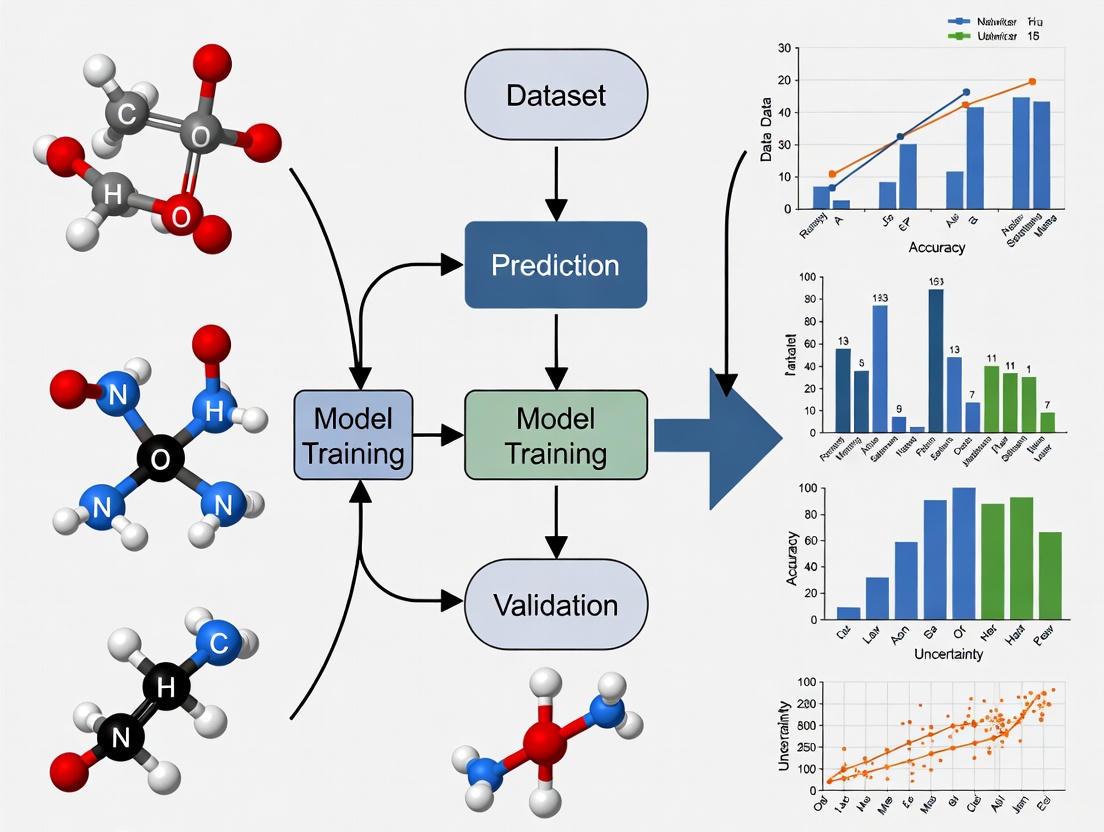
This article provides a comprehensive overview of the integration of active learning (AL) and uncertainty quantification (UQ) to address critical challenges in modern drug discovery.
Active Learning with Uncertainty Quantification: A Practical Framework for Accelerating Drug Discovery
Abstract
This article provides a comprehensive overview of the integration of active learning (AL) and uncertainty quantification (UQ) to address critical challenges in modern drug discovery. Aimed at researchers and development professionals, it explores the foundational principles that make AL/UQ essential for navigating vast chemical spaces and rare-event problems, such as synergistic drug combination discovery. The piece details cutting-edge methodological frameworks, including nested AL cycles and UQ-enhanced graph neural networks, and offers practical strategies for overcoming implementation hurdles like data scarcity and model generalization. Finally, it synthesizes evidence from recent successful applications and benchmarking studies, demonstrating how these techniques can significantly compress discovery timelines, reduce experimental costs, and improve the reliability of AI-driven molecular design.
Why Active Learning and Uncertainty Quantification are Revolutionizing Drug Discovery
Traditional drug discovery is a high-risk endeavor, characterized by an average cost of $2.6 billion per approved drug and a timeline of 10-15 years [1]. A staggering 90% of drug candidates that enter clinical trials never reach patients, with the phase II clinical trial stage being the most significant hurdle, often called the 'graveyard' of drug development due to a nearly 70% failure rate [1] [2]. This inefficiency stems from the challenge of navigating an immense chemical space, estimated to contain over 10⁶⁰ drug-like molecules, with limited experimental throughput [1] [3].
Active Learning (AL) coupled with Uncertainty Quantification (UQ) presents a paradigm shift. This AI-driven approach creates a iterative, data-driven workflow where machine learning models guide experimental design. By identifying the most informative compounds to test next—based on both predicted properties and the model's own uncertainty—researchers can significantly accelerate the exploration of chemical space, reduce costs, and mitigate late-stage attrition [4].
Table: The Drug Development Gauntlet - Key Statistics
| Development Stage | Average Duration | Primary Reason for Failure | Probability of Success |
|---|---|---|---|
| Discovery & Preclinical | 2-4 years | Toxicity, lack of effectiveness in models | ~0.01% (to approval) |
| Phase I Clinical Trial | ~2.3 years | Unmanageable toxicity/safety in humans | ~52% - 70% |
| Phase II Clinical Trial | ~3.6 years | Lack of clinical efficacy in patients | ~29% - 40% |
| Phase III Clinical Trial | ~3.3 years | Insufficient efficacy or safety in large groups | ~58% - 65% |
| FDA Review | ~1.3 years | Safety/efficacy concerns in submitted data | ~91% |
Technical Support Center: FAQs & Troubleshooting
This section addresses common computational and experimental challenges encountered when implementing active learning frameworks in drug discovery.
FAQ: Core Concepts
Q1: What is the difference between aleatoric and epistemic uncertainty, and why does it matter for my assay?
Uncertainty in machine learning predictions is disentangled into two primary sources [5]:
- Aleatoric Uncertainty: This is the inherent stochastic variability or "noise" within your experiments. It is often considered irreducible because it cannot be mitigated by additional data alone. In drug discovery, this can reflect biological stochasticity or human intervention during assay execution. Proper quantification helps in better risk management.
- Epistemic Uncertainty: This encompasses uncertainties related to the model's lack of knowledge, stemming from insufficient training data or model limitations. Unlike aleatoric uncertainty, it can be reduced by acquiring additional data in specific regions of the chemical space. Understanding this allows researchers to strategically guide data collection efforts in an active learning loop.
Q2: My team has decades of historical assay data. Can we use it to build an effective active learning model?
While historical data is valuable, it often comes with significant challenges for building robust models [6]. Key issues include:
- Assay Drift: Over many years, machines, operators, and software change, yet IC50 values are often assumed to be comparable.
- Lack of Metadata: Databases often contain only summarized values (e.g., a single IC50), not the underlying raw measurement values or the control values from the same experiment. This makes proper statistical estimation nearly impossible.
- Solution: Implement "statistical discipline in statistical systems." This means systematically logging all hyperparameters, software versions, and operator information to create a traceable data lineage. Leadership must prioritize baking this traceability into data systems from the start [6].
Q3: What is a "censored label" in my experimental data, and how can I use it?
Censored labels arise when an experiment's measurement range is exceeded, and the exact value cannot be recorded [7] [5]. For instance, if no biological response is observed within the tested range of compound concentrations, the experiment may only indicate that the true activity value lies above or below a certain threshold. Standard regression models ignore this partial information. However, by adapting models using techniques from survival analysis (like the Tobit model), you can incorporate these censored labels. This utilizes all available experimental information, leading to more accurate predictions and superior uncertainty estimation, which is crucial for effective active learning [7] [5].
Troubleshooting Guides
Issue 1: Lack of Assay Window in TR-FRET-Based Screening
- Problem: You are running a TR-FRET assay (e.g., LanthaScreen) and observe no difference between positive and negative controls.
- Investigation & Resolution:
- Instrument Setup: The most common reason for a complete lack of window is that the instrument was not set up properly. Confirm that the exact recommended emission filters for your specific microplate reader are being used. Unlike other fluorescence assays, the filter choice can make or break a TR-FRET assay [8].
- Reagent Testing: Before beginning any assay, test your microplate reader's TR-FRET setup using reagents you have already purchased. Refer to the Terbium (Tb) or Europium (Eu) Assay Application Notes for specific plate reader setup instructions [8].
- Data Analysis: Ensure you are using ratiometric data analysis. Calculate the emission ratio by dividing the acceptor signal by the donor signal (e.g., 520 nm/495 nm for Tb). This ratio accounts for pipetting variances and lot-to-lot reagent variability [8].
Issue 2: Inconsistent IC50/EC50 Values Between Labs or Replicates
- Problem: Different labs, or even different replicates in the same lab, report significantly different EC50 or IC50 values for the same compound.
- Investigation & Resolution:
- Stock Solution Preparation: The primary reason for such differences is often variations in the preparation of stock solutions, typically at the 1 mM stage. Ensure standardized protocols and verification methods for stock solution preparation across all teams [8].
- Data Quality Assessment: Do not rely on the assay window alone. Calculate the Z'-factor, a key metric that considers both the assay window size and the data variability (standard deviation). Assays with a Z'-factor > 0.5 are considered suitable for screening. A large window with high noise can have a worse Z'-factor than a small window with low noise [8].
Issue 3: High Uncertainty in AI Model Predictions for Novel Chemotypes
- Problem: Your molecular property prediction model works well on molecules similar to its training set but returns high uncertainty for novel chemical scaffolds, making active learning selection difficult.
- Investigation & Resolution:
- Evaluate UQ Method Performance: No single UQ method consistently outperforms others. Benchmark methods like ensemble models, Monte Carlo Dropout, and density-estimation approaches on your specific data. Note that many standard UQ methods fail to perform well on out-of-distribution (OOD) molecules, so your choice of UQ method is critical [4].
- Incorporate Censored Data: If you have excluded compounds with censored labels (e.g., "IC50 > 10 µM") from model training, re-train your model using methods that can incorporate this partial information. This has been shown to enhance uncertainty quantification in real pharmaceutical settings [7] [5].
- Temporal Validation: Avoid only using random or scaffold-based data splits for evaluation. Implement a temporal split (training on older data, validating/testing on newer data) to best approximate the model's real-world predictive performance and uncertainty calibration over time [5].
Experimental Protocols for Active Learning with Uncertainty Quantification
Protocol 1: Implementing an Active Learning Cycle for Virtual Screening
This protocol details the steps to set up a closed-loop system where a model guides the selection of compounds for subsequent experimental testing.
1. Hypothesis & Model Initialization:
- Objective: Identify novel hit compounds for a specific protein target from a large virtual library (e.g., 1 million compounds).
- Initial Training Set: Start with a diverse but small set of compounds (e.g., 200) with experimentally measured IC50 values from historical data.
- Model Selection: Choose a graph neural network (GNN) or a molecular descriptor model capable of uncertainty quantification.
2. Experimental Design & UQ Strategy:
- Uncertainty Estimation: Apply an ensemble-based method (e.g., training 10 models with different random seeds) to generate both a mean prediction (pIC50) and a standard deviation (uncertainty) for every compound in the virtual library [4].
- Acquisition Function: Use an uncertainty-based sampling strategy. Rank all untested compounds by their predicted uncertainty (standard deviation). The top N (e.g., 50) most uncertain compounds are selected for the next round of testing.
- Rationale: This strategy prioritizes compounds where the model is least confident, thereby maximizing information gain with each experimental cycle and helping the model generalize to new regions of chemical space more rapidly [4].
3. Key Procedures:
- Iterative Loop:
- Step 1: The model screens the virtual library and proposes the 50 most uncertain compounds.
- Step 2: These compounds are procured or synthesized and tested in the biochemical assay.
- Step 3: The new experimental data (IC50 values, including any censored labels for inactive compounds) is added to the training set.
- Step 4: The model is re-trained on the expanded dataset.
- Repeat until a predefined number of hits are identified or the budget is exhausted.
4. Data Analysis:
- Monitor the model's performance on a held-out test set over iterations.
- Track the hit rate (number of active compounds found / number tested) in each cycle. A successful AL campaign should show a higher hit rate compared to random selection.
Protocol 2: Enhancing QSAR Models with Censored Regression Data
This protocol adapts standard machine learning models to learn from censored experimental labels, providing a more accurate view of uncertainty.
1. Hypothesis:
- Incorporating censored data (e.g., "IC50 > 10 µM") into QSAR model training will improve prediction accuracy and uncertainty quantification for inactive compounds.
2. Experimental Design:
- Data Preparation: Compile a dataset containing both precise IC50 values and censored labels. Censored labels should be assigned a threshold value and a direction (e.g., left-censored for
IC50 < X, right-censored forIC50 > Y). - Model Adaptation: Adapt ensemble-based, Bayesian, or Gaussian models to learn from censored labels using the Tobit model from survival analysis. This involves modifying the loss function (e.g., Gaussian Negative Log-Likelihood) to account for the probability of a data point being censored [7] [5].
3. Key Procedures:
- Baseline Model Training: Train a standard model (e.g., GNN) using only the precise IC50 values, ignoring censored data.
- Censored Model Training: Train an identical model architecture using the adapted loss function that incorporates both precise and censored labels.
- Evaluation: Perform a temporal evaluation by training both models on data available up to a certain date and testing on data generated after that date.
4. Data Analysis:
- Compare the Root Mean Square Error (RMSE) and calibration of uncertainty estimates (e.g., via negative log-likelihood) of the two models on the temporal test set.
- A successful implementation will show that the model trained with censored labels provides better-calibrated uncertainties and more accurate predictions, especially for inactive compounds [5].
The Scientist's Toolkit: Research Reagent Solutions
Table: Essential Reagents for Key Drug Discovery Assays
| Reagent / Material | Function / Application | Key Considerations |
|---|---|---|
| RNAscope Control Probes (PPIB, POLR2A, dapB) | Validate sample RNA quality and assay performance in RNAscope ISH assays. PPIB and POLR2A are positive controls; dapB is a negative bacterial control. | Successful PPIB staining should generate a score ≥2. Samples should display a dapB score of <1, indicating low background [9]. |
| LanthaScreen Eu/Tb Kinase Binding Assay Reagents | Enable TR-FRET-based kinase activity and binding assays. The lanthanide donor provides a long-lived fluorescence signal, allowing time-gated detection to reduce background. | Using the correct emission filters for your microplate reader is critical. Always use ratiometric data (acceptor/donor) for analysis to normalize for pipetting and reagent variability [8]. |
| Z'-LYTE Kinase Assay Kit | A fluorescence-based, coupled-enzyme format for screening kinase inhibitors. Protease cleavage of the substrate is correlated with kinase activity. | The output is a blue/green emission ratio. The 0% phosphorylation (100% inhibition) control should yield the maximum ratio. A 10-fold difference in ratio between 100% and 0% phosphorylated controls is typical [8]. |
| Superfrost Plus Microscope Slides | Used for tissue sectioning and staining in assays like RNAscope ISH. | These slides are required for RNAscope assays. Other slide types may result in tissue detachment during the rigorous protocol [9]. |
| ImmEdge Hydrophobic Barrier Pen | Used to draw a barrier around tissue sections on slides to maintain reagent coverage and prevent drying. | This is the only barrier pen recommended for the RNAscope procedure, as it will maintain a hydrophobic barrier throughout the entire process [9]. |
Workflow Visualization
Active Learning Cycle with UQ
Censored Data in Model Training
FAQs on Active Learning in Drug Discovery
What is active learning and how does it accelerate drug discovery?
Active learning is a machine learning paradigm that operates as an iterative feedback loop designed for optimal experimental design. In drug discovery, it addresses the challenge of exploring vast molecular search spaces where experiments are time-consuming and expensive. The core process involves a surrogate model making predictions about molecular properties, which are then used by a utility function to prioritize the most informative next experiments based on their uncertainty and potential value [7] [10]. This approach systematically guides experiments toward compounds with desired properties, significantly reducing the time and cost of discovery compared to traditional trial-and-error methods [10].
Why is Uncertainty Quantification (UQ) critical in this loop?
Uncertainty Quantification (UQ) is fundamental because it assesses the reliability of the model's predictions. In drug discovery, data-driven models often fail when predicting properties for molecules outside their training domain [11]. UQ helps identify these situations, allowing the system to prioritize experiments that reduce model uncertainty. This leads to more robust exploration of chemical space and prevents misleading conclusions from overconfident but incorrect predictions [7] [11]. Techniques for UQ include ensemble models, Bayesian models, and Gaussian processes [7].
How do I handle censored experimental data in my models?
Censored labels provide threshold information (e.g., "activity > X") rather than precise values and are common in pharmaceutical data, with approximately one-third or more of experimental labels often being censored [7]. Standard UQ methods cannot fully utilize this information. You can adapt ensemble-based, Bayesian, and Gaussian models to learn from censored labels by integrating the Tobit model from survival analysis [7]. This adaptation is essential for reliable uncertainty estimation with real-world, sparse experimental data.
Which model should I choose for my active learning pipeline?
The choice depends on your data size and UQ needs. The table below compares common approaches:
| Model Type | Best For | UQ Strengths | Considerations |
|---|---|---|---|
| Gaussian Process (GP) [11] | Smaller datasets, high-precision UQ | Provides natural, well-calibrated uncertainty estimates. | Computational cost scales poorly (O(n³)) with large datasets. |
| Graph Neural Networks (GNNs) [11] | Large, complex molecular datasets | Scalable with fixed parameters regardless of dataset size. | UQ under domain shift can be challenging; requires specific methods like ensemble or Bayesian learning. |
| Ensemble Models [7] | General-purpose, robust UQ | Simple to implement, effective uncertainty estimates. | Can be computationally expensive as it requires training multiple models. |
What are common utility functions and when should I use them?
The utility function is critical for decision-making. Here are key types:
| Utility Function | Primary Goal | Mechanism | Use Case Example |
|---|---|---|---|
| Probabilistic Improvement (PIO) [11] | Meet specific property thresholds. | Selects candidates based on the probability of exceeding a target value. | Optimizing a molecule to achieve a potency IC50 < 10 nM. |
| Expected Improvement (EI) [10] [11] | Find the best possible property value. | Balances the potential magnitude of improvement and its probability. | Maximizing the binding affinity of a drug candidate. |
| Variance Reduction | Improve overall model accuracy. | Selects points where uncertainty (variance) is highest. | Initial exploration of a poorly characterized chemical space. |
Troubleshooting Guides
Problem: My Active Learning Loop Is Not Finding Better Candidates
Possible Causes and Solutions:
Insufficient Exploration: The utility function is too greedy, focusing only on the most promising areas and getting stuck.
- Solution: Incorporate more exploration in your utility function. For example, mix in some random sampling or use a function like Upper Confidence Bound (UCB) that explicitly balances exploring uncertain regions with exploiting known promising ones [10].
Poor Surrogate Model Performance: The model's predictions are inaccurate, leading the loop in the wrong direction.
Inadequate UQ: The model's uncertainty estimates are poorly calibrated, making the utility function's decisions unreliable.
- Solution: For GNNs, implement ensemble methods or Monte Carlo Dropout to improve UQ [11]. Benchmark different UQ methods on your specific dataset.
Problem: My Model Cannot Learn from Censored Data Effectively
Solution: Implement the Tobit model framework for censored regression [7]. This involves adapting the loss function of your chosen model (e.g., ensemble, Bayesian) to account for the fact that for censored data points, we only know that the true value lies beyond a certain threshold. This allows the model to learn from the partial information in censored labels, which is crucial for reliable uncertainty estimation in real-world pharmaceutical settings [7].
Problem: The Computational Cost of UQ Is Too High
Solution: Choose a scalable UQ method appropriate for your data size.
- For large datasets, avoid Gaussian Processes and instead use parametric models like GNNs with ensemble UQ, as their computational cost is independent of dataset size [11].
- If using GPs is necessary, employ approximation strategies like inducing-point methods or random Fourier features to reduce computational complexity [11].
Experimental Protocols
Protocol 1: Implementing an Active Learning Loop with D-MPNN and UQ
This protocol uses Graph Neural Networks for molecular property prediction [11].
1. Dataset Preparation:
- Input Data: Collect molecular structures (e.g., as SMILES strings) and their corresponding experimental activity data.
- Censored Data Handling: If censored data exists (e.g., "IC50 > 10μM"), label them appropriately for the Tobit model adaptation [7].
2. Surrogate Model Training (D-MPNN with UQ):
- Tool: Use the
Chemproppackage, which implements D-MPNNs [11]. - UQ Method: Train an ensemble of D-MPNNs. The uncertainty can be quantified as the variance or standard deviation across the ensemble's predictions [11].
- Training: Split data into training/validation sets. Train multiple D-MPNN models with different random initializations on the training set.
3. Candidate Selection & Iteration:
- Acquisition Function: Calculate the Probabilistic Improvement (PIO) for all candidates in the unlabeled pool. PIO quantifies the likelihood a candidate exceeds a property threshold [11].
- Selection: Rank candidates by PIO and select the top ones for the next round of "experiments."
- Iterate: Add the new data (real or simulated) to the training set and retrain the model ensemble. Repeat until a candidate meets the target criteria.
Protocol 2: Benchmarking Active Learning Strategies
Use this protocol to compare different utility functions or UQ methods [11].
1. Benchmark Setup:
- Platforms: Use open-source molecular design platforms like Tartarus or GuacaMol for predefined tasks and datasets [11].
- Tasks: Select both single-objective (e.g., optimize solubility) and multi-objective (e.g., optimize potency and metabolic stability) tasks.
2. Experimental Procedure:
- Baseline: Run an active learning loop with a simple, uncertainty-agnostic strategy (e.g., selecting candidates with the highest predicted value).
- Test Strategy: Run the same loop with your UQ-enhanced strategy (e.g., using PIO or Expected Improvement).
- Metric: Track the number of iterations or total experiments required to find a candidate satisfying the target. For multi-objective tasks, measure the success rate of finding candidates that meet all objectives simultaneously [11].
3. Analysis:
- Compare the performance curves of the different strategies. A more efficient strategy will find successful candidates in fewer iterations.
The Scientist's Toolkit: Research Reagent Solutions
| Tool / Resource | Function in Active Learning | Example Use |
|---|---|---|
| Chemprop [11] | A software package implementing Directed Message Passing Neural Networks (D-MPNNs) for molecular property prediction. | Serving as the surrogate model to predict activity from molecular structure, with built-in support for uncertainty quantification. |
| Tartarus Benchmarking Platform [11] | A suite of computational benchmarks that simulate real-world molecular design challenges (e.g., optimizing organic photovoltaics, protein ligands). | Evaluating and comparing the performance of different active learning and UQ strategies in a simulated, cost-effective environment. |
| Tobit Model [7] | A statistical model from survival analysis adapted for regression with censored data. | Enabling the surrogate model to learn from experimental labels that are incomplete (e.g., "activity > 10μM"), which is common in early drug screening. |
| Probabilistic Improvement (PIO) [11] | An acquisition function that selects experiments based on the probability of exceeding a target property threshold. | Guiding the search for molecules that need to meet a specific minimum efficacy or safety threshold, rather than just maximizing a value. |
Active Learning Workflow and Signaling
Active Learning Loop for Drug Discovery
UQ-Enhanced Molecular Optimization
Uncertainty Quantification (UQ) is a critical process in artificial intelligence that evaluates the reliability of model predictions by estimating their confidence levels. In drug discovery research, where decisions guide expensive and time-consuming laboratory experiments, accurately quantifying uncertainty enables researchers to distinguish between high-confidence and speculative predictions, optimizing resource allocation [7] [5].
UQ disentangles two primary types of uncertainty: aleatoric uncertainty (inherent noise in the data that cannot be reduced with more data) and epistemic uncertainty (stemming from the model's lack of knowledge, which can be reduced with additional training data) [5]. For active learning frameworks in drug discovery, this distinction is crucial—epistemic uncertainty helps identify which compounds would be most informative to test next in the laboratory [5] [11].
FAQs on Uncertainty Quantification in Drug Discovery
1. Why is uncertainty quantification especially important in AI-driven drug discovery?
Drug discovery experiments are both time-consuming and costly. Uncertainty quantification provides a measure of confidence in AI predictions, allowing researchers to prioritize experiments more likely to succeed and avoid being misled by overconfident but incorrect model outputs. This builds trust in AI models and optimizes resource allocation [7] [12]. Furthermore, in active learning settings, UQ guides the selection of the most valuable data points to test experimentally next, thereby improving the model efficiently with fewer experiments [11].
2. What is the difference between aleatoric and epistemic uncertainty?
- Aleatoric uncertainty captures the inherent stochasticity or noise in the experimental process itself. It is often considered irreducible because it cannot be eliminated by collecting more data. In drug discovery, this might reflect biological variability or measurement error [5].
- Epistemic uncertainty arises from a lack of knowledge in the model, often due to insufficient training data in certain regions of the chemical space. This type of uncertainty can be reduced by gathering more relevant data, making it a key target for active learning strategies [5].
3. How can I use UQ to improve my active learning cycle?
In an active learning cycle for drug discovery, UQ is used as a criterion for selecting the next compounds for experimental testing. After training an initial model on available data, you would:
- Use the model to predict properties and their associated uncertainties for a large library of untested compounds.
- Prioritize compounds where the model exhibits high epistemic uncertainty (indicating it is operating outside its knowledge domain) or those that are predicted to have high desired properties but with some uncertainty.
- Conduct experiments on these selected compounds.
- Add the new experimental results to the training data and retrain the model. This iterative process, guided by UQ, helps expand the model's knowledge base more efficiently than random selection [5] [11].
4. My experimental data contains "censored labels" (e.g., compound potency reported as ">10μM"). Can UQ methods use this information?
Yes. Standard UQ methods cannot fully utilize censored labels, but recent adaptations allow models to learn from this partial information. By applying techniques from survival analysis, such as the Tobit model, ensemble-based, Bayesian, and Gaussian models can be extended to incorporate censored regression labels. This leads to more reliable uncertainty estimates, especially in real-world pharmaceutical settings where a significant portion of experimental data may be censored [7] [5].
5. What are common UQ methods I can implement?
The table below summarizes common UQ methods used in drug discovery research.
Table 1: Common Uncertainty Quantification Methods
| Method Category | Key Examples | Brief Description | Strengths |
|---|---|---|---|
| Ensemble Methods | Deep Ensembles [13], MC-Dropout [13] | Trains multiple models (or uses dropout at inference) and measures the variance in their predictions. | Simple to implement; strong empirical performance. |
| Bayesian Methods | Bayesian Neural Networks [13] [14] | Treats model weights as probability distributions, naturally capturing uncertainty. | Principled probabilistic framework. |
| Gaussian Methods | Mean-Variance Estimation (MVE) [13], Gaussian Ensemble [13] | The model is trained to directly predict both a mean and a variance for each input. | Directly estimates aleatoric uncertainty. |
| Evidential Methods | Deep Evidential Regression [13] | The model is trained to place a higher-order distribution over the predictions, yielding both aleatoric and epistemic uncertainty. | Can capture both uncertainty types without ensembles. |
Troubleshooting Common UQ Issues
Problem: My model is overconfident on new, unseen types of molecules.
- Cause: This is often a sign of underestimated epistemic uncertainty. The model has not encountered similar molecules during training and fails to recognize its own ignorance.
- Solutions:
- Implement Temporal Validation: Split your data temporally, training on older compounds and validating on newer ones. This better simulates real-world deployment and reveals overconfidence on novel chemotypes [7] [5].
- Use Ensemble Methods: Switch from a single model to an ensemble of models. The variance in the ensemble's predictions is a good indicator of epistemic uncertainty [13] [15].
- Apply Conformal Prediction: Use this distribution-free method to create prediction sets (e.g., confidence intervals) that have guaranteed coverage properties under certain assumptions, providing a more realistic view of model performance on new data [16].
Problem: The estimated uncertainty values are poorly calibrated (e.g., 90% confidence intervals only contain the true value 50% of the time).
- Cause: The model's uncertainty estimates do not match the true frequency of correct predictions.
- Solutions:
- Recalibration: Apply post-processing calibration techniques. For regression, use a held-out validation set to fit a linear regression that maps your estimated uncertainties to more accurate ones. For classification, Platt scaling or Venn-ABERS predictors can be effective [13].
- Test Calibration: Use metrics like the Expected Normalized Calibration Error (ENCE) to quantitatively assess calibration and track improvements [13].
Problem: My UQ method is too computationally expensive for my large dataset.
- Cause: Some methods, like deep ensembles or Gaussian Processes, scale poorly with data size.
- Solutions:
- For Ensembles: Reduce the number of models in the ensemble or use smaller, more efficient base models.
- Consider Alternative Methods: Use MC-Dropout as a more lightweight approximation of a Bayesian neural network [13].
- Leverage Scalable Models: Graph Neural Networks (GNNs) with UQ provide a scalable parametric alternative to non-parametric methods like Gaussian Processes, enabling UQ on larger datasets [11].
Experimental Protocols for UQ Evaluation
Protocol 1: Temporal Evaluation of UQ Methods
Objective: To benchmark UQ methods under realistic conditions that simulate the temporal evolution of a drug discovery project.
Workflow:
Materials:
- Dataset: Internal pharmaceutical assay data with timestamps (e.g., IC50/EC50 values from target-based or ADME-T assays) [7] [5].
- Software: UQ4DD package [13], PyTorch, Scikit-learn.
- Models: Ensemble of D-MPNNs, Bayesian Neural Networks, Gaussian Mean-Variance Estimators [13] [11].
Procedure:
- Collect data from relevant biological assays, ensuring each data point has a reliable experimental date.
- Sort the entire dataset chronologically and split it into training (e.g., first 60%), validation (e.g., next 20%), and test (e.g., last 20%) sets [7] [5].
- Train multiple UQ models (e.g., ensemble, Bayesian, Gaussian) on the training set. If available, incorporate censored labels using adapted loss functions [7].
- Use the trained models to make predictions and quantify uncertainties (both aleatoric and epistemic) on the held-out test set.
- Evaluate the quality of the uncertainties using metrics such as:
- Negative Log-Likelihood (NLL): Measures how likely the true data is under the predicted probability distribution (lower is better).
- ENCE: Measures the calibration of the uncertainty intervals (lower is better) [13].
- AUC of tasks like identifying prediction errors or active compounds using the uncertainty score.
Protocol 2: Active Learning Cycle with UQ-Based Selection
Objective: To iteratively improve a predictive model by selectively acquiring new experimental data based on UQ.
Workflow:
Materials:
- Initial Data: A small, labeled dataset of compounds with assay results.
- Candidate Pool: A large, diverse virtual library of compounds without assay data.
- UQ-Capable Model: A model such as a GNN ensemble or Bayesian neural network [11].
Procedure:
- Initial Training: Train your chosen UQ model on the initial labeled dataset.
- Prediction & Selection:
- Use the model to predict the target property and its associated epistemic uncertainty for all compounds in the candidate pool.
- Rank the candidates based on a selection criterion. Common criteria include:
- Uncertainty Sampling: Select the compounds with the highest epistemic uncertainty.
- Probabilistic Improvement (PIO): Select compounds with the highest probability of exceeding a desired property threshold, which balances predicted performance and uncertainty [11].
- Experimental Loop:
- Send the top-ranked compounds (e.g., top 10-50) for experimental testing.
- Add the new experimental results to the initial training data.
- Retrain the model on the expanded dataset.
- Iteration: Repeat steps 2 and 3 for multiple cycles until a performance goal is met or the budget is exhausted.
The Scientist's Toolkit: Key Research Reagents & Solutions
Table 2: Essential Computational Tools for UQ in Drug Discovery
| Tool / Solution | Function | Application Context |
|---|---|---|
| UQ4DD Python Package [13] | Provides implementations of ensemble, Bayesian, and Gaussian UQ methods adapted for censored data. | Benchmarking and applying UQ methods to molecular property prediction tasks. |
| Chemprop with D-MPNN [11] | A Graph Neural Network that directly learns from molecular structures and can be extended for UQ. | Building accurate surrogate models for molecular optimization with built-in UQ capabilities. |
| Therapeutics Data Commons (TDC) [13] | A collection of public datasets for drug discovery. | Accessing benchmark datasets for training and evaluating models when internal data is limited. |
| Scikit-learn [13] | A core machine learning library with tools for cross-validation and baseline models (e.g., Random Forest). | Implementing baseline ensemble models and standard evaluation procedures. |
| Conformal Prediction Frameworks [16] | Provides distribution-free methods for creating statistically valid prediction intervals. | Adding rigorous, model-agnostic confidence intervals to predictions from any model. |
Technical Support Center: Troubleshooting AL/UQ in Drug Discovery
This guide provides practical solutions for researchers implementing Active Learning (AL) with Uncertainty Quantification (UQ) in drug discovery projects. It addresses common pitfalls and offers standardized protocols to ensure robust and efficient discovery cycles.
Frequently Asked Questions (FAQs)
1. My AL model fails to generalize to new molecular scaffolds. What is wrong? This is a common issue where the model's uncertainty estimates are not effectively identifying truly informative out-of-domain (OOD) samples. Many standard UQ methods, like those relying solely on prediction variance, perform poorly on OOD data [17]. To improve generalization:
- Action: Incorporate density-based UQ methods, such as Kernel Density Estimation (KDE), which have been shown to outperform other approaches in identifying OOD molecules and accelerating model generalization [17].
- Action: Use the UNIQUE framework to benchmark your UQ methods. Evaluate metrics like
DiffkNN, which measures the absolute difference between a test sample's UQ metric and that of its nearest neighbors in the training set, as it is specifically designed to detect distribution shifts [18].
2. How should I handle experimental data where many activity values are reported as thresholds (e.g., IC50 > 10μM)? Standard UQ models cannot utilize this "censored" data, leading to information loss. You can adapt your UQ models to learn from these censored labels.
- Action: Integrate tools from survival analysis, specifically the Tobit model, into your ensemble, Bayesian, or Gaussian models. This adaptation allows the model to learn from censored regression labels, which is essential for reliable uncertainty estimation when a significant portion (e.g., one-third or more) of experimental labels are censored [7].
3. How can I determine which UQ metric is best for my specific drug discovery project? There is no single best UQ metric; the optimal choice depends on the downstream application [17] [18].
- Action: Clearly define your goal and use the following table as a guide:
| Your Goal | Recommended UQ Approach | Reasoning |
|---|---|---|
| Identifying the Model's Applicability Domain (AD) | Error Models (e.g., Random Forest predicting L1 error) or Data-based metrics (e.g., distance to training set) [19]. | These methods directly link uncertainty to the feature space of your training data, helping to identify when a molecule is too dissimilar to be trusted. |
| Estimating Prediction Intervals for Confidence Estimation | Sum of model-based and data-based variances [19] or Ensemble methods [20]. | Combining variance sources provides a more robust estimate of the total prediction interval. |
| Selecting compounds for Active Learning | Density-based methods (KDE) or Transformed UQ metrics (DiffkNN) [17] [18]. | These are more effective at quantifying changes in model uncertainty and identifying informative OOD samples for experimental follow-up. |
4. My UQ method seems miscalibrated, providing overconfident false predictions. How can I fix this? This occurs when the estimated uncertainty does not accurately reflect the actual prediction error. This is a known limitation, especially under data distribution shifts [18].
- Action: Implement calibration techniques. Use a calibration set to adjust your uncertainty estimates. Frameworks like Fortuna and MAIPE are designed for this purpose and can provide better-calibrated conformal prediction sets [18].
Troubleshooting Guides
Problem: Poor Performance of Uncertainty-Based Active Learning
Symptoms: The model's performance does not improve efficiently with new data acquisitions, or it fails to generalize to new regions of chemical space.
| Potential Cause | Diagnostic Steps | Solution |
|---|---|---|
| Inadequate UQ for OOD Data | Check the correlation between your UQ scores and prediction errors on a held-out OOD test set. A low Spearman correlation indicates poor ranking ability [21] [17]. | Switch to a UQ method proven effective for OOD detection, such as Kernel Density Estimation (KDE) or other density-based methods [17]. |
| Over-exploitation | Analyze the diversity of molecules selected by the AL cycle. If they are all structurally similar, the system is over-exploiting. | Modify the acquisition function to balance exploration and exploitation. Incorporate a diversity measure or use a UQ metric like DiffkNN that explicitly probes for novelty [18]. |
| Miscalibrated Uncertainty | Use the UNIQUE framework to perform a calibration-based evaluation of your UQ metrics. A miscalibrated metric will not accurately reflect the true error distribution [18]. | Re-calibrate your UQ metrics using a held-out calibration dataset or employ a library like Fortuna that includes calibration functions [18]. |
Problem: Unreliable Predictions Despite High Training Accuracy
Symptoms: The model performs well on validation data drawn from the same distribution as the training set but fails on real-world candidate molecules.
| Potential Cause | Diagnostic Steps | Solution |
|---|---|---|
| Ignoring the Applicability Domain (AD) | Calculate the distance (e.g., Euclidean, Tanimoto) of the failing molecules to the training set. If they are distant, they are outside the model's AD [21]. | Implement an AD filter. Reject predictions for molecules where the data-based UQ metric (e.g., distance to k-NN) exceeds a predefined threshold [21] [18]. |
| Confusing Epistemic and Aleatoric Uncertainty | Diagnose the source of uncertainty. Epistemic uncertainty is high in data-scarce regions and can be reduced with more data. Aleatoric uncertainty is high due to data noise and is irreducible [21]. | Use UQ methods that can decompose uncertainty. For example, Bayesian models or deep ensembles can often separate epistemic (model) uncertainty from aleatoric (data) uncertainty, guiding whether to collect more data or improve assay protocols [21]. |
Detailed Experimental Protocols
Protocol 1: Benchmarking UQ Methods with the UNIQUE Framework
Objective: To systematically evaluate and select the best Uncertainty Quantification method for a specific molecular property prediction task.
Materials:
- Dataset: A curated set of molecules with experimental property data (e.g., solubility, bioactivity).
- Data Splits: Training, Calibration, and Test sets. The test set should include both in-domain and out-of-domain molecules.
- Software: Python with the UNIQUE library installed.
Methodology:
- Train a Base Model: Train your chosen machine learning model (e.g., Random Forest, GNN) on the training set.
- Generate Predictions and Inputs: Run inference on the calibration and test sets. Create an input file containing:
- Molecule IDs
- True labels and model predictions
- Data split designation for each sample
- Data features (e.g., molecular fingerprints)
- Model-based UQ metrics (e.g., prediction variance from an ensemble)
- Configure the UNIQUE Pipeline: Specify in a YAML configuration file which UQ metrics to benchmark. These can include:
- Data-based: k-NN distances (Euclidean, Manhattan, Tanimoto), KDE.
- Model-based: Prediction variance.
- Transformed: Sum of variances,
DiffkNN. - Error Models: Train a Random Forest or Lasso model to predict the error.
- Run Evaluation: Execute the UNIQUE pipeline. It will automatically calculate all specified UQ metrics and evaluate them using:
- Ranking-based metrics: Spearman correlation between UQ scores and actual errors.
- Calibration-based metrics: How well the estimated prediction intervals match the observed error distribution.
- Proper scoring rules: Negative Log-Likelihood (NLL).
- Select Best Metric: Choose the UQ metric that performs best on the evaluation criteria most relevant to your application (e.g., OOD detection vs. prediction interval estimation) [18] [19].
The workflow for this benchmarking process is standardized to ensure consistent evaluation:
Protocol 2: Implementing a Censored Data-Aware UQ Model
Objective: To train a UQ model that effectively learns from censored experimental data (e.g., IC50 > 10μM).
Materials:
- Dataset: Pharmaceutical assay data containing both precise and censored activity values.
- Software: Python with PyTorch/TensorFlow and custom code implementing the Tobit loss (Code available at: https://github.com/MolecularAI/uq4dd) [7].
Methodology:
- Data Preparation: Annotate each data point, specifying whether it is a precise measurement or a left/right-censored value.
- Model Selection: Choose a base UQ model (e.g., an ensemble of neural networks, a Bayesian neural network, or a Gaussian process).
- Adapt the Loss Function: Modify the model's loss function to use the Tobit loss, which is the negative log-likelihood for a censored normal distribution. This allows the model to incorporate information from both precise and censored labels during training.
- Model Training: Train the model using the adapted loss function. The model will learn to predict the underlying uncensored activity values and quantify the associated uncertainty, even for censored data points.
- Validation: Evaluate the model on a test set with precise measurements. The study shows that this approach is essential for reliable uncertainty estimation when a significant portion of the data is censored [7].
The Scientist's Toolkit: Essential Research Reagents & Solutions
The following table details key computational tools and their functions for implementing robust AL/UQ pipelines.
| Item | Function / Application | Key Features |
|---|---|---|
| UNIQUE Python Library [18] [19] | A unified framework for benchmarking UQ metrics. | Model-agnostic; supports data- and model-based UQ metrics, error models, and comprehensive evaluation. |
| ML Uncertainty Package [20] | Estimates prediction intervals for classical ML models like Linear Regression and Random Forests. | Intuitive interface; exploits statistical properties of models; computationally efficient. |
| UQ4DD Codebase [7] | Provides implementations for handling censored data in UQ models. | Includes adaptations of ensemble, Bayesian, and Gaussian models with Tobit loss for censored regression. |
| Therapeutics Data Commons [7] | A resource for public molecular property data. | Useful for building benchmark datasets and testing protocols when proprietary data is unavailable. |
| Error Model (Lasso/RF) [18] | A meta-model that predicts the error of the primary ML model. | Uses features and model outputs to forecast prediction errors, acting as a powerful UQ metric. |
| Kernel Density Estimation (KDE) [17] [18] | A data-based UQ method for estimating the probability density of the training data. | Particularly effective at identifying out-of-domain samples and guiding exploration in AL. |
The interplay of these tools and data types within an AL cycle creates a robust system for efficient discovery, as visualized in the following workflow:
Frequently Asked Questions (FAQs)
Q1: What are the main types of uncertainty in AI-driven drug discovery, and why do they matter? Uncertainty is categorized into two main types, each with different implications for your experiments [21]:
- Aleatoric uncertainty stems from inherent noise or randomness in experimental data (e.g., variations in biological assays or measurement errors). It cannot be reduced by collecting more data.
- Epistemic uncertainty arises from a lack of knowledge or data in certain regions of the chemical space. It can be reduced by strategically acquiring more experimental data in these under-explored areas.
Properly quantifying these uncertainties helps prioritize experiments, improve model reliability, and guide resource allocation.
Q2: Our active learning model performs well on validation data but fails to select promising synergistic combinations in real-world testing. What could be wrong? This common issue often relates to the batch selection strategy and model generalization [22] [23]. Key factors to check:
- Batch Size: Smaller batch sizes often yield higher synergy discovery rates. Dynamic tuning of the exploration-exploitation balance is crucial.
- Cellular Context: Ensure your model incorporates relevant cellular environment features (e.g., gene expression profiles), as these significantly enhance prediction quality compared to molecular features alone [22].
- Data Scarcity: Synergy is a rare event (often 1.5-3.5% of pairs). Implement techniques like data augmentation or consider the joint modeling approach of
Hyformerto improve robustness in low-data regimes [22] [24].
Q3: How can we trust AI predictions for molecules that are very different from our training set? This is a fundamental challenge of model applicability domain. Solutions include [21]:
- Uncertainty Quantification (UQ): Deploy ensemble methods, Bayesian models, or similarity-based approaches to assign a confidence score to each prediction.
- Similarity Assessment: If a test molecule is too dissimilar from all training set molecules, its prediction should be treated with caution.
- Censored Data: Use models adapted for censored regression labels, which can learn from incomplete data or activity thresholds common in early drug discovery [7].
Q4: What is the role of active learning in optimizing molecular properties like solubility or permeability? Active learning accelerates the multi-parameter optimization of ADMET (Absorption, Distribution, Metabolism, Excretion, and Toxicity) properties. Novel batch active learning methods (e.g., COVDROP, COVLAP) select the most informative molecules for testing by maximizing both the uncertainty and diversity of the batch. This can lead to significant savings in the number of experiments needed to achieve the same model performance [23].
Troubleshooting Guides
Problem: Poor Assay Window or No Signal in TR-FRET Assays
Symptoms:
- No difference in signal between positive and negative controls.
- Low Z'-factor, indicating an unreliable assay.
Recommended Actions [8]:
- Verify Instrument Setup: The most common reason for no assay window is improper instrument configuration. Confirm that the correct emission filters for your TR-FRET reagent (Terbium or Europium) are installed precisely as recommended for your microplate reader.
- Check Reagent Preparation: Ensure stock solutions are prepared correctly. Inconsistent compound dissolution is a primary cause of EC50/IC50 variability between labs.
- Use Ratiometric Data Analysis: Always calculate an emission ratio (Acceptor signal / Donor signal, e.g., 520 nm/495 nm for Tb). This ratio corrects for pipetting variances and lot-to-lot reagent variability. Do not rely on raw RFU values.
- Assess Data Quality with Z'-factor: Do not rely on assay window size alone. Calculate the Z'-factor, which incorporates both the assay window and the data variability. An assay with a Z'-factor > 0.5 is considered suitable for screening [8].
Problem: Low Hit Rate in Synergistic Drug Combination Screening
Symptoms:
- Despite AI predictions, the experimentally validated rate of synergistic combinations is low.
- Model predictions do not correlate well with subsequent experimental results.
Recommended Actions [22] [25]:
- Benchmark Model Data Efficiency: Test your AI algorithm's performance using only a small fraction (e.g., 10%) of your available training data. Models that are not data-efficient will struggle in real-world active learning scenarios where data is initially scarce.
- Incorporate Cellular Features: Use genomic features like gene expression profiles of the target cell lines. Research shows this can lead to a significant gain (0.02–0.06 in PR-AUC) in prediction performance compared to using molecular features alone [22].
- Optimize the Exploration-Exploitation Trade-off: An overly greedy strategy that only selects the most promising pairs can miss novel synergies. Implement selection criteria that balance picking high-scoring pairs with exploring uncertain regions of the chemical space.
- Validate with a Pilot Screen: Before a full-scale campaign, run a smaller active learning cycle to benchmark the entire workflow—from feature calculation and model prediction to experimental validation and model retraining.
Problem: Overconfident Predictions on Novel Molecular Scaffolds
Symptoms:
- The model assigns high confidence (e.g., high Softmax probability) to incorrect predictions for out-of-distribution molecules.
- This leads to wasted resources on synthesizing and testing ineffective compounds.
Recommended Actions [24] [21]:
- Implement Uncertainty Quantification: Replace models that output only a single prediction with those that provide uncertainty estimates. Ensemble methods and Bayesian neural networks are widely used for this.
- Use Joint Models: Consider architectures like
Hyformerthat unify generative and predictive tasks. These models have shown benefits in robust property prediction for out-of-distribution samples and in conditional generation [24]. - Define the Applicability Domain: Use simple similarity-based methods (e.g., Tanimoto similarity to the training set) to flag predictions for molecules that are highly dissimilar to the model's training data. Predictions for these molecules should be considered less reliable.
- Calibrate Model Outputs: Ensure that the predicted probabilities of classification models are calibrated to reflect the true likelihood of correctness. A model is well-calibrated if, for example, of the molecules to which it assigns a 80% confidence, roughly 80% are actually correct.
Table 1: Active Learning Performance in Drug Synergy Screening
This table summarizes key performance metrics from a study on using active learning for synergistic drug combination discovery [22].
| Metric | Performance with Active Learning | Performance with Random Screening |
|---|---|---|
| Combinatorial Space Exploration | 10% explored | 100% required for exhaustive search |
| Synergistic Pairs Discovered | 60% (300 out of 500) | Required 8253 measurements to find 300 pairs |
| Experimental Savings | 82% saving in time and materials | Baseline (0% saving) |
| Key Influencing Factor | Smaller batch sizes increase synergy yield | N/A |
Table 2: Performance Comparison of Uncertainty Quantification Methods
This table compares different UQ approaches based on their core ideas and applications in drug discovery [21].
| UQ Method | Core Idea | Example Applications in Drug Discovery |
|---|---|---|
| Similarity-Based | Predictions are unreliable if a test sample is too dissimilar to training samples. | Virtual screening; Toxicity prediction; SARS-CoV-2 inhibitor prediction. |
| Ensemble-Based | The consistency of predictions from multiple models estimates confidence. | Solubility prediction; Bioactivity prediction; ADMET property forecasting. |
| Bayesian | Model parameters and outputs are treated as random variables, and predictions include a measure of uncertainty. | Molecular property prediction; Protein-ligand interaction prediction; Virtual screening. |
Detailed Experimental Protocols
Protocol 1: Implementing an Active Learning Cycle for Synergy Screening
Objective: To iteratively discover synergistic drug combinations using a closed-loop active learning process that integrates AI prediction and experimental validation.
- Initialization:
- Start with a small, initial dataset of experimentally measured drug combinations (this could be a public dataset or a small in-house pilot screen).
- Train an initial AI model (e.g., a neural network like DeepSynergy or a graph convolutional network) on this data. Use molecular fingerprints (e.g., Morgan fingerprint) and cellular features (e.g., gene expression from GDSC) as input.
- Active Learning Loop:
- Prediction & Prioritization: Use the trained model to predict synergy scores for all unexplored drug pairs in the library. Prioritize a batch of pairs for testing based on a selection criterion that balances high predicted synergy (exploitation) and high model uncertainty (exploration).
- Experimental Validation: Test the selected batch of drug combinations in a wet-lab assay (e.g., cell viability assay in PANC-1 cells for cancer research). Use a validated synergy metric like the Gamma score or Bliss score [25].
- Model Retraining: Add the new experimental data to the training set. Retrain or fine-tune the AI model on this updated, larger dataset.
- Repeat the loop until the desired number of synergistic pairs is found or the experimental budget is exhausted.
Key Considerations:
- Batch Size: Smaller batches (e.g., 30 combinations) allow for more frequent model updates and can improve performance [23].
- Model Choice: Ensure the base AI model is data-efficient, meaning it can learn effectively from a small amount of data [22].
Protocol 2: Quantifying Prediction Uncertainty for Molecular Property Optimization
Objective: To estimate the reliability of model predictions for ADMET properties, enabling better decision-making and guiding experimental efforts.
- Model Selection:
- Choose an uncertainty-aware model architecture. Two effective options are:
- Deep Ensemble: Train multiple instances of the same model architecture (e.g., a Graph Neural Network like ChemProp) with different random initializations.
- Bayesian Neural Network: Use a network where the weights are represented by probability distributions (e.g., using Monte Carlo Dropout).
- Choose an uncertainty-aware model architecture. Two effective options are:
Training:
- Train the chosen model on your labeled dataset of molecules and their properties (e.g., solubility, permeability).
Inference and Uncertainty Calculation:
- For a new molecule, make predictions with all models in the ensemble (or multiple stochastic forward passes for Bayesian NN).
- Calculate the mean of the predictions as the final predicted value.
- Calculate the variance or standard deviation of the predictions as the quantitative measure of epistemic uncertainty.
Application:
- Use the predicted uncertainty to prioritize molecules for testing. Molecules with high predicted property values and high uncertainty are prime candidates for experimental validation, as they can maximally improve the model.
Key Considerations:
- Calibration: Periodically check if the predicted uncertainties are well-calibrated (e.g., 90% of the time, the true value lies within the 90% prediction interval).
- Censored Data: If your experimental data has limits of detection (e.g., "IC50 > 10 µM"), use models adapted for censored regression to incorporate this information and improve uncertainty estimates [7].
Experimental Workflow and Pathway Diagrams
Diagram 1: Active Learning Cycle with Uncertainty Quantification
Active Learning Workflow for Drug Discovery
Diagram 2: Uncertainty-Informed Decision Pathway
Decision Logic for Experimental Prioritization
The Scientist's Toolkit: Research Reagent Solutions
Table 3: Essential Materials for AI-Guided Drug Discovery Experiments
| Reagent / Material | Function / Application | Technical Notes |
|---|---|---|
| TR-FRET Assay Kits (e.g., LanthaScreen) | Used for high-throughput screening assays to study biomolecular interactions (e.g., kinase activity). | Use ratiometric data analysis (Acceptor/Donor). Correct emission filter selection is critical for success [8]. |
| Cell Line Panels (e.g., PANC-1, other cancer cell lines) | Provide the cellular context for testing drug combinations or single-agent efficacy. | Genomic data (e.g., gene expression from GDSC) for these lines should be incorporated into AI models for improved predictions [22] [25]. |
| Compound Libraries (e.g., NCATS, ChEMBL) | Source of small molecules for screening and for building training data for AI models. | Libraries should be diverse and well-annotated with structures (SMILES) and known activities (IC50) [25]. |
| Gene Expression Datasets (e.g., GDSC - Genomics of Drug Sensitivity in Cancer) | Provide cellular feature inputs for AI models, significantly boosting synergy prediction accuracy. | As few as 10 carefully selected genes can be sufficient for accurate predictions in some contexts [22]. |
| Molecular Descriptors & Fingerprints (e.g., Morgan Fingerprints, MAP4, MACCS) | Numerical representations of molecules used as input for machine learning models. | Morgan fingerprints with simple addition operations have been shown to be highly effective and data-efficient [22]. |
Implementing AL/UQ Frameworks: From Theory to Practice
Troubleshooting Common Active Learning Issues
FAQ: My active learning model's performance has plateaued. What could be wrong? This is often caused by a poor exploration-exploitation balance. If your query strategy only selects samples the model is most uncertain about (exploitation), it may miss important, diverse regions of the data space. Incorporate diversity sampling methods, such as clustering-based sampling, to ensure your selected batches represent the entire unlabeled pool. Dynamic tuning of this balance, often influenced by batch size, can further enhance performance [22].
FAQ: How do I handle highly imbalanced data in drug synergy screening? When synergistic pairs are rare (e.g., 1.47-3.55% in common datasets), standard uncertainty sampling can struggle. Consider using the Precision-Recall Area Under Curve (PR-AUC) score to quantify detection performance instead of metrics like accuracy. Furthermore, actively querying for the rare class or using algorithms benchmarked for data efficiency can significantly improve results [22].
FAQ: My uncertainty estimates are unreliable, leading to poor sample selection. How can I improve them? Unreliable uncertainty quantification (UQ) is a common challenge, especially under domain shift. You can:
- Use Ensemble Models: Train multiple models and measure disagreement (e.g., using vote entropy or KL divergence) [26] [27].
- Integrate Censored Data: In drug discovery, many experimental results are censored (e.g., values reported as ">" or "<" a threshold). Adapt your UQ methods to learn from these censored labels, which provides more information for uncertainty estimation [7].
- Employ Advanced UQ Methods: For graph-based models, methods like Monte Carlo Dropout (COVDROP) or Laplace Approximation (COVLAP) have been shown to provide robust uncertainty estimates for molecular data by maximizing the joint entropy of selected batches [28] [11].
FAQ: What is the impact of batch size in an active learning cycle? Batch size is a critical hyperparameter. Smaller batch sizes generally lead to a higher synergy yield ratio (more positive hits per experiment) because the model can adapt more frequently. However, very small batches may not fully capture data diversity. One study found that active learning with 1,488 measurements could recover 60% of synergistic combinations, saving 82% of experimental resources compared to an unguided approach [22].
Essential Experimental Protocols
Protocol: Benchmarking Data-Efficient AL Algorithms
Objective: To identify the most suitable machine learning algorithm for an active learning campaign starting with limited data.
Methodology:
- Data Splitting: Divide your dataset (e.g., the O'Neil drug combination dataset) into three parts: a small training set (e.g., 10% of the data), a validation set (10%), and a large, initially unlabeled pool (the remaining 80%).
- Algorithm Training: Train a variety of algorithms on the small labeled set. This should include:
- Parameter-light: Logistic Regression, XGBoost.
- Parameter-medium: A standard Multi-Layer Perceptron (MLP) neural network.
- Parameter-heavy: Advanced deep learning models like Graph Neural Networks (GNNs) or Transformers (e.g., DTSyn) [22].
- Performance Evaluation: Use the PR-AUC metric on the validation set to evaluate each algorithm's ability to identify the rare, synergistic pairs.
- Iteration: The best-performing algorithm is then deployed in the active learning cycle.
Protocol: Evaluating Molecular and Cellular Features for Synergy Prediction
Objective: To determine the most informative numerical representations (features) of drugs and cells for predicting synergy.
Methodology:
- Fix the Model: Use a standard model architecture, such as an MLP.
- Benchmark Molecular Features: Test different drug representations while keeping cellular features constant. Common features include:
- Morgan Fingerprints: A circular fingerprint representing molecular structure.
- MAP4: MinHashed atom-pair fingerprint.
- MACCS: A fingerprint based on a predefined set of structural keys.
- ChemBERTa: A pre-trained representation from a transformer model [22].
- Benchmark Cellular Features: Test different cell line representations using the best molecular feature.
- Compare a trained representation against using gene expression profiles from databases like GDSC.
- Perform feature selection on the gene expression profiles to identify the minimal set of genes needed for accurate predictions [22].
- Analysis: The optimal feature set is the one that yields the highest PR-AUC score on the validation set with the given training data size.
Performance Data & Research Reagents
Table 1: Active Learning Performance in Drug Discovery Benchmarks
This table summarizes key quantitative results from recent studies, highlighting the efficiency gains from active learning.
| Application / Dataset | Key Finding | Performance Metric | Result with Active Learning | Result Without Guidance |
|---|---|---|---|---|
| Drug Synergy Screening (O'Neil dataset) | Synergistic pairs recovered | % of Synergistic Pairs Found | 60% found after screening 10% of space [22] | Required screening ~55% of space for similar yield [22] |
| General Drug Discovery (Various ADMET/Affinity datasets) | Model accuracy over iterations | Root Mean Square Error (RMSE) | Lower RMSE achieved in fewer iterations using methods like COVDROP [28] | Higher RMSE for the same number of training samples [28] |
| Molecular Optimization (Tartarus/GuacaMol benchmarks) | Success in multi-objective optimization | Optimization Success Rate | Substantially improved success using Probabilistic Improvement (PIO) [11] | Lower success rate with uncertainty-agnostic approaches [11] |
This table lists essential computational tools and data resources for building active learning pipelines in drug discovery.
| Item Name | Function / Explanation | Example Source / Implementation |
|---|---|---|
| Morgan Fingerprints | A numerical representation of a molecule's structure, used as input features for ML models. | RDKit (Open-source Cheminformatics) [22] |
| Gene Expression Profiles | Genomic features of the target cell line, crucial for context-specific predictions like drug synergy. | Genomics of Drug Sensitivity in Cancer (GDSC) database [22] |
| Directed-MPNN (D-MPNN) | A type of Graph Neural Network that operates directly on molecular graphs, capturing structural information. | Chemprop (Open-source Python Library) [11] |
| Censored Regression Labels | Experimental data points where the precise value is unknown but known to be above/below a threshold. | Internal pharmaceutical data; can be modeled with the Tobit model [7] |
| DeepBatch Active Learning (COVDROP/COVLAP) | Advanced batch selection methods that maximize joint entropy (uncertainty + diversity) for deep learning models. | Sanofi research (Methods applicable in frameworks like DeepChem) [28] |
Workflow Visualization
Active Learning Cycle for Drug Discovery
Uncertainty-Aware Molecular Optimization
Uncertainty Quantification Techniques for Deep Learning Models in Cheminformatics
Frequently Asked Questions (FAQs)
Q1: My model's uncertainty estimates are poorly calibrated, especially for new molecular structures. How can I improve this? Poor calibration often occurs when the model encounters out-of-domain structures or when aleatoric uncertainty is not properly modeled. Implement a post-hoc calibration method that fine-tunes the weights of selected layers in your ensemble models. This approach refines the aleatoric uncertainty calculated by Deep Ensembles for better confidence interval estimates. Additionally, consider using explainable uncertainty quantification that attributes uncertainties to specific atoms in the molecule, helping you diagnose which chemical components introduce uncertainty to the prediction [29].
Q2: How can I effectively incorporate censored experimental data (e.g., activity thresholds instead of precise values) into uncertainty quantification? Standard UQ methods cannot fully utilize censored labels. Adapt ensemble-based, Bayesian, and Gaussian models with tools from survival analysis, specifically the Tobit model, to learn from censored regression labels. This approach is particularly valuable in real pharmaceutical settings where approximately one-third or more of experimental labels may be censored, leading to more reliable uncertainty estimates [7].
Q3: When using active learning for molecular optimization, my model struggles to explore diverse chemical spaces. What UQ strategy can help? Integrate Probabilistic Improvement Optimization (PIO) with your graph neural networks. This uncertainty-aware acquisition function quantifies the likelihood that candidate molecules will exceed predefined property thresholds, which is more effective for practical applications than seeking extreme property values. PIO has demonstrated particularly strong performance in multi-objective optimization tasks, better balancing competing objectives than uncertainty-agnostic approaches [11].
Q4: My uncertainty-based active learning performs poorly with high-dimensional molecular descriptors. Why does this happen and how can I fix it? Uncertainty-based active learning efficiency strongly depends on descriptor dimensions. With high-dimensional descriptors like Morgan fingerprints (2048 dimensions), the input distribution becomes unbalanced in feature space. Reduce descriptor dimensions through feature selection or use graph-based representations that directly operate on molecular structure. Studies show AL works best with lower-dimensional descriptors, and performance degrades significantly as dimensionality increases [30].
Q5: How can I implement batch active learning for drug discovery while ensuring diversity in selected compounds? Use joint entropy maximization approaches that select batches by maximizing the log-determinant of the epistemic covariance of batch predictions. Methods like COVDROP compute a covariance matrix between predictions on unlabeled samples and iteratively select a submatrix with maximal determinant. This enforces batch diversity by rejecting highly correlated molecules and has shown significant improvements over random selection and other active learning methods in ADMET optimization tasks [31].
Troubleshooting Guides
Issue 1: Poor Uncertainty Calibration in Deep Ensemble Models
Symptoms:
- Confidence intervals do not match empirical error rates
- Underestimation of uncertainty for novel molecular structures
- Poor performance in out-of-domain applications
Diagnosis Steps:
- Calculate calibration curves comparing predicted confidence levels to actual coverage rates
- Test calibration separately on in-domain and out-of-domain molecular structures
- Check whether the issue affects both aleatoric and epistemic uncertainty components
Solutions:
- Implement post-hoc calibration: Fine-tune selected layers of your trained ensemble models specifically for better uncertainty calibration [29]
- Separate uncertainty types: Use methods that separately quantify aleatoric and epistemic uncertainties to identify the source of poor calibration [29]
- Atomic attribution: Analyze which atoms contribute most to uncertainty to identify problematic chemical motifs [29]
Issue 2: Inefficient Active Learning with High-Dimensional Descriptors
Symptoms:
- Active learning performs worse than random sampling
- Slow convergence of model accuracy
- Selected samples cluster in specific regions of chemical space
Diagnosis Steps:
- Compare AL performance against random sampling baseline
- Analyze the distribution of selected samples in descriptor space using dimensionality reduction (e.g., UMAP)
- Check the intrinsic dimensionality of your molecular representations
Solutions:
- Descriptor selection: Switch to lower-dimensional descriptors or use feature selection methods [30]
- Graph representations: Use graph neural networks that operate directly on molecular structures rather than predefined descriptors [11]
- Alternative acquisition functions: Experiment with Thompson sampling or hybrid approaches that balance exploration and exploitation [30]
Issue 3: Handling Censored Data in Uncertainty Quantification
Symptoms:
- Model cannot incorporate threshold-based experimental results
- Wasted experimental information from activity limits (e.g., ">10μM")
- Biased uncertainty estimates in regions with abundant censored data
Diagnosis Steps:
- Audit your dataset to identify the percentage of censored labels
- Check for systematic patterns in which data points are censored
- Evaluate how current models handle censored versus precise measurements
Solutions:
- Tobit model integration: Adapt ensemble, Bayesian, and Gaussian models with censored regression capabilities [7]
- Multiple imputation: Generate possible values for censored observations based on distribution assumptions
- Specialized loss functions: Modify training objectives to properly handle interval-censored data [7]
Uncertainty Quantification Performance Comparison
Table 1: Comparison of Uncertainty Quantification Methods in Cheminformatics
| Method | Uncertainty Types Captured | Best For | Key Advantages | Limitations |
|---|---|---|---|---|
| Deep Ensembles [29] | Aleatoric, Epistemic | General molecular property prediction | Simple implementation, strong empirical performance | Computationally expensive, may need post-hoc calibration |
| Monte Carlo Dropout [29] | Epistemic | High-dimensional data, limited compute | Computational efficiency, easy to implement | Primarily captures epistemic uncertainty |
| Gaussian Processes [30] | Aleatoric, Epistemic | Small datasets, well-defined kernels | Naturally provides uncertainty estimates | Poor scalability to large datasets (O(n³)) |
| Graph Neural Networks with UQ [11] | Aleatoric, Epistemic | Molecular optimization tasks | Direct operation on molecular graphs | Complex implementation, training intensive |
| Censored Regression Models [7] | Aleatoric (with censored data) | Pharmaceutical data with thresholds | Utilizes partially informative experimental data | Specialized for censored data scenarios |
Table 2: Active Learning Performance Across Molecular Representations
| Representation Type | Descriptor Dimension | AL Efficiency vs. Random | Recommended Use Cases |
|---|---|---|---|
| Composition-based descriptors [30] | Low (~45 dimensions) | Significant improvement | Ternary systems, inorganic materials |
| Morgan Fingerprints [30] | High (2048 dimensions) | Occasionally inefficient | Small molecule drug discovery |
| Graph Representations [11] | Structure-dependent | Good with UQ integration | Molecular optimization tasks |
| Matminer descriptors [30] | Medium (~145 dimensions) | Variable performance | Crystalline materials properties |
Experimental Protocols
Protocol 1: Explainable Uncertainty Quantification with Deep Ensembles
Purpose: To implement and calibrate an explainable uncertainty quantification method that separates aleatoric and epistemic uncertainties and attributes them to specific atoms in molecules.
Materials and Methods:
- Model Architecture: Deep Ensemble with multiple networks trained with different initializations [29]
- Training Data: Molecular structures with corresponding property measurements
- Software: Python, PyTorch or TensorFlow, RDKit for molecular processing
Procedure:
- Ensemble Training: Train multiple neural networks with different random initializations on the same molecular dataset. Modify the last layer to output both mean (μ(x)) and variance (σ²(x)) for Gaussian uncertainty estimation [29]
- Uncertainty Decomposition: Calculate epistemic uncertainty as the variance between ensemble predictions, and aleatoric uncertainty as the mean of predicted variances [29]
- Atomic Attribution: Use gradient-based methods to attribute the estimated uncertainties to individual atoms in the molecular structure [29]
- Post-hoc Calibration: Fine-tune selected layers of the trained ensemble models using a separate calibration dataset to improve uncertainty quantification [29]
- Validation: Evaluate calibration using confidence interval coverage plots and analyze atomic uncertainty patterns for chemical interpretability [29]
Expected Outcomes:
- Separately quantified aleatoric and epistemic uncertainties
- Atom-level uncertainty attributions for chemical insight
- Better calibrated confidence intervals for molecular property predictions
Protocol 2: Uncertainty-Guided Active Learning for Molecular Optimization
Purpose: To implement probabilistic improvement optimization (PIO) with graph neural networks for efficient molecular design.
Materials and Methods:
- Base Model: Directed Message Passing Neural Networks (D-MPNN) as implemented in Chemprop [11]
- Uncertainty Quantification: Ensemble methods for epistemic uncertainty estimation [11]
- Optimization Method: Genetic algorithm with PIO as fitness function [11]
- Benchmarks: Tartarus and GuacaMol platforms for evaluation [11]
Procedure:
- Surrogate Model Training: Train D-MPNN ensemble on initial molecular dataset to predict target properties with uncertainty estimates [11]
- Uncertainty-Aware Optimization: Implement genetic algorithm that uses probabilistic improvement as fitness function, quantifying the likelihood that candidates exceed property thresholds [11]
- Iterative Selection: In each optimization cycle, select molecules with highest PIO scores for evaluation (experimental or computational) [11]
- Model Retraining: Update the surrogate model with new data and repeat the optimization cycle [11]
- Multi-objective Extension: For multiple properties, use PIO to balance competing objectives by quantifying the joint probability of satisfying all thresholds [11]
Expected Outcomes:
- More efficient exploration of chemical space compared to uncertainty-agnostic approaches
- Better performance in multi-objective optimization tasks
- Higher success rates in achieving target property thresholds
Workflow Diagrams
Diagram 1: Explainable UQ Workflow
Diagram 2: Active Learning with UQ Cycle
Research Reagent Solutions
Table 3: Essential Software Tools for UQ in Cheminformatics
| Tool Name | Primary Function | UQ Capabilities | Application Context |
|---|---|---|---|
| Chemprop [11] | Directed MPNN implementation | Ensemble uncertainty, dropout uncertainty | Molecular property prediction, optimization |
| MatGL [32] | Materials graph library | Pre-trained models with uncertainty | Materials science, chemistry applications |
| PHYSBO [30] | Bayesian optimization | Gaussian process UQ | Active learning, experimental design |
| DeepChem [31] | Deep learning for chemistry | Various UQ methods | Drug discovery, molecular machine learning |
| Gnina [33] | Molecular docking | CNN-based scoring uncertainty | Protein-ligand docking, binding affinity |
Frequently Asked Questions (FAQs)
Q1: What is the primary advantage of integrating uncertainty quantification (UQ) with a VAE for molecular design? Integrating UQ allows the model to identify when its predictions are unreliable, which is crucial for guiding the active learning (AL) cycle. It helps in selecting the most informative candidates for experimental testing, especially under domain shift where molecules differ significantly from the initial training data. This leads to more efficient exploration of the chemical space and better allocation of resources [7] [11].
Q2: My VAE generates invalid molecular structures. How can I improve chemical validity? Poor molecular validity is often addressed by incorporating structural checks or using alternative molecular representations. Frameworks like GraphAF, an autoregressive flow-based model, have demonstrated high validity by sequentially adding atoms and bonds. Furthermore, integrating reinforcement learning (RL) with reward functions that penalize invalid structures can significantly enhance the quality of generated molecules [34].
Q3: How do I handle censored experimental data in my training labels? Censored labels, which provide thresholds rather than precise values, are common in pharmaceutical data. You can adapt ensemble-based, Bayesian, or Gaussian models to learn from this partial information by integrating the Tobit model from survival analysis. This approach is essential for reliable uncertainty estimation when a significant portion (e.g., one-third or more) of your experimental labels are censored [7].
Q4: What is the recommended UQ method for guiding optimization in expansive chemical spaces? For optimizing across broad chemical spaces, the Probabilistic Improvement Optimization (PIO) method is particularly effective. When integrated with a Directed-Message Passing Neural Network (D-MPNN), PIO quantifies the likelihood that a candidate molecule will exceed a predefined property threshold. This approach balances exploration and exploitation and is especially advantageous in multi-objective optimization tasks [11].
Q5: How can I balance multiple, potentially conflicting objectives in molecular optimization? Multi-objective optimization is a key challenge. Strategies include using a genetic algorithm (GA) with a fitness function that aggregates multiple targets. The PIO method has been shown to effectively balance competing objectives, outperforming uncertainty-agnostic approaches. The choice between generating a Pareto front or a single composite score depends on whether all objectives must be satisfied simultaneously or if trade-offs are acceptable [11].
Troubleshooting Guides
Issue 1: Poor Model Generalization and Performance on Novel Chemical Scaffolds
Problem: The VAE-AL model performs well on molecular structures similar to the training set but fails to generalize to novel scaffolds or under domain shift.
| Solution Step | Methodology / Action | Key Technical Details |
|---|---|---|
| 1. Enhance UQ Integration | Integrate UQ directly into the optimization loop. | Use an ensemble of D-MPNNs or a Bayesian neural network to provide prediction uncertainties. Guide sample selection using the PIO acquisition function [11]. |
| 2. Utilize Censored Data | Adapt loss functions to handle censored labels. | Implement the Tobit model to incorporate data where only an activity threshold (e.g., IC50 > 10μM) is known, improving uncertainty estimates [7]. |
| 3. Temporal Validation | Implement a time-split evaluation. | Test the model on data generated after the training set was collected to simulate real-world performance decay and validate robustness [7]. |
Issue 2: Active Learning Cycle Stagnation
Problem: The active learning cycle stops finding significant improvements; new selected samples do not enhance model performance or lead to better molecules.
| Solution Step | Methodology / Action | Key Technical Details |
|---|---|---|
| 1. Re-evaluate Acquisition Function | Switch or modify the acquisition function used for sample selection. | If using expected improvement (EI), try probabilistic improvement (PI) to focus on probability of exceeding a threshold, which can help escape local optima [11]. |
| 2. Introduce Exploration Boost | Force the AL cycle to explore underrepresented regions. | Dedicate a small percentage (e.g., 5-10%) of each AL batch to purely explore regions of high predictive uncertainty, regardless of the predicted property value [11]. |
| 3. Check for Data Drift | Analyze the distribution of newly selected molecules. | Compare the chemical feature space (e.g., molecular weight, logP) of AL-selected compounds versus the training set. If they are too similar, the model is not exploring effectively [7]. |
Issue 3: Low Validity, Novelty, or Diversity of Generated Molecules
Problem: The VAE decoder produces a high rate of invalid SMILES strings, or the generated molecules lack chemical novelty and diversity.
| Solution Step | Methodology / Action | Key Technical Details |
|---|---|---|
| 1. Refine Decoder Architecture | Use a graph-based or syntax-correct decoder. | Replace a standard RNN/SMILES decoder with an autoregressive model like GraphAF or GCPN, which constructs molecules graph-by-graph or atom-by-atom to ensure validity [34]. |
| 2. Incorporate RL Fine-tuning | Add a reinforcement learning (RL) step post-training. | Fine-tune the VAE with a multi-objective reward function that includes chemical validity (e.g., via RDKit checks), novelty, and desired properties. Use Bayesian neural networks to manage uncertainty in RL action selection [34]. |
| 3. Property-Guided Generation | Use a property prediction model to guide the latent space. | Train a property predictor on the VAE's latent space. During generation, use Bayesian optimization (BO) to propose latent vectors that decode to molecules with optimized properties, ensuring both validity and functionality [34]. |
Experimental Protocols
Protocol 1: Benchmarking the VAE-AL Framework with Tartarus/GuacaMol
Objective: To evaluate the performance of the VAE-AL framework against standard optimization baselines on established molecular design tasks.
Materials: Tartarus and GuacaMol benchmark platforms [11].
Methodology:
- Data Preparation: Select single- and multi-objective tasks from Tartarus (e.g., organic emitter design, protein ligand design) and GuacaMol.
- Surrogate Model Training: Train a D-MPNN (e.g., using Chemprop) on the initial training data to predict molecular properties and their associated uncertainties [11].
- Optimization Loop:
- Generation: Use the VAE to generate a large set of candidate molecules.
- Evaluation: The D-MPNN surrogate model predicts properties and uncertainties for all candidates.
- Selection: Apply the PIO acquisition function to the candidates' predictions to select the top N molecules that are most likely to exceed the target property threshold.
- Expansion: Add the selected molecules (with their properties calculated via the benchmark's simulation, e.g., DFT or docking) to the training set.
- Iteration: Repeat the generation-evaluation-selection loop for a predetermined number of AL cycles.
- Comparison: Compare the optimization trajectory against uncertainty-agnostic baselines (e.g., expected improvement) and random selection.
Protocol 2: Integrating Censored Data for Enhanced UQ
Objective: To improve uncertainty quantification by incorporating censored experimental data into the model training process.
Materials: A dataset containing both precise and censored (e.g., "IC50 > 10μM") activity measurements [7].
Methodology:
- Model Selection: Choose an ensemble of neural networks or a Bayesian model for the property predictor.
- Loss Function Modification: Adapt the standard regression loss function (e.g., MSE) to a Tobit loss that can handle censored data. For a censored label where the true value ( y ) is only known to be above a threshold ( C ), the loss is computed based on the probability that the prediction ( \hat{y} ) exceeds ( C ).
- Joint Training: Train the model on the combined dataset of precise and censored labels.
- Validation: Evaluate the model's ability to produce well-calibrated uncertainties on a held-out test set containing only precise measurements. The model trained with censored data should demonstrate more reliable uncertainty estimates on molecules near the censorship boundary.
The Scientist's Toolkit: Research Reagent Solutions
| Item / Resource | Function in the VAE-AL Framework | Key Features / Notes |
|---|---|---|
| Chemprop | Provides an implementation of the D-MPNN, used as a surrogate model for property prediction and UQ. | Supports regression, classification, and uncertainty quantification methods like ensemble learning [11]. |
| Therapeutics Data Commons (TDC) | A platform providing access to public datasets and benchmarks for drug discovery. | Useful for initial model training and validation when proprietary data is limited [7]. |
| Tartarus | A benchmark platform that uses physical modeling (e.g., DFT, docking) to simulate molecular properties. | Provides high-fidelity simulation data for evaluating optimization algorithms on tasks like organic electronic design and protein ligand design [11]. |
| GuacaMol | A benchmark platform for drug-oriented molecular design. | Includes tasks for similarity searching, physicochemical property optimization, and multi-objective optimization [11]. |
| RDKit | An open-source cheminformatics toolkit. | Used for processing molecules, checking chemical validity, calculating molecular descriptors, and handling SMILES strings. |
| Directed-Message Passing Neural Network (D-MPNN) | A type of Graph Neural Network (GNN) that operates directly on molecular graphs. | Excels at capturing detailed connectivity and spatial relationships between atoms, leading to high-fidelity molecular representations [11]. |
VAE-AL Framework Workflow
The diagram below illustrates the nested active learning cycle that integrates a Variational Autoencoder (VAE) with uncertainty quantification for molecular design.
Technical FAQs: UQ in Molecular Optimization
FAQ 1: What is the core advantage of integrating Uncertainty Quantification (UQ) with Graph Neural Networks for molecular optimization?
The primary advantage is significantly enhanced reliability when exploring vast chemical spaces. Standard GNNs can make overconfident and inaccurate predictions for molecules outside their training data distribution, leading optimization algorithms astray. UQ provides a confidence estimate for each prediction, allowing the optimization process to prioritize molecules where the model is more certain, or to strategically explore uncertain regions. This integration, particularly through methods like Probabilistic Improvement Optimization (PIO), leads to more efficient and robust discovery of molecules with desired properties [11] [21] [35].
FAQ 2: In the context of drug discovery, what is the difference between aleatoric and epistemic uncertainty?
Understanding the source of uncertainty is crucial for diagnosis and action. The two main types are:
- Aleatoric Uncertainty: This stems from the intrinsic noise or randomness in the experimental data itself (e.g., variations in biological assays or measurement errors). It is irreducible by collecting more data from the same experimental process [21].
- Epistemic Uncertainty: This arises from a lack of knowledge in the model, typically when it encounters molecules that are structurally different from those in its training set. This type of uncertainty can be reduced by acquiring more training data in the underrepresented regions of chemical space [21]. This characteristic makes epistemic uncertainty particularly useful for guiding active learning cycles.
FAQ 3: Our uncertainty-aware optimization is becoming stuck and failing to explore new chemical regions. What could be the cause?
This is often a sign of an over-exploitation bias. If your acquisition function (e.g., a UQ-based scoring rule) is too greedy, it may only select molecules the model is already confident about. To address this:
- Adjust the Balance: Tune the parameters in your acquisition function to give more weight to the uncertainty term, explicitly promoting exploration.
- Hybrid Strategies: Consider a mixed strategy. For a portion of your selections, use UQ to exploit known good candidates, and for another portion, select molecules with the highest predictive uncertainty to actively expand the model's knowledge [11] [21].
- Review Training Data: Ensure your initial training set has sufficient structural diversity to build a generally knowledgeable base model.
FAQ 4: How can we handle censored experimental data in our UQ models?
In drug discovery, experimental data often includes censored labels (e.g., "IC50 > 10 μM" because the compound was not tested at higher concentrations). Standard UQ methods cannot use this information. A solution is to adapt ensemble-based, Bayesian, or Gaussian models using tools from survival analysis, such as the Tobit model, which allows learning from these censored thresholds. This leads to more reliable uncertainty estimates on real-world, imperfect pharmaceutical data [7].
Troubleshooting Guides
Poorly Calibrated Uncertainty Estimates
Problem: The model's predicted uncertainties do not correlate well with its actual prediction errors. For example, molecules with low predicted uncertainty still have high errors.
| Possible Cause | Diagnostic Steps | Solution |
|---|---|---|
| Insufficient or Biased Training Data | Analyze the chemical space coverage of your training set. Check if errors are higher for specific molecular scaffolds. | Curate a more diverse training set. Use the model's own epistemic uncertainty to guide active learning and collect more data for uncertain regions [21]. |
| Inappropriate UQ Method | Benchmark different UQ methods (e.g., Ensemble, Bayesian) on a held-out test set. Use metrics like Spearman correlation between error and uncertainty. | Switch to a more robust UQ method like deep ensembles, which have been shown to provide well-calibrated uncertainties for molecular property prediction [21]. |
| Model Overfitting | Check for a large gap between training and validation performance. | Implement stronger regularization (e.g., dropout, weight decay) or use a simpler model architecture to improve generalization. |
Optimization Failing to Find High-Scoring Molecules
Problem: The genetic algorithm (GA) coupled with the GNN surrogate model is not identifying molecules that meet the target property thresholds.
| Possible Cause | Diagnostic Steps | Solution |
|---|---|---|
| Inaccurate Surrogate Model | Validate the GNN's predictions on a set of known active molecules. | Retrain the GNN with more data or a different architecture. In the short term, increase the number of candidates the GA explores per generation. |
| Ineffective Acquisition Function | Compare the performance of different UQ-guided strategies (e.g., PIO vs. Expected Improvement). | Implement the Probabilistic Improvement Optimization (PIO) method, which quantifies the likelihood a candidate meets a threshold and has been shown to be particularly effective for multi-objective molecular optimization [11] [35]. |
| Limited GA Diversity | Monitor the structural diversity of the candidate pool across generations. | Introduce mechanisms to maintain population diversity in the GA, such as fitness sharing or injecting random novel candidates, to prevent premature convergence. |
Quantitative Performance Data
The following table summarizes key quantitative results from benchmarking the UQ-enhanced GNN approach, demonstrating its effectiveness across various tasks [11].
Table 1: Benchmarking UQ-Guided Optimization Performance
| Benchmark Platform | Task Category | Key Metric | Uncertainty-Agnostic Method | PIO (UQ-Guided) Method |
|---|---|---|---|---|
| Tartarus | Single-Objective | Optimization Success Rate | Lower baseline | Improved success in most cases |
| Tartarus | Multi-Objective | Balanced Performance (Conflicting Objectives) | Suboptimal trade-offs | Substantially improved, better balance |
| GuacaMol | Drug Discovery (e.g., Similarity, Properties) | Hit Rate (Meeting Thresholds) | Conventional hit rate | Higher hit rate across diverse tasks |
Experimental Protocols
Protocol: Implementing a D-MPNN with UQ for Property Prediction
This protocol details the setup for training a Directed-Message Passing Neural Network (D-MPNN) with integrated uncertainty quantification, serving as the surrogate model in the optimization workflow [11].
1. Software Environment:
- Utilize the
Chemproppackage, which provides a proven implementation of the D-MPNN architecture. - Configure a Python environment with PyTorch and standard scientific computing libraries (e.g., RDKit, NumPy).
- Utilize the
2. Model Configuration:
- Architecture: Use the standard D-MPNN setup, which operates directly on molecular graphs, capturing atom and bond features.
- UQ Method: Implement deep ensembles, a robust and widely used technique. This involves training multiple (e.g., 5-10) D-MPNN models with different random initializations on the same data.
- Output: For regression tasks, each model in the ensemble predicts a value and an associated uncertainty (e.g., variance). The final prediction is the mean of the ensemble, and the total uncertainty is a combination of the average variance (aleatoric) and the variance between model predictions (epistemic) [21].
3. Training Procedure:
- Split the available molecular dataset into training, validation, and test sets.
- Train each model in the ensemble independently, using a mean-squared error loss for regression tasks.
- Use the validation set for early stopping to prevent overfitting.
Protocol: Molecular Optimization with Genetic Algorithm and PIO
This protocol describes the optimization loop that uses the trained UQ-D-MPNN to guide a genetic algorithm [11].
1. Initialization:
- Generate an initial population of molecules, either randomly or from a starting library.
2. Fitness Evaluation with PIO:
- For each candidate molecule in the population, use the trained UQ-D-MPNN ensemble to predict its property (mean, μ) and associated uncertainty (standard deviation, σ).
- Calculate the Probabilistic Improvement (PI) fitness score. For a target property threshold T, the PI is the probability that the candidate's true property exceeds T, assuming a normal distribution based on the prediction:
3. Genetic Operations:
- Selection: Select parent molecules based on their PIO fitness scores.
- Crossover: Combine molecular graphs or SMILES strings of parents to create offspring.
- Mutation: Apply random modifications (e.g., atom/bond changes, functional group substitutions) to introduce novelty.
4. Iteration:
- Evaluate the new generation of molecules using the PIO fitness function.
- Repeat the selection-crossover-mutation cycle for a set number of generations or until a performance plateau is reached.
Workflow and Algorithm Diagrams
UQ GNN Molecular Optimization Workflow
Probabilistic Improvement Optimization (PIO) Logic
Research Reagent Solutions
Table 2: Essential Computational Tools for UQ-Enhanced Molecular Optimization
| Item / Software | Function / Application | Key Feature / Use Case |
|---|---|---|
| Chemprop | Implements D-MPNNs for molecular property prediction. | Provides built-in support for uncertainty quantification methods like deep ensembles and dropout variants [11]. |
| RDKit | Open-source cheminformatics toolkit. | Used for handling molecular structures, generating fingerprints, and performing basic molecular operations (e.g., in genetic algorithm mutations) [11]. |
| Tartarus Benchmark | Platform for evaluating molecular design algorithms. | Simulates real-world design tasks (organic electronics, protein ligands) using physical modeling and DFT for reliable ground-truth data [11]. |
| GuacaMol Benchmark | Suite of benchmarks for drug discovery models. | Focuses on tasks relevant to drug discovery, such as similarity searches and multi-property optimization, ensuring practical relevance [11]. |
| Deep Ensemble Framework | Method for uncertainty quantification in neural networks. | Trains multiple models to easily decompose uncertainty into aleatoric and epistemic components, improving model reliability [21]. |
Frequently Asked Questions
FAQ 1: What are the most effective active learning strategies for discovering rare synergistic drug combinations?
When searching for rare events, like synergistic drug pairs which can constitute less than 4% of the combinatorial space, standard screening is highly inefficient. Active learning (AL) iteratively selects the most informative experiments, dramatically improving efficiency.
- Recommended Strategy: Implement an exploration-focused batch active learning campaign. Molecular structure encoding (e.g., Morgan fingerprints) has limited impact, but incorporating cellular environment features, such as gene expression profiles from databases like GDSC, significantly enhances prediction quality [22].
- Expected Outcome: This approach can discover 60% of synergistic drug pairs by exploring only 10% of the combinatorial space. Using smaller batch sizes and dynamically tuning the exploration-exploitation strategy can further enhance this yield [22].
- Troubleshooting Tip: If performance is poor, ensure your model can learn from the specific cellular context, as this is a more critical success factor than the choice of molecular fingerprint [22].
FAQ 2: How can we reliably quantify prediction uncertainty when one-third of our experimental labels are censored?
In early drug discovery, many experimental results are censored—you only know a value is above or below a certain threshold, not the exact number. Standard uncertainty quantification (UQ) methods ignore this partial information, leading to unreliable models.
- Recommended Strategy: Adapt ensemble-based, Bayesian, or Gaussian models to learn from censored labels using the Tobit model from survival analysis. This allows the model to incorporate the information from censored data points, leading to more reliable uncertainty estimates [7].
- Experimental Protocol:
- Choose your base model (e.g., Ensemble, Bayesian Neural Network).
- Integrate the Tobit likelihood function to handle censored labels.
- Train the model on your dataset containing both precise and censored measurements.
- Use the model's predictions and associated uncertainties to prioritize future experiments.
- Troubleshooting Tip: This method is particularly essential in real-world pharmaceutical settings where censored data is common. It becomes crucial when approximately one-third or more of your experimental labels are censored [7].
FAQ 3: Our multi-task learning model performance has dropped. Are we experiencing negative transfer?
Negative transfer (NT) occurs when learning across multiple tasks hurts performance, often due to severe task imbalance where some properties have far fewer data points than others [36].
- Diagnosis: Monitor the validation loss for each individual task separately. If some tasks stop improving or get worse while others continue to improve, negative transfer is likely [36].
- Solution - Adaptive Checkpointing with Specialization (ACS):
- Use a shared graph neural network (GNN) backbone to learn general molecular representations.
- Attach task-specific multi-layer perceptron (MLP) heads for each property.
- During training, continuously monitor each task's validation loss.
- Independently checkpoint the best backbone–head pair for each task when its validation loss reaches a new minimum. This protects individual tasks from detrimental parameter updates from other tasks [36].
- Result: This approach has been shown to outperform single-task learning by an average of 8.3% on molecular property benchmarks [36].
FAQ 4: Why does our active learning campaign fail to generalize to new data, even with uncertainty sampling?
This common failure can stem from poor-quality or miscalibrated uncertainty estimates. If the model's uncertainty does not accurately reflect its true prediction error, the AL strategy selects non-optimal samples [37].
- Root Cause: Uncertainty estimates calibrated on in-distribution (ID) data often become miscalibrated for out-of-distribution (OOD) data. This misleads the acquisition function [37].
- Solution Path:
- Evaluate Calibration: Assess how well your model's uncertainty predicts its actual error on a held-out test set. A well-calibrated model's 90% confidence interval should contain the true value 90% of the time.
- Test with OOD Data: Be aware that calibration on ID data does not guarantee calibration on OOD data, which is often the goal of AL. Using ID-calibrated uncertainties can sometimes degrade OOD AL performance compared to using uncalibrated uncertainties or even random sampling [37].
- Mitigation: Focus on understanding empirical uncertainties in the feature input space and consider that the problem may be intrinsic to the data structure itself [37].
Experimental Protocols & Data
Table 1: Performance of Active Learning in Drug Combination Screening
| Metric | Performance with Active Learning | Performance with Random Screening |
|---|---|---|
| Synergistic Pairs Found | 60% (300 out of 500) | Required 8,253 measurements to find 300 pairs |
| Combinatorial Space Explored | 10% | 100% (exhaustive) |
| Experimental Savings | Saved 82% of experimental time and materials [22] | Baseline (0% savings) |
| Key Influencing Factor | Batch size; smaller batches with dynamic exploration tuning yield higher synergy ratios [22] | N/A |
Table 2: Mitigating Negative Transfer in Multi-Task Learning (ACS vs. Baselines)
| Training Scheme | Average Performance vs. Single-Task Learning | Key Mechanism |
|---|---|---|
| Single-Task Learning (STL) | Baseline (0% improvement) | No parameter sharing; maximum capacity per task. |
| Standard MTL | +3.9% improvement | Full parameter sharing across all tasks throughout training. |
| MTL with Global Loss Checkpointing | +5.0% improvement | Checkpoints a single model when the average validation loss across all tasks is minimized. |
| ACS (Proposed Method) | +8.3% improvement [36] | Adaptive Checkpointing with Specialization: Independently checkpoints the best model for each task, balancing shared learning with task-specific protection. |
Experimental Protocol: Implementing Batch Active Learning for Molecular Optimization
This protocol is based on a method that uses joint entropy to select diverse and informative batches [31].
Initial Setup:
- Start with a small set of labeled data (e.g., 30-50 molecules with known property values).
- Define a large pool of unlabeled candidates.
- Choose a deep learning model (e.g., a Graph Neural Network).
Uncertainty Estimation:
- For each molecule in the unlabeled pool, estimate the prediction uncertainty. The cited method uses either MC Dropout or Laplace Approximation to compute a covariance matrix between predictions, which captures both uncertainty and diversity [31].
Batch Selection:
- The goal is to select a batch of
Bmolecules that maximize the joint information. - Using a greedy algorithm, select the subset of
Bmolecules from the unlabeled pool whose predicted covariance submatrix has the maximal determinant. This maximizes joint entropy, ensuring the batch is both uncertain and diverse [31].
- The goal is to select a batch of
Iteration:
- The selected batch is "tested" (in a retrospective study, the labels are revealed).
- The new data is added to the training set.
- The model is retrained, and the process repeats.
This method has shown significant potential savings in the number of experiments needed to reach a desired model performance on ADMET and affinity datasets [31].
The Scientist's Toolkit
Table 3: Key Research Reagents and Computational Solutions
| Item / Method | Function / Description | Application in Low-Data Regimes |
|---|---|---|
| Tobit Model | A statistical model from survival analysis that can learn from censored (threshold) data [7]. | Enables uncertainty quantification models to learn from incomplete experimental labels, common in early-stage discovery. |
| Adaptive Checkpointing with Specialization (ACS) | A training scheme for multi-task graph neural networks that checkpoints task-specific models [36]. | Mitigates negative transfer in multi-task learning, allowing data from related tasks to be leveraged without performance loss. |
| Covariance-Based Batch Selection (COVDROP) | A batch active learning method that selects samples maximizing the log-determinant of the epistemic covariance matrix [31]. | Efficiently selects diverse and informative batches of molecules for testing, optimizing experimental resources. |
| ROBERT Software | An automated workflow for building machine learning models with built-in overfitting mitigation for small datasets [38]. | Allows non-linear models (e.g., Neural Networks) to be reliably applied to datasets with as few as 18-44 data points. |
| Morgan Fingerprints | A common molecular representation encoding the structure of a molecule as a bit string [22]. | Provides a robust input feature for models; benchmarking shows it performs well with genomic data in low-data synergy prediction. |
| GDSC Database | (Genomics of Drug Sensitivity in Cancer) A database providing gene expression profiles for cancer cell lines [22]. | Supplies critical cellular context features that significantly improve synergy prediction models in data-scarce environments. |
Workflow and Diagram
Diagram 1: AL with UQ for Drug Discovery
Diagram 2: ACS for Multi-Task Learning
Overcoming Practical Challenges in AL/UQ Deployment
A core challenge in AI-driven drug discovery is the generalization problem: a model performs well on data similar to its training set but fails when faced with novel chemical scaffolds. This guide explores how integrating active learning (AL) with uncertainty quantification (UQ) creates a robust framework to navigate this issue, enabling confident exploration of new chemical spaces.
FAQs and Troubleshooting Guides
FAQ: What is the core reason my model fails on new scaffolds?
Answer: This failure, often called the generalization gap, typically arises from a combination of factors:
- Data Bias & Coverage: Your training data likely over-represents certain chemical series and under-represents others, creating blind spots [39].
- High Model Certainty on Wrong Predictions: The model may be overconfident for out-of-distribution samples, providing no signal that its predictions for new scaffolds are unreliable [40].
- Insufficient UQ: Without proper UQ, you cannot distinguish between a prediction that is reliable and one that is an uneducated guess on a novel structure [7].
FAQ: How can Active Learning and UQ specifically address scaffold generalization?
Answer: Active Learning and Uncertainty Quantification form a powerful, iterative feedback loop.
- UQ Pinpoints Knowledge Gaps: It identifies which novel scaffolds the model is uncertain about. This uncertainty is not a failure but a crucial signal for what to learn next [40].
- AL Closes the Loop: It uses this uncertainty signal to strategically select the most informative compounds from these novel scaffolds for experimental testing, rather than testing at random [28] [39]. By adding this data to the training set, you directly teach the model about the chemical spaces it previously struggled with, systematically improving its coverage and robustness.
Troubleshooting: My model's uncertainty estimates seem unreliable. How can I fix this?
Answer: Unreliable UQ can derail the entire AL process. Below is a structured guide to diagnose and resolve common UQ issues.
| Problem | Possible Causes | Diagnostic Checks | Proposed Solutions |
|---|---|---|---|
| Overconfident incorrect predictions [40] | • Model architecture not calibrated for UQ.• Data split (random) does not reflect scaffold novelty. | • Check if high-uncertainty predictions are actually wrong.• Use scaffold-split to test performance on novel chemotypes. | • Switch to ensemble methods [7] [40] or Bayesian models [28].• Adopt a proper train/validation/test scaffold split. |
| Uncertainty doesn't correlate with error | • Aleatoric (data) noise dominates.• Model is underspecified or poorly trained. | • Analyze the source of uncertainty (e.g., via methods in [40]).• Check model performance on a simple, held-out test set. | • Use models that separate aleatoric and epistemic uncertainty [40].• Clean training data of experimental noise or errors. |
| Poor model performance on novel scaffolds selected by AL | • AL batch selection strategy ignores diversity.• Oracle/experimental data is noisy. | • Check the structural diversity of the AL-selected batch.• Audit experimental data for consistency. | • Use batch AL methods that maximize joint entropy (e.g., COVDROP) [28].• Incorporate censored regression labels to handle noisy bioactivity data [7]. |
Troubleshooting: My Active Learning cycles are not improving model generalization.
Answer: The issue often lies in the query strategy—how you select new compounds for testing.
- Problem: Using only an "exploration" strategy (e.g., selecting the most uncertain molecules) can lead to sampling outliers or garbage compounds that don't help the model learn meaningful structure-activity relationships.
- Solution: Implement a hybrid exploration-exploitation strategy [22]. Dynamically tune your AL algorithm to balance:
- Exploration: Selecting highly uncertain compounds to map the boundaries of the model's knowledge.
- Exploitation: Selecting compounds with high predicted activity/desired properties to refine the model and optimize the lead.
- Pro Tip: Smaller batch sizes in AL have been shown to yield a higher ratio of synergistic or successful discoveries, as they allow for more frequent model updates and strategic adjustments [22].
Key Experimental Protocols & Workflows
Protocol: Implementing an AL Cycle with UQ for Scaffold Generalization
This protocol details the iterative cycle for improving model performance on novel chemical spaces.
Objective: To systematically improve a predictive model's performance on novel chemical scaffolds by using UQ to guide an AL-driven experimental campaign.
Materials:
- Initial Training Data: A dataset of compounds with known activity/properties.
- Unlabeled Pool: A large, diverse virtual compound library, ideally containing multiple chemical scaffolds.
- Oracle: An experimental assay to validate model predictions (can be computational, e.g., docking, or physical).
- UQ-Capable Model: An ensemble of neural networks, a Bayesian model, or a Gaussian process model [7] [28] [40].
Methodology:
- Initial Model Training: Train your UQ-capable model on the initial labeled dataset. Use a scaffold split for validation to establish a baseline performance on novel chemotypes.
- Uncertainty-Guided Query:
- Use the trained model to predict the activity and, crucially, the predictive uncertainty for all compounds in the unlabeled pool.
- Apply the batch selection strategy (e.g., COVDROP [28]) to select a diverse batch of compounds with high uncertainty. This batch will likely contain novel scaffolds.
- Experimental "Oracle" Testing: Synthesize and test the selected compounds in your experimental assay.
- Model Update: Add the newly labeled compounds from the oracle to your training dataset.
- Model Retraining: Retrain the predictive model on the expanded dataset.
- Evaluation and Iteration: Evaluate the retrained model on a fixed test set containing held-out scaffolds. Repeat steps 2-6 until model performance meets the desired criteria or the experimental budget is exhausted.
The following diagram illustrates this iterative workflow.
Protocol: Quantifying and Decomposing Uncertainty
Understanding the source of uncertainty is key to addressing it.
Objective: To decompose the total predictive uncertainty into its aleatoric (data) and epistemic (model) components to guide model improvement [40].
Materials:
Methodology:
- Make Predictions: For a given input molecule, obtain the predicted mean (μi) and variance (σ²i) from each model i in the ensemble.
- Calculate Total Predictive Variance: This captures the overall uncertainty.
Total Uncertainty = (1/N) * Σ(σ²_i + μ²_i) - [(1/N) * Σ(μ_i)]²
- Decompose Uncertainty:
- Aleatoric Uncertainty (Data Noise): The average of the individual predictive variances. This is irreducible with the current model.
Aleatoric = (1/N) * Σ(σ²_i)
- Epistemic Uncertainty (Model Knowledge): The variance of the predicted means across the ensemble. This indicates the model's lack of knowledge and can be reduced with more data.
Epistemic = (1/N) * Σ(μ_i²) - [(1/N) * Σ(μ_i)]²
- Aleatoric Uncertainty (Data Noise): The average of the individual predictive variances. This is irreducible with the current model.
Interpretation:
- High Epistemic uncertainty on novel scaffolds is a prime candidate for targeted data acquisition via AL.
- High Aleatoric uncertainty may indicate noisy or inconsistent experimental data for similar compounds, suggesting a need for data cleaning or assay re-evaluation.
The relationship between these uncertainty types and their sources is summarized below.
The Scientist's Toolkit: Key Research Reagents & Solutions
This table outlines essential computational and data "reagents" crucial for building robust, generalizable models.
| Research Reagent | Function in Addressing Generalization | Key Considerations |
|---|---|---|
| Censored Regression Labels [7] | Allows models to learn from incomplete data (e.g., "activity > X"), common in early discovery, improving data efficiency for UQ. | Implement via the Tobit model in ensemble, Bayesian, or Gaussian frameworks. Essential when >30% of labels are censored. |
| Batch Active Learning Algorithms (e.g., COVDROP) [28] | Selects a diverse batch of compounds for testing by maximizing joint entropy, ensuring the model explores multiple uncertain regions of chemical space at once. | Superior to selecting compounds based only on individual uncertainty, as it accounts for correlation within the batch. |
| Scaffold-Based Data Splits | Creates training and test sets where compounds in the test set have core scaffolds not present in training. This is the gold standard for evaluating generalization. | Provides a realistic and challenging benchmark compared to random splits, which can give over-optimistic performance estimates. |
| Model Ensembles [7] [40] | A simple, powerful method for UQ. The disagreement (variance) in predictions across an ensemble of models is a robust measure of epistemic uncertainty. | Computationally more expensive than single models, but highly effective and widely applicable for quantifying reliability. |
| Knowledge Graph Embeddings [41] | Provides contextual biological and chemical information (e.g., drug-target-disease relationships) that can guide generative models and improve the biological relevance of generated scaffolds. | Helps bridge the gap between structural generation and known biomedical knowledge, constraining the exploration to plausible spaces. |
Frequently Asked Questions (FAQs)
1. How does batch size impact the exploration-exploitation balance in active learning? Batch size directly influences the trade-off. Smaller batch sizes (e.g., 20-30) often favor exploitation by allowing more frequent model updates focused on high-value candidates, which can lead to higher immediate yields of synergistic pairs or high-affinity molecules [22]. Conversely, larger batches can enhance exploration by incorporating more diverse samples in each cycle, which helps build a more robust and general model but may slow immediate gains [28] [42]. A dynamic approach is often best, starting with smaller batches for targeted discovery and increasing size for model refinement [43].
2. What is the practical difference between exploration and exploitation in a drug discovery campaign? Exploitation involves selecting samples predicted to be highly active (e.g., synergistic drug pairs or strong binders) to maximize short-term performance. Exploration prioritizes samples where the model is most uncertain, improving the model's overall understanding of the chemical space for long-term gains [44]. For example, in synergistic drug combination screening, exploitation would select pairs predicted to have high Bliss scores, while exploration would select pairs the model is most uncertain about [22].
3. My model's performance has plateaued despite active learning. What could be wrong? A performance plateau often signals an imbalance in the exploration-exploitation trade-off. If you are over-exploiting, you may be stuck in a local optimum of the chemical space. If you are over-exploring, you are not leveraging known high-performing regions [45]. Consider implementing a dynamic strategy like BHEEM, which uses Bayesian hierarchical modeling to automatically adjust the trade-off as more data is acquired [45]. Also, verify your uncertainty quantification method, as inaccurate uncertainty estimates can misguide the selection process [42].
4. Which uncertainty quantification method should I use for my regression task? The choice depends on your model architecture and computational resources. For neural networks, Monte Carlo Dropout is computationally efficient and doesn't require retraining [28] [42]. For a more robust probabilistic output, Bayesian Neural Networks are excellent but more computationally intensive [46]. Ensemble methods are model-agnostic and provide strong uncertainty estimates by measuring disagreement between multiple models, making them a popular choice for frameworks like AutoML [46] [42]. Laplace Approximation is another method used in deep batch active learning [28].
5. How can I effectively balance exploration and exploitation without a complex dynamic system? A simple yet effective strategy is to use a hybrid approach. For instance, compose each batch by allocating a percentage of it to exploitation (e.g., selecting the top-k predicted values) and the remainder to exploration (e.g., selecting samples with the highest predictive variance) [44]. Another method is the Covariance-based (COV) strategy, which selects batches that maximize joint entropy, inherently balancing individual uncertainty (exploration) and diversity (a form of exploration) within the batch [28].
Troubleshooting Guides
Issue 1: Poor Model Performance with Small Batch Sizes
Symptoms: The active learning model converges to a local optimum, showing high initial performance but failing to discover new, diverse hit candidates. The chemical space explored is narrow.
Diagnosis: This is typically caused by over-exploitation. The strategy is too greedy, consistently selecting only the most promising candidates based on current knowledge and failing to gather information from underrepresented regions.
Resolution:
- Increase Batch Size: A larger batch size naturally allows for more diversity within a single cycle [42].
- Implement a Hybrid Selection Criterion: Combine an exploitation score (e.g., predicted affinity) with an exploration score (e.g., predictive uncertainty or diversity metric). For example, use the LCB (Lower Confidence Bound) acquisition function:
LCB = μ - β*σ, where μ is the predicted mean, σ is the predictive standard deviation, and β is a parameter controlling the trade-off [44]. - Adopt a Dedicated Batch Strategy: Use methods like COVDROP or COVLAP, which are designed to select batches that maximize joint entropy, ensuring both high uncertainty and low correlation between selected samples [28].
- Dynamic Tuning: If possible, use a framework like BHEEM that dynamically adjusts the exploration-exploitation balance based on the data accumulated [45].
Issue 2: Inefficient Discovery Rate with Large Batch Sizes
Symptoms: The model improves slowly, requiring many experimental cycles to identify high-value candidates. The cost per discovered hit remains high.
Diagnosis: This is often a sign of over-exploration. The strategy is spending too many resources on characterizing the chemical space rather than focusing on promising leads.
Resolution:
- Reduce Batch Size: Smaller batches enable more frequent model updates and a more focused search. Research in drug synergy found that smaller batch sizes yielded a higher ratio of synergistic pairs [22].
- Shift to an Exploitation-Heavy Strategy: After an initial exploratory phase, increase the weight of the exploitation criterion in your selection function. For example, increase the β parameter in the UCB (Upper Confidence Bound) function or use an ε-greedy approach that gradually decreases the probability of random exploration [44].
- Use a Two-Stage Protocol: Implement a workflow where an initial, smaller batch is used for pure exploration to seed the model, followed by cycles that progressively favor exploitation [43].
Issue 3: Inaccurate Uncertainty Estimates Leading to Poor Selections
Symptoms: The model's uncertainty scores do not correlate with prediction error. Samples selected for having high uncertainty do not improve the model performance.
Diagnosis: The method for Uncertainty Quantification (UQ) is not calibrated correctly for your dataset or model, providing unreliable guidance for exploration.
Resolution:
- Switch UQ Methods: If using a single model, try a more robust UQ technique.
- Calibrate Your Models: Ensure your predictive model is well-calibrated. A model can be accurate but poorly calibrated, meaning its predicted probabilities do not match true frequencies. Use calibration curves to diagnose this.
- Validate on Holdout Data: Continuously monitor the correlation between your chosen uncertainty metric (e.g., predictive variance) and the actual prediction error on a validation set.
Experimental Protocols & Data
Protocol 1: Benchmarking Active Learning Strategies for Regression
This protocol outlines how to evaluate different AL strategies, such as in materials science or ADMET prediction, within an AutoML framework [42].
- Data Setup:
- Begin with a fully labeled dataset. Split it into a training pool (80%) and a fixed test set (20%).
- From the training pool, randomly select a small initial labeled set
L(e.g., 5% of the pool). The remainder is the unlabeled poolU.
- AutoML Configuration:
- Configure an AutoML system (e.g., using AutoSklearn, TPOT) to automatically handle model selection, hyperparameter tuning, and feature preprocessing. Use 5-fold cross-validation for validation [42].
- Active Learning Loop:
- Iterate for a predefined number of cycles or until
Uis exhausted:- Train: Fit the AutoML model on the current labeled set
L. - Evaluate: Record the model's performance (MAE, R²) on the fixed test set.
- Select: Using the current best model, query the AL strategy to select the top
bmost informative samples fromU, wherebis the batch size. - Label: "Annotate" the selected samples by using their ground-truth labels from the held-out data.
- Update: Add the newly labeled samples to
Land remove them fromU.
- Train: Fit the AutoML model on the current labeled set
- Iterate for a predefined number of cycles or until
- Analysis:
- Plot the model performance (e.g., MAE) against the number of labeled samples or the iteration number for each strategy.
- Compare the learning curves to determine which strategy achieves the target performance with the fewest samples.
Protocol 2: Dynamic Trade-Off Tuning with BHEEM
This protocol describes implementing the BHEEM framework for dynamically balancing exploration and exploitation [45].
- Model and Prior Setup:
- Define a Bayesian hierarchical model for your regression task. This includes priors for the model parameters and a prior for the exploration-exploitation trade-off parameter,
γ.
- Define a Bayesian hierarchical model for your regression task. This includes priors for the model parameters and a prior for the exploration-exploitation trade-off parameter,
- Approximate Bayesian Computation (ABC):
- After each batch of data is collected, update the posterior distribution of
γusing ABC. The ABC approach uses the linear dependence of the queried data in the feature space to approximate the likelihood and sample from the posterior ofγ[45].
- After each batch of data is collected, update the posterior distribution of
- Sample Selection:
- For the next cycle, use the updated posterior of
γto inform the sample selection. The method optimally balances between choosing points that minimize model uncertainty (exploration) and points that maximize the objective function (exploitation).
- For the next cycle, use the updated posterior of
- Validation:
- Compare the cumulative utility (e.g., total number of synergistic pairs found, or sum of predicted affinities of selected compounds) against pure exploration or exploitation baselines.
Table 1: Comparison of Active Learning Batch Selection Methods on Drug Discovery Datasets [28]
| Method | Key Principle | Application in Study | Reported Outcome |
|---|---|---|---|
| COVDROP | Batch selection to maximize joint entropy using Monte Carlo Dropout for uncertainty | ADMET & Affinity prediction (e.g., Solubility, Caco-2) | Greatly improved performance over baselines; leading to significant potential savings in experiments [28] |
| COVLAP | Batch selection to maximize joint entropy using Laplace Approximation for uncertainty | ADMET & Affinity prediction | Greatly improved performance over baselines [28] |
| BAIT | Probabilistic selection using Fisher information | Benchmark comparison | Outperformed by COVDROP/COVLAP methods [28] |
| k-Means | Diversity-based clustering | Benchmark comparison | Outperformed by covariance-based methods [28] |
| Random | No active learning; random selection | Baseline | Slowest model improvement [28] |
Table 2: The Impact of Batch Size and Strategy in Different Drug Discovery Applications
| Application Context | Recommended Strategy | Effect of Batch Size | Key Finding |
|---|---|---|---|
| Synergistic Drug Pairs [22] | Dynamic exploration-exploitation | Smaller batch sizes increased the synergy yield ratio | Active learning discovered 60% of synergistic pairs by exploring only 10% of the combinatorial space [22]. |
| Photosensitizer Discovery [43] | Hybrid acquisition (uncertainty + objective) | Adaptive scheduling; diversity focus early, target optimization later | A sequential strategy that first explores then exploits outperformed static baselines by 15-20% in test-set MAE [43]. |
| Materials Science Regression (AutoML) [42] | Uncertainty-driven (LCMD, Tree-based-R) & Diversity-hybrid (RD-GS) | All strategies converge with large data; early phase is crucial | Uncertainty and hybrid strategies clearly outperform random and geometry-only baselines when the labeled set is small [42]. |
| De Novo Molecule Generation [47] | Nested AL cycles with VAE | Implicitly controlled by iterative filtering steps | Inner AL cycles used for chemical property optimization; outer AL cycles used for affinity optimization via docking, successfully generating novel, active scaffolds [47]. |
Workflow Diagrams
Active Learning Cycle with Dynamic Trade-Off
Batch Composition Logic
The Scientist's Toolkit: Research Reagent Solutions
Table 3: Essential Computational Tools for Active Learning in Drug Discovery
| Tool / Resource | Function | Application Example |
|---|---|---|
| DeepChem Library [28] | An open-source toolkit for deep learning in drug discovery. | Provides implementations of molecular featurizers and models that can be integrated with novel active learning methods [28]. |
| Chemprop-MPNN [43] | A directed message-passing neural network (D-MPNN) for molecular property prediction. | Used as a surrogate model within an active learning framework to predict photophysical properties like S1/T1 energy levels [43]. |
| Monte Carlo Dropout [28] [42] | A technique to estimate model uncertainty during prediction without retraining. | Used in methods like COVDROP to quantify prediction uncertainty and select diverse, informative batches of molecules [28]. |
| Bayesian Neural Networks (BNNs) [46] | Neural networks that treat weights as probability distributions, providing inherent uncertainty quantification. | Offers a principled way to obtain predictive distributions, which are crucial for balancing exploration and exploitation [46]. |
| VAE with Nested AL Cycles [47] | A generative model integrated with active learning for de novo molecular design. | Used to generate novel, drug-like molecules guided by chemoinformatics and physics-based oracles, iteratively improving target engagement [47]. |
| Gene Expression Profiles (e.g., from GDSC) [22] | Cellular context features describing the targeted environment. | Significantly improves the prediction of synergistic drug pairs compared to using molecular features alone [22]. |
Managing Censored and Noisy Experimental Data in Real-World Campaigns
Troubleshooting Guides
Troubleshooting Guide: High Uncertainty in Predictions
Problem: Your machine learning model is producing predictions with unacceptably high uncertainty, making it difficult to prioritize compounds for experimental testing.
Diagnosis and Solutions:
| Potential Cause | Diagnostic Steps | Recommended Solution |
|---|---|---|
| High Epistemic Uncertainty (Due to lack of knowledge in specific chemical space) [21] | - Analyze if high-uncertainty samples fall outside the training data distribution.- Check the chemical similarity to your training set. | - Employ Active Learning: Use the model's uncertainty to select the most informative samples for the next round of experimental testing, thereby expanding the model's knowledge [21]. |
| High Aleatoric Uncertainty (Due to inherent noise in experimental data) [21] | - Review experimental protocols for sources of systematic or random error.- Check if uncertainty correlates with specific assay types or conditions. | - Integrate Censored Data: Use techniques like the Tobit model to learn from censored labels (e.g., activity thresholds), which provides more information than simply excluding these data points [7]. |
| Uncalibrated Model | - Evaluate the correlation between the model's predicted uncertainty and the actual prediction error. | - Implement Ensemble Methods or Bayesian Neural Networks to improve the reliability of the uncertainty estimates [7] [21]. |
Troubleshooting Guide: Contaminated or Noisy Datasets
Problem: Your dataset contains a significant amount of noise—including mislabeled data, outliers, and duplicates—which is degrading model performance and robustness.
Diagnosis and Solutions:
| Problem Type | Impact on Model | Remediation Technique |
|---|---|---|
| Mislabeled Data (Incorrect activity/property values) [48] [49] | Teaches incorrect patterns, leading to poor generalization and flawed decision-making. | - Use automated error detection tools.- Apply statistical methods (Z-scores, IQR) to flag anomalies.- Leverage domain expertise for manual review of flagged data [48]. |
| Outliers (Data points from rare events or errors) [48] [49] | Can skew the model's understanding, causing it to be overly sensitive to extreme, non-representative values. | - Use clustering algorithms (e.g., DBSCAN, Isolation Forests) for automated anomaly detection [48].- Context is key: consult a domain expert to determine if an outlier is a valuable edge case or an error. |
| Duplicate Data (Redundant experimental reads or entries) [49] | Creates an false sense of data volume, inflates model accuracy on paper, and reduces its ability to generalize. | - Implement automated detection of perceptual duplicates.- Perform bulk removal of duplicates to create a leaner, more representative dataset [49]. |
Frequently Asked Questions (FAQs)
What is the difference between aleatoric and epistemic uncertainty, and why does it matter for my experiment?
In drug discovery, not all uncertainty is the same. Understanding the source is critical for deciding how to act [21].
- Aleatoric Uncertainty stems from the inherent noise or randomness in your experimental data. For example, variations in biological assays or measurement errors contribute to this type of uncertainty. It is often considered "irreducible" because you cannot eliminate it by collecting more data; it's a property of the system itself.
- Epistemic Uncertainty arises from a lack of knowledge in your model. This occurs when you try to predict the properties of a compound that is very different from those in your training set. This uncertainty is "reducible" because you can neutralize it by collecting more relevant data in the under-sampled region of chemical space.
Why it matters: Diagnosing the type of uncertainty tells you the best strategy to improve your model. High epistemic uncertainty suggests you should use active learning to design new experiments. High aleatoric uncertainty suggests you should focus on improving your experimental protocols or accounting for noise in your data, for instance by integrating censored labels [7] [21].
A significant portion of my assay data is "censored" (e.g., reported as '>10uM' rather than an exact value). How can I use this data instead of discarding it?
Censored data contains valuable information that should not be discarded. Standard machine learning models cannot handle these threshold values, but you can adapt them using methods from survival analysis.
The recommended solution is to integrate the Tobit model into your uncertainty quantification (UQ) framework. This model allows you to learn from censored labels by treating them as boundary conditions rather than precise values. Research shows that in settings where one-third or more of experimental labels are censored, leveraging this information is essential for achieving reliable uncertainty estimates [7]. This approach allows you to utilize all your available experimental information, leading to better-informed decisions.
My team's AI models seem accurate in validation but fail in real-world applications. Could noisy data be the cause?
Yes, this is a classic symptom of models trained on a flawed data foundation. Noisy data—such as mislabels, duplicates, and outliers—causes models to learn incorrect patterns that do not generalize to real-world scenarios [48] [49]. A 1% label error rate in a 10-million point dataset creates 100,000 incorrect training signals, which can significantly sabotage model performance [49]. The solution is to implement a systematic framework for data curation before training models, including automated error detection, deep contextual analysis, and scalable remediation processes [49].
How can Active Learning strategies be designed to handle both noisy and censored data?
A robust Active Learning strategy for drug discovery must account for both data quality and data type. The workflow can be designed as follows:
This cycle uses epistemic uncertainty to guide experimentation, actively cleans the newly generated data to combat noise, and uses a model capable of learning from all resulting data types, including censored values [7] [21] [49].
Experimental Protocols & Methodologies
Protocol 1: Adapting UQ Models for Censored Regression Labels
This protocol allows you to enhance uncertainty quantification by learning from censored experimental data [7].
Objective: To extend standard ensemble, Bayesian, and Gaussian UQ models so they can learn from censored labels (e.g., activity thresholds) using the Tobit model from survival analysis.
Materials:
- A dataset containing both precise and censored experimental measurements.
- Computational environment with Python and necessary libraries (e.g., PyTorch).
Methodology:
- Data Preparation: Separate your dataset into precise values and censored values. For each censored data point, note the type of censorship (e.g., left-censored:
>value, right-censored:<value) and the threshold. - Model Selection: Choose a base UQ model (e.g., Deep Ensemble, Bayesian Neural Network).
- Loss Function Modification: Implement a custom loss function based on the Tobit model. This function should:
- For precise data points, use a standard loss (e.g., Mean Squared Error).
- For censored data points, calculate the loss based on the probability that the true value lies beyond the reported threshold.
- Model Training: Train your selected UQ model using this modified loss function.
- Validation: Evaluate the model's performance and uncertainty calibration on a held-out test set containing only precise values.
Protocol 2: Systematic Cleaning of Noisy Biological Data
This protocol provides a step-by-step method for identifying and remediating common data quality issues in experimental datasets [48] [49].
Objective: To detect and remove or correct errors such as duplicates, outliers, and mislabeled data to improve AI model robustness.
Materials:
- Raw experimental dataset.
- Statistical software (e.g., Python, R) or dedicated data cleaning platforms.
Methodology:
- Detection Phase:
- Duplicates: Use algorithms to find exact and perceptual duplicates (e.g., resized or slightly altered data).
- Outliers: Apply statistical methods (Z-scores, Interquartile Range - IQR) and automated anomaly detection algorithms (Isolation Forests, DBSCAN).
- Mislabels: Use visualization (scatter plots, box plots) and model-based methods to find data points where the label does not match the pattern of similar points.
- Analysis Phase:
- Visualize the dataset's distributions to understand class imbalances and identify underrepresented subgroups.
- Involve domain experts to review automatically flagged anomalies and confirm whether they are genuine errors or valuable edge cases.
- Remediation Phase:
- Perform bulk operations to remove confirmed duplicate entries.
- Correct mislabeled data based on expert input or automated reassignment.
- Decide to remove or keep outliers based on their contextual relevance.
- Governance Phase:
- Document all cleaning steps.
- Implement continuous monitoring to flag new quality issues as more data is collected.
The Scientist's Toolkit: Research Reagent Solutions
| Item | Function in Experiment |
|---|---|
| CETSA (Cellular Thermal Shift Assay) | Validates direct target engagement of a drug candidate in intact cells or tissues, providing physiologically relevant confirmation of mechanism [50]. |
| 3D Cell Culture Platforms (e.g., MO:BOT) | Provides standardized, human-relevant tissue models that improve the reproducibility and predictive power of efficacy and toxicity screening [51]. |
| Automated Liquid Handlers (e.g., Veya, Research 3 neo pipette) | Replaces manual pipetting to enhance experimental consistency, reduce human variation, and free up scientist time for analysis [51]. |
| eProtein Discovery System | Automates protein production from DNA to purified, active protein, streamlining a traditionally lengthy and variable process [51]. |
| Uncertainty Quantification (UQ) Software | Provides confidence estimates for AI model predictions, helping researchers identify reliable predictions and prioritize experiments [7] [21]. |
| Data Curation Platforms (e.g., Visual Layer, FastDup) | Automates the detection of dataset issues like duplicates, outliers, and mislabels, enabling the creation of clean, AI-ready data [49]. |
Selecting Molecular and Cellular Features for Optimal Predictive Performance
Troubleshooting Guides
Why is my model performing poorly on new experimental data, and how can I improve it?
Issue: A common problem in drug discovery is the degradation of model performance when applied to new experimental data or different chemical spaces. This often stems from a mismatch between the training data distribution and the real-world application domain.
Solution:
- Implement Uncertainty Quantification (UQ): Integrate UQ methods to identify when your model encounters unfamiliar chemical space. Techniques like ensemble-based methods, Bayesian neural networks, or Gaussian processes can provide confidence estimates for predictions [21]. For example, ensemble-based UQ uses the consistency of predictions from multiple models as a confidence estimate [21].
- Utilize Censored Labels: Adapt your models to learn from censored experimental data that provide thresholds rather than precise values. The Tobit model from survival analysis can be integrated with ensemble, Bayesian, and Gaussian models to better utilize this partial information, which is especially valuable when approximately one-third or more of experimental labels are censored [7].
- Define Applicability Domain (AD): Establish the chemical space where your model provides reliable predictions using similarity-based approaches. Methods include bounding boxes, convex hulls, or distance-based metrics to identify compounds too dissimilar from the training set [21].
How can I effectively integrate active learning with uncertainty quantification to prioritize experiments?
Issue: Limited experimental resources require strategic selection of which compounds to test next to maximize knowledge gain and model improvement.
Solution:
- Leverage Epistemic Uncertainty: Use epistemic uncertainty (representing model uncertainty due to lack of knowledge) to guide active learning. Samples with higher epistemic uncertainty typically provide more informative insights when selected for experimental validation [21].
- Implement Probabilistic Improvement Optimization (PIO): For molecular design, integrate UQ with graph neural networks and genetic algorithms. PIO quantifies the likelihood that candidate molecules will exceed predefined property thresholds, effectively balancing exploration and exploitation in chemical space [11].
- Adopt Deep Model Predictive Control: For cellular feature optimization, use deep neural networks to predict single-cell responses and apply model predictive control to tailor gene expression dynamics. This approach has successfully controlled thousands of single cells in parallel with high precision [52].
What should I do when my assay results show high variability or lack of robust signal?
Issue: Experimental noise and technical variability can obscure true biological signals and degrade model performance.
Solution:
- Calculate Z'-factor: Use the Z'-factor statistical parameter to assess assay quality and robustness. This metric considers both the assay window size and the data variability. Assays with Z'-factor > 0.5 are considered suitable for screening [8].
- Optimize TR-FRET Assays: Ensure proper instrument setup, particularly emission filter selection, and use ratiometric data analysis (acceptor/donor ratio) to account for pipetting variances and reagent lot-to-lot variability [8].
- Validate with Control Experiments: For Z'-LYTE assays, perform development reaction controls with 100% phosphopeptide and substrate to verify a 10-fold difference in ratio, confirming proper assay function [8].
Frequently Asked Questions
What types of uncertainty should I consider in drug discovery models?
There are two primary uncertainty types relevant to drug discovery:
- Aleatoric Uncertainty: Represents intrinsic noise in experimental data that cannot be reduced by collecting more data. This helps estimate when models have reached maximal performance possible given experimental error [21].
- Epistemic Uncertainty: Stems from lack of model knowledge in certain chemical regions and can be reduced by collecting targeted data in those regions. This is particularly valuable for guiding active learning campaigns [21].
How do I evaluate whether my uncertainty quantification method is working properly?
Evaluation should consider two key aspects:
- Ranking Ability: Measures correlation between uncertainty values and prediction errors. For regression, use Spearman correlation; for classification, use auROC or auPRC to distinguish correct vs. incorrect predictions [21].
- Calibration Ability: Assesses how well the uncertainty estimates match actual error distributions, which is crucial for confidence interval estimation [21].
What molecular representations work best for optimization in different chemical spaces?
The optimal representation depends on your optimization approach:
- Discrete Chemical Spaces: Use SMILES, SELFIES, or molecular graphs with genetic algorithms or reinforcement learning for direct structural modifications [53].
- Continuous Latent Spaces: Employ encoder-decoder frameworks to transform molecules into continuous vectors, enabling optimization in differentiable space [53].
- Graph Neural Networks: Utilize directed message passing neural networks (D-MPNNs) that operate directly on molecular graphs, capturing detailed connectivity and spatial relationships between atoms [11].
Experimental Protocols & Data
Protocol: Integrating UQ with Censored Labels for QSAR Modeling
Objective: Enhance uncertainty quantification in QSAR models using censored experimental data.
Methodology:
- Data Preparation: Collect pharmaceutical assay data containing both precise measurements and censored labels (indicating thresholds rather than exact values).
- Model Adaptation: Extend ensemble, Bayesian, and Gaussian models using the Tobit model from survival analysis to incorporate information from censored labels.
- Training: Train models with appropriate loss functions that account for both precise and censored observations.
- Evaluation: Conduct temporal evaluation to assess model performance over time and under distribution shifts.
- Implementation: All methodology is available in the GitHub repository at https://github.com/MolecularAI/uq4dd, including environment setup and training procedures [7].
Application: Decision support for which experiments to pursue in early drug discovery stages.
Protocol: Uncertainty-Aware Molecular Optimization with Graph Neural Networks
Objective: Optimize molecular design across expansive chemical spaces while maintaining predictive accuracy.
Methodology:
- Surrogate Model Development: Train Directed Message Passing Neural Networks (D-MPNNs) on molecular property benchmarks from Tartarus and GuacaMol platforms.
- Uncertainty Quantification: Implement uncertainty estimation using probabilistic approaches compatible with the GNN architecture.
- Genetic Algorithm Integration: Combine D-MPNN predictions with genetic algorithms for molecular optimization.
- Probabilistic Improvement Optimization (PIO): Use UQ to calculate the likelihood that candidates exceed property thresholds, guiding the selection process.
- Multi-objective Optimization: Apply PIO to balance competing objectives in complex design tasks [11].
Application: Efficient exploration of vast chemical spaces for novel drug candidates with desired property profiles.
Quantitative Comparison of Uncertainty Quantification Methods
Table 1: Performance characteristics of major UQ approaches in drug discovery applications
| UQ Method | Core Principle | Strengths | Limitations | Example Applications |
|---|---|---|---|---|
| Similarity-based | Identifies test samples too dissimilar from training set | Simple, interpretable, model-agnostic | May miss model-specific failures | Virtual screening, toxicity prediction [21] |
| Bayesian | Treats parameters/outputs as random variables with posterior distributions | Theoretical foundations, well-calibrated uncertainties | Computationally intensive, complex implementation | Molecular property prediction, protein-ligand interaction [21] |
| Ensemble-based | Uses prediction consistency across multiple models as confidence estimate | Easy implementation, state-of-the-art performance | Computational cost scales with ensemble size | Active learning, model accuracy improvement [21] |
| Censored Regression Labels | Incorporates threshold data (censored labels) using survival analysis models | Utilizes real-world experimental data more completely | Requires adaptation of standard models | Pharmaceutical QSAR modeling with censored assay data [7] |
Experimental Results: UQ-Enhanced Molecular Optimization
Table 2: Performance of UQ-integrated approaches across molecular design benchmarks
| Optimization Approach | Chemical Space | Key Metrics | Performance Findings | Reference |
|---|---|---|---|---|
| Probabilistic Improvement Optimization (PIO) with D-MPNN | Broad, open-ended spaces from Tartarus & GuacaMol | Success rate in meeting property thresholds | Enhances optimization success in most cases, especially valuable for multi-objective tasks | [11] |
| Genetic Algorithms with UQ | Discrete molecular representations (SMILES, SELFIES, graphs) | Property improvement while maintaining structural similarity | Enables both global and local search; Pareto-based GAs enable multi-objective optimization | [53] |
| Active Learning with Epistemic Uncertainty | Regions with sparse training data | Model performance gain per experiment | Guides informative experiment design, maximizes performance gain with limited experimental budget | [21] |
The Scientist's Toolkit
Research Reagent Solutions
Table 3: Essential materials and computational tools for predictive feature optimization
| Item/Technology | Function/Purpose | Application Context | Key Considerations |
|---|---|---|---|
| TR-FRET Assay Reagents | Time-resolved FRET for biomolecular interaction studies | Target engagement, binding affinity measurements | Critical: exact emission filter selection; use ratiometric analysis (acceptor/donor) to normalize variances [8] |
| CcaSR Optogenetic System | Light-regulated gene expression in E. coli | Controlled gene expression dynamics at single-cell level | Green light (535nm) activates, red light (670nm) represses expression; compatible with single-cell control [52] |
| Directed Message Passing Neural Networks (D-MPNN) | Molecular representation learning directly from graphs | Property prediction and molecular optimization | Captures atomic connectivity and spatial relationships; available in Chemprop package [11] |
| Tobit Model Framework | Statistical approach for censored regression data | Utilizing partial information from censored experimental labels | Extends standard models to learn from threshold data common in pharmaceutical assays [7] |
| Z'-LYTE Assay Kits | Fluorescence-based kinase activity profiling | High-throughput screening for kinase inhibitors | Requires verification of 10-fold ratio difference between 100% phosphorylated control and substrate [8] |
Workflow Diagrams
Diagram 1: UQ-Enhanced Active Learning Cycle for Drug Discovery
Diagram 2: Molecular Optimization in Discrete vs. Continuous Spaces
FAQs: Troubleshooting Active Learning in Drug Discovery
Q1: Our Active Learning model's performance has plateaued. How can we improve its data efficiency?
The performance of an Active Learning (AL) model can stall if the algorithm struggles to learn from the available data. This is often a problem of data efficiency.
- Solution: Focus on the cellular context and simplify molecular encoding. Research shows that using gene expression profiles of the target cell line as a feature can significantly boost prediction quality. Furthermore, contrary to intuition, complex molecular representations are not always better. Studies indicate that simpler molecular fingerprints, like Morgan fingerprints, can perform as well as or better than more complex encodings in data-scarce environments. You only need a surprisingly small number of genes (as few as 10) to achieve this performance gain [22].
- Actionable Protocol:
- Feature Engineering: Integrate cellular gene expression data from databases like GDSC (Genomics of Drug Sensitivity in Cancer) into your model.
- Algorithm Benchmarking: In a low-data regime, test simpler models (like Multi-Layer Perceptrons with Morgan fingerprints) against more complex ones.
- Active Learning Cycle: Use the model's uncertainty to select the next batch of experiments, focusing on the most informative data points for the model to learn from.
Q2: How do we handle experimental data where the exact value is unknown, only that it's above or below a certain threshold?
In drug discovery, many experimental results are "censored," meaning you only know a value exceeds or falls short of a detection limit (e.g., compound solubility >10 mM). Standard AL models cannot use this information, wasting valuable data.
- Solution: Integrate tools from survival analysis, like the Tobit model, into your uncertainty quantification (UQ) methods. This allows ensemble-based, Bayesian, and Gaussian models to learn from these censored labels, leading to more reliable uncertainty estimates. This is essential when a significant portion (one-third or more) of your experimental labels are censored [7].
- Actionable Protocol:
- Data Flagging: Identify and label all censored data points in your dataset (e.g., '>10', '<0.1').
- Model Adaptation: Adapt your UQ method to incorporate a censored regression loss function. Open-source code from relevant studies can serve as a starting point [7].
- Validation: Compare the performance and uncertainty calibration of the adapted model against your standard model, specifically on censored data regions.
Q3: Our batch Active Learning experiments are not yielding the expected diversity in selected compounds. What's wrong?
This is a classic challenge in batch AL. Selecting a batch of compounds based solely on individual uncertainty can lead to redundant information if the compounds are too similar.
- Solution: Employ batch selection methods that maximize joint entropy, which considers both the uncertainty of individual compounds and the diversity within the batch. Methods like COVDROP compute a covariance matrix between predictions and select a batch that maximizes the determinant of this matrix, ensuring the selected compounds are both uncertain and non-redundant [28].
- Actionable Protocol:
- Method Implementation: Implement batch selection methods like COVDROP or COVLAP, which are designed for use with deep learning models.
- Batch Size Tuning: Experiment with smaller batch sizes. Research shows that smaller batches often yield a higher synergy discovery ratio because the AL strategy can be updated more frequently [22].
- Dynamic Tuning: Implement a strategy that dynamically balances exploration (selecting diverse, uncertain compounds) and exploitation (selecting compounds predicted to be highly active) throughout the AL cycles.
Q4: Our laboratory information system (LIS) cannot communicate seamlessly with our digital pathology platform and AI tools, creating data silos.
This is an infrastructure interoperability problem that can cripple an automated AL workflow.
- Solution: Prioritize vendor-neutral digital platforms that support open standards and APIs. Your digital platform should act as a bridge, using standardized protocols like DICOM for images and HL7 or open APIs for data exchange with your LIS, EMR, and other systems. This avoids vendor lock-in and enables interoperable communication [54].
- Actionable Protocol:
- Infrastructure Audit: Assess your current LIS/EMR for interoperability readiness. Identify if it can send and receive real-time data messages.
- Platform Selection: Choose a vendor-neutral digital pathology or data management platform that explicitly supports integration with multiple scanner brands and information systems through open APIs [54].
- Network Assessment: Ensure your network bandwidth is robust enough to handle the transfer of large data files, like whole slide images, without becoming a bottleneck.
Q5: The AI model generates promising compound structures, but our chemists find them difficult or impossible to synthesize. How can we bridge this gap?
This occurs when the AI is not grounded in the practical realities of synthetic chemistry.
- Solution: Tighten the feedback loop between computational and experimental teams. Use AI as a tool for ideation, but require that its suggestions be vetted by medicinal chemists at every cycle. This "reality check" prevents the model from "hallucinating" impractical compounds and ensures that the AI designs are synthetically feasible and biologically relevant [55].
- Actionable Protocol:
- Integrated Workflows: Establish a workflow where AI-proposed compounds are reviewed by a chemist before they are added to the synthesis queue.
- Incorporating Synthetic Rules: If possible, incorporate rules or metrics for synthetic accessibility directly into the AI's objective function or as a post-generation filter.
- Iterative Design: Use the results from synthesized compounds (both successful and failed attempts) to retrain and refine the AI model, grounding it further in experimental reality.
Troubleshooting Guides
Guide 1: Troubleshooting a Stalled Active Learning Cycle
| Step | Action | Key Questions to Ask |
|---|---|---|
| 1 | Define the Problem | Is the model accuracy not improving, or is the discovery rate of active compounds low? |
| 2 | Check Data Quality & Features | Have we incorporated sufficient cellular context data (e.g., gene expression)? Are we using the most efficient molecular representation for our data size? [22] |
| 3 | Review Uncertainty Quantification | Is the model's uncertainty score well-calibrated? Are we properly handling censored data? [7] |
| 4 | Analyze Batch Selection | Is our batch size too large, reducing diversity? Should we use a method that maximizes joint entropy? [28] |
| 5 | Validate Infrastructure | Are there delays or errors in data transfer between the AL system and the laboratory automation systems that are disrupting the cycle? [54] |
Guide 2: Troubleshooting Laboratory Automation Integration Failures
| Step | Action | Key Questions to Ask |
|---|---|---|
| 1 | Identify the Scope | Is the failure across the entire system or isolated to one instrument? [56] |
| 2 | Verify Method Parameters | Do the method parameters on the automation system exactly match what the AL software sent? Have parameters been accidentally changed? [57] |
| 3 | Isolate the Component | Use "half-splitting" to isolate the problem. Is it a data transfer issue, a software command error, or a mechanical failure? [57] |
| 4 | Check Interoperability | Are all systems (LIS, automation, AI platform) communicating via open APIs/HL7? Are there legacy systems causing incompatibility? [54] [56] |
| 5 | Document and Escalate | Document every step and outcome. If internal steps fail, contact the automation vendor's support team with your documentation [56]. |
Quantitative Data for Active Learning in Drug Discovery
The following table summarizes key performance metrics from recent studies on Active Learning for drug discovery, providing benchmarks for your own experiments.
Table 1: Active Learning Performance Metrics in Drug Discovery Campaigns
| Application / Dataset | Key Finding | Quantitative Result | Implication |
|---|---|---|---|
| Synergistic Drug Combination Screening (Oneil Dataset) | Active Learning can discover a majority of synergies by exploring a small fraction of the combinatorial space [22]. | 60% of synergistic pairs found by exploring only 10% of the space. Saves ~82% of experimental effort. | Drastically reduces the cost and time of combination screening. |
| Solubility & ADMET Prediction | Novel Batch AL methods (COVDROP) lead to faster model improvement compared to random selection or other methods [28]. | Significant reduction in RMSE achieved in fewer iterations across datasets like solubility (9,982 compounds) and lipophilicity (1,200 compounds). | More efficient optimization of pharmacokinetic properties. |
| Batch Size in Active Learning | Smaller batch sizes in AL cycles can yield a higher synergy discovery ratio [22]. | Higher yield ratio observed with smaller batches. Dynamic exploration-exploitation tuning further enhances performance. | Recommends smaller, more frequent batch selections for faster discovery. |
Experimental Protocols
Protocol 1: Implementing an Active Learning Cycle for Drug Synergy Prediction
This protocol is based on benchmarks from scientific literature [22].
Data Preparation:
- Input Features: Encode drugs using Morgan fingerprints (radius 2, 2048 bits) and represent cellular context using the expression levels of a targeted set of ~10-908 genes from the GDSC database.
- Label: Use a synergy score (e.g., LOEWE >10) to define positive synergistic pairs.
- Initialization: Start with a small, randomly selected initial training set (e.g., 1-5% of available data).
Model Training:
- Algorithm: Train a Multi-Layer Perceptron (MLP) model. A typical architecture could be 3 layers with 64 hidden neurons.
- Training: Use the initial training set to train the model. Use a separate validation set for early stopping to prevent overfitting.
Active Learning Loop:
- Uncertainty Scoring: Use the trained model to predict synergy and calculate an uncertainty score (e.g., predictive entropy, standard deviation from an ensemble) for all unlabeled drug pairs in the pool.
- Batch Selection: Select the next batch of compounds for testing. Prioritize compounds with the highest uncertainty (exploration). For batch selection, use a method like COVDROP to ensure diversity [28].
- "Wet-Lab" Experiment: Conduct the high-throughput synergy screening experiment for the selected batch of drug combinations.
- Model Update: Add the new experimental results (now labeled data) to the training set. Retrain the ML model on the updated, larger dataset.
- Iteration: Repeat steps a-d for a predetermined number of cycles or until a performance threshold is met.
Protocol 2: Handling Censored Data in Uncertainty Quantification
This protocol allows for the incorporation of censored experimental data into model training [7].
Data Identification and Preprocessing:
- Identify all data points where the precise value is unknown but a threshold is known (e.g., IC50 > 100 µM, Solubility < 0.1 mg/mL).
- For each censored data point, create a tuple (value, flag). For example, a compound with IC50 > 100 µM would be represented as (100, 'upper').
Model Adaptation:
- Choose a base model for uncertainty quantification (e.g., Gaussian Process, Ensemble, Bayesian Neural Network).
- Replace the standard regression loss function (e.g., Mean Squared Error) with a censored regression loss, such as the Tobit loss, which can learn from these interval-censored labels.
Training and Validation:
- Train the adapted model on the dataset containing both precise and censored values.
- Validate the model on a held-out test set of precise measurements. Critically, also assess the quality of the predicted uncertainties by checking if the model's confidence intervals are well-calibrated (e.g., using calibration plots).
Workflow and Troubleshooting Diagrams
Active Learning for Drug Discovery Workflow
Troubleshooting Laboratory Automation Integration
The Scientist's Toolkit: Key Research Reagents & Materials
| Item / Resource | Function / Description | Example / Source |
|---|---|---|
| DNA-Encoded Library (DEL) Informatics Platform | Open-source software for analyzing DNA-encoded library data, rivaling commercial tools. | DELi Platform [55] |
| Gene Expression Data | Cellular context features that significantly improve synergy and activity predictions. | GDSC (Genomics of Drug Sensitivity in Cancer) Database [22] |
| Public Drug Combination Data | Meta-database for pre-training and benchmarking AI models for synergy prediction. | DrugComb Database [22] |
| Uncertainty Quantification Code | Codebase for implementing UQ methods that can handle censored data. | GitHub Repository "uq4dd" [7] |
| Vendor-Neutral Digital Platform | Software that enables interoperability between scanners, LIS, and AI algorithms. | Platforms like PathFlow [54] |
| High-Throughput Screening Assay | The core experimental method for generating labeled data in an AL cycle. | Cell viability assays, binding assays, etc. |
Benchmarking Success: Validating AL/UQ Performance in Real-World Scenarios
Frequently Asked Questions (FAQs)
Q1: What is the role of Active Learning (AL) and Uncertainty Quantification (UQ) in drug discovery? Active Learning is an iterative machine learning process that efficiently identifies the most valuable data points to test within a vast chemical space, even when labeled data is limited [39]. When combined with Uncertainty Quantification, which measures the model's confidence in its predictions, this approach allows researchers to prioritize compounds for testing that will most improve the model. This synergy can significantly accelerate tasks like molecular property prediction and virtual screening, leading to faster and more cost-effective discovery cycles [39] [28].
Q2: How can I quantify the experimental savings from using an AL-guided approach? Savings are quantified by tracking the reduction in the number of experimental assays required to achieve a specific performance goal compared to a random screening approach. For example, one study reported that by setting an optimal uncertainty threshold, up to 25% of compounds could be excluded from assay submission without sacrificing model accuracy, translating to direct savings in time and resources [58]. Another study on deep batch active learning demonstrated that their methods led to "significant potential saving in the number of experiments" needed to reach the same model performance [28].
Q3: What is "Hit Rate" and how does AL improve it? In the context of machine learning-driven discovery, Hit Rate can be defined as the frequency with which the correct or most promising compounds are successfully identified and retrieved by the model in its top-N recommendations [59]. Active Learning improves the Hit Rate by intelligently selecting batches of compounds for testing that are both informative (high uncertainty) and diverse, thereby refining the model more efficiently with each experimental cycle to better pinpoint true hits [39] [28].
Q4: Our AL model's performance has plateaued. What could be the issue? A common challenge is that the initial query strategy may not be sufficient for later stages of exploration. The chemical space being searched might be highly imbalanced, or the model may be stuck exploiting a local region. Consider incorporating advanced batch selection methods that maximize joint entropy to ensure diversity, or re-evaluate your model's uncertainty calibration [28]. The effectiveness of AL is also highly dependent on the performance of the underlying machine learning models [39].
Troubleshooting Guides
Problem 1: Poor or Diminishing Returns from Active Learning Cycles
Symptoms:
- The model's performance (e.g., prediction accuracy) improves very slowly over cycles.
- The model gets "stuck" and cannot find new hit compounds with better properties.
- Selected batches of compounds are chemically very similar.
Investigation and Resolution:
| Step | Action & Diagnostic | Details and Reference Protocol |
|---|---|---|
| 1 | Check Batch Diversity | Calculate the pairwise similarity (e.g., Tanimoto coefficient) within the selected batch. Low diversity suggests the model is not exploring the chemical space effectively. |
| 2 | Implement a Advanced Batch Selection Method | Replace simple uncertainty sampling with methods that explicitly balance uncertainty and diversity. Protocols like COVDROP and COVLAP use covariance matrices to select batches with maximal joint entropy, which has been shown to outperform random and other common methods [28]. |
| 3 | Verify Uncertainty Calibration | Ensure your model's uncertainty scores are well-calibrated. A robust UQ method is foundational for a successful AL pipeline. The process should be established in collaboration with experimental scientists to set a threshold for error acceptance [58]. |
| 4 | Inspect Data Balance | Analyze the distribution of target values in your training data. High skewness can lead to poor model performance on underrepresented regions. Addressing data imbalance may be necessary before continuing AL cycles [28]. |
Symptoms:
- A high number of assays are being run, but the rate of discovering improved compounds is low.
- It is difficult to justify the cost of the AL-guided program compared to traditional high-throughput screening.
Investigation and Resolution:
| Step | Action & Diagnostic | Details and Reference Protocol |
|---|---|---|
| 1 | Establish a Baseline | Compare your AL workflow's performance against a random selection baseline. Plot a learning curve (model performance vs. number of compounds tested) for both. The AL curve should show steeper improvement [28]. |
| 2 | Apply a Confidence Threshold | Define and apply a confidence threshold for model predictions. Compounds with predictions above this threshold (i.e., high confidence) can be accepted in silico, excluding them from physical assay submission. One implementation of this strategy led to a 25% reduction in assays [58]. |
| 3 | Optimize the Batch Size | The number of compounds selected per AL cycle (batch size) is a critical parameter. A study using a batch size of 30 found success [28]. Test different batch sizes to find the optimum for your specific experimental setup and costs. |
| 4 | Monitor Program Metrics | Track experimentation program metrics such as Experiment Cycle Time and Cost per Experiment [60]. Streamlining these operational factors can significantly improve the overall efficiency of your AL-driven discovery program. |
Problem 3: Model Predictions Do Not Translate to Experimental Results
Symptoms:
- Compounds predicted to be active in silico show no activity in the actual assay.
- A large discrepancy exists between predicted and measured properties.
Investigation and Resolution:
| Step | Action & Diagnostic | Details and Reference Protocol |
|---|---|---|
| 1 | Troubleshoot the Assay Itself | Before blaming the model, rule out experimental error. Confirm instrument setup, reagent concentrations, and controls. A poor assay window or high noise (low Z'-factor) will make any model look bad [8]. |
| 2 | Analyze the Domain of Applicability | Machine learning models perform poorly when making predictions on compounds that are structurally very different from their training data. Use your UQ measure to identify these "out-of-domain" predictions and exclude them [58]. |
| 3 | Re-calibrate with New Data | As AL cycles proceed and new experimental data is generated, the chemical space being explored may drift. Continuously update and re-train your model with the newly acquired data to keep its predictions relevant [39]. |
Experimental Protocols & Data
Key Experimental Protocol: Deep Batch Active Learning for Molecular Property Optimization
This protocol is adapted from methods that have shown superior performance in benchmarking studies [28].
- Initialization: Start with a small, initially labeled set of compounds (L) and a large pool of unlabeled compounds (U).
- Model Training: Train a deep learning model (e.g., a Graph Neural Network) on the labeled set (L). Configure the model for uncertainty estimation using a method like Monte Carlo Dropout (MC dropout) or Laplace Approximation.
- Batch Selection:
- Use the trained model to predict the mean and uncertainty (variance) for all compounds in the unlabeled pool (U).
- Compute a covariance matrix (C) that captures the uncertainty and diversity (non-independence) of predictions across the pool.
- Employ a greedy algorithm to select a submatrix (C_B) of size B x B (where B is your desired batch size) that has the maximal determinant. This step selects the batch with the highest joint entropy.
- Experimental Testing: Synthesize or acquire and then test the selected batch of compounds in the relevant biological or physicochemical assay.
- Iteration: Add the newly tested compounds and their experimental results to the labeled set (L). Retrain the model and repeat from step 3 until a performance target is met or resources are exhausted.
Quantitative Impact Data
The following table summarizes key results from published studies implementing AL and UQ strategies.
| Study / Method | Application Context | Quantified Impact / Savings |
|---|---|---|
| Roche ML/UQ Experience [58] | Pharmacokinetic assay submission | Excluded up to 25% of compounds from submission using a confidence threshold, leading to significant time and cost savings. |
| Deep Batch AL (COVDROP) [28] | ADMET & Affinity prediction (e.g., Solubility, Lipophilicity) | Consistently reached target model performance with fewer experimental cycles compared to random sampling and other batch selection methods. |
| Active Learning Review [39] | Virtual Screening & Molecular Optimization | Highlights AL's core function: solving challenges of vast explore space and limited labeled data, thereby increasing the effectiveness and efficiency of discovery. |
Research Workflow and Reagent Solutions
Active Learning with UQ Workflow
This diagram illustrates the iterative feedback loop of an Active Learning cycle powered by Uncertainty Quantification.
Researcher's Toolkit: Key Research Reagent Solutions
| Item | Function in Experiment |
|---|---|
| Validated Assay Kits (e.g., TR-FRET, Z'-LYTE) | Provide robust, ready-to-use biochemical assays for high-throughput screening of compound properties (e.g., kinase activity). Critical for generating high-quality, low-noise data [8]. |
| Cell-Based Assay Systems (e.g., Caco-2) | Used to model complex biological properties like cell permeability (ADMET). Essential for translating computational predictions to biologically relevant outcomes [28]. |
| Curated Public & Commercial Datasets (e.g., ChEMBL, aqueous solubility) | Serve as foundational data for initial model training and benchmarking. Data quality and size are limiting factors for model performance [28]. |
| ML Platforms with UQ Support (e.g., DeepChem) | Software libraries that provide implemented algorithms for molecular machine learning, including graph neural networks and uncertainty quantification methods [28]. |
For researchers employing active learning with uncertainty quantification (UQ) in drug discovery, benchmarking on standardized platforms is crucial for reproducible and comparable results. Two prominent platforms in this domain are Tartarus and GuacaMol. Tartarus provides benchmarks grounded in physical modeling and simulations, such as density functional theory (DFT) and molecular docking, making it ideal for evaluating models on tasks with high-fidelity to real-world experimental challenges [11]. GuacaMol, in contrast, is an open-source benchmarking suite that uses a large dataset derived from ChEMBL to assess both the ability of models to mimic the chemical space of known molecules (distribution-learning) and to optimize for specific properties (goal-directed tasks) [61].
The integration of these platforms into an active learning loop with UQ creates a powerful framework for efficient molecular design. This technical support guide addresses common issues and provides methodologies to help you leverage these platforms effectively in your research.
Experimental Protocols & Workflows
Active Learning with UQ: A Unified Workflow
Integrating Tartarus and GuacaMol into an Active Learning (AL) cycle with Uncertainty Quantification (UQ) enables more efficient and reliable molecular optimization. The diagram below illustrates this integrated workflow.
Workflow Diagram Title: Active Learning Cycle with UQ and Benchmarks
This workflow is central to the thesis context. The key is using UQ not just for passive assessment but for active data acquisition. In batch active learning, methods like COVDROP and COVLAP select a diverse set of informative molecules by maximizing the joint entropy (the log-determinant) of the epistemic covariance matrix of their predictions [28]. This approach, which considers both uncertainty and diversity, has been shown to significantly reduce the number of experiments needed to achieve robust model performance [28].
Platform-Specific Protocols
1. Running the Tartarus Benchmark Tartarus is typically run within a Docker container to ensure a consistent computational environment [62].
- Detailed Methodology:
- Preparation: Prepare your input CSV file containing the SMILES strings of candidate molecules with a column header named
smiles. - Setup: Pull the latest Tartarus Docker image:
docker pull johnwilles/tartarus:latest - Execution: Run the container, mounting your data directory and specifying the benchmark and input file. For example, for a docking task:
- Programmatic Access: Within your Python scripts, you can call specific Tartarus modules to calculate properties [62] [63].
- Preparation: Prepare your input CSV file containing the SMILES strings of candidate molecules with a column header named
2. Executing GuacaMol Benchmarks GuacaMol is a Python package that assesses generative models directly [64].
- Detailed Methodology:
- Model Specialization: Create a wrapper for your generative model by specializing either the
DistributionMatchingGeneratorclass (for distribution-learning tasks) or theGoalDirectedGeneratorclass (for goal-directed tasks). - Data Preparation: Use the provided script to download and process the standardized ChEMBL training set to ensure fair comparison.
- Assessment: Call the respective assessment functions (
assess_distribution_learningorassess_goal_directed_generation) with your model instance. - Evaluation: The benchmark will return a suite of metrics (e.g., Validity, Uniqueness, FCD, KL divergence for distribution-learning; specific scores for goal-directed tasks) [61].
- Model Specialization: Create a wrapper for your generative model by specializing either the
The Scientist's Toolkit: Research Reagent Solutions
The table below lists essential computational "reagents" for conducting experiments with Tartarus and GuacaMol.
| Item | Function | Relevant Platform |
|---|---|---|
| Directed-MPNN (D-MPNN) | A graph neural network architecture that serves as a powerful and scalable surrogate model for predicting molecular properties and their uncertainties [11]. | Tartarus |
| Chemprop | The software implementation that includes the D-MPNN architecture, widely used for molecular property prediction [11]. | Tartarus / General |
| smina | Molecular docking software used within Tartarus to sample docking poses and calculate binding scores for drug design tasks [63]. | Tartarus |
| Docker | Containerization platform used to ensure a reproducible and isolated environment for running the Tartarus benchmarks [62]. | Tartarus |
| RDKit | Open-source cheminformatics toolkit essential for handling molecular operations; a core dependency for GuacaMol [64]. | GuacaMol / General |
| FCD Library | Library used to calculate the Fréchet ChemNet Distance (FCD), a key metric in GuacaMol for assessing the distribution-learning performance of generative models [64]. | GuacaMol |
| Monte Carlo Dropout (MCDO) | A UQ method that approximates Bayesian inference by applying dropout at prediction time to estimate model uncertainty [28] [17]. | General / AL |
| Model Ensembles | A UQ method where multiple models are trained; the variance in their predictions is used to quantify uncertainty [17]. | General / AL |
| Genetic Algorithm (GA) | An optimization strategy that evolves molecular structures through mutation and crossover, often used with GNNs and UQ in CAMD [11]. | Tartarus / General |
Frequently Asked Questions & Troubleshooting
Q1: My model performs well on the GuacaMol training set but fails to generate valid or novel molecules during benchmarking. What could be wrong?
- A: This is a common issue often related to overfitting and dataset construction.
- Check Your Training Data: Ensure you are using the official, standardized ChEMBL training set provided by GuacaMol. Using a different dataset can lead to data leakage, where the model memorizes molecules from the holdout test set, artificially inflating training performance but failing on the actual benchmark [64].
- Review Model Capacity and Regularization: Your model might be too complex for the dataset. Try increasing regularization techniques like dropout or reducing model size to encourage generalization rather than memorization.
- Validate the Output Filtering: For goal-directed tasks, ensure your model's generated molecules are being correctly filtered for chemical validity using RDKit's built-in functions before submission to the scoring function.
Q2: I am encountering inconsistent or highly variable results when running the same molecules through a Tartarus fitness function, particularly in docking or reactivity tasks. How can I improve reproducibility?
- A: Variability in Tartarus results often stems from the inherent stochasticity in physical simulations.
- Conformer and Pose Sampling: Tasks like molecular docking and transition state calculation involve stochastic sampling of conformers and poses [11]. The
docking.perform_calc_singlefunction, for example, samples multiple docking poses and returns the best score, which can vary between runs [63]. - Increase Sampling: If computationally feasible, increase the number of sampling iterations (e.g., conformer generations, docking poses) within the Tartarus module to achieve a more stable and representative result.
- Report Averages: For rigorous research, run the same set of molecules multiple times and report the average performance or the best score achieved over several runs to account for this inherent noise.
- Conformer and Pose Sampling: Tasks like molecular docking and transition state calculation involve stochastic sampling of conformers and poses [11]. The
Q3: How can I effectively integrate Uncertainty Quantification (UQ) from my surrogate model into the optimization process on these platforms?
- A: UQ can be integrated via the acquisition function in your active learning loop.
- Leverage Probabilistic Improvement (PI): For tasks where a molecule must meet a specific property threshold (common in drug discovery), use the UQ to calculate the probability that a candidate molecule will exceed that threshold. This "Probabilistic Improvement Optimization (PIO)" has been shown to be particularly effective [11].
- Use UQ for Exploration: In batch active learning, select molecules not only with high predicted performance but also with high epistemic uncertainty. This guides the exploration towards regions of chemical space where your model is least knowledgeable, improving its overall robustness and generalization [28] [17]. Methods like COVDROP explicitly do this by maximizing the joint entropy of the selected batch [28].
Q4: When benchmarking my active learning model, what is the most meaningful way to compare its performance against baselines?
- A: Focus on sample efficiency and performance over time.
- Plot Learning Curves: The most informative comparison is a plot of your model's performance (e.g., top-1 score, average reward) on the benchmark task against the number of iterations or the total number of molecules evaluated (calls to the "oracle"). This visually demonstrates how quickly your AL strategy converges to an optimal solution compared to random selection or other baselines [28].
- Track Multiple Metrics: Especially in multi-objective tasks (common in Tartarus), do not rely on a single aggregated score. Track the performance on each objective individually (e.g., both singlet-triplet gap and oscillator strength) to ensure your method effectively balances competing constraints [11].
Platform Comparison & Quantitative Data
The table below summarizes the core characteristics and quantitative data for the benchmark tasks within Tartarus and GuacaMol.
| Platform | Task Category | Example Tasks (Dataset) | Key Metrics / Scoring | Dataset Scale (Molecules) |
|---|---|---|---|---|
| Tartarus | Single-Objective | • Designing OPVs (hce.csv) [62] [63]• Designing Emitters (gdb13.csv) [62] [63]• Designing Drugs (docking.csv) [62] [63] |
• Dipole moment (↑) [63]• HOMO-LUMO gap (↑) [63]• Docking Score (↓) [11] [63] | • 24,953 [62]• 403,947 [62]• 152,296 [62] |
| Tartarus | Multi-Objective | • Reaction Substrate Design (reactivity.csv) [11] [62] |
• Activation Energy ΔE‡ (↓)• Reaction Energy ΔEr (↓) [11] [63] | • 60,828 [62] |
| GuacaMol | Distribution-Learning | • Learning from ChEMBL | • Validity, Uniqueness, Novelty [61]• Fréchet ChemNet Distance (FCD) [61]• KL Divergence [61] | Training set from ChEMBL [64] |
| GuacaMol | Goal-Directed | • Molecule Rediscovery• Median Molecules• Multi-Property Optimization | • Task-specific scoring function (↑). Often a weighted sum of property scores and similarities [61]. | N/A |
This technical support center provides guidance on implementing and troubleshooting active learning (AL) workflows with uncertainty quantification (UQ) in drug discovery. The following FAQs, troubleshooting guides, and methodologies are framed around a documented success story: the application of a generative model (GM) workflow with nested AL cycles to design novel, experimentally-validated inhibitors for the CDK2 and KRAS targets [47].
Case Study: A Generative AI and Active Learning Workflow
A landmark study demonstrated a GM workflow integrating a variational autoencoder (VAE) with two nested AL cycles, which was successfully used to generate novel inhibitors for CDK2 and KRAS [47].
The diagram below illustrates the iterative, multi-stage workflow that combines generative AI with physics-based simulations.
Key Experimental Results
The workflow was validated through the synthesis and testing of designed molecules.
Table 1: Experimental Validation Results for CDK2 Inhibitors [47]
| Metric | Result |
|---|---|
| Molecules Synthesized | 9 |
| Molecules with in vitro activity | 8 |
| Molecules with nanomolar potency | 1 |
| Notable Achievement | Generation of novel scaffolds distinct from known inhibitors |
Table 2: In-Silico Validation Results for KRAS Inhibitors [47]
| Metric | Result |
|---|---|
| Molecules with predicted activity | 4 |
| Validation Method | Absolute Binding Free Energy (ABFE) simulations |
| Basis for Prediction | Reliability of ABFE demonstrated in CDK2 case |
FAQs on Active Learning & Uncertainty Quantification
1. Why is Uncertainty Quantification (UQ) critical in active learning cycles for drug discovery?
UQ is essential because decisions on which experiments to pursue are based on model predictions. Accurate UQ helps researchers prioritize compounds for costly and time-consuming experimental validation by identifying predictions with high uncertainty, which can be targeted for further data acquisition. It is becoming essential for optimal resource use and for building trust in the models [7]. In regions with steep structure-activity relationships (SAR) or where test molecules are poorly represented in the training data, UQ is particularly valuable for identifying potential prediction errors [65].
2. How can we handle censored experimental data (e.g., IC50 >10 μM) in our models?
Censored labels, which provide thresholds rather than precise values, are common in pharmaceutical data but are underutilized by standard UQ methods. You can adapt ensemble-based, Bayesian, and Gaussian models to learn from this type of data by integrating the Tobit model from survival analysis. This approach allows models to incorporate the partial information from censored labels, leading to more reliable uncertainty estimates, especially when a significant portion (e.g., one-third or more) of experimental labels are censored [7].
3. What are the advantages of using a Variational Autoencoder (VAE) over other generative architectures in an AL framework?
The study on CDK2/KRAS selected a VAE for its balance of several properties critical for AL [47]:
- Rapid, parallelizable sampling enables fast generation of molecules.
- Interpretable, continuous latent space allows for smooth interpolation and controlled exploration of chemical space.
- Robust and scalable training performs reliably even with limited target-specific data.
4. What is the role of the "oracles" in the nested AL cycles?
The oracles are computational predictors that guide the learning process [47]:
- Chemoinformatics Oracles (Inner Cycle): Evaluate generated molecules for drug-likeness, synthetic accessibility (SA), and novelty compared to known molecules. This ensures the GM produces practical and novel chemical matter.
- Physics-Based Oracles (Outer Cycle): Use molecular docking simulations to predict the affinity of molecules that passed the inner cycle. This injects robust, physics-based guidance into the data-driven learning process, improving target engagement.
Troubleshooting Guides
Issue: Poor Assay Performance or Lack of Assay Window
Problem: Your experimental assay, such as a TR-FRET binding assay, shows no signal or a very small window between positive and negative controls.
Solution:
- Verify Instrument Setup: The most common reason for no assay window is an improperly configured instrument. Confirm that the correct emission filters for your TR-FRET assay are installed. The excitation filter impacts the window, but the emission filter choice is critical [8].
- Test Reader Setup: Use your purchased reagents to perform a microplate reader TR-FRET setup test before running your assay [8].
- Check Reagent Preparation: Differences in IC50/EC50 values between labs are often traced back to differences in stock solution preparation (e.g., 1 mM stocks). Ensure consistency and accuracy in solution preparation [8].
- Calculate Z'-factor: A large assay window alone is not a good measure of performance. Use the Z'-factor to assess robustness, which accounts for both the assay window and data variation. A Z'-factor > 0.5 is considered suitable for screening [8].
Issue: Generative Model Produces Molecules with Poor Synthetic Accessibility or Low Novelty
Problem: The generated molecules are chemically intractable or are too similar to known compounds in your training set.
Solution:
- Strengthen the Inner AL Cycle: Ensure your chemoinformatics oracles for SA and novelty (dissimilarity) are active and have set appropriate thresholds. The nested AL design is specifically intended to iteratively refine the GM towards synthesizable and novel compounds [47].
- Incentivize SA and Novelty: Use reinforcement learning (RL) with SA estimators or incorporate SA scoring directly into the fine-tuning process [47].
Issue: Model Predictions are Overconfident on Novel Chemical Scaffolds
Problem: Your predictive QSAR model makes incorrect predictions with high confidence for molecules that are structurally distinct from the training data.
Solution:
- Implement Robust UQ Methods: Evaluate and integrate advanced UQ methods that are designed to identify molecules outside the model's applicability domain. Some standard UQ methods struggle in regions of steep SAR or with novel scaffolds [65].
- Incorporate Censored Data: Retrain your models using adapted methods that can learn from censored experimental labels, which improves the reliability of the predicted uncertainties in real-world scenarios [7].
Detailed Experimental Protocols
Objective: To generate novel, drug-like, and synthesizable molecules with high predicted affinity for a specific protein target.
Methodology:
- Data Representation & Initial Training:
- Represent training molecules as SMILES strings, which are tokenized and converted into one-hot encoding vectors.
- Pre-train the VAE on a general molecular dataset to learn viable chemical structures.
- Fine-tune the VAE on an initial target-specific training set.
- Molecule Generation & Inner AL Cycle (Cheminformatics Refinement):
- Sample the VAE to generate new molecules.
- Validate the chemical structures.
- Evaluate molecules using chemoinformatics oracles for:
- Drug-likeness
- Synthetic Accessibility (SA)
- Dissimilarity from the current training set.
- Molecules passing these filters are added to a "temporal-specific set."
- Fine-tune the VAE on this temporal-specific set.
- Repeat for a set number of iterations to improve chemical properties.
- Outer AL Cycle (Affinity-Driven Refinement):
- After several inner cycles, subject the accumulated molecules in the temporal-specific set to molecular docking simulations.
- Transfer molecules with docking scores below a defined threshold to a "permanent-specific set."
- Fine-tune the VAE on this permanent-specific set.
- This cycle iterates, with nested inner AL cycles, to progressively improve predicted affinity.
- Candidate Selection:
- Apply stringent filtration to the permanent-specific set.
- Use advanced molecular modeling (e.g., PELE simulations, Absolute Binding Free Energy calculations) to select top candidates for synthesis and experimental testing [47].
Objective: To identify novel CDK2 inhibitors by integrating machine learning-based virtual screening with molecular docking and ADMET profiling.
Methodology: The following diagram outlines the multi-step screening and validation protocol.
Key Steps [66]:
- Model Training: A Random Forest model was trained on 1,657 known CDK2 inhibitors from ChEMBL, using MACCS fingerprints for molecular representation. This model was used to screen a large library of 477,975 molecules, identifying 327 potential candidates.
- PAINS Filtration: Remove compounds containing Pan-Assay Interference Structures (PAINS), refining the list to 309 molecules.
- Molecular Docking & ADMET: Perform molecular docking to score the remaining molecules. Select the top 40 candidates for in-depth pharmacokinetics and pharmacodynamics (ADMET) studies. Finalize three lead compounds that satisfy all criteria.
- Quantum Mechanical Analysis & MD Simulations: Analyze the electronic properties of the shortlisted compounds using Density Functional Theory (DFT) and assess the stability of the protein-ligand complexes through Molecular Dynamics (MD) simulations.
The Scientist's Toolkit: Essential Research Reagents & Materials
Table 3: Key Research Reagents and Computational Tools
| Item | Function / Application | Example / Source |
|---|---|---|
| TR-FRET Assay Kits | Used for high-throughput binding assays (e.g., LanthaScreen Eu Kinase Binding Assay). Critical for experimental validation of protein-ligand interactions [8]. | Thermo Fisher Scientific |
| Z'-LYTE Assay Kits | Used for biochemical kinase activity profiling. The assay output is a ratio of emission signals [8]. | Thermo Fisher Scientific |
| VAE-AL GM Workflow | A generative AI framework for designing novel drug candidates. Integrates a Variational Autoencoder with Active Learning [47]. | Custom implementation (see [47]) |
| pCDK2i_v1.0 Online Tool | An open-access tool for screening and predicting CDK2 inhibitor activity (output: active=1, inactive=0) [66]. | https://github.com/Amincheminfom/pCDK2i_v1 |
| UQ4DD Code Repository | Provides methodology for enhancing Uncertainty Quantification in drug discovery, including handling censored labels [7]. | https://github.com/MolecularAI/uq4dd |
| CDK2 Protein Structure | The crystal structure of the target protein for molecular docking and simulation studies [67]. | PDB ID: 6GUE (RCSB Protein Data Bank) |
This technical support guide explores how the integration of Active Learning (AL) and Uncertainty Quantification (UQ) is reshaping the initial stages of small-molecule drug discovery. For years, High-Throughput Screening (HTS) has been the industry's default for identifying bioactive compounds, but it operates under significant constraints: it is costly, time-consuming, and limited to screening only compounds that physically exist in a library [68] [69]. A paradigm shift is underway, where AI-driven computational screening, enhanced by AL and UQ, is demonstrating its viability as a primary screening method. This approach leverages vast, synthesis-on-demand chemical libraries, accessing a chemical space several thousand times larger than traditional HTS libraries [68]. By intelligently quantifying prediction confidence and guiding which experiments to perform next, AL/UQ systems accelerate the discovery of novel drug-like scaffolds, reduce resource consumption, and improve the odds of success in downstream development [70] [7] [17].
Key Performance Comparison
| Screening Metric | Traditional HTS | AI with AL/UQ |
|---|---|---|
| Typical Hit Rate | 0.001% - 0.15% [69] | 6.7% - 7.6% [68] [69] |
| Chemical Space Access | Limited to existing physical compounds (~10^5 - 10^6 compounds) [68] | Access to synthesis-on-demand libraries (~16 billion compounds) [68] |
| Key Resource | Physical compounds, reagents, protein, specialized instrumentation [68] | Computational power (CPUs/GPUs), AI models, data [68] [17] |
| Primary Challenge | High cost, false positives/negatives, low hit rates [68] [69] | Model generalizability, data requirements, uncertainty calibration [21] [17] |
Frequently Asked Questions (FAQs)
1. What are the core types of uncertainty in AI-driven drug discovery, and why do they matter? Understanding uncertainty is fundamental to building trust in AI models. The two primary types are:
- Aleatoric Uncertainty: This is the intrinsic noise in the experimental data itself. It arises from random and systematic errors in measurement and cannot be reduced by collecting more data. A well-quantified aleatoric uncertainty tells you the best possible performance your model can achieve, as it approximates the experimental error [21].
- Epistemic Uncertainty: This stems from a lack of knowledge in the model, often when it is making predictions for molecules that are very different from those in its training data. This type of uncertainty can be reduced by collecting more data in the underrepresented region of chemical space [21]. Distinguishing between them helps diagnose whether a poor prediction is due to noisy data or a model operating outside its comfort zone.
2. Our team relies on HTS. Can AI truly replace it for finding novel scaffolds? Growing empirical evidence suggests that for the initial hit-finding stage, the answer is yes. A landmark study across 318 diverse projects demonstrated that a convolutional neural network (AtomNet) found novel hits across every major therapeutic area and protein class [68] [69]. Crucially, it achieved an average confirmed hit rate of 6.7%, substantially higher than the typical 0.001% - 0.15% hit rates from HTS. Furthermore, this success did not require high-quality X-ray structures or manual cherry-picking of compounds, addressing historical limitations of computational methods [69].
3. In a real-world project, how much of our experimental data might be "censored," and how can UQ use it? In pharmaceutical settings, it is common for a significant portion of early experimental data—approximately one-third or more—to be censored [7]. Censored labels provide thresholds (e.g., "potency > 100μM") rather than precise values. Standard UQ models cannot use this information, but advanced methods adapted with techniques from survival analysis (like the Tobit model) can incorporate these censored labels. This leads to a much more reliable estimation of prediction uncertainty, ensuring that valuable, if incomplete, information is not wasted [7].
4. We've tried virtual screening before with limited success. How does AL/UQ change the game? Traditional virtual screening often acts as a one-time filter. AL/UQ transforms it into an iterative, closed-loop discovery engine. The key difference is that these systems not only make predictions but also identify their own weaknesses. By quantifying epistemic uncertainty, the AI can pinpoint which compounds, if synthesized and tested, would provide the most informative data to improve its own model the fastest. This active learning cycle dramatically accelerates the generalization of models to new, uncharted areas of chemical space, moving beyond minor variants of known molecules to truly novel scaffolds [17].
5. What are the practical computational resource requirements for running an AI screen at HTS scale? Executing a virtual screen against a library of billions of molecules is computationally intensive. A reported workflow for screening a 16-billion compound library required massive scale: over 40,000 CPUs, 3,500 GPUs, 150 TB of main memory, and 55 TB of data transfers [68]. This underscores that while AI screening saves wet-lab resources, it demands significant investment in high-performance computing infrastructure.
Troubleshooting Guides
Issue 1: The Model is Overconfident on New, Unseen Chemotypes
Problem: Your AI model performs well on validation splits but makes highly confident, yet incorrect, predictions when screening molecules with novel scaffolds.
Diagnosis: This is a classic sign of high epistemic uncertainty that the model has failed to capture. The model is operating outside its Applicability Domain (AD) but is not properly quantifying its lack of knowledge [21].
Solution:
- Implement Ensemble Methods: Train multiple models (e.g., 5-10) with different initializations or data shuffles. Use the variance of their predictions as the uncertainty measure. High variance indicates high uncertainty [21] [17].
- Apply Distance-Based UQ: Calculate the similarity between a new molecule and the training set molecules. Use a threshold (e.g., Tanimoto similarity) to flag predictions for low-similarity compounds as unreliable [21].
- Action: Use the uncertainty scores to prioritize these overconfident predictions for experimental testing. This will actively feed the most informative data back into the model, rapidly expanding its AD.
Issue 2: Leveraging Censored Experimental Data
Problem: A significant portion of your initial assay results are censored (e.g., "IC50 > 10 μM"), and you cannot use this data to retrain your standard regression model.
Diagnosis: Standard loss functions (like MSE) cannot learn from censored labels, wasting valuable information [7].
Solution:
- Adapt UQ Models with Censoring Tools: Integrate the Tobit model from survival analysis into your ensemble, Bayesian, or Gaussian UQ models. This adaptation allows the model to learn from the threshold information provided by censored labels [7].
- Protocol: During training, the loss function is modified to handle both precise and censored values. For a censored label like "IC50 > 10 μM," the model is penalized only if its predicted value is less than 10μM, encouraging it to correctly predict values above this threshold.
- Result: This leads to a more robust model and significantly improves the reliability of uncertainty estimates in real-world pharmaceutical settings [7].
Issue 3: Designing an Effective Active Learning Loop
Problem: You want to set up an AL cycle to guide your experimentation, but you are unsure how to select the right compounds for the next round of testing.
Diagnosis: The selection strategy is critical. A poor strategy can lead to sampling redundant data or exploring unproductive regions of chemical space [17].
Solution:
- Adopt an Uncertainty-Based Sampling Strategy: After screening a large virtual library, rank the compounds not just by predicted activity, but by a utility function that balances predicted activity and epistemic uncertainty.
- Prioritize the compounds that are predicted to be active but where the model is also highly uncertain. These compounds represent the highest potential for discovery and model improvement.
- Workflow:
- Train an initial model on your existing data.
- Use the model to predict activity and uncertainty for all compounds in a large virtual library.
- Select the top N compounds based on your activity-uncertainty utility function.
- Synthesize and test these compounds.
- Add the new experimental results to your training data.
- Retrain the model and repeat.
This cycle ensures that each round of experiments is maximally informative, accelerating the generalization of your model to novel chemical space [17].
Experimental Protocols & Workflows
Protocol 1: A Standard Workflow for an AI-Primary Screen with AL/UQ
This protocol outlines the steps to run a computational screen as a direct replacement for an initial HTS campaign, based on a successfully demonstrated large-scale approach [68] [69].
- Target Preparation:
- Obtain a 3D structure of the target protein. This can be a high-quality X-ray crystal structure, a cryo-EM structure, or even a homology model (success has been shown with templates having ~42% sequence identity) [68].
- Virtual Library Preparation:
- Access a synthesis-on-demand chemical library (e.g., the 16-billion compound space used in published studies) [68].
- Apply initial filters to remove compounds prone to assay interference (e.g., pan-assay interference compounds or PAINS) and those too similar to known binders of the target or its homologs.
- High-Performance Computing (HPC) Screening:
- Use a structure-based deep learning model (e.g., a convolutional neural network like AtomNet) to generate and score protein-ligand complexes.
- Computational Requirements: Allocate substantial HPC resources, as reported: ~40,000 CPUs, 3,500 GPUs, 150 TB RAM [68].
- Hit Selection with Diversity and UQ:
- Rank all scored compounds by their predicted binding probability.
- Cluster the top-ranked molecules to ensure scaffold diversity.
- Algorithmically select the highest-scoring exemplars from each cluster. Do not manually cherry-pick [68].
- The final selection can be informed by UQ scores, prioritizing compounds with high predicted activity and manageable uncertainty.
- Experimental Validation:
- Synthesize selected compounds (e.g., via a partner like Enamine) and quality control (LC-MS, NMR) to >90% purity [68].
- Test compounds in a single-dose assay, then confirm hits in dose-response experiments.
- Use standard additives (e.g., Tween-20, DTT) to mitigate assay interferences like aggregation.
Protocol 2: Workflow for an Uncertainty-Guided Analog Expansion
Once an initial hit is found, this protocol uses AL/UQ to efficiently explore the surrounding chemical space for more potent or drug-like analogs.
- Define the Analog Space:
- Using the initial hit as a seed, generate a large virtual library of commercially available or easily synthesizable analogs.
- Predict Activity and Uncertainty:
- Run the analog library through your trained model to obtain predictions for both activity (e.g., pIC50) and uncertainty (e.g., ensemble variance).
- Prioritize Compounds for Synthesis:
- Create a prioritized list by focusing on analogs that maintain high predicted activity but have higher uncertainty, as testing these will most efficiently refine the model's understanding of the structure-activity relationship (SAR).
- Iterate:
- Synthesize and test the top-priority analogs.
- Add the new data to the training set and retrain the model.
- Repeat steps 2-4 until potency and selectivity goals are met. Published campaigns have achieved analog hit rates of ~26% using such approaches [68].
The Scientist's Toolkit: Research Reagent Solutions
Essential Materials for an AL/UQ-Driven Discovery Project
| Item | Function in the Workflow |
|---|---|
| Synthesis-on-Demand Chemical Library (e.g., from Enamine) | Provides access to trillions of make-on-demand compounds, unlocking vast chemical space far beyond physical HTS libraries [68]. |
| High-Performance Computing (HPC) Cluster | Provides the computational power (CPUs/GPUs) required to run deep learning models on billion-compound libraries in a feasible timeframe [68]. |
| Structure-Based Deep Learning Model (e.g., AtomNet, Graph Neural Networks) | The core AI engine that predicts the binding probability of a small molecule to a protein target by analyzing their 3D interaction [68] [17]. |
| UQ Software Package (e.g., with Ensemble, Bayesian methods) | Software that implements uncertainty quantification methods, allowing researchers to gauge the confidence of each AI prediction [7] [21] [17]. |
| Contract Research Organization (CRO) | Provides specialized services for high-quality in vitro or biochemical testing to validate computational predictions, a key step in the AL loop [68]. |
Visual Workflows: From Screening to Discovery
Diagram 1: HTS vs. AI/UQ Screening Workflow
Diagram 2: The Active Learning Cycle with UQ
In modern drug discovery, designing a new molecule is a complex multi-objective optimization problem. Researchers aim to simultaneously optimize multiple properties—such as binding affinity, solubility, and low toxicity—that are often conflicting. Achieving a balanced profile requires sophisticated computational strategies that can navigate vast chemical spaces and make reliable decisions under uncertainty.
Integrating Uncertainty Quantification (UQ) into this process is critical. UQ helps researchers understand the confidence level of model predictions, distinguishing between reliable and unreliable suggestions. When combined with Active Learning (AL)—an iterative process where the model selects the most informative data points to test next—this approach creates a powerful, self-improving cycle for molecular optimization. This technical guide addresses common challenges and provides protocols for implementing these advanced methodologies effectively [21] [28].
Frequently Asked Questions (FAQs)
FAQ 1: What is the primary advantage of using multi-objective optimization over single-objective scalarization?
Single-objective scalarization combines multiple targets into a single score (e.g., a weighted sum), which imposes assumptions about their relative importance and can obscure the underlying trade-offs. In contrast, Pareto multi-objective optimization identifies a set of "non-dominated" solutions, where no single objective can be improved without degrading another. This reveals the complete landscape of trade-offs and provides researchers with a diverse set of candidate molecules to choose from, without requiring pre-defined weights [71] [72].
FAQ 2: Why is Uncertainty Quantification (UQ) critical in molecular optimization?
UQ is essential for building trust and improving the efficiency of AI-driven drug discovery. It provides a measure of confidence for model predictions, which is crucial because:
- It identifies unreliable predictions: Molecules whose structures fall outside the model's "applicability domain" (i.e., regions of chemical space not well-represented in the training data) are assigned high uncertainty, warning researchers against trusting these predictions [21].
- It guides experimentation: In Active Learning workflows, UQ is used to prioritize compounds for testing. Selecting molecules with high predictive uncertainty (epistemic uncertainty) helps refine the model in the most informative regions of chemical space, maximizing performance gains with minimal experimental cost [21] [28].
FAQ 3: What is the difference between aleatoric and epistemic uncertainty?
Understanding the source of uncertainty is key to addressing it.
- Aleatoric uncertainty stems from the inherent noise or randomness in experimental data itself (e.g., due to experimental error). It is irreducible by collecting more data [21].
- Epistemic uncertainty arises from a lack of knowledge in the model, typically because it is making predictions for molecules that are structurally different from its training data. This type of uncertainty can be reduced by gathering more relevant data in the underrepresented chemical region [21].
FAQ 4: How can we handle strict drug-like criteria in an optimization framework?
Stringent requirements, such as specific ring sizes or the absence of toxic substructures, are often better treated as constraints rather than optimization objectives. Advanced frameworks like CMOMO (Constrained Molecular Multi-objective Optimization) use dynamic constraint-handling strategies. They often split the optimization process, first searching for molecules with good properties and then focusing on satisfying the constraints, thereby achieving a balance between performance and practicality [73].
Troubleshooting Common Experimental Issues
Problem 1: Reward Hacking or Mode Collapse in RL-Guided Diffusion Models
- Symptoms: The generative model produces a very small set of similar, often unrealistic molecules that exploit flaws in the reward function to achieve high scores.
- Solutions:
- Diversity Penalty: Incorporate a penalty term in the reward function that discourages the generation of molecules that are too similar to each other [74].
- Uncertainty-Aware Rewards: Use surrogate models that provide uncertainty estimates. Integrate this uncertainty into the reward function to penalize predictions that are highly uncertain, thereby encouraging exploration in more reliable regions of chemical space [74] [11].
- Dynamic Cutoff: Implement a strategy that dynamically adjusts reward thresholds to prevent the model from over-optimizing for a single objective [74].
Problem 2: Poor Performance on Real-World Assay Data with Censored Labels
- Symptoms: A model trained on public data performs poorly when applied to internal experimental data, where many measurements may be censored (e.g., reported only as ">10μM" because the exact value was not determined).
- Solutions:
- Censored Regression Models: Adapt ensemble, Bayesian, or Gaussian models to learn from censored labels using techniques from survival analysis, such as the Tobit model. This allows the model to utilize the partial information from censored data points, leading to more reliable uncertainty estimates and better real-world performance [7].
Problem 3: Surrogate Model Fails on Novel Chemical Structures
- Symptoms: The predictive model (e.g., a Graph Neural Network) makes large errors when evaluating molecules that are structurally distinct from its training set, leading the optimization process astray.
- Solutions:
- UQ-Integrated Acquisition Functions: Replace simple "greedy" selection based on predicted property values with acquisition functions that balance exploration and exploitation. The Probabilistic Improvement (PIO) method is particularly effective, as it selects molecules based on the probability that they will exceed a property threshold, which is more robust to model errors at the boundaries of its knowledge [11].
- Ensemble Methods: Use multiple models to make predictions. The disagreement (variance) among the ensemble members is a robust measure of epistemic uncertainty and can be used to flag unreliable predictions [21] [28].
Key Experimental Protocols
Protocol 1: UQ-Guided Active Learning Cycle for Molecular Optimization
This protocol outlines an iterative cycle for optimizing molecules using active learning, enhanced by uncertainty quantification.
- Step 1: Initial Model Training. Train an initial surrogate model (e.g., a Directed-Message Passing Neural Network/D-MPNN) on available labeled data (e.g., from public databases like ChEMBL) to predict target properties [11] [28].
- Step 2: Candidate Generation. Use a generative model (e.g., a Diffusion Model or a Genetic Algorithm) to propose a large pool of novel candidate molecules [74] [11].
- Step 3: Prediction and Uncertainty Quantification. Use the surrogate model to predict the properties and, crucially, the epistemic uncertainty for each candidate. Ensemble methods or Bayesian neural networks are commonly used for this [21] [28].
- Step 4: Batch Selection via Joint Entropy. Select a batch of candidates for "testing" (either computationally or experimentally) that maximizes the information gain. Instead of picking only the top-scoring molecules, select a diverse batch that collectively has high uncertainty and high potential. This can be done by selecting the batch that maximizes the log-determinant (joint entropy) of the predictive covariance matrix [28].
- Step 5: Model Retraining and Iteration. Add the newly acquired data (labels for the tested batch) to the training set. Retrain the surrogate model and repeat from Step 2 until the desired molecular performance is achieved.
Below is a workflow diagram of this active learning cycle:
Protocol 2: Constrained Multi-Objective Optimization with CMOMO
This protocol is for cases where molecules must satisfy strict constraints (e.g., ring size, required substructures) in addition to having optimized properties.
- Step 1: Problem Formulation. Define the multi-objective problem. Specify which properties are to be optimized (e.g., QED, binding affinity) and which are to be enforced as constraints (e.g., "ring size must be between 5 and 6 atoms") [73].
- Step 2: Population Initialization. Start with a lead molecule. Use a pre-trained encoder to embed it and similar molecules from a database into a continuous latent space. Perform linear crossover in this latent space to create a diverse initial population [73].
- Step 3: Two-Stage Dynamic Optimization.
- Stage 1 - Unconstrained Scenario: First, optimize the population in the latent space for the multiple properties, ignoring constraints. This finds molecules with good performance.
- Stage 2 - Constrained Scenario: Then, shift the focus to also satisfy the defined constraints. A fragmentation-based evolutionary reproduction strategy (VFER) is used to generate new offspring, which are then decoded back to molecular structures and evaluated [73].
- Step 4: Feasible Solution Selection. Update the population by selecting molecules that show the best trade-off between high property values and low constraint violation. The final output is a set of feasible, high-quality molecules [73].
The Scientist's Toolkit: Research Reagent Solutions
The table below summarizes key computational tools and their functions as discussed in the research.
Table 1: Key Computational Tools for Multi-Objective Optimization with UQ
| Tool / Resource | Type | Primary Function in Workflow | Key Application Example |
|---|---|---|---|
| Uncertainty-Aware RL-Diffusion [74] | End-to-End Framework | Guides 3D molecular generation with multi-property optimization using uncertainty-shaped rewards. | De novo design of 3D drug candidates with balanced properties. |
| CMOMO Framework [73] | Optimization Algorithm | Solves constrained multi-property molecular optimization via a two-stage dynamic process. | Optimizing lead compounds while adhering to strict synthesizability rules. |
| Chemprop with D-MPNN [11] | Graph Neural Network Software | Serves as a scalable surrogate model for molecular property prediction and uncertainty estimation. | Predicting binding affinity and epistemic uncertainty for virtual screening. |
| Active Learning Applications (Schrödinger) [75] | Commercial Platform | Amplifies docking (Glide) or free-energy calculations (FEP+) via machine learning to screen ultra-large libraries. | Screening billions of compounds with only 0.1% of the computational cost of exhaustive docking. |
| Censored Regression Models [7] | Modeling Technique | Enables learning from censored experimental data (e.g., IC50 > 10μM) for better UQ. | Improving model reliability on real-world internal assay data with many censored values. |
| Probabilistic Improvement (PIO) [11] | Acquisition Function | Guides optimization by selecting molecules based on the probability they exceed a threshold. | Robust molecular optimization in expansive chemical spaces with high domain shift. |
Workflow Visualization: UQ in Multi-Objective Molecular Design
The following diagram illustrates the logical flow of integrating UQ into a generative molecular optimization process, highlighting how uncertainty guides the search for optimal and reliable candidates.
Conclusion
The integration of active learning with uncertainty quantification represents a paradigm shift in computational drug discovery, moving from a high-volume, resource-intensive process to a targeted, intelligent, and predictive science. Evidence from recent studies confirms that this synergy enables the discovery of synergistic drug combinations and novel molecular entities with dramatically improved efficiency, achieving up to 5–10 times higher hit rates and exploring only 10% of the combinatorial space to find 60% of synergistic pairs. The key to success lies in robust frameworks that iteratively refine models with the most informative data, guided by reliable uncertainty estimates to navigate uncharted chemical territories safely. Future progress hinges on developing more interpretable models, standardizing benchmarking practices, and seamlessly integrating these computational workflows with automated experimental platforms. As these technologies mature, AL/UQ is poised to become an indispensable asset, fundamentally accelerating the delivery of new therapeutics and overcoming longstanding biopharmaceutical limitations.
References
- 1. End to end drug discovery: Revolutionizing 2025 [https://lifebit.ai/blog/end-to-end-drug-discovery/]
- 2. The Predictive Pipeline: Structuring Drug Development ... [https://www.drugpatentwatch.com/blog/the-predictive-pipeline-structuring-drug-development-timelines-with-ai-driven-patent-intelligence/?srsltid=AfmBOoqG9BuoLjBnqveb9GhfHcDtbuv7QIGIalZBHhwmFmuvVAVR0ud_]
- 3. Applications of Artificial Intelligence in Biotech Drug Discovery ... [https://pmc.ncbi.nlm.nih.gov/articles/PMC12308071/]
- 4. Evaluating uncertainty-based active learning for accelerating ... [https://pmc.ncbi.nlm.nih.gov/articles/PMC10633997/]
- 5. Enhancing Uncertainty Quantification in Drug Discovery ... [https://arxiv.org/html/2409.04313v1]
- 6. Making science run at the speed of thought: the reality of AI ... [https://www.drugtargetreview.com/article/190632/making-science-run-at-the-speed-of-thought-the-reality-of-ai-in-drug-discovery-part-1/]
- 7. Enhancing uncertainty quantification in drug discovery with ... [https://www.sciencedirect.com/science/article/pii/S2667318525000042]
- 8. Drug Discovery Assays Support—Troubleshooting [https://www.thermofisher.com/us/en/home/technical-resources/technical-reference-library/drug-discovery-development-support-center/drug-discovery-assays-support/drug-discovery-assays-support-troubleshooting.html]
- 9. RNAscope Troubleshooting Guide and FAQ [https://acdbio.com/technical-support/solutions]
- 10. Active learning in materials science with emphasis on ... [https://www.nature.com/articles/s41524-019-0153-8]
- 11. Uncertainty quantification with graph neural networks for ... [https://www.nature.com/articles/s41467-025-58503-0]
- 12. It's Time to Get Comfortable with Uncertainty in AI Model ... [https://www.pnnl.gov/news-media/its-time-get-comfortable-uncertainty-ai-model-training]
- 13. UQ4DD: Uncertainty Quantification for Drug Discovery [https://github.com/MolecularAI/uq4dd]
- 14. Application of uncertainty quantification to artificial ... [https://www.sciencedirect.com/science/article/pii/S001048252300906X]
- 15. How to assess a general-purpose AI model's reliability ... [https://news.mit.edu/2024/how-assess-general-purpose-ai-models-reliability-its-deployed]
- 16. Uncertainty Quantification and Reliability [https://www.ideal-institute.org/2025/10/10/uncertainty-quantification-conformal-prediction-distribution-free-inference-confidence-sets/]
- 17. Evaluating uncertainty-based active learning for accelerating ... [https://jcheminf.biomedcentral.com/articles/10.1186/s13321-023-00753-5]
- 18. UNIQUE: A Framework for Uncertainty Quantification ... [https://pmc.ncbi.nlm.nih.gov/articles/PMC11600502/]
- 19. The UNIQUE Python library for uncertainty quantification [https://medium.com/@kapeluha.ann00/the-unique-python-library-for-uncertainty-quantification-339e31805951]
- 20. Uncertainty Quantification in Machine Learning with an ... [https://towardsdatascience.com/uncertainty-quantification-in-machine-learning-with-an-easy-python-interface/]
- 21. Uncertainty quantification: Can we trust artificial ... [https://pmc.ncbi.nlm.nih.gov/articles/PMC9391523/]
- 22. A guide for active learning in synergistic drug discovery [https://www.nature.com/articles/s41598-025-85600-3]
- 23. Deep Batch Active Learning for Drug Discovery [https://elifesciences.org/reviewed-preprints/89679v2]
- 24. Synergistic Benefits of Joint Molecule Generation and ... [https://arxiv.org/html/2504.16559v2]
- 25. AI-driven discovery of synergistic drug combinations ... [https://pmc.ncbi.nlm.nih.gov/articles/PMC12041571/]
- 26. Active learning (machine learning) [https://en.wikipedia.org/wiki/Active_learning_(machine_learning)]
- 27. Unlocking the Power of Active Learning: A Deep Dive into ... [https://medium.com/@juanc.olamendy/unlocking-the-power-of-active-learning-a-deep-dive-into-smart-data-labeling-bc77292a55c6]
- 28. Deep Batch Active Learning for Drug Discovery [https://elifesciences.org/reviewed-preprints/89679]
- 29. Explainable uncertainty quantifications for deep learning ... [https://jcheminf.biomedcentral.com/articles/10.1186/s13321-023-00682-3]
- 30. Performance of uncertainty-based active learning for ... [https://www.nature.com/articles/s41598-024-76800-4]
- 31. Deep Batch Active Learning for Drug Discovery [https://elifesciences.org/reviewed-preprints/89679v1]
- 32. Materials Graph Library (MatGL), an open-source ... [https://www.nature.com/articles/s41524-025-01742-y]
- 33. Advanced machine learning for innovative drug discovery [https://jcheminf.biomedcentral.com/articles/10.1186/s13321-025-01061-w]
- 34. Generative artificial intelligence based models optimization ... [https://jcheminf.biomedcentral.com/articles/10.1186/s13321-025-01059-4]
- 35. AI enhances molecular design with uncertainty quantification [https://labspotlight.ntu.edu.tw/focus/90]
- 36. Molecular property prediction in the ultra‐low data regime [https://www.nature.com/articles/s42004-025-01592-1]
- 37. When Active Learning Fails, Uncalibrated Out of ... [https://arxiv.org/html/2511.17760v1]
- 38. Machine learning workflows beyond linear models in low-data ... [https://pubs.rsc.org/en/content/articlehtml/2025/sc/d5sc00996k]
- 39. The present state and challenges of active learning in drug ... [https://www.sciencedirect.com/science/article/abs/pii/S1359644624001107]
- 40. Characterizing Uncertainty in Machine Learning for Chemistry [https://pmc.ncbi.nlm.nih.gov/articles/PMC10336963/]
- 41. Improving Molecule Generation and Drug Discovery with a ... [https://pmc.ncbi.nlm.nih.gov/articles/PMC10896363/]
- 42. A comprehensive benchmark of active learning strategies ... [https://www.nature.com/articles/s41598-025-24613-4]
- 43. A unified active learning framework for photosensitizer ... [https://pmc.ncbi.nlm.nih.gov/articles/PMC12628683/]
- 44. A Novel Active Learning Regression Framework for ... [https://pmc.ncbi.nlm.nih.gov/articles/PMC7515147/]
- 45. Dynamic Exploration-Exploitation Trade-Off in Active ... [https://arxiv.org/abs/2304.07665]
- 46. What is uncertainty quantification in machine learning? [https://www.ibm.com/think/topics/uncertainty-quantification]
- 47. Optimizing drug design by merging generative AI with a ... [https://www.nature.com/articles/s42004-025-01635-7]
- 48. Key Techniques for Dealing with Noisy Data [https://www.sapien.io/blog/key-techniques-for-dealing-with-noisy-data]
- 49. How Noisy Data Sabotages AI Projects and What You Can ... [https://www.visual-layer.com/blog/noisy-data-sabotages-ai-projects]
- 50. Top 5 Drug Discovery Trends 2025 Driving Breakthroughs [https://www.pelagobio.com/cetsa-drug-discovery-resources/blog/drug-discovery-trends-2025/]
- 51. Inside ELRIG's Drug Discovery 2025 [https://www.drugtargetreview.com/article/190237/inside-elrigs-drug-discovery-2025/]
- 52. Deep model predictive control of gene expression in ... [https://www.nature.com/articles/s41467-024-46361-1]
- 53. Artificial Intelligence in Molecular Optimization - PubMed Central [https://pmc.ncbi.nlm.nih.gov/articles/PMC12112088/]
- 54. Preparing your lab's automation infrastructure for the inclusion of ... [https://www.gestaltdiagnostics.com/preparing-your-labs-automation-infrastructure-for-the-inclusion-of-digital-pathology-and-ai]
- 55. Drug discovery center integrates AI for big impact [https://www.unc.edu/posts/2025/11/24/drug-discovery-center-integrates-ai-for-big-impact/]
- 56. How to troubleshoot automation problems in the lab [https://biosero.com/blog/7-ways-to-troubleshoot-automation-problems-in-the-lab/]
- 57. Teaching Your Lab Staff to Successfully Troubleshoot [https://www.labmanager.com/teaching-your-lab-staff-to-successfully-troubleshoot-32784]
- 58. Leveraging machine learning predicted confidence for ... [https://www.sciencedirect.com/science/article/pii/S0223523425007123]
- 59. Understanding Hit Rate, MRR, and MMR Metrics [https://www.analyticsvidhya.com/blog/2024/07/hit-rate-mrr-and-mmr-metrics/]
- 60. A Comprehensive Guide To Experimentation Program Metrics [https://www.firstprinciples.ventures/insights/a-comprehensive-guide-to-experimentation-program-metrics]
- 61. GuacaMol Benchmark for Molecular Design [https://www.emergentmind.com/topics/guacamol-benchmark]
- 62. aspuru-guzik-group/Tartarus: A Benchmarking Platform for ... [https://github.com/aspuru-guzik-group/Tartarus]
- 63. Benchmark Tasks — Tartarus documentation - Read the Docs [https://tartarus.readthedocs.io/en/latest/tasks.html]
- 64. GitHub - BenevolentAI/ guacamol : Benchmarks for generative chemistry [https://github.com/BenevolentAI/guacamol]
- 65. Upgrading Reliability in Molecular Property Prediction by ... [https://pubmed.ncbi.nlm.nih.gov/41060699/]
- 66. Integrating machine learning with in silico studies and ... [https://www.sciencedirect.com/science/article/abs/pii/S0010482525010637]
- 67. Cheminformatics-based screening and evaluation of ... [https://pmc.ncbi.nlm.nih.gov/articles/PMC12407419/]
- 68. AI is a viable alternative to high throughput screening [https://pmc.ncbi.nlm.nih.gov/articles/PMC10987645/]
- 69. AI is a viable alternative to high throughput screening [https://www.nature.com/articles/s41598-024-54655-z]
- 70. Artificial intelligence revolution in drug discovery [https://www.sciencedirect.com/science/article/pii/S037851732500626X]
- 71. Computer-aided multi-objective optimization in small ... [https://www.sciencedirect.com/science/article/pii/S2666389923000016]
- 72. Multi-and many-objective optimization: present and future ... [https://www.frontiersin.org/journals/chemistry/articles/10.3389/fchem.2023.1288626/full]
- 73. CMOMO: a deep multi-objective optimization framework for ... [https://pmc.ncbi.nlm.nih.gov/articles/PMC12240737/]
- 74. Uncertainty-Aware Multi-Objective Reinforcement Learning ... [https://arxiv.org/html/2510.21153v1]
- 75. Active Learning Applications - Schrödinger [https://www.schrodinger.com/platform/products/active-learning-applications/]