Bridging the Digital-Experimental Divide: A Practical Guide to Validating Molecular Property Predictions
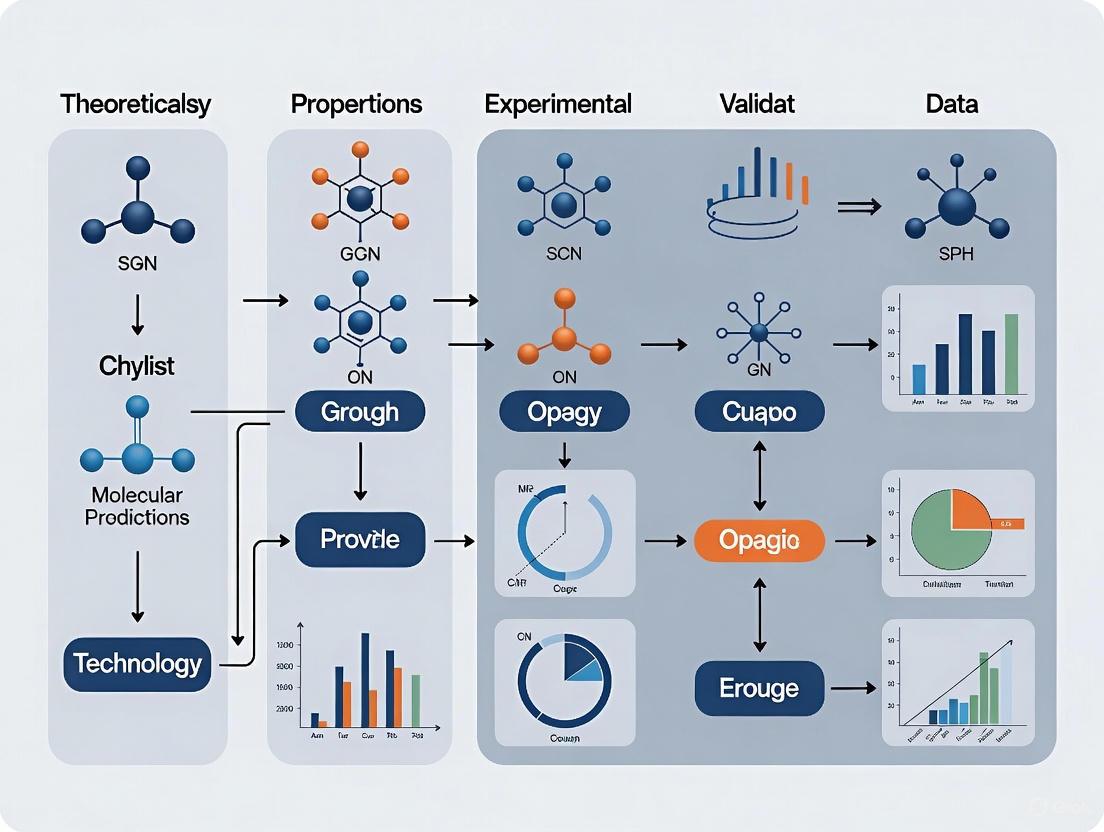
This article addresses the critical challenge of validating computational molecular property predictions against experimental data, a central task in modern drug discovery.
Bridging the Digital-Experimental Divide: A Practical Guide to Validating Molecular Property Predictions
Abstract
This article addresses the critical challenge of validating computational molecular property predictions against experimental data, a central task in modern drug discovery. As machine learning models become indispensable for prioritizing compounds, ensuring their reliability is paramount. We explore the foundational causes of data discrepancies, showcase advanced methodological frameworks like multi-task and transfer learning designed for low-data regimes, and provide actionable strategies for troubleshooting common issues such as negative transfer and data heterogeneity. A strong emphasis is placed on rigorous validation protocols and the use of tools like AssayInspector for data consistency assessment, providing researchers and drug development professionals with a comprehensive roadmap to enhance the predictive accuracy and regulatory confidence of their computational models.
The Data Foundation: Understanding Sources of Error in Molecular Property Prediction
The Critical Impact of Data Heterogeneity and Distributional Misalignments
In computational drug discovery, the accuracy of molecular property prediction models is foundational to virtual screening and compound optimization. However, the performance of these models is critically limited by data heterogeneity and distributional misalignments across experimental sources. These challenges introduce inconsistencies that obscure biological signals and ultimately compromise predictive reliability [1]. As machine learning (ML) becomes increasingly embedded in early-stage drug development, understanding and addressing these data quality issues has become a prerequisite for building trustworthy predictive pipelines. This guide provides a comparative analysis of contemporary methodologies designed to mitigate these challenges, offering researchers a framework for selecting appropriate tools and strategies based on empirical performance data and methodological rigor.
Comparative Analysis of Methodologies and Performance
The table below summarizes core methodologies addressing data heterogeneity, their technical approaches, and performance characteristics.
Table 1: Comparative Analysis of Molecular Property Prediction Methods
| Method | Core Approach | Technical Innovation | Reported Performance Gain | Primary Application Context |
|---|---|---|---|---|
| AssayInspector [1] | Data Consistency Assessment | Statistical tests, visualization, and alerts for dataset discrepancies. | Prevents performance degradation from naive data integration. | Pre-modeling data quality control for ADME/Tox properties. |
| CFS-HML [2] | Heterogeneous Meta-Learning | Separates property-specific & shared knowledge; graph neural networks with self-attention. | Substantial improvement in few-shot predictive accuracy. | Few-shot learning with limited labeled data. |
| MolFCL [3] | Contrastive & Prompt Learning | Fragment-based graph augmentation; functional group prompt tuning. | Outperforms baselines on 23 property prediction tasks. | General molecular property prediction with interpretability. |
| AAIS [4] | Adversarial Data Augmentation | Adaptive augmentation using influence functions for imbalanced data. | 1%-15% AUC; 1%-35% F1-score. | Class-imbalanced, multi-task classification. |
| ProtoMol [5] | Prototype-Guided Multimodal Learning | Aligns molecular graphs & text via a unified prototype space. | Outperforms state-of-the-art baselines. | Integrating structural and textual molecular information. |
Quantitative performance is a key differentiator. The AAIS framework demonstrates robust improvements in challenging scenarios, with documented performance increases of 1-15% in AUC and 1-35% in F1-score, particularly for class-imbalanced and multi-task learning problems [4]. Meanwhile, MolFCL has established superiority across a wide range of tasks, outperforming state-of-the-art baselines on 23 diverse molecular property prediction datasets [3]. The CFS-HML model specializes in data-scarce environments, showing a more significant performance improvement when using fewer training samples [2].
Experimental Protocols and Workflows
Data Consistency Assessment with AssayInspector
The AssayInspector package provides a systematic workflow for detecting data misalignments prior to model training. The methodology is model-agnostic and can be applied to both regression and classification tasks involving physicochemical and pharmacokinetic data [1].
Table 2: Key Research Reagent Solutions for Data Consistency Assessment
| Item/Tool | Function | Application Context |
|---|---|---|
| AssayInspector | Python package for data consistency assessment. | Identifies outliers, batch effects, and endpoint discrepancies across datasets. |
| Two-sample KS Test | Statistical comparison of endpoint distributions. | Detects significant differences in regression task endpoints (e.g., half-life). |
| Chi-square Test | Statistical comparison of class distributions. | Assesses consistency in classification task labels across sources. |
| UMAP | Dimensionality reduction for chemical space visualization. | Maps dataset coverage and identifies potential applicability domains. |
| Tanimoto Coefficient | Molecular similarity metric based on ECFP4 fingerprints. | Quantifies structural similarity and divergence between data sources. |
The experimental protocol involves three key phases. First, Descriptive Analysis generates summary statistics (mean, standard deviation, quartiles for regression; class counts for classification) for each data source. Second, Statistical Testing applies the two-sample Kolmogorov-Smirnov test to compare endpoint distributions for regression tasks and the Chi-square test for classification tasks. Finally, Visualization and Alert Generation creates property distribution plots, chemical space maps via UMAP, and feature similarity plots, culminating in an insight report that flags conflicting, divergent, or redundant datasets [1].
AssayInspector Workflow for Data Consistency Assessment
Fragment-Based Contrastive Learning with MolFCL
The MolFCL framework introduces a novel approach to molecular representation learning that integrates chemical prior knowledge through a two-stage process: pre-training with fragment-based contrastive learning and fine-tuning with functional group-based prompt learning [3].
Pre-training Phase: The model first decomposes molecules into smaller fragments using the BRICS algorithm, which preserves the reaction relationships between fragments. This creates an augmented molecular graph that incorporates both atomic-level and fragment-level perspectives without violating the original molecular environment. A contrastive learning framework then trains the model to maximize the similarity (using NT-Xent loss) between the original molecular graph and its augmented counterpart while minimizing similarity with other molecules in the batch [3].
Fine-tuning Phase: For downstream property prediction tasks, MolFCL introduces a functional group-based prompt learning mechanism. This approach incorporates knowledge of functional groups and their corresponding atomic signals to guide the model's attention toward chemically meaningful substructures during property prediction, enhancing both performance and interpretability [3].
MolFCL Pre-training with Fragment-Based Contrastive Learning
Discussion
The comparative analysis reveals that addressing data heterogeneity requires a multifaceted approach tailored to specific research contexts. For organizations aggregating data from multiple public sources, AssayInspector provides an essential first line of defense against dataset misalignments that can systematically degrade model performance [1]. In scenarios characterized by extreme data scarcity, such as predicting properties for novel chemotypes, CFS-HML's meta-learning framework offers a robust solution by effectively separating property-specific and property-shared knowledge [2].
For most general-purpose molecular property prediction tasks, MolFCL represents a compelling option due to its demonstrated performance across diverse benchmarks and its innovative integration of chemical prior knowledge without altering the molecular environment [3]. In specialized contexts involving class imbalance—a common challenge in toxicity prediction—AAIS provides targeted augmentation of influential samples near decision boundaries, significantly boosting minority class performance [4]. Finally, for research requiring integration of structural and textual information, ProtoMol establishes a new state-of-the-art through its unified prototype space and hierarchical cross-modal alignment [5].
The progression of methodologies from simply aggregating larger datasets to intelligently reconciling and augmenting existing data reflects a maturation of the field. The most impactful advances now come from strategies that explicitly acknowledge and address the fundamental challenges of experimental noise, contextual dependency, and distributional shift inherent to biochemical data.
The accuracy of machine learning (ML) models in molecular property prediction is fundamentally constrained by the quality and consistency of their training data. Within drug discovery, this challenge is particularly acute for preclinical safety and pharmacokinetic (ADME) property prediction, where high-stakes decisions rely on sparse, heterogeneous datasets often compiled from multiple public and proprietary sources [1]. The integration of diverse datasets presents a significant opportunity to increase sample sizes and expand chemical space coverage. However, this practice is undermined by a critical, often overlooked problem: significant distributional misalignments and annotation inconsistencies between gold-standard data sources and popular benchmarks [1]. These discrepancies, arising from differences in experimental protocols, measurement conditions, and chemical space coverage, introduce noise that can degrade model performance, leading to unreliable predictions that misguide the drug discovery process. This guide systematically analyzes the nature and impact of these discrepancies, providing researchers with methodologies for their detection and mitigation to ensure more robust molecular property prediction.
Systematic Analysis of Dataset Discrepancies
Nature and Origins of Data Inconsistencies
The discrepancies between gold-standard and benchmark data sources are not merely random noise but stem from systematic differences that can profoundly impact model generalization.
- Experimental Protocol Variations: Data for properties like half-life and clearance are often aggregated from different laboratories employing varied experimental conditions (e.g., in vitro versus in vivo studies, different cell lines, or measurement techniques) [1]. These procedural differences introduce batch effects that create distributional shifts between datasets ostensibly measuring the same property.
- Chemical Space Coverage Differences: Gold-standard datasets like those from Obach et al. and Lombardo et al., often curated from literature with rigorous quality control, may cover different regions of chemical space compared to larger, more automated benchmark collections such as Therapeutic Data Commons (TDC) [1]. When models are trained on one distribution and tested on another, performance degradation is inevitable.
- Temporal and Spatial Data Disparities: Temporal differences, such as variations in measurement years, can lead to inflated performance estimates when using random dataset splits rather than time-split evaluations that better reflect real-world prediction scenarios [6]. Spatial disparities refer to differences in how data points cluster within the latent feature space, affecting knowledge transfer between tasks [6].
Quantifying the Impact on Predictive Performance
The consequences of these discrepancies are not merely theoretical but have demonstrated significant impacts on model performance, as shown in the table below which summarizes findings from systematic analyses.
Table 1: Impact of Dataset Discrepancies on Model Performance
| Discrepancy Type | Affected Molecular Properties | Observed Impact on Models | Key Evidence |
|---|---|---|---|
| Distributional Misalignment | Half-life, Clearance, Aqueous Solubility | Decreased predictive accuracy when integrating datasets without addressing misalignments [1] | Naive data integration degraded performance despite larger training set [1] |
| Annotation Inconsistency | ADME properties, Toxicity endpoints | Introduction of label noise; conflicting learning signals [1] | Inconsistent property annotations between gold-standard and benchmark sources [1] |
| Task Imbalance | Multiple properties in MTL settings | Negative transfer in Multi-Task Learning [6] | Performance drops of up to 15.3% on ClinTox dataset due to gradient conflicts [6] |
The performance degradation illustrated in Table 1 demonstrates that simply aggregating more data, without rigorous consistency assessment, can be counterproductive. For instance, one study found that data standardization, despite harmonizing discrepancies and increasing training set size, did not always lead to improved predictive performance [1].
Experimental Protocols for Data Consistency Assessment
Methodological Framework for Discrepancy Detection
A systematic approach to data consistency assessment prior to model training is essential for reliable molecular property prediction. The following workflow outlines a comprehensive methodology for identifying and diagnosing dataset discrepancies.
Diagram 1: Experimental workflow for data consistency assessment, illustrating the stepwise methodology from data input to integration decision-making.
The experimental workflow involves both quantitative and visual diagnostics to assess dataset compatibility:
- Step 1: Generate Descriptive Statistics: Compute fundamental parameters for each data source, including sample counts, endpoint statistics (mean, standard deviation, quartiles for regression; class ratios for classification), and molecular diversity metrics [1].
- Step 2: Statistical Distribution Comparison: Apply statistical tests such as the two-sample Kolmogorov-Smirnov test for regression tasks or Chi-square tests for classification tasks to identify significant differences in endpoint distributions between sources [1].
- Step 3: Chemical Space and Feature Similarity Analysis: Calculate within-source and between-source molecular similarity using Tanimoto coefficients for ECFP4 fingerprints or standardized Euclidean distance for molecular descriptors [1]. Visualize chemical space coverage using UMAP to identify potential applicability domain mismatches [1].
- Step 4: Outlier and Batch Effect Detection: Identify statistical outliers, out-of-range data points, and systematic batch effects that may indicate experimental artifacts or data quality issues [1].
- Step 5: Generate Insight Report: Compile diagnostic results into a comprehensive report flagging dissimilar datasets based on descriptor profiles, datasets with conflicting annotations for shared molecules, and datasets with significantly different endpoint distributions [1].
- Step 6: Informed Data Integration Decision: Based on the insight report, make strategic decisions about whether and how to integrate datasets, potentially excluding sources with irreconcilable differences or applying appropriate normalization techniques.
Implementation with Specialized Tools
The AssayInspector package provides a model-agnostic, Python-based implementation of this methodological framework [1]. Its functionalities are specifically designed for comparing experimental datasets from distinct sources before aggregation in ML pipelines, supporting both regression and classification tasks with built-in chemical descriptor calculation and comprehensive visualization capabilities.
Computational Tools for Discrepancy Mitigation
Specialized Software for Data Consistency Assessment
The following table catalogs key computational tools and their specific applications in addressing dataset discrepancies.
Table 2: Research Reagent Solutions for Data Consistency Assessment
| Tool/Resource | Primary Function | Application Context | Key Features |
|---|---|---|---|
| AssayInspector [1] | Data consistency assessment prior to modeling | Physicochemical & ADME property prediction | Statistical comparisons, chemical space visualization, outlier detection, insight reports |
| ACS (Adaptive Checkpointing with Specialization) [6] | Mitigating negative transfer in Multi-Task Learning | Low-data regime property prediction | Task-specific early stopping, shared backbone with specialized heads |
| GSCDB138 [7] | Gold-standard benchmark for quantum chemistry | Density functional theory validation | 138 rigorously curated datasets with gold-standard accuracy |
| DES370K/DES5M [8] | Noncovalent interaction energy benchmarks | Force field and functional development | CCSD(T)/CBS interaction energies for 3,691 distinct dimers |
| Mol2vec with CATBoost [9] | NLP-based molecular featurization | Large-scale ionic liquid property screening | Natural language processing of SMILES strings for rich molecular representation |
Advanced Modeling Strategies for Handling Data Heterogeneity
Beyond assessment tools, specialized modeling approaches can inherently mitigate the effects of dataset discrepancies:
- Adaptive Checkpointing with Specialization (ACS): This training scheme for multi-task graph neural networks addresses negative transfer resulting from task imbalance and data distribution differences [6]. By combining a shared, task-agnostic backbone with task-specific heads and implementing adaptive checkpointing when negative transfer signals are detected, ACS preserves the benefits of multi-task learning while protecting individual tasks from detrimental parameter updates [6].
- Multi-Task Learning with Robust Architectures: When properly regularized, MTL can leverage correlations among related molecular properties to improve predictive performance, particularly in low-data regimes [6] [10]. However, careful architecture design is required to prevent gradient conflicts and capacity mismatches that exacerbate the impact of dataset discrepancies [6].
- Natural Language Processing (NLP) Featurization: Approaches like Mol2vec, which generate molecular embeddings from SMILES strings, have demonstrated superior predictive performance compared to traditional featurization techniques like Morgan fingerprints or quantum chemistry-derived descriptors for certain applications [9]. These methods may be less sensitive to certain types of experimental noise in the source data.
The reliability of molecular property prediction models is inextricably linked to the consistency of their underlying training data. Significant discrepancies between gold-standard and benchmark data sources—including distributional misalignments, annotation inconsistencies, and chemical space coverage differences—represent a critical challenge that can severely degrade model performance if left unaddressed. Through systematic data consistency assessment using specialized tools like AssayInspector, and the implementation of robust modeling strategies such as ACS for multi-task learning, researchers can identify and mitigate these discrepancies. The methodological framework presented in this guide provides a pathway toward more reliable integration of heterogeneous data sources, ultimately supporting the development of more accurate and generalizable predictive models in drug discovery and materials science. Future advancements will likely involve more sophisticated data quality metrics integrated directly into model training pipelines, as well as continued expansion of carefully curated gold-standard databases that serve as authoritative references for method validation.
In the pursuit of accelerating drug discovery and materials design, researchers increasingly rely on a hybrid approach, integrating rich in silico predictions with robust experimental validation. However, a significant and often underestimated challenge arises from the inherent variations in experimental protocols and computational conditions, which can introduce inconsistencies that compromise the reliability and reproducibility of data. These discrepancies are particularly pronounced in molecular property prediction, where differences in experimental assays, measurement techniques, and computational model training can lead to misaligned data distributions and conflicting annotations. For instance, substantial distributional misalignments and inconsistent property annotations have been identified between gold-standard data sources and popular benchmarks like the Therapeutic Data Commons [1]. This protocol-induced variability poses a major obstacle for machine learning models, as naive integration of heterogeneous data often degrades predictive performance instead of enhancing it [1]. This guide objectively compares the capabilities and limitations of experimental and in silico approaches, providing a structured framework for navigating protocol-induced variations to achieve more reliable molecular property prediction.
The table below summarizes the core characteristics of experimental and in silico data, highlighting key sources of variation that researchers must navigate.
Table 1: Characteristics and Variability Sources in Experimental vs. In Silico Data
| Aspect | Experimental Data | In Silico Data |
|---|---|---|
| Primary Nature | Direct physical measurement [11] | Computational simulation or prediction [11] |
| Typical Variability Sources | - Experimental conditions (temperature, pressure) [9]- Measurement techniques (e.g., different spectrometers) [11]- Sample preparation protocols (e.g., lyophilization) [11]- Biological system heterogeneity (e.g., cell lines, model organisms) | - Model architecture and training schemes (e.g., MTL, STL) [6]- Input data representation (e.g., fingerprints, 3D geometries) [12] [9]- Algorithmic parameters and assumptions- Training data quality and coverage [1] |
| Inherent Trade-offs | - Cost: High (specialized equipment, reagents) [9]- Time: Slow (days to months) [9]- Coverage: Limited by practical constraints | - Cost: Relatively low (computational resources) [9]- Time: Fast (seconds to days) [9]- Coverage: Can screen millions of candidates [9] |
| Key Challenges | - Data scarcity for many molecular properties [6]- Batch effects and inter-lab protocol differences [1]- Difficulty in controlling all variables | - Out-of-distribution (OOD) extrapolation [13]- Data misalignments between sources [1]- Model interpretability ("black box" issue) [14] |
Detailed Experimental Protocols and Methodologies
Key Experimental Protocols in Molecular Sciences
Understanding the specific methodologies behind data generation is crucial for interpreting results and identifying the root causes of variation.
Protocol for Neutron Scattering of Lyophilised Proteins: This protocol aims to characterize the dynamics of proteins in dehydrated (lyophilised) and weakly hydrated states, which is critical for pharmaceutical stability [11].
- Sample Preparation: Protein samples (e.g., apoferritin, insulin) are prepared at specific hydration levels, defined as
h(grams of D2O per gram of protein). A system is considered lyophilised ath ≤ 0.05and weakly hydrated at0.05 < h < 0.38[11]. - Data Collection: Experiments are performed using backscattering spectrometers (e.g., OSIRIS, IRIS) at facilities like the ISIS pulsed neutron and muon source. These instruments probe molecular dynamics within a temporal window of ~150 picoseconds [11].
- Key Measurement: The primary observable is the mean squared displacement (
<u²(T)>) of protein hydrogen atoms, which is derived from the Quasi-elastic Neutron Scattering (QENS) data and plotted as a function of temperature [11]. - Validation Insight: The experimental
<u²(T)>is used to authenticate corresponding in silico molecular dynamics (MD) protocols, serving as a ground-truth benchmark for validating the simulated dynamical behavior of the proteins [11].
- Sample Preparation: Protein samples (e.g., apoferritin, insulin) are prepared at specific hydration levels, defined as
High-Throughput Screening for Ionic Liquid Properties: This approach involves the direct experimental measurement of key physicochemical properties for various ionic liquid (IL) candidates [9].
- Property Measurement: Critical properties such as viscosity, density, surface tension, and ionic conductivity are measured for a library of ILs. For example, viscosity data is collected across a temperature range of 278.15–353.15 K at varying pressures [9].
- Data Aggregation: Large datasets are compiled from diverse sources, including the NIST ILThermo database. This process inherently introduces variability due to differences in experimental setups and conditions across different research groups [9].
- Application: The collected data serves as a gold-standard benchmark for training and validating machine learning models, highlighting the practical challenge of integrating heterogeneous experimental data from multiple sources [1] [9].
Key In Silico Protocols in Molecular Property Prediction
Computational protocols must be carefully designed to ensure they generate representative and reliable data.
Molecular Dynamics (MD) Protocol for Lyophilised Proteins: A critical protocol comparison study revealed that the method of constructing simulation models significantly impacts their dynamical accuracy [11].
- Protocol 1 (Traditional): The same starting protein structure is used for both hydrated and dry models. Water molecules are simply added or removed, followed by an equilibration phase. This protocol was found to poorly reproduce the water-induced dynamical enhancement observed experimentally [11].
- Protocol 2 (Experimentally Representative): The weakly hydrated system model undergoes a mild equilibration. The dry model is then created from this hydrated model by in silico lyophilisation (removal of water), directly mimicking the experimental process. This protocol proved superior in reproducing the experimental mean squared displacement and the dynamical transition at ~220 K [11].
- Key Analysis: The Mean Squared Displacement (MSD) of protein hydrogen atoms is calculated from the MD trajectory and validated against experimental neutron scattering data [11].
Machine Learning (ML) Training Schemes for Multi-Task Property Prediction: These protocols address the challenge of learning from limited and imbalanced data, a common scenario in molecular sciences [6].
- Architecture: A shared graph neural network (GNN) backbone learns general-purpose molecular representations. This is connected to task-specific multi-layer perceptron (MLP) heads that make individual property predictions [6].
- Adaptive Checkpointing with Specialization (ACS): This training scheme monitors the validation loss for each task independently. It checkpoints the best-performing model parameters (both shared backbone and task-specific head) for a given task whenever that task's validation loss reaches a new minimum. This approach mitigates "negative transfer," where updates from one task degrade performance on another, especially under severe task imbalance [6].
- Validation: Models are validated on standardized benchmarks like MoleculeNet (e.g., ClinTox, SIDER, Tox21) using scaffold splits to ensure realistic performance estimates [6].
Natural Language Processing (NLP) Featurization for Large-Scale Screening: This protocol enables the rapid prediction of properties for very large chemical databases [9].
- Featurization: Molecular structures in SMILES notation are converted into numerical vectors (embeddings) using techniques like Mol2vec, which treats molecular substructures analogously to words in a sentence [9].
- Model Training and Prediction: These Mol2vec embeddings are used as input features for machine learning models (e.g., CATBoost) to predict various IL properties. This method has demonstrated superior predictive performance compared to traditional featurization techniques like Morgan fingerprints or quantum chemistry-derived sigma profiles, while being computationally less expensive [9].
- Application: The trained model is deployed to screen a database of ~10.6 million generated ionic liquids, identifying candidates with optimal property combinations for specific applications like CO2 capture or biomass processing [9].
Visualization of Workflows and Relationships
Experimental and Computational Validation Workflow
The following diagram illustrates an integrated workflow that leverages both in silico and experimental data, emphasizing the critical validation feedback loop necessary to manage protocol variations.
Diagram 1: Integrated Validation Workflow. This diagram outlines a robust framework for aligning experimental and in silico data. It begins with parallel workstreams for computational prediction and experimental benchmarking, which converge at a critical Data Consistency Assessment (DCA) node [1]. A detected discrepancy feeds back into protocol refinement, creating a cycle that enhances model reliability and data concordance.
The High-Throughput In Silico Screening Pipeline
For large-scale discovery projects, the following pipeline demonstrates how computational models are used to efficiently navigate vast chemical spaces.
Diagram 2: High-Throughput Screening Pipeline. This sequence illustrates the scalable process for screening massive molecular databases, from featurization using NLP techniques like Mol2vec [9] to final experimental validation of a shortlist of top candidates, creating an iterative feedback loop for model improvement.
The Scientist's Toolkit: Essential Research Reagent Solutions
The following table details key computational and experimental tools that form the essential toolkit for modern research in molecular property prediction and validation.
Table 2: Key Research Reagent Solutions for Molecular Property prediction
| Tool / Solution | Type | Primary Function | Relevance to Protocol Variation |
|---|---|---|---|
| AssayInspector [1] | Software Package | Systematically identifies data misalignments, outliers, and batch effects across experimental datasets. | Critical for pre-modeling Data Consistency Assessment (DCA) to diagnose and manage variability before data integration. |
| GEO-BERT [12] | Pre-trained Deep Learning Model | A geometry-based model for molecular property prediction that incorporates 3D structural information. | Provides a robust, pre-validated starting point for predictions, reducing variability from model architecture choices. |
| ACS (Adaptive Checkpointing) [6] | ML Training Scheme | Mitigates negative transfer in multi-task learning by saving task-specific model checkpoints. | Manages variability introduced by imbalanced training data across multiple property prediction tasks. |
| OSIRIS/IRIS Spectrometers [11] | Experimental Instrument | Neutron backscattering spectrometers for measuring atomic mean squared displacement in proteins. | Provides high-quality, standardized experimental data for validating computational models of molecular dynamics. |
| Mol2vec [9] | NLP Featurization Algorithm | Generates molecular embeddings from SMILES strings for use in machine learning models. | Offers a consistent and effective featurization method, reducing variability compared to other descriptor types. |
| Bilinear Transduction [13] | ML Prediction Method | A transductive approach designed to improve out-of-distribution (OOD) property value extrapolation. | Addresses variability and performance drops when predicting properties outside the training data distribution. |
Navigating the variations between experimental and in silico data is not merely a technical hurdle but a fundamental aspect of modern molecular research. The reliability of predictive models and the success of discovery pipelines hinge on a rigorous, systematic approach to protocol design and data integration. Key to this process is the implementation of robust validation cycles, where computational predictions are continuously refined against high-quality experimental benchmarks, and experimental protocols are informed by computational insights. Tools like AssayInspector for data consistency assessment [1] and advanced modeling techniques like ACS [6] and Bilinear Transduction [13] provide the necessary methodology to mitigate the risks of data heterogeneity and negative transfer. By adopting the structured frameworks and tools outlined in this guide, researchers and drug development professionals can enhance the concordance between in silico predictions and experimental results, thereby accelerating the reliable discovery of novel molecules and materials.
In modern drug discovery, the optimization of a candidate molecule extends far beyond its primary pharmacological activity. A compound's journey from administration to its site of action and eventual elimination is governed by a core set of molecular properties. These properties—categorized as Absorption, Distribution, Metabolism, Excretion (ADME), toxicity, and physicochemical profiles—are critical determinants of clinical success and safety [15]. High-profile failures in late-stage development and post-marketing withdrawals are often attributable to unforeseen ADMET (Absorption, Distribution, Metabolism, Excretion, and Toxicity) liabilities, which account for a significant portion of clinical attrition [16] [17]. Consequently, the early and accurate prediction of these properties has become a cornerstone of efficient drug discovery pipelines, enabling researchers to identify and eliminate problematic candidates before substantial resources are invested.
The rise of artificial intelligence (AI) and machine learning (ML) has fundamentally transformed the predictive toxicology and ADME profiling landscape [18] [16]. These computational approaches leverage vast, heterogeneous datasets to uncover complex relationships between molecular structure and biological properties that are often imperceptible to traditional methods. However, the predictive accuracy and real-world utility of these models are intrinsically linked to the quality and consistency of the underlying experimental data against which they are validated [1]. This guide provides a comparative examination of key molecular properties, the experimental protocols used to measure them, and the computational tools that predict them, all framed within the critical context of validation against empirical evidence.
Core Molecular Properties and Their Target Values
The optimization of drug candidates requires a delicate balance of multiple properties. The following table summarizes the desired ranges for key parameters, which serve as a guideline for candidate selection and design. These values are particularly representative of small-molecule drugs but must be adapted for novel modalities like PROTACs [19].
Table 1: Target Values for Key Molecular Properties in Lead Optimization
| Property | Desired Value / Range | Significance & Rationale |
|---|---|---|
| T. b. brucei pEC50 | >7.0 [20] | Measures potent antiparasitic activity (used here as a model of primary pharmacological activity). |
| Selectivity Index (SI) | ≥100-fold [20] | Ratio of cytotoxic concentration (e.g., in MRC5 cells) to efficacy concentration; ensures a sufficient therapeutic window. |
| Molecular Weight (MW) | ≤360 Da [20] (For bRo5: ≤950 Da [19]) | Lower MW generally favors better absorption and permeability. Higher thresholds are considered for beyond Rule of 5 (bRo5) modalities. |
| Calculated logP (clogP) | ≤3 [20] | Controls lipophilicity; lower values reduce metabolic clearance and potential toxicity risks. |
| LogD at pH 7.4 | ≤2 [20] | Measures distribution between oil and water at physiological pH; critical for membrane permeability and solubility. |
| Topological Polar Surface Area (TPSA) | 40 < TPSA < 90 Ų [20] | Predicts passive cellular absorption and blood-brain barrier penetration. |
| Hydrogen Bond Donors (HBD) | ≤3 [19] (For oral PROTACs: ≤2 [19]) | Critical for permeability; a lower count is a strong predictor of better oral absorption, especially for larger molecules. |
| Lipophilic Ligand Efficiency (LLE) | ≥4 [20] | Balances potency and lipophilicity (LLE = pEC50 - logD); higher values indicate a more efficient and lead-like compound. |
| Thermodynamic Aqueous Solubility | >100 μM [20] | Ensures sufficient compound dissolution for bioavailability in gastrointestinal fluids. |
| Human Liver Microsome CLint | <47 μL/min/mg protein [20] | Indicates low intrinsic metabolic clearance, predicting a longer half-life in vivo. |
Computational Prediction: Models, Tools, and Workflows
The adoption of AI/ML has provided powerful in silico tools for early property prediction, helping to triage compounds before they enter costly experimental assays.
AI/ML Models for Toxicity and ADMET Prediction
A diverse ecosystem of models and architectures has been developed to address various property prediction tasks.
Table 2: Key AI/ML Models and Tools for Molecular Property Prediction
| Model / Tool Category | Examples & Key Features | Primary Applications |
|---|---|---|
| Graph Neural Networks (GNNs) | MoleculeFormer [21]: Integrates atom and bond graphs with 3D structural information and molecular fingerprints. HRGCN+ [21], FP-GNN [21]: Combine graph networks with molecular descriptors/fingerprints. | General molecular property prediction, including efficacy, toxicity, and ADME tasks. Excels at capturing local and global structural features. |
| Transformer-based Models | Models inspired by natural language processing that treat molecules as sequences (e.g., SMILES) or graphs. [18] | Activity and property prediction; can capture long-range dependencies in molecular structures. |
| Federated Learning Platforms | Apheris Federated ADMET Network [17], MELLODDY [17]: Enable collaborative training on distributed, proprietary datasets without sharing raw data. | Cross-pharma QSAR and ADMET model improvement, significantly expanding the chemical space and applicability domain. |
| Public Benchmark Suites | TDC (Therapeutic Data Commons) [1], ChEMBL [16], Tox21 [18]: Curated public datasets for model training and benchmarking. | Provides standardized benchmarks for comparing model performance across various ADMET and toxicity endpoints. |
| Traditional Machine Learning | Random Forest (RF), Support Vector Machines (SVM), XGBoost [18] [21]: Often use molecular fingerprints or descriptors as input. | A robust and interpretable approach for various classification (e.g., toxicity) and regression (e.g., solubility) tasks. |
A Workflow for Reliable Model Development and Application
Developing and applying predictive models requires a systematic workflow to ensure reliability and relevance. The following diagram illustrates a robust pipeline that incorporates critical data consistency checks.
Model Development Workflow
A critical yet often overlooked step is the Data Consistency Assessment (DCA). Before model training, data from different sources (e.g., public benchmarks like TDC and gold-standard literature sources) must be rigorously checked for distributional misalignments, inconsistent annotations, and batch effects. Tools like AssayInspector [1] have been developed specifically for this purpose, providing statistics and visualizations to identify discrepancies that could otherwise lead to poorly performing and misleading models.
Addressing the Data Scarcity Challenge: Federated Learning
A major limitation in ADMET modeling is the scarcity of high-quality, diverse data, much of which resides in siloed proprietary databases within pharmaceutical companies. Federated learning has emerged as a powerful solution to this problem [17]. This approach allows multiple organizations to collaboratively train a model without centralizing or directly sharing their confidential data. Instead, model updates are shared and aggregated. This process systematically expands the model's applicability domain, leading to more robust predictions for novel chemical scaffolds. The MELLODDY project demonstrated that such cross-pharma federated learning can unlock significant performance benefits in QSAR models without compromising proprietary information [17].
Experimental Protocols for Property Validation
Computational predictions must be grounded and validated using robust experimental assays. The following section details standard protocols for measuring critical properties.
Key Research Reagent Solutions
Table 3: Essential Materials and Assays for Experimental Profiling
| Research Reagent / Assay | Function & Application |
|---|---|
| Caco-2 Cells | A human colon adenocarcinoma cell line used in a transwell setup to model passive intestinal permeability and active transport [19]. |
| Liver Microsomes / Hepatocytes | Subcellular fractions or primary cells (human, rat, mouse) used to determine a compound's intrinsic metabolic clearance (CLint) [20] [19]. |
| Plasma Protein Binding Assay | Determines the fraction of a drug that is unbound (fu) in plasma, which influences volume of distribution and efficacy [15]. |
| Exposed Polar Surface Area (ePSA) | A chromatographic surrogate measurement for passive permeability, especially useful for challenging compounds like PROTACs where cell-based assays can be problematic [19]. |
| hERG Assay | Evaluates a compound's potential to block the hERG potassium channel, a key predictor of cardiotoxicity risk (e.g., Torsades de Pointes) [18]. |
| MTT / CCK-8 Assay | In vitro cytotoxicity tests that measure cell viability and proliferation, used to calculate a compound's selectivity index [16]. |
| FAERS Database | The FDA Adverse Event Reporting System, a database of post-marketing adverse event reports used for mining clinical toxicity signals [16]. |
Detailed Experimental Methodologies
Metabolic Stability in Hepatocytes
Objective: To determine the intrinsic clearance (CLint) of a compound using cryopreserved hepatocytes, predicting its metabolic stability in vivo [19].
Protocol:
- Incubation Setup: Cryopreserved hepatocytes (e.g., female CD-1 mouse) are thawed and viability is confirmed to be >70% via trypan blue staining.
- Reaction: The test compound (1 µM final concentration) is incubated with hepatocytes (0.2 × 10^6 cells per mL) in Krebs-Henseleit buffer (pH 7.4) at 37°C under 5% CO₂.
- Sampling: Aliquots are taken at multiple time points (e.g., 0, 10, 20, 40, 60, and 90 minutes) and the reaction is quenched with an acetonitrile solution containing an internal standard.
- Analysis: Samples are analyzed using UHPLC-MS/MS to determine the parent compound's concentration over time.
- Calculation: The depletion rate of the parent compound is fitted to a first-order decay model to calculate the half-life (t1/2) and subsequently the CLint (in µL/min/10^6 cells).
Validation Note: For beyond-Rule-of-5 molecules like PROTACs, standard in vitro-in vivo extrapolation (IVIVE) using predicted fraction unbound in incubation (fu,inc) can systematically under-predict clearance. Using experimentally determined fu,inc values is recommended to overcome this bias [19].
Permeability Assessment using the Caco-2 Assay
Objective: To measure the apparent permeability (Papp) of a compound, predicting its absorption potential in the human intestine [19].
Protocol:
- Cell Culture: Caco-2 cells (TC7 clone) are seeded onto transwell filters and cultured for 14-21 days to form a confluent, differentiated monolayer.
- Experiment: The test compound is added to the donor compartment (apical for A→B, basolateral for B→A), with HBSS buffer in the receiver compartment. The monolayer integrity is verified using a tightness marker like melagatran.
- Incubation: The plate is incubated for 2 hours at 37°C in 5% CO₂ and 100% humidity.
- Sampling and Analysis: Samples are taken from both compartments at the beginning (t0) and end (t120) of the experiment and analyzed via UHPLC-MS/MS.
- Calculation: Papp (in cm/s) is calculated using the formula:
P_app = (dQ/dt) / (A * C_0), wheredQ/dtis the rate of compound appearance in the receiver compartment,Ais the membrane surface area, andC_0is the initial donor concentration. Mass balance (recovery) is also checked.
Validation Note: The standard Caco-2 assay can be challenging for low-solubility, high-lipophilicity compounds like PROTACs due to poor recovery from nonspecific binding. Modifications such as adding serum (FCS) to the buffer can improve recovery but may not fully restore predictiveness for absorption. In such cases, surrogate measures like ePSA or adherence to descriptor guidelines (HBD ≤ 3, MW ≤ 950) are often more reliable for optimization [19].
The journey toward a safe and effective drug is a continuous process of optimization and validation. Success hinges on a deeply integrated strategy that leverages the predictive power of modern AI/ML tools while maintaining a firm grounding in robust experimental science. Computational models, especially those trained on diverse, high-quality data via federated learning or rigorously curated public sources, provide an indispensable filter for prioritizing compounds. However, their predictions must be continuously validated and refined using the gold standard of experimental assays. As drug discovery pushes into new chemical modalities, the close collaboration between computational scientists, medicinal chemists, and experimental biologists becomes ever more critical. This synergy ensures that in silico models are informed by biological reality and that experimental resources are focused on the most promising candidates, ultimately accelerating the delivery of new therapies to patients.
Advanced Computational Frameworks for Robust Prediction
Leveraging Multi-Task Learning (MTL) to Overcome Data Scarcity
Data scarcity remains a significant bottleneck in scientific fields, particularly in molecular property prediction for drug discovery and materials science. The process of experimentally determining molecular properties is often time-consuming and expensive, resulting in limited labeled datasets that can hinder the development of robust machine learning models [6] [22]. Multi-task Learning (MTL) has emerged as a powerful paradigm to address this challenge by simultaneously learning multiple related tasks, thereby allowing models to leverage shared information and representations across tasks [23]. This approach mirrors human learning processes where knowledge gained from one task enhances understanding of related tasks, ultimately enabling more accurate predictions even when data for any single task is limited [23] [6]. Within the context of validating molecular property predictions against experimental data, MTL provides a framework for building more reliable and data-efficient models that can accelerate scientific discovery.
MTL Fundamentals and Relevance to Data Scarcity
Core Principles of Multi-Task Learning
Multi-task Learning represents a fundamental shift from single-task learning (STL) paradigms. While STL trains isolated models on individual tasks, MTL jointly learns multiple related tasks by leveraging both task-specific and shared information [23]. This collaborative approach offers several key benefits: streamlined model architectures, improved generalization capabilities, and enhanced performance, particularly on tasks with limited data [23]. The paradigm draws inspiration from human learning, where knowledge transfer across various tasks enhances understanding of each through gained insights [23].
Formally, MTL can be understood through its shared representation learning framework. A typical MTL architecture consists of:
- Shared Backbone: Common layers that learn representations beneficial for all tasks
- Task-Specific Heads: Specialized layers that process shared representations for individual task outputs
- Joint Optimization: A training procedure that balances learning across all tasks simultaneously
This structure enables the model to discover and utilize underlying commonalities between tasks while maintaining specialized capabilities for each specific prediction objective [6].
MTL's Mechanism for Addressing Data Limitations
MTL mitigates data scarcity through several interconnected mechanisms. By pooling information across tasks, MTL effectively increases the effective sample size for learning generalizable representations [10]. The shared representations learned across tasks act as a form of regularization, preventing overfitting to small datasets by encouraging the model to focus on generally useful features [23] [6]. Additionally, MTL facilitates inductive transfer, where training signals from data-rich tasks help improve performance on data-poor tasks [6]. This cross-task knowledge sharing is particularly valuable in domains like molecular property prediction, where different properties may share underlying structural determinants that the model can discover through joint training [10] [22].
MTL Methodologies for Molecular Property Prediction
Architectural Approaches
Molecular property prediction has seen significant advances through the application of specialized MTL architectures, particularly graph neural networks (GNNs) that naturally represent molecular structures.
Table 1: MTL Architectural Approaches for Molecular Property Prediction
| Architecture Type | Key Characteristics | Advantages | Limitations |
|---|---|---|---|
| Shared-Backbone with Task-Specific Heads | Single GNN backbone with dedicated MLP heads for each task [6] | Promotes feature transfer; Computationally efficient | Potential gradient conflicts between tasks |
| Adaptive Checkpointing (ACS) | Saves best backbone-head pairs when validation loss minimizes [6] | Mitigates negative transfer; Handles task imbalance | Increased storage requirements |
| MT2ST Framework | Transitions from MTL to STL using Diminish or Switch strategies [24] | Balances generalization and specialization | Complex training scheduling |
The ACS Training Scheme
Adaptive Checkpointing with Specialization (ACS) represents a recent advancement specifically designed to address negative transfer (NT)—the phenomenon where updates from one task detrimentally affect another [6]. The ACS methodology employs:
- Shared Task-Agnostic Backbone: A single GNN based on message passing that learns general-purpose molecular representations
- Task-Specific MLP Heads: Dedicated networks for each property prediction task
- Validation-Loss Monitoring: Tracking validation loss for every task throughout training
- Adaptive Checkpointing: Saving the best backbone-head pair for each task when its validation loss reaches a new minimum
This approach allows each task to effectively obtain a specialized model while still benefiting from shared representations during training [6].
Experimental Comparison of MTL Approaches
Performance Benchmarks on Molecular Datasets
Comprehensive evaluation across multiple molecular property benchmarks demonstrates the effectiveness of MTL approaches in data-scarce scenarios.
Table 2: Performance Comparison of MTL Methods on Molecular Property Benchmarks (AUROC Scores)
| Method | ClinTox | SIDER | Tox21 | Data Efficiency | NT Resistance |
|---|---|---|---|---|---|
| Single-Task Learning (STL) | 0.783 | 0.805 | 0.821 | Low | N/A |
| Standard MTL | 0.812 | 0.823 | 0.839 | Medium | Low |
| MTL with Global Loss Checkpointing | 0.815 | 0.826 | 0.842 | Medium | Medium |
| ACS (Proposed) | 0.902 | 0.835 | 0.851 | High | High |
| MT2ST Framework | 0.856 | 0.830 | 0.845 | High | Medium |
Data sources: [6] [24] - Performance metrics normalized to AUROC where applicable
Notably, ACS demonstrates an 11.5% average improvement relative to other methods based on node-centric message passing and shows particular effectiveness on imbalanced datasets like ClinTox, where it improves upon STL by 15.3% [6].
Ultra-Low Data Regime Performance
The most significant advantages of MTL emerge in ultra-low data regimes. In practical applications such as predicting sustainable aviation fuel properties, ACS enables accurate predictions with as few as 29 labeled samples—capabilities unattainable with single-task learning or conventional MTL [6]. This dramatic improvement in data efficiency stems from MTL's ability to leverage correlated information across tasks, effectively amplifying the signal from limited labeled data.
Table 3: Performance in Ultra-Low Data Regime (Mean Absolute Error)
| Training Set Size | Single-Task Learning | Standard MTL | ACS |
|---|---|---|---|
| 100 samples | 0.89 | 0.76 | 0.71 |
| 50 samples | 1.12 | 0.91 | 0.79 |
| 29 samples | 1.45 | 1.22 | 0.83 |
Experimental Protocols for MTL in Molecular Science
Benchmark Dataset Preparation
Proper experimental validation of MTL approaches requires careful dataset preparation and benchmarking:
Dataset Selection: Standard benchmarks include ClinTox (distinguishing FDA-approved drugs from compounds failing clinical trials due to toxicity), SIDER (27 side effect classification tasks), and Tox21 (12 toxicity endpoints) [6].
Data Splitting: Murcko-scaffold splits ensure that structurally dissimilar molecules separate training and test sets, preventing artificial inflation of performance metrics [6].
Task Imbalance Handling: Techniques like loss masking address missing labels common in real-world molecular datasets without discarding valuable partial data [6].
Evaluation Metrics: Area Under the Receiver Operating Characteristic curve (AUROC) provides consistent evaluation across classification tasks, while Mean Absolute Error (MAE) suits regression tasks [6].
Model Training and Optimization
Effective MTL implementation requires specialized training protocols:
Gradient Conflict Management: Techniques like gradient surgery or uncertainty weighting balance learning across tasks with conflicting gradients [6] [25].
Dynamic Weighting: The MT2ST framework's Diminish strategy employs time-dependent weighting that reduces auxiliary task influence using the function: γk(t) = γk,0 · e-ηktνk, where γk,0 is the initial weight, ηk is the decay rate, and νk is the curvature parameter [24].
Validation-Based Checkpointing: ACS continuously monitors validation loss for each task, checkpointing the best model parameters when new minima occur [6].
The Scientist's Toolkit: Essential Research Reagents
Successful implementation of MTL for molecular property prediction requires both computational tools and domain-specific resources.
Table 4: Essential Research Reagents for MTL in Molecular Property Prediction
| Resource | Type | Function | Implementation Examples |
|---|---|---|---|
| Graph Neural Networks | Algorithm | Learns molecular representations from structure | Message Passing Neural Networks, D-MPNN [6] |
| Benchmark Datasets | Data | Provides standardized evaluation | MoleculeNet (ClinTox, SIDER, Tox21) [6] |
| Multi-Task Optimization | Algorithm | Balances learning across tasks | Gradient Surgery, Uncertainty Weighting [6] [25] |
| Validation Frameworks | Methodology | Prevents overfitting in low-data regimes | Murcko Scaffold Splits, Temporal Splits [6] |
| Domain Knowledge | Expertise | Guides task grouping and interpretation | Medicinal Chemistry, QSAR Principles [22] |
Validation Against Experimental Data
The ultimate test for any MTL approach in molecular sciences is validation against experimental data. This process involves:
Prospective Validation: Predicting properties for novel molecular structures not included in training data, then experimentally verifying these predictions [10].
Temporal Validation: Using time-split evaluations where models train on older data and test on newer experimental results, better simulating real-world discovery scenarios [6].
Domain Shift Assessment: Evaluating model performance on molecular classes structurally distinct from training data to assess generalization capabilities [6].
In real-world applications like sustainable aviation fuel property prediction, MTL has demonstrated remarkable practical utility, achieving correlation coefficients >0.9 with experimental measurements even with limited training data [6]. Similarly, in pharmaceutical contexts, MTL models have successfully predicted complex properties like toxicity and membrane permeability, guiding experimental prioritization of promising drug candidates [10] [22].
Multi-task learning represents a paradigm shift in addressing data scarcity challenges in molecular property prediction and related scientific domains. By leveraging shared representations across related tasks, MTL enables more robust predictions in data-limited scenarios that are common in experimental sciences. Among current approaches, Adaptive Checkpointing with Specialization (ACS) demonstrates particular promise for handling real-world task imbalances and mitigating negative transfer, while hybrid approaches like MT2ST effectively balance multi-task generalization with single-task specialization.
The validation of MTL predictions against experimental data remains crucial for establishing trust and utility in scientific applications. As MTL methodologies continue evolving, their integration with domain knowledge and experimental design holds potential to significantly accelerate discovery cycles in fields ranging from drug development to materials science. For researchers working with scarce data, MTL offers a principled framework for maximizing insights from limited experimental resources while maintaining rigorous validation against empirical measurements.
Adaptive Checkpointing with Specialization (ACS) to Mitigate Negative Transfer
Data scarcity remains a major obstacle to effective machine learning in molecular property prediction and design, affecting diverse domains such as pharmaceuticals, solvents, polymers, and energy carriers [26]. While machine learning models have shown promise in accelerating the de novo design of high-performance molecules and mixtures, their predictive accuracy relies heavily on the availability and quality of training data [26]. In many practical applications, including pharmaceutical development and sustainable fuel design, the scarcity of reliable, high-quality labels impedes the development of robust molecular property predictors [26] [27].
Multi-task learning (MTL) has emerged as a promising approach to alleviate these data bottlenecks by exploiting correlations among related molecular properties [26]. Through inductive transfer, MTL leverages training signals from one task to improve another, allowing the model to discover and utilize shared structures for more accurate predictions across all tasks [26]. However, in practice, MTL is frequently undermined by negative transfer—performance drops that occur when updates driven by one task are detrimental to another [26]. This problem is particularly pronounced in real-world scenarios with severe task imbalance, where certain tasks have far fewer labels than others [26]. Adaptive Checkpointing with Specialization (ACS) represents a novel training scheme for multi-task graph neural networks specifically designed to counteract these effects while preserving the benefits of MTL [28] [26].
Understanding ACS: Mechanism and Workflow
Core Architectural Principles
ACS integrates a shared, task-agnostic backbone with task-specific trainable heads to balance inductive transfer with protection against negative transfer [26]. The backbone of the architecture is a single graph neural network (GNN) based on message passing, which learns general-purpose latent representations of molecules [26]. These representations are then processed by task-specific multi-layer perceptron (MLP) heads that provide specialized learning capacity for each individual property prediction task [26].
This hybrid design enables ACS to promote knowledge sharing across sufficiently correlated tasks while shielding individual tasks from deleterious parameter updates that cause negative transfer [26]. During training, the system monitors the validation loss of every task and checkpoints the best backbone-head pair whenever the validation loss of a given task reaches a new minimum [26]. Thus, each task ultimately obtains a specialized backbone-head pair optimized for its specific characteristics [26].
The ACS Workflow
The following diagram illustrates the complete ACS workflow, from molecular input to specialized task prediction:
Experimental Comparison: ACS Versus Alternative Approaches
Benchmark Dataset Performance
To evaluate its effectiveness, ACS was tested on multiple molecular property benchmarks from MoleculeNet, including ClinTox, SIDER, and Tox21 [26]. These datasets represent realistic challenges in molecular informatics: ClinTox distinguishes FDA-approved drugs from compounds that failed clinical trials due to toxicity; SIDER comprises 27 binary classification tasks indicating side effect presence; and Tox21 measures 12 in-vitro toxicity endpoints [26]. The following table summarizes the performance comparison between ACS and alternative methods:
Table 1: Performance comparison (ROC-AUC %) on MoleculeNet benchmarks
| Method | ClinTox | SIDER | Tox21 |
|---|---|---|---|
| GCN | 62.5 ± 2.8 | 53.6 ± 3.2 | 70.9 ± 2.6 |
| GIN | 58.0 ± 4.4 | 57.3 ± 1.6 | 74.0 ± 0.8 |
| D-MPNN | 90.5 ± 5.3 | 63.2 ± 2.3 | 68.9 ± 1.3 |
| SchNet | 71.5 ± 3.7 | 53.9 ± 3.7 | 77.2 ± 2.3 |
| MSR | 86.6 ± 1.2 | 61.4 ± 7.3 | 72.1 ± 5.0 |
| STL | 73.7 ± 12.5 | 60.0 ± 4.4 | 73.8 ± 5.9 |
| MTL | 76.7 ± 11.0 | 60.2 ± 4.3 | 79.2 ± 3.9 |
| MTL-GLC | 77.0 ± 9.0 | 61.8 ± 4.2 | 79.3 ± 4.0 |
| ACS | 85.0 ± 4.1 | 61.5 ± 4.3 | 79.0 ± 3.6 |
The results demonstrate that ACS consistently matches or surpasses the performance of recent supervised methods across diverse benchmark datasets [26]. Notably, ACS achieves an 11.5% average improvement relative to other methods based on node-centric message passing [26]. While D-MPNN achieves competitive performance on ClinTox, ACS maintains strong results across all three benchmarks without significant performance variations [26].
Comparative Analysis of Training Schemes
To isolate the specific contribution of the ACS methodology, researchers conducted controlled comparisons against multiple baseline training schemes [26]. The following table compares these approaches across key characteristics:
Table 2: Training scheme comparison
| Training Scheme | Parameter Sharing | Checkpointing | Negative Transfer Mitigation | Data Efficiency |
|---|---|---|---|---|
| Single-Task Learning (STL) | None | Task-specific | Not applicable | Low |
| Multi-Task Learning (MTL) | Full shared backbone | None | None | Moderate |
| MTL with Global Loss Checkpointing (MTL-GLC) | Full shared backbone | Global validation loss | Limited | Moderate |
| ACS | Shared backbone with task-specific heads | Adaptive task-specific | Active monitoring and specialization | High |
These comparisons reveal that ACS's gains stem specifically from its ability to mitigate negative transfer rather than merely from its architectural advantages [26]. Notably, single-task learning—which devotes separate backbone-head pairs to each task and removes all parameter sharing—has greater learning capacity than MTL-based approaches but fails to match ACS's performance, particularly in low-data regimes [26].
Experimental Protocol and Methodologies
Benchmark Experimental Setup
The validation of ACS followed rigorous experimental protocols to ensure fair comparison with existing methods [26]. For benchmark evaluations on ClinTox, SIDER, and Tox21 datasets, the researchers employed a Murcko-scaffold splitting protocol to prevent artificial performance inflation that can occur with random splits [26]. This approach better reflects real-world prediction scenarios by ensuring that structurally similar molecules don't appear in both training and test sets [26].
All experiments implemented ACS using a message-passing graph neural network as the shared backbone with task-specific multi-layer perceptron heads [26]. The training process monitored validation loss for each task independently, checkpointing parameters when a task achieved a new minimum loss [26]. This approach allows different tasks to effectively specialize at different points during the training process, circumventing the synchronization requirement that plagues conventional MTL [26].
Ultra-Low Data Regime Validation
To test ACS's performance in extremely challenging conditions, researchers conducted a real-world case study predicting 15 physicochemical properties of sustainable aviation fuel (SAF) molecules [26] [29]. This scenario is particularly relevant for validation against experimental data research because SAF development represents a "high-impact, real-world challenge where experimental data is extremely limited and labor-intensive to obtain" [29].
In this practical application, ACS demonstrated robust predictive performance with as few as 29 labeled samples—a data regime where conventional single-task learning and traditional MTL approaches typically fail [26] [29]. The methodology achieved over 20% higher predictive accuracy than conventional training methods in these ultra-low-data settings [29].
The Scientist's Toolkit: Essential Research Reagents
Table 3: Key research reagents and computational resources for ACS implementation
| Resource | Function | Availability |
|---|---|---|
| ACS Code Repository | Complete implementation of Adaptive Checkpointing with Specialization | GitHub: BasemEr/acs [28] |
| MoleculeNet Benchmarks | Standardized datasets for molecular property prediction | moleculenet.org [26] |
| Graph Neural Network Framework | Backbone architecture for molecular representation learning | PyTorch/PyTorch Geometric [28] |
| Sustainable Aviation Fuel Datasets | Domain-specific experimental data for validation | Custom collection [26] [29] |
| TensorBoard Logging | Training monitoring and visualization | Built-in with ACS code [28] |
Case Study: Sustainable Aviation Fuel Design
The application of ACS to sustainable aviation fuel (SAF) property prediction exemplifies its value in experimental research contexts [29]. In this real-world scenario, researchers applied ACS to predict 15 different physicochemical properties relevant to aviation fuel performance, including flammability limits and volatility characteristics [29]. These predictions are already generating new leads in SAF development and helping overcome challenges in the clean energy transition [29].
A key advantage in this application domain is ACS's ability to leverage relationships between molecular properties—for example, the correlation between a molecule's flammability limits and its volatility—to enhance predictive performance despite minimal training data [29]. The accurate predictions generated by ACS are being fed into fuel design tools targeting novel SAF formulations for industrial partners [26] [29].
Adaptive Checkpointing with Specialization represents a significant advancement in molecular property prediction, particularly for data-scarce scenarios common in frontier research areas. By effectively mitigating negative transfer while preserving the benefits of multi-task learning, ACS enables reliable prediction with dramatically reduced data requirements—capabilities unattainable with single-task learning or conventional MTL [26].
The robust performance of ACS across diverse benchmarks and its successful application to sustainable aviation fuel design demonstrates its potential to accelerate discovery cycles in pharmaceutical development, materials science, and clean energy research [29]. As experimental data remains costly and time-consuming to acquire, methodologies like ACS that maximize knowledge extraction from limited samples will play an increasingly crucial role in bridging computational prediction and experimental validation.
Transfer Learning Guided by Task Similarity (MoTSE Framework)
Predicting the properties of small molecules is a crucial task in drug development and computational chemistry. A significant challenge in this field is that many molecular property datasets contain only a limited amount of data, which hinders the application of powerful deep learning models that typically require large training sets [30]. Transfer learning has emerged as a promising strategy to mitigate this data scarcity problem by leveraging knowledge from related tasks. The core premise is that models pretrained on large, source datasets can be fine-tuned to achieve high performance on smaller, target datasets. However, the success of this strategy critically depends on selecting appropriate source tasks that are "similar" to the target task. The Molecular Tasks Similarity Estimator (MoTSE) framework addresses this exact challenge by providing an effective and interpretable computational method to accurately estimate task similarity, thereby guiding effective transfer learning for molecular property prediction [30].
Performance Comparison of Transfer Learning Strategies
The table below summarizes the performance of various molecular property prediction strategies, highlighting the advantages of the MoTSE-guided transfer learning approach.
Table 1: Performance Comparison of Molecular Property Prediction Strategies
| Method / Model | Key Approach | Reported Performance / Findings | Applicability / Notes |
|---|---|---|---|
| MoTSE Framework [30] | Transfer learning guided by a novel task similarity estimator. | Task similarity from MoTSE consistently improved transfer learning prediction performance on molecular properties. | Provides interpretable insights into intrinsic relationships between molecular properties. |
| Functional Group LLMs (FGBench) [31] | Uses functional group-level information for reasoning in Large Language Models. | Current LLMs struggle with FG-level property reasoning, highlighting a need for enhanced capabilities. | Focuses on fine-grained structure-property relationships (e.g., single FG impact, multiple FG interactions). |
| OMol25-Trained NNPs [32] | Neural Network Potentials (NNPs) pretrained on a massive computational chemistry dataset (OMol25). | For organometallic reduction potentials, UMA-S NNP (MAE=0.262 V) outperformed B97-3c DFT (MAE=0.414 V). | Effective for charge-related properties like reduction potential, even without explicit Coulombic physics. |
| PaiNN with TL [33] | Message Passing Neural Network (PaiNN) with pre-training on large datasets with cheap ab initio labels. | Excellent results for HOPV (HOMO-LUMO-gaps); less successful for Freesolv (solvation energies). | Success depends on the similarity between pre-training and fine-tuning tasks/labels. |
| Direct Data Integration [1] | Naive aggregation of datasets from different sources (e.g., TDC, Obach, Lombardo) without correcting for misalignments. | Often degrades model performance due to distributional shifts and inconsistent annotations. | Highlights the need for tools like AssayInspector for data consistency assessment prior to modeling. |
Experimental Protocols and Methodologies
The MoTSE Framework Workflow
The MoTSE framework introduces a systematic, data-driven approach to transfer learning. Its methodology can be summarized in the following key steps [30]:
- Task Similarity Estimation: The core of the framework is the MoTSE algorithm, which takes multiple molecular property prediction tasks as input. It employs an effective computational method to accurately measure the pairwise similarity between these tasks. This process is designed to be interpretable, helping researchers understand the intrinsic relationships between different molecular properties.
- Source Task Selection: Based on the calculated similarity matrix, the framework identifies the source tasks that are most similar to a given target task with limited data.
- Guided Transfer Learning: Instead of a random or heuristic choice, the transfer learning process is initiated using a model pre-trained on the source tasks identified as most similar by MoTSE.
- Fine-tuning and Prediction: The pre-trained model is subsequently fine-tuned on the data from the target task, leading to a more accurate and robust predictor for the desired molecular property.
The following diagram illustrates the logical workflow of the MoTSE framework:
Benchmarking OMol25 Neural Network Potentials
A separate study benchmarked the performance of OMol25-trained Neural Network Potentials (NNPs) on predicting experimental electrochemical properties, providing a comparison point for data-driven models [32]. The experimental protocol was as follows:
- Objective: To evaluate the ability of pretrained NNPs (eSEN-S, UMA-S, UMA-M) to predict experimental reduction potentials and electron affinities for main-group and organometallic species.
- Data: Experimental reduction-potential data for 192 main-group and 120 organometallic species, and experimental electron-affinity data for 37 simple main-group species and 11 organometallic complexes.
- Methodology:
- For each species, the non-reduced and reduced structures were geometry-optimized using the OMol25 NNP.
- The electronic energy of each optimized structure was calculated, with a solvent correction (CPCM-X) applied for reduction potential predictions.
- The reduction potential was derived from the difference in electronic energy between the non-reduced and reduced structures.
- The Mean Absolute Error (MAE), Root Mean Squared Error (RMSE), and coefficient of determination (R²) were computed against experimental values.
- Comparison: The accuracy of the NNPs was compared to that of low-cost Density Functional Theory (DFT) methods (B97-3c) and semiempirical quantum mechanical (SQM) methods (GFN2-xTB).
Functional Group-Level Reasoning with FGBench
The FGBench dataset and benchmark were introduced to probe and enhance the reasoning capabilities of LLMs at a more granular, chemically meaningful level [31]. The methodology for constructing and using FGBench involves:
- Data Construction: A novel pipeline was developed to create 625K molecular property reasoning problems. This pipeline uses a "validation-by-reconstruction" strategy to ensure high-quality molecular comparisons and precise annotation of functional groups, including their locations within the molecule.
- Task Dimensions: The problems are organized into three categories to mirror scientific reasoning:
- Single Functional Group Impact: Assessing the effect of a single functional group on a property.
- Multiple Functional Group Interactions: Reasoning about the interplay between multiple functional groups.
- Direct Molecular Comparisons: Comparing two molecules that differ by specific functional group modifications.
- Question-Answer Formats: Each dimension includes both Boolean (trend-based) and value-based (quantitative) question-answer pairs.
- Benchmarking: A curated subset of 7K problems was used to evaluate state-of-the-art LLMs, revealing their current limitations in functional group-level reasoning.
The logical process for this type of reasoning is shown below:
The Scientist's Toolkit
This section details key computational reagents and resources essential for research in molecular property prediction and transfer learning.
Table 2: Key Research Reagent Solutions for Molecular Property Prediction
| Tool / Resource | Type | Primary Function in Research |
|---|---|---|
| MoTSE [30] | Computational Framework | Accurately estimates similarity between molecular property prediction tasks to guide effective transfer learning. |
| FGBench Dataset [31] | Specialized Dataset | Provides 625K problems for training and benchmarking models on functional group-level molecular property reasoning. |
| OMol25 Dataset & NNPs [32] | Pretrained Models & Data | Offers massive-scale computational chemistry data and pretrained Neural Network Potentials for predicting energies and properties of molecules in various states. |
| AssayInspector [1] | Data Analysis Tool | A model-agnostic Python package designed to systematically identify data misalignments, outliers, and batch effects across heterogeneous molecular datasets before aggregation. |
| Therapeutic Data Commons (TDC) [1] | Data Benchmark | Provides standardized benchmarks and aggregated datasets for molecular property prediction, though requires careful consistency assessment. |
| Position Weight Matrix (PWM) [34] | Computational Biology Tool | Represents the likelihood of each nucleotide at each position in a DNA binding motif; used in HMMs for sequence recognition tasks, analogous to molecular pattern detection. |
Data Augmentation Strategies through Multi-Task Graph Neural Networks
The accurate prediction of molecular properties stands as a critical pillar in modern drug discovery and materials science. However, this field faces a fundamental constraint: the scarcity of expensive, experimentally-derived property data, which severely limits the performance of predictive models [10] [35]. Within this challenging landscape, multi-task learning (MTL) has emerged as a particularly promising data augmentation strategy that enables models to leverage information across multiple correlated properties [10]. The core premise of multi-task learning is that by sharing representations between related tasks, models can learn more generalized patterns, thereby improving performance on data-sparse tasks [36].
Graph Neural Networks (GNNs) have become the model architecture of choice for molecular property prediction due to their natural ability to process molecular structures represented as graphs, where atoms correspond to nodes and bonds to edges [37] [38]. The integration of multi-task learning paradigms with GNNs creates a powerful framework for addressing data limitations. By learning simultaneously from multiple property datasets, multi-task GNNs can effectively augment the informational context available during training, transferring knowledge from data-rich tasks to boost performance on data-scarce tasks [10]. This approach has demonstrated significant potential across various domains, including drug discovery, where it improves predictive accuracy while reducing development costs and late-stage failures [38].
Comparative Analysis of Multi-Task GNN Strategies
Multiple sophisticated multi-task GNN architectures have been developed to address the data augmentation challenge in molecular property prediction. The table below provides a systematic comparison of the predominant strategies, their core methodologies, and their performance characteristics.
Table 1: Comparison of Multi-Task GNN Strategies for Molecular Property Prediction
| Strategy | Core Methodology | Key Advantages | Reported Performance Gains | Limitations |
|---|---|---|---|---|
| Standard Multi-Task GNNs [10] | Joint training on multiple molecular properties with shared GNN encoder and task-specific heads | Efficient parameter use, knowledge transfer between related tasks | Outperforms single-task models in low-data regimes; effectiveness varies with task relatedness | Performance impaired by missing labels; potential for negative transfer between unrelated tasks |
| Multi-Task with Missing Label Imputation [36] | Models molecule-task relationships as bipartite graph; imputes missing labels by predicting graph edges | Effectively addresses the pervasive missing label problem in real-world datasets | Achieves state-of-the-art performance on various real-world datasets with incomplete labels | Increased computational complexity; depends on reliability of uncertainty estimation for pseudo-labels |
| Transfer Learning in Multi-Fidelity Settings [35] | Leverages abundant low-fidelity data (e.g., HTS) to improve performance on sparse high-fidelity tasks | Effectively utilizes multi-fidelity screening cascade data common in drug discovery | Improves sparse task accuracy by up to 8x while using 10x less high-fidelity data; 20-60% MAE improvement in transductive settings | Requires careful design of transfer strategy; standard GNNs underperform without adaptive readouts |
| Kolmogorov-Arnold GNNs (KA-GNN) [37] | Integrates Fourier-based KAN modules into GNN components (node embedding, message passing, readout) | Enhanced expressivity, parameter efficiency, and interpretability; captures complex molecular patterns | Consistently outperforms conventional GNNs in accuracy and computational efficiency across 7 molecular benchmarks | Architectural complexity; relatively new approach requiring further validation |
| Multi-Task Self-Supervised Learning (PARETOGNN) [39] | Combines multiple self-supervised pretext tasks observing different philosophical principles | Enhances task generalization; learns disjoint yet complementary knowledge from different philosophies | Best overall performance across 4 downstream tasks on 11 benchmark datasets; improves single-task performance | Requires reconciliation of potentially conflicting learning signals from different pretext tasks |
Key Architectural Innovations Driving Performance
The comparative analysis reveals several critical architectural innovations that enhance multi-task GNN performance. The adaptive readout function has emerged as particularly crucial for transfer learning capabilities. Traditional GNNs use fixed aggregation functions (sum, mean) to create graph-level representations from node embeddings, but these can become bottlenecks for knowledge transfer. Replacing them with neural network-based adaptive readouts significantly improves multi-task and transfer learning performance, particularly in drug discovery applications [35].
For the challenging multi-fidelity setting common in drug discovery, where high-throughput screening (HTS) generates massive low-fidelity data and confirmatory screening produces sparse high-fidelity measurements, researchers have developed specialized transfer learning approaches. These include learning models for each fidelity independently while incorporating low-fidelity predictions as features in high-fidelity models, and pre-training GNNs on low-fidelity data followed by careful fine-tuning on high-fidelity tasks [35].
The integration of Kolmogorov-Arnold Networks (KANs) with GNNs represents another architectural advancement. KA-GNNs replace standard multilayer perceptrons with learnable univariate functions based on Fourier series, enabling more accurate and interpretable modeling of complex molecular functions. This approach enhances all three fundamental GNN components: node embedding, message passing, and readout operations [37].
Experimental Protocols and Performance Metrics
Benchmark Datasets and Experimental Settings
Researchers have established rigorous experimental protocols to validate multi-task GNN strategies. The QM9 dataset, containing calculated quantum mechanical properties for small organic molecules, serves as a standard benchmark for controlled experiments on progressively larger data subsets to evaluate performance under varying data availability conditions [10]. For real-world validation, studies employ diverse datasets including:
- Drug discovery collections: 37 protein targets with over 28 million unique experimental protein-ligand interactions [35]
- QMugs dataset: Approximately 650,000 drug-like molecules with 12 quantum properties [35]
- Fuel ignition properties: Small, inherently sparse datasets representing practical applications [10]
Experimental evaluations typically compare multi-task approaches against single-task GNN baselines and traditional machine learning methods (random forests, support vector machines) across different data regimes. Training set sizes for high-fidelity data are systematically varied to assess performance in low-data scenarios [35].
Quantitative Performance Results
The table below summarizes key quantitative findings from experimental evaluations of multi-task GNN strategies across different molecular property prediction tasks.
Table 2: Experimental Performance of Multi-Task GNN Strategies
| Strategy | Dataset | Evaluation Metric | Performance | Baseline Comparison |
|---|---|---|---|---|
| Transfer Learning Multi-Fidelity [35] | Drug Discovery (37 targets) | Mean Absolute Error | 20-60% improvement in transductive setting | Outperformed standard GNNs and traditional ML |
| Transfer Learning Multi-Fidelity [35] | Sparse High-Fidelity Tasks | Data Efficiency | 8x accuracy improvement with 10x less high-fidelity data | Significant advantage in very low-data regimes |
| KA-GNN [37] | 7 Molecular Benchmarks | Prediction Accuracy | Consistent outperformance over conventional GNNs | Superior accuracy and computational efficiency |
| Focused Data Augmentation [40] | Rib Fracture Detection (YOLOv8s) | mAP@50 | Increased by 2.18% to 0.9412 | Context-specific medical imaging application |
| Multi-Task Self-Supervised [39] | 11 Benchmark Datasets | Overall Task Generalization | Best performance across 4 downstream tasks | Outperformed single-philosophy SSL approaches |
Detailed Methodological Protocols
Multi-Task Learning with Missing Label Imputation
This approach addresses the common challenge of incomplete property data in real-world datasets through a systematic methodology:
- Bipartite Graph Construction: A bipartite graph is created to model molecule-task co-occurrence relationships, where molecules and tasks form two disjoint node sets, and edges represent available property measurements [36].
- Missing Edge Prediction: The problem of imputing missing labels is transformed into predicting missing edges in this bipartite graph using a specialized GNN architecture [36].
- Uncertainty-Based Selection: Reliable pseudo-labels are selected based on prediction uncertainty estimates, ensuring only high-confidence imputations are used to augment the training data [36].
- Multi-Task Model Training: The augmented dataset with imputed labels is used to train a multi-task GNN, boosting performance through more complete supervisory signals [36].
Multi-Fidelity Transfer Learning Protocol
For drug discovery applications with multi-fidelity data, researchers have developed a specialized transfer learning workflow:
- Low-Fidelity Model Training: A GNN is first trained on abundant low-fidelity data (e.g., high-throughput screening results) to learn general molecular representations [35].
- Representation Transfer: The learned representations are transferred to high-fidelity models through either:
- Feature-based transfer: Using low-fidelity predictions as input features to high-fidelity models
- Fine-tuning-based transfer: Initializing high-fidelity models with weights pre-trained on low-fidelity tasks [35]
- Adaptive Readout Integration: Neural network-based adaptive readout functions are incorporated to enhance transfer learning capability, replacing fixed aggregation functions [35].
- Structured Latent Space Learning: A supervised variational graph autoencoder is employed to learn a structured chemical latent space that supports downstream sparse high-fidelity tasks [35].
Diagram 1: Multi-Task GNN Workflow for Molecular Property Prediction. This diagram illustrates the integrated architecture of multi-task GNNs, showing how shared representations and specialized components like Fourier-KAN modules enhance prediction across multiple molecular properties.
Successful implementation of multi-task GNNs for molecular property prediction requires both computational resources and specialized datasets. The table below outlines key components of the research toolkit for this domain.
Table 3: Essential Research Reagents and Resources for Multi-Task GNN Experiments
| Resource Category | Specific Examples | Function and Application | Access Information |
|---|---|---|---|
| Benchmark Datasets | QM9 [10], QMugs [35], Drug Discovery Collection (37 targets) [35] | Provide standardized molecular structures and properties for training and evaluation; enable reproducible comparison of different methods | Publicly available for academic research |
| Software Libraries | PyTorch Geometric, Deep Graph Library (DGL), TensorFlow GNNS | Provide optimized implementations of GNN layers, message passing, and graph operations; significantly reduce implementation overhead | Open-source with permissive licenses |
| Specialized Architectures | KA-GNN [37], PARETOGNN [39], Adaptive Readout Modules [35] | Offer enhanced modeling capabilities for specific challenges like multi-task learning and interpretability | Reference implementations often available in research code repositories |
| Experimental Data | High-Throughput Screening Data [35], Fuel Ignition Properties [10] | Provide real-world, often sparse and noisy data for validating methods under practical conditions | Varies by source; some proprietary, some available through publications |
| Evaluation Frameworks | MoleculeNet [36], Custom Multi-Task Benchmarks | Standardize performance assessment across different tasks and datasets; facilitate fair comparison between methods | Open-source implementations available |
The systematic comparison of multi-task GNN strategies reveals a rapidly evolving landscape where sophisticated architectural innovations are delivering substantial improvements in molecular property prediction. The experimental data consistently demonstrates that knowledge transfer through multi-task learning, transfer learning in multi-fidelity settings, and advanced architectures like KA-GNNs can significantly mitigate the challenges posed by sparse experimental data [10] [37] [35].
For researchers and drug development professionals, the choice of strategy depends critically on specific data characteristics and project requirements. In settings with multiple correlated properties and incomplete labels, missing label imputation approaches offer compelling advantages [36]. For organizations operating screening cascades with multi-fidelity data, transfer learning strategies that leverage abundant low-fidelity measurements provide remarkable data efficiency gains [35]. When interpretability and model efficiency are paramount, the emerging KA-GNN architecture demonstrates significant promise [37].
Future research directions likely include more dynamic approaches to task relationship modeling, integration of three-dimensional molecular geometry, and development of unified frameworks that can automatically select appropriate transfer learning strategies based on dataset characteristics. As these methodologies continue to mature, multi-task GNNs are poised to become increasingly indispensable tools in the molecular scientist's arsenal, accelerating discovery while reducing experimental costs.
Troubleshooting Predictive Models and Optimizing Data Workflows
Identifying and Mitigating Negative Transfer in Multi-Task Learning
In the field of machine learning, particularly for data-scarce domains like drug discovery, Multi-Task Learning (MTL) has emerged as a powerful paradigm for improving model generalization by leveraging related tasks. However, its potential is often undermined by negative transfer (NT), a phenomenon where the shared learning process across tasks inadvertently degrades performance compared to single-task models [6]. For researchers and scientists validating molecular property predictions, understanding and mitigating NT is crucial for developing reliable, robust models. This guide provides a comparative analysis of contemporary strategies designed to counteract negative transfer, equipping practitioners with the knowledge to select and implement effective solutions for their molecular prediction workflows.
What is Negative Transfer and Why Does It Occur?
Negative transfer refers to the performance drop in a learning system when knowledge transfer between related tasks becomes detrimental rather than beneficial [6]. In the context of molecular property prediction, this can manifest as a model's reduced ability to accurately predict a target protein's inhibitors because it was simultaneously trained on data from dissimilar proteins.
The primary causes of NT are multifaceted and often interact in complex ways:
- Task Dissimilarity: This is a leading cause, where gradients from different tasks conflict during the optimization of shared model parameters [6].
- Capacity Mismatch: The shared backbone of an MTL model may lack sufficient flexibility to capture the divergent needs of multiple tasks, leading to overfitting on some and underfitting on others [6].
- Data Distribution Issues: This includes temporal and spatial disparities in data. For instance, molecular data measured in different years or under different experimental conditions can have distribution shifts that hinder effective transfer [6].
- Task Imbalance: When certain tasks have far fewer labeled examples than others, the learning process can become dominated by the high-data tasks, limiting the influence and performance of low-data tasks [6].
Current Approaches to Mitigate Negative Transfer
Several innovative methods have been proposed to balance the trade-off between beneficial knowledge sharing and detrimental interference. The table below summarizes the core mechanisms of key contemporary approaches.
Table 1: Approaches for Mitigating Negative Transfer in Multi-Task Learning
| Method | Core Mechanism | Applicable Domain |
|---|---|---|
| Reset & Distill (R&D) [41] | Resets online network for new tasks; uses offline distillation to retain previous knowledge. | Continual Reinforcement Learning |
| Meta-Learning Framework [42] | Identifies optimal source data subsets and weight initializations for transfer learning. | Drug Design (Cheminformatics) |
| Adaptive Checkpointing with Specialization (ACS) [6] | Checkpoints best model parameters for each task when validation loss hits a new minimum. | Molecular Property Prediction |
| Nash-MTL [43] | Frames gradient combination as a bargaining game to find a joint update direction. | General Multi-Task Learning |
| MMTL-UniAD [44] | Uses multi-attention mechanisms and dual-branch structures to isolate task-relevant features. | Multimodal & Multi-Task Learning |
These approaches can be broadly categorized into several strategic families, visualized in the following workflow.
Comparative Analysis of Method Performance
Evaluating the effectiveness of these methods requires examining their performance on established benchmarks. The following table summarizes quantitative results from key studies, particularly in molecular property prediction.
Table 2: Experimental Performance Comparison on Molecular Property Benchmarks (AUROC/Accuracy)
| Method | ClinTox | SIDER | Tox21 | Notes | Source |
|---|---|---|---|---|---|
| Single-Task Learning (STL) | Baseline | Baseline | Baseline | No parameter sharing, maximal capacity. | [6] |
| Standard MTL | +3.9% vs STL* | +3.9% vs STL* | +3.9% vs STL* | Average improvement over STL. | [6] |
| ACS (Proposed) | +15.3% vs STL | N/A | N/A | Superior gains where task imbalance exists. | [6] |
| Meta-Learning + Transfer Learning | N/A | N/A | N/A | Statistically significant increase in performance; effective control of NT. | [42] |
Note: The performance gain for Standard MTL is an average reported across datasets. ACS shows variable improvement, with the most significant gains (15.3% on ClinTox) in scenarios with notable task imbalance, which is common in real-world molecular data [6]. The meta-learning framework also demonstrated statistically significant performance increases in predicting protein kinase inhibitors [42].
Key Experimental Protocols
The comparative data relies on rigorous experimental setups:
- Benchmarks: Methods are often validated on public molecular property benchmarks like ClinTox, SIDER, and Tox21 from MoleculeNet [6]. These datasets contain multiple binary classification tasks (e.g., toxicity endpoints, side effects).
- Evaluation Metric: A common metric is the Area Under the Receiver Operating Characteristic Curve (AUROC), which evaluates the model's ability to distinguish between positive and negative classes across all classification thresholds.
- Validation Strategy: A Murcko-scaffold split is a standard protocol for a fair evaluation, which separates molecules in the training and test sets based on their core molecular structure. This prevents artificially inflated performance and better simulates real-world prediction on novel chemotypes [6].
- Baselines: Performance is typically compared against two key baselines: (1) Single-Task Learning (STL), which trains an independent model for each task, and (2) Standard MTL, which shares all parameters across tasks and trains them jointly without specific mechanisms to mitigate NT [6].
Detailed Methodologies and Protocols
Adaptive Checkpointing with Specialization (ACS)
ACS is a training scheme for Multi-Task Graph Neural Networks (GNNs) designed to counteract NT [6].
Workflow:
- Architecture: A shared GNN backbone learns general molecular representations. Task-specific Multi-Layer Perceptron (MLP) heads then process these representations for each property prediction task.
- Training & Checkpointing: During training, the validation loss for every task is continuously monitored. For each task, the model checkpoints its parameters (both the shared backbone and the task-specific head) whenever that task's validation loss reaches a new minimum.
- Output: After training, each task is endowed with a specialized model corresponding to its best-performing checkpoint. This ensures that each task benefits from shared representations early in training but is ultimately protected from detrimental updates from other tasks later in the process [6].
A Meta-Learning Framework for Transfer Learning
This framework combines meta-learning with transfer learning to mitigate NT at the outset by carefully preparing the source model [42].
Workflow:
- Problem Setup: A target dataset (e.g., inhibitors for a specific protein kinase with limited data) and a source dataset (inhibitors for other, related kinases) are defined.
- Meta-Model: A meta-model is trained to assign weights to each data point in the source dataset. These weights reflect how beneficial each source sample is for the ultimate target task.
- Base Model Pre-training: A base model (e.g., a neural network for activity classification) is pre-trained on the weighted source data. The loss function is scaled by the meta-model's weights, forcing the base model to focus on the most relevant source examples.
- Fine-tuning: The pre-trained base model is then fine-tuned on the actual, small-sized target dataset. By optimizing the source data selection, this method balances negative transfer and enables more effective fine-tuning in the target domain [42].
For researchers embarking on MTL projects for molecular property prediction, the following tools and datasets are indispensable.
Table 3: Key Resources for Multi-Task Learning Research
| Resource Name | Type | Function & Application | Relevance to Mitigating NT |
|---|---|---|---|
| MoleculeNet [45] | Benchmark Dataset Collection | Standardized benchmarks (e.g., ClinTox, SIDER, Tox21) for fair model comparison. | Essential for evaluating and comparing the performance of NT mitigation strategies. |
| LibMTL [45] | Code Library | A PyTorch library specifically designed for Multi-Task Learning, providing implementations of various MTL architectures and algorithms. | Allows rapid prototyping and testing of different gradient coordination and architectural strategies. |
| MetaWorld [41] [45] | Benchmark Environment | A benchmark for meta-reinforcement learning and multi-task robotic manipulation. | Used in CRL studies to demonstrate the prevalence of NT and test methods like Reset & Distill. |
| Graph Neural Network (GNN) | Model Architecture | The de facto standard deep learning architecture for processing molecular graph data. | Forms the backbone (e.g., in ACS) for shared representation learning in molecular MTL. |
| Protein Kinase Inhibitor (PKI) Dataset [42] | Specialized Dataset | A curated set of over 450,000 protein kinase inhibitors with activity against 461 kinases. | Used as a real-world, complex benchmark for validating meta-transfer learning frameworks in drug design. |
Systematic Data Consistency Assessment (DCA) with Tools like AssayInspector
In the field of drug discovery, accurate molecular property prediction is a critical bottleneck, with high-stake decisions often relying on sparse and heterogeneous datasets [1]. The core thesis of modern predictive modeling asserts that a model cannot save an unqualified dataset, which cannot remedy an improper evaluation for an ambiguous chemical space generalization claim [46]. Data heterogeneity and distributional misalignments pose fundamental challenges for machine learning models, often compromising predictive accuracy despite advancements in model architectures [1] [47]. These challenges are particularly acute in preclinical safety modeling and ADME (Absorption, Distribution, Metabolism, and Excretion) profiling, where limited data availability and experimental constraints exacerbate integration issues [1].
Analyzing public ADME datasets has revealed significant misalignments and inconsistent property annotations between gold-standard and popular benchmark sources, such as Therapeutic Data Commons (TDC) [1] [48]. These discrepancies arise from differences in experimental conditions, data collection methodologies, and chemical space coverage, ultimately introducing noise that degrades model performance [1]. Surprisingly, data standardization and integration, despite harmonizing discrepancies and increasing training set size, does not always improve predictive performance [1] [47]. This paradox highlights the imperative for rigorous Data Consistency Assessment (DCA) prior to model development, establishing it as a foundational prerequisite for reliable predictive modeling in drug discovery.
The Data Consistency Challenge: Experimental Evidence
Documented Impacts of Data Inconsistency
Systematic analyses of public molecular property datasets have quantified the tangible negative effects of data inconsistencies on model performance:
- Performance Degradation: Naive integration of half-life datasets from five different sources (Obach et al., Lombardo et al., Fan et al., DDPD 1.0, and e-Drug3D) without consistency assessment was shown to introduce sufficient noise to ultimately decrease predictive performance despite increased sample size [1].
- Annotation Discrepancies: Significant misalignments have been identified between benchmark and gold-standard data sources for key ADME properties, including substantial distributional shifts and inconsistent property annotations for the same molecules across different datasets [1] [48].
- Benchmarking Artifacts: Studies have revealed that the heavy reliance on benchmark datasets like MoleculeNet may be problematic, as these datasets can contain inherent discrepancies and may be of limited relevance to real-world drug discovery scenarios [46].
The table below categorizes the primary sources of data inconsistency identified in molecular property datasets:
| Source of Inconsistency | Impact on Data Quality | Effect on Model Performance |
|---|---|---|
| Experimental Conditions [1] | Variability in protocols, assay types, and measurement conditions | Introduces systematic bias and reduces generalizability |
| Chemical Space Coverage [1] | Different regions of chemical space represented across datasets | Creates applicability domain mismatches and extrapolation errors |
| Property Annotations [1] [48] | Inconsistent molecular annotations between sources | Introduces label noise and confounds learning signals |
| Data Collection Methodologies [1] | Differences in data curation, preprocessing, and quality control | Creates distributional shifts that violate IID assumptions |
Tool Comparison: AssayInspector and Alternative Approaches
Comparative Analysis of Methodologies
The following table provides a systematic comparison of AssayInspector against other computational frameworks mentioned in the literature that address aspects of data quality or molecular property prediction:
| Tool/Approach | Primary Focus | Methodology | Data Consistency Features | Experimental Validation |
|---|---|---|---|---|
| AssayInspector [1] [49] | Pre-modeling Data Consistency Assessment | Statistics, visualizations, and diagnostic summaries | Identifies outliers, batch effects, distributional misalignments, and annotation discrepancies | Applied to public ADME datasets (half-life, clearance); showed performance degradation without DCA |
| GEO-BERT [12] | Molecular Property Prediction | Self-supervised learning with 3D structural information | Incorporates geometric molecular information but does not specifically address cross-dataset consistency | Benchmarked on molecular property prediction tasks; prospective validation with DYRK1A inhibitors |
| CFS-HML [2] | Few-Shot Molecular Property Prediction | Heterogeneous meta-learning with graph neural networks | Addresses data scarcity but not specifically dataset inconsistencies | Evaluated on few-shot learning scenarios with real molecular datasets |
| PAR Networks [2] | Molecular Property Prediction | Graph neural networks with relation estimation | Jointly estimates molecular relations but focuses on single datasets | Validated on molecular property prediction benchmarks |
Key Differentiators of AssayInspector
AssayInspector specializes exclusively in the pre-modeling phase, providing functionalities not found in end-to-end prediction tools [1] [49]:
- Compatibility Assessment: Evaluates dataset compatibility before integration, identifying conflicting annotations for shared molecules across sources [1].
- Distributional Analysis: Performs statistical comparisons of endpoint distributions using Kolmogorov-Smirnov tests for regression tasks and Chi-square tests for classification tasks [1].
- Chemical Space Visualization: Employs UMAP (Uniform Manifold Approximation and Projection) to visualize dataset coverage and identify potential applicability domain issues [1].
- Automated Insight Generation: Generates diagnostic reports with specific alerts and recommendations for data cleaning and preprocessing [1].
Experimental Protocols for Data Consistency Assessment
Protocol 1: Cross-Dataset Consistency Evaluation
Objective: To identify distributional misalignments and annotation discrepancies between multiple data sources before integration [1].
Methodology:
- Data Collection: Gather datasets for a specific molecular property (e.g., half-life) from multiple public sources (e.g., Obach et al., Lombardo et al., Fan et al.) [1].
- Descriptor Calculation: Compute molecular representations (ECFP4 fingerprints, RDKit 2D descriptors) for all compounds across datasets [1].
- Statistical Testing:
- Apply two-sample Kolmogorov-Smirnov tests to compare endpoint distributions between sources for regression tasks
- Apply Chi-square tests for classification tasks [1].
- Similarity Analysis: Calculate within-source and between-source feature similarity values in a one-vs-other setting using Tanimoto similarity for fingerprints [1].
- Visualization: Generate property distribution plots, chemical space projections (UMAP), and dataset intersection diagrams [1].
- Discrepancy Quantification: Identify molecules present in multiple sources and quantify numerical differences in their annotations [1].
Expected Outcomes:
- Quantification of distributional differences between datasets
- Identification of significant annotation discrepancies for shared molecules
- Visualization of chemical space coverage and overlaps
Protocol 2: Batch Effect Detection in Integrated Datasets
Objective: To identify and characterize batch effects arising from experimental conditions or data collection methodologies [1].
Methodology:
- Data Integration: Combine multiple datasets for a specific molecular property after initial consistency assessment.
- Source Annotation: Maintain explicit annotations of the original source for each data point.
- Dimensionality Reduction: Apply UMAP to project the integrated dataset into 2D space, coloring points by data source.
- Cluster Analysis: Assess whether data points cluster by source rather than by chemical structural similarity or property values.
- Statistical Testing: Perform ANOVA or similar tests to determine if property values differ significantly between sources after accounting for chemical structure.
- Outlier Detection: Identify compounds whose property values deviate significantly from structurally similar compounds in other datasets.
Expected Outcomes:
- Identification of systematic biases between data sources
- Visualization of batch effects in chemical space
- Guidance for appropriate data normalization before modeling
Workflow Visualization: Systematic DCA Process
The following diagram illustrates the comprehensive workflow for systematic Data Consistency Assessment:
Systematic DCA Workflow for Molecular Data: This diagram outlines the comprehensive process for assessing data consistency across multiple molecular datasets, from initial data input through to the decision point for model training or additional data cleaning.
Computational Tools and Software Libraries
| Tool/Resource | Function | Application in DCA |
|---|---|---|
| AssayInspector [1] [49] | Data Consistency Assessment Package | Systematic identification of outliers, batch effects, and dataset discrepancies |
| RDKit [1] [46] | Cheminformatics and Descriptor Calculation | Generation of molecular descriptors (ECFP4, 2D descriptors) for similarity analysis |
| Scipy [1] | Statistical Testing and Analysis | Performing Kolmogorov-Smirnov tests, similarity metrics, and other statistical analyses |
| UMAP [1] | Dimensionality Reduction | Visualization of chemical space coverage and dataset overlaps |
| Plotly/Matplotlib/Seaborn [1] | Data Visualization | Generation of distribution plots, similarity matrices, and consistency visualizations |
Reference Datasets for Validation
| Dataset/Resource | Property Measured | Role in DCA Validation |
|---|---|---|
| Therapeutic Data Commons (TDC) [1] | Multiple ADME Properties | Benchmark source for identifying annotation discrepancies |
| Obach et al. Dataset [1] | Human Intravenous Half-life | Gold-standard reference for half-life data consistency assessment |
| Lombardo et al. Dataset [1] | Human Intravenous Half-life | Additional reference source for cross-dataset comparison |
| Fan et al. Dataset (2024) [1] | Half-life (primarily from ChEMBL) | Large-scale dataset for identifying distributional misalignments |
The experimental evidence and comparative analysis presented demonstrate that systematic Data Consistency Assessment is not merely an optional preprocessing step but a fundamental component of reliable molecular property prediction. Tools like AssayInspector address a critical gap in the predictive modeling pipeline by providing specialized capabilities for identifying and characterizing dataset discrepancies before they compromise model performance [1] [49].
The findings align with the broader thesis that validation of molecular property predictions must begin with validation of the underlying data itself [46]. As the field continues to grapple with challenges of data scarcity, transfer learning, and model generalizability, rigorous DCA provides a foundation for more trustworthy integration of heterogeneous data sources [1] [2]. This approach ultimately supports the development of predictive models that not only achieve statistical performance on benchmarks but maintain their reliability when applied to novel chemical spaces in real-world drug discovery settings.
Best Practices for Data Aggregation and Cleaning Before Model Training
In the field of molecular property prediction, the accuracy and reliability of machine learning models are fundamentally constrained by the quality of the underlying data. Researchers, scientists, and drug development professionals face significant challenges in preparing experimental data for model training, particularly when integrating diverse datasets from multiple sources. The paradigm has shifted from traditional "cleaning before ML" to an integrated "cleaning for ML" perspective where data quality and machine learning outcomes are symbiotic components within the ML pipeline [50]. This comparison guide examines current methodologies, tools, and experimental protocols for data aggregation and cleaning, with specific focus on their application in validating molecular property predictions against experimental data.
The Data Quality Challenge in Molecular Sciences
Molecular property prediction operates under unique constraints that exacerbate data quality issues. Experimental data for properties such as absorption, distribution, metabolism, and excretion (ADME) are costly and labor-intensive to generate, resulting in scarce labeled datasets [1]. When public datasets are available, significant distributional misalignments and annotation discrepancies often exist between benchmark and gold-standard sources [1]. Studies have revealed that naive integration of molecular property datasets without addressing these inconsistencies can degrade model performance despite increasing training set size [1].
The financial implications of poor data quality are substantial across industries, with Gartner projecting that data quality issues cost the average business $15 million per year in losses [51]. In molecular sciences specifically, the consequences extend to misdirected research directions, wasted resources, and delayed drug discovery timelines.
Data Aggregation Strategies for Molecular Properties
Effective data aggregation requires systematic approaches to identify and reconcile discrepancies across multiple data sources. The following table compares predominant aggregation strategies:
Table 1: Comparison of Data Aggregation Strategies for Molecular Property Data
| Strategy | Methodology | Best Use Cases | Limitations |
|---|---|---|---|
| Simple Concatenation | Direct combination of datasets without transformation | Homogeneous datasets from identical experimental conditions | Amplifies distributional misalignments; introduces noise [1] |
| Statistical Alignment | Kolmogorov-Smirnov testing, distribution matching | Datasets with similar property distributions but systematic offsets | May remove biologically relevant variations; requires careful validation [1] |
| Multi-Task Learning (MTL) | Shared backbone architecture with task-specific heads | Related molecular properties with varying data availability | Vulnerable to negative transfer from task imbalance [6] |
| Adaptive Checkpointing with Specialization (ACS) | Task-agnostic backbone with checkpointing during training | Severely imbalanced molecular property datasets | Complex implementation; requires validation monitoring [6] |
Recent research indicates that data standardization, despite harmonizing discrepancies and increasing training set size, does not always lead to improved predictive performance [1]. This highlights the importance of rigorous data consistency assessment prior to modeling and the need for strategic approaches to data aggregation.
Data Cleaning Techniques: Comparative Analysis
Data cleaning addresses multiple dimensions of data quality issues, each requiring specialized techniques. The following experimental protocols and comparisons outline the most effective approaches for molecular data:
Experimental Protocol: Comet System for Targeted Cleaning
The Comet system represents an innovative approach to optimizing data cleaning efforts for machine learning tasks under resource constraints [50]. The methodology operates as follows:
- Incremental Pollution Assessment: The system incrementally injects additional errors into features and measures prediction accuracy after each pollution episode
- Trend Interpolation: A trend is interpolated from these measurements to predict the effect of cleaning the respective feature
- Cost-Benefit Analysis: Cleaning recommendations are generated based on the predicted improvement in prediction accuracy relative to cleaning costs
- Iterative Execution: The process continues until the cleaning budget is exhausted or diminishing returns are observed
In comparative evaluations, Comet consistently outperformed feature importance-based and random cleaning methods, achieving up to 52 percentage points higher ML prediction accuracy than baselines, with an average improvement of 5 percentage points across diverse datasets, error types, and ML algorithms [50].
Experimental Protocol: Adaptive Checkpointing with Specialization (ACS)
ACS is a training scheme for multi-task graph neural networks designed to counteract negative transfer in molecular property prediction [6]:
- Architecture Design: A shared graph neural network backbone processes general-purpose latent representations, while task-specific multi-layer perceptron heads provide specialized learning capacity
- Validation Monitoring: Validation loss is continuously monitored for every task during training
- Checkpointing: The best backbone-head pair is checkpointed whenever validation loss for a given task reaches a new minimum
- Specialization: Each task ultimately obtains a specialized backbone-head pair optimized for its specific characteristics
In validation experiments on molecular property benchmarks (ClinTox, SIDER, and Tox21), ACS consistently surpassed or matched the performance of recent supervised methods, demonstrating an 11.5% average improvement relative to other methods based on node-centric message passing [6]. The approach proved particularly valuable in ultra-low data regimes, achieving accurate predictions with as few as 29 labeled samples in sustainable aviation fuel property prediction [6].
Table 2: Performance Comparison of Data Cleaning and Modeling Approaches
| Method | Dataset | Performance Metric | Result | Advantage |
|---|---|---|---|---|
| Comet | Multiple benchmark datasets | Prediction accuracy improvement | +5% average, up to +52% | Optimal resource allocation for cleaning [50] |
| ACS | ClinTox, SIDER, Tox21 | Average improvement vs. baselines | +11.5% vs. node-centric message passing | Mitigates negative transfer in MTL [6] |
| ACS vs. STL | ClinTox | Performance improvement | +15.3% | Effective knowledge transfer [6] |
| Data Densification | OOD molecular datasets | Generalization improvement | Significant gains under covariate shift | Leverages unlabeled data [52] |
Visualization of Key Workflows
ACS Training Scheme for Molecular Property Prediction
Comet's Incremental Pollution Assessment
The Scientist's Toolkit: Essential Research Reagents
Table 3: Essential Tools and Solutions for Molecular Data Preparation
| Tool/Solution | Function | Application Context |
|---|---|---|
| AssayInspector | Systematic data consistency assessment; detects distributional differences, outliers, and batch effects | Comparing experimental datasets from distinct sources before aggregation [1] |
| Comet | Provides step-by-step recommendations on which feature to clean next under budget constraints | Optimizing data cleaning efforts for ML tasks with limited resources [50] |
| ACS Framework | Mitigates negative transfer in multi-task learning while preserving benefits of inductive transfer | Molecular property prediction with imbalanced and scarce labeled data [6] |
| Data Densification | Leverages unlabeled data to interpolate between in-distribution and out-of-distribution data | Improving generalization under covariate shift in molecular prediction [52] |
| Therapeutic Data Commons (TDC) | Standardized benchmarks for predictive models; assembled molecular property data | Baseline comparisons and benchmark evaluations [1] |
The validation of molecular property predictions against experimental data demands rigorous approaches to data aggregation and cleaning. Current evidence indicates that strategic, targeted cleaning methods like Comet and specialized learning approaches like ACS significantly outperform traditional one-size-fits-all data preparation methods. The emerging paradigm emphasizes context-aware cleaning that considers the ultimate ML task rather than isolated data quality metrics.
Future research directions should focus on developing more sophisticated methods for quantifying task relatedness in multi-task learning, improving automated detection of distributional misalignments across heterogeneous molecular datasets, and creating standardized protocols for data quality assessment specific to molecular sciences. As the field continues to evolve, the integration of these advanced data preparation methodologies will play an increasingly critical role in enabling accurate, reliable molecular property predictions that accelerate drug discovery and materials design.
Optimizing Model Architecture and Training to Handle Imbalanced Datasets
In molecular property prediction, a critical task in modern drug discovery, researchers often face a fundamental challenge: obtaining large, balanced datasets of experimentally-validated properties. Laboratory experimentation to determine molecular characteristics is both expensive and time-consuming, leading to a reality where datasets with even 100 labeled molecules are considered substantial [53]. This inherent data scarcity, combined with frequently skewed class distributions, creates a significant class imbalance problem that can severely bias predictive models toward majority classes and diminish their real-world applicability. This guide provides a comprehensive comparison of modern strategies designed to optimize model architectures and training procedures to overcome these hurdles, with a specific focus on validating predictions against experimental data.
The Imbalanced Data Challenge in Molecular Sciences
The core of the challenge lies in the nature of experimental chemistry. Of the over 1.6 million assays in the ChEMBL database, only about 0.37% contain 100 or more labeled molecules [53]. This discrepancy forces models to learn from extremely limited information, making them prone to overfitting and poor generalization. Furthermore, in classification tasks, such as predicting whether a molecule is active or inactive against a biological target, the number of active compounds can be drastically outnumbered by inactive ones. Models trained on such imbalanced datasets may appear accurate by simply always predicting "inactive," a failure that is critically dangerous in drug discovery where identifying the rare active molecule is the entire goal [54].
Comparative Analysis of Optimization Techniques
Strategies for handling imbalanced data can be broadly categorized into data-level, algorithm-level, and hybrid methods. The table below summarizes the performance and characteristics of key approaches when applied to molecular data.
Table 1: Comparison of Methods for Handling Imbalanced Molecular Datasets
| Method | Key Principle | Reported Performance/Considerations | Best Suited For |
|---|---|---|---|
| Strong Classifiers (e.g., XGBoost) [55] | Algorithm-level; uses robust ensemble learning to handle imbalance without data modification. | Often outperforms resampling methods; requires tuning of the prediction probability threshold. | General use; a recommended first approach. |
| Two-Stage Pretraining (MoleVers) [53] | Algorithm-level; self-supervised pretraining on unlabeled data followed by fine-tuning on small labeled sets. | State-of-the-art on 18/22 small molecular datasets; effective for data-scarce regimes. | Molecular property prediction with very few experimental labels (<50). |
| Genetic Algorithm (GA) Synthesis [54] | Data-level; uses evolutionary algorithms to generate optimized synthetic minority class data. | Outperformed SMOTE, ADASYN, GANs, and VAEs on several benchmark datasets. | Complex, high-dimensional data where traditional synthesis fails. |
| Random Oversampling/Undersampling [55] | Data-level; randomly duplicates minority class samples or removes majority class samples. | Simpler and often as effective as SMOTE; can lead to overfitting. | Weak learners (e.g., Decision Trees, SVM) or as a simple baseline. |
| Cost-Sensitive Learning [54] | Algorithm-level; assigns a higher cost to misclassifying minority class samples during training. | Integrates well with standard algorithms; requires careful definition of the cost matrix. | Scenarios where the cost of different types of errors is well-understood. |
| Balanced Ensemble Methods (e.g., EasyEnsemble) [55] | Hybrid; combines ensemble learning with embedded under/oversampling of bootstrapped datasets. | Balanced Random Forests and EasyEnsemble showed promise across diverse datasets. | Situations where boosting-based methods are preferred. |
The evidence suggests that for molecular property prediction, the choice of strategy is crucial. A systematic study highlighted that representation learning models can fail without sufficient data, underscoring the importance of dataset size and robust evaluation [46]. Furthermore, recent findings indicate that for strong classifiers like XGBoost, complex data-level methods like SMOTE may be unnecessary if the prediction threshold is properly tuned [55]. In contrast, for extremely small data regimes, advanced techniques like two-stage pretraining and GA-based synthesis show significant promise.
Experimental Protocols and Validation
Protocol 1: Two-Stage Pretraining for Molecular Property Prediction
The MoleVers framework provides a detailed methodology for operating with minimal experimental labels [53].
- Stage 1 - Self-Supervised Pretraining: A model is pretrained on a large, unlabeled corpus of molecular structures (e.g., 100,000s of molecules) using two tasks:
- Masked Atom Prediction (MAP): Random atoms in a molecule are masked, and the model is trained to predict their identities, forcing it to learn contextual relationships within the molecular structure.
- Extreme Denoising: The coordinates of atoms in a 3D molecular conformation are perturbed with substantial noise, and the model is trained to recover the original, stable conformation, effectively learning a molecular force field.
- Stage 2 - Auxiliary Property Prediction: The model is further pretrained to predict auxiliary properties derived from computational methods, such as:
- Density Functional Theory (DFT): Quantum mechanical calculations of properties like HOMO/LUMO energy levels.
- Large Language Model (LLM) Rankings: Using LLMs to predict relative rankings of molecular properties, which is more reliable than predicting absolute values.
- Fine-Tuning: The final, pretrained model is fine-tuned on the small, experimentally-validated target dataset (e.g., 50-100 samples). The learned generalizable representations allow for effective learning even with extreme data scarcity.
Protocol 2: Genetic Algorithm for Synthetic Data Generation
This protocol outlines the use of Genetic Algorithms (GAs) to generate synthetic minority class samples [54].
- Population Initialization: Create an initial population of synthetic data points. This can be done by introducing small random variations to existing minority class instances.
- Fitness Evaluation: Evaluate the "fitness" of each synthetic data point. The fitness function is critical and is often designed using a classifier (e.g., Logistic Regression or SVM) to ensure new points improve the model's decision boundary. The goal is to maximize the model's ability to correctly classify the minority class.
- Selection, Crossover, and Mutation:
- Selection: Choose the fittest synthetic data points to "reproduce."
- Crossover (Recombination): Combine pairs of selected data points to create "offspring."
- Mutation: Apply random modifications to a small subset of the offspring to maintain genetic diversity.
- Iteration: Repeat the evaluation and reproduction steps for multiple generations until a termination condition is met (e.g., a fixed number of generations or convergence of fitness).
- Model Training: The final, evolved synthetic dataset is combined with the original training data to train the target AI model, such as a neural network.
Workflow Visualization
The following diagram illustrates the logical workflow for selecting an optimization strategy, based on the dataset characteristics and research goals.
Decision Workflow for Handling Imbalanced Datasets
To implement the discussed strategies, researchers can leverage the following key tools and libraries.
Table 2: Key Tools and Resources for Imbalanced Learning and Molecular Modeling
| Tool/Resource | Type | Primary Function | Application Context |
|---|---|---|---|
| Imbalanced-Learn [55] | Python Library | Provides a wide array of resampling techniques (e.g., SMOTE, ENN, Tomek Links, EasyEnsemble). | Rapid prototyping and application of data-level and hybrid methods for general ML. |
| XGBoost / CatBoost [55] | ML Algorithm | Powerful, gradient-boosting frameworks that are inherently robust to class imbalance. | Serving as a strong baseline classifier; often outperforms models using resampling. |
| RDKit [46] | Cheminformatics Library | Calculates fixed molecular representations (e.g., 2D descriptors, ECFP fingerprints). | Generating traditional molecular features for use with classic ML models. |
| Optuna / Ray Tune [56] | Python Library | Automates the process of hyperparameter optimization and threshold tuning. | Systematically finding the best model parameters and decision thresholds. |
| Genetic Algorithm (GA) Frameworks (e.g., DEAP) | Algorithmic Framework | Implements evolutionary processes for optimization and synthetic data generation. | Creating optimized synthetic data for highly imbalanced or complex datasets [54]. |
| Density Functional Theory (DFT) [53] | Computational Method | Calculates quantum mechanical properties of molecules (e.g., HOMO, LUMO, dipole moment). | Generating high-quality auxiliary labels for the second stage of pretraining molecular models. |
| Large Language Models (LLMs) [53] | AI Model | Generates relative rankings or other auxiliary data for molecular properties. | Providing scalable, computational labels to augment small experimental datasets. |
Optimizing model architecture and training for imbalanced datasets is not a one-size-fits-all endeavor, especially in molecular sciences. The most effective approach depends heavily on context: the volume of available experimental data, the model architecture, and computational resources. For molecular property prediction with extremely small datasets, novel strategies like two-stage pretraining and genetic algorithm-based data synthesis show significant promise by maximizing the utility of limited information. For broader applications, strong classifiers with tuned thresholds provide a powerful and often simpler alternative to complex resampling. The key to success lies in rigorous, objective evaluation using relevant metrics and a thorough understanding of the chemical space, ensuring that models are not only statistically sound but also chemically meaningful.
Establishing Confidence: Validation Protocols and Regulatory Alignment
In the fields of computational chemistry and drug discovery, the ability to predict molecular properties accurately is paramount for accelerating research and reducing costs associated with experimental validation. Machine learning, particularly graph neural networks (GNNs), has emerged as a transformative technology for molecular property prediction, demonstrating impressive performance across various applications including toxicity assessment, environmental fate modeling, and pharmaceutical development [6] [57]. However, the predictive accuracy and real-world utility of these models depend critically on rigorous validation methodologies that assess performance against experimental benchmarks under scientifically sound protocols.
The fundamental challenge in molecular property prediction lies in ensuring that computational results align with experimental reality—a process that requires more than qualitative graphical comparisons [58]. As noted in editorial guidance from Nature Computational Science, computational studies often require experimental validation to verify reported results and demonstrate practical usefulness, despite the challenges inherent in collaborating with experimentalists or accessing sufficient experimental data [59]. This comparative guide examines current benchmarks, performance metrics, and experimental protocols that establish rigorous validation standards for molecular property prediction, providing researchers with frameworks for assessing model reliability and practical applicability in real-world scenarios.
Experimental Protocols for Method Validation
Comparison of Methods Experiment Framework
The comparison of methods experiment represents a cornerstone approach for assessing systematic errors when establishing new predictive methodologies. This experimental framework involves analyzing patient specimens or molecular compounds using both the test method (new predictive model) and a established comparative method, with subsequent analysis of differences between the results. According to established clinical validation guidelines that remain relevant for molecular sciences, a minimum of 40 different specimens should be tested, selected to cover the entire working range of the method and representing the spectrum of variations expected in routine applications [60].
Specimens must be analyzed within narrow timeframes—typically within two hours of each other for unstable compounds—to ensure that observed differences reflect analytical variances rather than specimen degradation. The experiment should extend across multiple analytical runs on different days (minimum 5 days recommended) to minimize systematic errors that might occur in a single run. While duplicate measurements are preferable for validating discrepant results, single measurements are acceptable with careful inspection and immediate re-analysis of outliers [60].
Data Analysis and Statistical Validation
Data analysis begins with graphical representation of results through difference plots (test minus comparative results versus comparative result) or comparison plots (test result versus comparative result). Visual inspection helps identify discrepant results, analytical range coverage, linearity of response, and general relationship between methods [60].
For quantitative assessment, statistical calculations provide numerical estimates of systematic errors. For data spanning wide analytical ranges, linear regression statistics (slope, y-intercept, standard deviation of points about the line) enable estimation of systematic error at medically or scientifically important decision concentrations. The systematic error (SE) at a given decision concentration (Xc) is calculated as:
Yc = a + bXc SE = Yc - Xc
where Yc is the predicted value from the regression line, a is the y-intercept, and b is the slope [60]. For narrow analytical ranges, calculation of average difference (bias) between methods using paired t-test statistics is more appropriate. The correlation coefficient (r) primarily assesses whether the data range is sufficiently wide for reliable slope and intercept estimates, with values ≥0.99 indicating adequate range [60].
Benchmarking Molecular Property Prediction Methods
Performance Metrics and Standards
Validation metrics for computational methods should incorporate specific properties to be useful in engineering and decision-making contexts. Based on statistical confidence interval approaches, effective metrics must: explicitly include estimates of numerical error in the system response quantity (SRQ) of interest; incorporate experimental uncertainty estimates; measure the difference between computational results and experimental data; and be applicable from single to multiple SRQs across ranges of input parameters [58].
For regression tasks in molecular property prediction, Mean Absolute Error (MAE) and Root Mean Squared Error (RMSE) serve as primary metrics, while for classification tasks, ROC-AUC (Receiver Operating Characteristic - Area Under Curve) provides robust performance assessment [57]. These metrics enable quantitative comparison between computational predictions and experimental measurements across the range of molecular properties and structures.
Contemporary Benchmarking Studies
Recent comparative analyses have evaluated multiple GNN architectures across standardized molecular datasets. The table below summarizes performance metrics from a comprehensive benchmarking study on environmental fate prediction, demonstrating architecture-specific strengths [57]:
Table 1: Performance of GNN Architectures on Molecular Property Prediction
| Model Architecture | Dataset/Property | Performance Metric | Result | Key Strength |
|---|---|---|---|---|
| Graphormer | MoleculeNet/log Kow | MAE | 0.18 | Best performance on partition coefficients |
| EGNN | MoleculeNet/log Kaw | MAE | 0.25 | Superior with 3D geometric information |
| EGNN | MoleculeNet/log K_d | MAE | 0.22 | Optimal for geometry-sensitive properties |
| Graphormer | OGB-MolHIV | ROC-AUC | 0.807 | Leading bioactivity classification |
In low-data regimes, the Adaptive Checkpointing with Specialization (ACS) training scheme for multi-task GNNs has demonstrated remarkable capability, accurately predicting sustainable aviation fuel properties with as few as 29 labeled samples [6]. This approach mitigates negative transfer in multi-task learning by combining shared task-agnostic backbones with task-specific heads, adaptively checkpointing parameters when detrimental interference is detected [6].
When validated against established MoleculeNet benchmarks using Murcko-scaffold splitting, ACS matched or surpassed recent supervised methods, demonstrating an average 11.5% improvement over node-centric message passing methods and 8.3% improvement over single-task learning approaches [6]. Performance gaps varied by dataset characteristics, with the largest improvements observed in scenarios with significant task imbalance.
Research Reagent Solutions: Essential Materials for Validation Studies
Table 2: Key Research Resources for Molecular Property Validation
| Resource Category | Specific Tool/Database | Function in Validation | Key Features |
|---|---|---|---|
| Benchmark Datasets | MoleculeNet [6] [57] | Standardized benchmarks for predictive models | Curated molecular properties with scaffold splits |
| Gold-Standard ADME Data | Obach et al. [1] | Reference for pharmacokinetic parameters | Human intravenous half-life measurements |
| Data Consistency Assessment | AssayInspector [1] | Identify dataset discrepancies and misalignments | Detects outliers, batch effects, distribution differences |
| Molecular Databases | TDC (Therapeutic Data Commons) [1] | Standardized benchmarks for molecular property prediction | Aggregated ADME datasets |
| Gold-Standard Datasets | Fan et al. (2024) [1] | Comprehensive half-life data reference | 3,512 compounds primarily from ChEMBL |
| Additional PK Databases | DDPD 1.0, e-Drug3D [1] | Supplemental experimental PK data | Expanded coverage of chemical space |
Validation Workflows and Data Assessment Procedures
The validation workflow for molecular property prediction encompasses multiple stages from data preparation through final model assessment, with particular emphasis on identifying and addressing dataset discrepancies that undermine predictive performance.
Figure 1: Comprehensive workflow for validating molecular property predictions, emphasizing data consistency assessment prior to model training and evaluation.
Data consistency assessment has emerged as a critical preliminary step in validation workflows, as significant distributional misalignments and annotation discrepancies exist between commonly used benchmark sources and gold-standard references [1]. Tools like AssayInspector enable systematic characterization of datasets by detecting outliers, batch effects, and distribution differences that could compromise model performance. Without this crucial step, naive integration of heterogeneous datasets often introduces noise that degrades predictive performance despite increased sample sizes [1].
Figure 2: Data consistency assessment protocol for identifying dataset discrepancies prior to model training, utilizing statistical tests, similarity analysis, and visualization techniques.
The validation process extends beyond technical implementation to substantive assessment of practical utility. As emphasized in editorial guidelines, computational predictions with practical implications—such as drug candidates purported to outperform existing treatments or newly generated molecules with claimed superior properties—require thorough experimental study to substantiate these claims [59]. Even when full experimental validation isn't feasible, comparison to existing molecular structures and properties in databases like PubChem or OSCAR provides essential reality checks for computational predictions [59].
Rigorous validation methodologies for molecular property prediction have evolved significantly beyond qualitative graphical comparisons to incorporate quantitative metrics, statistical confidence intervals, and comprehensive data consistency assessments. The benchmarking results and experimental protocols outlined in this guide provide researchers with standardized approaches for evaluating predictive model performance against experimental data. As the field advances, increasing emphasis on data quality assessment prior to modeling, along with appropriate architectural selection based on molecular property characteristics, will be essential for developing reliable predictive tools that accelerate scientific discovery while maintaining rigorous standards of validation.
Comparative Analysis of State-of-the-Art Prediction Methods
Molecular property prediction (MPP) stands as a critical task in computational chemistry and drug discovery, employing advanced computational methods to anticipate diverse properties of molecules, from toxicity and solubility to partition coefficients. Accurate predictions accelerate scientific understanding, streamline experimental efforts, and reduce the high costs and extended timelines associated with traditional experimental validation. The field has witnessed a significant evolution, moving from traditional machine learning methods reliant on hand-crafted features to sophisticated deep learning models that learn directly from molecular structure. This review provides a systematic comparison of contemporary state-of-the-art MPP methods, evaluating their architectural philosophies, performance benchmarks, and practical applicability. The analysis is framed within the overarching thesis of validating computational predictions against experimental data, a crucial step for building trust and facilitating the adoption of these tools in real-world drug development pipelines.
Modern MPP methods can be broadly categorized by their underlying architectural principles and the type of molecular data they process. The following sections detail the prominent classes of models.
Graph Neural Networks (GNNs)
Graph Neural Networks have become a cornerstone of MPP by naturally representing molecules as graphs, with atoms as nodes and bonds as edges. This allows GNNs to learn directly from molecular topology without extensive manual feature engineering.
- Graph Isomorphism Network (GIN): GIN is a powerful architecture known for its strong aggregation functions that effectively capture local substructures and topological information. However, it is typically limited to 2D molecular graphs and lacks explicit spatial knowledge of molecular geometry, which can be a constraint for properties dependent on 3D conformation [57].
- Equivariant Graph Neural Network (EGNN): EGNNs incorporate the 3D coordinates of atoms into the learning process while preserving Euclidean symmetries (translation, rotation, and reflection). This makes them particularly suited for predicting geometry-sensitive properties. For instance, EGNN has been shown to achieve the lowest Mean Absolute Error (MAE) on environmental partition coefficients like log K_d (MAE = 0.22) [57].
- Graph Convolutional Network (GCN): GCNs aggregate features through convolution operations on graph structures, updating the representation of each node by aggregating information from its neighboring nodes. They form the basis for many more complex architectures [21].
Transformer and Hybrid Architectures
Inspired by successes in natural language processing, Transformer-based models and their hybrids are pushing the boundaries of MPP by capturing long-range, global interactions within molecules.
- Graphormer: This architecture integrates graph topologies with a global self-attention mechanism, allowing it to autonomously learn long-range atom-to-atom interactions across the entire molecule. It has demonstrated top performance on tasks like predicting the Octanol-Water Partition Coefficient (log Kow), achieving an MAE of 0.18, and on the OGB-MolHIV bioactivity classification task (ROC-AUC = 0.807) [57].
- MoleculeFormer: A multi-scale feature integration model based on a GCN-Transformer architecture. It uses independent GCN and Transformer modules to extract features from both atom and bond graphs. It also incorporates rotational equivariance constraints and prior molecular fingerprints to capture both local and global molecular features, showing robust performance across various drug discovery tasks [21].
Topological and Geometric Approaches
These methods focus on capturing intricate structural and shape-based information that might be overlooked by other models.
- Topological Fusion Network: This novel approach enhances atom features by incorporating fine-grained topological substructure information (e.g., covalent bonds and functional groups) represented by topological simplices (nodes, links, triangles) extracted from the molecule's 3D structure using Topological Data Analysis. This method has been reported to outperform state-of-the-art methods on several benchmark datasets [61].
Knowledge-Enhanced and LLM-Integrated Approaches
Moving beyond pure structural data, some of the latest research explores the integration of external knowledge and human prior experience.
- LLM-Integrated Framework: This approach leverages Large Language Models (LLMs) like GPT-4o and DeepSeek-R1 to generate knowledge-based features and executable code for molecular vectorization. These features are then fused with structural representations from pre-trained molecular models. This hybrid strategy aims to combine the breadth of human expertise embedded in LLMs with the precise structural learning of GNNs, demonstrating performance that surpasses existing approaches [62].
Comparative Performance Analysis
A critical evaluation of quantitative performance metrics across standardized benchmarks is essential for objectively comparing these diverse methodologies. The tables below summarize experimental data from comparative studies.
Table 1: Performance Comparison on Environmental Partition Coefficient Prediction (Regression)
| Model Architecture | log Kow (MAE) | log Kaw (MAE) | log K_d (MAE) | Key Characteristic |
|---|---|---|---|---|
| Graphormer [57] | 0.18 | 0.29 | 0.27 | Global attention mechanism |
| EGNN [57] | 0.26 | 0.25 | 0.22 | E(n)-Equivariant, 3D geometry |
| GIN [57] | 0.31 | 0.33 | 0.30 | Powerful 2D topology learning |
Table 2: Performance on Bioactivity and Quantum Property Benchmarks
| Model Architecture | OGB-MolHIV (ROC-AUC) | QM9 (MAE) | ZINC (MAE) | Key Characteristic |
|---|---|---|---|---|
| Graphormer [57] | 0.807 | Data Not Provided | Data Not Provided | Global attention mechanism |
| EGNN [57] | 0.781 | Data Not Provided | Data Not Provided | E(n)-Equivariant, 3D geometry |
| GIN [57] | 0.763 | Data Not Provided | Data Not Provided | Powerful 2D topology learning |
| MoleculeFormer [21] | Data Not Provided | Data Not Provided | Data Not Provided | GCN-Transformer hybrid |
Table 3: Topological Fusion Model Performance on MoleculeNet Benchmarks
| Dataset | Task Type | Performance Improvement vs. SOTA |
|---|---|---|
| BBBP [61] | Classification | +1.2% |
| BACE [61] | Classification | +3.0% |
| ClinTox [61] | Classification | +2.7% |
| FreeSolv [61] | Regression | MAE improved by 0.048 |
| Lipo [61] | Regression | MAE improved by 0.022 |
The data reveals that architectural alignment with the specific property trait is crucial. Graphormer excels in tasks like log Kow prediction and bioactivity classification, where global, long-range interactions within the molecule are likely key [57]. In contrast, EGNN, with its explicit modeling of 3D geometry, demonstrates superior performance on physics-based properties like air-water and soil-water partition coefficients, which are highly sensitive to molecular conformation and spatial arrangement [57]. The Topological Fusion model's consistent gains across diverse classification and regression tasks highlight the value of explicitly encoding local substructure information like functional groups, which are often determinants of molecular properties [61].
Experimental Protocols and Validation Frameworks
Robust experimental design is paramount for ensuring the reliability and generalizability of MPP models. This section outlines common benchmarking methodologies and critical data considerations.
Benchmarking Datasets and Metrics
Standardized public datasets and performance metrics are the bedrock of fair model comparison.
- Common Datasets:
- QM9: A dataset of quantum chemical properties for small organic molecules [57].
- ZINC: A curated collection of commercially-available drug-like molecules [57].
- OGB-MolHIV: A benchmark from the Open Graph Benchmark for classifying molecules against HIV replication [57].
- MoleculeNet: A collection of diverse molecular property prediction tasks, including BBBP, BACE, ClinTox, MUV, FreeSolv, and Lipo [61].
- Performance Metrics:
- Regression Tasks: Mean Absolute Error (MAE) and Root Mean Squared Error (RMSE) are standard for quantifying the deviation of predicted values from experimental ones [57].
- Classification Tasks: Area Under the Receiver Operating Characteristic Curve (ROC-AUC) is widely used to evaluate binary classification performance, such as bioactivity [57].
Data Consistency and Integration Challenges
A critical but often overlooked aspect of validation is the quality and consistency of the underlying experimental data. Studies show that significant distributional misalignments and annotation inconsistencies exist between different public data sources, such as gold-standard literature collections and popular benchmarks like the Therapeutic Data Commons (TDC) [63].
Naive integration of these heterogeneous datasets for training can introduce noise and degrade model performance, even when the total amount of data increases. Tools like AssayInspector have been developed to systematically characterize datasets, detect outliers, batch effects, and distributional differences before aggregation [63]. This emphasizes the necessity of rigorous Data Consistency Assessment (DCA) as a prerequisite for building reliable and generalizable predictive models. The workflow for proper data integration and validation is outlined below.
Successful implementation and validation of molecular property prediction methods rely on a suite of computational tools and data resources.
Table 4: Key Research Reagent Solutions for Molecular Property Prediction
| Tool/Resource Name | Type | Primary Function | Relevance to Experimental Validation |
|---|---|---|---|
| RDKit [21] [63] | Software Library | Cheminformatics; calculates molecular descriptors/fingerprints; generates 2D/3D structures. | Standardizes molecular representation; generates input features for traditional ML and deep learning models. |
| AssayInspector [63] | Data Analysis Tool | Systematically compares experimental datasets to identify distributional misalignments and inconsistencies. | Critical for data quality control before model training; ensures reliability of integrated data from multiple sources. |
| Therapeutic Data Commons (TDC) [63] | Data Repository | Provides standardized benchmarks and datasets for molecular property prediction. | Offers a common ground for initial model training and benchmarking against published results. |
| OGF-MolHIV, QM9, ZINC [57] | Benchmark Datasets | Curated datasets for specific property prediction tasks (bioactivity, quantum properties). | Used for comparative performance analysis of different model architectures. |
| ECFP Fingerprints [21] [63] | Molecular Representation | A type of molecular fingerprint that encodes circular substructures. | Serves as a strong baseline feature set for traditional ML models and for integration with GNNs. |
| MACCS Keys [21] | Molecular Representation | A structural key fingerprint encoding the presence/absence of 166 predefined chemical substructures. | Often performs well in regression tasks for predicting continuous physicochemical properties. |
Integrated Workflow and Future Directions
The integration of various state-of-the-art methods into a cohesive workflow, coupled with rigorous validation, represents the future of reliable MPP. The following diagram synthesizes the components of a robust MPP pipeline, from molecular representation to experimental validation.
Future research directions are likely to focus on several key areas. Hybrid models that effectively combine the strengths of different architectures—such as the geometric robustness of EGNNs, the global attention of Transformers, and the local precision of topological methods—will continue to advance the state of the art [57] [61]. The integration of external knowledge through LLMs or knowledge graphs promises to make models more intelligent and generalizable, especially for properties with limited experimental data [62]. Furthermore, as the field matures, increasing emphasis will be placed on model interpretability and addressing the critical challenge of data quality and consistency [63]. Developing standardized protocols for data curation and model validation will be essential for translating computational predictions into actionable insights for drug discovery.
The Role of Regulatory Frameworks and Drug Development Tool (DDT) Qualification
The integration of artificial intelligence (AI) into drug development represents a fundamental shift in how therapeutics are discovered and validated. This transformation necessitates parallel evolution in regulatory frameworks to ensure that innovative AI-driven methodologies reliably predict molecular properties and interactions. The U.S. Food and Drug Administration (FDA) has acknowledged this imperative through recent guidance documents, including the 2025 draft "Considerations for the Use of Artificial Intelligence to Support Regulatory Decision Making for Drug and Biological Products" [64] [65]. This guidance establishes a risk-based credibility assessment framework for evaluating AI models in specific contexts of use (COU), reflecting regulatory efforts to balance innovation with patient safety [65]. The critical bridge between computational innovation and regulatory acceptance is the formal Drug Development Tool (DDT) qualification process, which provides a pathway for validating novel methodologies against established experimental data standards [66]. This process ensures that AI-powered prediction tools meet stringent evidence thresholds before being deployed in critical decision-making contexts, from early discovery to clinical trial optimization.
The validation of molecular property predictions against experimental data represents a cornerstone of modern computational drug development. As noted in recent research, "current evaluation frameworks for emerging DDI prediction methods inadequately address the phenomenon of distribution changes inherent in real-world data" [67]. This challenge underscores the necessity of robust validation frameworks that can assess model performance not just on familiar chemical spaces but on novel molecular entities that may exhibit different properties and interactions. The emergence of advanced deep learning frameworks like MDG-DDI, which integrates transformer encoders with graph neural networks to capture both semantic and structural drug features, demonstrates the increasing sophistication of computational approaches [68]. However, without standardized validation against experimental benchmarks and regulatory oversight, even the most advanced algorithms may fail to translate into clinically meaningful predictions.
Regulatory Frameworks for AI in Drug Development
Evolving Regulatory Landscape
Global regulatory agencies have adopted varied approaches to overseeing AI integration in drug development. The FDA's 2025 draft guidance represents a significant milestone, outlining a structured framework for evaluating AI models used in regulatory submissions for drugs and biological products [65]. This guidance introduces a seven-step credibility assessment framework that emphasizes context of use (COU) as a foundational element, recognizing that the same AI tool may require different levels of validation depending on its application and potential impact on patient safety [65]. The European Medicines Agency (EMA) has adopted a more structured approach with its 2024 "Reflection Paper on AI in the Medicinal Product Lifecycle," which prioritizes rigorous upfront validation and comprehensive documentation [65] [66]. Meanwhile, Japan's Pharmaceuticals and Medical Devices Agency (PMDA) has implemented a forward-looking Post-Approval Change Management Protocol (PACMP) for AI software, enabling predefined, risk-mitigated modifications to AI algorithms without requiring full resubmission [65].
A significant challenge in regulatory oversight is the fragmentation of approaches across different applications. The FDA currently regulates AI-enabled medical devices through direct evaluation of algorithm transparency and performance, while AI tools used in drug development face fragmented oversight under various existing frameworks including Good Clinical Practice and Good Manufacturing Practice [66]. This disjointed regulatory landscape creates uncertainty for developers of AI-based drug development tools, particularly as algorithms become increasingly integrated throughout the therapeutic lifecycle.
The DDT Qualification Process
The DDT qualification process provides a formal mechanism for establishing the credibility of novel drug development tools for specific contexts of use. This process involves staged evaluations beginning with initial qualification recommendations, progressing through detailed evidence-based assessments, and culminating in full qualification decisions that acknowledge the tool's readiness for use in regulatory decision-making [66]. The qualification pathway emphasizes fit-for-purpose validation, recognizing that the level of evidence required should be proportional to the tool's potential impact on regulatory decisions and patient safety [65].
The DDT qualification framework has recently expanded to address the unique challenges posed by AI and machine learning technologies. In March 2025, the EMA issued its first qualification opinion for an AI methodology used in clinical trials, accepting AI-generated evidence for diagnosing inflammatory liver disease [65]. This landmark decision signals growing regulatory acceptance of properly validated AI tools in critical development phases. Similarly, the FDA's Complex Innovative Trial Design (CID) Pilot Program has explored the use of AI-driven approaches including digital twin technology and Bayesian adaptive designs, with formal guidance on Bayesian methods expected in late 2025 [69] [70].
Table 1: Key Regulatory Guidance for AI in Drug Development
| Agency | Guidance Document | Key Focus Areas | Status |
|---|---|---|---|
| U.S. FDA | "Considerations for the Use of AI to Support Regulatory Decision Making for Drug and Biological Products" | Risk-based credibility assessment, Context of Use framework, Model transparency | Draft 2025 |
| EMA | "AI in Medicinal Product Lifecycle Reflection Paper" | Rigorous upfront validation, Comprehensive documentation, Performance monitoring | Final 2024 |
| PMDA (Japan) | "Post-Approval Change Management Protocol for AI-SaMD" | Adaptive AI systems, Continuous improvement, Risk-mitigated modifications | Final 2023 |
| FDA Center for Drug Evaluation and Research | "Using AI & ML in Drug & Biological Products" Discussion Paper | Broader principles for AI integration, Good Machine Learning Practice | Revised 2025 |
Comparative Analysis of Computational Methods for Molecular Property Prediction
Benchmarking Frameworks and Performance Metrics
The validation of computational methods for predicting molecular properties requires rigorous benchmarking against experimental data. The DDI-Ben framework has emerged as a comprehensive approach for evaluating drug-drug interaction prediction methods under realistic conditions that simulate distribution changes between known and new drugs [67]. This benchmark addresses a critical limitation of earlier evaluation paradigms that relied on independent and identically distributed (i.i.d.) splits of drug data, which fail to capture the real-world challenges of predicting interactions for novel molecular entities with different properties from established compounds [67]. Through extensive benchmarking of ten representative methods, DDI-Ben demonstrated that most existing approaches suffer substantial performance degradation under distribution changes, with LLM-based methods showing particular promise for maintaining robustness [67].
Performance validation extends beyond interaction prediction to fundamental molecular property assessment. Research on out-of-distribution (OOD) property prediction has revealed significant challenges in extrapolating beyond training data distributions [13]. The Bilinear Transduction method has demonstrated notable improvements in extrapolation precision (1.8× for materials and 1.5× for molecules) and boosted recall of high-performing candidates by up to 3× compared to traditional regression approaches [13]. This enhanced capability to identify molecular extremes outside known property distributions is particularly valuable for discovering high-performance materials and compounds with novel therapeutic characteristics.
Comparative Performance of Leading Architectures
Advanced neural architectures have demonstrated increasingly sophisticated capabilities in molecular property prediction. The MDG-DDI framework integrates a Frequent Consecutive Subsequence (FCS)-based Transformer encoder with a Deep Graph Network (DGN) to extract complementary semantic and structural features from molecular data [68]. This multi-feature approach consistently outperforms state-of-the-art methods across multiple benchmark datasets including DrugBank (1,635 drugs and 556,757 drug pairs), ZhangDDI (572 drugs and 48,548 known interactions), and the DS dataset [68]. The architecture's particular strength in predicting interactions involving unseen drugs highlights its value for emerging drug development scenarios.
Graph Neural Networks (GNNs) have established themselves as powerful tools for molecular property prediction by natively processing chemical structures as mathematical graphs where atoms represent nodes and bonds represent edges [64]. Specialized variants including Graph Convolutional Networks (GCNs) and graph-transformer hybrids have demonstrated superior performance in capturing complex molecular patterns that correlate with experimental observations [68] [67]. The SSI-DDI model exemplifies this approach by focusing on chemical substructure interactions rather than entire drug structures, enabling more granular prediction of adverse drug-drug interactions [68].
Table 2: Performance Comparison of Molecular Prediction Methods
| Method | Architecture Type | Key Features | Reported Performance Gains | Limitations |
|---|---|---|---|---|
| MDG-DDI | Transformer + Graph Network | FCS-based semantic encoding, Molecular graph structure | Outperforms state-of-the-art, especially for unseen drugs | Computational intensity |
| Bilinear Transduction | Transductive Learning | Analogical input-target relations, Zero-shot extrapolation | 1.8× materials & 1.5× molecule OOD precision, 3× recall | Specialized implementation |
| SSI-DDI | Graph Neural Network | Chemical substructure interactions, Pairwise substructure analysis | Improved DDI prediction accuracy | Limited to substructure-level features |
| DSN-DDI | Dual-view Representation Learning | Local and global representation integration | Increased prediction accuracy | Complex training process |
| LLM-based Methods | Large Language Models | Drug-related textual information, Chemical language processing | Robustness against distribution changes | Data hunger, Computational cost |
Experimental Protocols for Method Validation
MDG-DDI Framework Implementation
The experimental protocol for validating the MDG-DDI framework illustrates comprehensive approach to benchmarking molecular prediction methods. The implementation consists of two primary feature extraction modules: an augmented transformer encoder that identifies semantic relationships among substructures extracted from unlabeled biomedical datasets, and a Deep Generative Network (DGN) embedding module that generates representations for each node in a molecular graph [68]. The DGN module undergoes pretraining using continuous chemical properties including boiling point, melting point, solubility, acid dissociation constant, logarithmic solubility, and octanol-water partition coefficient sourced from the DrugBank database [68]. These properties serve as supervisory signals, with the loss function defined as the mean square error between predicted and actual properties.
The SMILES (Simplified Molecular Input Line Entry System) sequences for each drug are decomposed into substructure sequences using the Frequent Consecutive Subsequence (FCS) algorithm, which identifies recurring molecular fragments through iterative marker replacement [68]. This approach offers improved explainability compared to traditional fingerprinting methods that often create complex, overlapping substructure sets. The molecular representations derived from both encoders are fused and processed through a Graph Convolutional Network for the final DDI prediction, with comprehensive evaluation under both transductive (same drugs in training and test sets) and inductive (different drugs in training and test sets) settings [68].
DDI-Ben Distribution Change Simulation
The DDI-Ben benchmarking framework employs a sophisticated distribution change simulation protocol to address the critical challenge of evaluating prediction methods under realistic conditions [67]. The protocol begins with drug distribution change modeling, which measures distribution shifts between known and new drug sets as a surrogate for real-world distribution changes in emerging DDI prediction. This is achieved through a customized cluster-based difference measurement that models the clustering effect of drugs developed in specific time periods within the chemical space [67]. The difference between drug sets is defined as γ(Dk,Dn)=max{S(u,v),∀u∈Dk,v∈Dn}, where S represents the similarity measurement between two drugs.
The framework incorporates two primary prediction tasks: S1 tasks involve predicting DDI types between known and new drugs, while S2 tasks focus on predicting interactions between two new drugs [67]. This stratification enables comprehensive assessment of method robustness across different interaction scenarios. The benchmarking evaluates methods ranging from simple Multi-Layer Perceptrons to advanced Graph Neural Networks and emerging LLM-based approaches, with particular attention to performance degradation under distribution shifts and strategies for mitigation [67].
The Scientist's Toolkit: Research Reagent Solutions
Table 3: Essential Research Reagents and Computational Tools
| Tool/Reagent | Function | Application Context | Key Features |
|---|---|---|---|
| FCS Algorithm | Molecular substructure decomposition | Identifies frequent consecutive subsequences in SMILES strings | Improved explainability, Non-overlapping substructures |
| Deep Graph Network (DGN) | Molecular graph representation learning | Generates node embeddings for molecular graphs | Integrates structural and edge feature information |
| Transformer Encoder | Semantic relationship capture | Processes substructure sequences from SMILES notation | Contextual understanding of molecular substructures |
| Graph Convolutional Network (GCN) | Graph-structured data analysis | Final DDI prediction from fused representations | Learns from node features and graph topology |
| Bilinear Transduction | Out-of-distribution prediction | Extrapolates to property values outside training distribution | Analogical reasoning, Zero-shot capability |
| Digital Twin Generators | Clinical trial optimization | Creates AI-driven models of disease progression | Reduces participant numbers, Maintains statistical power |
Validation Pathways and Regulatory Compliance
Credibility Assessment Frameworks
The validation of computational methods for regulatory applications requires adherence to structured credibility assessment frameworks that evaluate multiple dimensions of model performance and reliability. The FDA's seven-step approach emphasizes context of use (COU) as the foundational element, requiring clear articulation of the model's purpose, scope, target population, and decision-making role [65]. Subsequent steps address model qualification, data quality assurance, computational verification, uncertainty quantification, and ongoing monitoring protocols [65] [66]. This comprehensive approach ensures that AI tools deployed in regulatory contexts demonstrate not just predictive accuracy but also transparency, robustness, and reliability across their intended applications.
For molecular property prediction specifically, validation must address the critical challenge of out-of-distribution performance. As noted in recent research, "discovery of high-performance materials and molecules requires identifying extremes with property values that fall outside the known distribution" [13]. This necessitates validation protocols that specifically test extrapolation capabilities rather than just interpolation within familiar chemical spaces. Methods like Bilinear Transduction that explicitly address this challenge through analogical reasoning represent promising approaches for regulatory qualification in discovery applications where novel molecular entities are prioritized [13].
Integrated Workflow for Regulatory Qualification
The pathway to successful DDT qualification for AI-powered prediction tools requires integration of computational and experimental validation throughout the development lifecycle. The emerging best practice involves iterative validation cycles that progressively refine models against increasingly stringent experimental benchmarks [65] [66]. This begins with initial proof-of-concept studies demonstrating correlation with in vitro data, progresses through validation against established clinical benchmarks, and culminates in prospective validation in intended-use contexts [71]. This graded approach aligns with the risk-based framework emphasized in regulatory guidance, where the level of evidence required corresponds to the tool's potential impact on regulatory decisions and patient safety [65].
The AI-enabled Ecosystem for Therapeutics (AI2ET) framework proposes a comprehensive model for regulatory alignment that shifts focus from individual AI-generated products to the broader systems, platforms, and processes that underpin drug development [66]. This ecosystem perspective acknowledges the interconnected nature of modern computational tools and emphasizes the need for standardized validation protocols that enable reliable integration of AI-derived insights into regulatory decision-making. Key policy recommendations include strengthening international cooperation, establishing shared regulatory definitions, and investing in regulatory capacity building to ensure consistent oversight of AI-enabled therapeutic development [66].
The integration of AI into molecular property prediction represents a transformative advancement in drug development, but its ultimate impact depends on establishing robust regulatory frameworks and validation pathways. The DDT qualification process provides the critical bridge between computational innovation and regulatory acceptance, ensuring that novel methodologies meet stringent evidence standards before deployment in decision-making contexts. Current research demonstrates that while advanced architectures like MDG-DDI and Bilinear Transduction offer significant performance improvements, particularly for challenging scenarios involving unseen drugs or out-of-distribution properties, consistent validation against experimental benchmarks remains essential [68] [13].
The evolving regulatory landscape, characterized by initiatives like the FDA's 2025 draft guidance on AI and EMA's qualification of novel methodologies, reflects growing recognition of the need for adapted oversight frameworks [65] [69]. However, regulatory fragmentation and inconsistent definitions of AI continue to present challenges for developers and regulators alike [66]. Addressing these challenges through international cooperation, shared standards, and risk-based approaches will be essential for realizing the full potential of AI in drug development while maintaining rigorous safety and efficacy standards. As computational methods continue to advance, the ongoing dialogue between innovators and regulators through mechanisms like the DDT qualification process will ensure that validation rigor keeps pace with algorithmic sophistication, ultimately accelerating the development of novel therapeutics through reliable molecular property prediction.
The validation of new therapeutic candidates hinges on robust preclinical assessment, where demonstrating safety and predictable pharmacokinetic profiles is paramount for clinical translation. This process involves a complex interplay between sophisticated experimental models and increasingly advanced computational predictions. A significant challenge in the field is ensuring that these models, whether in silico, in vitro, or in vivo, possess high predictive validity—the correlation between a model's output and clinical utility in humans [72]. This guide objectively compares successful approaches for preclinical safety and Absorption, Distribution, Metabolism, and Excretion (ADME) prediction, detailing specific experimental protocols and presenting quantitative data to illustrate their performance and limitations. The overarching thesis is that successful validation is achieved not by a single technology, but by a synergistic strategy that integrates multiple validation tools, accounts for model limitations, and prioritizes interpretability alongside predictive power.
Preclinical Safety Validation Case Studies
Case Study 1: Stabilized Intraspinal Microinjection Platform
Experimental Protocol: This study established a surgical protocol in a large animal model (female swine, 30-40 kg) to validate the safety of delivering a viral vector (AAV2-GFP) to the cervical spinal cord [73]. A midline incision was performed, followed by a cervical laminectomy at the C3-C4 levels. A stabilized microinjection platform, comprising a 27.5-gauge cannula connected to a programmable infusion pump, was used to deliver the viral vector to the ventral horn at a depth of 3.5 mm [73]. The experimental design tested three matched volume/rate groups (10 µL at 1.0 µL/min, 25 µL at 2.5 µL/min, and 50 µL at 5.0 µL/min) with a constant intraspinal residence time (10-minute delivery plus 5-minute dwell time) [73]. Safety was assessed via a modified Tarlov scale for motor function and ambulation preoperatively and postoperatively on days 3, 14, and 21, with histological analysis confirming targeting post-euthanasia [73].
Key Research Reagent Solutions:
- AAV2-GFP Vector (4e12 vg/mL): A fluorescent reporter gene vector used to visually confirm successful delivery and transgene expression within the target tissue [73].
- Stabilized Microinjection Platform & Hydraulic Microdrive: A custom-fabricated apparatus enabling precise, coordinate-based cannulation and infusion into a specific intraspinal site, minimizing tissue damage and payload reflux [73].
- Programmable Infusion Pump (Harvard p99): Provided controlled, matched infusion rates and volumes critical for assessing safety parameters related to injection pressure and volume [73].
Results and Quantitative Safety Data: The platform demonstrated successful ventral horn targeting and GFP expression across all groups [73]. The key safety outcomes are summarized in the table below.
Table 1: Safety and Behavioral Outcomes from Intraspinal Microinjection Study
| Metric | Group 1 (10 µL) | Group 2 (25 µL) | Group 3 (50 µL) | Overall Outcome |
|---|---|---|---|---|
| Return to Baseline Function (POD3) | 3/3 animals | 2/3 animals | 3/3 animals | 8/9 animals |
| Return to Baseline Function (POD21) | 3/3 animals | 3/3 animals* | 3/3 animals | 9/9 animals |
| Adverse Events Linked to Procedure | 0 | 0 | 0 | 0/9 animals |
| Targeting Accuracy | Achieved | Achieved | Achieved | 9/9 animals |
*One Group 2 animal showed delayed return to baseline by POD21; one unrelated mortality occurred due to intestinal volvulus [73].
The study concluded that the stabilized microinjection platform allowed for safe and precise delivery of a viral vector to the spinal cord, with no association between behavioral outcomes and the range of infusion volumes and rates tested [73].
Figure 1: Experimental workflow for the stabilized intraspinal microinjection platform safety study.
Case Study 2: AI-Driven Histopathological Assessment for Neurotoxicity
Experimental Protocol: Scientists at Orion Pharma addressed the challenge of subjective and difficult evaluation of neurotoxicity in preclinical studies by deploying a deep learning AI (Aiforia platform) to identify and quantify reactive astrocytes, a biomarker for neurotoxicity [74]. The study used histological tissue sections from a neurotoxicity study with escalating doses. The AI model was trained on a surprisingly small number of annotated sample images to identify astrocytes. The model's quantitative output on astrocyte counts and activation was then correlated with biochemical measurements of neurotoxicity biomarkers to validate the pathological findings [74].
Key Research Reagent Solutions:
- Deep Learning AI Platform (Aiforia): An image analysis software that trains a custom AI model to identify and quantify specific cellular features, like astrocytes, in histopathological samples with high consistency [74].
- Histopathological Tissue Sections: Tissues harvested from preclinical toxicology studies, specifically those designed to induce neurotoxicity with escalating doses of a drug candidate [74].
- Biochemical Biomarkers: Measured levels of biomarkers excreted by astrocytes, used as an independent data set to validate the findings from the AI-based image analysis [74].
Results and Performance Data: The AI model was successfully trained and deployed within five months, providing quantitative data that was previously difficult or impossible to obtain through traditional pathologist assessment [74]. The key outcomes are summarized below.
Table 2: Performance Outcomes of AI-Driven Neurotoxicity Assessment
| Metric | Traditional Pathologist Assessment | AI-Driven Assessment (Aiforia) |
|---|---|---|
| Analysis Consistency | Subjective, variable between and within pathologists | High, reproducible results over time |
| Ability to Quantify Subtle Changes | Difficult, especially for subtle astrogliosis | Accurate, enabled detection of subtle differences |
| Time Efficiency | Time-consuming, high pathologist workload | Faster analysis post-model development |
| Correlation with Biochemistry | Hard to validate due to subjectivity | Enabled validation of dose-response biomarkers |
The case study concluded that the AI model provided consistent, accurate, and quantifiable data that validated biochemical observations and reduced subjectivity, making it a powerful assistive tool in preclinical toxicology [74].
ADME Prediction Validation Case Studies
Case Study 1: Machine Learning ADME Models in Lead Optimization
Experimental Protocol: A collaboration between Nested Therapeutics and Inductive Bio established a practical framework for using Machine Learning (ML) ADME models (for HLM, RLM, and MDCK permeability) to guide small molecule lead optimization [75]. The protocol emphasized four key guidelines: 1) Realistic Evaluation: Using time-based and series-level splits instead of random splits to build trust and simulate real-world usage. 2) Combined Training Data: Fine-tuning models on a combination of large, curated "global" data and "local" project-specific data for best performance. 3) Frequent Retraining: Updating models weekly with new experimental data to adapt to shifts in chemical space and activity cliffs. 4) Integration & Interpretability: Embedding interactive and interpretable models into chemists' design tools to impact decision-making directly [75].
Key Research Reagent Solutions:
- Fine-Tuned Global ML Models: Graph neural network models initially trained on a large, proprietary global ADME dataset and subsequently fine-tuned with local project data [75].
- Interactive Model Deployment Tools: Software that provides real-time predictions and atom-level visualizations as chemists design new molecules, integrating ML into the design-make-test cycle [75].
- Experimental ADME Assays: High-throughput in vitro assays for human/rat liver microsomal stability (HLM/RLM) and MDCK permeability/efflux, which generate the ground-truth data for model training and validation [75].
Results and Predictive Performance Data: The application of this protocol efficiently resolved permeability and metabolic stability issues, leading to the nomination of a development candidate [75]. The performance of different modeling approaches was quantitatively compared.
Table 3: Comparison of ML Model Performance (MAE) on ADME Endpoints
| ADME Endpoint | Global-Only Model | Local-Only (AutoML) Model | Fine-Tuned Global Model (Used) |
|---|---|---|---|
| Human Liver Microsomal (HLM) Stability | 0.41 | 0.45 | 0.38 |
| Rat Liver Microsomal (RLM) Stability | 0.83 | 0.62 | 0.58 |
| MDCK Permeability (AB) | 0.22 | 0.24 | 0.20 |
| MDCK Efflux Ratio (ER) | 0.41 | 0.44 | 0.39 |
Data adapted from [75]. MAE = Mean Absolute Error; lower is better.
The fine-tuned global modeling approach consistently achieved the lowest prediction error [75]. Weekly retraining was critical, as a one-month lag in model updates reduced the Spearman correlation for HLM stability predictions from 0.65 to 0.55 [75].
Figure 2: Workflow for the machine learning ADME model development and application cycle.
Case Study 2: Explainable Machine Learning for ADME Profiling
Experimental Protocol: This study focused on using explainable ML models to predict six in vitro ADME endpoints (HLM, RLM, hPPB, rPPB, Solubility, MDR1-MDCK ER) from a public dataset of 3,521 compounds characterized by 316 RDKit 2D molecular descriptors [76]. The protocol involved training multiple regression models (Random Forest, LightGBM, etc.). The best-performing model for each endpoint was then subjected to explainability analysis using SHapley Additive exPlanations (SHAP) to quantify the impact of individual molecular descriptors on the model's predictions [76]. This provided global and local interpretability, moving beyond black-box predictions.
Key Research Reagent Solutions:
- RDKit 2D Molecular Descriptors: A set of 316 pre-calculated topological and physicochemical descriptors (e.g., molecular weight, logP, TPSA) used as the feature input for the ML models [76].
- Ensemble Regression Models (e.g., LightGBM): High-performance ML models used to establish the predictive baseline for the ADME endpoints [76].
- SHAP (SHapley Additive exPlanations): A game theory-based method to compute the marginal contribution of each molecular descriptor to the final model prediction, providing both global feature importance and local, per-compound explanations [76].
Results and Interpretability Data: The study successfully identified and quantified the most relevant molecular features for each ADME property. For instance, the Crippen partition coefficient (logP) was identified as a critically important feature for predicting human liver microsomal stability (HLM), with higher logP values generally increasing the predicted clearance (SHAP value) [76]. The topological polar surface area (TPSA) was also highly relevant, though with a smaller overall impact on the model's output than logP [76]. This approach provides researchers not just with a prediction, but with a chemically intuitive understanding of the factors driving it, thereby supporting more informed compound design.
Integrated Analysis & Discussion
The presented case studies reveal a common theme: successful validation relies on a multi-faceted strategy that leverages the strengths of different approaches while rigorously addressing their limitations.
- Complementarity of Models: No single model is universally superior. The choice depends on the context, such as data availability. For instance, on small datasets, fingerprint-based models can outperform more complex graph neural networks, while the latter excel with larger, diverse datasets [77]. The most robust solutions often combine approaches, such as hybrid models that integrate learned graph representations with fixed molecular descriptors [77].
- Critical Importance of Evaluation Design: The predictive validity of a model is heavily influenced by how it is evaluated. Random splits of data can significantly overestimate real-world performance compared to scaffold-based or temporal splits that better simulate projecting into new chemical space [75] [77]. Trust in models is built through realistic, time-based evaluations and stratification of performance by chemical series [75].
- The Interpretability Imperative: As ML models become more complex, ensuring their utility requires explainability. For ADME prediction, tools like SHAP can reveal the underlying physicochemical drivers (e.g., logP, TPSA) of a prediction, which aligns with medicinal chemists' intuition and guides structural optimization [76]. In safety assessment, AI provides quantifiable and objective data, reducing the subjectivity inherent in traditional histopathology [74].
- The Central Role of Data Quality and Volume: A model's performance is fundamentally constrained by the data it is trained on. Extensive benchmarking shows that representation learning models require large dataset sizes to excel, and their performance can be significantly impacted by activity cliffs and the inherent noise in experimental data [46] [77]. Therefore, investment in high-quality, curated experimental data remains the foundation for reliable predictive models.
The validation of preclinical safety and ADME profiles is a cornerstone of efficient drug discovery. The case studies examined here—from precise surgical delivery platforms and AI-powered histopathology to predictive and interpretable machine learning models—demonstrate that success is achieved through a principled, integrated approach. Key to this is a rigorous validation protocol that prioritizes realistic evaluation, continuous model refinement with high-quality data, and a focus on interpretability to build scientist trust. As the field advances, the synergy between sophisticated experimental methods and transparent, robust computational predictions will continue to be the critical factor in improving predictive validity, de-risking candidates, and accelerating the journey of new therapies to patients.
Conclusion
The successful validation of molecular property predictions hinges on a multi-faceted approach that prioritizes data quality, employs sophisticated ML strategies to combat data scarcity, and adheres to rigorous, transparent evaluation standards. The integration of tools like AssayInspector for pre-modeling data assessment and frameworks like ACS and MoTSE to guide learning paradigms is crucial for building reliable models. Looking ahead, the convergence of these computational approaches with regulatory science initiatives, such as the FDA's DDT Qualification Programs, will be instrumental. This synergy will not only accelerate drug discovery by providing more accurate and generalizable predictions but will also build the foundational trust required for these in silico tools to be confidently adopted in high-stakes development and regulatory decision-making.
References
- 1. Enhancing molecular property prediction through data ... [https://pmc.ncbi.nlm.nih.gov/articles/PMC12574261/]
- 2. Context-informed few-shot molecular property prediction via ... [https://pmc.ncbi.nlm.nih.gov/articles/PMC12510055/]
- 3. MolFCL: predicting molecular properties through chemistry ... [https://pmc.ncbi.nlm.nih.gov/articles/PMC11878793/]
- 4. Adaptive adversarial augmentation for molecular property ... [https://www.sciencedirect.com/science/article/pii/S0957417425001344]
- 5. ProtoMol: Enhancing Molecular Property Prediction via ... [https://arxiv.org/html/2510.16824v1]
- 6. Molecular property prediction in the ultra‐low data regime [https://www.nature.com/articles/s42004-025-01592-1]
- 7. Gold-Standard Chemical Database 138 (GSCDB138) [https://arxiv.org/html/2508.13468v1]
- 8. Quantum chemical benchmark databases of gold-standard ... [https://www.nature.com/articles/s41597-021-00833-x]
- 9. Molecular property prediction for very large databases with ... [https://pubs.rsc.org/en/content/articlehtml/2025/gc/d5gc02803e]
- 10. Multi-task methods for molecular property prediction [https://www.sciencedirect.com/science/article/pii/S0098135425002571]
- 11. An experimentally representative in-silico protocol for ... [https://www.nature.com/articles/s42004-024-01167-6]
- 12. Geometry-based BERT: An experimentally validated deep ... [https://www.sciencedirect.com/science/article/pii/S2095177925002825]
- 13. Out-of-Distribution Property Prediction in Materials and ... [https://www.nature.com/articles/s41524-025-01808-x]
- 14. In Silico Models in Oncology: Validating AI-Driven ... [https://blog.crownbio.com/in-silico-models-in-oncology-validating-ai-driven-predictive-frameworks]
- 15. Computational approaches to DMPK: A realistic ... [https://www.sciencedirect.com/science/article/pii/S1359644625001357]
- 16. Artificial Intelligence-Driven Drug Toxicity Prediction [https://pmc.ncbi.nlm.nih.gov/articles/PMC12299075/]
- 17. Federated Learning for ADMET Prediction [https://www.apheris.com/resources/blog/federated-learning-for-admet-prediction-expanding-model-applicability]
- 18. Recent advances in AI-based toxicity prediction for drug ... [https://www.frontiersin.org/journals/chemistry/articles/10.3389/fchem.2025.1632046/full]
- 19. a tailored approach to optimize DMPK properties of PROTACs [https://pubs.rsc.org/en/content/articlehtml/2025/md/d4md00854e?page=search]
- 20. Optimization of Physicochemical Properties and ADME for 2,4 ... [https://pmc.ncbi.nlm.nih.gov/articles/PMC12516731/]
- 21. MoleculeFormer is a GCN-transformer architecture for ... [https://www.nature.com/articles/s42003-025-09064-x]
- 22. Advancements in Molecular Property Prediction: A Survey ... [https://arxiv.org/html/2408.09461v1]
- 23. Multitask Learning 1997–2024: Part I Fundamentals [https://hdsr.mitpress.mit.edu/pub/7fcc3jhv]
- 24. MT2ST: Adaptive Multi-Task to Single-Task Learning [https://arxiv.org/html/2406.18038v3]
- 25. When Does Aggregating Multiple Skills with Multi-Task ... [https://aclanthology.org/2023.acl-long.412/]
- 26. Molecular property prediction in the ultra‐low data regime [https://pmc.ncbi.nlm.nih.gov/articles/PMC12238508/]
- 27. Molecular property prediction in the ultra-low data regime [https://pubmed.ncbi.nlm.nih.gov/40629077/]
- 28. BasemEr/acs: Adaptive checkpointing with specialization [https://github.com/BasemEr/acs]
- 29. Rethinking machine learning for frontier science [https://www.eurekalert.org/news-releases/1101645]
- 30. Improving molecular property prediction through a task ... [https://www.sciencedirect.com/science/article/pii/S2589004222015036]
- 31. FGBench: A Dataset and Benchmark for Molecular ... [https://arxiv.org/html/2508.01055v1]
- 32. Benchmarking OMol25-Trained Models on Experimental ... [https://rowansci.com/publications/omol25-redox]
- 33. Transfer Learning for Molecular Property Predictions from ... [https://arxiv.org/abs/2404.13393]
- 34. Network motif detection using hidden markov models [https://www.nature.com/articles/s41598-025-25936-y]
- 35. Transfer learning with graph neural networks for improved molecular property prediction in the multi-fidelity setting | Nature Communications [https://www.nature.com/articles/s41467-024-45566-8]
- 36. Improving Multi-task GNNs for Molecular Property Prediction via Missing Label Imputation | Machine Intelligence Research [https://link.springer.com/article/10.1007/s11633-023-1443-7]
- 37. Kolmogorov–Arnold graph neural networks for molecular ... [https://www.nature.com/articles/s42256-025-01087-7]
- 38. Graph neural networks driven acceleration in drug discovery [https://www.sciencedirect.com/science/article/pii/S2211383525006884]
- 39. Multi-task Self-supervised Graph Neural Networks Enable ... [https://arxiv.org/abs/2210.02016]
- 40. Comparative Analysis of Conventional and Focused Data ... [https://pmc.ncbi.nlm.nih.gov/articles/PMC12345841/]
- 41. Prevalence of Negative Transfer in Continual ... [https://arxiv.org/html/2403.05066v3]
- 42. A meta-learning framework to mitigate negative transfer in ... [https://www.nature.com/articles/s41598-025-22058-3]
- 43. Track: Transfer/Multitask/Meta Learning [https://icml.cc/virtual/2022/session/20052]
- 44. MMTL-UniAD - CVPR 2025 Open Access Repository [https://openaccess.thecvf.com/content/CVPR2025/html/Liu_MMTL-UniAD_A_Unified_Framework_for_Multimodal_and_Multi-Task_Learning_in_CVPR_2025_paper.html]
- 45. thuml/awesome-multi-task-learning [https://github.com/thuml/awesome-multi-task-learning]
- 46. A systematic study of key elements underlying molecular ... [https://www.nature.com/articles/s41467-023-41948-6]
- 47. Enhancing molecular property prediction through data ... [https://pubmed.ncbi.nlm.nih.gov/41163219/]
- 48. Enhancing molecular property prediction through data ... [https://read.qxmd.com/read/41163219/enhancing-molecular-property-prediction-through-data-integration-and-consistency-assessment]
- 49. chemotargets/assay_inspector: A Python package for ... [https://github.com/chemotargets/assay_inspector]
- 50. Step-by-Step Data Cleaning Recommendations to Improve ... [https://arxiv.org/html/2503.11366v1]
- 51. What Is Data Cleansing? Best Practices for AI Success [https://www.alation.com/blog/data-cleansing-ai-best-practices-guide/]
- 52. Robust Molecular Property Prediction via Densifying ... [https://arxiv.org/html/2506.11877v3]
- 53. Two-Stage Pretraining for Molecular Property Prediction in ... [https://arxiv.org/html/2411.03537v2]
- 54. Optimizing imbalanced learning with genetic algorithm [https://www.nature.com/articles/s41598-025-09424-x]
- 55. Should You Use Imbalanced-Learn in 2025? [https://www.blog.trainindata.com/should-you-use-imbalanced-learn-in-2025/]
- 56. AI Model Optimization Techniques for Enhanced ... [https://www.netguru.com/blog/ai-model-optimization]
- 57. Advancing Molecular Property Prediction for Environmental ... [https://www.sciencedirect.com/science/article/abs/pii/S0169743925002667]
- 58. Measures of agreement between computation and ... [https://www.sciencedirect.com/science/article/abs/pii/S0021999106001860]
- 59. Experimental validation, anyone? [https://www.nature.com/articles/s43588-023-00462-x]
- 60. The Comparison of Methods Experiment [https://www.westgard.com/lessons/basic-method-validation/lesson23.html]
- 61. Topological Fusion Model for Molecular Property Prediction [https://link.springer.com/article/10.1007/s10489-025-06721-w]
- 62. Enhancing Molecular Property Prediction with Knowledge ... [https://arxiv.org/html/2509.20664v1]
- 63. Enhancing molecular property prediction through data ... [https://jcheminf.biomedcentral.com/articles/10.1186/s13321-025-01103-3]
- 64. Artificial Intelligence in Small-Molecule Drug Discovery [https://pmc.ncbi.nlm.nih.gov/articles/PMC12472608/]
- 65. Regulating the Use of AI in Drug Development: Legal ... [https://www.fdli.org/2025/07/regulating-the-use-of-ai-in-drug-development-legal-challenges-and-compliance-strategies/]
- 66. Reimagining drug regulation in the age of AI: a framework ... [https://www.frontiersin.org/journals/medicine/articles/10.3389/fmed.2025.1679611/full]
- 67. Benchmarking Computational Methods for Emerging Drug- ... [https://arxiv.org/html/2410.18583v4]
- 68. MDG-DDI: multi-feature drug graph for drug-drug interaction ... [https://pmc.ncbi.nlm.nih.gov/articles/PMC12574272/]
- 69. The next generation of clinical trials with AI [https://www.ddw-online.com/the-next-generation-of-clinical-trials-with-ai-36171-202508/]
- 70. How AI will reshape pharma in 2025 [https://www.drugtargetreview.com/article/154981/how-ai-will-reshape-pharma-by-2025/]
- 71. Next-Gen Experimental and Computational Strategies for ... [https://www.sciencedirect.com/science/article/abs/pii/S0090955625091597]
- 72. Predictive validity in drug discovery: what it is, why it ... [https://www.nature.com/articles/s41573-022-00552-x]
- 73. Preclinical Safety Validation of a Stabilized Viral Vector ... [https://pmc.ncbi.nlm.nih.gov/articles/PMC5350673/]
- 74. Orion Pharma case study: accelerating preclinical ... [https://www.aiforia.com/resource-library/preclinical-neurotox-case-study]
- 75. Machine Learning ADME Models in Practice [https://pmc.ncbi.nlm.nih.gov/articles/PMC11318014/]
- 76. Understanding predictions of drug profiles using explainable ... [https://biodatamining.biomedcentral.com/articles/10.1186/s13040-024-00378-w]
- 77. Analyzing Learned Molecular Representations for Property ... [https://pmc.ncbi.nlm.nih.gov/articles/PMC6727618/]