From Coordination to Catalysis: The Organometallic Revolution in Drug Discovery and Chemical Biology
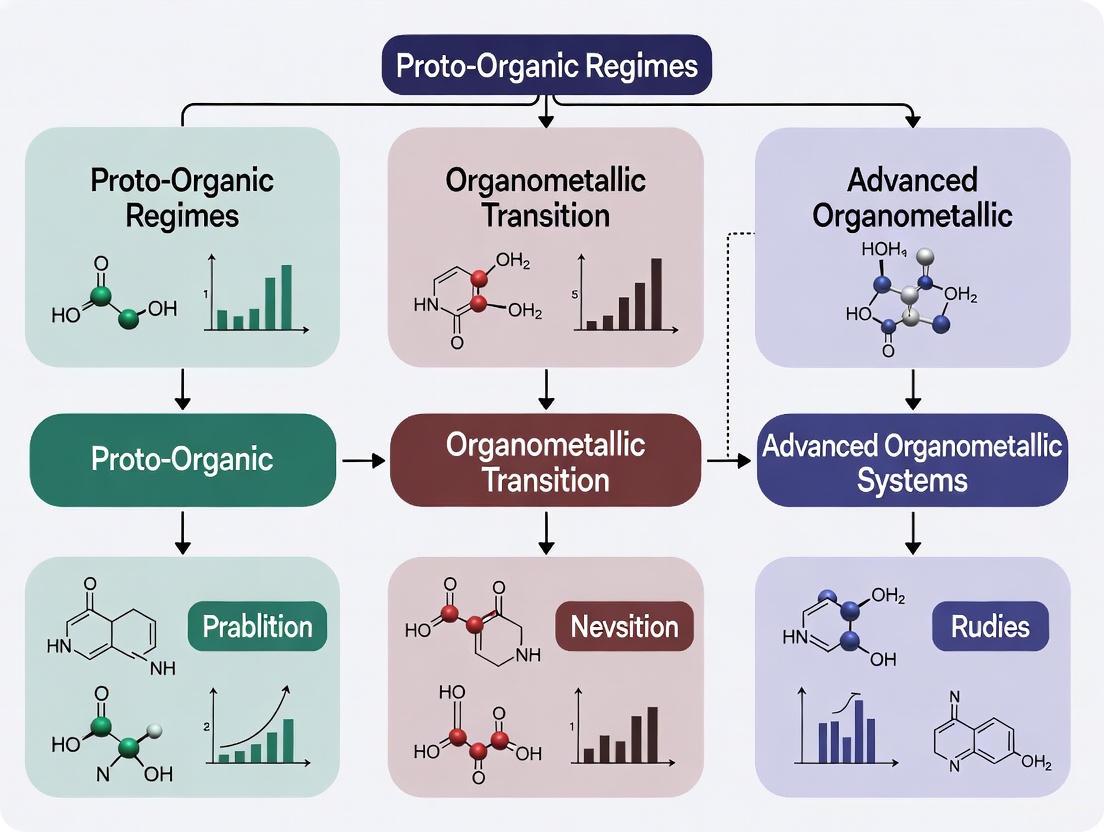
This article explores the paradigm shift from traditional coordination chemistry to the dynamic field of organometallic complexes in chemical and biomedical research.
From Coordination to Catalysis: The Organometallic Revolution in Drug Discovery and Chemical Biology
Abstract
This article explores the paradigm shift from traditional coordination chemistry to the dynamic field of organometallic complexes in chemical and biomedical research. It traces the foundational history and defining characteristics of organometallic compounds, detailing their unique covalent metal-carbon bonds that distinguish them from classical coordination complexes. The scope encompasses cutting-edge methodological applications, particularly in drug discovery, highlighting antimicrobial organoarsenicals, antimalarial and anticancer ferrocene-containing compounds, and catalytic organometallic drug candidates. The article also addresses critical troubleshooting and optimization challenges, including toxicity and synthetic hurdles, while providing a comparative validation of organometallic approaches against established therapeutic strategies. Designed for researchers, scientists, and drug development professionals, this review synthesizes historical context, current applications, and future directions for organometallic chemistry in advancing biomedical science.
Defining the Frontier: From Metal Coordination to Covalent Metal-Carbon Bonds
The field of organometallic chemistry, defined by the presence of direct, covalent metal-carbon bonds, represents a paradigm shift in chemical exploration. Its genesis can be traced to the early 19th century with the serendipitous discovery of Zeise's Salt by Danish pharmacist William Christoffer Zeise in the 1820s [1]. This compound, potassium trichloro(ethylene)platinate(II) hydrate (K[PtCl₃(C₂H₄)]·H₂O), is recognized historically as one of the first, if not the very first, organometallic compound [2] [1]. Its formation, initially observed from the reaction of platinum(IV) chloride with boiling ethanol, presented a structural enigma that persisted for over a century [1]. The correct characterization of its π-bonded ethylene ligand was only firmly established in the 1950s alongside the structural elucidation of ferrocene, marking the end of the proto-organometallic period—a time of empirical discovery without a theoretical framework [1]. This compound, with its platinum atom in a square planar geometry and an η²-ethylene ligand, became the foundational prototype upon which the principles of organometallic chemistry were built [1].
Zeise's Salt: Structure, Bonding, and Fundamental Properties
Structural Elucidation and Key Bonding Concepts
The long-standing mystery of Zeise's Salt's structure was resolved through X-ray crystallography, revealing a square planar platinum center coordinated to three chlorido ligands and one ethylene molecule [1]. The ethylene ligand is bound side-on to the platinum atom, with its C-C bond approximately perpendicular to the coordination plane [1]. This bonding is a hallmark of organometallic chemistry and is explained by the Dewar-Chatt-Duncanson model [1]. This model describes a synergistic interaction where:
- σ-Donation: The π-electrons of the ethylene's carbon-carbon double bond are donated to an empty d-orbital on the platinum atom.
- π-Backbonding: Electrons from a filled d-orbital of platinum are donated back into the empty π* antibonding orbital of the ethylene ligand [1].
This back-and-forth donation has measurable consequences: it reduces the carbon-carbon bond order, elongates the C-C distance, and lowers its vibrational frequency. In Zeise's Salt, the C-C bond stretching frequency is observed at 1516 cm⁻¹, a significant reduction from the 1623 cm⁻¹ found in free ethylene, indicating a bond order of approximately 1.54 [1]. The distance from the midpoint of the C-C double bond to the platinum center is about 2.015 Å, slightly shorter than in the original Zeise's Salt (2.022 Å), indicating a subtle tuning of the bond with different substituents [2].
Experimental Protocol: Synthesis and Characterization of Zeise's Salt and Derivatives
Synthesis of Zeise's Salt: The hydrate form is commonly prepared from K₂[PtCl₄] and ethylene in the presence of a catalytic amount of SnCl₂. The water of hydration can be removed under vacuum [1].
Synthesis of Acetylsalicylic Acid (ASA) Derivatives (e.g., Pt-Propene-ASA): The modern synthesis of biologically active Zeise's Salt derivatives involves a multi-step process [2]:
- Ligand Synthesis (Steglich Esterification):
- Reagents: Acetylsalicylic acid (ASA), the respective alkenol (e.g., 3-buten-1-ol for Pt-Propene-ASA), N,N'-dicyclohexylcarbodiimide (DCC), 4-dimethylaminopyridine (DMAP), dry dichloromethane.
- Procedure: ASA is activated with DCC in the presence of catalytic DMAP in dry dichloromethane at 0°C to form an active N-acyl species. This intermediate subsequently reacts with the alkenol, with the reaction mixture warmed to room temperature and stirred to form the ester ligand.
- Complexation:
- Reagents: Synthesized ester ligand, Zeise's salt, dry ethanol.
- Procedure: The ester ligand is complexed with Zeise's salt in dry ethanol by stirring at elevated temperature for approximately 3 hours. The final organometallic compounds are hygroscopic and light-sensitive, requiring storage in a desiccator protected from light [2].
Characterization Techniques:
- X-ray Crystallography: Determines precise molecular geometry, bond lengths, and angles [2].
- NMR Spectroscopy (¹H and ¹³C): Used for full molecular characterization. For dynamic studies, the stability of complexes in different media (water, physiological NaCl, phosphate-buffered saline) can be investigated using analytical methods like Capillary Electrophoresis [2].
- IR Spectroscopy: Confirms the reduced C-C bond stretching frequency of the coordinated ethylene ligand [1].
The Scientist's Toolkit: Key Reagents and Materials
Table 1: Essential Research Reagents in Organometallic Synthesis and Analysis
| Reagent/Material | Function in Research |
|---|---|
| Platinum Salts (K₂[PtCl₄], PtCl₄) | Starting material for synthesizing platinum-based organometallic complexes. |
| Zeise's Salt (K[PtCl₃(C₂H₄)]·H₂O) | Fundamental building block for creating new Zeise's Salt derivatives. |
| N,N'-Dicyclohexylcarbodiimide (DCC) | Coupling reagent used in Steglich esterification to activate carboxylic acids. |
| 4-Dimethylaminopyridine (DMAP) | Acyl transfer catalyst that accelerates esterification reactions. |
| Deuterated Solvents (e.g., CDCl₃, DMSO-d₆) | Solvents for NMR spectroscopy analysis; allows for structural elucidation. |
| SnCl₂ | Catalyst used in the modern preparation of Zeise's Salt from K₂[PtCl₄] and ethylene. |
The Evolutionary Leap: From Structural Curiosity to Medicinal Agent
Expanding the Organometallic Landscape
The confirmation of Zeise's Salt's structure opened the floodgates for organometallic chemistry. A pivotal milestone was the discovery and structural determination of ferrocene in 1952 [3]. This iron complex, with two cyclopentadienyl ligands in a sandwich structure, demonstrated the vast structural diversity and unique stability possible in organometallic compounds, far beyond the simple π-complex of Zeise's Salt [3]. This period saw the exploration of various classes of organometallics, including metallocenes, half-sandwich complexes, and metal carbonyls, each with distinct stereochemistry and reactivity profiles [3]. The field moved from studying a single curious compound to establishing general principles governing metal-carbon bonds, leveraging the unique physico-chemical properties of organometallics—such as structural diversity, ligand exchange, redox activity, and catalytic properties—for application-oriented goals [4].
Zeise's Salt Derivatives in Drug Discovery and Development
A prime example of this evolution is the rational design of Zeise's Salt derivatives as anticancer agents. This research is driven by the limitations of conventional platinum drugs like cisplatin, which suffer from dose-limiting side effects and drug resistance [2] [3]. Modern bioorganometallic chemistry aims to overcome these disadvantages by designing compounds that target biological sites other than DNA [2].
A key strategy involves conjugating the Zeise's Salt moiety with bioactive molecules. Researchers have synthesized a homologous series of compounds where the trichloro(ethylene)platinate(II) unit is linked to acetylsalicylic acid (ASA, aspirin) via alkyl spacers of varying lengths (n = 1–4) [2]. These compounds, such as Pt-Propene-ASA (1a), were designed to inhibit cyclooxygenase (COX) enzymes, particularly the COX-2 isoform, which is overexpressed in various cancers [2].
Table 2: Biological Activity Data of Zeise's Salt Derivatives with ASA Substructure [2]
| Compound | Alkyl Spacer (n) | COX Inhibition Potency | Antiproliferative Activity (IC₅₀ in μM) |
|---|---|---|---|
| Zeise's Salt | N/A | Moderate | Inactive at tested concentrations |
| ASA (Aspirin) | N/A | Reference COX inhibitor | Inactive at tested concentrations |
| Pt-Propene-ASA (1a) | 1 | Enhanced vs. Zeise's Salt | ~30 - 50 (vs. HT-29 & MCF-7 cells) |
| Pt-Butene-ASA (2a) | 2 | Higher than n=1 | ~30 - 50 (vs. HT-29 & MCF-7 cells) |
| Pt-Pentene-ASA (3a) | 3 | Generally higher with longer chain | ~30 - 50 (vs. HT-29 & MCF-7 cells) |
| Pt-Hexene-ASA (4a) | 4 | Highest in series | ~30 - 50 (vs. HT-29 & MCF-7 cells) |
The biological evaluation of these derivatives reveals a promising profile [2]:
- Dual Mechanism of Action: They function as both COX inhibitors and antiproliferative agents, unlike Zeise's salt or ASA alone.
- Structure-Activity Relationship (SAR): The length of the alkyl spacer influences biological activity; complexes with longer chains typically cause higher COX inhibition.
- Enhanced Cytotoxicity: The derivatives exhibit potent growth inhibitory effects against colon carcinoma (HT-29) and breast cancer (MCF-7) cell lines, with IC₅₀ values in the 30–50 µM range, whereas Zeise's Salt and ASA alone show no such activity at the concentrations tested.
This exemplifies the modern organometallic regime: using fundamental understanding to rationally design complexes with tailored stability, specificity, and multi-targeting mechanisms of action for improved therapeutic outcomes.
Visualization of Evolution and Mechanism
The following diagram illustrates the key evolutionary pathway from Zeise's Salt to modern drug candidates and their proposed mechanism of action.
Figure 1: The evolution from the discovery of foundational organometallic compounds to the rational design of modern therapeutic agents.
The journey from Zeise's Salt to modern organometallics encapsulates the evolution of chemical research from proto-organic serendipity to a disciplined organometallic regime. What began with a single, poorly understood yellow crystal has matured into a sophisticated field capable of tailoring metal-carbon complexes for specific biological functions. The development of Zeise's Salt derivatives as cytotoxic COX inhibitors exemplifies this transition, demonstrating how historical milestones provide the foundational knowledge for contemporary drug discovery. This ongoing research, leveraging unique organometallic properties—structural diversity, redox activity, and ligand exchange kinetics—continues to offer promising avenues for overcoming the limitations of traditional chemotherapeutics, firmly establishing organometallic chemistry as a vital frontier in medicinal science.
In the landscape of inorganic chemistry, the distinction between organometallic complexes and classical coordination compounds represents a fundamental divide that correlates with distinct bonding models, reactivity paradigms, and applications in research and industry. This division is central to understanding the transition from proto-organic to organometallic regimes in chemical exploration, marking an evolutionary shift in how chemists manipulate metal-ligand interactions for synthetic purposes. While both classes involve a central metal atom or ion surrounded by ligands, the defining criterion rests on the nature of the metal-ligand bond, particularly the presence or absence of direct metal-carbon bonds [5]. This distinction is not merely taxonomic; it carries profound implications for electronic structure, spectroscopic properties, and functional behavior in applications ranging from pharmaceutical development to materials science. For research scientists and drug development professionals, understanding this boundary is essential for rational design of catalytic systems, metal-based therapeutics, and novel materials with tailored properties.
Core Definitions and Fundamental Distinctions
Defining Characteristics
The classification of chemical compounds containing metals and organic components follows a hierarchical structure based on bonding interactions:
Organometallic Complexes: Chemical compounds containing at least one direct, covalent bond between a metal atom and a carbon atom of an organic molecule or fragment [5] [6]. The metal component can include transition metals, alkali metals, alkaline earth metals, lanthanides, actinides, and metalloids such as boron, silicon, and selenium [5]. The carbon-metal bond in these compounds is generally highly covalent, though the degree of ionic character varies considerably across the periodic table [5].
Classical Coordination Compounds: Complex ions or molecules in which ions or molecules (ligands) are bound to a central metal atom or ion typically through donor atoms with lone pairs (most commonly N, O, S, or halogens) [7] [8]. These complexes are formed via Lewis acid-base interactions where the metal acts as an electron pair acceptor and ligands act as electron pair donors [8].
Table 1: Fundamental Definitions and Characteristics
| Feature | Organometallic Complexes | Classical Coordination Compounds |
|---|---|---|
| Primary Bonding | Direct metal-carbon covalent bonds | Coordinate covalent bonds through heteroatoms (N, O, S, halogens) |
| Metal Centers | Transition metals, main group metals, lanthanides, actinides | Predominantly transition metals |
| Carbon Interaction | Direct bonding to metal center | Carbon atoms may be present in organic ligands but not directly bonded to metal |
| Typical Ligands | CO, alkenes, alkyls, cyclopentadienyl, carbenes | H₂O, NH₃, CN⁻, EDTA, halides |
| Electron Counting | Often follows 18-electron rule | Often follows 18-electron rule with different donor models |
The Bonding Criterion in Practice
The presence of a direct metal-carbon bond establishes the organometallic classification, but several nuanced scenarios require careful consideration:
Borderline Cases: Compounds where canonical anions share negative charge between carbon and a more electronegative atom (e.g., enolates) require structural evidence of a direct metal-carbon bond for organometallic classification. For example, lithium enolates typically contain only Li-O bonds and are not considered organometallic, whereas zinc enolates (Reformatsky reagents) contain both Zn-O and Zn-C bonds, qualifying as organometallic [5].
Special Carbon Ligands: Compounds containing "inorganic" carbon ligands such as carbon monoxide (metal carbonyls), cyanide, and carbide are generally considered organometallic despite their inorganic character [5].
Metalorganic Compounds: Some chemists use the term "metalorganic" to describe coordination compounds containing organic ligands regardless of direct M-C bonds, creating potential ambiguity in classification [5].
Structural and Electronic Differences
Bonding Models and Electronic Structure
The electronic structure and bonding models provide theoretical frameworks for understanding the behavior of both classes of compounds:
Ligand Field Theory (LFT) Applications: LFT describes the bonding, orbital arrangement, and electronic characteristics of coordination complexes [9]. It represents an application of molecular orbital theory to transition metal complexes and explains crucial phenomena including color, magnetic properties, and stability trends [9] [10]. For organometallic complexes, additional considerations for π-backbonding with carbon-based ligands become essential for understanding their unique electronic structures.
π-Backbonding in Organometallics: A distinctive feature of many organometallic complexes is metal-to-ligand π-bonding (π-backbonding), particularly with ligands such as CO and alkenes [9]. This occurs when electrons from filled metal d-orbitals are donated into empty π* anti-bonding orbitals of the ligand, creating a synergic effect that strengthens the metal-ligand bond [9] [10]. This bonding modality is rarely significant in classical coordination compounds.
Ligand Classification: Ligands can be classified according to their donor and acceptor abilities [10]:
- σ donors only (e.g., NH₃): No orbitals with appropriate symmetry for π bonding
- π donors (e.g., F⁻, Cl⁻): Possess filled p orbitals that can donate electrons to metal orbitals
- π acceptors (e.g., CO, CN⁻): Possess vacant π* or d orbitals that can accept electron density from metal d-orbitals
Table 2: Electronic Structure and Bonding Characteristics
| Parameter | Organometallic Complexes | Classical Coordination Compounds |
|---|---|---|
| Primary Bonding Model | Covalent M-C bonds with possible π-backbonding | Coordinate covalent bonds with electrostatic contributions |
| Typical Ligand Field | Often strong field (large Δ) due to π-acceptor ligands | Variable depending on ligand position in spectrochemical series |
| Carbon Electronic Character | Nucleophilic (partial negative charge) | Not applicable (no direct M-C bond) |
| Metal Oxidation States | Often low oxidation states stabilized by π-acceptor ligands | Full range of oxidation states, with higher states stabilized by O/N-donor ligands |
| Synergic Bonding | Common with π-acceptor ligands (e.g., CO, alkenes) | Rare |
Geometric Considerations and Coordination Numbers
Both organometallic and coordination compounds exhibit diverse geometries determined by metal electronic configuration, ligand steric demands, and metal-ligand bonding requirements:
Common Coordination Geometries: Octahedral, tetrahedral, and square planar geometries occur in both compound classes, though specific preferences emerge based on metal identity and oxidation state [8].
Hapticity Considerations: Organometallic chemistry introduces the concept of hapticity (η), which describes how contiguous atoms of a π-system coordinate to a metal center [5]. For example, ferrocene features two η⁵-cyclopentadienyl ligands where all five carbon atoms bond to the iron center [5].
Chelation Effects: Both classes of compounds exhibit chelation, where multidentate ligands form more stable complexes than their monodentate analogs [8]. The chelate effect operates similarly in both domains, though organometallic chelators often employ carbon-based binding modes.
Identification Workflow for Compound Classification
Experimental Characterization and Differentiation
Analytical Techniques for Distinction
Differentiating between organometallic complexes and classical coordination compounds requires a multifaceted analytical approach. The following experimental protocols provide definitive evidence for classification:
X-ray Crystallography: This is the most definitive technique for establishing the presence or absence of direct metal-carbon bonds [5]. Single-crystal X-ray diffraction can precisely locate atomic positions and measure M-C bond distances, providing unambiguous structural evidence. The experimental protocol involves growing high-quality single crystals, mounting them on a diffractometer, collecting reflection data, and solving the phase problem to determine electron density maps.
Infrared Spectroscopy: IR spectroscopy is particularly diagnostic for identifying carbonyl (CO) ligands in organometallic complexes [5]. The C-O stretching frequency (νCO) provides information about the bonding mode:
- Terminal CO: 1850-2125 cm⁻¹
- Bridging CO: 1750-1850 cm⁻¹
- The position and number of CO stretches indicate the coordination geometry and electron density at the metal center
- Lower νCO frequencies indicate greater π-backbonding into CO π* orbitals
Nuclear Magnetic Resonance Spectroscopy: NMR is essential for characterizing organometallic compounds in solution [5]:
- ¹³C NMR directly probes carbon atoms bound to metals, with chemical shifts characteristic of metal-carbon bonding
- ¹H NMR of ligands (e.g., cyclopentadienyl, alkyl groups) provides structural information
- Dynamic NMR can study fluxional processes common in organometallic complexes
Elemental Analysis and Mass Spectrometry: Combustion analysis establishes empirical formulas, while mass spectrometry (especially ESI and MALDI) provides molecular weight confirmation and fragmentation patterns characteristic of metal-carbon bonds [5].
Table 3: Essential Research Reagents and Materials for Characterization
| Reagent/Material | Function/Application | Technical Notes |
|---|---|---|
| Deuterated Solvents (CDCl₃, C₆D₆, DMSO-d₆) | NMR spectroscopy for structural elucidation | Must be rigorously dried and degassed for air-sensitive compounds |
| FT-IR Spectrometer | Identification of functional groups and bonding modes | ATR accessory useful for air-sensitive solids; solution cells for liquids |
| Single Crystal X-ray Diffractometer | Definitive structural determination | Requires high-quality single crystals; low-temperature capability beneficial |
| Schlenk Line/Glovebox | Air-free manipulation of sensitive compounds | Essential for most organometallic and many coordination compounds |
| Silica Gel/TLC Plates | Monitoring reaction progress and purity | Various mesh sizes for column chromatography; TLC with UV/chemical visualization |
| Elemental Analyzer | Determination of C, H, N composition | Requires pure, dry samples; compares experimental and theoretical percentages |
Air-Free Techniques and Special Handling
A significant practical distinction between many organometallic complexes and classical coordination compounds lies in their air and moisture sensitivity:
Organometallic Handling: Many organometallic compounds are air-sensitive and require specialized handling techniques [5]. This typically involves the use of Schlenk lines or gloveboxes for manipulation under inert atmosphere (argon or nitrogen) [5]. Some organometallics, such as triethylaluminum, are pyrophoric and will ignite spontaneously upon exposure to air [5].
Coordination Compound Stability: Classical coordination compounds generally exhibit greater stability toward air and moisture, though exceptions exist (e.g., some low-valent metal complexes).
Analytical Techniques for Compound Characterization
Implications for Research and Drug Development
The distinction between organometallic complexes and classical coordination compounds carries significant implications for research methodologies and applications in pharmaceutical development:
Reactivity and Synthetic Applications
Nucleophilic Character: Organometallic complexes typically feature nucleophilic carbon centers due to the lower electronegativity of metals compared to carbon [6]. This imparts fundamentally different reactivity compared to classical coordination compounds, making organometallics invaluable as catalysts and stoichiometric reagents in organic synthesis [5] [6].
Catalytic Applications: Organometallic complexes dominate the field of homogeneous catalysis, enabling transformations such as hydrogenation, hydroformylation, polymerization, and cross-coupling reactions [5]. Their ability to undergo oxidative addition, reductive elimination, and migratory insertion mechanisms distinguishes them from most classical coordination compounds.
Pharmaceutical Relevance: While classical coordination compounds have a longer history in medicine (e.g., platinum anticancer drugs), organometallic complexes are emerging as promising therapeutic agents with unique modes of action [5]. Bioorganometallic chemistry explores compounds such as methylcobalamin (a form of Vitamin B₁₂), which contains a cobalt-methyl bond [5].
Electronic and Magnetic Properties
The differing bonding models between the two classes of compounds lead to distinct electronic and magnetic properties:
Magnetic Behavior: The magnetic properties of coordination compounds provide indirect evidence of orbital energy levels used in bonding [10]. Strong-field ligands (often found in organometallic complexes) tend to produce low-spin complexes, while weak-field ligands (common in classical coordination compounds) often yield high-spin complexes [10].
Spectrochemical Series: Ligands can be ordered according to their ability to split d-orbital energy levels [9] [10]: CN⁻ > CO > phen > NO₂⁻ > en > NH₃ > NCS⁻ > H₂O > F⁻ > RCOO⁻ > OH⁻ > Cl⁻ > Br⁻ > I⁻ π-acceptor ligands (common in organometallics) generally produce larger splitting than π-donor ligands (common in classical coordination compounds).
The distinction between organometallic complexes and classical coordination compounds represents a fundamental conceptual boundary in inorganic chemistry with far-reaching implications for research and application. The presence of direct metal-carbon bonds in organometallic complexes imparts unique electronic structures, reactivity patterns, and physical properties that differentiate them from classical coordination compounds bonded through heteroatoms. For researchers and drug development professionals, this classification system provides a framework for predicting compound behavior, selecting appropriate characterization methodologies, and designing new materials with tailored properties. As chemical exploration continues to evolve toward increasingly sophisticated molecular designs, understanding these core definitions remains essential for advancing both fundamental knowledge and practical applications across the chemical sciences.
The transition from proto-organic to organometallic regimes in chemical exploration represents a paradigm shift in medicinal chemistry, moving beyond purely organic molecules and classical coordination complexes. Organometallic compounds, characterized by at least one direct, covalent metal-carbon bond, offer unique therapeutic possibilities due to their distinctive physicochemical properties [11] [3]. These properties include structural diversity that surpasses organic compounds, tunable redox and catalytic activities, and controlled ligand exchange kinetics [11] [12]. This shift has created new avenues for attacking drug-resistant cancers, overcoming limitations of traditional chemotherapeutics like cisplatin, which suffer from resistance development and severe side effects [3]. The exploration of this chemical space is driven by motifs with proven biological relevance: sandwich complexes, carbonyls, and carbenes, each contributing unique attributes to medicinal applications.
Structural Motif 1: Sandwich Complexes
Sandwich complexes feature metal centers positioned between two cyclic, planar, π-bonded ligands. First discovered with ferrocene, this structural class has expanded to include various ring sizes and metal centers, creating what are termed "super sandwich" compounds when involving larger ring systems [13].
Medicinal Applications and Mechanisms
Ferrocene and Ferrocifen Derivatives: Ferrocene itself exhibits low toxicity, but its incorporation into known pharmacophores can yield potent anticancer agents. Ferrocifen, a ferrocene-tamoxifen hybrid, demonstrates efficacy against both estrogen receptor-positive and negative breast cancer cells, suggesting a dual mechanism involving both receptor binding and redox activation [11] [3]. The redox activity of ferrocene facilitates generation of reactive oxygen species, inducing cancer cell death via oxidative stress pathways [3].
Lanthanide Sandwich Complexes: Recent research has explored lanthanide-based sandwich complexes utilizing cyclooctatetraenyl (C8H8) and cyclononatetraenyl (C9H9) ligands. These complexes, such as [(η9-C9H9)Ln(η8-C8H8)] (where Ln = Nd, Sm, Dy, Er), exhibit single-molecule magnet behavior and have potential applications in quantum computing and magnetic resonance imaging [13].
Half-Sandwich Anticancer Agents: Ru(η6-p-cymene) and Rh(η5-C5Me5) complexes represent prominent half-sandwich structures with demonstrated anticancer activity. These "piano-stool" complexes offer three coordination sites for functionalization, enabling fine-tuning of anticancer properties and selectivity [14].
Table 1: Representative Medicinal Sandwich Complexes and Their Activities
| Complex | Metal | Ligands | Medicinal Activity | Key Findings |
|---|---|---|---|---|
| Ferrocifen | Fe | Cp rings, tamoxifen derivative | Anticancer (breast) | Active against ERα+ and ERα- cell lines; redox-activated [11] [3] |
| [(η8-C8H8)Er(η9-C9H9)] | Er | C8H8, C9H9 | Single Molecule Magnet | Potential for quantum computing and MRI applications [13] |
| [Rh(η5-C5Me5)(HQCl-pip)Cl]Cl | Rh | C5Me5, 8-hydroxyquinoline | Anticancer (MDR cells) | IC50 = 0.22 μM against MDR MES-SA/Dx5 cells; high selectivity [14] |
Experimental Protocol: Synthesis of Heteroleptic Lanthanide Sandwich Complexes
Objective: Synthesis of [(η9-C9H9)Ln(η8-C8H8)] (Ln = Nd, Sm, Dy, Er) heteroleptic sandwich complexes [13].
Procedure:
- Synthesis of KC9H9 precursor: Prepare potassium cyclononatetraenyl following the method of Katz et al. [13].
- Preparation of [(η8-C8H8)LnI(thf)n]: React lanthanide metal (Nd, Sm, Dy, or Er) with cyclooctatetraene and iodine in hot THF. For Dy and Er, activate the metal by in situ amalgamation. Reaction times vary from 2 days (Nd, Sm) to 3-4 weeks (Dy, Er) [13].
- Metathesis Reaction: React [(η8-C88H)LnI(thf)2] complexes with KC9H9 in refluxing toluene for 24 hours [13].
- Isolation: Cool the reaction mixture to precipitate the product. Collect crystals by filtration and dry under vacuum. Yields typically range from 31-36% [13].
Characterization: Confirm structure by X-ray crystallography, NMR spectroscopy, and elemental analysis. Magnetic properties can be investigated using SQUID magnetometry [13].
Structural Motif 2: Metal Carbonyls
Metal carbonyl complexes feature carbon monoxide ligands bound to metal centers and represent fundamental structures in organometallic chemistry with growing medicinal importance.
Medicinal Applications and Mechanisms
Technetium Carbonyl Radiopharmaceuticals: Technetium-99m carbonyl complexes serve as versatile platforms for developing single photon emission computed tomography (SPECT) imaging agents. The fac-[TcI(CO)3]+ core exhibits exceptional stability and allows for functionalization with targeting biomolecules [15]. This core structure maintains integrity under physiological conditions, making it ideal for diagnostic applications.
Anticancer Activity: Metal carbonyl complexes, particularly those with rhenium and manganese, have demonstrated potential as anticancer agents. Carbon monoxide release in controlled manner may contribute to cytotoxic effects, although the precise biological mechanisms remain under investigation [3].
Table 2: Medicinal Metal Carbonyl Complexes and Applications
| Complex | Metal | Application | Key Properties |
|---|---|---|---|
| fac-[TcI(CO)3]+ core | Tc | SPECT Imaging | Highly stable; versatile functionalization; ideal for biomolecule conjugation [15] |
| [ReI(CO)3]+ complexes | Re | Anticancer | Cytotoxic activity; potential for CO delivery [3] |
| [MnI(CO)3]+ complexes | Mn | Anticancer | Photoactivated CO release; cytotoxic effects [3] |
Experimental Protocol: Preparation of the fac-[TcICl3(CO)3]2- Synthon
Objective: Synthesis of fac-[TcICl3(CO)3]2-, a fundamental precursor for technetium-99m radiopharmaceuticals [15].
Procedure:
- Carbonyl Source Preparation: Use CO gas or solid CO-releasing molecules such as potassium boranocarbonate or boranocarbonates [15].
- Reduction and Carbonylation: Reduce pertechnetate (TcO4-) in aqueous solution under a CO atmosphere in the presence of BH4- as reducing agent [15].
- Acidification: Treat the intermediate with concentrated HCl to form fac-[TcICl3(CO)3]2- [15].
- Purification: Isolate as the (NEt4)2[fac-TcICl3(CO)3] salt for characterization and storage [15].
Characterization: Analyze by infrared spectroscopy (characteristic CO stretches at ~2000 cm-1), NMR spectroscopy, and X-ray crystallography [15].
Alternative Method: For facilities with radiation protection restrictions, use fac-[TcI2(μ–Cl)3(CO)6]– as an alternative precursor, which can be prepared under milder conditions [15].
Structural Motif 3: N-Heterocyclic Carbenes (NHCs)
N-heterocyclic carbenes (NHCs) are strong σ-donor ligands that form exceptionally stable bonds with metal centers, creating complexes with superior stability for biological applications compared to their phosphine counterparts [16].
Medicinal Applications and Mechanisms
Gold(I) NHC Anticancer Agents: Alkynylgold(I) NHC complexes demonstrate promising antiproliferative activity against cancer cells. The most active complex (5f, featuring a 4-fluoroethynylbenzene ligand) showed increased cellular uptake and high albumin affinity (~90%), suggesting potential for improved bioavailability and tumor targeting [17]. Density functional theory (DFT) calculations indicate dipole moment influences activity, with larger dipole moments correlating with enhanced antiproliferative effects [17].
Antimicrobial Silver NHC Complexes: Silver-NHC complexes exhibit potent antimicrobial properties, with minimum inhibitory concentration (MIC) values in the low μg/mL range against various bacterial strains including Staphylococcus aureus and Escherichia coli [16]. The exceptional stability of silver-NHC complexes (d/b ratios 7.8-12.68) makes them effective transmetallating agents for preparing other metal-NHC complexes [16].
Multifunctional NHC Therapeutic Agents: NHC complexes of other metals including rhodium, ruthenium, iridium, and palladium have demonstrated diverse biological activities including antibacterial, antitumor, and anti-inflammatory effects [16] [12].
Table 3: Bioactive N-Heterocyclic Carbene Metal Complexes
| Complex | Metal | Medicinal Activity | Key Properties & Findings |
|---|---|---|---|
| Alkynylgold(I) NHC (5f) | Au | Anticancer | High cellular uptake; 90% albumin binding; increased dipole moment enhances activity [17] |
| Silver-NHC complexes | Ag | Antimicrobial | MIC values 1.13-125 μg/mL; high stability (d/b ratios 7.8-12.68) [16] |
| Rhodium-NHC complexes | Rh | Anticancer | Activity against various cancer cell lines; potential for selective kinase inhibition [12] |
Experimental Protocol: Synthesis of Alkynylgold(I) NHC Complexes
Objective: Preparation of alkynylgold(I) NHC complexes 5a-5f and 6a/b as prospective anticancer agents [17].
Procedure:
- Synthesis of NHC Precursors: Prepare imidazolium or related azolium salts by alkylation of corresponding N-heterocycles [16].
- Generation of Silver-NHC Transfer Agents: React imidazolium salts with silver oxide in dichloromethane to form Ag-NHC complexes, which serve as transmetallation agents [16].
- Transmetallation to Gold: React Ag-NHC complexes with chloro(dimethylsulfide)gold(I) or similar gold precursors [17].
- Alkynyl Ligand Incorporation: Introduce alkynyl ligands (e.g., 4-fluoroethynylbenzene or mestranol derivatives) via metathesis or direct substitution reactions [17].
- Purification: Isolate products by precipitation or chromatography and characterize fully [17].
Characterization: Analyze by NMR spectroscopy, mass spectrometry, elemental analysis, and X-ray crystallography. Perform DFT calculations to determine stability and dipole moments. Evaluate biological activity through cell viability assays (e.g., MTT) and cellular uptake studies [17].
The Scientist's Toolkit: Essential Research Reagents
Table 4: Essential Research Reagents in Medicinal Organometallic Chemistry
| Reagent/Category | Function & Application | Examples & Notes |
|---|---|---|
| N-Heterocyclic Carbene Precursors | Imidazolium salts as NHC ligand precursors; tunable steric and electronic properties | 3-alkylthiomethyl-1-ethylimidazolium chlorides; 1,3-diazolidinium salts [16] |
| Sandwich Complex Precursors | Cyclic π-ligands for sandwich complex synthesis | KC9H9; K2C8H8; [LnI(COT)(thf)n] complexes [13] |
| Carbonyl Sources | CO ligands for metal carbonyl complexes | CO gas; potassium boranocarbonate; boranocarbonates as safe CO-releasing molecules [15] |
| Half-Sandwich Precursors | Organometallic dimers for piano-stool complexes | [M(arene)Cl2]2 (M = Ru, Rh, Ir); [Cp*MCl2]2 [14] |
| Stability Assessment Tools | Evaluate solution behavior and ligand exchange kinetics | DFT calculations; NMR speciation studies; electrochemical analysis [17] [11] |
Conceptual Framework and Future Directions
The strategic integration of organometallic motifs in drug design follows a logical progression from structural foundation to therapeutic application, as visualized below:
Diagram Title: Organometallic Drug Design Logic
Future research will focus on advanced delivery systems including ganglioside-functionalized nanoparticles for improved bioavailability and multidrug resistance selectivity [14]. The intersection of organometallic chemistry with nanotechnology promises enhanced drug absorption, controlled release, and reduced side effects through targeted delivery [12]. Additionally, the development of theranostic agents combining diagnostic and therapeutic functions represents a frontier in the field, particularly with radiolabeled organometallics for image-guided therapy [3] [15].
The transition from proto-organic to organometallic regimes continues to expand the chemical space available for drug discovery, offering innovative solutions to persistent challenges in medicinal chemistry through the unique properties of sandwich complexes, carbonyls, and carbenes.
The evolution of chemical science from its proto-organic roots to the modern organometallic regime represents a fundamental shift in how chemists understand, create, and utilize matter. At the heart of this transition lies the metal-carbon bond—a versatile linkage whose unique covalent character and electronic structures have enabled unprecedented control over molecular synthesis and design. The exploration of chemical space has progressed through three distinct historical regimes: a proto-organic period (pre-1860) characterized by uncertain year-to-year output of compounds, an organic regime (1861-1980) marked by regular production of carbon-hydrogen based molecules, and the current organometallic regime (1981-present) featuring renewed interest in metal-containing compounds with minimal annual variance in discovery rates [18] [19]. Throughout this progression, the metal-carbon bond has emerged as a cornerstone of modern synthetic chemistry, enabling breakthroughs across diverse fields from pharmaceutical development to materials science.
This whitepaper provides an in-depth examination of the bonding paradigm in organometallic chemistry, focusing specifically on the covalent character and electronic structures that govern metal-carbon bonding. By synthesizing fundamental principles with advanced theoretical frameworks and practical applications, we aim to equip researchers with the knowledge tools necessary to harness these versatile interactions for innovative scientific discovery.
Fundamental Bonding Theories in Organometallic Chemistry
Covalent Bonding Fundamentals
Covalent bonding occurs when pairs of electrons are shared between atoms, allowing each atom to attain a stable electronic configuration [20] [21]. In traditional main-group chemistry, this typically follows the octet rule, where atoms achieve noble gas configurations through electron sharing. However, transition metal complexes exhibit expanded bonding possibilities due to the availability of d-orbitals, leading to more complex bonding paradigms [22].
The nature of covalent bonds depends significantly on the electronegativity differences between bonded atoms. When two identical nonmetals form covalent bonds (e.g., H-H), electrons are shared equally, creating nonpolar covalent bonds. In contrast, when atoms with different electronegativities form covalent bonds (e.g., H-Cl), unequal sharing results in polar covalent bonds [21]. Metal-carbon bonds typically fall between these extremes, exhibiting varying degrees of covalent character depending on the specific metal and its oxidation state.
Theoretical Framework for Organometallic Complexes
Theoretical organometallic chemistry employs a fragment-based approach to understand the electronic structure, geometrical preferences, and reactivity of complexes [23]. This methodology conceptually decomposes molecules into a metal fragment (MLₙ) and ligands, then reconstructs the molecule by examining orbital interactions between these components. This approach has been particularly valuable for understanding the bonding in diverse organometallic structures that have emerged in recent decades.
The molecular orbitals of these fragments form a conceptual library that allows researchers to predict bonding scenarios. The interaction between ligand orbitals (typically from organic molecules) and the orbitals of the MLₙ fragment determines the stability and properties of the resulting complex. This theoretical framework has proven essential for rationalizing and predicting the behavior of organometallic systems across various applications [23].
Electronic Structure and Electron Counting in Organometallic Complexes
The 18-Electron Rule
The 18-electron rule represents a fundamental principle in organometallic chemistry, describing the tendency of metal centers to achieve noble gas configurations (18 electrons) in their valence shells by utilizing one s, three p, and five d orbitals [22]. Complexes that satisfy this electron count are described as "electron-precise" or "saturated," with no empty low-lying orbitals available for additional ligand coordination. In contrast, complexes with fewer than 18 electrons are "unsaturated" and can electronically bind to additional ligands [22].
The applicability of the 18-electron rule depends heavily on ligand and metal characteristics. The rule is most consistently followed in complexes with strong-field ligands that are good σ-donors and π-acceptors (e.g., CO ligands) [22]. In these systems, the energy difference (Δ₀) between t₂g and eₐ* orbitals is large, making the t₂g orbitals bonding and the eₐ* orbitals strongly antibonding. This orbital arrangement favors 18-electron configurations.
Table 1: Common Exceptions to the 18-Electron Rule
| Exception Type | Electron Count | Typical Configurations | Representative Examples |
|---|---|---|---|
| 16-Electron Complexes | 16 | d⁸ configuration | Rh(I), Ni(II), Pd(II), Pt(II) complexes |
| Bulky Ligand Systems | <18 | Variable | Complexes with agostic interactions |
| Strong π-Donor Ligands | <18 | Variable | Complexes with F⁻, O²⁻, RO⁻, RN²⁻ ligands |
| Early Transition Metals | <18 | High oxidation states | 4th/5th row metals with high oxidation states |
| Radical Species | Odd-electron | Various | Organometallic radicals |
Electron Counting Methodologies
Two primary methods exist for electron counting in organometallic complexes: the covalent method and the ionic method. Both approaches yield identical electron counts despite their different accounting systems [22] [24].
Covalent Method: In this approach, all metal-ligand bonds are considered covalent, with ligands treated as neutral entities. The steps include:
- Identifying the group number of the metal center
- Determining electrons contributed by ligands
- Accounting for the overall complex charge
- Adding electrons from metal-metal bonds (one per bond per metal)
- Summing contributions to obtain final electron count [22]
Ionic Method: This alternative approach assigns filled valences to ligands, often resulting in different formal charges than the covalent method. For example, a methyl group is treated as CH₃⁻ rather than a neutral radical [24]. The ionic method more directly provides oxidation state information but requires careful charge accounting.
Table 2: Electron Donation of Common Ligands in Organometallic Chemistry
| Ligand | Covalent Method Donation | Ionic Method Donation | Notes |
|---|---|---|---|
| CO | 2 electrons | 2 electrons | Neutral ligand |
| NH₃ | 2 electrons | 2 electrons | Neutral ligand |
| Methyl (CH₃) | 1 electron | 2 electrons | Different formalisms |
| Hydride (H) | 1 electron | 2 electrons | Different formalisms |
| Chloride (Cl) | 1 electron | 2 electrons | Different formalisms |
| Cyclopentadienyl (C₅H₅) | 5 electrons | 6 electrons | Different formalisms |
| Ethylene (C₂H₄) | 2 electrons | 2 electrons | Neutral ligand |
Historical Evolution of Chemical Exploration
The Three Regimes of Chemical Discovery
Analysis of millions of reactions stored in the Reaxys database reveals that chemical discovery has progressed through three statistically distinguishable historical regimes [18]. This analysis examined 14,341,955 compounds associated with 16,356,012 reactions reported between 1800 and 2015, demonstrating an exponential growth in compound discovery with a remarkable 4.4% annual production rate that remained stable despite world wars and theoretical shifts [18] [19].
Proto-organic Regime (pre-1860): This period was characterized by high variability in year-to-year output of new compounds (σ = 0.4984), with an annual growth rate of 4.04% [18]. Metal-containing compounds represented a higher proportion of new molecules than in any subsequent period, though carbon- and hydrogen-based compounds still dominated. Chemical exploration primarily involved extraction and analysis of animal and plant products, alongside inorganic compounds [18].
Organic Regime (1861-1980): The adoption of valence and structural theories of chemistry around 1860 marked a transition to more regular discovery patterns (σ = 0.1251) with a higher annual growth rate of 4.57% [18] [19]. This period featured carbon- and hydrogen-containing compounds surpassing 90% of new discoveries by approximately 1880, with a corresponding decline in metal-containing compounds. The establishment of synthetic methodology as the primary means of compound discovery characterized this era.
Organometallic Regime (1981-present): The modern era has witnessed a revival in metal-containing compound discovery with exceptionally stable output (σ = 0.0450) though a reduced growth rate of 2.96% [18]. This regime reflects increased interest in organometallic compounds and their applications in catalysis, materials science, and pharmaceutical development. The period from 1995-2015 has seen a return to 4.40% annual growth, indicating renewed vigor in organometallic exploration [18].
Impact of Major Events on Chemical Discovery
The analysis of chemical discovery reveals notable impacts from global conflicts. Both World Wars caused significant disruptions in chemical output, with World War I (1914-1918) resulting in a -17.95% annual growth rate and World War II (1940-1945) showing a -6.00% rate [18]. Remarkably, the chemical community demonstrated resilience in both cases, with recovery to pre-war discovery rates within approximately five years after each conflict [18].
Metal-Carbon Bond Strength and the "Goldilocks Principle" in Catalysis
Quantitative Assessment of Metal-Carbon Bond Strength
The bond strength between metal catalysts and carbon substrates plays a crucial role in determining catalytic efficacy, particularly in processes like carbon nanotube (CNT) growth. First-principle density functional theory (DFT) calculations have established a "Goldilocks principle" for metal-carbon bonding, where optimal catalytic activity requires bond strength that is "just right" [25].
This principle establishes that metal-carbon bonds must be strong enough to facilitate dissociation of the catalytic metal particle from the carbon nanostructure (preventing deactivation) but not so strong that they favor the formation of stable metal carbides (which would also deactivate the catalyst) [25]. Bonds that are too weak cannot stabilize the growing hollow structure of materials like carbon nanotubes.
Table 3: Metal-Carbon Bond Strengths and Catalytic Activity for CNT Growth
| Metal | Adhesion Energy per Bond (eV) | Catalytic Activity | Primary Interaction Type |
|---|---|---|---|
| Fe, Co, Ni | Moderate | Excellent | Covalent with moderate strength |
| Cu, Au, Ag | Weak | Poor | Physisorption/weak covalent |
| Mo, W | Strong | Poor (carbide formation) | Strong covalent/ionic |
| Y, Rh, Pd, Pt | Moderate | Good | Covalent with moderate strength |
| La, Ce | Moderate | Good | Covalent with moderate strength |
Bond Strength Optimization in Catalytic Systems
The Goldilocks principle for metal-carbon bonding has guided the development of advanced catalytic systems, particularly through metal alloying strategies. Combining metals with weak carbon bonding (e.g., Cu, Pd) with those exhibiting strong carbon bonding (e.g., Mo, W) has produced effective catalysts from components that are individually inactive for CNT growth [25]. This approach enables fine-tuning of metal-carbon bond strengths to achieve optimal catalytic performance.
For carbon nanotube growth specifically, effective catalysts must fulfill three key criteria: (i) decompose carbon feedstock gases, (ii) form graphitic caps at their surface, and (iii) maintain the CNT hollow structure by stabilizing the growing end through appropriate metal-carbon bond strength [25]. Criterion (iii) follows the Goldilocks principle and represents one of the key parameters determining successful CNT synthesis.
Experimental Methods and Analytical Techniques
Electrochemical Analysis of Organometallic Complexes
Electrochemical methods provide powerful tools for investigating the redox properties and electron transfer mechanisms of organometallic complexes. Voltammetry techniques, particularly cyclic voltammetry, enable controlled potential application to assess redox characteristics and electroactivity [26]. These methods are complemented by spectroelectrochemical (SEC) techniques that combine electrochemical manipulation with in situ spectroscopic monitoring.
Redox activity in organometallic complexes (LₙM–(CX)) can originate from three distinct sites: (I) the metal center (M), (II) the organometallic ligands (CX) bonded through metal-carbon bonds, or (III) potentially non-innocent co-ligands (Lₙ) [26]. This diversity creates various reactivity patterns, including unusual metal oxidation states, carbon-centered radicals, and ligand redox systems.
Electrochemical Synthesis Protocols
Electrochemical methods offer sustainable alternatives to conventional organometallic synthesis, replacing hazardous reagents with electrical energy and enabling in situ generation of unstable intermediates [26]. Key electrochemical synthesis protocols include:
Cathodic Reduction Methods: These techniques employ working electrodes as electron sources to reduce metal precursors and organic halides, facilitating metal-carbon bond formation. The method is particularly valuable for generating organometallic compounds with sensitive functional groups that might not survive conventional chemical reduction [26].
Anodic Oxidation Approaches: Utilizing working electrodes as electron sinks, these methods oxidize metal centers or organic substrates to create reactive intermediates for metal-carbon bond formation. This approach has proven effective for synthesizing metallocenes and related organometallic architectures [26].
Catalytic Electrosynthesis: This methodology combines electrochemical activation with catalytic cycles, enabling efficient carbonylation and C–H activation processes. These systems often operate under milder conditions than their purely chemical counterparts, enhancing functional group compatibility [26].
Carbonylation Methodologies
Carbon monoxide serves as a versatile C1 building block in organometallic chemistry, with bond dissociation energy of 1,072 kJ/mol—higher than that of nitrogen gas (942 kJ/mol) [27]. Modern carbonylation methodologies encompass three primary approaches:
Transition-Metal-Mediated Carbonylation: CO activation occurs through coordination to transition metal centers, enabling migratory insertion into metal-carbon bonds. Recent advances have focused on earth-abundant metal catalysts (Fe, Co, Ni), enhanced selectivity control, and carbonylation of inert bonds (C–F, C–O) [27].
Ionic Carbonylation: This pathway involves acyl cation or anion intermediates, traditionally requiring strong acids or bases. Recent innovations employing frustrated Lewis pairs (FLPs) have enabled milder reaction conditions and broader substrate scope [27].
Free-Radical Carbonylation: CO reacts with organic radicals to form acyl radicals, providing complementary reactivity to conventional methods. Photoredox catalysis has particularly advanced this approach by enabling gentler reaction conditions and improved functional group tolerance [27].
The Scientist's Toolkit: Essential Research Reagents and Materials
Table 4: Essential Research Reagents for Organometallic Chemistry Investigations
| Reagent/Material | Function | Application Context | Technical Notes |
|---|---|---|---|
| Transition Metal Precursors | Provide metal centers | Catalyst synthesis | Metal carbonyls, halides, acetates |
| Carbon Monoxide (CO) | C1 building block | Carbonylation reactions | High-pressure reactors often required |
| Ferrocene | Reference compound | Electrochemical studies | Internal standard for redox potentials |
| Cyclopentadienyl Compounds | Ligand precursors | Sandwich complex synthesis | Often generated in situ |
| Phosphine Ligands | Electron donation, steric control | Catalyst tuning | Significant impact on metal electronics |
| Organolithium/Boronic Reagents | Transmetalation agents | Cross-coupling reactions | Air- and moisture-sensitive |
| Electrochemical Cells | Reaction vessels | Electrosynthesis | Three-electrode systems common |
| DFT Computational Codes | Electronic structure modeling | Bonding analysis | VASP, TURBOMOLE commonly used |
Emerging Trends and Future Perspectives
Advanced Carbonylation Technologies
The carbonylation field continues to evolve, with several emerging trends shaping its trajectory. The development of more efficient catalytic systems capable of activating inert chemical bonds represents a high priority research direction [27]. Additionally, significant potential exists in exploring renewable CO sources and surrogates to enhance sustainability.
Integration of carbonylation with emerging technologies like photochemistry, flow chemistry, electrochemistry, and machine learning presents exciting prospects for scalable, efficient, and greener processes [27]. These interdisciplinary approaches are expected to drive the field forward, reinforcing carbonylation's central role in modern synthetic chemistry.
Electrochemical Advancements
Organometallic electrochemistry is increasingly focused on molecular electroactivation for bond functionalization. Key research directions include C–H and metal-metal bond activation in organometallic complexes, enabling new synthetic transformations and catalytic processes [26]. These developments are particularly valuable for direct functionalization of ubiquitous C–H bonds, offering more efficient and atom-economical approaches to complex molecules.
The combination of electrochemical techniques with spectroscopic and microscopic characterization methods continues to provide deeper insights into electron transfer mechanisms and structure-property relationships in organometallic systems [26]. These fundamental advances support the development of improved catalytic systems, functional materials, and electronic devices based on organometallic architectures.
The continued evolution of metal-carbon bonding paradigms promises to drive innovation across chemical sciences. As theoretical models refine and experimental techniques advance, researchers will gain increasingly sophisticated control over these fundamental interactions, enabling the design of next-generation catalysts, materials, and pharmaceutical agents. The organometallic regime, now in its fifth decade, continues to offer fertile ground for scientific discovery and technological innovation.
The history of organoarsenicals in medicine is a compelling narrative that underscores the paradoxical nature of arsenic—a potent poison that has been harnessed as a powerful therapeutic agent. Arsenicals represent one of the oldest known treatments for human diseases, with a documented legacy spanning over two millennia [28]. The very name "arsenic" derives from the Greek word "arsenikon," meaning "potent," reflecting its dual identity as both a toxin and a medicine [28]. This review examines the transition from proto-organic to organometallic regimes in chemical exploration research, focusing specifically on the journey of organoarsenicals from ancient empirical remedies to modern targeted antimicrobial therapies. The organoarsenical legacy provides a fascinating case study in drug development, illustrating how understanding structure-activity relationships (SAR) and molecular mechanisms can transform a toxic element into a valuable chemotherapeutic agent [29].
The evolution of organoarsenicals reflects broader trends in medicinal chemistry, where the initial use of crude mineral preparations gradually gave way to purified synthetic compounds with refined therapeutic properties. This transition was marked by key discoveries in chemical synthesis, mechanistic understanding, and resistance mechanisms that collectively shaped the development of organometallic-based therapies. Today, with the escalating crisis of antibiotic resistance, there is renewed interest in revisiting arsenical compounds with proven efficacy to combat emerging pathogens, employing contemporary scientific approaches to design novel agents with improved therapeutic indices [28] [30].
Historical Development of Organoarsenicals
Ancient and Empirical Uses
The medicinal use of arsenic predates modern chemical understanding by centuries. Ancient Greek, Roman, Chinese, and Indian civilizations employed arsenic minerals for therapeutic purposes, establishing a foundation for later scientific development. Key historical figures and their contributions to arsenical medicine are summarized in Table 1.
Table 1: Historical Milestones in Arsenical Medicine
| Era/Date | Practitioner/Culture | Arsenical Compound | Medical Application |
|---|---|---|---|
| 460–377 BC | Hippocrates (Greek) | Orpiment (As₂S₃), Realgar (As₄S₄) | Escharotics for ulcers and abscesses [28] |
| 25–220 AD | Chinese (Shen Nong Ben Cao Jing) | Arsenic pills | Treatment of periodic fever [28] |
| 581–682 AD | Sun Si-Miao (Chinese) | Realgar, Orpiment, Arsenic Trioxide | Malaria treatment [28] |
| 1493–1541 AD | Paracelsus (Swiss) | Elemental arsenic | Early chemical therapeutics [28] |
| 1786 | Thomas Fowler (British) | Fowler's solution (1% potassium arsenite) | Malaria, remittent fevers, headaches [28] |
| 1900s | Paul Ehrlich & Alfred Bertheim | Arsphenamine (Salvarsan) | Syphilis treatment [29] |
The empirical use of arsenicals established their potential therapeutic value while simultaneously revealing their narrow therapeutic window. The principle articulated by Paracelsus that "the dosage makes the difference between a drug and a poison" perfectly captures the challenge faced by early practitioners of arsenical therapy [28]. This historical foundation set the stage for the more systematic chemical investigations that would follow in the modern era.
The Transition to Organometallic Regimes
The early 20th century marked a critical transition from inorganic arsenicals to organoarsenicals, representing a fundamental shift from proto-organic to truly organometallic therapeutic regimes. Paul Ehrlich and Alfred Bertheim conducted pioneering structure-activity relationship studies seeking safer alternatives to aminophenyl arsenic acid (Atoxyl) for treating African sleeping sickness [29]. Their work exemplified the systematic approach of modern medicinal chemistry, methodically modifying chemical structures to optimize therapeutic properties while minimizing toxicity.
This research culminated in the development of arsphenamine (Salvarsan) in 1907, which became the first synthetic chemotherapeutic agent and a landmark in the history of medicine [29]. Salvarsan represented a prototypical organoarsenical with direct arsenic-carbon bonds, distinguishing it from earlier inorganic preparations. Ehrlich's methodical approach established foundational principles for drug development, including the concept of "magic bullets" that could selectively target pathogens without harming the host. The evolution from inorganic to organic arsenicals marked a paradigm shift in chemical therapeutics, demonstrating that deliberate molecular design could yield compounds with superior pharmacological profiles compared to naturally occurring minerals.
Modern Organoarsenicals: Mechanisms and Applications
Antimicrobial Mechanisms of Action
Contemporary research has elucidated specific molecular mechanisms through which organoarsenicals exert antimicrobial effects, moving beyond empirical observations to precise mechanistic understanding.
Inhibition of Peptidoglycan Biosynthesis
Recent studies have identified MurA, a critical enzyme in bacterial peptidoglycan biosynthesis, as a key target of trivalent organoarsenicals [31]. MurA catalyzes the first committed step in peptidoglycan synthesis, transferring enolpyruvate from phosphoenolpyruvate (PEP) to uridine diphosphate N-acetylglucosamine (UDP-GlcNAc) [31]. This pathway is essential for bacterial cell wall formation and represents an attractive target for antimicrobial development.
Methylarsenite (MAs(III)) specifically inhibits MurA activity, thereby disrupting cell wall synthesis and exerting potent antibacterial effects [31]. Importantly, this inhibition is selective for organoarsenicals, as inorganic arsenite (As(III)) does not significantly affect MurA function [31]. The mechanism of MurA inhibition by MAs(III) differs from that of the phosphonate antibiotic fosfomycin, as demonstrated by mutagenesis studies showing that a C117D MurA mutant retains sensitivity to MAs(III) while becoming resistant to fosfomycin [31]. This distinction suggests that organoarsenicals represent a novel structural class for inhibiting peptidoglycan biosynthesis.
Evolutionary Perspective on Arsenical Warfare
The antimicrobial properties of organoarsenicals can be understood within an evolutionary framework of microbial warfare. The enzyme ArsM (bacterial As(III) S-adenosylmethionine methyltransferase), which methylates inorganic As(III) into highly toxic MAs(III) and dimethylarsenite (DMAs(III)), is evolutionarily ancient, dating back approximately 3.5 billion years [32]. This suggests that microbes developed the capacity to weaponize arsenic as a competitive strategy early in evolutionary history [32].
In contemporary microbial communities, biogenic MAs(III) exhibits significant antimicrobial activity, functioning as a natural antibiotic that provides competitive advantages to producing organisms [32]. This evolutionary perspective contextualizes organoarsenicals not merely as synthetic therapeutic agents but as adaptations of natural chemical warfare mechanisms that have evolved over geological timescales.
Experimentation and Protocol
Key Experimental Methodologies
Research on organoarsenical mechanisms employs well-established microbiological and biochemical approaches. The following experimental workflow (Figure 1) outlines a standard protocol for investigating organoarsenical activity and resistance mechanisms:
Figure 1: Experimental Workflow for Identifying Organoarsenical Targets
Critical to these investigations is the preparation of trivalent organoarsenicals. For in vivo assays, methylarsenate (MAs(V)) is reduced to MAs(III) using a solution containing Na₂S₂O₃, Na₂S₂O₅, and H₂SO₄, followed by pH adjustment to 6 with NaOH [31]. For in vitro enzymatic studies, methylarsonous acid iodide (MAs(III)I₂) is synthesized to avoid interference from reduction reagents that can compromise enzyme activity [31].
Bacterial growth and resistance assays typically utilize lysogeny broth (LB) or 2x ST medium supplemented with 0.2% glucose, with incubation at 30°C or 37°C under aerobic conditions [31]. Antimicrobial susceptibility is evaluated using standard methods such as the Kirby-Bauer disk diffusion assay and determination of minimum inhibitory concentrations (MICs) [31].
The Scientist's Toolkit: Essential Research Reagents
Table 2: Key Reagents for Organoarsenical Research
| Reagent/Resource | Specifications | Experimental Function |
|---|---|---|
| MAs(III) (Methylarsenite) | Synthesized from MAs(V) reduction or as MAs(III)I₂ | Primary antimicrobial compound for mechanistic studies [31] |
| S. putrefaciens 200 | Environmental Gram-negative bacterium | Source of genomic DNA for resistance gene identification [31] |
| E. coli TOP10 | F- mcrA Δ(mrr-hsdRMS-mcrBC) Φ80lacZΔM15 ΔlacX74 recA1 araD139 Δ(ara-leu)7697 galU galK rpsL (StrR) endA1 nupG | Host for genomic library construction and resistance screening [31] |
| E. coli BL21 | fhuA2 [lon] ompT gal (λ DE3) [dcm] ΔhsdS λ DE3 = λ sBamHIo ΔEcoRI-B int::(lacI::PlacUV5::T7 gene1) i21 Δnin5 | Protein expression host for MurA purification [31] |
| pUC118 Vector | Cloning vector with HindIII site | Library construction and gene expression [31] |
| pET26b Vector | Expression vector with T7 promoter | Recombinant protein expression [31] |
| HindIII | Restriction endonuclease | Genomic DNA fragmentation for library construction [31] |
| Fosfomycin | Phosphonate antibiotic | Control inhibitor for MurA comparison studies [31] |
Resistance Mechanisms and Microbial Adaptation
Molecular Basis of Resistance
The efficacy of organoarsenicals as antimicrobial agents has driven the evolution of sophisticated resistance mechanisms in microorganisms. These adaptive responses illustrate the dynamic interplay between therapeutic compounds and microbial survival strategies.
The primary resistance mechanisms include:
Enzyme Overexpression: Amplification of target enzymes such as MurA can confer resistance to MAs(III), as demonstrated by the selection of MAs(III)-resistant clones expressing MurA from genomic libraries [31].
Efflux Systems: Specialized transport proteins such as ArsP facilitate the active extrusion of MAs(III) from bacterial cells, reducing intracellular concentrations to subtoxic levels [31] [32].
Detoxification Enzymes: Enzymes including ArsH oxidase MAs(III) to less toxic MAs(V), while ArsI dioxygenase cleaves the carbon-arsenic bond, demethylating MAs(III) to less toxic As(III) [31].
Transcriptional Reprograming: Exposure to subinhibitory concentrations of heavy metals like arsenic and copper upregulates multidrug efflux pumps (acrB, mdtA, tolC), global regulators (marA, soxS, baeS), and metal-detoxification operons (ars, cop), contributing to cross-resistance to antibiotics [33].
These resistance mechanisms highlight the remarkable adaptability of microorganisms and the challenges in maintaining therapeutic efficacy against evolving pathogens.
Co-resistance and Cross-resistance Dynamics
The interaction between heavy metals and antibiotics represents a significant concern in antimicrobial therapy. Studies with enteric pathogens from poultry have demonstrated that co-exposure to heavy metals like arsenic and antibiotics enhances resistance and promotes transcriptional adaptation [33]. Pre-exposure to AsO₄³⁻ and Cu²⁺ significantly reduces zones of inhibition for multiple antibiotics including ciprofloxacin, chloramphenicol, meropenem, imipenem, and tetracycline [33]. Furthermore, prolonged exposure to AsO₄³⁻ or Cu²⁺ increases the MIC of tetracycline by approximately 60%, accompanied by transcriptional upregulation of resistance determinants [33].
These findings illustrate the complex co-selection dynamics in environmental and clinical settings, where metal exposure can inadvertently promote antibiotic resistance through shared mechanisms such as efflux pump activation and stress response pathways.
Contemporary Applications and Future Directions
Renaissance in Infectious Disease Therapeutics
After a period of declining use following the discovery of conventional antibiotics in the 1940s, organoarsenicals are experiencing renewed interest due to the escalating crisis of antimicrobial resistance [28]. The identification of novel organoarsenicals with potent antibacterial properties represents a promising frontier in the search for effective antimicrobial agents.
A significant recent development is the discovery of arsinothricin (AST), a naturally occurring organoarsenical antibiotic produced by soil bacteria [30]. AST is a non-proteinogenic analog of glutamate that inhibits glutamine synthetase, exhibiting broad-spectrum activity against both Gram-positive and Gram-negative bacteria, including multidrug-resistant pathogens [30]. The biosynthetic pathway for AST involves a relatively simple three-gene cluster (arsQML), in contrast to the more than 20 genes required for the synthesis of its phosphonate counterpart, phosphinothricin [30].
Table 3: Modern Organoarsenical Antimicrobial Agents
| Compound | Chemical Characteristics | Mechanism of Action | Spectrum of Activity |
|---|---|---|---|
| Arsinothricin (AST) | 2-amino-4-(hydroxymethylarsinoyl) butanoate | Glutamine synthetase inhibition [30] | Broad-spectrum vs. Gram-positive and Gram-negative bacteria, including multidrug-resistant pathogens [30] |
| Hydroxyarsinothricin (AST-OH) | 2-amino-4-(dihydroxyarsinoyl) butanoate | Glutamine synthetase inhibition (precursor to AST) [30] | Antimicrobial activity prior to methylation [30] |
| Methylarsenite (MAs(III)) | CH₃As(OH)₂ | Inhibition of MurA in peptidoglycan biosynthesis [31] | Broad-spectrum antimicrobial [32] |
Strategic Integration in Therapeutic Development
The future development of organoarsenicals as antimicrobial agents will likely focus on several key strategies:
Rational Drug Design: Leveraging structural biology and computational approaches to design novel organoarsenicals with enhanced target specificity and reduced off-target effects.
Combination Therapies: Employing organoarsenicals in conjunction with conventional antibiotics to overcome resistance and enhance efficacy through synergistic mechanisms [28].
Pathogen-Specific Targeting: Developing organoarsenicals that selectively target pathogenic species while preserving commensal microbiota, potentially through exploitation of species-specific metabolic pathways.
Delivery System Optimization: Designing advanced formulation strategies that maximize therapeutic index by improving bioavailability while minimizing systemic exposure.
The unique properties of organoarsenicals, including their distinct mechanisms of action and the relative unfamiliarity of these targets to bacterial resistance systems, position them as valuable assets in the ongoing struggle against antimicrobial resistance.
The legacy of organoarsenicals in antimicrobial therapy represents a remarkable journey from ancient empirical remedies to modern targeted therapeutics. This evolution exemplifies the broader transition from proto-organic to organometallic regimes in chemical exploration research, highlighting how systematic investigation of structure-activity relationships and mechanistic insights can transform toxic elements into valuable therapeutic agents. The continued exploration of organoarsenicals, informed by both historical wisdom and contemporary scientific innovation, offers promising avenues for addressing the pressing challenge of antimicrobial resistance. As this field advances, the integration of evolutionary perspectives, mechanistic understanding, and strategic drug design will likely yield new generations of organoarsenical antimicrobials with enhanced efficacy and safety profiles.
Mechanisms and Medicine: Catalytic and Therapeutic Applications in Drug Development
Organometallic chemistry, the study of compounds containing metal-carbon bonds, represents a fundamental transition from proto-organic to advanced synthetic regimes in chemical exploration research. These reactions enable transformations impossible with traditional organic chemistry alone, serving as crucial tools for constructing complex molecular architectures in pharmaceutical development, materials science, and industrial chemical synthesis [34] [35]. The importance of this subfield is evidenced by multiple Nobel Prizes awarded for organometallic catalysis, underscoring its transformative role in chemical synthesis [34]. This technical guide examines three cornerstone mechanisms—oxidative addition, reductive elimination, and migratory insertion—that form the foundational framework upon which sophisticated catalytic cycles are built, providing researchers with mechanistic understanding essential for innovation in drug development and beyond.
Core Principles and Definitions
Organometallic reactions can be systematically classified into two primary categories: those involving gain or loss of ligands and those involving modification of existing ligands [36]. The reactions explored in this guide span both categories, with oxidative addition and reductive elimination belonging to the former, and migratory insertion representing the latter. Understanding these processes requires familiarity with key concepts including oxidation state (the formal charge on a metal center if all ligands were removed along with their electron pairs), coordination number (the number of atoms directly bonded to the metal center), and electron count (the total number of valence electrons surrounding the metal) [34].
The movement of electrons during these transformations is denoted using curved arrow notation, where a full-headed arrow indicates the shift of an electron pair, crucial for tracking electronic reorganization during two-electron processes characteristic of these mechanisms [37]. These reactions typically occur at transition metal centers, which provide suitable orbitals for bonding changes and oxidation state variations, with their d-electron configuration significantly influencing reactivity patterns [36] [35].
Oxidative Addition
Mechanism and Characteristics
Oxidative addition is a fundamental organometallic reaction wherein a covalent single bond (A-B) is cleaved, with both resulting fragments (A and B) forming new bonds to a metal center [36] [34]. This process simultaneously increases the metal's oxidation state by two units and its coordination number by two [34]. The reaction can proceed through multiple pathways, including concerted, SN2, and radical mechanisms, depending on the substrate and metal complex involved [35].
The reaction can occur in different spatial arrangements: cis-addition places the two newly added ligands adjacent to each other, while trans-addition positions them opposite one another in the coordination sphere [36]. Additionally, oxidative additions can be classified as mononuclear (occurring at a single metal center) or dinuclear (cleaving a metal-metal bond and adding one ligand to each fragment) [36].
Experimental Manifestations and Examples
A quintessential example of mononuclear cis-addition involves the reaction of dihydrogen (H₂) with a square planar iridium(I) complex. The H-H bond cleaves homolytically, forming an octahedral iridium(III) dihydride complex with two hydrido ligands in cis orientation [36]. Steric factors typically favor the cis product when small ligands like hydride are involved [36].
A representative trans-addition example features methyl bromide (CH₃Br) adding to an iridium complex, resulting in methyl and bromo ligands in trans positions [36]. Dinuclear oxidative addition is exemplified by the reaction of dihydrogen with dicobalt octacarbonyl (Co₂(CO)₈), which cleaves the Co-Co bond and produces two molecules of hydridocobalt tetracarbonyl (HCo(CO)₄) [36].
Table 1: Quantitative Changes in Oxidative Addition
| Parameter | Initial State | Final State | Change |
|---|---|---|---|
| Oxidation State | +1 (Ir) | +3 (Ir) | +2 [36] |
| Coordination Number | 4 | 6 | +2 [36] |
| Total Valence Electrons | 16 | 18 | +2 [34] |
| Metal Geometry | Square planar | Octahedral | - |
Experimental Protocol for Oxidative Addition
Objective: To demonstrate oxidative addition of methyl iodide to iridium(I) complex.
Materials:
- Vaska's complex (IrCl(CO)(PPh₃)₂)
- Anhydrous methyl iodide
- Toluene (degassed)
- Schlenk line for inert atmosphere operations
- NMR tube with J. Young valve
Procedure:
- Prepare an NMR sample of 10 mg IrCl(CO)(PPh₃)₂ in 0.6 mL deuterated toluene in a J. Young valve NMR tube.
- Record initial ³¹P NMR spectrum (singlet at ~25 ppm).
- Add 5 molar equivalents of methyl iodide via microsyringe under inert atmosphere.
- Monitor reaction progress by ³¹P NMR spectroscopy.
- Observe appearance of two doublets in ³¹P NMR spectrum (approximately 10 ppm and -20 ppm, J = 350 Hz) indicating formation of octahedral Ir(III) product.
- Confirm by IR spectroscopy: ν(CO) shifts from 1960 cm⁻¹ to 2020 cm⁻¹.
Key Observations: Color change from yellow to colorless; NMR and IR spectral changes confirm oxidative addition product formation.
Reductive Elimination
Mechanism and Characteristics
Reductive elimination is the reverse process of oxidative addition, wherein two ligands on a metal center couple to form a new covalent bond between them, simultaneously dissociating from the metal [34]. This elementary step decreases the metal's oxidation state by two units and its coordination number by two [34]. Reductive elimination is a critical C-C and C-X bond-forming step in numerous catalytic cycles, including cross-coupling reactions central to pharmaceutical synthesis [35].
The reaction requires that the eliminating ligands be adjacent (cis) to one another in the coordination sphere to permit bond formation [34]. The newly formed molecule then dissociates from the metal center, generating a vacant coordination site that can be occupied by other ligands in subsequent steps of a catalytic cycle [35].
Experimental Manifestations and Examples
Reductive elimination commonly occurs with ligands such as hydride, alkyl, aryl, and halide fragments [34]. In catalytic cross-coupling reactions, reductive elimination typically constitutes the product-releasing step where an organic fragment from a transmetalation step couples with another organic group attached to the metal [35]. For instance, in C-C bond formation, two alkyl/aryl ligands couple to form a new C-C bond while reducing the metal center [35].
Table 2: Quantitative Changes in Reductive Elimination
| Parameter | Initial State | Final State | Change |
|---|---|---|---|
| Oxidation State | +3 (Ir) | +1 (Ir) | -2 [36] |
| Coordination Number | 6 | 4 | -2 [36] |
| Total Valence Electrons | 18 | 16 | -2 [34] |
| Bond Formation | Two separate ligands | New covalent bond | - |
Experimental Protocol for Reductive Elimination
Objective: To observe reductive elimination from a platinum(IV) dialkyl complex.
Materials:
- cis,trans,cis-Pt(IV)Me₂I₂(PEt₃)₂
- Deuterated benzene
- UV photolysis equipment (350 nm)
- NMR spectroscopy equipment
Procedure:
- Prepare a 0.01 M solution of Pt(IV) complex in deuterated benzene in an NMR tube.
- Record ¹H NMR spectrum at 25°C, noting methyl resonances at 1.0 ppm (Pt-CH₃).
- Seal tube under inert atmosphere and place in UV photolysis chamber (350 nm).
- Irradiate with constant stirring while monitoring by ¹H NMR.
- Observe disappearance of Pt-CH₃ signals and appearance of ethane signal at 0.8 ppm.
- Monitor formation of Pt(II) product by ³¹P NMR (characteristic shift change).
Key Observations: Quantitative formation of ethane and Pt(II) species confirms reductive elimination; reaction is photochemically induced.
Migratory Insertion
Mechanism and Characteristics
Migratory insertion involves the "insertion" of an unsaturated ligand (typically an alkene or alkyne) into an adjacent metal-ligand bond [34]. During this process, a coordinated unsaturated ligand (such as an alkene) and a negatively charged ligand (such as hydride or alkyl group) react such that the π-bond of the unsaturated ligand is converted to a σ-bond [34]. The negatively charged ligand migrates to one atom of the former π-system, while the other atom forms a new bond to the metal center [34].
This reaction decreases the coordination number by one but maintains the metal oxidation state, as both the migrating group and the unsaturated ligand are typically anionic when bound to the metal [34]. The reverse reaction, β-hydride elimination, represents a key decomposition pathway for metal-alkyl complexes and is also utilized in various catalytic processes [36] [35].
Experimental Manifestations and Examples
A classic example is alkene insertion into a metal-hydride bond, which forms a metal-alkyl complex [35]. This elementary step is fundamental to important industrial processes such as olefin polymerization and hydroformylation [35]. Carbon monoxide insertion into a metal-alkyl bond represents another important subclass, forming metal-acyl complexes [35].
The migratory insertion requires a cis arrangement between the migrating group and the unsaturated ligand [34]. After insertion, the coordination number decreases, creating a vacant site that can be occupied by an incoming ligand in catalytic cycles [35].
Table 3: Quantitative Changes in Migratory Insertion
| Parameter | Initial State | Final State | Change |
|---|---|---|---|
| Oxidation State | Unchanged | Unchanged | 0 [34] |
| Coordination Number | n | n-1 | -1 [34] |
| Total Valence Electrons | e | e-2 | -2 [34] |
| Ligand Types | Two separate ligands | Single combined ligand | - |
Experimental Protocol for Migratory Insertion
Objective: To demonstrate CO migratory insertion in a manganese alkyl complex.
Materials:
- CH₃Mn(CO)₅
- Carbon monoxide gas (purified)
- High-pressure IR cell
- Hexane (anhydrous)
- IR spectrometer
Procedure:
- Prepare 0.05 M solution of CH₃Mn(CO)₅ in anhydrous hexane in high-pressure IR cell.
- Record initial IR spectrum, noting ν(CO) bands at 2045 cm⁻¹ and 1975 cm⁻¹.
- Pressurize cell with 1 atm CO gas at 25°C.
- Monitor reaction by IR spectroscopy at 5-minute intervals.
- Observe disappearance of original bands and appearance of new acyl ν(CO) bands at 2080 cm⁻¹, 2000 cm⁻¹, and 1675 cm⁻¹ (acyl stretch).
- Confirm formation of CH₃C(O)Mn(CO)₅ by ¹H NMR (methyl signal shifts from 0.5 ppm to 2.5 ppm).
Key Observations: Characteristic IR band at 1675 cm⁻¹ confirms acyl formation; reaction proceeds under mild CO pressure.
Integrated Catalytic Cycle: Wilkinson's Hydrogenation
The interconnected nature of these fundamental organometallic steps is effectively illustrated in Wilkinson's catalyst ((PPh₃)₃RhCl) cycle for alkene hydrogenation [34]. This catalytic cycle demonstrates how these elementary steps combine to achieve overall transformation of an alkene to an alkane [34].
Diagram 1: Wilkinson's Catalyst Hydrogenation Cycle
The Scientist's Toolkit: Essential Research Reagents
Table 4: Key Research Reagents in Organometallic Chemistry
| Reagent/Catalyst | Chemical Formula | Primary Function | Application Context |
|---|---|---|---|
| Vaska's Complex | IrCl(CO)(PPh₃)₂ | Model compound for oxidative addition studies [36] | Probing small molecule activation |
| Wilkinson's Catalyst | RhCl(PPh₃)₃ | Hydrogenation catalyst [34] | Alkene reduction; catalytic cycle studies |
| Dicobalt Octacarbonyl | Co₂(CO)₈ | Dinuclear oxidative addition substrate [36] | H₂ activation; cluster chemistry |
| Trimethylaluminum | Al(CH₃)₃ | Transmetalation reagent [35] | Group transfer in cross-coupling |
| Palladium Tetrakis | Pd(PPh₃)₄ | Cross-coupling catalyst precursor [35] | C-C bond formation; pharmaceutical synthesis |
The fundamental organometallic reactions of oxidative addition, reductive elimination, and migratory insertion represent the essential mechanistic framework enabling the transition from proto-organic to sophisticated organometallic regimes in chemical synthesis. These interconnected processes provide researchers with the mechanistic tools to activate strong bonds, construct complex molecular architectures, and develop efficient catalytic systems that underpin modern pharmaceutical development and materials science. Mastery of these elementary steps, their quantitative electronic and steric requirements, and their interplay in catalytic cycles empowers scientists to design novel transformations and push the boundaries of synthetic methodology in drug development research and beyond.
The exploration of chemical space for therapeutic applications has progressively transitioned from purely organic frameworks to sophisticated organometallic architectures. This evolution represents a fundamental shift from proto-organic regimes, which primarily utilized carbon-based molecular scaffolds, toward organometallic regimes that integrate metal centers directly into bioactive structures. Ferrocene (Fc), with its iconic sandwich structure and reversible redox chemistry, stands as a paradigmatic example of this transition, enabling therapeutic strategies inaccessible to purely organic compounds [38] [39]. The incorporation of ferrocene into drug design is not merely a structural alteration but a transformative approach that imbues molecules with unique physicochemical properties, including enhanced lipophilicity, structural stability, and most importantly, a reversible redox cycle that can be leveraged for biological activity [38]. This technical guide examines the strategic application of ferrocene's redox chemistry in developing novel antimalarial and anticancer agents, providing detailed experimental protocols and analytical frameworks for researchers engaged at this frontier of chemical exploration.
Fundamental Redox Properties and Biological Mechanisms
The Ferrocene/Ferricenium Redox Couple
The biological activity of ferrocene-modified pharmaceuticals stems primarily from the reversible one-electron oxidation of ferrocene (Fc, Fe²⁺) to the ferricenium cation (Fc⁺, Fe³⁺). This redox couple operates within a biologically accessible potential range (+0.1 to +0.5 V vs. SCE) and facilitates crucial electron transfer reactions in biological environments [38]. The ferricenium ion, while less stable under aqueous physiological conditions than its reduced counterpart, participates in Fenton-type reactions that convert cellular hydrogen peroxide (H₂O₂) to highly reactive hydroxyl radicals (•OH), inducing oxidative stress within pathological cells [40] [39].
Core Mechanistic Pathways in Therapeutic Applications
The therapeutic efficacy of ferrocene-based drugs emerges from multiple interconnected mechanistic pathways, visualized in the following diagram:
This mechanistic diagram illustrates how ferrocene's redox activity triggers multiple cytotoxic pathways, particularly relevant in anticancer applications. The reversible electron transfer enables catalytic generation of reactive oxygen species, while simultaneous interaction with key enzymatic targets like ribonucleotide reductase creates a multi-target therapeutic profile distinct from purely organic drugs [38] [41].
Antimalarial Application: From Chloroquine to Ferroquine
Design Rationale and Synthetic Pathway
The development of ferroquine (FQ, SSR97193) exemplifies the strategic transition from organic to organometallic drug design. Researchers maintained the 4-aminoquinoline pharmacophore of chloroquine (CQ) but replaced the flexible carbon side chain with a redox-active ferrocene moiety, directly linked to the quinoline ring through an aromatic spacer [38] [41]. This structural modification addressed chloroquine resistance while introducing novel redox-mediated mechanisms of action.
Synthetic Protocol for Ferroquine Analogs:
- Starting Materials: Begin with ferrocene carboxaldehyde (1.0 equiv), 4-amino-7-chloroquinoline (1.1 equiv), and an appropriate secondary amine (1.5 equiv) in anhydrous dimethylformamide (DMF).
- Reductive Amination: Add sodium triacetoxyborohydride (1.5 equiv) portion-wise at 0°C under nitrogen atmosphere.
- Reaction Monitoring: Stir for 12-16 hours at room temperature, monitoring by TLC (silica, 9:1 dichloromethane:methanol).
- Workup: Quench with saturated sodium bicarbonate solution, extract with ethyl acetate (3 × 50 mL), dry over anhydrous sodium sulfate, and concentrate under reduced pressure.
- Purification: Purify via flash column chromatography (silica gel, gradient elution with hexane/ethyl acetate) to obtain the ferroquine analog as an orange solid [38].
Quantitative Activity Profile of Ferroquine Versus Chloroquine
Table 1: Comparative antimalarial activity of ferroquine and chloroquine
| Compound | P. falciparum Strain | IC₅₀ (nM) | Resistance Index | Lipophilicity (log D, pH 7.4) |
|---|---|---|---|---|
| Chloroquine | D10 (sensitive) | 15.2 | 1.0 | 0.85 |
| Chloroquine | K1 (resistant) | 285.4 | 18.8 | 0.85 |
| Ferroquine | D10 (sensitive) | 8.7 | 1.0 | 2.95 |
| Ferroquine | K1 (resistant) | 12.3 | 1.4 | 2.95 |
Data extracted from [38] demonstrates ferroquine's significantly enhanced potency against resistant malaria strains. The marked increase in lipophilicity (log D) contributes to improved membrane penetration and reduced pKa, resulting in lower vascular accumulation compared to chloroquine [38].
Anticancer Applications: Hybrid Drug Design
Strategic Hybridization Approaches
The integration of ferrocene into known anticancer pharmacophores has generated diverse hybrid architectures with enhanced efficacy profiles. The following diagram illustrates the strategic workflow for developing these organometallic hybrids:
This workflow has yielded numerous successful hybrid structures, including ferrocifen (tamoxifen derivative), ferrocene-curcumin analogs, and ferrocene-chalcone conjugates, each demonstrating the advantage of organometallic integration [40] [39].
Representative Anticancer Hybrids and Their Efficacy
Table 2: Anticancer activity of selected ferrocene hybrids
| Hybrid Compound | Cancer Cell Line | IC₅₀ (μM) | Control IC₅₀ (μM) | Fold Improvement |
|---|---|---|---|---|
| Ferrocifen | MCF-7 (breast) | 0.02-0.14 | Tamoxifen: 15.2 | >100x |
| Fc-Curcumin 1a | PC-3 (prostate) | 5.21 | Curcumin: 38.53 | 7.4x |
| Fc-Curcumin 1a | A549 (lung) | 6.11 | Curcumin: 28.92 | 4.7x |
| Fc-Curcumin 1a | MCF-7 (breast) | 10.37 | Curcumin: 20.82 | 2.0x |
| Fc-Hybrid 10 | HeLa (cervical) | 42.42-45.37 μg/mL | N/A | Selective Index >1 |
| Ferroquine | LNCaP (prostate) | 7.0-15.0 | Chloroquine: >50 | >7x |
Data compiled from [42] [40] [41]. The dramatic enhancement in potency observed with ferrocifen and other hybrids demonstrates the therapeutic benefit of organometallic integration.
Experimental Protocol for Cytotoxicity Evaluation
Standard MTS Assay for In Vitro Anticancer Activity:
- Cell Culture: Maintain cancer cell lines (e.g., MCF-7, PC-3, A549) in RPMI-1640 medium supplemented with 10% fetal bovine serum, 100 U/mL penicillin, and 100 μg/mL streptomycin at 37°C in a 5% CO₂ atmosphere.
- Plating: Seed cells in 96-well plates at optimal density (5,000-10,000 cells/well depending on doubling time) and incubate for 24 hours to allow attachment.
- Compound Treatment: Prepare serial dilutions of ferrocene hybrids in DMSO (final concentration ≤0.1%) and apply to cells across a concentration range (typically 0.1-100 μM). Include vehicle control and reference drug controls.
- Incubation: Incubate for 72 hours, then add MTS reagent (20 μL/well) and incubate for additional 1-4 hours.
- Absorbance Measurement: Measure absorbance at 490 nm using a microplate reader. Calculate percentage viability relative to untreated controls.
- Data Analysis: Determine IC₅₀ values using non-linear regression analysis (four-parameter logistic curve) in GraphPad Prism or similar software [42] [40].
Additional Mechanistic Assessments:
- Cell Death Mechanism: Assess apoptosis via Annexin V/propidium iodide staining with flow cytometry.
- Cell Cycle Analysis: Fix cells with 70% ethanol, treat with RNase A, stain with propidium iodide, and analyze DNA content by flow cytometry.
- Lysosomal Impact: Evaluate lysosomal membrane permeabilization using acridine orange staining [41].
The Scientist's Toolkit: Essential Research Reagents
Table 3: Key reagents and materials for ferrocene-based drug research
| Reagent/Material | Specification | Research Function | Application Example |
|---|---|---|---|
| Ferrocene carboxaldehyde | 97% purity, under nitrogen atmosphere | Key synthetic intermediate for Claisen-Schmidt condensations | Synthesis of ferrocene-chalcone hybrids [40] |
| Sodium triacetoxyborohydride | ≥95% purity, moisture-sensitive | Selective reductive amination agent | Ferroquine side chain formation [38] |
| Anhydrous dimethylformamide (DMF) | 99.8%, molecular sieves | Polar aprotic solvent for organometallic reactions | Vilsmeier formylation of ferrocene [40] |
| Deuterated chloroform (CDCl₃) | 99.8 atom % D, TMS 0.03% | NMR solvent for structural characterization | Analysis of ferrocene hybrid structures [42] [40] |
| Dulbecco's Modified Eagle Medium (DMEM) | High glucose, with L-glutamine | Cell culture medium for in vitro assays | Cytotoxicity testing on cancer cell lines [42] [41] |
| MTS reagent | Ready-to-use solution | Tetrazolium compound for cell viability assays | In vitro anticancer activity screening [41] |
Structure-Activity Relationship Fundamentals
The therapeutic efficacy of ferrocene hybrids depends critically on structural features beyond mere presence of the organometallic unit:
- Linker Selection: Cleavable linkers (esters, amides) enable dual targeting while non-cleavable linkers (thioethers) enhance stability [42].
- Substitution Pattern: Electron-donating groups at meta/para positions on aromatic rings enhance cytotoxicity while minimizing steric hindrance [40].
- Ferrocene Positioning: Direct attachment to pharmacophore versus spacer-mediated linkage significantly influences redox potential and biological activity [39].
- Hybrid Symmetry: Asymmetric structures often demonstrate superior activity compared to symmetric analogs, potentially due to optimized pharmacokinetics [40].
The strategic integration of ferrocene into pharmaceutical architectures represents more than an incremental advancement in drug design—it exemplifies a fundamental transition from organic to organometallic chemical exploration. By leveraging ferrocene's reversible redox chemistry, researchers have developed therapeutic agents with novel mechanisms of action, enhanced potency against resistant pathologies, and improved safety profiles. The experimental protocols and structure-activity principles outlined in this technical guide provide a foundation for continued innovation at this interface of organometallic chemistry and therapeutic science. As the field progresses, the continued systematic exploration of ferrocene hybrids promises to yield additional therapeutic candidates with enhanced efficacy against malaria, cancer, and potentially other oxidative stress-related pathologies.
The exploration of chemical space for therapeutic applications is undergoing a fundamental transition from a predominantly proto-organic regime—centered on organic molecules and classical platinum-based chemotherapeutics—to an organometallic regime. This new paradigm leverages the unique properties of transition metal complexes, which offer diverse coordination geometries, accessible redox states, and distinctive reaction mechanisms not available to purely organic structures. [43] [44] Catalytic organometallic complexes of Ru(II), Ir(III), and Os(II) represent a vanguard in this transition. Unlike conventional stoichiometric drugs that are consumed one-to-one with their biological target, these complexes can operate catalytically within the cellular environment, perturbing biochemical pathways through repeated turnover at non-toxic doses. [43] This approach shows significant potential for overcoming the limitations of existing therapies, including severe side effects and drug resistance, thereby opening new frontiers in targeted cancer therapy. [43] [45] [46]
Core Concepts and Mechanisms of Action
The anticancer activity of Ru(II), Ir(III), and Os(II) complexes is attributed to a range of novel and multifaceted mechanisms that diverge from the DNA-centric action of traditional platinum drugs.
Catalytic Intracellular Transformations
A defining feature of these organometallic complexes is their ability to catalyze key intracellular reactions, disrupting cancer cell metabolism:
- NAD(P)H Oxidation: Certain Ru(II) and Os(II) complexes catalyze the oxidation of the crucial cofactor NAD(P)H to NAD+, depleting the cell's reducing power and disrupting redox homeostasis. [43] [47]
- Pyruvate Reduction: Specifically, 16-electron Os(II) transfer hydrogenation catalysts have been reported to reduce pyruvate to lactate, interfering with cancer cell energy metabolism. [43] [46]
- Impact: These unnatural catalytic cycles can severely perturb biochemical pathways central to cancer cell survival and proliferation, offering a powerful mechanism of action that is difficult for cancer cells to compensate for. [43]
Organelle-Targeted Activity
Many of these complexes are designed to target specific organelles, with the mitochondria being a primary focus.
- Accumulation: Complexes with high lipophilicity and cationic character accumulate in mitochondria due to the elevated mitochondrial membrane potential of cancer cells. [47]
- Effects: Once inside mitochondria, they induce membrane depolarization, increase reactive oxygen species (ROS) levels, and trigger the apoptotic cascade. [47] This mitochondrial pathway is a key mechanism for many Ru(II) and Ir(III) complexes. [47]
Biomolecular Interactions
While not their sole target, interactions with DNA and proteins remain relevant.
- DNA Binding: Some complexes, like the Ru(II)-arene complex RM175, can form adducts with DNA, but often through mechanisms distinct from cisplatin and without cross-resistance. [45]
- Protein Targeting: Adduct formation with histone proteins and inhibition of enzymes like thioredoxin reductase or specific kinases are also documented mechanisms. [45] [46]
Table 1: Primary Mechanisms of Action for Catalytic Organometallic Complexes
| Complex Type | Representative Examples | Proposed Primary Mechanism | Key Biological Targets/Effects |
|---|---|---|---|
| Ru(II) | RM175, RAPTA-C, Amine-imine complexes [45] [47] | DNA binding (some); Mitochondrial targeting; Catalytic NADH oxidation [43] [45] [47] | Guanine N7; Mitochondrial membrane; ROS elevation; Apoptosis [45] [47] |
| Ir(III) | Cp*-Ir(III); Amine-imine complexes [46] [47] | Mitochondrial targeting; ROS generation; Catalytic activity [43] [47] | Mitochondrial membrane; Intracellular redox balance; Apoptosis [47] |
| Os(II) | Transfer hydrogenation catalysts [43] [46] | Catalytic pyruvate reduction; Mitochondrial targeting [43] | Metabolic enzymes (e.g., lactate dehydrogenase); Energy metabolism [43] |
Quantitative Cytotoxicity Data
The anticancer potency of these complexes is quantitatively evaluated by determining the half-maximal inhibitory concentration (IC50) against a panel of human cancer cell lines. The following table consolidates key cytotoxicity data from recent studies, providing a benchmark for comparing efficacy across different metal centers and structures.
Table 2: In Vitro Cytotoxicity (IC50) of Selected Ru(II), Ir(III), and Os(II) Complexes
| Complex / Drug | Metal Center | Cancer Cell Line | Reported IC50 (μM) | Reference |
|---|---|---|---|---|
| Amine-imine Complex 1 [47] | Ru(II) | A549 (Lung) | 0.88 - 4.98 μM [47] | [47] |
| Amine-imine Complex 1 [47] | Ru(II) | HeLa (Cervical) | 0.88 - 4.98 μM [47] | [47] |
| Amine-imine Complex 8 [47] | Ir(III) | A549 (Lung) | 0.88 - 4.98 μM [47] | [47] |
| Amine-imine Complex 8 [47] | Ir(III) | HeLa (Cervical) | 0.88 - 4.98 μM [47] | [47] |
| RM175 [45] | Ru(II) | Various (in vitro) | Similar to cisplatin [45] | [45] |
| Cisplatin (Reference) | Pt(II) | A549 (Lung) | > IC50 of listed complexes [47] | [47] |
The data demonstrates that strategically designed Ru(II) and Ir(III) complexes can exhibit significantly higher potency than cisplatin. [47] Furthermore, a key finding across numerous studies is that many of these complexes, such as RM175, remain effective against cisplatin-resistant cancer cell lines (e.g., A2780cis), indicating a different and potentially bypassable mechanism of resistance. [45]
Detailed Experimental Protocols
To facilitate replication and further research, this section outlines standard experimental methodologies for evaluating the biological activity of catalytic organometallic complexes.
Objective: To synthesize and characterize half-sandwich Ru(II) and Ir(III) complexes with hybrid sp3-N/sp2-N amine-imine bidentate chelating ligands.
Materials:
- Precursors: Chloro-bridged bimetallic ruthenium(II) and iridium(III) precursors (e.g., [(η6-arene)Ru(μ-Cl)Cl]2, [(Cp*)Ir(μ-Cl)Cl]2).
- Ligands: Hybrid amine-imine ligands (L1, L2), synthesized via reduction of α-diimine compounds using alkylaluminum reagents (AlMe3 or AlEt3).
- Solvents: Dichloromethane (DCM), methanol, diethyl ether (for reactions and recrystallization).
Procedure:
- Ligand Synthesis: Reduce the α-diimine compound using AlMe3 or AlEt3 in an inert atmosphere. Quench the intermediate amine-imine aluminum complex with aqueous sodium hydroxide to yield the free amine-imine ligand. [47]
- Complexation: Add the amine-imine ligand (e.g., L1, L2) to a suspension of the appropriate chloro-bridged metal dimer (e.g., D1-D6) in a mixture of DCM and methanol.
- Reaction Conditions: Stir the reaction mixture at room temperature for several hours (e.g., 6-12 h) under a nitrogen atmosphere.
- Work-up: After reaction completion, remove the solvents under reduced pressure. Purify the crude product by recrystallization from a DCM/diethyl ether mixture.
- Characterization: Characterize the isolated complexes using:
- Nuclear Magnetic Resonance (NMR): 1H and 13C NMR spectroscopy.
- Mass Spectrometry (MS): To confirm molecular mass.
- Single-Crystal X-ray Diffraction: To unambiguously determine molecular structure and confirm the formation of nonplanar five-membered metallacycles. [47]
In Vitro Cytotoxicity Assay (MTT Assay)
Objective: To determine the IC50 value of a complex against a panel of cancer cell lines.
Materials:
- Cell Lines: Adherent human cancer cell lines (e.g., A549, HeLa, HepG2).
- Cell Culture Reagents: Roswell Park Memorial Institute (RPMI) 1640 or Dulbecco's Modified Eagle Medium (DMEM), fetal bovine serum (FBS), penicillin-streptomycin, trypsin-EDTA.
- Test Compounds: Organometallic complexes, dissolved in DMSO (final DMSO concentration <0.5% v/v). Cisplatin is used as a positive control.
- Assay Reagent: MTT (3-(4,5-dimethylthiazol-2-yl)-2,5-diphenyltetrazolium bromide) solution.
Procedure:
- Cell Seeding: Seed cells in a 96-well microplate at a density of 5,000–10,000 cells per well in culture medium and incubate for 24 h (37°C, 5% CO2).
- Drug Treatment: Prepare serial dilutions of the test complex. Replace the medium in each well with fresh medium containing the complex at the desired concentrations. Include a vehicle control (DMSO only) and a blank (medium only).
- Incubation: Incubate the plate for a predetermined time, typically 48 or 72 hours.
- MTT Addition: Add a solution of MTT to each well and incubate for 2–4 hours to allow formazan crystal formation.
- Solubilization: Carefully remove the medium and dissolve the formed formazan crystals in DMSO.
- Absorbance Measurement: Measure the absorbance of the solution in each well at a wavelength of 570 nm using a microplate reader.
- Data Analysis: Calculate the percentage of cell viability relative to the vehicle control. The IC50 value is determined from a dose-response curve generated by plotting cell viability against the logarithm of compound concentration. [47]
Assessment of Mitochondrial Membrane Potential (MMP)
Objective: To evaluate the effect of a complex on mitochondrial membrane depolarization, an early event in apoptosis.
Materials:
- Fluorescent Dye: JC-1 (5,5',6,6'-tetrachloro-1,1',3,3'-tetraethylbenzimidazolylcarbocyanine iodide) or similar potentiometric dye.
- Buffer: Phosphate-buffered saline (PBS).
- Equipment: Fluorescence microscope or flow cytometer.
Procedure:
- Cell Treatment: Treat cells with the complex at its IC50 concentration or other relevant doses for a set time (e.g., 24 h).
- Staining: Incubate the treated and control cells with the JC-1 dye.
- Analysis: Analyze the cells by flow cytometry or fluorescence microscopy. A decrease in the red/green fluorescence intensity ratio (for JC-1) indicates mitochondrial membrane depolarization. [47]
Intracellular Reactive Oxygen Species (ROS) Detection
Objective: To measure the generation of intracellular ROS induced by the complex.
Materials:
- Fluorescent Probe: 2',7'-Dichlorodihydrofluorescein diacetate (DCFH-DA).
- Buffer: PBS.
- Equipment: Fluorescence microplate reader or flow cytometer.
Procedure:
- Cell Treatment: Treat cells with the complex as required.
- Loading Probe: Incubate cells with DCFH-DA. The non-fluorescent DCFH-DA diffuses into cells and is deacetylated by cellular esterases to DCFH, which is trapped inside.
- Oxidation: In the presence of ROS, DCFH is oxidized to highly fluorescent DCF.
- Measurement: Measure the fluorescence intensity (Excitation ~485 nm, Emission ~535 nm). An increase in fluorescence compared to untreated controls indicates elevated ROS levels. [47]
Signaling Pathways and Experimental Workflows
The following diagrams, generated using Graphviz DOT language, illustrate the key mechanistic pathways and experimental workflows described in this field.
Mitochondrial Apoptosis Pathway Induced by Organometallic Complexes
Mechanism of Mitochondrial Apoptosis
Workflow for Evaluating Anticancer Activity
Anticancer Evaluation Workflow
The Scientist's Toolkit: Essential Research Reagents and Materials
Successful research in this field relies on a specific set of chemical and biological reagents. The following table details key materials and their functions.
Table 3: Essential Research Reagents and Materials
| Reagent/Material | Function/Application | Examples / Notes |
|---|---|---|
| Chloro-bridged Metal Dimers | Synthetic precursors for half-sandwich complexes | [(η6-p-cymene)Ru(μ-Cl)Cl]2, [(Cp*)Ir(μ-Cl)Cl]2 [47] |
| Bidentate N,N-Chelating Ligands | Tune stability, lipophilicity, and reactivity of complexes | Amine-imine, α-diimine, polypyridyl ligands [47] |
| NAD(P)H | Co-factor for studying catalytic oxidation mechanisms | Substrate for catalytic oxidation by Ru/Os complexes [43] |
| Human Cancer Cell Lines | In vitro models for cytotoxicity screening | A549 (lung), HeLa (cervical), HepG2 (liver) [47] |
| MTT Reagent | Colorimetric assay for cell viability and proliferation | Measures mitochondrial activity in live cells [47] |
| JC-1 Dye | Fluorescent probe for measuring mitochondrial membrane potential (MMP) | Flow cytometry or fluorescence microscopy [47] |
| DCFH-DA Probe | Cell-permeable fluorescent probe for detecting intracellular ROS | Oxidized to fluorescent DCF in the presence of ROS [47] |
The development of catalytic organometallic complexes based on Ru(II), Ir(III), and Os(II) represents a sophisticated and promising frontier in the ongoing transition from proto-organic to organometallic regimes in chemical exploration and drug discovery. Their unique mechanisms of action—including catalytic intracellular transformations, organelle-specific targeting, and the ability to overcome drug resistance—position them as compelling candidates for the next generation of targeted cancer therapies. While challenges related to cost, stability, and systemic toxicity remain, the strategic design of these complexes, coupled with advanced experimental evaluation, paves the way for their future development and potential clinical translation. This field exemplifies the power of inorganic chemistry to provide innovative solutions to complex biological problems.
The field of chemical exploration has undergone a profound transition from proto-organic regimes, focused on simple molecular structures and empirical discoveries, to sophisticated organometallic regimes where molecular precision meets materials science. This evolution is epitomized by the development of Surface Organometallic Chemistry (SOMC), a discipline that creates well-defined, single-site catalysts by grafting molecular organometallic precursors onto solid supports [48]. Traditionally, SOMC has relied on high-surface-area oxidic materials like silica and alumina. However, the inherent structural complexity and heterogeneity of these surfaces often limit the uniformity of the resulting active sites [48].
The integration of Metal-Organic Frameworks (MOFs) as supports represents a paradigm shift, pushing the frontiers of SOMC toward unprecedented levels of precision. MOFs are highly porous, crystalline materials constructed from inorganic building blocks—the Secondary Building Units (SBUs)—and organic linkers [48] [49]. Their crystalline nature and synthetically tunable structures offer a platform that mimics metal oxides while overcoming their complexities. This synergy between SOMC and MOFs enables the construction of catalytic sites with molecular-level control, facilitating a deeper understanding of structure-activity relationships and opening new frontiers in precision catalysis for sustainable chemical manufacturing [48].
The SOMC Paradigm: From Oxidic Supports to MOFs
Fundamental Principles of Traditional SOMC
Surface Organometallic Chemistry is founded on the strategy of reacting tailored molecular precursors with the surface functionalities of a solid support. The primary objective is to generate well-defined surface organometallic fragments that serve as isolated, homogeneous-like active sites within a heterogeneous environment [48]. This approach has transformed heterogeneous catalysis by allowing for precise control over the nuclearity and coordination sphere of the active metal centers.
On prototypical oxidic supports, the process hinges on the reaction with surface M−OH (Brønsted acidic) groups. The density of these hydroxyl groups determines the grafting mode—mono-grafting, bis-grafting, or more complex configurations [48]. A significant limitation, however, is the complex and heterogeneous nature of oxide surfaces, which often leads to a distribution of different active sites and complicates the clear interpretation of catalytic performance [48].
MOFs as Superior Supports for SOMC
MOFs present a revolutionary alternative to conventional oxides, offering distinct advantages that align perfectly with the goals of precision SOMC [48]:
- Crystalline and Well-Defined Structures: The periodic arrangement of atoms in MOFs allows for precise determination of grafted species using techniques like Single-Crystal X-ray Diffraction (SCXRD), moving beyond the reliance on spectroscopic inference and computational models required for amorphous oxides [48].
- Tunable Inorganic Building Units: The SBUs in MOFs, such as the
[Zr6(μ3-O)4(μ3-OH)4]cluster in UiO-67, serve as well-defined mimics of oxide surfaces. Their uniform structure and predictable surface chemistry provide an ideal platform for grafting with molecular precision [48]. - High Surface Areas and Porosity: MOFs exhibit exceptional surface areas and pore volumes, facilitating high dispersion of active sites and efficient mass transport of reactants and products [48].
- Chemical and Structural Diversity: The ability to synthesize MOFs with a vast range of metal nodes and organic linkers enables fine-tuning of the electronic and steric environment around the grafted metal site [48].
Table 1: Comparative Analysis of Traditional Oxide vs. MOF Supports in SOMC
| Feature | Traditional Oxidic Supports | MOF Supports |
|---|---|---|
| Surface Structure | Amorphous, complex, heterogeneous [48] | Crystalline, well-defined, uniform [48] |
| Characterization of Grafted Sites | Indirect (spectroscopy, computation) [48] | Direct (e.g., SCXRD possible) [48] |
| Diversity of Grafting Sites | Limited by surface OH group distribution [48] | Rich, programmable via SBU topology and linker design [48] [49] |
| Porosity & Surface Area | High, but often unstructured | Ultra-high and highly structured [48] |
| Support Tunability | Limited | Extensive (metal node, organic linker) [48] [49] |
Grafting Strategies and Methodologies on MOF SBUs
The process of grafting organometallic complexes onto MOF SBUs is a meticulous exercise in synthetic chemistry. The following protocols detail the core methodologies employed in this field.
Protocol 1: Grafting on Isolated Hydroxy Groups
This protocol is exemplified by the reaction of organometallic precursors with the [Zr6(μ3-O)4(μ3-OH)4] SBU in UiO-67, targeting the specific μ3-OH groups [48].
Required Reagents & Materials:
- Activated MOF: UiO-67, activated under high vacuum (<10⁻⁵ mbar) at 150-200°C for 12-16 hours to remove coordinated solvent molecules (e.g., water, DMF) and ensure a clean, reactive surface [48].
- Organometallic Precursor: e.g.,
MeAu(PMe3)orMe2Mg, purified via sublimation or recrystallization. - Anhydrous Solvent: e.g., pentane, benzene, or toluene, further purified by passage through a column of activated alumina under an inert atmosphere.
- Schlenk line or Glovebox: For performing all manipulations under an inert (Ar or N₂) atmosphere to prevent hydrolysis and oxidation of air-sensitive compounds.
Experimental Procedure:
- MOF Activation: Place the synthesized UiO-67 (typically 100-500 mg) in a Schlenk tube. Connect to the high-vacuum line and heat to 150°C for 12 hours to achieve complete desolvation.
- Precursor Addition: Inside a glovebox, add the activated MOF to a solution of the organometallic precursor (e.g., 1.1 equivalents per targeted grafting site) in 20 mL of anhydrous pentane.
- Grafting Reaction: Stir the suspension at room temperature for 2-6 hours. The reaction progress can be monitored by
^1H NMR spectroscopy of the supernatant or by analyzing the evolution of gaseous byproducts (e.g., methane in the case ofMeAu(PMe3)). - Work-up and Isolation: After the reaction is complete, centrifuge the mixture and carefully remove the supernatant. Wash the solid product repeatedly with small portions of dry solvent (3 x 10 mL) to remove physisorbed species.
- Drying: Dry the resulting powder under high vacuum for 4-6 hours to yield the final grafted material,
[Zr6(μ3-O)4(μ3-OH)3(μ3-OAu(PMe3))][48].
Protocol 2: Grafting on Complex SBUs with Diverse Protic Species
Mesoporous MOFs like Hf-NU-1000 feature more complex SBUs, such as [Hf6(μ3-O)4(μ3-OH)4(OH)4(H2O)4], which present a higher diversity of protic species (μ3-OH, terminal OH, H₂O) for grafting [48].
Required Reagents & Materials:
- Activated MOF: Hf-NU-1000, activated under high vacuum at 120°C.
- Organometallic Precursor: e.g.,
Zr(CH2Ph)4(Tetrabenzylzirconium). - Anhydrous Solvent: Benzene.
Experimental Procedure:
- Activate Hf-NU-1000 (200 mg) under vacuum at 120°C for 12 hours.
- In a glovebox, suspend the activated MOF in a solution of
Zr(CH2Ph)4(1.05 equivalents per targeted grafting site) in 15 mL of anhydrous benzene. - Stir the suspension at room temperature for 4 hours. The reaction typically proceeds with the evolution of toluene, indicating protonolysis of the Zr–CH2Ph bonds by the SBU's OH groups.
- Isolate the solid by centrifugation, wash thoroughly with benzene, and dry under vacuum. This procedure yields a tris-grafted benzylzirconium(IV) site, where the zirconium center is anchored to the SBU through three Zr–O covalent bonds [48].
Protocol 3: Chemical Pre-Tuning of SBUs and Advanced Grafting
The properties of MOF SBUs can be chemically modified prior to grafting, a strategy that significantly expands the toolkit of SOMC.
SBU Lithiation:
- Treat the activated MOF (e.g., Ti-MIL-125 with
[Ti8(μ2-O)8(μ2-OH)4]SBUs) with a strong organolithium base such asn-BuLi(2.0 equivalents per SBU) in hexane at -78°C. - Warm the reaction mixture slowly to room temperature and stir for 2 hours. This step deprotonates the terminal OH groups, generating LiO– capped SBUs.
- Recover the lithiated MOF by filtration and washing. This material now serves as a reactive intermediate for subsequent metathesis reactions [48].
- Treat the activated MOF (e.g., Ti-MIL-125 with
Grafting via Metathesis:
- React the lithiated MOF with a metal halide precursor, such as
CuCl₂(1.0 equivalent per Li). - The reaction proceeds via a salt metathesis mechanism, where LiCl is eliminated, and the copper species becomes covalently bound to the SBU's oxygen atoms.
- This approach allows for the targeted synthesis of multinuclear sites, such as dicopper sites within the MOF cavity, which can mimic the active sites of monooxygenase enzymes [48].
- React the lithiated MOF with a metal halide precursor, such as
Diagram 1: SOMC on MOFs Experimental Workflow
Characterization of Grafted Sites: Visualizing Precision
The crystalline nature of MOFs empowers characterization techniques that are often infeasible for amorphous oxide supports.
- Single-Crystal X-ray Diffraction (SCXRD): SCXRD provides unambiguous, atomic-resolution visualization of grafted organometallic fragments. For instance, grafting
MoO2(acac)2onto the SBUs of Zr-NU-1200 allowed SCXRD to identify two distinct Mo(VI) grafted species, including an unexpected bipodal site and a monopodal site—a level of structural insight rarely achievable in traditional SOMC [48]. - Advanced Spectroscopy: Solid-state NMR spectroscopy (
^1H,^13C,^31P) is crucial for confirming the success of grafting reactions and characterizing the local environment of the surface species. For example,^1H MAS NMR was used to verify the disappearance of SBU OH groups after graftingMeAu(PMe3)on UiO-67 [48]. - Computational Modeling: Density Functional Theory (DFT) calculations are used in synergy with experimental data to model the optimized geometry of grafted sites, understand electronic structure, and elucidate reaction mechanisms [48].
Table 2: Key Characterization Techniques for MOF-SOMC Materials
| Technique | Key Information | Example Application |
|---|---|---|
| Single-Crystal X-Ray Diffraction (SCXRD) | Direct, atomic-level structure of the grafted complex and its binding mode to the SBU [48]. | Identification of bipodal vs. monopodal grafting of Mo species on Zr-NU-1200 [48]. |
| Solid-State NMR Spectroscopy | Local coordination environment, proof of ligand transformation, quantification of grafting [48]. | Observation of μ3-OH consumption and new Au–P species formation in UiO-67 grafted with MeAu(PMe3) [48]. |
| Extended X-Ray Absorption Fine Structure (EXAFS) | Local structure around the grafted metal (coordination numbers, bond distances) [48]. | Determining the coordination environment of Ir pair sites grafted on UiO-66 nodes [48]. |
| Density Functional Theory (DFT) | Modeling electronic structure, stability of grafted sites, and reaction pathways [48]. | Elucidating the mechanism of alkyme hydrogenation trans-selectivity on grafted sites [48]. |
Advanced Concepts and Unique MOF-SOMC Phenomena
Spatial Control and Cooperativity in Catalysis
The precise spatial arrangement of components in MOFs enables sophisticated catalyst design.
- Spatial Control via SBU Topology: The fixed geometry of SBU cavities allows for the rational design of multinuclear sites with specific metal-metal distances. The lithiation/metathesis strategy has been used to create a dicopper site in Ti-MIL-125, where the two Cu atoms are positioned within a 6 Å cavity, mimicking bimetallic enzyme cofactors [48].
- SBU/Linker Cooperativity: A unique advantage of MOFs is the intrinsic presence of organic linkers near the inorganic SBUs. Linkers can be functionalized with additional donor atoms to anchor a second catalytic species. This creates a platform for tandem catalysis, where two different catalytic sites—one on the SBU and one on the linker—work in concert within a single framework to perform sequential reactions [48].
Thermal and Chemical Evolution of MOF Supports
Understanding the stability and transformability of MOF supports is critical for application.
- Thermal Dehydroxylation: Similar to metal oxides, zirconium-based MOF SBUs can be dehydrated by thermal treatment. For example, heating the
[Zr6(μ3-O)4(μ3-OH)4]SBU of UiO-67 transforms it into[Zr6(μ3-O)6], converting a Brønsted acidic support into a primarily basic, Lewis acidic support, which alters its reactivity toward organometallic precursors [48]. - Chemical Functionalization: MOF SBUs can be modified with reagents like sulfuric acid to generate sulfated analogues, mimicking sulfated zirconia. Grafting on these modified supports can yield charge-separated ion pairs, expanding the diversity of accessible active sites beyond the scope of traditional oxide SOMC [48].
Diagram 2: MOF-SOMC Hierarchical Structure
The Scientist's Toolkit: Essential Reagents and Materials
Table 3: Research Reagent Solutions for MOF-SOMC
| Reagent / Material | Function & Specific Role |
|---|---|
| Zr-based MOFs (UiO-67, NU-1000) | Crystalline support with robust, well-defined Zr₆ SBUs serving as uniform grafting platforms [48]. |
| Organometallic Precursors (e.g., MeAu(PMe₃), Zr(CH₂Ph)₄) | Molecular source of the catalytic metal; designed to react selectively with specific surface groups (e.g., OH) on the SBU [48]. |
| Organolithium Bases (e.g., n-BuLi) | Strong bases for the deprotonation of SBU OH groups, generating nucleophilic sites for subsequent metathesis reactions [48]. |
| Metal Halides (e.g., CrCl₂, CuCl₂) | Precursors for grafting via metathesis with lithiated SBUs or direct coordination to SBU oxo groups [48]. |
| Anhydrous, Aprotic Solvents (Toluene, Pentane) | Reaction medium for air- and moisture-sensitive grafting chemistry, preventing hydrolysis of supports and precursors [48]. |
The fusion of Surface Organometallic Chemistry with metal-organic frameworks marks a significant maturation in the organometallic regime of chemical exploration. By leveraging the crystalline, tunable nature of MOF supports, researchers can move from the probabilistic heterogeneity of traditional surfaces to a new era of precision catalysis with atomic-level definition. This approach has already demonstrated its power in creating highly active and selective catalysts, elucidating fundamental reaction mechanisms, and enabling novel cooperative processes.
Future research will likely focus on several exciting frontiers [48]: expanding the library of MOF supports beyond zirconium-based systems; deepening the exploration of bimetallic and multifunctional sites for complex tandem reactions; enhancing the stability of these materials under demanding industrial conditions; and scaling up synthesis and grafting protocols. As these challenges are met, the strategic application of MOF-SOMC is poised to make substantial contributions to the development of more efficient and sustainable chemical processes.
The exploration of chemical space has progressed through distinct historical regimes, evolving from a proto-organic period to an organic-dominated era, and into the current organometallic regime characterized by the systematic discovery of metal-containing compounds [18] [19]. Within this modern context, a particularly intriguing paradigm has emerged: the demonstration of transition metal-like chemistry at neutral nonmetal centers. This phenomenon challenges foundational chemical concepts by showing that elements traditionally considered incapable of supporting coordination chemistry or ligand-modifying reactions can exhibit behaviors strikingly similar to transition metals [50].
The classical Werner coordination theory, developed for metal atoms and ions, has long dominated our understanding of complexes where metals coordinate neutral and anionic ligands [50]. Similarly, organometallic chemistry with its carbon-metal bonds has enriched fields like homogeneous catalysis [50]. These domains were considered exclusive to metals, particularly transition metals with their readily available coordination sites and capability for oxidative addition reactions [50]. Recent advances, however, have demonstrated that main group metalloids and nonmetals can also form adducts and undergo reactions previously believed to require metals, suggesting a blurring of the traditional boundaries between metal and nonmetal reactivity [50].
This whitepaper provides an in-depth technical examination of these novel reactivity paradigms, focusing specifically on demonstrations of transition metal-like chemistry at neutral nonmetal centers. We will explore the historical context, fundamental principles, experimental methodologies, and future directions for this emerging field, with particular attention to its implications for chemical research and drug development.
Historical Context: The Evolution of Chemical Exploration
Analysis of chemical discovery patterns reveals three distinct historical regimes in the exploration of chemical space. The examination of millions of reactions stored in chemical databases shows that chemists have reported new compounds exponentially from 1800 to 2015 with a stable 4.4% annual growth rate [18] [19].
Table 1: Historical Regimes in Chemical Exploration
| Regime | Time Period | Annual Growth Rate | Key Characteristics | Dominant Compound Types |
|---|---|---|---|---|
| Proto-organic | 1800-1860 | 4.04% | High year-to-year variability in output; exploratory research | Mixed organic/inorganic; metal compounds present significant proportion |
| Organic | 1861-1980 | 4.57% | More regular output; structural theory guides research | Carbon- and hydrogen-containing compounds dominate (>90% after 1880) |
| Organometallic | 1981-present | 2.96% | Most regular output; revival of metal-containing compounds | Organometallic compounds; metal-organic frameworks |
The current organometallic regime, beginning around 1980, has seen a revival in the discovery of metal-containing compounds with even less annual variance than previous eras [18] [19]. This systematic exploration of metal-organic hybrid materials provides the essential context for understanding the significance of nonmetal centers exhibiting metal-like behavior. Within this regime, researchers have begun to systematically explore not just traditional organometallics, but also the surprising behavior of nonmetal elements performing functions previously associated only with metals.
Fundamental Principles: Transition Metal-like Chemistry at Nonmetal Centers
Defining the Phenomenon
The core of this novel paradigm involves neutral nonmetal elements – particularly those from groups 13-15 – demonstrating chemical behaviors characteristic of transition metal centers. This includes formation of stable adducts with classical ligands, participation in ligand exchange reactions, and facilitation of ligand transformations previously documented only in transition metal systems [50].
A landmark demonstration of this phenomenon involves the phosphorus center of terminal phosphinidene complexes, which can form stable adducts with classical C- and N-ligands from metal coordination chemistry, including N-methyl imidazole and tert-butyl isocyanide [50]. The nature of these ligand-phosphorus bonds has been analyzed through various theoretical methods, including a refined analysis of the variation of the Laplacian of electron density (∇²ρ) along the bond path [50].
Key Comparative Reactivity
The most compelling evidence for this novel reactivity comes from direct comparisons between transition metal and nonmetal centers:
Table 2: Comparison of Transition Metal and Nonmetal Center Reactivity
| Reactivity Type | Traditional Transition Metal Example | Nonmetal Center Demonstration | Key Differences |
|---|---|---|---|
| Ligand Adduct Formation | Metal complexes with N-ligands (pyridine, N-MeIm) and C-ligands (isocyanides) | Phosphinidene complexes with same N- and C-ligands | Stark differences in thermal stability and exchange kinetics |
| Ligand Exchange Reactions | Equilibrium substitution of ligands in coordination spheres | Replacement of isocyanides in silylene adducts; ligand exchange at phosphorus | Generally less favorable for main group elements due to stronger element-element bonds |
| Ligand Transformation | Addition of amines to metal-bound isocyanides to form carbene complexes | Transformation of phosphorus-bound isocyanide to phosphaguanidine or carbene complexes | Different mechanistic pathways; variations favored by steric demand |
A particularly significant milestone is the transformation of a nonmetal-bound isocyanide into either phosphaguanidine or an acyclic bisaminocarbene bound to phosphorus [50]. The latter transformation is directly analogous to the chemistry of transition metal-bound isocyanides, while the former highlights the differences that emerge when nonmetals rather than metals mediate these reactions.
Experimental Protocols: Methodologies for Studying Nonmetal Coordination Chemistry
Synthesis of Phosphinidene Complex Adducts
Objective: To synthesize and characterize ligand adduct complexes of terminal phosphinidene complexes.
Materials:
- Li/Cl phosphinidenoid tungsten complex precursor (Compound 1) [50]
- Ligands: pyridine (2a), DMAP (2b), N-methyl imidazole (2c), tert-butyl isocyanide (2d)
- Anhydrous tetrahydrofuran (THF)
- Inert atmosphere equipment (glove box or Schlenk line)
Procedure:
- Prepare a solution of the Li/Cl phosphinidenoid tungsten complex (1) in anhydrous THF under inert atmosphere.
- Add stoichiometric amounts of the selected ligand (2a-d) to the solution at ambient temperature.
- Stir the reaction mixture for 2-4 hours, monitoring progress by ³¹P{¹H} NMR spectroscopy.
- Isolate the resulting adduct complexes (3a-d) by precipitation or crystallization.
- Characterize products using multinuclear NMR (¹H, ³¹P, ¹⁵N), X-ray crystallography, and elemental analysis.
Key Observations:
- Reactions proceed smoothly in THF to afford ligand adduct complexes as yellow solids in good yields.
- Pyridine adduct (3a) does not reach completion under ambient conditions (approximately 64% conversion in solution at ambient temperature).
- ¹H NMR signals shift upon coordination; for N-MeIm adduct (3c), the C2H proton appears at 6.41 ppm compared to 7.08 ppm in the free ligand.
- ¹⁵N{¹H} NMR signals show significant high-frequency shifts upon coordination to phosphorus [50].
Investigation of Thermal Stability and Ligand Exchange
Objective: To evaluate the thermal stability of nonmetal adduct complexes and probe ligand exchange capabilities.
Materials:
- Prepared ligand adduct complexes (3a-d)
- Alternative ligands for exchange studies
- NMR tubes suitable for variable temperature studies
- Solvents for solubility and crystallization
Procedure:
- Prepare NMR samples of adduct complexes in appropriate deuterated solvents.
- Conduct variable temperature NMR studies to determine stability thresholds.
- Monitor for decomposition products, including formation of white phosphorus or cyclo(oligo)phosphanes.
- For exchange studies, introduce competing ligands to adduct solutions and monitor ligand displacement.
- Isolate and characterize any ligand exchange products.
Key Observations:
- Significant differences in thermal stability observed between N-ligand and C-ligand adducts.
- Ligand exchange reactions demonstrate the lability of certain ligand-nonmetal bonds.
- In some cases, thermal decomposition leads to surprising products like white phosphorus [50].
Transformation of Nonmetal-bound Isocyanides
Objective: To demonstrate ligand transformation reactions analogous to transition metal systems.
Materials:
- Tert-butyl isocyanide adduct of phosphinidene complex (3d)
- Primary amines for nucleophilic addition
- Anhydrous solvents
- Inert atmosphere equipment
Procedure:
- Prepare a solution of the isocyanide adduct (3d) in appropriate solvent.
- Add primary amines to the solution and monitor reaction progress by NMR spectroscopy.
- Isolate products resulting from 1,2-addition to the P-C or C-N bonds.
- Characterize products (phosphaguanidine or carbene complexes) using spectroscopic and crystallographic methods.
- Conduct DFT calculations to elucidate reaction mechanisms and alternative pathways.
Key Observations:
- Transformation of phosphorus-bound isocyanide to phosphaguanidine or acyclic bisaminocarbene complexes.
- Reaction outcome depends on steric demand, with different pathways favored for different substituents.
- Direct analogy to chemistry of transition metal-bound isocyanides, particularly in carbene formation [50].
Computational and Theoretical Frameworks
Bonding Analysis
The nature of the ligand-phosphorus bond in these nonmetal adducts has been analyzed using various theoretical methods. A refined approach examining the variation of the Laplacian of electron density (∇²ρ) along the bond path has provided particular insight into the bonding situation [50]. These analyses reveal that the bonds in these nonmetal adducts have significant dative character, similar to metal-ligand bonds in coordination complexes.
Advanced Density Functional Theory (DFT) calculations have been employed to study the electronic structure and reaction mechanisms [50] [51]. The selection of appropriate functionals and basis sets is crucial for accurately modeling these systems, with hybrid functionals often providing the best balance between accuracy and computational cost for containing transition metal atoms [51].
Mechanistic Studies
Cutting-edge DFT calculations have been applied to study the transformation of nonmetal-bound isocyanides, leading to the identification of two competing pathways differently favored depending on variations in steric demand [50]. These computational studies have been essential for understanding the parallels and differences between nonmetal and transition metal coordination chemistry.
The integration of artificial intelligence and machine learning with chemoinformatics approaches shows promise for revolutionizing the field further, enabling more accurate predictions, automated data analysis, and discovery of new patterns in chemical data [52]. These approaches are particularly valuable for predicting molecular properties and guiding the design of novel compounds with specific reactivity profiles [52] [53].
Diagram 1: Competing pathways in the transformation of phosphorus-bound isocyanides showing transition metal-like reactivity at a nonmetal center.
The Scientist's Toolkit: Essential Research Reagents and Materials
Successfully exploring transition metal-like chemistry at nonmetal centers requires specialized reagents and materials. The following table details key components of the research toolkit for this emerging field.
Table 3: Essential Research Reagents for Studying Nonmetal Coordination Chemistry
| Reagent/Material | Function/Application | Technical Considerations | Exemplary Uses |
|---|---|---|---|
| Terminal Phosphinidene Complexes | Electrophilic nonmetal center for adduct formation | Typically stabilized with bulky substituents and transition metal fragments (e.g., tungsten) | Fundamental building block for studying nonmetal coordination chemistry [50] |
| Classical N-Ligands (pyridine, DMAP, N-MeIm) | Formation of classical coordination complexes at nonmetal centers | Purification and drying essential for reproducible results | Demonstration of Werner-like coordination at phosphorus centers [50] |
| Classical C-Ligands (tert-butyl isocyanide) | Formation of organometallic-like complexes at nonmetal centers | Steric and electronic properties tune reactivity | Transformation to phosphaguanidine or carbene complexes via 1,2-addition [50] |
| Primary Amines | Nucleophilic partners for ligand transformation reactions | Steric demand influences reaction pathway selection | Demonstration of ligand-centered reactivity analogous to transition metal systems [50] |
| Anhydrous Solvents (THF, diethyl ether) | Reaction medium for air- and moisture-sensitive chemistry | Rigorous purification and storage under inert atmosphere | Essential for maintaining integrity of reactive nonmetal centers [50] |
Future Directions and Research Applications
The demonstration of transition metal-like chemistry at neutral nonmetal centers opens several promising research directions with potential applications across chemical sciences:
Fundamental Research Priorities
- Extended Scope: Explore whether other nonmetal elements (particularly from groups 14-16) can support similar transition metal-like reactivity patterns.
- Catalytic Applications: Investigate whether these nonmetal centers can mediate catalytic cycles analogous to transition metal catalysts, potentially with altered selectivity or substrate scope.
- Bonding Analysis: Develop more sophisticated theoretical models to fully understand the electronic structure of these nonmetal-ligand interactions.
Methodological Developments
- Advanced Characterization: Apply cutting-edge spectroscopic techniques (e.g., advanced NMR methods, X-ray absorption spectroscopy) to probe the electronic structure and dynamics of these complexes.
- High-Throughput Experimentation: Leverage automated synthesis and screening platforms to rapidly explore the scope of this reactivity [53].
- Machine Learning Integration: Utilize data science approaches to predict promising nonmetal-ligand combinations and reaction outcomes [52] [53].
Practical Applications
- Drug Discovery: Explore potential biomedical applications of these nonmetal complexes, potentially offering new avenues for therapeutic development with different toxicity profiles than metal-based drugs.
- Materials Science: Design novel materials based on these principles, potentially accessing electronic or photophysical properties distinct from traditional metal-based materials.
- Sustainable Chemistry: Develop catalysts based on abundant nonmetals as alternatives to scarce or toxic transition metals.
Diagram 2: Integrated research workflow combining computational prediction, experimental validation, and data science approaches for exploring transition metal-like chemistry at nonmetal centers.
The demonstration of transition metal-like chemistry at neutral nonmetal centers represents a significant expansion of chemical bonding and reactivity paradigms. This phenomenon bridges traditional divisions between main group and transition metal chemistry, suggesting that the fundamental principles of coordination chemistry have broader applicability than previously recognized. As research in this area continues to develop, integrated approaches combining sophisticated synthesis, advanced characterization, computational modeling, and data science will be essential for fully exploring this chemical space and unlocking its potential applications.
Framed within the broader historical context of chemical exploration, this emerging field represents a natural evolution within the current organometallic regime – one that expands the conceptual boundaries of what constitutes "metal-like" behavior while simultaneously challenging and enriching our fundamental understanding of chemical reactivity.
Overcoming Barriers: Addressing Toxicity, Stability, and Synthetic Challenges
The evolution from proto-organic to organometallic regimes represents a paradigm shift in chemical exploration research, moving from simple organic molecules to sophisticated architectures where metal-carbon bonds confer unique functionalities. Organometallic compounds, characterized by at least one metal-carbon bond where the carbon is part of an organic group, have emerged as a distinct class of materials with transformative potential in biomedicine, catalysis, and materials science [54]. Their structural diversity, tunable electronic properties, and reactivity profiles offer unprecedented opportunities for drug development, diagnostic imaging, and therapeutic applications.
However, this transition necessitates confronting a fundamental challenge: the inherent toxicity associated with metal centers that often limits biomedical application. Heavy metals (HMs) such as lead, mercury, and cadmium exert toxicity through multiple mechanisms, including interference with biomolecules, induction of oxidative stress, inhibition of enzymatic activity, and disruption of metabolic pathways [55]. Even essential metals can become toxic at elevated concentrations or through inappropriate biodistribution. This whitepaper comprehensively addresses these challenges by synthesizing current research on toxicity mechanisms and presenting advanced strategies for rational design of biocompatible organometallic systems, thereby enabling their safe integration into biomedical applications.
Molecular Mechanisms of Metal Toxicity
Understanding metal toxicity mechanisms is prerequisite to designing safer organometallic compounds. Heavy metals disrupt cellular function through interconnected pathways that manifest at molecular, genetic, and organ levels.
Ionic Mimicry and Molecular Interference
Metals exert toxicity primarily by disrupting essential biological processes through ionic mimicry, where toxic metal ions substitute for essential physiological ions:
- Lead (Pb) substitutes for calcium (Ca²⁺), zinc (Zn²⁺), and iron (Fe²⁺), disrupting numerous biological processes including neural excitation and memory storage by affecting protein kinase C [56].
- Cadmium (Cd) mimics native metal ions like calcium and zinc, competing for protein binding sites and altering protein structure and function [55].
- Arsenic (As) binds to cysteine residues in proteins and forms complexes with thiols, producing toxic effects and interfering with protein function [55].
This substitution capability enables toxic metals to integrate into critical biological systems while disrupting their normal function, leading to cellular dysfunction and death.
Oxidative Stress Mechanisms
A primary toxicity pathway involves oxidative stress through generation of reactive oxygen species (ROS). Metals including chromium, arsenic, cadmium, mercury, and lead induce ROS production, which overwhelms cellular antioxidant defenses [55]. The process involves:
- ROS Generation: Cr(VI) undergoes intracellular reduction to Cr(III), generating harmful intermediates including hydrogen peroxide (H₂O₂) and free radicals that trigger oxidative stress [55].
- Antioxidant Depletion: Metals deplete glutathione (GSH), a crucial cellular antioxidant. Under oxidative stress, the oxidized form (GSSG) concentration exceeds that of reduced glutathione (GSH), disrupting the redox balance [56].
- Biomolecule Damage: Excessive ROS causes structural damage to proteins, nucleic acids, membranes, and lipids through oxidation and lipid peroxidation [56].
Table 1: Heavy Metal Toxicity Mechanisms and Health Effects
| Metal | Molecular Mechanisms | Cellular Consequences | Organ System Effects |
|---|---|---|---|
| Lead | Ionic mimicry (replaces Ca²⁺, Zn²⁺); Binds sulfhydryl groups; Induces oxidative stress | Inhibition of δ-aminolevulinic acid dehydratase (ALAD); Altered cellular signaling; Lipid peroxidation | Neurological damage, Renal dysfunction [56] [55] |
| Arsenic | Binds to cysteine residues; Forms methylated intermediates (MMA(III)); ROS generation | DNA damage; Inhibition of DNA repair; Protein dysfunction | Cancer, Cardiovascular disease [56] [55] |
| Cadmium | Mimics calcium and zinc; ROS generation; Disrupts calcium signaling | Oxidative damage; Disruption of cell adhesion; Apoptosis | Renal damage, Skeletal effects [55] |
| Mercury | Binds to sulfur groups in proteins; ROS generation; Mitochondrial dysfunction | Protein structural changes; Function loss; Lipid peroxidation | Neurological damage, Renal toxicity [56] |
| Chromium | ROS generation during Cr(VI) to Cr(III) reduction; DNA complex formation | DNA damage; Chromatin structure disruption; Oxidative stress | Cancer, Organ toxicity [55] |
Signaling Pathway Disruption
Metals disrupt key cellular signaling pathways. Lead substitution for calcium in protein kinase C regulation affects neural excitation and memory storage [56]. Arsenic and cadmium activate stress response pathways, leading to chronic inflammation and tissue damage. These disruptions alter gene expression, proliferation, and apoptosis, contributing to metal carcinogenicity and organ toxicity.
Rational Design Strategies for Enhanced Biocompatibility
Strategic molecular design can significantly mitigate metal toxicity while preserving functionality. Research identifies several key design parameters for biocompatible organometallic systems.
Metal Center Selection
Choosing appropriate metal centers is the most fundamental design decision. Biocompatible metal ions are selected based on lethal dose (LD₅₀) and daily nutritional requirements:
- Essential metals like iron, zinc, and magnesium have established metabolic pathways and higher tolerance thresholds [57].
- Low-toxicity metals such as zirconium and titanium are poorly absorbed by the body, making them suitable for specific applications despite not being essential [57].
Table 2: Metal Selection Guide for Biocompatible Organometallic Compounds
| Metal Category | Representative Metals | Toxicity Profile | Biomedical Applications | Design Considerations |
|---|---|---|---|---|
| Essential/Trace | Fe, Zn, Mg, Ca | Low toxicity at physiological doses; Established metabolic clearance pathways | Drug delivery, Imaging agents, Theranostics | Dose optimization crucial; Leverage endogenous transport systems [57] |
| Low Absorption | Zr, Ti | Low systemic absorption; Low toxicity (LD₅₀ > 25 g kg⁻¹) | Implants, Bone tissue engineering, Dental materials | Surface functionalization enhances stability; Controlled degradation kinetics [57] |
| Moderate Toxicity | Cr, Co, Mn | Dose-dependent toxicity; Require monitoring | Catalysis, Industrial applications | Require stringent encapsulation; Not recommended for internal biomedical use [55] |
| High Toxicity | Pb, Hg, Cd, As | Significant threats even at low doses; Bioaccumulative | Limited to industrial applications with safety protocols | Should be avoided in biomedical designs; Require strict containment [55] |
Ligand Design and Surface Modification
Ligand selection critically influences toxicity, bioavailability, and degradation:
- Endogenous ligands naturally occurring in the body (amino acids, peptides, nucleobases, carbohydrates, porphyrins) reduce adverse effect risks as they can be safely metabolized and absorbed [57].
- Exogenous ligands (synthetic linkers) must be designed for efficient excretion or metabolism. Polycarboxylates, imidazolates, and phosphonates with polar functional groups enhance elimination [57].
- Surface coatings like polyethylene glycol (PEGylation) reduce protein adsorption, improve colloidal stability, and decrease immune recognition [58].
Structural and Physical Parameter Control
Nanoscale dimensions significantly influence biological behavior:
- Size control: Particles <200 nm exhibit optimal biodistribution and targeting. Size-dependent cellular uptake shows 90 nm > 60 nm > 30 nm > 140 nm > 190 nm in Zr-nMOFs [57].
- Surface charge: Neutral or slightly negative surfaces reduce non-specific protein adsorption and cellular uptake.
- Morphology: Uniform shape and crystallinity ensure predictable degradation rates and release profiles.
Advanced Experimental Assessment Methodologies
Rigorous biocompatibility assessment requires integrated experimental protocols spanning in vitro to in vivo models.
In Vitro Biocompatibility Screening
Table 3: Standardized In Vitro Protocols for Biocompatibility Assessment
| Assessment Type | Experimental Protocol | Key Readouts | Interpretation Guidelines |
|---|---|---|---|
| Cytotoxicity | MTT/XTT assay: 24-72h exposure; Concentration range: 0.1-1000 μg/mL | IC₅₀ values; Dose-response curves | >80% viability at therapeutic concentrations considered acceptable [58] [57] |
| Oxidative Stress | DCFDA assay for ROS; GSH/GSSG ratio measurement; Lipid peroxidation (MDA assay) | Fold increase in ROS; GSH depletion; MDA levels | >2x ROS increase indicates significant oxidative stress [56] [55] |
| Genotoxicity | Comet assay; γ-H2AX staining (DNA damage); Ames test | DNA tail moment; γ-H2AX foci; Mutation frequency | Dose-dependent increase indicates genotoxic potential [55] |
| Hemocompatibility | Hemolysis assay (2% RBC suspension, 1-4h incubation); Plasma recalcification time | Hemolysis percentage; Clotting time | <5% hemolysis considered non-hemolytic [58] |
| Immunotoxicity | Cytokine profiling (IL-6, TNF-α, IL-1β) in macrophages; Complement activation | Pro-inflammatory cytokine levels; C3a, C5a levels | Significant elevation indicates immunotoxicity [59] |
In Vivo Biodistribution and Toxicity Profiling
Comprehensive preclinical assessment requires in vivo models:
- Biodistribution studies: Radiolabeled (e.g., ⁹⁹mTc, ¹¹¹In) compounds tracked via SPECT/CT imaging over 24-72 hours to assess organ accumulation [57].
- Acute toxicity testing: Single high-dose administration with 14-day observation for mortality and morbidity; LD₅₀ determination.
- Repeated-dose toxicity: Daily administration for 28 days with clinical pathology (hematology, clinical chemistry) and histopathology of major organs.
- Degradation and clearance: Mass balance studies using ICP-MS to quantify metal accumulation in organs and excretion routes.
Computational and Machine Learning Approaches
The vast chemical space of organometallic systems makes traditional trial-and-error approaches impractical. Machine learning (ML) guided computational pipelines enable rapid assessment of biocompatibility based on building block toxicity [60].
These models predict toxicity of metal-organic framework (MOF) linkers with >80% accuracy across administration routes and catalog toxicity of metallic centers, allowing high-throughput screening of thousands of structures [60]. Interpretable ML provides insights into chemical features of biocompatible MOFs, enabling de novo rational design by deriving guidelines for high-biocompatibility building blocks [60].
Computational Workflow for Biocompatibility Assessment
The Scientist's Toolkit: Research Reagent Solutions
Table 4: Essential Research Reagents for Biocompatibility Enhancement
| Reagent Category | Specific Examples | Function in Biocompatibility Enhancement | Application Notes |
|---|---|---|---|
| Biocompatible Metals | FeCl₃, Zn(OAc)₂, MgCl₂, ZrOCl₂ | Low-toxicity metal precursors for synthesis | Zn(II) suitable for pH-sensitive release systems; Fe(III) for Fenton-reactive carriers [57] |
| Endogenous Ligands | Fumaric acid, L-aspartic acid, Adenine, Muconic acid | Naturally occurring linkers with inherent biocompatibility | Adenine-containing MOFs show improved nucleic acid delivery; Fumarate systems for bone tissue engineering [57] |
| Surface Modifiers | Polyethylene glycol (PEG), Polyvinylpyrrolidone (PVP), Polysorbate 80 | Enhance colloidal stability, reduce opsonization, prolong circulation | PEG molecular weight (2k-20k Da) affects clearance kinetics; Coating density critical for effectiveness [58] |
| Chelating Agents | EDTA, DTPA, Deferoxamine, DMSA | Emergency toxicity mitigation; Research tools for metal sequestration | Calcium disodium EDTA for lead poisoning; Deferoxamine for iron overload [55] |
| Antioxidants | N-acetylcysteine (NAC), Glutathione, Ascorbic acid | Counteract metal-induced oxidative stress in formulations | NAC particularly effective in replenishing glutathione stores; Can be co-administered or co-encapsulated [55] |
The strategic mitigation of metal toxicity represents a cornerstone in the transition from proto-organic to organometallic regimes in chemical exploration. Through rational metal selection, intelligent ligand design, controlled physical parameters, and advanced computational prediction, researchers can now design organometallic compounds with significantly enhanced biocompatibility profiles.
Future advancements will likely focus on stimuli-responsive systems that maintain stability during circulation but undergo controlled degradation at target sites, personalized medicine approaches based on individual metabolic differences in metal handling, and multi-functional systems combining therapeutic and diagnostic capabilities. As computational methods become more sophisticated and our understanding of metal-biological interactions deepens, the design of biocompatible organometallic compounds will evolve from an empirical challenge to a predictable engineering discipline, fully realizing their potential in biomedical applications.
The transition from proto-organic to organometallic regimes represents a fundamental shift in chemical exploration research, particularly in addressing persistent challenges in pharmaceutical formulation stability. Organometallic complexes, characterized by their metal-carbon bonds, offer unique physicochemical properties that can be strategically deployed to overcome the limitations of purely organic compounds in managing air and moisture sensitivity [4]. This technical guide explores how the structural diversity, redox properties, and ligand exchange capabilities of organometallic compounds provide innovative pathways for stabilizing sensitive active pharmaceutical ingredients (APIs) against environmental degradation. The integration of organometallic chemistry into pharmaceutical formulation represents more than a simple substitution of materials; it constitutes a paradigm shift in how we conceptualize molecular stability in solid and solution states, enabling previously impossible drug delivery strategies for oxygen- and moisture-labile compounds.
Fundamental Mechanisms of Degradation
Moisture-Induced Pathways
- Hydrolytic Degradation: Water molecules directly participate in cleavage of ester, amide, and glycosidic bonds through nucleophilic attack, leading to loss of potency. The rate of hydrolysis is influenced by pH, ionic strength, and buffer species.
- Hydration/Dehydration: Crystal forms may undergo phase transitions through hydrate formation or dehydration, altering dissolution profiles and potentially creating amorphous regions with enhanced reactivity.
- Plasticization: Water absorption by polymeric excipients reduces glass transition temperatures (Tg), increasing molecular mobility and chemical reactivity within solid dosages.
Oxidation Pathways
- Free Radical Chain Oxidation: Initiated by trace metals, light, or peroxides in excipients, leading to propagation through API oxidation, particularly affecting thiols, phenols, and unsaturated bonds.
- Singlet Oxygen Reactions: Photosensitized generation of singlet oxygen targets electron-rich functionalities including conjugated dienes and heterocycles.
- Autoxidation: Slow, spontaneous oxidation at ambient conditions, often with complex kinetics and induction periods that challenge predictive modeling.
Table 1: Primary Degradation Pathways for Common Functional Groups
| Functional Group | Moisture Sensitivity | Oxidation Sensitivity | Typical Degradation Products |
|---|---|---|---|
| Esters | High (hydrolysis) | Low | Acids, alcohols |
| Phenols | Low | High | Quinones, dimers |
| Thiols | Moderate | Very High | Disulfides, sulfonic acids |
| Aldehydes | Moderate | High | Carboxylic acids |
| Amides | Moderate (hydrolysis) | Low | Acids, amines |
| Unsaturated bonds | Low | High | Epoxides, cleavage products |
Organometallic Solutions for Stability Challenges
Structural Diversity and Stabilization
The three-dimensional architecture of organometallic complexes enables unique stabilization mechanisms not available to purely organic compounds. Octahedral transition metal complexes can orient substituents in highly specific spatial arrangements that shield sensitive coordination sites from water and oxygen incursion [4]. This structural diversity exceeds that of purely organic compounds, with an octahedral transition metal complex with six substituents having up to 30 different stereoisomers compared to the two enantiomers of a carbon atom with four different substituents [4]. This diversity enables formulators to fine-tune the steric environment around APIs, creating protective molecular architectures that significantly extend shelf-life.
Redox Modulation
Organometallic compounds introduce controlled redox activity as a stabilization mechanism rather than a liability. As demonstrated by Jaouen's ferrocifen complexes, the organometallic moiety can undergo reversible electron transfer reactions that dissipate oxidative stress before it damages the therapeutic component [4]. This redox buffering capacity represents a significant advantage over conventional antioxidants, which are consumed during stabilization. The ferrocenyl group in particular has shown remarkable efficacy in mediating proton-coupled electron transfer, creating a protective redox buffer that shields adjacent organic structures from oxidative degradation [4].
Ligand Exchange as a Protective Mechanism
The ligand exchange properties of organometallic complexes can be harnessed for protective sequestration of degradative species. Labile coordination sites can preferentially bind water molecules or oxygen, preventing their interaction with the API [4]. This approach mirrors the protective coordination chemistry observed in biological systems, where metal centers in enzymes manage reactive species through controlled binding and release. For moisture-sensitive formulations, iridium and ruthenium complexes have demonstrated particular efficacy in acting as molecular "sponges" for water, significantly reducing hydrolytic degradation rates.
Experimental Protocols for Stability Assessment
Accelerated Stability Testing Protocol
- Sample Preparation: Precisely weigh 100±5mg of formulation into 10mL clear glass vials (n=6 per time point). For controlled humidity studies, condition samples in desiccators with saturated salt solutions for 72 hours prior to testing.
- Stress Conditions: Place samples in stability chambers at 40°C/75% RH, 25°C/60% RH, and 60°C (dry) for accelerated, intermediate, and accelerated degradation conditions, respectively.
- Sampling Schedule: Remove triplicate samples at 0, 1, 2, 3, 4, 8, and 12 weeks for comprehensive analysis. Extend to 24 weeks for registration stability studies.
- Analysis: Monitor appearance, assay/potency, related substances, water content, and dissolution at each interval. For organometallic-containing formulations, include metal leaching and speciation analysis.
Dynamic Vapor Sorption Methodology
- Instrument Calibration: Validate microbalance performance with standard weights and humidity sensors using saturated salt solutions prior to analysis.
- Sample Loading: Precisely weigh 10-20mg of sample into pans, ensuring uniform distribution without compaction that alters surface area.
- Sorption Cycle: Program stepwise humidity ramps from 0% to 95% RH and back to 0% RH in 10% increments, with equilibrium criteria of 0.01% weight change over 10 minutes or maximum step time of 120 minutes.
- Data Analysis: Calculate monolayer water content using BET transformation, identify deliquescence points, and assess hysteresis between adsorption and desorption isotherms.
Table 2: Analytical Techniques for Stability Assessment
| Technique | Application | Detection Limits | Key Parameters |
|---|---|---|---|
| HPLC-UV/PDA | Assay, related substances | 0.05% for impurities | Column chemistry, mobile phase pH |
| HPLC-MS | Structure elucidation of degradants | ng-level for identification | Ionization mode, mass accuracy |
| TGA | Moisture content, decomposition | 0.5% weight change | Heating rate, atmosphere |
- Headspace GC
- Oxygen in headspace
- 10 ppm O₂
- Column, detector temperature
- Karl Fischer
- Water content
- 10 μg water
- Coulometric vs. volumetric
- XRPD
- Polymorphic changes
- ~1% crystalline content
- Scanning rate, angle range
- NMR spectroscopy
- Molecular structure
- mM concentration
- Solvent, field strength
Formulation Strategies for Moisture Protection
The 4-D Framework for Moisture Management
Adapting the building science principle of the "4-Ds" to pharmaceutical formulation provides a systematic approach to moisture management [61]:
- Deflection: Employ hydrophobic coatings and surface modifications that repel moisture, preventing initial absorption. Film coatings with <5% moisture permeability are particularly effective for solid dosage forms.
- Drainage: Formulate to facilitate moisture movement away from critical regions through controlled porosity and wicking excipients that direct moisture to desiccants.
- Drying: Incorporate molecular sieves and desiccants that actively remove moisture, with careful attention to their capacity and kinetics.
- Durability: Select excipients and packaging that maintain protective functions under stress conditions, with particular attention to the plasticizing effects of moisture on polymeric components.
Barrier System Design
Effective moisture control requires a systematic approach to barrier design, adapting the "perfect wall" principle from building science where control layers manage environmental challenges [61]. In pharmaceutical applications, this translates to multiple defensive layers:
Organometallic-Specific Stabilization Protocols
Coordination Environment Optimization
The stability of organometallic pharmaceuticals heavily depends on the coordination environment around the metal center. Strategic ligand selection can dramatically improve stability against moisture and oxygen:
- Bulky Ligand Design: Incorporate sterically demanding ligands that create a protective hydrophobic shield around reactive metal centers, limiting approach of water molecules.
- Redox-Noninnocent Ligands: Employ ligands that participate in electron transfer processes, providing an electron reservoir that buffers against oxidative stress.
- Labile Co-ligands: Include intentionally labile coordination sites that preferentially bind water, sacrificing controlled ligand exchange to protect the core structure.
Solid-State Stabilization Techniques
- Cocrystal Engineering: Design pharmaceutical cocrystals with complementary hydrogen bond donors/acceptors that create extended networks with reduced interstitial space for water migration.
- Metal-Organic Framework (MOF) Encapsulation: Encapsulate sensitive APIs within the porous structures of MOFs, with pore sizes selectively excluding water molecules while permitting API release.
- Glass Solution Formation: Create amorphous dispersions with polymers that elevate glass transition temperatures above storage conditions, effectively freezing molecular mobility.
The Scientist's Toolkit: Research Reagent Solutions
Table 3: Essential Reagents for Organometallic Pharmaceutical Research
| Reagent/Material | Function | Application Notes |
|---|---|---|
| Molecular sieves (3Å, 4Å) | Selective moisture scavenging | 3Å excludes all molecules except water; 4Å suitable for small molecule protection |
| Tris(pentafluorophenyl)borane | Lewis acid catalyst/stabilizer | Activates metal centers while scavenging trace water |
| Triethylaluminum | Oxygen scavenger | Highly effective for anhydrous solvent preparation |
| Butylated hydroxytoluene (BHT) | Radical chain terminator | Compatible with organometallic systems at 50-200ppm |
| Triphenylphosphine | Reducing agent, oxygen scavenger | Selective reduction of peroxides with colorimetric monitoring |
| Metal-organic frameworks (Cu-BTC, ZIF-8) | Selective sorption materials | Tunable pore sizes for specific molecule exclusion |
| Cyclodextrins (β, γ) | Molecular encapsulation | Enhances solubility while providing steric protection |
- Ion scavenger resins
- Trace metal removal
- Pre-treatment of excipients and solvents
- Silanized glassware
- Surface deactivation
- Critical for moisture-sensitive reactions
- Glove box systems
- Inert atmosphere manipulation
- Maintain <1 ppm O₂ and H₂O
- Schlenk line equipment
- Air-free transfers
- Standard for organometallic synthesis
Advanced Analytical and Computational Workflow
A comprehensive stability assessment requires an integrated workflow combining experimental and computational approaches:
Regulatory and Validation Considerations
Analytical Method Validation
Stability-indicating methods for organometallic pharmaceuticals require validation with specific attention to:
- Specificity: Demonstrate separation of parent compound from all potential degradants, including metal-containing species and organic fragments.
- Forced Degradation Studies: Subject the API to harsh conditions (acid, base, oxidation, heat, light) to generate relevant degradants and verify method capability.
- Metal-Specific Detection: For metal-containing degradants, employ ICP-MS or atomic absorption spectroscopy with appropriate validation.
Stability Protocol Design
- ICH Guidelines: Follow Q1A(R2) for stability testing, Q1D for bracketing and matrixing, and Q1E for stability data evaluation, with special considerations for metal-containing products.
- Container Closure Systems: Select appropriate packaging based on moisture vapor transmission rate (MVTR) data, with consideration of organometallic-specific interactions.
- Photostability: Conduct ICH Q1B testing with attention to potential photo-redox reactions unique to organometallic complexes.
The integration of organometallic chemistry into pharmaceutical formulation represents a frontier in stability optimization, moving beyond traditional approaches to create actively protective molecular environments. As research progresses in this transitional period from proto-organic to organometallic regimes, we anticipate increasingly sophisticated approaches that harness the unique properties of metal-carbon bonds to solve previously intractable stability challenges. The catalytic properties of organometallic compounds, though currently underestimated for medicinal applications, show particular promise for future development of self-stabilizing pharmaceutical systems [4]. This paradigm shift enables not only improved shelf-life for existing drugs but also the viable development of therapeutic compounds previously considered too labile for practical application, ultimately expanding the boundaries of druggable chemical space.
The exploration of chemical space has progressed through distinct historical regimes, transitioning from a proto-organic period (1800-1860) dominated by metal-containing compounds to an organic regime (1860-1980) where carbon- and hydrogen-containing molecules surpassed 90% of new discoveries, and finally to the contemporary organometallic regime (1980-present) characterized by a revival of metal-containing compounds and exceptionally low annual variance in discovery rates [19]. This evolution reflects a broader thesis on chemical exploration, where modern synthesis must navigate the complex interface of traditional organic frameworks and increasingly sophisticated organometallic systems. Within this context, multi-step synthesis represents a fundamental strategy for constructing complex molecular architectures, particularly in pharmaceutical and materials science applications. However, this approach presents significant challenges in managing functional group compatibility, stereochemical control, and competitive coordination environments, especially when transition metals are employed as catalysts or incorporated into final target structures [62] [63].
The convergence of organic and organometallic domains has created unique synthetic hurdles. Transition metal catalysts, while offering powerful bond-forming capabilities through processes like C-H activation and cross-coupling, introduce coordination complexities that can disrupt carefully planned synthetic sequences. These competitive coordination environments occur when metal centers interact unpredictably with various functional groups, potentially deactivating catalysts, promoting side reactions, or altering reaction pathways [64]. Understanding and navigating these challenges is essential for advancing synthetic efficiency, particularly in the synthesis of biologically active natural products and pharmaceutical compounds where structural complexity is often coupled with precise stereochemical requirements.
Historical Context & Quantitative Analysis of Chemical Exploration
The quantitative analysis of chemical discovery reveals a compelling narrative of evolving priorities and methodologies in synthetic chemistry. By tracking the types of compounds reported in scientific journals and patents since 1800, distinct eras of chemical exploration emerge, each with characteristic focuses and discovery patterns [19].
Table 1: Historical Regimes in Chemical Discovery (1800-2015)
| Era | Timespan | Defining Characteristics | Dominant Compound Classes | Annual Discovery Variance |
|---|---|---|---|---|
| Proto-organic Regime | 1800-1860 | Exploratory chemistry with high year-to-year variability | Higher proportion of metal-containing compounds | High variability |
| Organic Regime | 1860-1980 | Adoption of structural theories; focused search | >90% carbon- and hydrogen-containing compounds (from ~1880) | More regular year-to-year discovery |
| Organometallic Regime | 1980-present | Revival of metal-containing compounds | Carbon-hydrogen compounds with increasing organometallics | Even less annual variance |
This analysis, drawn from the Reaxys database encompassing over 14 million compounds, demonstrates that new compound discoveries have grown at an annual rate of 4.4% over the past two centuries [19]. The transition between these regimes was significantly influenced by theoretical advances—particularly the adoption of valence and structural theories around 1860—which enabled more systematic and predictable synthetic approaches. The data also quantifies the impact of major global events, with both World Wars causing precipitous drops in chemical discovery, though the field recovered to its original pace within five years after each conflict [19].
The modern organometallic regime represents not merely a return to metallic compounds but rather a synthesis of organic molecular complexity with precisely engineered metal interactions. This convergence has enabled access to previously inaccessible chemical space, particularly in the development of pharmaceutical agents and functional materials, but has simultaneously introduced the challenge of controlling competitive coordination in complex synthetic environments [62].
Modern Multi-step Synthesis Platforms
Continuous Flow Synthesis
Continuous flow chemistry has emerged as a transformative platform for multi-step synthesis, enabling multiple reaction steps to be combined into a single continuous operation without intermediate isolation of products [65]. This approach stands in stark contrast to traditional batchwise step-by-step synthesis, offering enhanced control over reaction parameters and improved safety profiles for hazardous transformations [66].
The fundamental advantage of continuous flow systems lies in their engineering characteristics. Microreactors provide excellent mass and heat transfer, enabling precise temperature control even for highly exothermic reactions that would be difficult to manage in batch reactors [65]. This capability is particularly valuable for reactions involving highly reactive organolithium compounds, where controlled residence times prevent decomposition of unstable intermediates [65]. The technology has proven scalable through numbering-up strategies, with demonstrated applications in kilogram-scale production of pharmaceutical intermediates [65].
Table 2: Continuous Flow Multi-step Synthesis Applications
| Synthetic Application | Key Features | Scale Demonstrated | Advantages Over Batch |
|---|---|---|---|
| Sequential organolithium reactions [65] | Multiple halogen-lithium exchanges with different electrophiles | Laboratory scale | Enables extremely fast yet controlled reactions |
| Lithiation and formylation [65] | Commercial CYTOS microreactor system | Kilogram scale (59 g/h) | Higher yield (88% vs 24%) and higher temperature (0°C vs -40°C) |
| Enolisation and oxidation [65] | Trickle-bed oxidation reactor | Multi-kilogram scale | Three orders of magnitude smaller reaction volume; improved safety |
| Ibuprofen synthesis [65] | Three-step telescoping (Friedel-Crafts, 1,2-migration, hydrolysis) | Laboratory scale | Manages highly exothermic pH adjustment safely |
| Imidazo[1,2-a]pyridine library [65] | Two-step synthesis for medicinal chemistry | 13-member library | Improved yield (46% vs 16%) over batch method |
A particularly sophisticated example of continuous flow methodology is the synthesis of natural products, as demonstrated by the Ley group's preparation of oxomaritidine. This system incorporated seven synthetic steps utilizing supported reagents, catalysts, and scavengers in a single continuous reactor network, achieving the target natural product in >40% yield with >90% purity without traditional work-up or purification procedures [65]. The entire sequence was completed in approximately six hours, compared to four days required for traditional solid-phase assisted methods, demonstrating significant efficiency gains [65].
Integrated Separation and Purification Techniques
Advanced continuous flow systems have incorporated in-line separation techniques to address one of the significant limitations of telescoped processes—the accumulation of reagents and byproducts that can interfere with subsequent transformations. The Jensen group developed integrated systems incorporating microfluidic biphasic extraction using hydrophobic membranes to remove aqueous streams and water-soluble components [65]. Further expanding this capability, the same group demonstrated a microfluidic distillation unit capable of performing continuous solvent switches, enabling multi-step sequences where reaction solvents are incompatible [65].
These integrated separation technologies are particularly valuable in managing competitive coordination environments, as they allow for the removal of potential coordinating species (water, amines, phosphines, etc.) that might otherwise interfere with transition metal catalysts in subsequent steps. The ability to precisely control reagent stoichiometry and remove excess reagents continuously helps prevent unwanted coordination scenarios that can deactivate precious metal catalysts or promote decomposition pathways.
Navigating Competitive Coordination Environments
The Challenge of Metal-Mediated Synthesis
Transition metal catalysis has revolutionized synthetic chemistry by providing powerful methodologies for selective bond formation, including C-H activation, cyclization reactions, and cross-coupling processes [62]. The ability of transition metals to readily access multiple oxidation states makes them particularly versatile catalysts, enabling transformations that are difficult or impossible to achieve through traditional organic reactions [62]. However, this versatility comes with the challenge of managing competitive coordination environments, where metal centers can interact with multiple potential binding sites within complex molecular frameworks.
In organometallic chemistry, ligand design plays a crucial role in directing metal reactivity and selectivity. The electronic and steric properties of ligands can be systematically modified to tune catalytic activity, creating opportunities for unprecedented chemo-, regio-, and stereoselective transformations [62]. This tunability is particularly valuable in the synthesis of marine natural products and pharmaceutical compounds, where complex molecular architectures demand precise synthetic strategies [62].
Case Study: Palladium-Catalyzed Cross-Coupling in Natural Product Synthesis
Palladium-catalyzed cross-coupling reactions represent a cornerstone of modern synthetic methodology, with applications in numerous natural product syntheses. The Suzuki-Miyaura, Negishi, and Heck reactions—recognized by the 2010 Nobel Prize in Chemistry—have been particularly impactful in constructing complex carbon-carbon bonds in sensitive molecular frameworks [62].
A representative example is the synthesis of Dragmacidin D, a bisindole alkaloid with significant antitumor and antiviral activities. Stoltz and colleagues employed sequential Pd-catalyzed Suzuki-Miyaura cross-coupling reactions as the key strategic element in their total synthesis [62]. The success of this approach relied on careful management of the coordination environment around the palladium center to ensure selective coupling without interference from other functional groups present in the complex intermediate structures.
Diagram: Navigating Competitive Coordination Environments in Complex Synthesis
Bioorganometallic Chemistry and Medicinal Applications
The field of bioorganometallic chemistry explores the interface of organometallic compounds with biological systems, creating both challenges and opportunities in synthetic chemistry [64]. Organometallic complexes have shown significant potential as chemotherapeutic agents, with ruthenium and osmium complexes demonstrating potent anticancer activity through mechanisms distinct from traditional platinum drugs [64].
These bioactive organometallic compounds often function through redox activation or target-specific protein interactions, modes of action that rely on precise coordination chemistry in biological environments [64]. For example, the organometallic complex Cp*Rh(H₂O)₃₂ exhibits remarkable chemoselectivity for tyrosine residues in peptides, enabling specific bioconjugation even in aqueous environments [64]. This selectivity, which is pH-dependent, allows for modification of biologically active peptides without disrupting their receptor binding capabilities—a striking example of controlled coordination in complex molecular environments [64].
Experimental Protocols & Methodologies
Continuous Flow Multi-step Synthesis Protocol
The following protocol outlines a generalized procedure for establishing a continuous flow system for multi-step synthesis, based on methodologies successfully employed in the synthesis of pharmaceuticals and natural products [65]:
System Setup:
- Employ syringe pumps or pressure-driven flow systems for precise reagent delivery.
- Use commercially available flow reactors (e.g., CYTOS system, Syrris AFRICA) or custom-built microreactors from stainless steel, PFA, or glass.
- Incorporate mixing elements (T-mixers, staggered herringbone mixers) to ensure efficient reagent mixing.
- Implement temperature control zones for each reaction step, using recirculating chillers or heating baths.
Reaction Sequence Optimization:
- Determine optimal residence time for each transformation through systematic screening (typically seconds to minutes in microreactors).
- Establish compatible solvent systems for telescoped steps, considering solvent polarity, miscibility, and potential for solvent switching.
- Identify critical parameters (temperature, concentration, stoichiometry) through design of experiments (DoE) approaches.
In-line Monitoring and Purification:
- Incorporate FTIR, UV-Vis, or NMR flow cells for real-time reaction monitoring.
- Implement membrane-based separators for liquid-liquid extraction where necessary.
- Use cartridge-based scavengers or supported reagents to remove excess reagents or byproducts.
Scale-up Considerations:
- Apply numbering-up strategies rather than increasing reactor dimensions to maintain heat and mass transfer characteristics.
- For heterogeneous reactions, consider trickle-bed reactors with carefully controlled particle size and flow distribution.
Transition Metal-Catalyzed Cross-Coupling in Complex Molecules
The implementation of transition metal-catalyzed transformations in multi-step syntheses requires careful management of the coordination environment [62]:
Catalyst Selection and Ligand Design:
- Select palladium catalysts (e.g., Pd(PPh₃)₄, Pd(dba)₂, Pd₂(dba)₃) based on required reactivity and functional group tolerance.
- Employ ligands (phosphines, N-heterocyclic carbenes) that provide appropriate steric and electronic properties for the specific transformation.
- Consider pre-formed catalyst complexes for improved stability and reproducibility.
Managing Competitive Coordination:
- Identify potential coordinating groups in complex molecules (amines, carbonyls, heterocycles) that may interfere with the catalytic cycle.
- Implement protecting group strategies for particularly strongly coordinating functionalities.
- Use computational methods (DFT calculations) to predict binding affinities and potential catalyst poisoning scenarios.
Reaction Optimization:
- Screen bases (carbonates, phosphates, organic amines) for their compatibility with both the catalyst and substrate functional groups.
- Optimize solvent systems to balance substrate solubility, catalyst stability, and reaction rate.
- Establish reaction monitoring techniques to detect catalyst decomposition or inhibition.
Table 3: Research Reagent Solutions for Managing Coordination Environments
| Reagent/Catalyst | Function | Application Notes |
|---|---|---|
| Palladium catalysts (Pd(PPh₃)₄, Pd₂(dba)₃) | Cross-coupling reactions | Varying ligand environments control reactivity; air-sensitive |
| Organometallic reagents (Organoborons, organozincs) | Cross-coupling partners | Different transmetalation rates and functional group tolerance |
| Supported reagents and scavengers [65] | In-line purification | Remove excess reagents, byproducts, or catalyst residues |
| Ligand libraries (Phosphines, NHC precursors) | Catalyst optimization | Fine-tune steric and electronic properties for specific challenges |
| Protecting groups (Boc, Fmoc, TBS, Cbz) [67] | Mask reactive functionalities | Prevent unwanted coordination or side reactions |
| Solid-supported catalysts [65] | Simplified purification and recycling | Enable continuous flow processes; reduce metal contamination |
Integrated Strategies for Complex Synthesis
Retrosynthetic Analysis in the Organometallic Regime
Modern retrosynthetic analysis must incorporate considerations specific to the organometallic regime, particularly when transition metal-catalyzed transformations are envisioned as key steps [63]. Strategic bond disconnections should prioritize:
- Steps that introduce significant molecular complexity early in the synthetic sequence.
- Transformations that benefit from the unique selectivity patterns offered by transition metal catalysis.
- Bond formations that are challenging or impossible through traditional organic reactions.
The implementation of asymmetric catalysis using chiral transition metal complexes represents a particularly powerful strategy for controlling stereochemistry in complex molecule synthesis [63]. This approach often provides more efficient access to enantiomerically pure compounds compared to resolution techniques or chiral pool strategies, though it requires careful management of the coordination environment to maintain high enantioselectivity.
Convergence of Flow Chemistry and Transition Metal Catalysis
The integration of continuous flow platforms with transition metal-catalyzed transformations represents a particularly powerful synergy for addressing synthetic hurdles [65] [62]. Flow systems provide an ideal environment for reactions involving air- or moisture-sensitive organometallic catalysts, as they can be maintained under strictly controlled atmospheres throughout the process. Additionally, the precise residence time control in flow reactors enables optimization of metal-catalyzed reactions that might be difficult to control in batch systems due to rapid catalyst decomposition or product inhibition effects.
The combination of these technologies has enabled sophisticated multi-step syntheses such as the preparation of imidazo[1,2-a]pyridine carboxamides reported by Cosford, where a two-step continuous flow process provided significantly improved yields compared to batch methodology (46% vs 16%) [65]. This dramatic improvement highlights the potential of integrated approaches to overcome persistent challenges in complex molecule synthesis.
Diagram: Integrated Flow Chemistry and Metal Catalysis Workflow
The navigation of multi-step syntheses in competitive coordination environments represents a fundamental challenge at the frontier of modern chemical synthesis. As chemical exploration continues within the organometallic regime, success increasingly depends on integrated strategies that combine advanced reaction platforms like continuous flow systems with sophisticated transition metal catalysis. The historical transition from proto-organic to organometallic exploration reflects an evolving understanding of molecular complexity, where the controlled interaction between organic frameworks and metal centers enables access to unprecedented chemical space.
Future advances will likely emerge from continued innovation in several key areas: the development of more selective and robust catalysts capable of functioning in complex molecular environments; the creation of increasingly integrated synthesis platforms that combine chemical transformation with automated purification and analysis; and the application of computational methods to predict and manage coordination scenarios before experimental implementation. By addressing these synthetic hurdles through multidisciplinary approaches that span traditional boundaries between organic and inorganic chemistry, researchers can continue to expand the accessible chemical universe, with profound implications for pharmaceutical development, materials science, and our fundamental understanding of chemical reactivity.
The evolution of chemical exploration has profoundly shaped pharmaceutical development. Analysis of millions of reactions over 215 years reveals three distinct historical regimes: a proto-organic period (pre-1860) with uncertain output, an organic regime (1860-1980) guided by structural theory, and the current organometallic regime (post-1980) characterized by remarkable regularity and precision [18]. This transition toward metal-carbon coordination chemistry has fundamentally expanded the toolkit for addressing one of pharmaceutical science's most persistent challenges: poor drug solubility and bioavailability.
With over 90% of new drug candidates and many marketed drugs classified as poorly soluble, bioavailability enhancement remains a critical bottleneck in therapeutic development [68]. This technical guide examines modern functionalization approaches rooted in organometallic and nano-architected systems, providing researchers with experimental methodologies, quantitative comparisons, and visualization frameworks for advancing drug delivery systems (DDS) within this evolving chemical paradigm.
The Solubility-Bioavailability Challenge
Bioavailability, the fraction of an administered drug that reaches systemic circulation, is directly influenced by solubility and dissolution rate. The Biopharmaceutics Classification System (BCS) categorizes drugs into four classes based on solubility and permeability characteristics, with BCS Class II (low solubility, high permeability) and IV (low solubility, low permeability) presenting the greatest formulation challenges [68].
Table 1: Biopharmaceutics Classification System with Representative Solutions
| BCS Class | Solubility | Permeability | Formulation Challenges | Recommended Functionalization Approaches |
|---|---|---|---|---|
| I | High | High | Few challenges | Conventional formulation |
| II | Low | High | Poor dissolution, variable bioavailability | Nanocrystals, lipid nanosystems, solid dispersions, SNEDDS |
| III | High | Low | Poor absorption, efflux transport | Permeation enhancers, efflux inhibitors |
| IV | Low | Low | Limited absorption and dissolution | Hybrid nanocarriers, combinatory approaches, alternative routes |
For BCS Class II and IV compounds, traditional approaches like salt formation and particle size reduction provide limited success. Nanoscale delivery systems have emerged as transformative solutions by increasing dissolution rates, reducing aggregation, and improving bioavailability without requiring chemical modification of the active pharmaceutical ingredient (API) [68]. The following sections detail specific functionalization strategies within this paradigm.
Nanocarrier Functionalization Approaches
Lipid-Based Nanosystems
Lipid nanoparticles (LNPs) and liposomes represent versatile carriers for enhancing drug solubility and targeted delivery. These systems encapsulate hydrophobic drugs within lipid bilayers or matrices, protecting them from degradation and enabling controlled release kinetics [69] [68].
Experimental Protocol: Preparation of Solid Lipid Nanoparticles (SLNs) for Brain Targeting
- Objective: To formulate and characterize intranasally administered SLNs for bypassing the blood-brain barrier.
- Materials: Natural soap-derived lipids (for "green" SLNs), poloxamer surfactants, drug payload (e.g., antioxidants, anti-inflammatories), purified water.
- Method:
- Melt lipid phase (1-5% w/v) at 5-10°C above its melting point.
- Dissolve drug payload (0.1-1% w/v) in the molten lipid.
- Heat aqueous phase (surfactant 0.5-2% w/v in water) to same temperature.
- Pour molten lipid into aqueous phase under high-shear homogenization (10,000-15,000 rpm) for 5-10 minutes.
- Process the pre-emulsion using a high-pressure homogenizer (500-1500 bar) for 3-7 cycles.
- Cool the nanoemulsion to room temperature under mild stirring to crystallize SLNs.
- Characterization: Particle size (75-90 nm target) via dynamic light scattering, polydispersity index (<0.3), zeta potential, encapsulation efficiency (often >95%), in vitro drug release, cytotoxicity assays [69].
Diagram 1: Solid Lipid Nanoparticle (SLN) Preparation Workflow
Metal-Organic Frameworks (MOFs)
MOFs are crystalline, porous materials formed by coordination bonds between metal ions/clusters and organic ligands. Their tunable porosity, immense surface area, and facile surface functionalization make them exceptional candidates for drug delivery [70] [71].
Experimental Protocol: Drug Loading into MOFs via Impregnation
- Objective: To encapsulate a model drug (e.g., Ibuprofen) into a MOF (e.g., MIL-101(Cr)).
- Materials: MOF (MIL-101(Cr) or similar), drug (Ibuprofen), organic solvent (e.g., ethanol, acetone), vacuum oven, centrifugation equipment.
- Method:
- Activate MOF by heating (150-200°C) under vacuum to remove solvent molecules from pores.
- Prepare concentrated drug solution in suitable organic solvent (e.g., 50-100 mg/mL).
- Add activated MOF (e.g., 100 mg) to drug solution (e.g., 2 mL) and stir gently for 24-48 hours at room temperature.
- Collect drug-loaded MOF by centrifugation (10,000 rpm, 10 min).
- Wash solid briefly with fresh solvent to remove surface-adsorbed drug.
- Dry under vacuum at room temperature overnight.
- Characterization: Powder X-ray diffraction (crystallinity), nitrogen adsorption (surface area/pore volume decrease), thermogravimetric analysis (drug loading amount), FTIR (confirm no chemical degradation), in vitro drug release studies [70].
Table 2: Classification and Properties of Selected MOFs for Drug Delivery
| MOF Type | Metal | Ligand | Surface Area (m²/g) | Pore Size | Drug Loading Capacity | Key Features |
|---|---|---|---|---|---|---|
| MIL-100(Cr) | Cr(III) | Trimesic acid | 1900-3100 | Micro/Meso | High (e.g., 1.4 g IBU/g MIL-101) | High stability, good biocompatibility |
| MIL-101(Cr) | Cr(III) | Terephthalic acid | 3100-4200 | Micro/Meso | Very High | Very large surface area, mesoporous |
| CD-MOF | K(+) | γ-Cyclodextrin | ~1100 | Micro | Moderate (e.g., 23% Lansoprazole) | Biocompatible, edible, water-soluble |
| ZIF-8 | Zn(II) | 2-Methyl-imidazole | 1000-1700 | Micro | High | pH-responsive degradation |
| Fe-MOFs (e.g., MIL-53) | Fe(III) | Terephthalic acid | ~1500 | Flexible | Moderate | Low toxicity, redox activity |
Polymeric and Hybrid Nanoparticles
Polymeric nanoparticles and solid dispersions represent another effective approach, where drugs are molecularly dispersed within polymeric matrices to inhibit crystallization and enhance dissolution.
Experimental Protocol: Lyophilized Solid Dispersion for Celecoxib
- Objective: To enhance solubility of celecoxib (CLX) using hydroxypropyl-β-cyclodextrin (HP-βCD) via lyophilization.
- Materials: Celecoxib (BCS Class II), HP-βCD, distilled water, lyophilizer.
- Method:
- Dissolve HP-βCD (1:1 w/w ratio to drug) in distilled water (e.g., 20 mL).
- Disperse CLX in polymer solution.
- Stir at 500 rpm for 30 min at 30°C for 4 hours.
- Freeze the dispersion and lyophilize to obtain solid powder.
- Compress into tablets if needed using single-punch tablet press.
- Characterization: Solubility studies (>150-fold enhancement reported), FTIR (molecular interactions), microscopy (amorphization), dissolution testing (78.5% release in 3h), release kinetics modeling (First-order, Korsmeyer-Peppas) [72].
The Scientist's Toolkit: Key Research Reagent Solutions
Table 3: Essential Materials for Bioavailability Enhancement Research
| Reagent Category | Specific Examples | Function in Formulation |
|---|---|---|
| Lipid Carriers | Glyceryl monostearate, Trilaurin, Tricaprin | Form solid matrix of SLNs for controlled release |
| Surfactants/Stabilizers | Poloxamer 188, Tween 80, Soy lecithin | Stabilize nanoparticles, prevent aggregation, enhance permeability |
| Biocompatible Polymers | PLGA, Chitosan, HPMC, PVP | Form polymeric nanoparticles and solid dispersions |
| Cyclodextrins | HP-β-CD, SBE-β-CD | Form inclusion complexes, enhance solubility via host-guest interactions |
| MOF Metal Precursors | Zn(NO₃)₂, FeCl₃, ZrOCl₂ | Metal nodes for constructing MOF frameworks |
| MOF Organic Linkers | Terephthalic acid, Trimesic acid, 2-Methylimidazole | Bridging ligands for MOF coordination networks |
| Solvents | Ethanol, Acetone, DMSO, Methylene chloride | Dissolve drugs and polymers during formulation |
Characterization and Evaluation Methods
Rigorous characterization is essential for understanding nanocarrier performance and predicting in vivo behavior. Key analytical approaches include:
- Particle Size and Surface Charge: Dynamic light scattering for hydrodynamic diameter and polydispersity index; laser Doppler electrophoresis for zeta potential [69] [68].
- Drug Loading and Encapsulation Efficiency: UV-Vis spectroscopy, HPLC after nanoparticle dissolution or drug extraction [69].
- In Vitro Drug Release: Dialysis bag or membrane methods in simulated physiological fluids (pH 1.2, 6.8, 7.4) with sink conditions [72].
- Solid State Characterization: Powder X-ray diffraction (crystallinity), differential scanning calorimetry (thermal properties), FTIR (molecular interactions) [72].
- In Vitro Biological Evaluation: Cytotoxicity assays (MTT, XTT) on relevant cell lines, cellular uptake studies, hemocompatibility testing (<2% hemolysis) [69].
The transition from proto-organic to organometallic regimes in chemical exploration has fundamentally expanded the toolbox for bioavailability enhancement. Modern functionalization approaches leveraging nanocarriers, MOFs, and hybrid systems represent a paradigm shift from merely formulating drugs to fundamentally engineering their delivery at the molecular level.
Future directions will focus on developing "smarter" delivery systems with enhanced targeting capabilities through surface functionalization with ligands, antibodies, or peptides. Combinatory approaches that merge multiple technologies (e.g., lipid-polymer hybrids, cyclodextrin-MOF composites) show particular promise for addressing the challenges of BCS Class IV drugs. Furthermore, advances in continuous manufacturing and quality-by-design principles will be crucial for translating these sophisticated systems from laboratory curiosities to clinically viable medicines that overcome the fundamental challenge of poor bioavailability.
As research progresses, emphasis must remain on thorough characterization, understanding immune responses to nanocarriers, and ensuring long-term stability and safety—the critical factors that will ultimately determine the clinical success of these advanced bioavailability enhancement platforms.
Preclinical safety evaluation constitutes a foundational and mandatory stage in pharmaceutical development, acting as the critical bridge between laboratory research and first-in-human clinical trials [73]. Its primary objectives are the identification of a safe starting dose and dose escalation schemes for clinical trials, the determination of potential target organs for toxicity and an assessment of whether observed toxicities are reversible, and the establishment of key safety parameters for clinical monitoring [73]. A robust preclinical program is not merely a regulatory hurdle; it is an essential risk mitigation tool that protects patient safety and, by providing scientifically sound justification for clinical trials, helps to streamline the overall drug development process [73]. This guide outlines the core regulatory considerations and frameworks for this process, with a specific focus on the challenges and strategies relevant to novel chemical entities, including those emerging from the transition from proto-organic to organometallic regimes in chemical exploration.
Regulatory Frameworks and Guidelines
The International Council for Harmonisation of Technical Requirements for Pharmaceuticals for Human Use (ICH) provides pivotal guidelines recognized by major regulatory agencies like the European Medicines Agency (EMA) and the U.S. Food and Drug Administration (FDA) [74]. While extensive, overarching guidelines exist for preclinical safety (e.g., toxicology and pharmacokinetics), specific guidance on demonstrating preclinical efficacy is often less developed and is frequently addressed in Therapeutic Area Guidelines (TAGs) [74].
Analysis of Therapeutic Area Guidelines (TAGs)
A comprehensive review of available TAGs reveals significant gaps and variability in preclinical efficacy guidance. The analysis shows that a substantial majority of these guidelines lack specific recommendations for preclinical efficacy studies [74].
Table 1: Preclinical Efficacy Guidance in Therapeutic Area Guidelines (TAGs)
| Regulatory Agency | Total TAGs Identified | TAGs with Preclinical Efficacy Guidance | TAGs without Preclinical Efficacy Guidance |
|---|---|---|---|
| European Medicines Agency (EMA) | 114 | 25 (≈22%) | 89 (≈78%) |
| U.S. Food and Drug Administration (FDA) | 120 | 50 (≈42%) | 70 (≈58%) |
Source: Adapted from analysis of EMA and FDA guidelines [74].
This lack of consistent guidance places a greater responsibility on researchers to design scientifically rigorous and justifiable preclinical studies. Compliance with relevant TAGs is generally required, and any deviations must be thoroughly justified and discussed with the regulatory agency [74].
The ICH S6(R1) Guideline for Biotechnological Products
The ICH S6(R1) guideline provides a specialized framework for the preclinical safety evaluation of biotechnological-derived pharmaceuticals, such as monoclonal antibodies, recombinant proteins, and gene therapies [73]. Its principles are highly relevant to complex molecular entities, including organometallic complexes, due to its emphasis on a case-by-case, science-driven, and flexible approach rather than a standardized checklist. The core tenets of ICH S6(R1) include [73]:
- Use of pharmacologically relevant species: The selected animal species must express the desired target epitope and demonstrate a similar pharmacological response to humans.
- Scientific justification over routine testing: The design and scope of studies should be based on the product's characteristics and clinical intended use, avoiding unnecessary studies.
- Focus on translational principles: The program should be designed to clearly identify a safe starting dose, understand the mechanism of any toxicities, and inform risk mitigation strategies for clinical trials.
Technical Review of Safety and Efficacy Data
A rigorous technical review of all generated preclinical data is imperative. This review should extend beyond data compilation to assess its quality, reliability, and relevance to humans and the drug's intended use [73]. Key aspects of the review include:
- Comprehensive Data Assessment: Compiling all available safety and efficacy data and verifying its quality and reliability [73].
- Weight of Evidence: Evaluating the strength, quality, and collective body of evidence to determine if it sufficiently justifies clinical testing [73].
- Clinical Significance: Prioritizing information that is critical for recognizing, diagnosing, and preventing potential adverse reactions in humans [73].
Applying Guidelines to Different Product Types
The application of regulatory principles must be tailored to the specific product's properties and mechanism of action.
Table 2: Preclinical Considerations for Different Product Types
| Product Type | Critical Preclinical Considerations | Key ICH S6(R1) Applications |
|---|---|---|
| Monoclonal Antibodies | - Biological activity and immunological properties.- Assessment of unintentional tissue cross-reactivity.- Justification of pharmacologically relevant species. | Species selection must be based on relevant target binding and tissue cross-reactivity. Use of non-human primates (NHPs) only when they are the only relevant species [73]. |
| Recombinant Proteins | - Species selection based on interaction with the biological target.- Tailoring of study design (e.g., dosing regimen) to the clinical context. | Study design (e.g., repeated dose toxicity) should reflect the intended clinical route of administration and dosing schedule [73]. |
| Gene Therapies & Novel Biologics | - Evaluation of vector distribution and transduction efficiency.- Time to reach transgene expression steady-state.- Use of transgenic animals if no biologically active species exists. | Study duration should be justified based on the time to reach steady-state (e.g., a 3-month study may be sufficient if steady-state is reached in 4 weeks) [73]. |
| Organometallic Complexes | - Characterization of metal-ligand stability in vivo.- Understanding unique toxicokinetics (e.g., potential for metal accumulation).- Identification of relevant metabolites and decomposition products. | A case-by-case, risk-based approach is essential. Justification of species selection and study design based on the compound's unique chemical behavior and mechanism is critical. |
For novel organometallic complexes, particular attention must be paid to their unique chemical behaviors, such as metal-ligand stability under physiological conditions, distinct toxicokinetic profiles including the potential for metal accumulation in tissues, and the identification and toxicity of any metabolites or decomposition products. The ICH S6(R1) principle of a case-by-case approach is paramount here, as standard small molecule guidelines may not be fully appropriate [73].
Experimental Design and Methodologies
Core Preclinical Study Design Elements
The design of individual preclinical studies should incorporate key elements to ensure scientific validity and reduce threats to data integrity. Based on an analysis of ICH guidelines and expert recommendations, these elements include [74]:
- Justification of Animal Model/Species: A clear rationale for the chosen model must be provided, demonstrating its pharmacological relevance to the human condition and the drug's mechanism of action.
- Dosing Regimen: The route of administration, frequency, and duration of dosing should mirror the proposed clinical use as closely as possible.
- Control Groups: Appropriate control groups (e.g., vehicle control) must be included to distinguish treatment-specific effects from background changes.
- Sample Size and Randomization: Studies should employ a sample size sufficient to achieve statistical power and use randomization to eliminate selection bias.
- Blinded Outcome Assessment: Where feasible, outcome assessments should be performed by investigators blinded to the treatment groups to prevent conscious or unconscious bias.
- Predefined Objectives and Analysis: The study objectives, primary endpoints, and statistical analysis plan should be established prior to conducting the experiment.
Workflow for Preclinical to Clinical Translation
The following diagram illustrates the logical workflow and key decision points in a preclinical safety and efficacy program designed for successful clinical translation.
The Scientist's Toolkit: Essential Research Reagents & Materials
The following table details key reagents and materials essential for conducting robust preclinical evaluations, particularly for novel chemical entities.
Table 3: Key Research Reagent Solutions for Preclinical Evaluation
| Reagent/Material | Function in Preclinical Evaluation |
|---|---|
| Pharmacologically Relevant Animal Models | Provides a biologically relevant in vivo system for assessing efficacy, pharmacokinetics, and toxicity. Species selection is critical and must be justified [73]. |
| Cell-Based Assay Systems | Used for initial in vitro assessment of mechanism of action, biological potency, and preliminary cytotoxicity. |
| Anti-Drug Antibody (ADA) Assays | Critical for assessing immunogenicity in preclinical studies, as immune responses can alter pharmacokinetics and confound toxicity data [73]. |
| Validated Bioanalytical Methods (LC-MS/MS, ELISA) | Essential for quantifying drug concentrations in biological matrices (toxicokinetics) and measuring biomarkers of pharmacodynamic activity and safety. |
| Stable Isotope-Labeled Compounds | Used as internal standards in mass spectrometry-based assays to ensure accurate and precise quantification of the drug and its metabolites. |
| Tissue Cross-Reactivity Assays | For biotherapeutics like monoclonal antibodies, this assesses unintended binding to human tissues, informing potential off-target toxicity [73]. |
| Formulation Vehicles | The carrier solution must maintain the stability and solubility of the test article for administration and not introduce its own toxicological effects. |
Navigating Regulatory Submissions and Timelines
A successful regulatory submission is built on transparent and comprehensive documentation. Key components for an Investigational New Drug (IND) or Clinical Trial Application (CTA) submission under frameworks like ICH S6(R1) include [73]:
- Justification of species selection and study design.
- Integrated summary of immunogenicity assessment.
- Results from repeated-dose toxicity studies, including reproductive and developmental toxicity where applicable.
- Assessment of carcinogenic potential, if required.
- Comprehensive toxicokinetic data analysis.
While the preclinical stage of drug development can span several years, adherence to regulatory guidelines with a focus on scientific relevance over routine testing can significantly reduce these timelines [73]. The following workflow maps out the key stages and iterative nature of the regulatory submission process.
Preclinical evaluation and safety profiling are indispensable for the ethical and scientifically valid translation of new chemical entities, including those from pioneering organometallic research, into human trials. The regulatory landscape, guided by ICH principles and Therapeutic Area Guidelines, emphasizes a flexible, case-by-case, and science-driven approach. Success hinges on meticulous species selection, scientifically justified study design, robust data interpretation, and transparent documentation. By integrating these considerations from the earliest stages of development, researchers can effectively navigate regulatory requirements, mitigate clinical risks, and accelerate the journey of innovative therapies from the laboratory to the clinic.
Evidence and Efficacy: Comparative Analysis with Traditional Therapeutic Approaches
The transition from proto-organic to organometallic regimes represents a fundamental shift in chemical exploration for cancer therapeutics. While traditional platinum-based chemotherapeutics have dominated oncology for decades, a new generation of organometallic complexes is expanding the medicinal chemist's toolbox with unique mechanisms and enhanced targeting capabilities. This whitepaper provides a technical comparison of these two classes of metallodrugs, examining their distinct chemical properties, mechanisms of action, and experimental applications in drug development.
Platinum-based drugs (e.g., cisplatin, carboplatin, oxaliplatin) are primarily coordination complexes where platinum is bound to ligands through coordinate covalent bonds, classically featuring ammonia ligands and chloride leaving groups [75] [76]. In contrast, organometallic compounds are defined by the presence of direct, covalent metal-carbon bonds, which impart distinct reactivity profiles and biological interactions [77] [78]. This fundamental chemical distinction underpins differences in their drug design, mechanism of action, and experimental handling requirements.
Chemical Foundations and Classification
Structural Characteristics and Bonding
The electronic properties and three-dimensional architectures of these drug classes diverge significantly based on their constituent metals and ligand environments:
Platinum-Based Chemotherapeutics:
- Feature square planar coordination geometry (Pt(II)) or octahedral (Pt(IV))
- Contain inorganic ligands (ammines, chlorides) or organic carboxylates
- Undergo activation by aquation in biological environments [76]
Organometallic Complexes:
- Exhibit diverse coordination geometries based on metal center
- Contain direct metal-carbon bonds (σ-bonded alkyls, π-bonded arenes, N-heterocyclic carbenes)
- Often designed for redox activation or catalytic activity [79] [77]
Table 1: Fundamental Chemical Properties Comparison
| Property | Platinum-Based Chemotherapeutics | Organometallic Complexes |
|---|---|---|
| Primary Bonding | Coordinate covalent bonds to N, O, Cl donors | Direct metal-carbon covalent bonds |
| Common Metals | Platinum (Pt(II), Pt(IV)) | Ruthenium, Gold, Iron, Iridium, Osmium |
| Typical Geometry | Square planar (Pt(II)) or octahedral (Pt(IV)) | Variable (octahedral, tetrahedral, piano-stool) |
| Activation Mechanism | Hydrolysis/Ligand substitution | Redox changes, ligand exchange, photocatalytic |
| Representative Examples | Cisplatin, Carboplatin, Oxaliplatin | Ferrocifen, NHC-gold complexes, Ruthenium-arene complexes |
Mechanisms of Action and Biological Targets
Molecular Targeting and Signaling Pathways
Both drug classes initiate complex cellular responses, though through often distinct molecular initiation events and downstream signaling cascades.
Diagram 1: Comparative Mechanisms of Action
Target Engagement and Downstream Consequences
Platinum-Based Agents primarily target nuclear DNA, forming covalent adducts that distort DNA structure and trigger damage response pathways. Cisplatin forms primarily 1,2-intrastrand cross-links between adjacent guanine bases, bending DNA approximately 30-35° and disrupting transcription and replication [76]. This DNA damage recruits proteins involved in mismatch repair (MMR) and nucleotide excision repair (NER), ultimately triggering apoptosis when repair fails [76].
Organometallic Complexes engage more diverse targets. Ruthenium-based complexes often target glutathione and thioredoxin systems, while gold-N-heterocyclic carbene complexes potently inhibit thioredoxin reductase (TrxR) [75] [79]. Ferrocene-containing compounds can undergo Fenton-type reactions generating reactive oxygen species, and many organometallics localize to mitochondria, disrupting membrane potential and energy metabolism [80]. This target diversity potentially circumvents resistance mechanisms that limit platinum drug efficacy.
Quantitative Comparison of Efficacy and Properties
Cytotoxicity and Therapeutic Indices
Table 2: Quantitative Comparison of Representative Agents
| Parameter | Cisplatin | Carboplatin | Oxaliplatin | Gold(I) NHC Complex | Ruthenium-Arene Complex |
|---|---|---|---|---|---|
| IC₅₀ Range (μM) | 0.1-5.0 [76] | 1.0-20.0 [76] | 0.5-10.0 [76] | 0.54-28.4 [75] | 0.1-50.0 [80] |
| Primary Target | DNA purine bases | DNA purine bases | DNA with DACH adduct | Thioredoxin Reductase [75] | Mitochondria/DNA [80] |
| Resistance Mechanism | Reduced uptake, Enhanced repair, Increased glutathione | Similar to cisplatin | Different adduct recognition, Bypass replication | Altered redox balance | Altered uptake, Antioxidant upregulation |
| Key Toxicities | Nephrotoxicity, Neurotoxicity, Ototoxicity | Myelosuppression | Peripheral sensory neuropathy | Cell line dependent | Moderate bone marrow suppression |
| Therapeutic Index | Narrow | Moderate | Moderate | Potentially wider [79] | Potentially wider [80] |
Experimental Protocols and Methodologies
Standardized Cytotoxicity Assessment
Protocol 1: MTT Cytotoxicity Assay for Metal-Based Compounds
Cell Seeding: Plate cells in 96-well plates at optimal density (typically 5,000-10,000 cells/well for adherent lines; 50,000-100,000 cells/well for suspension lines) in complete medium. Incubate for 24 hours at 37°C, 5% CO₂ to allow attachment and recovery.
Drug Preparation: Prepare stock solutions of platinum compounds in saline or PBS. Prepare organometallic compounds in DMSO (final concentration ≤0.1%). Serially dilute in complete medium to desired concentration range (typically 0.1-100 μM).
Drug Exposure: Remove medium from plated cells and add drug-containing medium. Include vehicle controls (0.1% DMSO) and blank wells (medium only). Incubate for 48-72 hours at 37°C, 5% CO₂.
MTT Assay: Add MTT solution (5 mg/mL in PBS) to each well (10% of total volume). Incubate 2-4 hours at 37°C until formazan crystals are visible. Carefully remove medium and dissolve formazan crystals in DMSO (100-200 μL/well).
Analysis: Measure absorbance at 570 nm with reference at 630-690 nm. Calculate percentage viability relative to vehicle controls. Determine IC₅₀ values using non-linear regression analysis (four-parameter logistic curve) [75] [80].
DNA Binding Studies
Protocol 2: Plasmid DNA Binding Gel Shift Assay
Reaction Setup: Incubate supercoiled plasmid DNA (0.5 μg) with varying concentrations of metal complexes (0-100 μM) in appropriate buffer (e.g., 10 mM phosphate buffer, pH 7.4, containing 5 mM NaCl) at 37°C for 24 hours.
Electrophoresis: Load reactions on 1% agarose gels containing ethidium bromide (0.5 μg/mL). Run in TBE buffer at 80-100 V for 60-90 minutes.
Visualization and Quantification: Image under UV transillumination. Quantify band intensities for supercoiled (fastest migrating), nicked (slowest migrating), and relaxed (intermediate) forms. Platinum compounds typically show concentration-dependent conversion of supercoiled to relaxed and nicked forms [76].
Enzyme Inhibition Assays
Protocol 3: Thioredoxin Reductase (TrxR) Inhibition Assay
Enzyme Preparation: Use commercially available purified TrxR or prepare cell lysates in appropriate buffer.
Drug Pre-incubation: Incubate TrxR with test compounds (0-50 μM) for 15-30 minutes at room temperature.
Activity Measurement: Add DTNB (5,5'-dithio-bis-(2-nitrobenzoic acid)) and NADPH to final concentrations of 5 mM and 0.24 mM, respectively. Monitor increase in absorbance at 412 nm for 3-5 minutes.
Analysis: Calculate enzyme activity from linear portion of curve. Determine IC₅₀ values for inhibitors. Organometallic gold complexes typically show potent TrxR inhibition with IC₅₀ values in nanomolar to low micromolar range [75].
The Scientist's Toolkit: Essential Research Reagents
Table 3: Key Reagents for Metallodrug Research
| Reagent/Category | Specific Examples | Research Application | Handling Considerations |
|---|---|---|---|
| Platinum Standards | Cisplatin, Carboplatin, Oxaliplatin | Positive controls, comparative studies | Light-sensitive, aqueous solutions |
| Organometallic Precursors | Gold(I) chloride dimers, Ruthenium arene precursors, Ferrocene carboxylic acid | Synthesis of novel complexes | Often air/moisture sensitive, glove box |
| Biological Assay Systems | A549 (lung), MCF-7 (breast), HCT116 (colon), HEK-293 (kidney) cell lines | Cytotoxicity screening | Use within low passages, authenticate regularly |
| Specialty Buffers | Phosphate buffer (pH 7.4), HEPES, Tris-EDTA | Drug stability and binding studies | Chelex treatment to remove metal contaminants |
| Detection Reagents | MTT, XTT, Resazurin, Caspase-3/7 substrates | Viability and mechanism studies | Light-sensitive, prepare fresh |
| Analytical Standards | Glutathione, Metallothionein, DNA oligomers | Interaction studies | Store at -20°C, avoid freeze-thaw cycles |
Resistance Mechanisms and Combination Strategies
Clinical Resistance and Circumvention Approaches
Diagram 2: Comparative Resistance Mechanisms
Strategic Combination Approaches
Platinum Drug Combinations:
- Platinum/Taxane combinations (e.g., carboplatin/paclitaxel): Standard of care for ovarian, lung cancers; microtubule disruption enhances DNA-targeted therapy [76]
- Platinum/5-FU combinations (e.g., FOLFOX): Broadly used for gastrointestinal malignancies; thymidylate synthase inhibition complements DNA cross-linking [76]
- Platinum/Immunotherapy combinations: Checkpoint inhibitors (e.g., atezolizumab) with carboplatin for NSCLC; immunogenic cell death enhances antitumor immunity [76] [81]
Organometallic Combination Strategies:
- Dual-targeting organometallics: Single molecules designed to hit multiple targets simultaneously (e.g., metal complexes conjugated to enzyme inhibitors) [79]
- Photoactivatable combinations: Ruthenium polypyridyl complexes with light activation for spatiotemporal control [80]
- Nano-delivery systems: Liposomal, polymeric, or inorganic nanoparticle formulations to improve bioavailability and targeting [79] [81]
Emerging Frontiers and Clinical Translation
Innovative Drug Design and Delivery Platforms
The field is rapidly advancing toward smarter drug design and delivery approaches:
Nanodelivery Systems: Lipoplatin (liposomal cisplatin) and NC-6004 (micellar cisplatin) have reached Phase III trials, demonstrating reduced nephrotoxicity while maintaining efficacy through enhanced permeability and retention (EPR) effect [81]. Similar approaches are being applied to organometallics to overcome solubility and stability challenges.
Antibody-Drug Conjugates (ADCs): Platinum-based ADCs and organometallic-antibody conjugates enable targeted delivery to tumor-specific antigens. Preclinical examples include trastuzumab-Pt(II) and cetuximab-C8Pt(IV) conjugates [76].
Stimuli-Responsive Prodrugs: Pt(IV) prodrugs activated by intracellular reduction and organometallic complexes activated by tumor microenvironment cues (hypoxia, pH, specific enzymes) offer improved selectivity [76] [79].
Clinical Trial Landscape and Future Directions
While platinum drugs remain standard in first-line treatment for numerous solid tumors, organometallic drug development is accelerating. Several ruthenium and gold complexes have entered clinical trials, focusing on improved safety profiles and activity against platinum-resistant cancers [75] [80].
The integration of artificial intelligence in drug design is beginning to impact both fields. AI tools analyze complex genomic data to identify patients most likely to respond to specific metal-based therapies and help design novel complexes with optimized properties [82]. Additionally, biomarker-driven patient selection using tools like DeepHRD (detecting homologous recombination deficiency) helps identify patients who may benefit most from platinum or emerging organometallic therapies [82].
The transition from classical platinum chemotherapeutics to innovative organometallic agents represents a paradigm shift in medicinal inorganic chemistry. While platinum drugs continue to evolve through improved formulations and combination strategies, organometallic compounds offer distinct advantages through their diverse mechanisms, novel targets, and potential for multimodal action. The future of metallodrug development lies in leveraging the unique properties of both classes—potentially through hybrid molecules or rational combination regimens—to overcome the limitations of traditional chemotherapy and deliver more effective, targeted cancer treatments.
The exploration of chemical space for therapeutic agents has progressed through three distinct historical regimes: a proto-organic period, an organic period, and the current organometallic regime that began around 1980 [18]. This evolution has fundamentally reshaped the mechanistic landscape of pharmacology. While conventional small molecules and biologics operate through well-established pathways, emerging modalities—including transition metal complexes, peptide-based therapeutics, and advanced delivery systems—exploit fundamentally different mechanistic principles. These approaches demonstrate unique advantages in targeting complex disease pathways, overcoming drug resistance, and achieving spatial and temporal control of therapeutic action, thereby addressing critical limitations of conventional drugs [83] [44] [84].
This whitepaper examines the mechanistic foundations of these advanced therapeutic agents, focusing on their distinct modes of action compared to conventional drugs. We explore how their unique electronic properties, structural features, and biological interactions enable novel therapeutic applications ranging from oncology and infectious diseases to neurological disorders and metabolic conditions.
Historical Transitions in Chemical Exploration and Therapeutic Development
Analysis of chemical compound production from 1800 to 2015 reveals three statistically distinct regimes in the exploration of chemical space (Table 1) [18]. The current organometallic regime, characterized by greater regularity in year-to-year output and incorporation of metal-organic compounds, has created new opportunities for therapeutic intervention.
Table 1: Historical Regimes in Chemical Exploration and Their Therapeutic Implications
| Regime Period | Annual Growth Rate (%) | Key Characteristics | Representative Therapeutic Advances |
|---|---|---|---|
| Proto-organic (Before 1861) | 4.04% | High variability; natural product extraction; early synthesis | Alkaloids, inorganic medicines |
| Organic (1861-1980) | 4.57% | Structural theory guidance; synthetic methodology development | Synthetic small molecules; early antibiotics |
| Organometallic (1981-Present) | 2.96%* | Decreased variability; organometallic chemistry; rational design | Transition metal complexes; organometallic drugs; peptide therapeutics |
Note: Growth rate increased to 4.40% during 1995-2015 [18].
The transition to the organometallic regime coincides with the development of therapeutics that leverage unique coordination chemistry, redox properties, and three-dimensional structural capabilities not available to purely organic compounds. This shift has enabled the targeting of previously "undruggable" pathways through novel molecular interactions [44].
Mechanistic Advantages of Transition Metal Complexes
Transition metal complexes offer distinctive therapeutic advantages due to their unique electronic properties, diverse coordination geometries, and rich redox chemistry.
Versatile Mechanisms in Oncology
Unlike conventional chemotherapeutic agents that typically operate through single-mechanism actions, transition metal complexes exhibit multi-modal mechanisms that can overcome drug resistance (Table 2) [44].
Table 2: Comparative Mechanisms of Metal-Based versus Conventional Cancer Drugs
| Drug Category | Representative Agents | Primary Mechanisms of Action | Advantages/Limitations |
|---|---|---|---|
| Conventional Platinum Agents | Cisplatin, Carboplatin | DNA cross-linking; apoptosis induction | Established efficacy; significant toxicity; resistance development |
| Non-Platinum Transition Metal Complexes | Ru, Ir, Au, Cu complexes | DNA interaction; protein binding; ROS generation; enzyme inhibition | Multi-modal mechanisms; potential to overcome resistance; tunable properties |
| Targeted Therapies | - | Specific molecular target inhibition | High selectivity; limited by target expression; acquired resistance |
The redox activity of transition metals enables generation of reactive oxygen species (ROS) under specific cellular conditions, creating a therapeutic window that can be exploited for selective cancer cell toxicity [44]. Additionally, the coordination flexibility of metals like ruthenium allows for fine-tuning of pharmacokinetics and target affinity through ligand modification.
Antimicrobial Applications with Reduced Resistance
Metal complexes combat drug-resistant pathogens through multiple concurrent mechanisms, including:
- Membrane disruption via interaction with thiol groups and membrane proteins
- Enzyme inhibition through metal coordination to active sites
- DNA interaction impairing replication
- ROS generation causing oxidative cellular damage [44]
These multi-target mechanisms reduce the likelihood of resistance development compared to conventional antibiotics that typically act on single molecular targets.
Neurological Disorder Interventions
Transition metal complexes address multiple pathological processes in neurological diseases through:
- Metal ion homeostasis modulation in Alzheimer's and Parkinson's diseases
- Oxidative stress reduction via catalytic antioxidant activities
- Protein aggregation inhibition through direct interaction with amyloid proteins
- Neuroinflammation mitigation by modulating inflammatory signaling pathways [44]
These coordinated actions contrast with conventional neurological drugs that typically target single receptors or pathways.
Peptide-Based Therapeutics: Bridging Specificity and Delivery
Peptide-based drugs occupy a unique space between small molecules and biologics, offering superior specificity for protein-protein interactions (PPIs) while maintaining relatively favorable delivery properties.
Unique Targeting Capabilities
Therapeutic peptides demonstrate distinct advantages in targeting challenging biological interactions:
- PPI inhibition: Peptides can effectively inhibit large protein-protein interaction interfaces (1500-3000 Ų) that are difficult for conventional small molecules (<1000 Ų) to address [84]
- Receptor specificity: Peptides like GLP-1 agonists exhibit exceptional specificity for target receptors, minimizing off-target effects [85]
- Endogenous mimicry: Many peptide drugs mimic natural ligands, leveraging native regulatory pathways for enhanced therapeutic efficacy
Delivery System Innovations
Advanced delivery platforms overcome traditional peptide limitations (Table 3), enabling oral administration and targeted delivery previously unattainable with conventional formulations [86] [84].
Table 3: Advanced Delivery Platforms for Peptide Therapeutics
| Delivery Platform | Mechanistic Principle | Therapeutic Applications | Representative Agents |
|---|---|---|---|
| Red blood cell membrane-camouflaged nanoparticles | Biomimetic evasion of immune clearance; prolonged circulation | Cancer therapy; enzyme replacement | - |
| Peptide-drug conjugates (PDCs) | Ligand-directed targeting to specific cell types | Targeted cancer therapy; precision medicine | - |
| Oral formulation technologies | Permeation enhancers; protease inhibitors | Metabolic diseases; hormone therapy | Semaglutide (Rybelsus) |
| Controlled-release systems | Predetermined release kinetics; reduced dosing frequency | Chronic diseases; hormone therapy | GLP-1 agonists |
Advanced Drug Delivery Systems: Spatial and Temporal Control
Modern drug delivery systems (DDS) provide mechanistic advantages through precise control over drug distribution and release kinetics, fundamentally differing from conventional formulations.
Targeting Mechanisms
Advanced DDS employ multiple targeting strategies:
- Passive targeting: Leverages the Enhanced Permeability and Retention (EPR) effect in tumor tissues for accumulation [86]
- Active targeting: Utilizes ligand-receptor interactions for cell-specific delivery through surface-functionalized carriers [86]
- Stimuli-responsive targeting: Employs environment-responsive materials that release drugs in response to specific pH, temperature, or enzyme conditions [86]
Nanocarrier Advantages
Nanoparticle-based systems provide multiple mechanistic benefits:
- Protection of therapeutic payload from degradation
- Enhanced permeability across biological barriers
- Sustained release maintaining therapeutic concentrations
- Reduced off-target toxicity through selective accumulation [86]
Experimental Methodologies and Research Applications
The investigation of novel therapeutic mechanisms requires specialized experimental approaches that differ from conventional drug development protocols.
Key Methodologies for Mechanistic Studies
Coordination Chemistry Characterization
- Experimental Protocol: (1) Synthesize metal complexes under inert atmosphere using Schlenk techniques; (2) Characterize using X-ray crystallography, NMR spectroscopy, and mass spectrometry; (3) Evaluate stability in physiological buffers using UV-Vis and HPLC monitoring; (4) Determine binding constants with biomolecules via titration calorimetry [44] [87]
Cellular Mechanistic Studies
- Experimental Protocol: (1) Treat cultured cells with test compounds; (2) Assess cellular uptake via ICP-MS; (3) Evaluate ROS generation using fluorescent probes (DCFH-DA); (4) Analyze DNA binding through comet assays; (5) Determine protein interaction via western blot and co-immunoprecipitation [44]
In Vivo Distribution and Efficacy
- Experimental Protocol: (1) Administer radiolabeled or fluorescently tagged compounds to animal models; (2) Track biodistribution using PET/CT or fluorescence imaging; (3) Assess therapeutic efficacy in disease models; (4) Evaluate toxicity through histopathology and biochemical markers [44] [88]
The Scientist's Toolkit: Essential Research Reagents
Table 4: Key Reagents for Investigating Novel Therapeutic Mechanisms
| Research Reagent | Function/Application | Mechanistic Insight Provided |
|---|---|---|
| TMEDA (N,N,N',N'-Tetramethylethylenediamine) | Bidentate ligand for metal complexation; deaggregation of organolithium compounds | Stabilizes reactive intermediates; modifies metal reactivity and selectivity [87] |
| Sodium diisopropylamide (NaDA) | Strong base for metalation reactions | Enables regioselective substrate functionalization; mechanistic studies of elimination reactions [87] |
| Metal-organic frameworks (MOFs) | Versatile platforms for nucleic acid delivery | Customizable structures for controlled drug release; study of structure-activity relationships [44] |
| Redox-sensitive fluorescent probes (DCFH-DA, MitoSOX) | Detection of reactive oxygen species | Quantification of oxidative stress mechanisms; therapeutic window determination [44] |
Visualization of Mechanistic Workflows
The following diagrams illustrate key experimental workflows and mechanistic relationships in the development of novel therapeutic agents with unique modes of action.
Diagram 1: Workflow for developing therapeutics with unique mechanistic advantages, highlighting the integration of distinctive modes of action throughout the development process.
Diagram 2: Multi-modal mechanisms of transition metal complexes demonstrating concurrent pathways that enable enhanced efficacy and ability to overcome drug resistance.
The transition to an organometallic regime in chemical exploration has enabled therapeutic strategies with fundamentally different mechanistic advantages compared to conventional drugs. Transition metal complexes, peptide-based therapeutics, and advanced delivery systems operate through multi-modal mechanisms, precise spatial-temporal control, and novel molecular interactions that address limitations of traditional approaches. These unique modes of action—including redox modulation, protein-protein interaction inhibition, and targeted delivery—provide promising avenues for treating complex diseases and overcoming drug resistance. As chemical exploration continues to evolve, these mechanistic advantages will likely expand, further bridging the gap between chemical innovation and therapeutic efficacy.
The therapeutic index (TI) is a quantitative measurement of the relative safety of a drug, comparing the amount of a therapeutic agent that causes toxicity to the amount that causes the therapeutic effect [89]. In the context of the transition from proto-organic to organometallic regimes in chemical exploration, the precise evaluation of the TI becomes paramount. Organometallic compounds, characterized by carbon-metal bonds, introduce unique pharmacokinetic and pharmacodynamic properties that differ fundamentally from traditional organic pharmaceuticals [90]. The TI is a critical determinant in drug development, providing a numerical expression of a compound's margin of safety and guiding dosage decisions in clinical practice [89] [91].
Classically, in preclinical models, the TI has been determined as the ratio of the lethal dose for 50% of the population (LD₅₀) to the minimum effective dose for 50% of the population (ED₅₀): TIsafety = LD₅₀/ED₅₀ [89]. A higher TIsafety value indicates a wider margin of safety. In modern drug development, more sophisticated endpoints are used, focusing on toxic dose (TD₅₀) rather than lethal dose, calculated as TIefficacy = ED₅₀/TD₅₀ [89]. For organometallic compounds, special consideration must be given to their thermal and photochemical lability, which can complicate traditional detection methods for carbon-metal bonds and require specialized analytical approaches [90].
Table 1: Fundamental Therapeutic Index Calculations in Preclinical Models
| Index Type | Formula | Interpretation | Typical Application |
|---|---|---|---|
| Safety-based Therapeutic Index | LD₅₀/ED₅₀ | Higher value indicates greater safety margin | Early preclinical screening in animal models |
| Efficacy-based Therapeutic Index | ED₅₀/TD₅₀ | Lower value indicates larger therapeutic window | Advanced preclinical development |
| Protective Index | TD₅₀/ED₅₀ | Higher value indicates better toxicity protection | Clinical trial design and risk assessment |
Quantitative Analysis of Therapeutic Indices
Therapeutic indices vary dramatically among pharmaceutical compounds, reflecting their distinct safety profiles. Drugs with a narrow therapeutic index (NTIDs) pose particular challenges in clinical practice, as small variations in plasma concentration can lead to therapeutic failure or severe toxicity [91]. The US Food and Drug Administration (FDA) defines a drug as having an NTI when there is less than a twofold difference in median lethal dose (LD₅₀) and median effective dose (ED₅₀), or when safe and effective use requires careful titration and patient monitoring [91]. This is particularly relevant for organometallic compounds where metabolic pathways may differ significantly from traditional organic pharmaceuticals.
Table 2: Therapeutic Index Values for Selected Pharmacologic Agents
| Drug Compound | Therapeutic Index | Classification | Clinical Implications |
|---|---|---|---|
| Remifentanil | 33,000:1 | Very Wide TI | Forgiving dosing regimen with minimal monitoring |
| Diazepam | 100:1 | Moderate TI | Standard monitoring recommended |
| Morphine | 70:1 | Moderate TI | Requires some clinical monitoring |
| Cocaine | 15:1 | Narrow TI | Careful dosing and monitoring essential |
| Ethanol | 10:1 | Narrow TI | High risk of toxicity with small overdose |
| Paracetamol/Acetaminophen | 10:1 | Narrow TI | Risk of hepatotoxicity with overdose |
| Digoxin | 2:1 | Very Narrow TI | Requires therapeutic drug monitoring |
| Lithium | ~2:1 | Very Narrow TI | Mandatory blood concentration monitoring |
| Warfarin | ~2:1 | Very Narrow TI | Frequent INR monitoring required |
| Theophylline | ~2:1 | Very Narrow TI | Narrow range between efficacy and toxicity |
For organometallic compounds in development, the standard benchmark is that a drug generally has a good safety profile if its TI exceeds 10 [91]. However, this conventional threshold may require adjustment for organometallic compounds with novel mechanisms of action or unusual metabolic pathways. The detection and quantification of carbon-metal bonds in these compounds present unique analytical challenges that must be addressed through specialized methodologies such as deuteriodemetallation combined with NMR spectral and mass spectrometric analyses [90].
Experimental Protocols for TI Determination
Preclinical TI Assessment Workflow
The determination of therapeutic index in preclinical models follows a structured experimental pathway that integrates pharmacokinetic and pharmacodynamic assessments. This process begins with dose-ranging studies in appropriate animal models to establish preliminary efficacy and safety parameters [89]. For organometallic compounds, special attention must be paid to the stability of carbon-metal bonds under physiological conditions, as their lability can significantly impact both efficacy and toxicity profiles [90].
Bioequivalence Protocol for Narrow TI Drugs
For drugs with established narrow therapeutic indices, particularly relevant when developing generic versions of organometallic pharmaceuticals, specialized bioequivalence protocols are required. Regulatory authorities generally recommend reduced bioequivalence limits for NTIDs to ensure patient safety [91]. The standard acceptance criterion for concluding that two products are bioequivalent is that the 90% confidence intervals for the ratio between test and reference geometric means for AUC and Cₘₐₓ lie within the range of 80.00-125.00% [91]. However, for NTIDs, some regulatory authorities may require tighter thresholds.
The experimental protocol involves a randomized, crossover study design in healthy volunteers or patients, with intensive blood sampling to accurately characterize the pharmacokinetic profile. Key parameters measured include:
- Cₘₐₓ: Maximum plasma concentration
- Tₘₐₓ: Time to reach maximum concentration
- AUC(0→t): Area under the plasma concentration-time curve from time 0 to the last sampling time
- AUC(0→∞): Area under the plasma concentration-time curve from time 0 to infinity
For organometallic compounds, additional specialized analytical techniques may be required to detect and quantify carbon-metal bonds and their metabolites, potentially including deuteriodemetallation protocols followed by NMR and mass spectrometric analysis [90].
Advanced Methodologies and Research Toolkit
Research Reagent Solutions for Organometallic TI Analysis
The evaluation of therapeutic indices for organometallic compounds requires specialized reagents and methodologies that address the unique characteristics of carbon-metal bonds.
Table 3: Essential Research Reagents for Organometallic Therapeutic Index Analysis
| Reagent/Category | Function | Application in TI Analysis |
|---|---|---|
| Deuteriated Reagents (D₂O, DCl, DOAc) | Electrophilic demetallation agents | Site-specific labeling and quantification of carbon-metal bonds through deuteriodemetallation [90] |
| CYP Enzyme Isoform Assays | Metabolic stability assessment | Evaluation of oxidative metabolism of organometallic compounds by cytochrome P450 enzymes |
| Plasma Protein Binding Assays | Protein binding quantification | Determination of free fraction available for pharmacological activity |
| Chromogenic Substrates | Enzymatic activity detection | Assessment of target engagement and functional efficacy |
| Atomic Absorption Spectrometry | Metal quantification | Precise measurement of metal concentration in biological samples |
| NMR Solvents and Standards | Structural characterization | Analysis of organometallic structure and purity prior to biological testing |
| Mass Spectrometry Standards | Quantitative analysis | Calibration for precise measurement of organometallic compounds and metabolites |
Interindividual Variability Assessment Protocol
A critical aspect of therapeutic index determination, particularly for organometallic compounds, is the assessment of interindividual variability in drug response. This variability arises from demographic factors, genetic polymorphisms, environmental influences, and pathophysiological conditions [91]. The experimental protocol includes:
- Population pharmacokinetic modeling to identify covariates influencing drug exposure
- Pharmacogenetic testing for polymorphisms in drug-metabolizing enzymes and transporters
- Hepatic and renal function assessment to evaluate organ impairment impact
- Drug-drug interaction studies to identify potential interactions
For organometallic compounds, special consideration must be given to potential variations in metal handling across individuals, which may influence both efficacy and toxicity profiles. The chemical detection of sigma-carbon-metal bonds in solutions of organometallics can be achieved by deuteriodemetallation with electrophilic D-A reagents, though the thermal and light sensitivity of transition metal carbon bonds requires low temperatures and protection from light during analysis [90].
Transition to Organometallic Regimes in Chemical Exploration
The evolution from proto-organic to organometallic regimes represents a paradigm shift in chemical exploration for therapeutic development. Organometallic compounds offer unique opportunities for drug design through their diverse coordination geometries, redox activity, and novel mechanisms of action [90]. However, this transition necessitates adaptation of traditional therapeutic index analysis methodologies to address the distinct properties of carbon-metal bonds.
The detection, site of binding, and quantification of bonds between carbon and main-group metals can be readily achieved by a combination of proto- and deuteriodemetallation of stable organometallics, combined with NMR spectral and mass spectrometric analyses of the organic products [90]. For transition metal organometallics, greater challenges exist due to thermal and photochemical lability, which can lead to competing homolytic bond rupture and complicate biological assessment.
The therapeutic index analysis of organometallic compounds must account for their potential to undergo unique metabolic transformations, including metal dissociation, changes in oxidation state, and protein metalation. These processes can create both therapeutic opportunities and toxicological challenges that differ fundamentally from traditional organic pharmaceuticals. As the field advances, the development of specialized analytical techniques for characterizing the biological behavior of organometallic compounds will be essential for accurate therapeutic index determination and the rational design of safer, more effective therapeutics within this emerging chemical regime.
The emergence and spread of Plasmodium falciparum resistance to chloroquine (CQ) represents one of the most significant setbacks in modern malaria control. This case study examines the paradigm shift from the purely organic chemical scaffold of CQ to the organometallic structure of ferroquine (FQ), framing this transition within the broader context of chemical exploration moving from proto-organic to organometallic regimes in drug discovery. As resistance to conventional antimalarials escalated, innovative approaches incorporating organometallic moieties emerged, yielding FQ as the first organometallic antimalarial to advance through clinical development [92]. This analysis provides a comprehensive technical comparison of these compounds, focusing on their efficacy, mechanisms of action, and resistance profiles, with particular relevance for researchers and drug development professionals.
Chemical Structures and Design Rationale
From Organic to Organometallic Architectures
The strategic evolution from CQ to FQ exemplifies the purposeful integration of organometallic components to overcome limitations of purely organic pharmaceuticals.
Chloroquine (CQ): A classical 4-aminoquinoline consisting of three key regions: the quinoline ring, a hydrophobic side chain, and a terminal diethylamino group. This entirely organic structure served as the therapeutic foundation for decades [92].
Ferroquine (FQ): A chloroquine analog where the organometallic ferrocenyl moiety is incorporated into the lateral side chain of CQ. The design maintains the essential 4-aminoquinoline pharmacophore while strategically introducing the ferrocene unit, creating a hybrid organometallic compound [92]. The ferrocene group consists of an iron atom sandwiched between two cyclopentadienyl rings, providing unique electronic, structural, and hydrophobic properties not present in purely organic molecules.
The rationale for incorporating ferrocene stemmed from its favorable physicochemical properties: small molecular footprint, significant lipophilicity enhancing membrane penetration, stability in aqueous and aerobic conditions, and reversible redox behavior potentially contributing to novel mechanisms of action [92]. Critically, structure-activity relationship studies demonstrated that positioning the ferrocenyl group within the lateral chain (as in FQ) was essential for maintaining potent antimalarial activity against CQ-resistant strains, whereas attachment at other positions often diminished efficacy [92].
Quantitative Activity and Resistance Profiles
In Vitro Potency AgainstPlasmodium falciparum
Comprehensive assessment of antimalarial activity reveals distinct profiles for CQ and FQ, particularly against resistant parasite strains.
Table 1: Comparative In Vitro Activity of Chloroquine and Ferroquine
| Compound | Parasite Strain/Isolate | Median IC₅₀ (nM) | Resistance Profile |
|---|---|---|---|
| Chloroquine | Field isolates (Western Kenya) | >141 (21% of isolates) | Resistant phenotype prevalent |
| Ferroquine | Field isolates (Western Kenya) | Significantly lower than CQ | Maintains potency against CQ-resistant isolates |
| Chloroquine | D6 (CQ-sensitive) | Lower than resistant strains | Reference sensitive strain |
| Ferroquine | D6 (CQ-sensitive) | Similar to activity against W2 | Equipotent against sensitive strains |
| Chloroquine | W2 (CQ-resistant) | Higher than against D6 | Confirmed resistant phenotype |
| Ferroquine | W2 (CQ-resistant) | Significantly lower than CQ | Retains full activity against CQ-resistant strain |
Data derived from SYBR Green I in vitro assays conducted on 146 P. falciparum field isolates from western Kenya demonstrated that FQ exhibited significantly lower median IC₅₀ values than CQ for both immediate ex vivo (IEV) and culture-adapted isolates [93]. Notably, FQ maintained potent activity against the CQ-resistant W2 reference clone, with efficacy comparable to that against CQ-sensitive D6 parasites [93]. Pearson correlation coefficient analysis of CQ and FQ IC₅₀ values (r = -0.001178 for IEV and r = -0.0596 for culture-adapted isolates) confirmed a lack of cross-resistance between these compounds [93].
Genetic Determinants of Resistance
The impact of established CQ-resistance mutations differs substantially between CQ and FQ.
Table 2: Molecular Resistance Mechanisms
| Genetic Factor | Impact on CQ Activity | Impact on FQ Activity | Clinical Significance |
|---|---|---|---|
| Pfcrt K76T Mutation | Confers high-level resistance | Modestly lower IC₅₀ values remains effective | Primary CQ resistance mechanism; >80% of Kenyan field isolates carried this mutation [93] |
| PfCRT Transporter | Mediates increased drug efflux from digestive vacuole | Limited ability to transport FQ | FQ evades primary CQ resistance mechanism [94] |
| Additional Transporters (Pfmdr1, Pfmrp, Pfnhe-1) | Contribute to resistance phenotype | Minimal impact on FQ activity | FQ appears to bypass multiple resistance pathways |
The Pfcrt K76T mutation, detected in >80% of Kenyan field isolates, conferred significantly higher CQ IC₅₀ values but only modestly reduced FQ activity [93]. This fundamental difference underscores how the ferrocene incorporation alters interaction with the primary CQ resistance mechanism.
Experimental Protocols and Methodologies
In Vitro Drug Sensitivity Assays
Standardized protocols enable reproducible assessment of antimalarial activity and resistance patterns.
SYBR Green I Fluorescence Assay:
- Principle: Utilizes the DNA-binding fluorescent dye SYBR Green I to quantify parasite growth inhibition.
- Procedure: P. falciparum isolates are exposed to serial dilutions of CQ and FQ across 10 concentrations. CQ dilution range: 3,125-6 nM; FQ dilution range: 2,305-4.5 nM [93].
- Parasite preparation: Isolates processed either as immediate ex vivo (IEV) or following culture-adaptation. Blood samples with >1% parasitemia are adjusted to 1% parasitemia at 2% hematocrits [93].
- Data analysis: Dose-response relationships are analyzed to calculate IC₅₀ values (drug concentration causing 50% growth inhibition relative to untreated controls) [93].
Parasite Culture and Adaptation:
- Isolates from remote collection sites are refrigerated at 4°C during transport (up to 72 hours).
- Culture adaptation involves maintaining parasites at 6% hematocrit until robust replication is established (reaching 3-8% parasitemia within 7-30 days) [93].
- For drug assays, adapted parasites are adjusted to 2% hematocrit and 1% parasitemia.
Diagram 1: Experimental workflow for antimalarial drug sensitivity testing
Subcellular Localization Studies
Advanced analytical techniques elucidate differential drug distribution within parasite compartments.
- Synchrotron-based X-ray Fluorescence Nanoprobe:
- Principle: Utilizes high-energy X-rays to map elemental distributions within intact infected erythrocytes without drug labeling [94].
- Sample Preparation: P. falciparum-infected red blood cells (W2 CQ-resistant strain) exposed to 40 nM FQ or CQ for 30 minutes [94].
- Imaging Parameters: European Synchrotron Radiation Facility nanoimaging end station with 50-100 nm X-ray spot range at 25 keV excitation [94].
- Elemental Mapping: Simultaneous detection of iron (Fe), chlorine (Cl), and sulfur (S) to localize drugs (via Cl signal) relative to hemozoin (Fe signal) and potential oxidative stress markers (S signal) [94].
- Quantitative Analysis: Calculation of Cl/Fe and S/Fe mass ratios within digestive vacuole regions to compare drug accumulation and potential oxidative stress responses [94].
Mechanisms of Action and Resistance
Differential Digestive Vacuole Trafficking
The fundamental distinction between CQ and FQ lies in their subcellular handling by resistant parasites.
Diagram 2: Comparative mechanisms of CQ and FQ in sensitive versus resistant parasites
In CQ-resistant parasites (W2 strain), X-ray fluorescence studies demonstrate fundamentally different behaviors:
Chloroquine: Resistant parasites accumulate significantly less CQ in the digestive vacuole (DV) due to PfCRT-mediated efflux. The DV appears as a chlorine-depleted area, with the highest Cl signals detected in areas outside the DV [94].
Ferroquine: Resistant parasites efficiently accumulate FQ in the DV, evidenced by colocalization of Cl and Fe signals with hemozoin crystals. The Cl/Fe ratio in the DV is significantly higher for FQ (2.4 ± 0.3) compared to CQ (1.6 ± 0.5) [94].
The mutated PfCRT transporter (K76T variant), which efficiently exports CQ from the DV, demonstrates limited ability to transport FQ, allowing FQ to maintain lethal concentrations within this critical compartment [94].
Oxidative Stress Component
Beyond heme detoxification disruption, FQ may engage additional mechanism:
Sulfur Accumulation: CQ-resistant parasites treated with FQ show significant sulfur accumulation in the DV (S/Fe ratio: 1.8 ± 0.3 for FQ vs. 1.2 ± 0.3 for CQ), potentially representing glutathione (GSH) as a defense against oxidative stress [94].
Fenton-like Reactions: The ferrocene moiety may catalyze Fenton-like reactions generating hydroxyl radicals (OH•) in the acidic, oxidative DV environment, causing additional membrane and protein damage [94].
Dual Pathway Model: FQ likely operates through both heme detoxification disruption (shared with CQ) and oxidative stress induction (unique to FQ), potentially explaining its enhanced efficacy against resistant parasites [94].
The Scientist's Toolkit: Essential Research Reagents
Table 3: Key Research Reagents for Antimalarial Resistance Studies
| Reagent/Resource | Specifications | Research Application |
|---|---|---|
| P. falciparum Strains | D6 (CQ-sensitive), W2 (CQ-resistant), field isolates | Reference standards for drug sensitivity assessment [93] |
| Drug Compounds | Chloroquine diphosphate, Ferroquine (SSR97193) | Comparative activity studies; FQ provided by Sanofi-Aventis [93] |
| SYBR Green I | Fluorescent nucleic acid stain | In vitro growth inhibition assays for IC₅₀ determination [93] |
| FTA Filter Paper | Whatman Inc. | Preservation and transport of parasite DNA for molecular analyses [93] |
| QIAamp DNA Blood Mini Kit | QIAGEN | Genomic DNA extraction from blood samples/filter papers [93] |
| PCR Reagents | Mutation-specific primers, real-time PCR components | SNP analysis of Pfcrt (K76T), Pfmdr1 genotypes [93] |
| Synchrotron X-ray Facility | ESRF nanoimaging station, 50-100 nm resolution | Subcellular drug localization without labeling [94] |
The strategic transition from the purely organic architecture of chloroquine to the organometallic design of ferroquine represents a significant evolution in antimalarial drug development, mirroring the broader shift from proto-organic to organometallic regimes in chemical exploration. This case study demonstrates that rational incorporation of organometallic elements into established pharmacophores can overcome resistance mechanisms that render purely organic compounds ineffective. Ferroquine's ability to maintain potent activity against CQ-resistant P. falciparum strains through altered subcellular handling and potentially dual mechanisms of action provides a compelling template for future antimalarial development. For researchers and drug development professionals, this paradigm highlights the value of exploring organometallic approaches when confronting multidrug resistance in infectious diseases, offering new avenues to revitalize established therapeutic classes in the ongoing battle against malaria.
The field of chemical discovery is undergoing a profound transformation, marked by a decisive shift from traditional methods to intelligent, data-driven approaches. This evolution occurs within a broader historical context of chemical exploration, which has transitioned through distinct regimes—from a proto-organic period (1800-1860) dominated by metal-containing compounds, to an organic regime (1860-1980) focused on carbon-based molecules, and finally to the current organometallic regime (1980-present) characterized by a resurgence of metal-containing compounds discovered with unprecedented precision [19]. This modern era is defined by the convergence of artificial intelligence (AI) and advanced high-throughput screening (HTS) technologies, creating a powerful synergy that accelerates the design-make-test-analyze cycle. AI has progressed from experimental curiosity to clinical utility, with AI-designed therapeutics now in human trials across diverse therapeutic areas [95]. Meanwhile, HTS has evolved from simple robotic plate readers to sophisticated systems capable of evaluating compounds for activity, selectivity, toxicity, and mechanism of action simultaneously [96]. This whitepaper examines the emerging trends at this intersection, providing researchers and drug development professionals with a technical guide to navigating this rapidly evolving landscape, where the integration of generative AI, quantum computing, and advanced experimental systems is reshaping how we explore chemical space and develop new therapeutics.
Historical Context: The Organometallic Regime and Chemical Space Expansion
The current organometallic regime in chemical exploration represents the latest phase in a 200-year exponential growth in compound discovery, which has seen a 4.4% annual increase in new chemical entities reported [19]. This period, beginning around 1980, has witnessed a revival in metal-containing compounds alongside dramatically reduced variance in annual discovery rates, reflecting more systematic exploration methodologies. Analysis of chemical space reveals it expands at an exponential rate, doubling the number of known substances approximately every 16 years [97]. This expansion has been primarily driven by organic synthesis, though the current era is ruled by substance discovery that often relies on few starting materials and reaction classes.
The organometallic compounds market reflects this trajectory, with projections indicating growth from USD 5.2 billion in 2025 to USD 8.3 billion by 2032, representing a compound annual growth rate (CAGR) of 6.8% [98]. This growth is fueled by expanding applications in pharmaceuticals, catalysis, and materials science. In drug discovery specifically, organometallics play crucial roles as catalysts for efficient pharmaceutical production and as therapeutic agents themselves, with the pharmaceutical industry representing one of the largest consumers of these compounds [99].
Table: Historical Evolution of Chemical Exploration Regimes
| Period | Timespan | Dominant Characteristics | Key Drivers |
|---|---|---|---|
| Proto-organic | 1800-1860 | High proportion of metal-containing compounds; high year-to-year variance in discovery | Exploratory chemistry; foundational theory development |
| Organic | 1860-1980 | Carbon- and hydrogen-containing compounds >90% of discoveries; more regular discovery pace | Structural theory; organic synthesis methodologies |
| Organometallic | 1980-present | Revival of metal-containing compounds; minimal annual variance; systematic exploration | Computational methods; catalytic applications; materials science |
The concept of chemical space as a directed hypergraph network of reactions establishes theoretical boundaries for this exploration, with the physical universe proving insufficient to store the complete chemical space of possible compounds [97]. This reality necessitates intelligent approaches to navigation, making AI-driven design particularly valuable within the organometallic regime where compound complexity and synthetic challenges are heightened.
AI-Driven Drug Discovery Platforms: Clinical Validation and Technical Approaches
AI-driven drug discovery has transitioned from theoretical promise to clinical reality, with multiple platforms successfully advancing candidates into human trials. By the end of 2024, over 75 AI-derived molecules had reached clinical stages, representing exponential growth from essentially zero in 2020 [95]. Leading platforms employ distinct technical approaches while demonstrating concrete clinical progress:
Generative Chemistry Platforms
Companies like Exscientia and Insilico Medicine utilize generative deep learning models trained on vast chemical libraries to design novel molecular structures satisfying precise target product profiles. Exscientia's platform exemplifies this approach, incorporating patient-derived biology through phenotypic screening on real patient tumor samples [95]. Their "Centaur Chemist" strategy combines algorithmic creativity with human expertise to iteratively design, synthesize, and test novel compounds, reportedly achieving design cycles ~70% faster than industry norms while requiring 10x fewer synthesized compounds [95].
Quantum-Enhanced Discovery
The integration of quantum computing with AI represents the cutting edge of molecular design. Insilico Medicine demonstrated a hybrid quantum-classical approach for the challenging KRAS-G12D oncology target, combining quantum circuit Born machines (QCBMs) with deep learning to screen 100 million molecules [100]. This yielded ISM061-018-2, a compound exhibiting 1.4 μM binding affinity to a notoriously difficult cancer target, showcasing how quantum-AI hybrids can enhance probabilistic modeling and molecular diversity.
Phenomics-First Systems
Companies like Recursion (which merged with Exscientia in 2024) employ massive phenomic screening combined with automated chemistry. Their approach generates extensive biological data through cellular imaging, applying AI to identify patterns and relationships that might escape human observation [95]. The Recursion-Exscientia merger created an integrated platform combining phenomic screening with generative chemistry, exemplifying the trend toward consolidated end-to-end discovery ecosystems.
Table: Performance Metrics of Leading AI Drug Discovery Platforms
| Platform/Company | Technical Approach | Key Clinical Candidates | Reported Efficiency Gains |
|---|---|---|---|
| Exscientia | Generative AI + automated precision chemistry | DSP-1181 (OCD), EXS-21546 (immuno-oncology), EXS-74539 (LSD1 inhibitor) | 70% faster design cycles; 10x fewer synthesized compounds |
| Insilico Medicine | Generative AI + quantum-classical hybrids | ISM001-055 (idiopathic pulmonary fibrosis), ISM061-018-2 (KRAS-G12D) | Target to Phase I in 18 months for IPF drug |
| Schrödinger | Physics-enabled ML design | Zasocitinib (TYK2 inhibitor) | Advanced to Phase III trials |
| Model Medicines | One-shot generative AI (GALILEO) | 12 antiviral compounds targeting viral RNA polymerases | 100% hit rate in vitro for antiviral candidates |
Advanced High-Throughput Screening: Integration of Biology and Automation
Modern HTS has evolved beyond simple hit identification to become a sophisticated source of rich biological data. The field has shifted from massive library screens toward leaner, more precise campaigns that generate exponentially richer data per compound tested [96]. Several key trends are defining the next generation of HTS:
3D Cell Models and Biological Relevance
The transition from 2D to 3D cell cultures represents perhaps the most significant advancement in HTS biological relevance. Technologies like mo:re's MO:BOT platform automate 3D cell culture standardization, improving reproducibility while reducing animal model dependence [101]. Dr. Tamara Zwain notes that "the beauty of 3D models is that they behave more like real tissues. You get gradients of oxygen, nutrients and drug penetration that you just don't see in 2D culture" [96]. Patient-derived organoids are increasingly used to test drug responses in genetically relevant systems before clinical trials begin, though practical constraints often maintain 2D systems for initial screening rounds.
Automation and Integration
Contemporary HTS automation focuses on seamless integration rather than isolated robotic components. Tecan's platforms illustrate this trend, offering both simple benchtop systems (Veya liquid handler) and complex multi-robot workflows managed by scheduling software (FlowPilot) [101]. Mike Bimson emphasizes that "robustness is everything. Replacing human variation with a stable system gives you data you can trust years later" [101]. The emphasis is on creating continuous, unattended workflows that maintain sample integrity and data traceability throughout the screening process.
Data Richness and Multi-Parametric Analysis
Modern detection technologies capture vast, multi-parametric data from each well, moving beyond simple "yes/no" signals to detailed information on morphology, signaling, and transcriptomic changes [96]. High-content imaging (HCI), FRET, and label-free biosensing provide comprehensive compound characterization. The challenge has shifted from data generation to interpretation, with multiplexed assays producing terabytes of information per campaign that require sophisticated bioinformatic analysis.
Integrated AI-HTS Workflows: Case Studies and Experimental Protocols
The true power of modern drug discovery emerges when AI-driven design connects directly with advanced HTS validation, creating closed-loop systems that continuously learn and improve. The following case studies and protocols illustrate this integration:
Case Study: Generative AI Antiviral Discovery
Model Medicines' GALILEO platform demonstrates integrated AI-HTS for antiviral development. Their workflow begins with an extensive virtual chemical space of 52 trillion molecules, which AI narrows to a more manageable inference library of 1 billion compounds [100]. Using their proprietary ChemPrint geometric graph convolutional network, the system identifies candidates targeting specific viral pockets (e.g., Thumb-1 pocket of RNA polymerases). In a 2025 study, this approach yielded 12 highly specific antiviral compounds, all of which showed activity against Hepatitis C Virus and/or human Coronavirus 229E—representing a 100% hit rate in vitro validation [100].
Experimental Protocol: AI-Guided Antiviral Screening
- Virtual Library Construction: Compile 52 trillion molecules from available chemical databases and virtual expansions
- AI-Based Filtering: Apply GALILEO deep learning models to reduce library to 1 billion molecules based on target compatibility
- Structure-Based Prioritization: Use ChemPrint geometric graph convolutional network to identify compounds with optimal binding characteristics for the Thumb-1 pocket
- Compound Acquisition: Procure top 12 candidates from commercial suppliers or custom synthesis
- In Vitro Validation: Test compounds in cell-based assays against HCV and human Coronavirus 229E
- Hit Confirmation: Validate antiviral activity through dose-response curves and cytotoxicity assessments
- Chemical Novelty Assessment: Compare hit compounds to known antivirals using Tanimoto similarity coefficients
Case Study: Quantum-Enhanced Oncology Discovery
Insilico Medicine's hybrid quantum-classical approach to KRAS inhibition illustrates AI-HTS integration for challenging targets. Their protocol combines quantum computing for initial exploration with classical AI for refinement and HTS for validation [100]. The process screened 100 million molecules through quantum-enhanced models, refined to 1.1 million candidates via deep learning, and ultimately synthesized 15 compounds for biological testing. Two showed meaningful activity, with ISM061-018-2 demonstrating 1.4 μM binding affinity to KRAS-G12D [100].
Diagram: Quantum-Enhanced AI-HTS Workflow for Oncology Target
The Scientist's Toolkit: Essential Research Reagents and Materials
Implementing integrated AI-HTS workflows requires specific reagent solutions and materials. The following table details key components for establishing these modern discovery platforms:
Table: Essential Research Reagent Solutions for AI-HTS Integration
| Reagent/Material | Function | Application Notes |
|---|---|---|
| Organometallic Compound Libraries | Source of metal-containing scaffolds for screening | Focus on compounds with catalytic and therapeutic potential; includes organosilicon, organoboron, organopalladium types [98] [102] |
| 3D Cell Culture Systems (spheroids, organoids) | Biologically relevant screening environments | Patient-derived organoids provide clinically predictive models; require specialized matrix supports [101] [96] |
| Automated Liquid Handling Systems | Precise nanoliter-scale compound dispensing | Acoustic dispensing reduces errors; integrated systems enable continuous operation [101] [96] |
| High-Content Imaging Platforms | Multi-parametric cellular response characterization | Captures morphology, signaling, and transcriptomic changes in single assays [96] |
| Quantum Computing Cloud Services | Access to quantum processing for molecular simulation | Emerging resource for complex molecular calculations; currently used in hybrid models [100] |
| AI Model Training Datasets | Curated chemical and biological data for algorithm development | Require standardized metadata and failure data for optimal performance [95] [101] |
Future Outlook: Hybrid AI-Quantum Systems and Regulatory Considerations
The trajectory of AI-driven design and HTS points toward increasingly integrated and sophisticated systems. Several emerging trends will define the next phase of development:
Hybrid AI-Quantum Discovery Platforms
The convergence of AI and quantum computing represents the next frontier, with 2025 positioned as an inflection point for this integration [100]. Quantum-classical hybrid models leverage quantum computing for exploring complex molecular landscapes while using classical AI for refinement and optimization. As quantum hardware advances with developments like Microsoft's Majorana-1 chip, these hybrid approaches are expected to become more accessible and powerful, particularly for challenging targets like protein-protein interactions and complex allosteric sites.
Foundation Models for Chemical Space
Similar to large language models in natural language processing, foundation models trained on extensive chemical and biological datasets are emerging as powerful tools for molecular design. These models can capture complex structure-activity relationships across diverse target classes, enabling more accurate prediction of compound properties before synthesis [101]. Companies like Sonrai are applying foundation models to extract features from imaging data, identifying novel biomarkers and linking them to clinical outcomes [101].
Regulatory and Ethical Frameworks
As AI-designed therapeutics advance clinically, regulatory bodies are developing frameworks for their evaluation. The FDA and EMA are establishing guidelines for AI in drug development, addressing challenges around transparency, explainability, data bias, and accountability [95]. Ensuring AI decision processes are interpretable and reproducible will be essential for regulatory approval and clinical adoption.
Table: Comparative Projections for Drug Discovery Approaches
| Metric | Traditional HTS | AI-Driven Discovery | Hybrid AI-Quantum |
|---|---|---|---|
| Hit Rate | 0.01-0.1% | 1-10% (up to 100% in optimized cases) | Projected 5-20% improvement over AI-only |
| Timeline (Target to Candidate) | 3-5 years | 1-2 years (as low as 18 months) | Potential for further 30-50% reduction |
| Computational Resource Requirements | Low | High | Very High (specialized hardware) |
| Primary Limitation | Limited chemical space exploration | Training data quality and quantity | Quantum hardware maturity |
| Best Suited Targets | Well-characterized single targets | Complex phenotypes and multi-target mechanisms | Challenging targets with large search spaces |
Diagram: Evolution of Chemical Discovery Paradigms
The integration of AI-driven design and advanced HTS technologies represents a fundamental shift in chemical exploration and drug discovery. Within the context of the organometallic regime, these tools enable systematic navigation of expanding chemical space with precision unmatched by historical approaches. The convergence of generative AI, quantum computing, biologically relevant screening models, and automated workflows creates a powerful ecosystem for addressing increasingly challenging therapeutic targets. As these technologies mature, their integration into standardized discovery pipelines will accelerate, potentially reducing traditional discovery timelines by years while improving success rates. For researchers and drug development professionals, embracing this integrated approach—while addressing emerging challenges in data quality, model interpretability, and regulatory alignment—will be essential for leading the next wave of therapeutic innovation. The organizations that successfully merge AI's predictive power with HTS's experimental validation will define the future of chemical discovery in this era of digital transformation.
Conclusion
The transition from proto-organic coordination chemistry to sophisticated organometallic regimes represents a fundamental evolution in chemical exploration with profound implications for biomedical research. This paradigm shift has unlocked unique therapeutic opportunities through the distinctive covalent metal-carbon bonds, reversible redox capabilities, and catalytic properties of organometallic compounds. From the historical application of organoarsenicals to the contemporary development of ferrocene-based drugs and catalytic anticancer complexes, organometallic chemistry has demonstrated exceptional versatility in addressing complex medical challenges. Future directions will likely focus on overcoming toxicity and stability limitations through advanced synthetic strategies, computational design, and targeted delivery systems. The continued integration of organometallic chemistry with interdisciplinary approaches in materials science, pharmacology, and artificial intelligence promises to accelerate the development of next-generation therapeutics with enhanced specificity and reduced side effects, ultimately establishing organometallic compounds as indispensable tools in the advancement of clinical medicine and drug discovery.
References
- 1. - KPtCl3(C 2 H 4) ZEISES #3November 18,.docx SALT Paper [https://www.slideshare.net/slideshow/zeises-salt-kptcl3c-2-h-4-paper-3november-18docx/254196074]
- 2. Synthesis and Biological Evaluation of Zeise ’ s Derivatives with... Salt [https://pmc.ncbi.nlm.nih.gov/articles/PMC6032411/]
- 3. Organometallic Anticancer Compounds - PMC - PubMed Central [https://pmc.ncbi.nlm.nih.gov/articles/PMC3018145/]
- 4. The potential of organometallic complexes in medicinal ... [https://www.sciencedirect.com/science/article/abs/pii/S1367593112000051]
- 5. Organometallic chemistry [https://en.wikipedia.org/wiki/Organometallic_chemistry]
- 6. What's An Organometallic? – Master Organic Chemistry [https://www.masterorganicchemistry.com/2015/10/28/whats-an-organometallic/]
- 7. 8: Coordination Chemistry- Structure and Isomers [https://chem.libretexts.org/Courses/East_Tennessee_State_University/CHEM_3110%3A_Descriptive_Inorganic_Chemistry/08%3A_Coordination_Chemistry-_Structure_and_Isomers]
- 8. Coordination Complexes and Ligands [https://chemed.chem.purdue.edu/genchem/topicreview/bp/ch12/complex.php]
- 9. Ligand field theory [https://en.wikipedia.org/wiki/Ligand_field_theory]
- 10. Coordination compound - Ligand Field, MO Theory [https://www.britannica.com/science/coordination-compound/Ligand-field-and-molecular-orbital-theories]
- 11. Potential of organometallic complexes in medicinal chemistry [https://www.degruyterbrill.com/document/doi/10.1515/revic-2024-0066/html?lang=en&srsltid=AfmBOor0khTP-GemHOlbxOFCUPrkSLA5ZGrHPV6nRlQypssbsbWxHAQy]
- 12. Theoretical Insight into the Medicinal World of ... [https://www.intechopen.com/chapters/55025]
- 13. C 9 H 9 )Ln(η 8 -C 8 H 8 )] super sandwich complexes [https://www.nature.com/articles/s41467-019-10976-6]
- 14. Organometallic Half-Sandwich Complexes of 8- ... [https://pmc.ncbi.nlm.nih.gov/articles/PMC11653257/]
- 15. Structural organometallic chemistry of technetium-99 [https://www.sciencedirect.com/science/article/abs/pii/S0065305524000029]
- 16. The Medicinal Applications of Imidazolium Carbene Metal ... [https://pmc.ncbi.nlm.nih.gov/articles/PMC2763352/]
- 17. Gold(Ⅰ) organometallics with alkynyl and N-heterocyclic ... [https://www.sciencedirect.com/science/article/pii/S0022328X24001438]
- 18. Exploration of the chemical space and its three historical ... [https://pmc.ncbi.nlm.nih.gov/articles/PMC6600933/]
- 19. Chemists discovered new compounds at an exponential rate ... [https://cen.acs.org/synthesis/Chemists-discovered-new-compounds-exponential/97/i25]
- 20. Covalent bond [https://en.wikipedia.org/wiki/Covalent_bond]
- 21. Covalent Bonds [https://chem.libretexts.org/Bookshelves/Physical_and_Theoretical_Chemistry_Textbook_Maps/Supplemental_Modules_(Physical_and_Theoretical_Chemistry)/Chemical_Bonding/Fundamentals_of_Chemical_Bonding/Covalent_Bonds]
- 22. 1.19: Electron Counting and the 18 Electron Rule [https://chem.libretexts.org/Bookshelves/Inorganic_Chemistry/Supplemental_Modules_and_Websites_(Inorganic_Chemistry)/Advanced_Inorganic_Chemistry_(Wikibook)/01%3A_Chapters/1.19%3A_Electron_Counting_and_the_18_Electron_Rule]
- 23. Theoretical organometallic chemistry [https://pubmed.ncbi.nlm.nih.gov/17744907/]
- 24. The Organometallic HyperTextBook: Electron Counting [https://www.ilpi.com/organomet/electroncount.html]
- 25. Establishing the most favorable metal–carbon bond strength ... [https://pubs.rsc.org/en/content/articlehtml/2015/tc/c5tc00143a]
- 26. Review Overview of Organometallic Electrochemistry [https://www.sciencedirect.com/science/article/abs/pii/S0022328X25000336]
- 27. Review Emerging trends in CO carbonylation [https://www.sciencedirect.com/science/article/abs/pii/S2451929425000932]
- 28. Arsenic in medicine: past, present and future - PubMed Central [https://pmc.ncbi.nlm.nih.gov/articles/PMC8860286/]
- 29. Organometallic compounds in drug discovery [https://www.sciencedirect.com/science/article/abs/pii/S1740674919300010]
- 30. Arsenic in medicine: past, present and future (Journal Article) [https://par.nsf.gov/biblio/10344866]
- 31. Organoarsenicals inhibit bacterial peptidoglycan ... [https://pmc.ncbi.nlm.nih.gov/articles/PMC7509207/]
- 32. Antimicrobial Activity of Metals and Metalloids - PMC [https://pmc.ncbi.nlm.nih.gov/articles/PMC8862609/]
- 33. Co-Exposure to Heavy Metals and Antibiotics Enhances ... [https://www.sciencedirect.com/science/article/pii/S3050641725000394]
- 34. Basic Reaction Mechanisms of Organometallic Catalysis [https://medium.com/@annabella.h.li/basic-reaction-mechanisms-of-organometallic-catalysis-20663d2d24d7]
- 35. 12.1 Fundamental Organometallic Reactions [https://fiveable.me/inorganic-chemistry-i/unit-12/fundamental-organometallic-reactions/study-guide/qQiVSf7ZTIVe1jgX]
- 36. 12.1: Organometallic reactions [https://chem.libretexts.org/Bookshelves/Inorganic_Chemistry/Inorganic_Coordination_Chemistry_(Landskron)/12%3A_Organometallic_Reactions_and_Catalysis/12.01%3A_Reactions_Involving_Gain_or_Loss_of_Ligands]
- 37. 5.2: Reaction Mechanism Notation and Symbols [https://chem.libretexts.org/Bookshelves/Organic_Chemistry/Map%3A_Organic_Chemistry_(Wade)_Complete_and_Semesters_I_and_II/Map%3A_Organic_Chemistry_(Wade)/05%3A_An_Introduction_to_Organic_Reactions_using_Free_Radical_Halogenation_of_Alkanes/5.02%3A_Reaction_Mechanism_Notation_and_Symbols]
- 38. Ferrocene-Based Compounds with Antimalaria/Anticancer ... [https://pmc.ncbi.nlm.nih.gov/articles/PMC6804011/]
- 39. Ferrocene-containing hybrids as potential anticancer agents [https://www.sciencedirect.com/science/article/abs/pii/S0223523420300763]
- 40. Ferrocene-modified cyclic asymmetric curcumin analogs [https://www.sciencedirect.com/science/article/abs/pii/S0960894X25003555]
- 41. Ferroquine, the next generation antimalarial drug, has ... [https://www.nature.com/articles/s41598-017-16154-2]
- 42. Ferrocene-Based Hybrid Drugs as Potential Anticancer ... [https://pmc.ncbi.nlm.nih.gov/articles/PMC12195905/]
- 43. Metal-Based Catalytic Drug Development for Next ... [https://pubmed.ncbi.nlm.nih.gov/34028190/]
- 44. Transition metal complexes as successful candidates in ... [https://www.sciencedirect.com/science/article/abs/pii/S0010854525000475]
- 45. Complexes of Ruthenium(II) as Promising Dual-Active Agents ... [https://pmc.ncbi.nlm.nih.gov/articles/PMC10747139/]
- 46. Recent advances in Rh(III)-based anticancer complexes [https://www.sciencedirect.com/science/article/abs/pii/S0010854524006520]
- 47. Potent mitochondria-targeting ruthenium II and iridium III ... [https://www.sciencedirect.com/science/article/abs/pii/S0162013425001400]
- 48. frontier of surface organometallic chemistry [https://www.sciencedirect.com/science/article/abs/pii/S2589597425001558]
- 49. Soft porous crystals: flexible MOFs as a new class ... [https://pubs.rsc.org/en/content/articlehtml/2025/im/d5im00067j]
- 50. Challenging an old paradigm by demonstrating transition ... [https://www.nature.com/articles/s41467-023-42127-3]
- 51. Computational strategies to model the interaction and the ... [https://www.sciencedirect.com/science/article/abs/pii/S0020169321004424]
- 52. the emerging impact of chemoinformatics in chemistry - PMC [https://pmc.ncbi.nlm.nih.gov/articles/PMC12333164/]
- 53. Using experimental data in computationally guided rational ... [https://link.springer.com/article/10.1557/s43578-025-01568-w]
- 54. A review of organometallic compounds as versatile sensors... [https://www.degruyterbrill.com/document/doi/10.1515/revic-2024-0055/html?lang=en&srsltid=AfmBOooDuyMJpr-TNW-q3dGr7drFNvdRM4C5rxY2SgQoGRmFJBMoBDu_]
- 55. Heavy Metals Toxicity: Mechanism, Health Effects, and ... [https://pmc.ncbi.nlm.nih.gov/articles/PMC12365346/]
- 56. Toxicity, mechanism and health effects of some heavy metals [https://pmc.ncbi.nlm.nih.gov/articles/PMC4427717/]
- 57. Biocompatibility and biodegradability of metal organic ... [https://pubs.rsc.org/en/content/articlehtml/2021/tb/d1tb01044a]
- 58. Mitigating metal-organic framework (MOF) toxicity for ... [https://www.sciencedirect.com/science/article/pii/S1385894723031315]
- 59. Organometallic Compounds and Metal Complexes in Current ... [https://pmc.ncbi.nlm.nih.gov/articles/PMC6770552/]
- 60. Guiding the rational design of biocompatible metal-organic ... [https://www.sciencedirect.com/science/article/pii/S2590238525000013]
- 61. Moisture Management Strategies [https://www.wbdg.org/resources/moisture-management-strategies]
- 62. Transition-Metal-Catalyzed Transformations for the Synthesis ... [https://pmc.ncbi.nlm.nih.gov/articles/PMC11204618/]
- 63. Revision Notes - Designing Multi - Step Routes | Sparkl Synthetic [https://www.sparkl.me/learn/as-a-level/chemistry-9701/designing-multi-step-synthetic-routes/revision-notes/4878]
- 64. Bioorganometallic Chemistry - an overview [https://www.sciencedirect.com/topics/chemistry/bioorganometallic-chemistry]
- 65. Continuous flow multi - step organic synthesis - Chemical Science... [https://pubs.rsc.org/en/content/articlehtml/2010/sc/c0sc00381f]
- 66. | Reaction Integration | Vapourtec Multistep Synthesis [https://www.vapourtec.com/applications-of-flow-chemistry/multistep-synthesis/]
- 67. Planning and Execution of Multistep | SpringerLink Syntheses [https://link.springer.com/chapter/10.1007/978-3-662-39510-3_13]
- 68. Enhancing Solubility and Bioavailability with Nanotechnology [https://www.pharmtech.com/view/enhancing-solubility-and-bioavailability-with-nanotechnology]
- 69. Advances in Nanotechnology-Based Drug Delivery Systems [https://pmc.ncbi.nlm.nih.gov/articles/PMC12389492/]
- 70. Metal–organic frameworks in drug delivery [https://pmc.ncbi.nlm.nih.gov/articles/PMC11418013/]
- 71. Metal-organic frameworks for advanced drug delivery [https://www.sciencedirect.com/science/article/pii/S2211383521000927]
- 72. Enhancing the solubility of celecoxib via lyophilized solid ... [https://www.nature.com/articles/s41598-025-20755-7]
- 73. Implementing ICH S6(R1): Preclinical Safety Evaluation Of ... [https://www.co-labb.co.uk/post/preclinical-safety-evaluation-of-biotechnology]
- 74. Preclinical efficacy in therapeutic area guidelines from the ... [https://pmc.ncbi.nlm.nih.gov/articles/PMC6193882/]
- 75. Metal complexes in cancer therapy – an update from drug ... [https://pmc.ncbi.nlm.nih.gov/articles/PMC5344412/]
- 76. Advances in platinum-based cancer therapy [https://pmc.ncbi.nlm.nih.gov/articles/PMC12167724/]
- 77. Organometallic Chemistry Tools for Building Biologically ... [https://pmc.ncbi.nlm.nih.gov/articles/PMC12009178/]
- 78. Organometallics | Research Starters [https://www.ebsco.com/research-starters/chemistry/organometallics]
- 79. Exploring Metal Complexes for Cancer Treatment [https://www.sciencedirect.com/science/article/abs/pii/S0022328X25001755]
- 80. A review on metal complexes and its anti-cancer activities [https://www.sciencedirect.com/science/article/pii/S0753332224000921]
- 81. Drug delivery for platinum therapeutics [https://www.sciencedirect.com/science/article/abs/pii/S0168365925001105]
- 82. Top Oncology Innovations That Shaped the First Half of 2025 [https://binaytara.org/cancernews/article/top-oncology-innovations-that-shaped-the-first-half-of-2025]
- 83. Mechanistic insights and emerging trends in drug ... [https://www.sciencedirect.com/science/article/pii/S2949866X24001084]
- 84. Advance in peptide-based drug development: delivery ... [https://www.nature.com/articles/s41392-024-02107-5]
- 85. Emerging New Drug Modalities in 2025 [https://www.bcg.com/publications/2025/emerging-new-drug-modalities]
- 86. Advances in drug delivery systems, challenges and future ... [https://pmc.ncbi.nlm.nih.gov/articles/PMC10320272/]
- 87. Exploring the practical uses of TMEDA in 2025 [https://www.tuodaindus.com/exploring-the-practical-uses-of-tmeda-in-2025/]
- 88. Benefits of mechanistic computational models for drug ... [https://pmc.ncbi.nlm.nih.gov/articles/PMC4567444/]
- 89. Therapeutic index [https://en.wikipedia.org/wiki/Therapeutic_index]
- 90. Chemical detection of carbon-metal bonds [https://www.sciencedirect.com/science/article/abs/pii/S0020169310004184]
- 91. Narrow therapeutic index drugs: a clinical pharmacological ... [https://pmc.ncbi.nlm.nih.gov/articles/PMC4412688/]
- 92. Ferrocene Conjugates of Chloroquine and other Antimalarials [https://pmc.ncbi.nlm.nih.gov/articles/PMC7162372/]
- 93. Inhibitory Activity of Ferroquine, versus Chloroquine ... [https://pmc.ncbi.nlm.nih.gov/articles/PMC3225175/]
- 94. Deciphering the Resistance-Counteracting Functions of ... [https://pmc.ncbi.nlm.nih.gov/articles/PMC4025787/]
- 95. Leading AI-Driven Drug Discovery Platforms [https://www.sciencedirect.com/science/article/abs/pii/S0031699725075118]
- 96. High-Throughput Screening Meets AI and 3D Models [https://www.technologynetworks.com/drug-discovery/articles/how-high-throughput-screening-is-transforming-modern-drug-discovery-405922]
- 97. Chemical space: limits, evolution and modelling of an ... [https://www.sciencedirect.com/org/science/article/pii/S2635098X23000670]
- 98. North America Organometallics Market Growth Analysis ... [https://www.linkedin.com/pulse/north-america-organometallics-market-growth-analysis-industry-ubg5e/]
- 99. Organometallic Compounds Market Report [https://dataintelo.com/report/global-organometallic-compounds-market]
- 100. The Future of Drug Discovery: 2025 as the Inflection Year ... [https://modelmedicines.com/newsroom/the-future-of-drug-discovery-2025-as-the-inflection-year-for-hybrid-ai-and-quantum-computing]
- 101. Inside ELRIG's Drug Discovery 2025 [https://www.drugtargetreview.com/article/190237/inside-elrigs-drug-discovery-2025/]
- 102. Organometallics Market Trends 2025 [https://www.thebusinessresearchcompany.com/market-insights/organometallics-market-insights-2025]