Protein Folding Unraveled: How Molecular Dynamics Simulations Guide Biomolecular Discovery and Drug Design
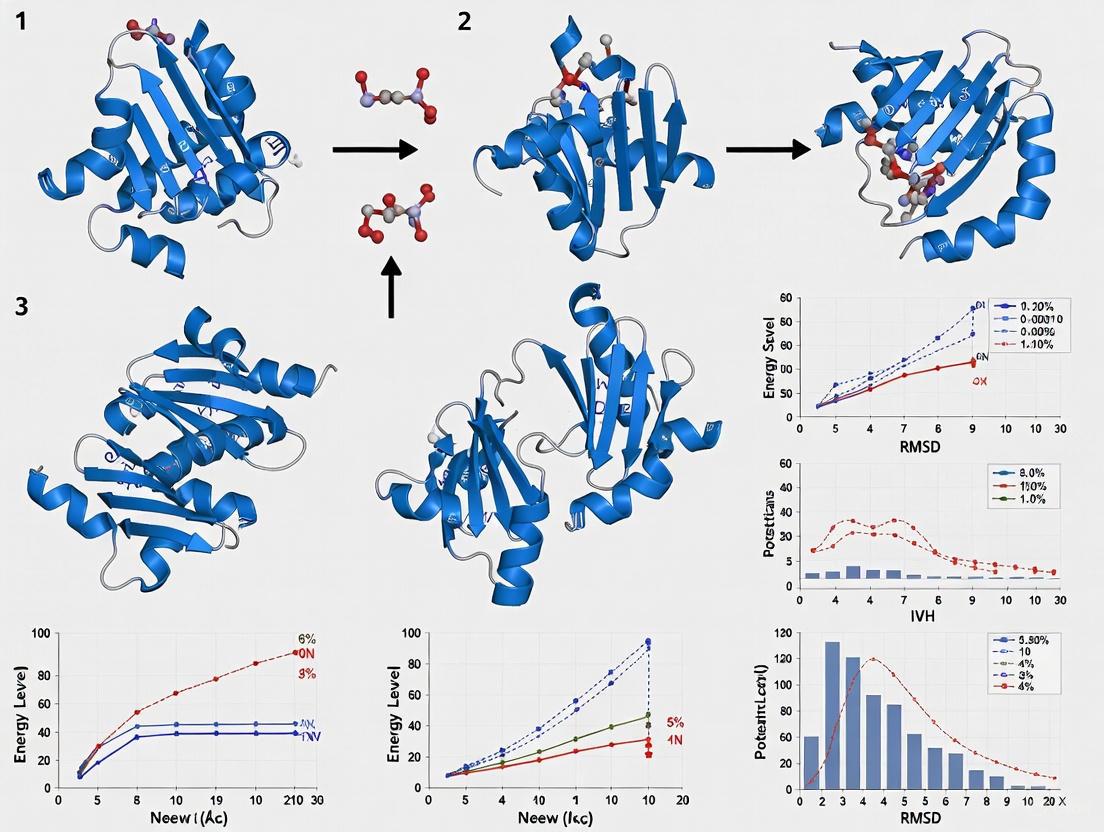
This article provides a comprehensive overview of the application of molecular dynamics (MD) simulations in protein folding studies, tailored for researchers and drug development professionals.
Protein Folding Unraveled: How Molecular Dynamics Simulations Guide Biomolecular Discovery and Drug Design
Abstract
This article provides a comprehensive overview of the application of molecular dynamics (MD) simulations in protein folding studies, tailored for researchers and drug development professionals. It explores the foundational principles of MD, from its ability to capture atomic-resolution details of folding pathways to the significant challenges of timescales and force field accuracy. The review details methodological advances, including enhanced sampling algorithms and machine-learned force fields, that are pushing the boundaries of what is simulable. It further offers a critical comparison of MD with emerging deep learning structure prediction tools, outlining a synergistic framework for their integrated use. Finally, the article presents practical troubleshooting guidance and showcases the direct application of these simulations in drug discovery, highlighting how they reveal cryptic pockets and enable the calculation of binding energetics to inform therapeutic development.
The Foundation of Folding: Core Principles and Historical Challenges of Protein MD Simulations
Molecular dynamics (MD) simulations have emerged as a powerful computational microscope, enabling researchers to visualize and characterize protein folding pathways at atomic resolution. While experimental methods provide crucial snapshots of folding states, MD simulations offer the unique capability to observe the continuous, dynamic process, revealing the intricate mechanisms and transient intermediates that define a protein's journey to its native structure. This Application Note details the protocols and quantitative frameworks that make such high-resolution insight possible, with a focus on applications for drug development and protein engineering.
Performance Benchmarks: Simulation Accuracy and Efficiency
The predictive power of MD simulations is continually being enhanced through improved algorithms and hardware. The following table summarizes key performance metrics for modern simulation approaches, demonstrating their ability to replicate experimental observables.
Table 1: Performance Benchmarks of Modern Simulation Methods for Protein Folding
| Method / Model | System Type | Key Performance Metric | Correlation with Experiment (R²) | Computational Demand |
|---|---|---|---|---|
| Neural Network Potential (NNP)-MD [1] | Energetic Materials | Prediction of Decomposition Temperature (Tˢ) | 0.969 [1] | High (GPU-accelerated) |
| WSME-L Model [2] | Multi-domain Proteins | Qualitative reproduction of folding free energy landscapes & pathways | High (Consistent with experimental mechanisms) [2] | Low (Statistical mechanical model) |
| Conventional MD (Periodic) [1] | Energetic Materials | Prediction of Decomposition Temperature (Tˢ) | 0.85 [1] | Medium to High |
| Machine Learning MD (MLMD) [3] | Model Systems (Diatomic) | Velocity Prediction Accuracy | >99.9% [3] | Potentially Lower (Bypasses force calculations) |
The global market for MD simulation software, valued at approximately $53 million in 2025 and projected to grow at a CAGR of 3.9%, reflects the increasing adoption of these tools across scientific disciplines [4]. A significant driver is the pharmaceutical sector's investment in R&D, where MD simulations are critical for structure-based drug design, including the investigation of solvation effects in binding pockets [5] [6].
Detailed Experimental Protocols
Protocol: Free Energy Landscape Calculation with the WSME-L Model
The WSME-L model is a structure-based statistical mechanical model that accurately predicts folding mechanisms for both single-domain and multi-domain proteins with low computational complexity [2].
Methodology:
- Input Structure Preparation: Obtain the native protein structure from the Protein Data Bank (PDB). This structure defines the native contacts with energies εᵢ,ⱼ [2].
- Define Model Parameters:
- Assign an Ising-like variable mₖ to each residue (mₖ = 1 for native, 0 for unfolded).
- Identify all non-local native contacts (e.g., between residues in different domains or for disulfide bonds).
- Incorporate Non-local Interactions via Virtual Linkers:
- For each non-local contact between residues u and v, define a virtual linker. This allows a native stretch to form between residues i and j if the segments from i to u and from v to j are native, bypassing the unfolded sequence between u and v [2].
- The Hamiltonian for the model is defined to include interactions through both the main chain and virtual linkers, preventing double-counting [2].
- Partition Function Calculation:
- Calculate the partition function Zₗ(n) as an ensemble of partition functions with individual virtual linkers, incorporating an entropy penalty for each linker formation [2].
- Employ the transfer matrix method to obtain an exact analytical solution for the partition function, which rigorously defines the free energy landscape [2].
- Analysis of Folding Mechanism:
- Use the order parameter n (the fraction of native residues) as the reaction coordinate.
- Inspect the eigenvectors of the transition matrix corresponding to the largest eigenvalues to identify the dominant, slowest modes of the folding process and the states critical for density transfer on these timescales [7].
Protocol: Assessing Thermodynamic Stability via NNPs
Neural Network Potentials (NNPs) enable highly accurate MD simulations by learning interatomic forces from quantum mechanical data [8]. This protocol is adapted from methodologies used for energetic materials to demonstrate the assessment of thermal stability.
Methodology:
- System Initialization:
- Structure Preparation: Use a nanoparticle model instead of a periodic crystal structure to better replicate surface effects and mitigate overestimation of stability. This can reduce error in key metrics, such as decomposition temperature, by up to 400 K compared to periodic models [1].
- Velocity Assignment: Assign initial atomic velocities sampled from a Maxwell-Boltzmann distribution corresponding to the desired starting temperature [8].
- Simulation Parameters:
- Heating Rate: Use a reduced heating rate (e.g., 0.001 K/ps) during thermal decomposition simulations. This quasi-equilibrium condition is critical for accuracy, reducing deviation from experimental values to as low as 80 K [1].
- Time Integration: Use a symplectic integrator like the Verlet or leap-frog algorithm with a time step of 0.5–1.0 femtoseconds to ensure numerical stability and energy conservation [8].
- Force Calculation:
- At each simulation step, compute forces using a pre-trained NNP. The NNP is trained on datasets derived from high-accuracy quantum chemistry calculations, allowing it to predict atomic energies and forces with near-quantum accuracy but at a fraction of the computational cost [8].
- Trajectory Analysis:
- Monitor the root-mean-square deviation (RMSD) of the protein backbone and the fraction of native contacts over time to assess structural integrity.
- To determine a metric like the thermal denaturation temperature, analyze the trajectory for sudden changes in potential energy, radius of gyration, or other order parameters that indicate a collective loss of native structure. Kissinger analysis can be applied to the relationship between heating rate and observed transition temperature to align results with experimental conditions [1].
The Scientist's Toolkit: Essential Research Reagents & Software
Table 2: Key Computational Tools for Protein Folding Studies
| Tool Category / Solution | Specific Examples | Function in Research |
|---|---|---|
| Specialized MD Software | GROMACS, AMBER, NAMD, LAMMPS, CHARMM, OpenMM, Schrödinger Suite [9] [4] | Provides the core computational engine to run MD simulations; includes force fields, integrators, and analysis tools. |
| Structure-Based Models | WSME-L, WSME-L(SS) for disulfide bonds [2] | Enables calculation of free energy landscapes and prediction of folding pathways from a known native structure with low computational cost. |
| Advanced Analysis Frameworks | Markov State Models (MSMs), Principal Component Analysis (PCA) [7] [8] | Identifies metastable states, constructs kinetic models, and extracts dominant collective motions from high-dimensional trajectory data. |
| Machine Learning Potentials | Neural Network Potentials (NNPs), MLMD protocol [3] [8] | Increases the accuracy and speed of force calculations, enabling larger systems and longer timescales. |
| Structure Databases | Protein Data Bank (PDB), Materials Project, PubChem [8] | Sources for initial atomic coordinates required to initiate any structure-based simulation. |
Workflow Visualization
The following diagrams outline the standard workflow for a protein folding simulation study and the subsequent analysis of the trajectory data to extract mechanistic insight.
Simulation and Analysis Workflow
From Dynamics to Mechanism
The observation of protein folding events through molecular dynamics (MD) simulations has long been hampered by the immense computational cost of simulating over biologically relevant timescales. This challenge, known as the timescale challenge, restricts the application of conventional simulation methods in both academic research and industrial drug discovery. Recent breakthroughs in artificial intelligence (AI) and advanced free energy protocols are now revolutionizing this field, achieving simulation speedups of four to five orders of magnitude while maintaining near-quantum accuracy. This Application Note details these transformative methodologies, providing quantitative performance comparisons and standardized protocols to empower researchers in integrating these powerful tools into their protein folding and drug discovery pipelines.
Quantitative Landscape of Computational Methods
The table below summarizes the performance metrics of key computational methods for studying protein folding and dynamics, highlighting the dramatic evolution from traditional to modern AI-driven approaches.
Table 1: Performance Comparison of Protein Simulation Methods
| Method | Computational Demand | Simulation Speed | Accuracy | Key Innovation |
|---|---|---|---|---|
| AI2BMD (AI-based ab initio BMD) | Single GPU (A6000) | ~2.6 seconds for 13,728-atom protein (vs. >254 days for DFT) [10] | Chemical (ab initio) accuracy; Force MAE: 1.056 kcal mol⁻¹ Å⁻¹ [10] | Machine learning force field with protein fragmentation [10] |
| BioEmu (Generative AI) | Single GPU | Thousands of structures/hour; 4-5 orders speedup for equilibrium distributions [11] | ~1 kcal/mol accuracy for relative free energy; samples known conformational changes (RMSD ≤ 3 Å) with 55–90% success [11] | Diffusion model generating equilibrium ensembles [11] |
| QresFEP-2 (Free Energy Perturbation) | Compatible with spherical boundary conditions for efficiency [12] | Highly computationally efficient; benchmarked on ~600 mutations across 10 proteins [12] | Excellent accuracy for predicting mutation effects on stability and binding [12] | Hybrid-topology protocol for alchemical transformations [12] |
| Classical MD (e.g., with Martini) | High (requires supercomputers for millisecond scales) [11] | Months on supercomputers for millisecond-scale simulations [11] | Can produce too compact conformations without force-field adjustment [13] | Coarse-grained modeling for enhanced sampling [13] |
Detailed Experimental Protocols
Protocol for AI-DrivenAb InitioBiomolecular Dynamics (AI2BMD)
AI2BMD leverages a machine learning force field to achieve ab initio accuracy at a fraction of the computational cost of traditional quantum chemistry methods [10].
Workflow Overview:
Step-by-Step Procedure:
- Protein Fragmentation: Decompose the target protein into overlapping dipeptide units. The entire protein landscape can be covered using only 21 distinct types of protein units, each containing 12-36 atoms [10].
- Training Data Generation: For each protein unit type, generate a comprehensive training set by:
- Performing conformational sampling through main-chain dihedral scanning.
- Running ab initio molecular dynamics (AIMD) simulations using density functional theory (DFT) with the 6-31g* basis set and M06-2X functional, which accurately models dispersion and weak interactions [10].
- Compiling a final dataset of 20.88 million samples, split into training, validation, and test sets [10].
- MLFF Training: Train the ViSNet model (the AI2BMD potential) on the generated dataset. ViSNet utilizes physics-informed molecular representations and computes four-body interactions with linear time complexity to predict energy and atomic forces from atom types and coordinates [10].
- MD Simulation Execution: Run the production simulation using the AI2BMD system:
- Force Calculation: At each simulation step, compute energies and atomic forces using the trained ViSNet model.
- Solvent Model: Embed the protein in an explicit solvent modeled by the AMOEBA polarizable force field [10].
- Analysis: Run simulations for several hundred nanoseconds to explore conformational space, calculate accurate 3J couplings for comparison with NMR experiments, and monitor folding/unfolding processes [10].
Protocol for Generative Equilibrium Ensemble Simulation with BioEmu
BioEmu is a diffusion-based generative AI system that directly simulates protein equilibrium ensembles, bypassing the need for traditional numerical integration of atomic motions [11].
Workflow Overview:
Step-by-Step Procedure:
- Input Representation: Encode the input protein sequence using the Evoformer module from AlphaFold2 to generate single and pairwise representations that capture deep associations between sequence and structure [11].
- Three-Stage Model Training:
- Stage 1 - Pretraining: Pretrain the model on a processed AlphaFold database (AFDB) with data augmentation to establish robust sequence-structure relationships and prevent overfitting to static structures [11].
- Stage 2 - Ensemble Training: Further train the model on thousands of protein MD datasets (totaling over 200 ms of simulation time), reweighted using Markov state models (MSM) to reflect equilibrium distributions [11].
- Stage 3 - Fine-Tuning: Implement Property Prediction Fine-Tuning (PPFT) on large-scale experimental data (e.g., 500,000 experimental stability measurements from the MEGAscale dataset). This step minimizes the discrepancy between predicted and experimental properties, ensuring the generated ensemble is thermodynamically constrained [11].
- Structure Generation: Sample equilibrium structures by running the input sequence through the diffusion model, which generates independent structural samples in 30-50 denoising steps on a single GPU [11].
- Validation: Evaluate the generated ensemble using benchmark datasets for out-of-distribution generalization. Key benchmarks include:
- Domain Motion: Assess the sampling of large-scale open-closed transitions.
- Local Unfolding: Validate the simulation of flexible regions, such as the Switch II region in Ras p21 [11].
The Scientist's Toolkit: Research Reagent Solutions
Table 2: Essential Computational Tools for Modern Protein Folding Studies
| Tool/Resource | Type | Primary Function | Relevance to Timescale Challenge |
|---|---|---|---|
| AI2BMD Potential | Machine Learning Force Field | Provides ab initio quality energy/force calculations for proteins [10] | Replaces quantum mechanics; enables nanosecond-scale simulations with DFT accuracy [10] |
| BioEmu | Generative AI Model | Directly generates equilibrium conformational ensembles [11] | Bypasses MD integration; predicts kinetics/thermodynamics from sequence alone [11] |
| QresFEP-2 | Free Energy Perturbation Protocol | Calculates relative free energy changes from point mutations [12] | Optimized hybrid topology maximizes computational efficiency for mutation studies [12] |
| AlphaFold2 Evoformer | Protein Language Model | Encodes evolutionary and structural constraints from sequence [11] | Provides foundational representations for generative models like BioEmu [11] |
| Martini Coarse-Grained FF | Coarse-Grained Force Field | Accelerates MD sampling by reducing degrees of freedom [13] | Enables microsecond-scale simulations of large systems (e.g., multi-domain proteins) [13] |
| Polarizable Force Fields (AMOEBA) | Advanced Molecular Mechanics | More accurate electrostatics for explicit solvent simulations [10] | Improves description of protein-solvent interactions in ML-enhanced simulations [10] |
Discussion and Implementation Guidance
The methodologies detailed herein represent a paradigm shift in computational structural biology. AI2BMD addresses the timescale challenge by fragmenting the protein and using an MLFF, achieving a monumental reduction in computation time from months to seconds while preserving ab initio accuracy [10]. BioEmu tackles the problem from a different angle, employing a generative model to directly predict equilibrium ensembles, thus obviating the need to simulate every intermediate step along the folding pathway [11]. For targeted studies on mutational effects, QresFEP-2 provides a highly efficient and accurate physics-based protocol [12].
For researchers implementing these tools, consider the following:
- For Full Folding Trajectories: AI2BMD is suitable for simulating the actual dynamics and folding pathways of proteins up to several hundred nanoseconds with high accuracy [10].
- For Equilibrium Properties: BioEmu is ideal for rapidly obtaining thermodynamic properties, conformational distributions, and identifying rare states across a proteome-scale [11].
- For Mutational Analysis: QresFEP-2 should be the tool of choice for high-throughput virtual screening of mutations to assess their impact on stability and binding affinity [12].
The integration of these AI-powered and advanced simulation methods is poised to dramatically accelerate drug discovery by making the high-accuracy computational analysis of protein dynamics and folding a routine, accessible tool for researchers.
Within the field of molecular dynamics (MD) simulations for protein folding studies, the selection of appropriate model systems is a critical determinant of success. Fast-folding, structurally simple proteins provide indispensable benchmarks for developing and validating simulation methods, force fields, and analysis techniques. Among these, the Trp-cage miniprotein, the Villin headpiece (HP35), and WW domains have emerged as cornerstone model systems. Their small size, rapid folding kinetics, and well-characterized experimental behavior make them ideal for computational studies. This application note details the specific roles of these model systems, providing structured quantitative data, experimental protocols, and essential research tools to facilitate their effective use in benchmarking MD simulations of protein folding.
Model System Specifications and Benchmarking Data
The utility of these model systems stems from their small size, which makes them computationally tractable, and their complex folding behaviors, which provide a rigorous test for simulation accuracy. The table below summarizes their key characteristics and the quantitative benchmarks used to validate simulations.
Table 1: Key Model Systems for Benchmarking Protein Folding Simulations
| Model System | Primary Structure | Size ( residues / atoms) | Key Experimental Folding Time | Target Simulation Accuracy (Cα-RMSD) | Principal Benchmarking Utility |
|---|---|---|---|---|---|
| Trp-cage (TC5b) | α-helix, 3₁₀-helix, polyproline II helix [14] | 20 / ~280 [10] | ~3.1 µs at 296 K [14] | < 2.0 Å [14] | Folding mechanism, role of hydrophobic collapse & salt bridges [15] [16] |
| Villin Headpiece (HP-35) | Three-helix bundle [17] | 35 / ~500 [17] | < 1 µs (for NleNle mutant) [17] | < 2.0 Å [18] | Ultrafast folding, hydrophobic core formation [17] [18] |
| WW Domain (e.g., Fip35) | Three-stranded antiparallel β-sheet [19] [20] | 37 / ~600 [19] | ~13.3 µs (activated folding) [19] | < 2.0 Å [18] | β-Sheet formation, turn stability, force field bias assessment [19] [18] |
Successful simulation of these proteins is quantified through several key metrics. The most fundamental is the root mean square deviation (RMSD) of atomic positions, particularly for the backbone Cα atoms, relative to the experimental native structure (e.g., from NMR or crystallography). A Cα-RMSD of below 2.0 Å is widely considered evidence of successful folding [18] [14]. Other critical metrics include the radius of gyration (Rg), which measures compactness, the number of native contacts (Q), and the ability to reproduce experimental folding rates and melting temperatures [16] [17] [19].
Detailed Simulation Protocols
General Workflow for Folding Simulations
The following diagram outlines a high-level workflow for conducting and analyzing a typical protein folding simulation, integrating common steps across various studies.
Protocol 1: Folding with the PACE Hybrid-Resolution Model
This protocol is adapted from studies that successfully characterized the folding of Trp-cage and a WW domain variant [15].
Initial Structure Preparation:
- Obtain the native PDB structure (e.g., 1L2Y for Trp-cage).
- Solvation: Place the protein in a cubic box of coarse-grained (CG) MARTINI water particles, ensuring a clearance of at least 1.5 nm from the solute to the box edge.
- Ionization: Add Na⁺ or Cl⁻ ions to neutralize the system net charge. Further add ions to achieve a physiological buffer concentration of 0.15 M.
Simulation Setup (using NAMD):
- Force Field: Employ the PACE force field, a united-atom model for the protein coupled with the CG MARTINI force field for the solvent [15].
- Electrostatics & Van der Waals: Apply switching functions for Coulomb potentials (0.0 to 1.2 nm) and LJ potentials (0.9 to 1.2 nm).
- Thermostat & Barostat: Maintain temperature using a Langevin thermostat with a damping coefficient of 0.1 ps⁻¹. Maintain pressure using a Nosé-Hoover Langevin piston barostat with a 200 fs period and 100 fs decay rate.
Generating Denatured States:
- Energy minimize the system.
- Perform a short (e.g., 10 ns) simulation at a high temperature (e.g., 700 K) to denature the protein.
- Randomly select structures from this high-temperature trajectory to use as starting points for independent folding simulations.
Production Folding Simulation:
- Launch multiple independent, unbiased simulations (e.g., 1 µs or longer) from the denatured starting structures.
- Save coordinate frames every 0.1 ns for subsequent analysis.
Protocol 2: All-Atom Folding in Explicit Solvent (AMBER)
This protocol is based on work that successfully folded both the helical HP35 and β-sheet WW domain using the same force field, a key benchmark for force field transferability [18].
System Setup:
- Use the tleap program from the AMBER suite to prepare the system.
- Force Field: Employ the AMBER ff03* force field, which includes a correction to the backbone potential to reduce inherent helical bias [18].
- Solvation: Solvate the protein in a TIP3P water box with a minimum 10 Å buffer between the protein and box edge.
- Ionization: Add ions to neutralize the system and achieve a desired ionic strength (e.g., 150 mM NaCl).
Equilibration:
- Energy Minimization: Perform a two-stage minimization: first with positional restraints on the protein backbone (e.g., 500 kJ/mol/Ų), then without restraints.
- Heating: Gradually heat the system from 0 K to the target temperature (e.g., 300 K or the experimental melting temperature) over 50-100 ps under constant volume (NVT ensemble) with weak restraints on the protein.
- Density Equilibration: Run a short simulation (100-200 ps) at constant pressure (NPT ensemble) to adjust the box size and achieve the correct solvent density.
Production Simulation:
- Run multiple, long-timescale MD simulations in the NPT ensemble.
- Use a Monte Carlo barostat to maintain pressure and a Langevin thermostat for temperature control.
- Analyze trajectories using Cα-RMSD, Rg, and native contacts to identify folding events.
Successful execution of the protocols above requires a suite of software, force fields, and data. The following table details these essential "research reagents."
Table 2: Key Research Reagents and Computational Tools
| Reagent / Tool Name | Type | Primary Function in Protocol | Access Information / Reference |
|---|---|---|---|
| PACE Force Field | Hybrid-Resolution Force Field | Provides united-atom protein description with CG solvent for accelerated, accurate folding simulations. [15] | Available for use with NAMD at: http://www.ks.uiuc.edu/~whan/PACE/PACEvdw/ [15] |
| AMBER ff03* | All-Atom Force Field | Corrected all-atom force field with reduced helical bias, enabling folding of both α and β proteins. [18] | Part of the AMBER simulation package. |
| CHARMM22 with CMAP | All-Atom Force Field | All-atom force field used in explicit solvent folding studies; requires assessment of helical bias. [19] | Part of the CHARMM and NAMD simulation packages. |
| NAMD | Molecular Dynamics Engine | Highly scalable MD software capable of simulating various force fields (PACE, CHARMM, AMBER). [15] [19] | http://www.ks.uiuc.edu/Research/namd/ |
| GROMACS | Molecular Dynamics Engine | High-performance MD engine, often used with OPLS-AA and AMBER force fields. [16] [17] | http://www.gromacs.org |
| Bias-Exchange Metadynamics | Enhanced Sampling Algorithm | Accelerates sampling of slow processes (like folding) by applying bias potentials to collective variables. [14] | Implementation varies; see PLUMED library. |
| Trp-cage (1L2Y) | Reference Structure | NMR solution structure used as a benchmark for successful folding. [16] [14] | Protein Data Bank (PDB) ID: 1L2Y |
Analysis and Validation Workflow
After obtaining simulation trajectories, a robust analysis pipeline is required to extract meaningful biophysical data. The diagram below illustrates the pathway from raw simulation data to validated mechanistic insights, incorporating techniques like Markov state models (MSMs) and transition path theory (TPT) [15] [14].
Key Analysis Steps:
- Order Parameter Calculation: Monitor the evolution of Cα-RMSD from the native state, Radius of Gyration (Rg), and the fraction of native contacts over time to track folding events [16] [19].
- Conformational Clustering: Use algorithms (e.g., the Daura algorithm) to group structurally similar conformations from the trajectory into discrete states. This reduces the complexity of the data for further analysis [15].
- Kinetic Model Construction: Build a Markov State Model (MSM) or a similar kinetic network from the clustered data. This model describes the probabilities of transitioning between the identified conformational states [15] [14].
- Pathway Analysis: Apply Transition Path Theory (TPT) to the MSM to identify the most probable folding pathways, the presence of on-pathway or off-pathway intermediates, and the rate-limiting steps for folding [15]. For example, this analysis revealed that Trp-cage folding is dominated by a pathway where hydrophobic collapse precedes helix formation, with final burial of Trp6 being a late step [15].
- Experimental Validation: Compare simulation outputs with experimental data. This includes:
- Checking if the simulation reaches a stable state with Cα-RMSD < 2.0 Å from the native structure.
- Verifying that the simulated folding/unfolding rates and melting temperatures are consistent with experimental measurements (e.g., ~3.1 µs for Trp-cage folding at 296 K) [14].
- Validating the existence and structure of predicted intermediates against NMR or other spectroscopic data [14].
In molecular dynamics (MD) simulations, a force field refers to the computational model comprising the functional forms and parameter sets used to calculate the potential energy of a molecular system. The choice of force field is foundational, as it dictates the simulated energetic landscape, thereby influencing everything from protein folding pathways and native state stability to the characterization of unfolded states and intermediate metastabilities. Achieving accurate and predictive simulations of protein folding remains a central challenge in computational biophysics. This application note examines the critical role of force fields, evaluating their accuracy in depicting energetic landscapes and providing detailed protocols for their application and validation within protein folding studies.
Force Field Composition and Landscape Topography
Fundamental Components of a Force Field
A force field decomposes the total potential energy of a system into contributions from bonded and non-bonded interactions, with a general form of E_total = E_bonded + E_nonbonded [21]. The bonded terms (E_bonded = E_bond + E_angle + E_dihedral) govern the internal motions of the molecule, while the non-bonded terms (E_nonbonded = E_electrostatic + E_van der Waals) describe interatomic forces. The specific parameterization of these terms—for instance, using a harmonic potential for bond stretching (E_bond = k_ij/2 * (l_ij - l_0,ij)^2) or a Lennard-Jones potential for van der Waals interactions—directly shapes the simulated energy landscape [21].
From Functional Form to Energetic Landscape
The concept of a funneled energy landscape is central to understanding protein folding. A well-constructed force field should produce a landscape that is globally funneled toward the native state but includes a degree of roughness representing realistic energetic barriers [22]. The topography of this landscape can be modeled using a simple funnel description where the energy of a structure, U, is given by U = U_0 + αN * D + U_fluct [22]. Here, U_0 is the native energy, α is the landscape slope, N is the chain length, D is a distance metric from the native state (e.g., dRMSD), and U_fluct represents Gaussian-distributed energy fluctuations that introduce roughness [22]. The accuracy of a force field is reflected in how well its simulations align with this idealized, yet physically motivated, model.
Comparative Analysis of Force Field Types
Table 1: Comparison of Key Force Field Types for Protein Simulations
| Force Field Type | Spatial Resolution | Computational Efficiency | Typical Applications | Key Limitations |
|---|---|---|---|---|
| All-Atom [21] | Explicitly models every atom, including hydrogen. | Low (High computational cost). | Quantitative studies of folding mechanisms, native state dynamics, and ligand binding [23] [24]. | Computationally expensive, limiting the timescales accessible for simulation. |
| United-Atom | Models hydrogen atoms bound to carbon as one interaction center. | Moderate. | Simulating larger proteins or longer timescales than all-atom. | Less atomic detail, potentially reducing accuracy for specific side-chain interactions. |
| Coarse-Grained (CG) [21] | Represents multiple heavy atoms as a single "bead". | High (Several orders of magnitude faster than all-atom [24]). | Exploring long-timescale dynamics, large complexes, and initial folding events [24]. | Loss of atomic detail; accuracy depends heavily on parameterization method. |
| Structure-Based (Gō) [22] | Can be all-atom or coarse-grained; energy favors native contacts. | High. | Studying specific folding mechanisms and funneled landscape theory. | Requires a known native structure; landscapes are often overly smooth. |
| Machine-Learned CG [24] | Coarse-grained; parameters derived from deep learning on all-atom data. | High (Fast, enables extrapolative MD on new sequences [24]). | Predicting metastable states, disordered proteins, and folding free energies [24]. | A truly universal, predictive model is still a developing field [24]. |
Protocols for Assessing Force Field Accuracy on Protein Folding
Protocol 1: Validating Folding Mechanisms and Metastable States
Objective: To determine if a force field can correctly reproduce the known or hypothesized folding pathway of a protein, including the population of intermediate states.
Materials:
- Software: MD engine (e.g., GROMACS, AMBER, OPENMM).
- Force Field: The all-atom or coarse-grained force field to be tested.
- System: Protein structure (e.g., from PDB) solvated in appropriate water and ion boxes.
- Computing Resources: High-Performance Computing (HPC) cluster with GPU acceleration.
Methodology:
- System Setup:
- Obtain the initial folded structure (e.g., PDB: 2JOF for TRPcage).
- Generate an unfolded state by thermally denaturing the protein or manually extending the chain.
- Solvate the protein in a cubic water box (e.g., TIP3P model) and add ions to neutralize the system and achieve a physiological salt concentration (e.g., 150 mM NaCl).
Equilibrium Sampling:
- Perform multiple long-timescale equilibrium simulations (or enhanced sampling like Replica Exchange MD - REMD) starting from both folded and unfolded states.
- For all-atom force fields, simulate for at least multiple microseconds per replica; for CG models, this can be significantly shorter [24].
- Maintain constant temperature (e.g., 300 K) and pressure (1 atm) using appropriate thermostats (e.g., Nosé-Hoover) and barostats (e.g., Parrinello-Rahman).
Analysis:
- Collective Variables (CVs): Calculate CVs such as the fraction of native contacts (Q) and Cα root-mean-square deviation (RMSD) from the native state for every frame in the trajectory.
- Free Energy Landscape: Construct a 2D free energy surface as a function of the chosen CVs (e.g., Q vs. RMSD) using the equation
ΔG(X) = -k_B T ln P(X), whereP(X)is the probability distribution along CVX. - Metastable States: Identify free energy minima corresponding to the native, unfolded, and any intermediate states.
- Validation: Compare the populated states, their relative stabilities, and the predicted folding pathways (transitions between minima) against experimental data and robust all-atom simulations [23] [24].
Protocol 2: Calculating Relative Folding Free Energies for Mutants
Objective: To benchmark a force field's accuracy in predicting the quantitative thermodynamic impact of point mutations on protein stability.
Materials:
- Software: MD engine with free energy perturbation (FEP) or thermodynamic integration (TI) capabilities.
- Force Field: The force field to be tested, ensuring compatibility with the chosen alchemical method.
- System: Wild-type and mutant protein structures, prepared and solvated.
Methodology:
- System Preparation:
- Model the wild-type and mutant protein structures.
- For alchemical methods, create a hybrid topology file that can morph between the wild-type and mutant residues.
Alchemical Transformation:
- Use FEP/TI to computationally "transform" the wild-type residue into the mutant residue in both the folded and unfolded states.
- For the unfolded state, simulate an isolated residue or a short peptide in solution to represent the denatured state.
- Use a sufficient number of intermediate λ windows (e.g., 12-24) to ensure smooth integration.
Analysis:
- Calculate the free energy change for the mutation in the folded state (ΔΔGfold) and the unfolded state (ΔΔGunfold).
- The relative folding free energy is
ΔΔG_fold-mut = ΔΔG_fold - ΔΔG_unfold. - Compare the calculated
ΔΔG_fold-mutvalues against experimentally determined folding free energies from techniques like thermal denaturation. - A force field that accurately reproduces experimental trends across a series of mutants is considered more reliable for predictive tasks like drug design [24].
Table 2: Key Research Reagents and Computational Tools
| Reagent / Tool | Category | Function / Description |
|---|---|---|
| AMBER Force Field [22] | All-Atom Force Field | A physics-based force field used with explicit solvent to simulate protein dynamics and folding. |
| CHARMM Force Field | All-Atom Force Field | Another major class of all-atom force fields, often used for proteins, lipids, and nucleic acids. |
| Martini [24] | Coarse-Grained Force Field | A popular CG model effective for biomolecular interactions, especially with membranes, but less so for detailed intramolecular protein dynamics. |
| CGSchNet [24] | Machine-Learned CG Force Field | A neural network-based, transferable CG model learned from all-atom data; capable of simulating new protein sequences. |
| AWSEM [24] | Coarse-Grained Force Field | A CG force field developed for protein folding and conformational dynamics. |
| GROMACS | MD Software Suite | A high-performance MD simulation package used for running all-atom and CG simulations. |
| OPENMM | MD Library | An open-source library for GPU-accelerated MD simulations, offering high flexibility and performance. |
Visualization of a Multi-Force Field Validation Workflow
The following diagram outlines a logical workflow for benchmarking and selecting a force field for a protein folding study, integrating the protocols described above.
The critical role of force fields in determining the accuracy of protein folding simulations cannot be overstated. While modern all-atom force fields can often predict native structures and folding rates that agree with experiment, studies have shown that the folding mechanism and the properties of the unfolded state can depend substantially on the force field parameterization [23]. The emergence of machine-learned coarse-grained models offers a promising path forward, providing a transferable and computationally efficient framework that can predict metastable states and relative folding free energies with accuracy comparable to all-atom simulations [24]. By applying the rigorous validation protocols and comparative analyses outlined in this document, researchers can make informed decisions in their selection of a force field, thereby ensuring the reliability and predictive power of their molecular dynamics simulations in protein science and drug development.
Beyond the Basics: Advanced Methodologies and Real-World Applications in Drug Discovery
Molecular dynamics (MD) simulations are indispensable for studying protein folding, a fundamental process in structural biology with immense implications for understanding disease mechanisms and accelerating drug discovery. These simulations track the physical movements of atoms and molecules over time, providing a dynamic view of biological macromolecules that static models cannot offer. A central challenge in the field has been the limited timescale of atomistic simulations; biologically relevant processes like folding often span microseconds to seconds, whereas simulations on general-purpose hardware traditionally required hours to generate mere nanoseconds of data [25]. This timescale gap has historically hindered the direct computational observation of many critical biological phenomena. The past decade has witnessed a hardware revolution, driven by the emergence of two powerful paradigms: specialized supercomputers like Anton and the widespread adoption of general-purpose Graphics Processing Units. These technologies have collectively enabled MD simulations to reach the microsecond-to-millisecond regime, bringing a vast array of previously inaccessible biological processes within computational reach.
The Specialized Hardware Approach: Anton Supercomputers
Designed and built by D. E. Shaw Research, Anton is a family of special-purpose supercomputers whose architecture is tailored exclusively for molecular dynamics simulations. Unlike general-purpose computers, Anton runs its computations entirely on application-specific integrated circuits (ASICs), which are custom-built to execute the specific calculations required for MD with maximum efficiency [26]. The latest iteration, Anton 3, represents the state of the art. Its order-of-magnitude performance improvement over its predecessor stems from a deeply integrated design featuring a specialized high-performance network that enables exceptionally low communication latency and high effective bandwidth between nodes, which is critical for fine-grained parallelization [27]. This allows Anton 3 to simulate systems of multiple millions of atoms at speeds of microseconds per day, making it uniquely capable of studying large complexes and slow biological processes on a practical timescale [28].
Table 1: Evolution and Performance of Anton Supercomputers
| Generation | Key Architectural Features | Reported Performance | Notable Biological Applications |
|---|---|---|---|
| Anton (1st Gen) | Massively parallel ASICs; 3D torus network [26] | >17,000 ns/day for a ~23,500-atom system [26] | Pioneering millisecond-scale simulations of proteins [26] |
| Anton 2 | Enhanced programmability and speed over Anton 1 [26] | Substantially increased speed and problem size [26] | Continued investigations of long-timescale biomolecular dynamics |
| Anton 3 | Specialized low-latency network; novel compression; network fence synchronization [27] | Microseconds per day for systems of millions of atoms [28] | Large biological systems (viruses, ribosomes); slow processes (folding, aggregation) [28] |
Anton 3 Access and Application Protocol
Access to Anton 3 for the academic community is managed by the Pittsburgh Supercomputing Center. The following protocol outlines the process for securing an allocation.
Protocol 1: Applying for and Utilizing Anton 3 Simulation Time
| Step | Action | Details and Considerations |
|---|---|---|
| 1. Eligibility Check | Confirm institutional and project status. | The Principal Investigator must be from a U.S. academic or not-for-profit research institution. The proposed research must be non-commercial. [28] |
| 2. Proposal Submission | Prepare and submit a proposal in response to the annual Request for Proposals. | The RFP period typically opens in late July, with a deadline in late October. Proposals are reviewed by a committee convened by the National Academies. [28] |
| 3. Proposal Webinar | Attend preparatory webinars. | PSC offers webinars on "Anton 3 Capabilities and Enhanced Sampling Techniques" and "How to Write a Successful Anton Proposal" to assist applicants. [28] |
| 4. System Usage | Access the system and run simulations. | Upon award, users access Anton 3 at PSC. Comprehensive documentation is available online, requiring an active PSC account. [28] |
| 5. Acknowledgement | Acknowledge usage in publications. | Publications must include a specific acknowledgement text and citation for Anton 3, as stipulated in the allocation terms. [28] |
The General-Purpose Acceleration Approach: GPU Computing
In parallel with the development of specialized machines, the use of Graphics Processing Units has democratized high-performance MD simulation. GPUs are highly parallel processors containing thousands of cores, making them ideal for the massively parallel calculations of non-bonded interactions in MD force fields. Modern MD software like AMBER, GROMACS, and NAMD has been extensively optimized to offload the most computationally intensive tasks to GPUs, leading to speedups of over 700 times compared to a single CPU core [29]. This performance leap has made microsecond-scale simulations feasible on a single workstation, drastically reducing the barrier to entry for high-performance MD.
Different MD software packages benefit from specific GPU hardware characteristics. For instance, AMBER is highly optimized for NVIDIA GPUs, with the RTX 6000 Ada being ideal for large-scale simulations due to its 48 GB of VRAM, while the RTX 4090 offers a cost-effective option for smaller systems [30]. GROMACS, known for its raw throughput, benefits from the high CUDA core count of the RTX 4090, and NAMD can efficiently distribute computation across multiple GPUs in a single node [30]. Furthermore, fully GPU-accelerated programs like ddcMD demonstrate the maturity of this approach, achieving simulation speeds of over 1 microsecond per day for a 136,000-particle system on a single NVIDIA V100 GPU and freeing the CPU for other tasks [31].
Table 2: Recommended GPU Hardware for Molecular Dynamics Simulations (2024)
| MD Software | Recommended GPU Model | Key Rationale | Best Use Case |
|---|---|---|---|
| AMBER | NVIDIA RTX 6000 Ada | 48 GB VRAM handles largest systems; 18,176 CUDA cores [30] | Large-scale simulations with extensive particle counts |
| AMBER | NVIDIA RTX 4090 | 16,384 CUDA cores and 24 GB GDDR6X VRAM offer great price/performance [30] | Smaller to mid-size simulations |
| GROMACS | NVIDIA RTX 4090 | High CUDA core count provides superior computational throughput [30] | Computationally intensive simulations where speed is paramount |
| NAMD | NVIDIA RTX 5000 Ada | Balanced performance and power consumption; 24 GB VRAM [30] | A robust and more economical option for a wide range of tasks |
| Multi-GPU Setup | Multiple RTX 6000 Ada or RTX 4090 | Parallel processing dramatically increases throughput and decreases simulation time [30] | Extremely complex systems or high-throughput simulation campaigns |
Protocol for GPU-Accelerated Simulation with myPresto/omegagene
The myPresto/omegagene package is an example of a modern MD engine tailored for GPU acceleration and enhanced sampling methods. The following protocol details a typical setup and simulation workflow.
Protocol 2: Setting Up and Running a GPU-Accelerated Simulation with myPresto/omegagene
| Step | Action | Details and Considerations |
|---|---|---|
| 1. Environment Setup | Install the software and verify the GPU. | The system requires a NVIDIA GPU with compute capability ≥3.5. The code is compiled using the CMake build system (v3.2+). [32] |
| 2. System Preparation | Generate input files using the omega_toolkit. |
Use tplgene to create molecular topologies. Use SHAKEinp to prepare constraint lists. A Python script in the toolkit generates initial atomic velocities. [32] |
| 3. Input Integration | Combine input files into a single binary. | A dedicated Python script is used to integrate all input files (topology, constraints, velocities) into a single binary file for the core engine. [32] |
| 4. Simulation Execution | Launch the MD engine on the GPU. | The core C++/CUDA engine is executed. It uses a neighbor-list algorithm and calculates Lennard-Jones and electrostatic (via ZMM) potentials in the same GPU kernel. [32] |
| 5. Trajectory Analysis | Post-process the output trajectories. | The omega_toolkit includes utilities to convert the PRESTO-format trajectory into other standard formats (e.g., GROMACS .trr) for analysis. [32] |
Emerging Paradigms and Benchmarking
The hardware revolution continues with the rise of generative artificial intelligence. Systems like BioEmu represent a paradigm shift, using diffusion models to emulate protein equilibrium ensembles with remarkable speed and accuracy. BioEmu can generate structural samples in 30-50 denoising steps on a single GPU, achieving a speedup of 4-5 orders of magnitude for predicting equilibrium distributions compared to traditional methods, and it does so with an accuracy of about 1 kcal/mol [11]. This AI-powered approach can sample thousands of structures per hour on a single GPU, a task that would previously require months on a supercomputer [11].
As novel methods proliferate, standardized benchmarking becomes critical. A newly introduced framework addresses this need by leveraging Weighted Ensemble sampling with the WESTPA toolkit to enable rigorous, reproducible comparisons between different simulation approaches, including classical force fields and machine-learned models [25]. This framework evaluates methods on a dataset of nine diverse proteins using a suite of over 19 metrics, ensuring that performance gains are assessed without compromising physical and statistical accuracy [25].
Diagram 1: MD simulation workflow from hardware and software to output.
Table 3: Key Resources for Advanced Molecular Dynamics Simulations
| Resource Name | Type | Primary Function and Application |
|---|---|---|
| Anton 3 (PSC) | Specialized Supercomputer | Enables microsecond/day simulations of multi-million atom systems (e.g., viruses, ribosomes). Access via competitive proposal. [28] |
| NVIDIA RTX 6000 Ada | GPU Hardware | High-memory (48 GB) accelerator for large-scale simulations in AMBER and other MD codes on local workstations/servers. [30] |
| NVIDIA RTX 4090 | GPU Hardware | Cost-effective GPU with high CUDA core count for maximizing throughput in GROMACS and other MD software. [30] |
| myPresto/omegagene | MD Software | GPU-accelerated MD engine tailored for enhanced conformational sampling methods and non-Ewald electrostatic potentials. [32] |
| WESTPA 2.0 | Software Toolkit | Implements Weighted Ensemble sampling for accelerated exploration of rare events (e.g., protein folding) and rigorous benchmarking. [25] |
| BioEmu | AI Model | Generative AI system for emulating protein equilibrium ensembles with high thermodynamic accuracy on a single GPU. [11] |
| OpenMM | MD Software Library | A flexible, high-performance toolkit for molecular simulation, used as an engine in many research and benchmarking projects. [25] |
The synergistic advancement of specialized and general-purpose hardware has fundamentally transformed the landscape of molecular dynamics. Specialized supercomputers like Anton 3 provide unparalleled performance for the most challenging simulation targets, while GPU acceleration has made long-timescale simulations accessible to a broad scientific community. Together, they have enabled the routine computational study of protein folding and other biological processes on microsecond-to-millisecond timescales, directly bridging the gap to biologically relevant phenomena. The ongoing integration of generative AI models promises further disruptive changes, offering the potential for near-instantaneous estimation of equilibrium properties. For researchers in drug development and biophysics, this hardware revolution provides an increasingly powerful and versatile toolkit to uncover the dynamical mechanisms of life and accelerate the design of novel therapeutics.
Molecular dynamics (MD) simulation is a pivotal tool in structural biology, capable of revealing the full atomic details of protein folding and dynamics. However, a significant challenge limits its direct application: the timescale of functional biological processes (milliseconds to hours) far exceeds what is routinely accessible to MD simulation (microseconds). This disparity arises because protein folding and function are governed by a rugged energy landscape featuring numerous metastable conformations separated by activation barriers. Crossing these high energy barriers requires rare, stochastic thermal fluctuations, causing standard MD simulations to become trapped in local energy minima. Enhanced sampling techniques have been developed to overcome this timescale challenge by accelerating the exploration of configuration space and barrier crossing. These methods can be broadly divided into two categories: those focusing on sampling important metastable conformations and their thermodynamics, and those focusing on sampling the transition dynamics between these states. This application note details the protocols and applications of three foundational enhanced sampling methods—umbrella sampling, metadynamics, and replica exchange—within the context of protein folding research for structural biologists and drug development professionals.
Theoretical Foundations and Key Concepts
The Energy Landscape of Protein Folding
Proteins navigate a complex, multidimensional free energy landscape where deep valleys correspond to stable or metastable conformations and elevated regions represent transition states. The native fold typically resides in the deepest global minimum. Energy barriers between these states determine the kinetics of folding and conformational changes. For intrinsically disordered proteins (IDPs), this landscape is comparatively flatter with many local minima, presenting distinct sampling challenges [33]. The concept of the potential of mean force (PMF), which is the free energy profile along a specific reaction coordinate, is central to quantifying these landscapes and extracting thermodynamic information from simulations [34].
Collective Variables and Reaction Coordinates
The efficacy of most enhanced sampling methods hinges on the identification of a small number of collective variables (CVs) or order parameters that capture the essential physics of the process under study.
- Empirical CVs: Traditionally, CVs were chosen based on researcher intuition and included geometric parameters (e.g., radius of gyration, root-mean-square deviation from a reference structure), principal components from essential dynamics analysis, or information from evolutionary correlations [35] [36].
- True Reaction Coordinates (tRCs): A major advancement has been the recognition that true reaction coordinates—the few essential degrees of freedom that fully determine the committor probability (the probability that a trajectory initiated from a given conformation reaches the product state)—are the optimal CVs for enhanced sampling [35]. Biasing tRCs can accelerate conformational changes by factors ranging from 10^5 to 10^15 while ensuring the simulated trajectories follow natural transition pathways [35]. Recent methods, such as the generalized work functional, can now identify tRCs from energy relaxation simulations, requiring only a single protein structure as input [35].
Table 1: Key Concepts in Enhanced Sampling
| Concept | Description | Role in Enhanced Sampling |
|---|---|---|
| Energy Landscape | Multidimensional free energy surface defining protein stability and dynamics [35] [37] | Defines the barriers and metastable states that sampling must overcome. |
| Collective Variable (CV) | Low-dimensional descriptor of the process (e.g., distance, angle, RMSD) [35] | Serves as the coordinate upon which bias potentials are applied. |
| Potential of Mean Force (PMF) | Free energy profile as a function of a CV [34] | The target output for many methods, revealing thermodynamics. |
| Reaction Coordinate | The ideal, minimal set of CVs that describes the transition state [35] | The optimal choice for a CV, ensuring efficient and physical sampling. |
| Committor (pB) | Probability of reaching the product state before the reactant [35] | A rigorous metric for validating a proposed reaction coordinate. |
Methodologies and Protocols
Umbrella Sampling
Principle: Umbrella sampling (US) is a stratification technique where the configurational space along a predefined reaction coordinate, ξ, is divided into windows. In each window, a harmonic restraining potential, typically ( Ui = \frac{1}{2} k (ξ - ξi)^2 ), is applied to confine the system to a specific region of the coordinate. The biased probability distributions obtained from independent simulations in each window are then unbiased and combined using the Weighted Histogram Analysis Method (WHAM) to reconstruct the full PMF [34].
Experimental Protocol: Guided Umbrella Sampling
- Reaction Coordinate Selection: Identify a candidate reaction coordinate ξ believed to describe the transition (e.g., end-to-end distance of a peptide, distance between protein domains) [34].
- Initial PMF Estimation (Guiding): Obtain an initial, approximate PMF, ( W_{exp}(ξ) ), from experimental data. This can be derived from:
- Window Setup: Define a series of windows along ξ, centered at positions ( ξ_i ) covering the entire range of interest.
- Biased Simulations: For each window ( i ), run an MD simulation with a biasing potential derived from the experimental PMF: ( U{bias,i}(ξ) = \frac{1}{2} k (ξ - ξi)^2 + W_{exp}(ξ) ). This "guided" potential encourages the system along a physically relevant path and dramatically improves convergence [34].
- WHAM Analysis: Use WHAM to combine the histograms of ξ from all windows, removing the effects of all ( U_{bias,i}(ξ) ) to obtain the final, unbiased PMF, ( W(ξ) ).
Application Note: A study demonstrated that a 5-window guided US simulation, using a PMF from FRET data, converged exponentially faster and provided a more accurate result than a 17-window unguided US simulation for a pentapeptide [34].
Metadynamics
Principle: Metadynamics enhances sampling by depositing a history-dependent repulsive bias potential in the space of a few selected CVs. As the simulation progresses, Gaussian-shaped potentials are added at the current location in CV space, which "fill up" the free energy basins and push the system to explore new regions [38]. After sufficient simulation time, the accumulated bias potential, ( V{G}(S,t) ), converges to the negative of the underlying PMF: ( W(S) = - \lim{t \to \infty} V_{G}(S,t) + C ) [38] [35].
Experimental Protocol: Protein Conformational Change
- CV Selection: Choose 1-2 CVs (e.g., a set of true reaction coordinates, salt bridge distances, or helical content) that describe the conformational transition [35].
- Simulation Setup: Prepare the system in a known metastable state (e.g., the folded state of a protein or a ligand-bound state).
- Bias Deposition: Run the metadynamics simulation, adding Gaussian potentials of a defined height and width at a fixed time interval.
- Convergence Monitoring: Track the evolution of the bias potential. Convergence is approached when the system starts to diffuse freely in the CV space. The PMF is estimated from the negative of the accumulated bias.
- Trajectory Analysis: Analyze the resulting trajectories for transition pathways, intermediate states, and kinetic properties (in well-tempered metadynamics).
Application Note: Metadynamics has been successfully applied to investigate a wide range of biologically relevant processes, including molecular docking, protein folding, and particularly the conformational dynamics of enzymes. When true reaction coordinates for the flap opening of HIV-1 protease were biased, metadynamics accelerated the millisecond-scale process to the picosecond scale in simulation [38] [35].
Replica Exchange Molecular Dynamics
Principle: Also known as Parallel Tempering, REMD overcomes energy barriers by running multiple parallel MD simulations (replicas) of the same system at different temperatures. A Monte Carlo process periodically attempts to swap the configurations of neighboring replicas based on a Metropolis criterion. This allows a replica at a low temperature to escape from a local energy minimum by visiting a high-temperature replica where barriers are easier to cross [39] [33].
Experimental Protocol: Protein Folding Simulation
- Replica Setup: Prepare N identical copies of the solvated protein system. Assign each replica a temperature, typically ranging from the temperature of interest (e.g., 300 K) to a high temperature (e.g., 500 K or more) where the protein unfolds rapidly.
- Parallel MD: Run MD simulation for each replica at its assigned temperature for a short period (e.g., 1-2 ps).
- Configuration Exchange: Attempt an exchange between configurations of neighboring replicas (e.g., replica i at T1 and replica j at T2). The swap is accepted with probability ( min(1, \exp[(\betai - \betaj)(Ui - Uj)]) ), where ( \beta = 1/k_B T ) and U is the potential energy [39].
- Iteration: Repeat steps 2 and 3 for thousands of cycles. This results in a random walk of each replica in temperature space, ensuring thorough sampling of configurational space at the temperature of interest.
- Analysis: Analyze the combined trajectory at the target temperature to study the folding mechanism, identify intermediates, and calculate thermodynamic properties.
Application Note: REMD is particularly powerful for simulating protein folding and the conformational equilibria of intrinsically disordered proteins (IDPs). It has been used to reveal detailed folding mechanisms, intermediate states, and temperature dependencies for systems like alpha-helices and beta-hairpins [39] [33]. A major advantage is that it does not require predefinition of CVs.
Comparative Analysis and Practical Implementation
Performance and Application Comparison
The choice of enhanced sampling technique depends on the specific scientific question, system properties, and available computational resources.
Table 2: Comparison of Enhanced Sampling Techniques
| Feature | Umbrella Sampling | Metadynamics | Replica Exchange (REMD) |
|---|---|---|---|
| Primary Output | Potential of Mean Force (PMF) [34] | Free Energy Surface, PMF [38] | Thermodynamic ensemble, folding pathways [39] |
| Key Requirement | Pre-defined reaction coordinate; windowing | Pre-defined collective variables (CVs) | Temperature range and replica distribution |
| Computational Load | Moderate (multiple serial runs) | Low to Moderate (single run) | High (many parallel runs) |
| Best For | Quantitative PMF along a known coordinate; ligand binding | Exploring unknown landscapes, finding intermediates, activation barriers [38] | Protein folding, IDP ensembles, systems with unknown RC [39] [33] |
| Challenges | Choosing RC; correlation between CVs; slow convergence without guidance [34] | Choosing CVs; risk of over-filling; estimation of kinetics | Scalability to large systems; high computational cost |
The Scientist's Toolkit: Essential Research Reagents and Solutions
Table 3: Key Research Reagent Solutions for Enhanced Sampling
| Item / Resource | Function / Description | Example Use Case |
|---|---|---|
| True Reaction Coordinates (tRCs) | The optimal collective variables that control conformational changes and energy relaxation [35]. | Biasing tRCs in HIV-1 protease accelerated flap opening by 10^15-fold and produced physical pathways [35]. |
| Weighted Histogram Analysis Method (WHAM) | An algorithm to unbias and combine data from multiple umbrella sampling windows into a single PMF [34]. | Essential post-processing step for obtaining a continuous free energy profile from umbrella sampling simulations [34]. |
| Structure-Based Models (Gō-Models) | A native-centric coarse-grained force field that simplifies the energy landscape to favor the native fold [37]. | Provides a simplified framework for simulating protein folding and large conformational changes using REMD or other methods [37]. |
| Generalized Work Functional (GWF) | A physics-based method to identify true reaction coordinates from energy relaxation simulations [35]. | Enables predictive sampling of conformational changes starting from a single protein structure, bypassing the need for prior reactive trajectories [35]. |
| CHARMM36m / AMBER ff19SB | State-of-the-art all-atom force fields optimized for both folded and disordered proteins [33]. | Provide accurate physics-based energetics for simulating protein folding and dynamics in explicit solvent. |
Advanced Applications and Future Outlook
Enhanced sampling techniques are increasingly being applied to problems of high biological complexity. Structure-based models (Gō-models), when combined with REMD or metadynamics, have proven highly successful in simulating the folding of large, multi-domain proteins like serpins, providing insights into folding intermediates and misfolding pathways linked to disease [37]. The study of intrinsically disordered proteins (IDPs) heavily relies on these methods, as their flat energy landscapes and conformational heterogeneity make standard MD simulations prohibitively expensive [33]. Furthermore, the integration of experimental data, such as from FRET or NMR, directly into simulation protocols—as demonstrated in guided umbrella sampling—creates a powerful synergistic loop for validating and refining computational models [34].
The most promising future direction is the move towards predictive sampling, where methods like the generalized work functional can compute true reaction coordinates from a single input structure, eliminating the traditional reliance on intuition or pre-existing pathways [35]. This approach was used to uncover previously unrecognized large-scale transient conformational changes at allosteric sites in PDZ domains, demonstrating its potential to solve long-standing puzzles in molecular biology [35]. As force fields continue to improve and sampling algorithms become more efficient and automated, the combination of umbrella sampling, metadynamics, and replica exchange will remain a cornerstone for probing the dynamics of proteins and their complexes in atomic detail.
Molecular dynamics (MD) simulations are a cornerstone of modern computational biology, providing atomic-level insight into protein folding and function. However, the extreme computational cost of all-atom MD has limited its application to biologically relevant timescales and system sizes [24]. Coarse-grained models offer a solution by reducing the number of degrees of freedom, thereby accelerating simulations. The integration of machine learning has recently enabled a breakthrough: the development of accurate, transferable coarse-grained force fields that retain near-atomistic fidelity while achieving speedups of several orders of magnitude [24] [40]. This document details the application and protocols for one such model, CGSchNet, a machine-learned, transferable coarse-grained force field, providing a practical framework for researchers to implement this cutting-edge technology.
The CGSchNet Model: Core Architecture and Workflow
CGSchNet is a bottom-up coarse-grained force field that uses deep learning to approximate the potential of mean force of a protein system. It is built upon a graph neural network architecture that learns effective interactions between coarse-grained sites from a diverse dataset of all-atom molecular dynamics simulations [24] [40].
The model's power lies in its chemical transferability; it can simulate the conformational dynamics of proteins with low sequence similarity (16-40%) to those in its training set, enabling extrapolative molecular dynamics on novel sequences [24] [41]. The following diagram illustrates the workflow from data generation to simulation and analysis.
Key Technical Specifications
Table 1: Key Technical Specifications of the CGSchNet Model
| Component | Specification | Function |
|---|---|---|
| Network Architecture | Graph Neural Network (SchNet) | Models many-body interactions between CG beads [24]. |
| CG Resolution | One bead per amino acid (Cα atoms typically used) | Drastically reduces system degrees of freedom [24] [42]. |
| Training Approach | Variational force-matching | Fits CG forces to match projected all-atom forces without requiring CG simulation during training [24] [43]. |
| Prior Energy Terms | Bonded, repulsive, and chiral restraints | Prevents chain rupture and unphysical conformations, enforces correct chirality [42]. |
| Computational Speedup | Several orders of magnitude (>1000x) | Enables simulation of timescales inaccessible to all-atom MD [24] [40]. |
Application Notes: Capabilities and Performance
CGSchNet has been quantitatively validated across a range of proteins, demonstrating performance comparable to all-atom MD in multiple key areas.
Quantitative Performance on Test Proteins
The model's accuracy was tested on proteins unseen during training. The table below summarizes its performance on a representative subset, highlighting its capability to handle different sizes and structural motifs.
Table 2: CGSchNet Performance on Representative Test Proteins [24] [41]
| Protein (PDB ID) | Length (aa) | Sequence Similarity to Training | Key Performance Metric |
|---|---|---|---|
| Chignolin (2RVD) | 10 | 40% | Predicts native fold and a known misfolded state [24]. |
| TRP-Cage (2JOF) | 20 | 35% | Native state is the global free energy minimum [24]. |
| BBA (1FME) | 28 | 29% | Captures native state as a stable local minimum [24]. |
| Villin Headpiece (1YRF) | 35 | 26% | Accurately predicts folding/unfolding transitions [24]. |
| Homeodomain (1ENH) | 54 | 20% | Folds from extended state; fluctuations match all-atom MD [24]. |
| Alpha3D (2A3D) | 73 | 19% | Folds to native-like structure from extended configuration [24]. |
Key Application Areas
- Predicting Metastable States: CGSchNet successfully identifies not only the folded and unfolded states but also intermediate and misfolded states relevant to diseases like Alzheimer's, such as amyloid aggregates [24] [40].
- Simulating Intrinsically Disordered Proteins (IDPs): The model accurately captures the fluctuations and conformational landscapes of flexible, disordered proteins, which are difficult to study with traditional methods [24] [40].
- Calculating Relative Folding Free Energies: A critical application in protein engineering and drug discovery, CGSchNet can predict the change in folding stability upon mutation, a task previously prohibitive for all-atom simulations due to computational cost [24] [40].
- Folding of Larger Proteins: The model demonstrates extrapolation capability by folding proteins larger than those in its training set, such as the 73-residue alpha3D, achieving structures and flexibilities consistent with all-atom references [24].
Experimental Protocols
This section provides a detailed methodology for running and analyzing simulations with the CGSchNet force field.
Protocol: Setting Up a CGSchNet Simulation
Objective: To initiate a coarse-grained molecular dynamics simulation of a protein using the pre-trained CGSchNet force field.
Materials:
- Input: Protein primary sequence or initial structure (e.g., from PDB).
- Software: A molecular dynamics engine equipped to run the CGSchNet model (custom code referenced in the original publication may be required [24]).
- Computational Resources: High-performance computing (HPC) cluster.
Procedure:
- System Preparation:
- If starting from an all-atom structure, map it to the coarse-grained representation (typically Cα atoms).
- For a new sequence, generate an initial extended chain conformation in the CG representation.
- Parameter Loading: Load the pre-trained CGSchNet model parameters, which include the graph neural network weights and the prior energy function terms (bonds, angles, chirality, etc.) [24] [42].
- Simulation Configuration:
- Integrator: Use a Langevin dynamics integrator for constant temperature control.
- Timestep: Set to an appropriate value (e.g., 10-20 fs), leveraging the smoother CG energy landscape.
- Sampling: For thorough exploration of the free energy landscape, employ enhanced sampling techniques like Parallel Tempering (Replica Exchange) [24].
- Production Run: Launch the simulation. A single simulation for a small protein may require hours to days on a standard HPC node, which is orders of magnitude faster than a comparable all-atom simulation [24].
Protocol: Validating Simulation Results
Objective: To ensure the CG simulation results are physically meaningful and consistent with experimental or atomistic reference data.
Materials:
- Trajectory: The output from the CGSchNet simulation.
- Analysis Tools: Software for analyzing MD trajectories (e.g., MDTraj, GROMACS analysis tools).
- Reference Data: Experimental structures (from PDB) or, if available, all-atom MD simulation data.
Procedure:
- Free Energy Surface Calculation:
- Construct a 2D free energy surface using collective variables such as Root Mean Square Deviation (RMSD) from the native structure and the Fraction of Native Contacts (Q) [24].
- Identify the major metastable basins (folded, unfolded, intermediates).
- Structural Validation:
- Calculate the Cα-RMSD of the simulated folded state to the experimental native structure. CGSchNet typically achieves low RMSD values (e.g., < 0.2 nm for small proteins) [24].
- Compare the Root Mean Square Fluctuation (RMSF) of residues in the folded state to those from all-atom MD or NMR data to validate internal dynamics [24].
- Thermodynamic Validation:
The Scientist's Toolkit
Table 3: Essential Research Reagent Solutions for Machine-Learned CG Simulations
| Tool / Resource | Function / Description | Relevance to CGSchNet |
|---|---|---|
| All-Atom MD Dataset | A large, diverse set of protein simulations used for training. | Foundation for the bottom-up learning of the CG force field [24] [42]. |
| Graph Neural Network (SchNet) | A deep learning architecture for modeling molecular systems. | Core of the CGSchNet model; captures complex, multi-body interactions [24]. |
| Prior Energy Potential | Physically motivated terms for bonds, angles, and chirality. | Prevents unphysical states and reduces the complexity of the learning task [42]. |
| Force-Matching Loss Function | A variational method for training the neural network. | Enables learning from all-atom data without running CG simulations during training [24] [43]. |
| Parallel Tempering Algorithm | An enhanced sampling method. | Crucial for achieving converged sampling of folding/unfolding transitions in CG simulations [24]. |
The advent of machine-learned force fields like CGSchNet marks a paradigm shift in computational biophysics. By combining the physical interpretability of molecular dynamics with the power of deep learning, these models overcome the long-standing trade-off between computational efficiency and thermodynamic accuracy. CGSchNet provides researchers with a practical tool to simulate protein folding, probe disordered states, and predict the effects of mutations at a fraction of the computational cost of all-atom methods. This opens new avenues in protein engineering and drug discovery, allowing for the investigation of complex biological phenomena that were previously beyond the reach of molecular simulation.
The foundational paradigm of structure-based drug design has historically relied on static protein structures, often overlooking the fundamental reality that proteins are dynamic entities that sample multiple conformational states. This limitation is particularly critical when targeting cryptic pockets—transient, often hidden binding sites that are not visible in static experimental structures but present valuable therapeutic opportunities. The Relaxed Complex Method (RCM) addresses this gap by strategically integrating molecular dynamics (MD) simulations with docking studies to account for full protein flexibility, thereby enabling the discovery of novel binding sites and informing sophisticated lead optimization strategies [44].
The pharmacological significance of cryptic pockets is profound, especially for targets previously considered "undruggable." KRAS, a notorious oncogenic protein, exemplifies this potential. For decades, KRAS was deemed an intractable drug target due to its smooth surface and picomolar affinity for its natural ligands, GTP/GDP. The breakthrough emerged only when a cryptic pocket was identified near the Switch-II region, leading to the development of FDA-approved anticancer therapies like Sotorasib and Adagrasib [45]. This case underscores that cryptic pockets, often related to allosteric regulations, can provide unprecedented opportunities for targeting proteins beyond their primary, conserved active sites [44].
The Relaxed Complex Method provides a systematic computational framework to access these hidden therapeutic targets. By simulating the natural jiggling and wigglings of atoms, MD simulations can capture conformational changes that reveal cryptic pockets. The RCM then leverages this dynamic information by docking compound libraries against an ensemble of protein conformations extracted from the simulation trajectory, moving beyond the limitations of single-structure docking [44] [46].
Methodological Framework: The Relaxed Complex Method Workflow
The implementation of the Relaxed Complex Method follows a structured workflow that synergizes advanced sampling, careful conformational selection, and ensemble-based docking. The overall process, depicted in the diagram below, ensures a comprehensive exploration of the protein's conformational landscape for effective cryptic pocket discovery.
Molecular Dynamics Simulation for Conformational Sampling
The initial and most critical phase involves running extensive MD simulations to sample the protein's conformational landscape. The goal is to generate a trajectory that captures the natural flexibility and transient opening events that might reveal cryptic pockets.
- System Preparation: Begin with an experimental (X-ray, Cryo-EM) or a high-confidence predicted structure (e.g., from AlphaFold) of the apo protein. Place the protein in a solvation box with explicit water molecules and neutralize the system with appropriate ions [46].
- Simulation Parameters: Utilize specialized hardware (e.g., Anton, GPU clusters) or enhanced sampling methods to overcome the time-scale limitations of conventional MD. Techniques like accelerated MD (aMD) add a non-negative boost potential to smooth the system's energy landscape, effectively decreasing energy barriers and accelerating transitions between different low-energy states. This allows for more efficient sampling of distinct biomolecular conformations within practical simulation timescales [44].
- Simulation Length: The required duration depends on the protein's properties and the sampling method. For cryptic pocket discovery, simulations totaling hundreds of microseconds may be necessary, making enhanced sampling approaches particularly valuable [45].
Table 1: Overview of MD Simulation Approaches for Cryptic Pocket Detection
| Method | Key Principle | Advantages | Limitations | Suitable for |
|---|---|---|---|---|
| Conventional MD | Numerically solves Newton's equations of motion | Physically rigorous trajectory; No energetic bias | Computationally expensive; Limited timescale sampling | Small proteins; Folding studies [37] |
| Accelerated MD (aMD) | Applies a non-negative boost potential to the energy landscape | Enhances sampling of rare events; Crosses substantial energy barriers faster | Introduces artifacts; Alters original energy landscape | Large proteins with slow conformational changes [44] |
| Weighted Ensemble (WE) | Runs multiple trajectories in parallel; Resamples based on statistical weight | Accelerates rare events while preserving kinetics; Efficient for predefined progress coordinates | Complex setup; Requires progress coordinate definition | Targeted exploration of specific pocket opening [45] |
| AI2BMD | Uses machine learning force fields trained on quantum mechanical data | Near quantum accuracy; Faster than traditional DFT methods | Emerging technology; Requires extensive training data | High-accuracy energy calculations [10] |
Conformational Clustering and Selection
Following MD simulation, the resulting trajectory must be analyzed to identify structurally distinct representative conformations for docking.
- Dimensionality Reduction: Apply methods like Principal Component Analysis (PCA) to identify the essential degrees of freedom that capture the most significant conformational changes [47].
- Clustering Analysis: Use algorithms (e.g., k-means, hierarchical clustering) to group similar protein conformations from the trajectory based on structural similarity metrics such as root-mean-square deviation (RMSD).
- Representative Selection: From each major cluster, select frame(s) that best represent the central structure of that cluster. This ensemble should capture the diversity of protein states sampled during the simulation, particularly those exhibiting pocket openings or other relevant conformational changes [44].
Ensemble Docking and Analysis
The final stage involves docking compound libraries against the ensemble of selected protein conformations.
- Virtual Screening: Utilize molecular docking software to screen ultra-large virtual libraries (e.g., Enamine's REAL database with billions of compounds) against each representative protein structure [44].
- Scoring and Ranking: Compounds are scored and ranked based on their predicted binding affinity across the entire conformational ensemble. This approach significantly enhances hit rates compared to single-structure docking, with experimental testing typically revealing hit rates of 10-40% and potencies in the 0.1–10-μM range for various targets [44].
- Cryptic Pocket Identification: Analyze top-ranking compounds for binding to novel sites not present in the original structure. Complementary analysis methods like exposon analysis can identify groups of residues that undergo collective changes in solvent exposure, further validating cryptic pocket formation [45].
Case Study: Cryptic Pocket Discovery in KRAS
The application of the Relaxed Complex Method to KRAS represents a landmark achievement in computational drug discovery. KRAS mutations drive approximately 14% of all human cancers, with single base substitutions at codon 12 accounting for 80% of these mutations. Despite four decades of research, KRAS remained an elusive target due to its smooth surface and extremely high affinity for GTP/GDP, making competitive inhibition at the orthosteric site unfeasible [45].
The breakthrough came through a combination of fragment screening and computational simulations that revealed a cryptic allosteric pocket near the Switch-II region in the KRASG12C mutant. This pocket, not visible in original crystal structures, becomes accessible through specific conformational changes of the protein backbone [45]. Subsequent weighted ensemble MD simulations with inherent normal modes as progress coordinates successfully predicted this cryptic binding site in both wild-type KRAS and the G12D mutant, confirming the utility of advanced sampling methods for prospective cryptic pocket detection [45].
The therapeutic impact has been revolutionary, leading to:
- Sotorasib (AMG 510): First FDA-approved covalent inhibitor targeting KRASG12C
- Adagrasib (MRTX849): Second FDA-approved covalent KRASG12C inhibitor
- MRTX1133: Non-covalent inhibitor for KRASG12D in Phase I clinical trials
- BI-2865: High-affinity pan-KRAS non-covalent inhibitor [45]
This case demonstrates how the Relaxed Complex Method can transform previously "undruggable" targets into pharmacologically tractable ones through cryptic pocket identification.
Practical Protocol: Applying the Relaxed Complex Method to a Novel Target
This section provides a detailed, step-by-step protocol for researchers to implement the Relaxed Complex Method for cryptic pocket discovery and lead optimization.
Stage 1: System Preparation and MD Simulation
Step 1: Obtain Protein Structure
- Source a high-resolution structure from the PDB or generate a predicted structure using AlphaFold2 [44].
- Prepare the structure using molecular modeling software: add missing residues, assign protonation states, and ensure proper orientation of flexible side chains.
Step 2: Solvate and Minimize
- Place the protein in a rectangular water box with a minimum 10Å buffer between the protein and box edge.
- Add ions to neutralize system charge and achieve physiological salt concentration (e.g., 150mM NaCl).
- Perform energy minimization using steepest descent algorithm until convergence (<1000 kJ/mol/nm).
Step 3: Equilibration
- Conduct gradual equilibration in two phases:
- NVT ensemble: Heat system from 0K to 300K over 100ps with protein heavy atoms restrained.
- NPT ensemble: Achieve pressure equilibrium (1 bar) over 100-500ps with gradual release of restraints.
Step 4: Production MD
- Run production simulation using enhanced sampling (e.g., aMD) for improved conformational sampling.
- For a 25k-atom system, aim for ≥1μs simulation time using GPU-accelerated computing [46].
- Save trajectory frames every 100ps for analysis.
Stage 2: Trajectory Analysis and Conformation Selection
Step 5: Identify Collective Motions
- Perform Principal Component Analysis (PCA) on the Cα atoms after aligning trajectories to a reference structure to remove global rotation/translation.
- Extract the first few principal components that capture the essential dynamics (>70% cumulative variance).
Step 6: Cluster Conformations
- Use the k-means algorithm on the PCA projection to cluster structurally similar conformations.
- Determine optimal cluster number (k) using the elbow method or silhouette analysis.
Step 7: Select Representative Structures
- From each cluster, select the structure closest to the cluster centroid.
- Visually inspect selected structures for novel pocket openings using surface representation in molecular visualization software.
Stage 3: Ensemble Docking and Hit Identification
Step 8: Prepare Compound Library
- Curate a diverse, drug-like compound library (e.g., ZINC20, Enamine REAL) [44].
- Generate 3D conformers and optimize geometries using molecular mechanics.
Step 9: Perform Ensemble Docking
- Dock the entire library against each representative protein structure using docking software (e.g., AutoDock Vina, Glide).
- Use consistent grid parameters that encompass known binding sites and regions where cryptic pockets were detected.
Step 10: Analyze Results and Select Hits
- Rank compounds by docking score across all receptor conformations.
- Prioritize compounds that consistently show good affinity across multiple conformations or exhibit specific high-affinity binding to cryptic pockets.
- Visually inspect top hits for binding mode, interaction quality, and pocket complementarity.
Advanced Applications in Lead Optimization
Beyond initial hit identification, the Relaxed Complex Method provides valuable insights for lead optimization campaigns. By analyzing the binding modes of initial hits across multiple receptor conformations, medicinal chemists can design optimized compounds with improved affinity and specificity.
The diagram below illustrates how MD simulations and the RCM can directly inform lead optimization strategies by revealing critical conformational selection and induced-fit mechanisms.
Key applications in lead optimization include:
- Identifying suboptimal interactions across the conformational ensemble that can be improved through chemical modification.
- Stabilizing specific protein conformations through designed ligands that preferentially bind to and stabilize high-affinity states.
- Predicting resistance mutations by simulating mutant forms and identifying alternative binding modes.
- Optimizing selectivity by exploiting conformational differences between similar proteins (e.g., kinase isoforms).
Research Reagent Solutions
Successful implementation of the Relaxed Complex Method requires integration of specialized computational tools and resources. The table below catalogs essential research reagents and their specific functions in the workflow.
Table 2: Essential Research Reagent Solutions for the Relaxed Complex Method
| Category | Specific Tool/Resource | Function in Workflow | Key Features |
|---|---|---|---|
| MD Software | AMBER [46] | Force field calculations and trajectory generation | Multiple force fields; Enhanced sampling |
| NAMD [46] | Scalable MD simulations for large systems | Parallel efficiency; Multi-platform | |
| GROMOS [46] | All-atom MD simulations | Unified atom force field | |
| Enhanced Sampling | ACEMD [46] | GPU-accelerated MD | Millisecond sampling on specialized hardware |
| AI2BMD [10] | Machine learning force fields | Ab initio accuracy; Faster than DFT | |
| Analysis Tools | MDAnalysis | Trajectory analysis and manipulation | Python library; Extensive analytics |
| PyEMMA | Markov state model construction | Kinetic analysis; Dimensionality reduction | |
| Docking Software | AutoDock Vina | Molecular docking and virtual screening | Speed; Accuracy; Open source |
| Glide | High-throughput virtual screening | Advanced scoring functions | |
| Compound Libraries | Enamine REAL [44] | Ultra-large screening collection | >6.7 billion make-on-demand compounds |
| ZINC20 | Curated compound database | >230 million commercially available compounds |
The Relaxed Complex Method represents a significant advancement in structure-based drug design by explicitly incorporating protein dynamics into the discovery pipeline. Through the strategic integration of molecular dynamics simulations, conformational ensemble selection, and ensemble docking, this approach enables researchers to identify and exploit cryptic binding pockets that remain inaccessible to traditional methods. The successful application to challenging targets like KRAS, resulting in FDA-approved therapies, validates the method's transformative potential.
As computational power continues to grow and methods like machine learning force fields mature, the Relaxed Complex Method will likely become increasingly central to drug discovery efforts. These advancements promise to enhance our ability to sample conformational space more efficiently and accurately, further accelerating the identification of novel therapeutic targets and the optimization of lead compounds. For researchers tackling previously "undruggable" targets, this method provides a powerful framework to uncover new therapeutic opportunities hidden within the dynamic landscape of protein structures.
Optimizing Simulations: Tackling Sampling, Force Field Inaccuracies, and System Setup
Within the broader research on molecular dynamics (MD) simulations for protein folding studies, a central challenge is the inadequate sampling of conformational space. Biomolecules navigate a complex, rugged energy landscape, and simulations often become trapped in local energy minima, failing to observe critical functional states or folding pathways within practical computational timescales [48] [49]. This application note details current strategies and protocols designed to overcome this limitation, enabling efficient and comprehensive conformational exploration for researchers and drug development professionals.
Advanced Sampling Methodologies
Enhanced sampling techniques mitigate trapping in local minima by promoting a more efficient exploration of the energy landscape, often through modified ensemble distributions or targeted biasing.
Generalized Ensemble Methods
These methods facilitate random walks in energy or temperature space, effectively overcoming energy barriers.
- Replica Exchange MD (REMD): This technique runs multiple parallel MD simulations (replicas) of the same system at different temperatures. Periodically, exchanges between neighboring temperatures are attempted based on a Metropolis criterion, allowing conformations to diffuse across a temperature range. High temperatures help overcome barriers, while low temperatures provide accurate sampling of stable states [48] [49].
- Multicanonical MD (McMD): As an umbrella sampling method, McMD adds an artificial multicanonical potential to the Hamiltonian, which is iteratively determined to produce a uniform energy distribution. This enables the system to sample both low-energy stable states and high-energy transition states with equal probability [49].
Targeted and Biased Sampling
These approaches incorporate prior knowledge or specific goals to guide the simulation.
- Essential Dynamics Sampling (EDS): Building on a prior Essential Dynamics (or Principal Component) Analysis of an equilibrated trajectory, EDS biases the simulation to explore specific collective motions. In a "contraction" procedure, a standard MD step is accepted only if it does not increase the system's distance from a target structure within a defined conformational subspace. This method has successfully folded proteins like cytochrome c using only a fraction of the total degrees of freedom [36].
- Targeted MD: This method applies time-dependent harmonic restraints to guide a simulation from an initial structure toward a target conformation, typically by continuously minimizing the root-mean-square deviation (RMSD) [36].
Table 1: Overview of Key Advanced Sampling Methods
| Method | Core Principle | Key Applications | Notable Variants |
|---|---|---|---|
| REMD [49] | Exchanges conformations across temperatures to overcome barriers. | Protein folding, conformational transitions. | REST2 [49], gREST [49] |
| McMD [49] | Uses an artificial potential to achieve a flat energy distribution. | Protein folding, docking studies [49]. | Partial McMD, ALSD [49] |
| EDS [36] | Biases sampling along collective coordinates defined by prior analysis. | Protein folding pathways [36]. | - |
| Umbrella Sampling [48] | Applies restraints on reaction coordinates to sample specific regions. | Constructing energy landscapes, calculating free energies [48]. | - |
Protocol: Essential Dynamics Sampling for Protein Folding
This protocol outlines the application of EDS to simulate the folding of a protein, such as cytochrome c, from an unfolded state [36].
Prerequisites and System Setup
- Software: An MD package like GROMACS [49], which supports custom sampling routines.
- Initial Structure: The experimentally determined native structure of the protein (e.g., PDB ID 1hrc for cytochrome c [36]).
- Force Field: A suitable force field (e.g., GROMOS87 [36]).
- System Preparation: Solvate the protein in a periodic box of explicit water molecules (e.g., SPC model [36]). Add ions to neutralize the system. Employ tools like
gromppfor parameter generation.
Step-by-Step Procedure
Equilibration MD:
- Run a standard MD simulation (e.g., 2-3 ns) of the native protein at the target temperature (e.g., 300 K) with a timestep of 2 fs.
- Apply constraints (e.g., SHAKE [36]) to all bond lengths.
- Use a thermostat (e.g., isokinetic coupling [36]) and treat long-range electrostatics with a method like Particle Mesh Ewald (PME) [36].
Essential Dynamics Analysis:
- From the equilibrated trajectory (discarding initial non-equilibrated portion), calculate the covariance matrix of the positional fluctuations for the Cα atoms.
- Diagonalize this matrix to obtain eigenvectors (defining directions of collective motion) and eigenvalues (indicating the mean-square fluctuation along each direction) [36].
- Select a subset of the most relevant eigenvectors (e.g., the first 100-200 corresponding to the largest eigenvalues) to define the conformational subspace for sampling.
Generation of Unfolded Starting Structures:
- Using the EDS technique in "expansion" mode, perform simulations starting from the native state. Accept MD steps only if they increase the distance from the native structure in the chosen subspace. This generates a set of unfolded conformations [36].
Folding via EDS (Contraction Mode):
- For each unfolded structure, initiate a new EDS simulation in "contraction" mode.
- At each step: a. Perform a standard MD step. b. Calculate the distance ( d{\text{new}} ) between the new conformation and the native structure within the chosen subspace of eigenvectors. c. Compare ( d{\text{new}} ) to the distance ( d{\text{prev}} ) from the previous step. d. Acceptance Criterion: If ( d{\text{new}} \leq d{\text{prev}} ), accept the new step. If ( d{\text{new}} > d{\text{prev}} ), reject the move and project the coordinates and velocities onto the hypersphere centered on the native structure with radius ( d{\text{prev}} ) [36].
- Continue until the structure converges to a stable folded state or for a predetermined number of steps.
Data Analysis
- Trajectory Analysis: Monitor the RMSD to the native structure, radius of gyration, and secondary structure content over time to assess folding.
- Pathway Validation: Compare the observed folding intermediates and pathways with available experimental data (e.g., from time-resolved CD or SAXS [36]).
The following workflow diagram illustrates the EDS folding protocol.
Complementary Strategies for Enhanced Sampling
Coarse-Grained Modeling
Coarse-grained (CG) models simplify the system by representing groups of atoms as single interaction sites, drastically reducing the number of degrees of freedom and enabling a several-thousand-fold increase in simulation efficiency. This allows for the ab initio folding of small proteins in real time and the study of larger, more complex systems [48]. CG approaches are particularly valuable for initial, extensive searches of conformational space [48].
Integration of AI and Machine Learning
Artificial intelligence (AI), particularly deep learning (DL), offers a transformative alternative or complement to traditional MD.
- Efficient Ensemble Generation: DL models can learn complex sequence-to-structure relationships from large datasets, allowing them to efficiently generate diverse conformational ensembles for intrinsically disordered proteins (IDPs) that are computationally prohibitive for MD to sample exhaustively [50].
- Analysis of High-Dimensional Data: Convolutional Neural Networks (CNNs) can be trained to identify functional states and significant conformational changes from high-dimensional MD trajectory data, such as interresidue distance maps, which are invariant to rotation and translation [51].
- Hybrid AI-MD Approaches: Combining AI and MD integrates the statistical power of learned models with thermodynamic feasibility. AI can generate candidate structures or predict paths, which are then refined or validated using more accurate, physics-based MD simulations [50].
The Scientist's Toolkit: Research Reagent Solutions
Table 2: Key Software and Computational Tools for Conformational Sampling
| Tool Name | Type/Function | Primary Application in Sampling |
|---|---|---|
| GROMACS [36] [49] | Molecular Dynamics Software | High-performance MD engine; supports REMD and custom biasing methods. |
| AMBER, NAMD, CHARMM [49] | Molecular Dynamics Software | Widely used MD packages with implemented enhanced sampling algorithms. |
| AFMfit [52] | Flexible Fitting Software | Uses fast nonlinear normal mode analysis to fit atomic models to AFM images, creating conformational ensembles from experimental data. |
| j_presto / mypresto [49] | MD Program Suite | Offers several McMD-type generalized ensemble methods for advanced conformational searching. |
| NOLB [52] | Normal Mode Analysis Tool | Provides fast nonlinear normal modes used by AFMfit for generating realistic deformations. |
The following diagram illustrates a decision pathway for selecting an appropriate sampling strategy based on research goals.
Molecular dynamics (MD) simulations have emerged as a powerful tool for providing an atomic-level description of protein folding pathways that cannot easily be obtained from experiments alone [53]. However, the accuracy of these simulations is fundamentally dependent on the physical models, or force fields, used to calculate the energies and forces between atoms [54]. A significant challenge in the field is the occurrence of force field artifacts, where inaccuracies in the physical model lead to the stabilization of non-native structures over the experimentally determined native state. These artifacts can profoundly impact the interpretation of folding mechanisms and undermine the predictive value of simulation studies.
The diagnosis and correction of these artifacts is particularly crucial within drug development, where understanding protein structure and dynamics informs target identification and ligand design. This application note provides detailed protocols for identifying non-native state stabilization and outlines methodological strategies to address these critical force field deficiencies, framed within the broader context of developing more reliable molecular simulations for protein folding studies.
Core Principles and Quantitative Evidence of Artifacts
Force field artifacts typically manifest as an incorrect ranking of conformational free energies, where non-native states are disproportionately stabilized relative to the native fold. One documented case involves the human Pin1 WW domain, a small, antiparallel three-stranded β-sheet protein. In long-timescale MD simulations, this domain failed to fold to its native state, instead populating misfolded helical structures. Through free energy calculations, these helical states were found to be favored over the native β-sheet structure by 4.4–8.1 kcal/mol under the simulation conditions, explaining the failure of the folding simulations [54].
The robustness of protein folding simulations varies significantly with the choice of force field. A comparative study of the villin headpiece using four different force fields (Amber ff03, Amber ff99SB-ILDN, CHARMM27, and CHARMM22) found that while all could reproduce the experimental native-state structure and folding rate, they exhibited substantial differences in their folding mechanisms and the properties of the unfolded state [53]. This indicates that matching a single experimental structure and folding rate is insufficient to guarantee a correct description of the full free-energy landscape.
Table 1: Documented Cases of Force Field Artifacts in Protein Folding Simulations
| Protein System | Observed Artifact | Quantitative Free Energy Difference | Force Field(s) Involved | Primary Diagnostic Method |
|---|---|---|---|---|
| Pin1 WW Domain | Stabilization of helical states over native β-sheet | Non-native states favored by 4.4–8.1 kcal/mol [54] | CHARMM22 with CMAP [54] | Deactivated Morphing (DM) |
| Villin Headpiece | Altered unfolded state helicity & folding mechanism | Varies by force field; see Table 2 [53] | Amber ff03, ff99SB-ILDN, CHARMM27, CHARMM22 [53] | Equilibrium Folding/Unfolding Simulations |
| General Concern | Preference for helical structures | Not Quantified | Multiple [54] | Meta-analysis of published simulations |
Table 2: Comparative Force Field Performance for Villin Headpiece Folding
| Force Field | Cα-RMSD to Native (Å) | Folding Time (μs) | % Helix in Unfolded State (H1/H2/H3) | Folding Enthalpy (kcal mol⁻¹) |
|---|---|---|---|---|
| Amber ff03 | 1.3 | 0.8 ± 0.1 | 30/52/85 [53] | 9.7 ± 1 [53] |
| Amber ff99SB*-ILDN | 0.7 | 3.0 ± 0.4 | 22/17/59 [53] | 19.7 ± 1 [53] |
| CHARMM27 | 0.6 | 0.9 ± 0.1 | 73/33/90 [53] | 19.3 ± 0.4 [53] |
| CHARMM22* | 0.7 | 2.6 ± 0.5 | 41/9/44 [53] | 17.0 ± 1 [53] |
| Experiment | - | ~0.7 [53] | Not Determined | ~25 [53] |
Diagnostic Protocols
Free Energy Calculation Using Deactivated Morphing
The deactivated morphing (DM) method provides a rigorous approach to calculate free energy differences between native and misfolded states, thereby quantitatively diagnosing force field bias [54].
Workflow Overview:
Detailed Protocol:
- System Preparation:
- Obtain initial coordinates for the native state (B) and the stable non-native state (A) from your simulation trajectories.
- Solvate the protein in a cubic box of TIP3P water molecules, ensuring a minimum buffer distance (e.g., 10 Å) from the protein to the box edge. Neutralize the system with ions (e.g., 30 mM NaCl) [54].
- Employ energy minimization (e.g., 3000 steps) to relieve steric clashes, followed by a short equilibration in the NVT ensemble (e.g., 100 ps) and a longer equilibration in the NPT ensemble to establish correct density [54].
Define Intermediate States:
- E(A): The unrestrained ensemble of structures within a specified protein RMSD cutoff of reference conformation A.
- K(A): A state with harmonic restraints applied to all protein atoms, restraining them to the coordinates of A with a force constant κ = 1000 kcal/mol·Å² [54].
- Q(A): A "deactivated" state where all protein atoms are restrained to their coordinates in A, and non-bonded interactions are turned off.
- D(A): A "dummy" state with a uniform set of van der Waals parameters and charges applied.
Free Energy Calculation:
- Use a method such as Thermodynamic Integration (TI) or Free Energy Perturbation (FEP) to calculate the free energy change for each step along the path: E(A) → K(A) → Q(A) → D(A).
- The morphing step from D(A) to D(B) involves alchemically changing the coordinates of the restrained, deactivated system from those of state A to state B along a least-squares path [54].
- Finally, calculate the free energy changes for the reverse process: D(B) → Q(B) → K(B) → E(B).
- The total free energy difference ΔG between the unrestrained ensembles E(A) and E(B) is the sum of the free energy changes along this entire cycle.
Error Analysis:
- Perform block averaging to estimate uncertainties. Split the data from each simulation leg into multiple blocks (e.g., 10), discard the first block, and perform the free energy calculation independently for the remaining blocks [54].
- The reported free energy estimate is the mean of the block estimates, with error bars given as ±2σ/√N, where σ is the standard deviation of the block estimates and N is the number of blocks [54].
Comparative Force Field Analysis
This protocol assesses the robustness of folding simulation results across different physical models.
Workflow Overview:
Detailed Protocol:
- System Selection and Setup:
- Select a well-characterized, fast-folding protein (e.g., villin headpiece, WW domain) for which experimental data (structure, folding rate, stability) is available [53].
- Prepare the initial folded and unfolded structures. For the unfolded state, this can be generated by simulating at high temperature (e.g., 490 K for 100 ns) to yield structures with no persistent secondary structure [54].
- Set up identical simulation systems (solvation, ion concentration, box type) for each force field to be tested (e.g., Amber ff99SB-ILDN, CHARMM22, etc.) [53].
Simulation Execution:
- Run multiple long, equilibrium simulations (each ≥100 µs) at a temperature where the folded state is partially populated (e.g., ~30%) to observe numerous folding and unfolding events [53].
- Maintain a constant temperature using a Langevin thermostat and, if needed, a barostat for pressure regulation. Use an integration timestep of 2.0 fs, constraining bonds involving hydrogens [54].
Data Analysis:
- Native State Structure: Calculate the Cα-RMSD of the simulation-derived native state (center of the most populated cluster) to the experimental structure. A value < 1.5 Å is generally considered good agreement [53].
- Folding Kinetics: Compute the folding time from the average lifetime of the unfolded state. Compare this to the experimental folding rate [53].
- Unfolded State Characterization: Analyze the unfolded state ensemble for residual secondary structure content (e.g., helix propensity) and compare across force fields [53].
- Folding Mechanism: Determine the order of structure formation (e.g., helix vs. sheet formation, order of helix docking). Note significant variations in mechanism across force fields as evidence of force field dependency [53].
Correction Strategies and Best Practices
Force Field Selection and Evaluation
Choosing an appropriate force field is the first line of defense against artifacts.
- Balance in Secondary Structure Propensity: Prioritize modern, "helix-coil-balanced" force fields (e.g., Amber ff99SB-ILDN, CHARMM22) that have been shown to more accurately model both helical and β-sheet proteins [53]. Be wary of force fields with a known, inherent preference for helical structures [54].
- Validation Beyond the Native State: A force field should be validated not only on its ability to stabilize the native structure but also on its reproduction of correct folding kinetics, folding enthalpies, and the characteristics of the unfolded state ensemble [53] [55].
- Consult Recent Literature: Before embarking on a new folding study, review the latest literature to identify which force fields are performing well for proteins with structural similarity to your target.
Accounting for Non-Native Interactions
Simulations must accurately capture the role of the unfolded state, including non-native interactions that can modulate folding.
- Electrostatic Interactions: Nonnative electrostatic interactions in the unfolded ensemble can significantly impact folding kinetics and stability [56]. Simulations can model the effects of charge mutations or different salt concentrations to test for and calibrate against these experimental observations [56].
- Interpretation with Caution: Observations of non-native interactions (e.g., non-native salt bridges or hydrophobic clusters) in simulation should be critically evaluated, as they may represent force field artifacts rather than physiologically relevant intermediates.
The Scientist's Toolkit
Table 3: Essential Research Reagents and Computational Tools
| Tool / Reagent | Function / Description | Application Note |
|---|---|---|
| NAMD | A parallel, object-oriented molecular dynamics simulation program. | Used for production MD simulations and free energy calculations [54]. |
| CHARMM22/CMAP | A all-atom force field for proteins with backbone torsion correction. | Known to over-stabilize helices in some systems; requires careful validation [54]. |
| Amber ff99SB*-ILDN | A all-atom force field with improved side-chain and backbone torsion potentials. | Considered helix-coil balanced; shown good performance for villin folding [53]. |
| CHARMM22* | A modified version of CHARMM22 with adjusted backbone torsion potentials. | A helix-coil balanced variant of CHARMM; shows heterogeneous folding mechanisms [53]. |
| TIP3P | A rigid, three-site water model. | Standard explicit water model used in many folding simulations [54]. |
| Deactivated Morphing (DM) | A free energy method to calculate differences between distinct conformations. | Key for quantifying force field bias by comparing native and misfolded states [54]. |
| Particle-Mesh Ewald (PME) | A method for calculating long-range electrostatic interactions. | Essential for accurate treatment of electrostatics in periodic systems [54]. |
| STRIDE | An algorithm for identifying protein secondary structural elements. | Used to quantify secondary structure content (e.g., helical vs. sheet) in trajectories [54]. |
Molecular dynamics (MD) simulation serves as an essential numerical method for understanding the physical basis of the structures, functions, and dynamics of biological macromolecules, providing detailed information on the fluctuations and conformational changes of proteins [57]. For protein folding studies, validating computationally predicted structures and simulation trajectories against experimental data is a critical step that determines the reliability and biological relevance of the findings. This is particularly crucial for modeling short, dynamically complex peptides like antimicrobial peptides, where obtaining a stable structure is difficult due to their highly unstable nature and possibility of attaining numerous conformations [58]. This document outlines established protocols and best practices for the rigorous validation of MD simulation results, providing a framework for researchers to ensure their computational models accurately reflect experimental reality.
Computational Validation Metrics and Protocols
Structural and Energetic Validation of Initial Models
Before commencing molecular dynamics simulations, the initial protein or peptide structures must be rigorously validated for structural integrity and physiochemical realism. This is a foundational step to ensure subsequent simulation analysis is based on a plausible starting conformation.
Protocol 2.1.1: Stereochemical Quality Assessment with Ramachandran Plots
- Objective: To evaluate the backbone torsion angles of a protein structure against sterically allowed regions.
- Procedure:
- Calculate the phi (φ) and psi (ψ) dihedral angles for all residues in the structure, excluding terminal and proline residues.
- Generate a 2D scatter plot (Ramachandran plot) with φ on the x-axis and ψ on the y-axis.
- Map the data points against standard allowed regions (e.g., core, allowed, generously allowed, disallowed).
- Calculate the percentage of residues in the favored and allowed regions. A high-quality model typically has >90% of residues in the favored regions.
- Tools: Services like VADAR or the MolProbity server can automate this analysis [58].
Protocol 2.1.2: Comprehensive Structure Analysis with VADAR
- Objective: To perform a combined analysis of multiple structural parameters for an integrated quality score.
- Procedure:
- Input the protein structure file (e.g., PDB format).
- Run the VADAR analysis to compute parameters including:
- Secondary Structure Fraction: The proportion of helix, sheet, and coil.
- Accessible Surface Area (ASA): The solvent-accessible surface area for each residue.
- Volumes and Packing Quality: Assessment of the internal packing efficiency of the structure.
- Hydrogen Bonding: Analysis of intra-molecular and solvent hydrogen bonds.
- Review the output report for outliers in any parameter that may indicate a poorly modeled region.
Protocol 2.1.3: Physicochemical Property Calculation
- Objective: To determine key properties that influence stability and folding.
- Procedure:
- Use tools like ExPASy ProtParam to compute the following from the amino acid sequence [58]:
- Isoelectric Point (pI): The pH at which the protein has no net charge.
- Instability Index: Predicts the in vivo stability of the protein.
- Grand Average of Hydropathicity (GRAVY): The sum of hydropathy values of all amino acids, divided by the number of residues. A negative value indicates a hydrophilic protein.
- Aromaticity: The relative frequency of aromatic amino acids.
- Use tools like Prot-pi to estimate the net charge of the peptide at physiological pH [58].
- Use tools like ExPASy ProtParam to compute the following from the amino acid sequence [58]:
Table 1: Key Structural Validation Metrics and Their Target Values for High-Quality Protein Models
| Validation Metric | Calculation Method | Target Value for a High-Quality Model |
|---|---|---|
| Ramachandran Favored (%) | VADAR, MolProbity | > 90% |
| Rotamer Outliers (%) | VADAR, MolProbity | < 2% |
| Cβ Deviation | VADAR, WHAT_CHECK | > 0.25 Å suggests backbone distortion |
| Packing Quality (Z-score) | VADAR | Near 0 for "protein-like" packing |
| Instability Index | ProtParam | < 40 is considered stable |
| GRAVY Score | ProtParam | Dependent on protein type (hydrophilic vs. hydrophobic) |
Algorithmic Selection for Structure Prediction
Choosing an appropriate modeling algorithm is paramount, as performance is highly dependent on peptide characteristics. A comparative study of modeling algorithms revealed that their efficacy is influenced by factors such as peptide length, sequence, and physiochemical properties [58].
Table 2: Suitability of Structure Prediction Algorithms Based on Peptide Properties
| Modeling Algorithm | Primary Approach | Recommended Use Case | Performance Notes |
|---|---|---|---|
| AlphaFold | Deep Learning | More hydrophobic peptides [58] | Provides compact structures for most peptides [58] |
| Threading | Fold Recognition | More hydrophobic peptides [58] | Complements AlphaFold for hydrophobic sequences [58] |
| PEP-FOLD | De Novo / Ab Initio | More hydrophilic peptides; short peptides [58] | Often provides both compact structure and stable dynamics [58] |
| Homology Modeling | Template-Based | More hydrophilic peptides; when a high-quality template exists [58] | Complements PEP-FOLD for hydrophilic sequences [58] |
Integration of Experimental Data for Validation
Protocol for Circular Dichroism (CD) Spectroscopy Validation
- Objective: To compare the secondary structure content predicted from simulation with experimental CD data.
- Experimental Protocol:
- Prepare a purified peptide sample in an appropriate aqueous buffer.
- Acquire CD spectra in the far-UV range (e.g., 190-250 nm) using a spectropolarimeter.
- Perform measurements at a controlled temperature (e.g., 25°C) and with adequate signal-to-noise ratio.
- Convert the raw ellipticity (mdeg) to mean residue ellipticity.
- Computational Correlation:
- From the MD simulation trajectory, calculate the time-averaged percentage of secondary structure elements (α-helix, β-sheet, random coil) using tools like DSSP or STRIDE.
- Compare the computed secondary structure percentages with those derived from deconvoluting the experimental CD spectrum using algorithms like SELCON3, CONTIN, or CDSSTR.
- A strong correlation between the calculated and experimental structural populations validates the simulation's representation of the protein's fold. This approach was used to validate the helical secondary structure of oligourethanes in conjunction with MD simulations [59].
Advanced Experimental-Computational Hybrid Methods
For systems where standard biomolecular experiments are challenging, such as with abiotic polymers, MD simulations can be validated by adapting analytical methodologies. For oligourethanes, which contain three active torsional angles (unlike the two in proteins), conventional Ramachandran plots are insufficient [59]. Instead, validation can involve:
- Method: Clustering and Principal Component Analysis (PCA) in the torsional angle dataspace of monomeric units, considering folding as a function of the oligomer's torsional angles [59].
- Validation: The convergence of MD-predicted low-energy conformational states with dominant clusters identified from experimental data.
Visualization and Analysis of MD Trajectories
Effective visualization is crucial for interpreting MD simulations and communicating findings. The analysis of MD trajectories involves processing structural and dynamic data to gain insights into the underlying biological processes, a task that becomes challenging with complex systems and a large number of trajectories [57].
Protocol 4.1: Workflow for Multi-Trajectory Validation Analysis
The following diagram outlines a comprehensive workflow for analyzing and validating multiple molecular dynamics trajectories against experimental benchmarks. This process is essential for studies comparing different modeling algorithms or simulation conditions.
The Scientist's Toolkit: Research Reagent Solutions
Table 3: Essential Reagents and Tools for MD Simulation and Validation
| Reagent / Tool | Category | Function / Application in Validation |
|---|---|---|
| GROMACS | MD Software | A versatile package for performing MD simulations and basic trajectory analysis [59]. |
| GAFF (General Amber Force Field) | Force Field | Provides parameters for a wide range of molecules, including novel materials; often parameterized via tools like Acpype/AnteChamber [59]. |
| VADAR | Analysis Tool | Comprehensive volume, area, dihedral angle, and ruler analysis for structural quality assessment [58]. |
| RaptorX | Analysis Tool | Predicts secondary structure, solvent accessibility, and disordered regions for a sequence, useful for initial expectations [58]. |
| ExPASy ProtParam | Analysis Tool | Calculates key physicochemical properties (pI, instability index, GRAVY) from sequence [58]. |
| Acetonitrile (Explicit Solvent) | Solvent | A common non-aqueous solvent for MD studies, particularly for abiotic polymers; requires specific force field parameters [59]. |
| MetaGeneMark | Bioinformatics Tool | Identifies coding regions in metagenomic data, useful for discovering novel peptides for simulation studies [58]. |
| AmPEPpy | Bioinformatics Tool | Predicts antimicrobial peptides from sequence data using machine learning, identifying candidates for folding studies [58]. |
The validation of molecular dynamics simulations for protein folding is a multi-faceted process that requires a combination of robust computational metrics and correlation with experimental data. As revealed by comparative studies, the choice of modeling algorithm itself should be informed by the physicochemical nature of the peptide, with AlphaFold and Threading favoring hydrophobic sequences, and PEP-FOLD and Homology Modeling being more suitable for hydrophilic ones [58]. The integrated approach outlined here—encompassing stereochemical checks, stability metrics, dynamics analysis, and experimental cross-validation—provides a reliable framework for researchers to assess the accuracy of their simulations. This rigorous practice is fundamental to advancing the field, ensuring that computational insights into protein folding are both physically accurate and biologically meaningful.
The advent of highly accurate protein structure prediction tools, most notably AlphaFold, has revolutionized structural bioinformatics by providing reliable initial models for the vast majority of protein sequences [60]. However, these static models possess inherent limitations for certain applications in basic research and drug discovery, as they often represent a single conformational state and may contain localized inaccuracies, particularly in side-chain positioning [61] [62]. Molecular dynamics (MD) simulations serve as a powerful complementary approach that can refine these initial models by sampling their conformational landscape under biologically relevant conditions. This application note details protocols for employing MD simulations to improve AlphaFold-derived models, with specific emphasis on enhancing side-chain accuracy, sampling cryptic pockets, and characterizing conformational ensembles for structure-based drug discovery.
The fundamental synergy between these technologies stems from their complementary strengths. AlphaFold provides an evolutionarily-informed starting structure, while MD simulations introduce physiological conditions, explicit solvent, and temporal dynamics, allowing the model to relax and explore low-energy states [61]. This integration is particularly valuable for simulating the conformational changes that occur upon ligand binding, mapping allosteric regulation sites, and preparing models for virtual screening campaigns where accurate side-chain and backbone positioning are critical for success [44].
Key Application Areas for MD-Based Refinement
Side-Chain Repositioning and Local Backbone Relaxation
AlphaFold models, while globally accurate, often exhibit side-chain rotamers that are not optimized for the local environment, which can significantly impact drug docking studies [61]. Short, unrestrained MD simulations in explicit solvent allow these side chains to sample more thermodynamically favorable conformations.
Protocol 1: Side-Chain Refinement via Solvent Relaxation
- Step 1: System Preparation. Embed the AlphaFold model in a physiological solvent (e.g., TIP3P water) and add ions to neutralize the system charge. This process can be automated with tools like CHARMM-GUI or Amber's
tleap. - Step 2: Energy Minimization. Perform steepest descent and conjugate gradient minimization to remove steric clashes introduced by solvation.
- Step 3: Position-Restrained MD. Run a short simulation (1-5 ns) with harmonic restraints on the protein's Cα atoms (force constant of 2-10 kcal/mol/Ų). This allows side chains and solvent to relax around a largely fixed backbone.
- Step 4: Unrestrained MD. Conduct a brief unrestrained simulation (5-20 ns) to allow for local backbone adjustments. Monitor the root-mean-square deviation (RMSD) of the backbone to ensure the structure has stabilized.
- Validation: The resulting model should show improved MolProbity scores, particularly in rotamer and clashscore statistics, while maintaining a low global Cα-RMSD from the original AlphaFold model.
Sampling Cryptic Pockets and Alternative Conformations
Proteins are dynamic, and functionally important conformations, including those with cryptic (hidden) binding pockets, are often absent from static models [44]. MD simulations can reveal these conformations for drug targeting.
Protocol 2: Enhanced Sampling for Cryptic Pocket Discovery
- Step 1: Conventional MD. Begin with a relatively long unbiased simulation (100 ns - 1 µs) of the refined model from Protocol 1. Analyze trajectories for transient pocket opening using tools like MDTraj or MDAnalysis [63] to compute the radius of gyration or pocket volume.
- Step 2: Identify Reaction Coordinates. If a pocket opening event is observed, define a collective variable (CV), such as the distance between two key residues forming the pocket entrance.
- Step 3: Apply Enhanced Sampling. Employ advanced sampling techniques like metadynamics or accelerated MD (aMD) to bias the simulation along the identified CV [61] [44]. aMD adds a non-negative boost potential to the system's energy landscape, lowering barriers and accelerating transitions between conformational states.
- Step 4: Cluster and Analyze. Cluster the simulation trajectories to generate a structurally diverse ensemble of representative conformations. Each cluster centroid represents a potential receptor conformation for docking.
Generating Conformational Ensembles for Drug Discovery
The "Relaxed Complex Scheme" (RCS) leverages MD-derived ensembles to account for receptor flexibility in virtual screening, often identifying hits missed by rigid docking to a single structure [44].
Protocol 3: The Relaxed Complex Scheme Workflow
- Step 1: Ensemble Generation. Using the refined AlphaFold model as a starting point, produce multiple, independent MD simulations (aggregate simulation time of 1-10 µs). The goal is to sample a wide range of naturally occurring conformational states.
- Step 2: Conformation Selection. Cluster the combined simulation trajectories based on backbone RMSD. Select multiple representative structures from the largest clusters, ensuring diversity in binding site geometry.
- Step 3: Ensemble Docking. Perform molecular docking of a virtual compound library against each of the selected representative structures.
- Step 4: Consensus Scoring. Rank compounds based on their average binding affinity across all conformations or prioritize those that bind strongly to specific, functionally relevant states.
The following diagram illustrates the logical workflow for this multi-protocol refinement process, from initial model preparation to final application in drug discovery.
Quantitative Benchmarks and Performance Metrics
The effectiveness of MD refinement is quantified by improvements in structural metrics and functional utility. The table below summarizes key performance indicators from documented applications.
Table 1: Quantitative Benchmarks for MD-Based Refinement of AlphaFold Models
| Application Area | Key Metric | Pre-Refinement Value | Post-Refinement Value | Measurement Technique |
|---|---|---|---|---|
| Side-Chain Accuracy | Rotamer Outlier Rate | ~5-15% [62] | Reduced by 30-60% | MolProbity / Ramachandran plots |
| Local Backbone Quality | MolProbity Clashscore | Varies by model | Improvement of 10-40% | MolProbity analysis |
| Ligand Docking | Virtual Screening Hit Rate | Baseline from single structure | Increase of 10-40% [44] | Experimental validation of top-ranked compounds |
| Cryptic Pocket ID | Pocket Volume | Not detectable | Sampled in >20% of simulation frames [61] | POVME / MDTraj analysis |
Successful implementation of these protocols requires a suite of specialized software and access to computational hardware. The following table details the essential components of the research toolkit.
Table 2: Research Reagent Solutions for MD-Based Refinement
| Item Name | Specifications / Version | Primary Function | Usage Notes |
|---|---|---|---|
| GROMACS | 2023.x or later | MD Engine | Open-source, highly optimized for CPU and GPU. Ideal for Protocol 1. |
| AMBER | Amber22 or later | MD Engine | Requires license. Excellent for biomolecules and advanced sampling (Protocol 2). |
| OpenMM | 8.0 or later | MD Engine | Python API, extreme GPU performance. Flexible for custom methods. |
| MDAnalysis | 2.4.x or later | Trajectory Analysis [63] | Python library for analyzing MD data. Essential for all protocols. |
| Plumed | 2.8.x or later | Enhanced Sampling | Plugin for defining collective variables and running metadynamics (Protocol 2). |
| CHARMM36 | July 2021 update | Force Field | All-atom force field for proteins, lipids, and nucleic acids. |
| TIP3P | - | Water Model | Standard 3-site water model for explicit solvation. |
| GPU Cluster | NVIDIA A100/V100 | Computing Hardware | Required for µs+ timescale simulations within practical timeframes. |
Integrated Experimental Workflow for Structure Refinement
The diagram below synthesizes the key steps from the individual protocols into a single, integrated experimental workflow, from initial model acquisition to the final production of a refined conformational ensemble.
The integration of Molecular Dynamics simulations with AlphaFold predictions represents a robust methodology for elevating computational structural biology from static single-structure analysis to dynamic, multi-state modeling. The protocols outlined herein—ranging from simple solvation and relaxation to advanced sampling for cryptic pocket discovery—provide researchers with a practical roadmap for generating structurally refined and physiologically relevant protein models. As MD software and hardware continue to advance, enabling longer timescale simulations and more accurate force fields, this synergistic approach will become increasingly central to elucidating protein function and accelerating the discovery of novel therapeutics.
Validation and Synergy: How MD Complements and Challenges AI-Based Structure Prediction
The advent of deep learning has catalyzed a revolutionary shift in protein structure prediction, moving the field from decades of incremental progress to the sudden achievement of near-experimental accuracy. AlphaFold2 (AF2) and RoseTTAFold represent the vanguard of this transformation, providing researchers with unprecedented access to reliable protein structural models. These AI-driven tools have essentially solved the long-standing "protein folding problem" for static, single-chain structures, enabling rapid modeling of entire proteomes and dramatically accelerating structural biology research [64] [65]. Their success stems from sophisticated neural network architectures trained on evolutionary information and known structures from the Protein Data Bank (PDB), allowing them to predict three-dimensional structures from amino acid sequences alone with atomic-level precision [65].
However, this breakthrough comes with significant caveats that researchers must acknowledge. While exceptional for predicting rigid, globular proteins in their ground states, these models face limitations with dynamic systems, multi-chain complexes, and non-protein molecules—precisely the areas most relevant to drug discovery and mechanistic biology [66] [65]. The critical evaluation presented in these application notes examines both the transformative capabilities and important limitations of AlphaFold and RoseTTAFold within the context of molecular dynamics simulations for protein folding studies, providing researchers with practical guidance for effectively leveraging these tools while understanding their boundaries.
Core Methodologies and Technical Specifications
AlphaFold2 and RoseTTAFold established a new paradigm in protein structure prediction through their innovative use of deep learning architectures trained on evolutionary principles. AF2 employs a complex pipeline beginning with multiple sequence alignment (MSA) generation, which captures co-evolutionary information from related protein sequences. This information is processed through the Evoformer module—a neural network that exchanges information between MSA and pair representations to establish spatial and evolutionary relationships [65]. The processed representations then pass to the structure module, which generates atomic coordinates through iterative refinement. AF2 provides confidence metrics via per-residue pLDDT (predicted Local Distance Difference Test) scores (0-100 scale) and predicted aligned error (PAE) for assessing relative domain positioning [65].
RoseTTAFold employs a three-track architecture that simultaneously processes sequence, distance, and coordinate information, allowing the network to reason across multiple scales—from individual amino acids to structural motifs—in a single integrated framework. This approach, while computationally efficient, typically achieves slightly lower accuracy than AF2 for single-chain predictions but remains highly valuable for specific applications including protein-protein interactions [67].
The subsequent release of AlphaFold3 marked another substantial advancement with a simplified yet more powerful architecture. AF3 reduces MSA processing by replacing the Evoformer with a simpler Pairformer module and introduces a diffusion-based approach that directly predicts raw atom coordinates, eliminating the need for frame-based representations and specialized stereochemical losses [68]. This architecture enables AF3 to model complexes containing proteins, nucleic acids, small molecules, ions, and modified residues within a unified framework, dramatically expanding its biological applicability [68].
Table 1: Comparison of Major AI-Based Structure Prediction Tools
| Tool | Developer | Key Architectural Features | Input Requirements | Capabilities | Access |
|---|---|---|---|---|---|
| AlphaFold2 | Google DeepMind | Evoformer, Structure module, iterative refinement | Protein sequence(s), MSA | Single-chain proteins, some complexes | Open source (full) |
| AlphaFold3 | Google DeepMind | Pairformer, diffusion-based coordinate prediction | Protein sequence, ligand SMILES, nucleic acids | Proteins, nucleic acids, ligands, modifications | Server only (non-commercial) |
| RoseTTAFold All-Atom | University of Washington | Three-track architecture (sequence, distance, coordinates) | Protein sequence, ligand information | Proteins, nucleic acids, small molecules | Non-commercial license |
| Boltz-1/Boltz-2 | MIT/Recursion | Evolutionary scale modeling, fine-tuned for binding | Protein sequence, drug candidates | Protein-ligand binding affinity predictions | Limited availability |
Performance Metrics and Accuracy Considerations
When evaluating prediction quality, researchers must critically assess several confidence metrics. pLDDT scores indicate local structure reliability: very high (90-100), confident (70-90), low (50-70), and very low (<50) [65]. PAE values evaluate relative domain positioning, with higher values indicating lower confidence in relative orientation. These metrics generally correlate with accuracy but cannot guarantee biological correctness, particularly for regions with conformational flexibility [65].
For protein-ligand interactions, AF3 demonstrates remarkable performance, achieving substantially higher accuracy than traditional docking tools like Vina (Fisher's exact test, P = 2.27 × 10⁻¹³) and significantly outperforming RoseTTAFold All-Atom (P = 4.45 × 10⁻²⁵) on the PoseBusters benchmark set [68]. This represents a breakthrough for drug discovery applications, though important limitations remain, particularly for allosteric binding sites less represented in training data [69].
Critical Limitations and Challenges
The Static Structure Paradigm and Dynamic Reality
A fundamental limitation of current AI prediction tools is their focus on single, static structural snapshots, while protein function inherently depends on dynamic transitions between multiple conformational states [66]. This static representation proves particularly problematic for studying allosteric mechanisms, conformational changes upon binding, and intrinsically disordered proteins (IDPs) that comprise 30-40% of the human proteome [70]. Molecular dynamics simulations remain essential for capturing these dynamic processes, with AI-predicted structures serving primarily as starting points for further simulation.
The inability to reliably model multiple states stems from training data biases. Since AF2 was trained primarily on static PDB structures, it learns to predict the most thermodynamically stable conformation but struggles with alternative biologically relevant states [65] [71]. This limitation manifests clearly in comparative studies where NMR ensembles better represent dynamic protein behavior than static AF2 models, as demonstrated with insulin where the AF2 prediction deviates significantly from the experimental NMR structure [65].
Specific Challenging Protein Classes
AI structure predictors face particular difficulties with several biologically important protein classes:
Intrinsically Disordered Proteins (IDPs): Both AF2 and RoseTTAFold perform poorly with IDPs, typically generating over-confident but incorrect structured regions or extended chains that fail to capture transient structural elements [70] [65]. The FiveFold ensemble method has shown promise in better modeling IDPs like alpha-synuclein by combining predictions from multiple algorithms [70].
Membrane Proteins: Despite some successes, membrane proteins remain challenging due to limited representation in training datasets and the complicating effects of lipid environments [65].
Proteins with Large Conformational Changes: Proteins that undergo significant rearrangements between functional states are typically predicted in only one conformation, usually the most stable or most common in the PDB [71].
Multimeric Complexes: While AF3 and specialized versions show improved performance for complexes, accuracy remains lower than for single chains, particularly for interfaces with limited evolutionary information [68].
Table 2: Limitations and Challenges for Specific Structural Classes
| Structural Class | Key Limitations | Potential Mitigation Strategies |
|---|---|---|
| Intrinsically Disordered Proteins (IDPs) | Over-prediction of structure, inability to capture conformational diversity | Ensemble methods (FiveFold), experimental constraints, molecular dynamics |
| Allosteric Binding Sites | Training bias toward orthosteric sites, poor prediction accuracy | Template exclusion, modified sampling protocols [69] |
| Protein-Ligand Complexes | Limited accuracy for novel chemotypes, binding affinity prediction | Integration with physical methods, consensus approaches |
| Large Multi-Domain Proteins | Incorrect relative domain positioning, high PAE values | Domain-wise prediction, experimental hybrid methods |
| Transient Complexes | Difficulty modeling weak, dynamic interactions | Multi-state modeling, integrative structural biology |
Application Notes for Molecular Dynamics Studies
Protocol 1: Generating Dynamically-Informed Structural Ensembles
Purpose: To create structurally diverse conformations for molecular dynamics simulation initialization when studying conformational transitions or allosteric mechanisms.
Methodology:
Input Preparation: Gather protein sequence in FASTA format. For multi-chain complexes, include all relevant sequences.
Multi-Method Sampling:
- Run predictions using AlphaFold2 with different MSAs or template restrictions to encourage conformational diversity [71].
- Execute RoseTTAFold All-Atom with default parameters.
- For appropriate systems, apply the FiveFold ensemble method combining AlphaFold2, RoseTTAFold, OmegaFold, ESMFold, and EMBER3D predictions [70].
Conformational Clustering:
- Calculate pairwise RMSD across all generated structures.
- Perform hierarchical clustering to identify distinct conformational families.
- Select representative structures from each major cluster for MD simulation initialization.
Validation and Filtering:
- Cross-reference with experimental data (NMR, HDX-MS, cryo-EM) when available.
- Assess structural plausibility through steric evaluation and Ramachandran plot analysis.
- Filter out structures with improbable structural features or poor stereochemistry.
Technical Notes: The FiveFold methodology specifically addresses conformational diversity through its Protein Folding Shape Code (PFSC) system, which enables quantitative comparison of folding patterns across prediction algorithms, and its Protein Folding Variation Matrix (PFVM), which systematically captures conformational variations for ensemble generation [70].
Protocol 2: Protein-Ligand Complex Modeling for Drug Discovery
Purpose: To predict binding modes for small molecule ligands with target proteins, particularly for allosteric sites.
Methodology:
System Preparation:
- Obtain protein sequence in FASTA format and ligand structure in SMILES format.
- For comparison, prepare the same inputs for multiple co-folding methods: AlphaFold3, RoseTTAFold All-Atom, and NeuralPLexer [69].
Complex Prediction:
- Submit protein-ligand pair to AlphaFold3 via the public server (non-commercial use restrictions apply).
- Run RoseTTAFold All-Atom locally if licensed for non-commercial use.
- Execute NeuralPLexer or Boltz-1/Boltz-2 for additional comparisons.
Quality Assessment:
- Evaluate predictions using PoseBusters criteria to check for structural plausibility and proper geometry [69].
- Assess protein-ligand interface quality through visual inspection and interaction analysis.
- Compare multiple predictions to identify consensus binding modes.
Allosteric Site Enhancement:
- For allosteric ligands, incorporate known allosteric site information through spatial restraints if available.
- Consider modified sampling protocols that bias exploration toward allosteric regions.
- Validate against known allosteric mechanisms and mutational data.
Technical Notes: Current co-folding methods exhibit significant bias toward orthosteric binding sites due to training data imbalances. For allosteric ligands, Boltz-1x demonstrates superior performance, with >90% of predicted ligands passing PoseBusters quality criteria, though placement in allosteric sites remains challenging [69].
Diagram 1: Protein-Ligand Modeling Workflow. This protocol outlines the process for predicting protein-ligand complexes using co-folding methods with quality validation.
Emerging Solutions and Future Directions
Ensemble and Multi-State Prediction Methods
To address the limitation of single-state prediction, several research groups have developed ensemble-based approaches that explicitly model conformational diversity. The FiveFold methodology represents a significant advancement, combining predictions from five complementary algorithms (AlphaFold2, RoseTTAFold, OmegaFold, ESMFold, and EMBER3D) to generate conformational ensembles rather than single structures [70]. This approach demonstrates particular utility for modeling intrinsically disordered proteins and conformational transitions relevant to allosteric mechanisms.
The FiveFold framework employs two innovative technical components: the Protein Folding Shape Code (PFSC) system, which provides standardized representation of secondary and tertiary structure elements, and the Protein Folding Variation Matrix (PFVM), which systematically captures and quantifies conformational differences between predictions [70]. Through these mechanisms, FiveFold can generate multiple plausible conformations that better represent the native conformational landscape of dynamic proteins.
Integration with Physics-Based Simulations
Machine-learned coarse-grained (CG) models represent a promising direction for bridging the gap between AI-based structure prediction and molecular dynamics. Recent work has demonstrated the development of transferable CG force fields that use deep learning to approximate all-atom simulation accuracy while being several orders of magnitude faster [24]. These models successfully predict metastable states of folded, unfolded, and intermediate structures, fluctuations of intrinsically disordered proteins, and relative folding free energies of protein mutants [24].
Such approaches enable the extensive sampling necessary to characterize protein folding pathways and conformational transitions while maintaining physical plausibility. The integration of AI-predicted structures as initial states for these accelerated dynamics simulations provides a powerful framework for studying processes that occur on timescales inaccessible to conventional all-atom molecular dynamics.
Table 3: Key Research Reagent Solutions for AI-Augmented Structural Biology
| Resource | Type | Primary Function | Access Considerations |
|---|---|---|---|
| AlphaFold Protein Structure Database | Database | Pre-computed structures for ~200 million proteins | Free access, no computation required |
| ColabFold | Software Suite | Modified AF2 protocol with accelerated MSA generation | Free server access with limited resources |
| FiveFold Framework | Methodology | Ensemble prediction combining multiple algorithms | Open source implementation available |
| PoseBusters | Validation Tool | Automated quality check for protein-ligand complexes | Free available for academic use |
| CGSchNet | Coarse-Grained Model | Machine-learned transferable force field for MD | Research implementation available |
| PDB-PFSC Database | Reference Database | Secondary structure classification for ensemble generation | Available with FiveFold implementation |
AlphaFold and RoseTTAFold have undeniably revolutionized structural biology, providing researchers with powerful tools for predicting protein structures with unprecedented accuracy and speed. However, their application within molecular dynamics studies requires careful consideration of significant limitations, particularly regarding their static nature and biases toward certain structural classes. The protocols and critical assessments presented here provide a framework for responsibly leveraging these tools while acknowledging their boundaries.
The future of AI-powered structure prediction lies in moving beyond single static snapshots toward dynamic ensemble representations, better integration with physics-based simulation methods, and improved modeling of multi-component complexes. As the field advances, the most impactful research will likely come from hybrid approaches that combine the strengths of deep learning prediction with the physical rigor of molecular dynamics simulations, eventually enabling the comprehensive characterization of protein conformational landscapes and their functional implications.
Deep learning-based co-folding models, such as AlphaFold 3 (AF3) and RoseTTAFold All-Atom (RFAA), represent a major innovation in predicting the structures of protein-ligand complexes. By leveraging diffusion-based architectures, these models have demonstrated the ability to predict interactions between proteins and small molecules with high benchmark accuracy, showing potential to revolutionize computational drug discovery [72] [73]. However, their advanced capabilities and broad potential raise critical questions about their adherence to fundamental physical principles.
This application note examines the physical realism of these co-folding models through the lens of adversarial testing. We present a framework for stress-testing these AI systems against established physical, chemical, and biological principles, with a particular focus on implications for molecular dynamics simulations in protein folding studies. The findings reveal significant limitations in how these models generalize beyond their training data and respond to biologically plausible perturbations, highlighting potential risks for uncritical application in critical drug development workflows [72].
Quantitative Performance Assessment of Co-Folding Models Under Adversarial Conditions
Benchmark Performance Claims vs. Adversarial Reality
While initial benchmarks of co-folding models showed impressive results, adversarial testing reveals substantial gaps between benchmark performance and physical understanding. In standardized docking evaluations, AF3 reportedly achieved approximately 81% accuracy for native pose prediction within 2Å RMSD in blind docking scenarios, significantly outperforming traditional docking tools like AutoDock Vina (60% accuracy with known binding sites) [72]. However, these impressive benchmarks mask fundamental limitations in physical reasoning capabilities.
Table 1: Reported Benchmark Performance of Co-Folding Models vs. Traditional Methods
| Method | Benchmark Accuracy | Binding Site Provided | Adversarial Robustness |
|---|---|---|---|
| AlphaFold 3 | ~81% (blind docking) | No | Low |
| AlphaFold 3 | ~93% | Yes | Low |
| DiffDock | ~38% | No | Not assessed |
| AutoDock Vina | ~60% | Yes | High (physics-based) |
Binding Site Mutagenesis Challenge Results
Systematic adversarial challenges involving binding site perturbations demonstrate notable failure modes in co-folding models. In studies using Cyclin-dependent kinase 2 (CDK2) with ATP, researchers introduced three types of binding site modifications and evaluated model performance across multiple co-folding platforms [72] [73].
Table 2: Performance of Co-Folding Models Under Binding Site Mutagenesis Challenges
| Model | Wild-Type RMSD (Å) | Glycine Mutation RMSD (Å) | Phenylalanine Mutation RMSD (Å) | Dissimilar Residue RMSD (Å) |
|---|---|---|---|---|
| AlphaFold 3 | 0.2 | Similar pose, precision loss | Severe steric clashes | Significant steric clashes |
| RoseTTAFold All-Atom | 2.2 | 2.0 (slight improvement) | Ligand remains in binding site | Ligand remains in binding site |
| Chai-1 | Not specified | Mostly unchanged | Ligand remains in binding site | No significant pose alteration |
| Boltz-1 | Not specified | Slightly different triphosphate position | Biased toward original site | No significant pose alteration |
The persistence of original binding poses despite disruptive mutations indicates that these models recognize broader patterns associated with ligand binding but fail to understand the specific physical interactions necessary for complex formation [72]. This pattern suggests potential overfitting to statistical correlations in the training data rather than learning fundamental physics.
Experimental Protocols for Adversarial Challenge Testing
Protocol 1: Binding Site Removal via Glycine Mutation
Purpose: To evaluate whether co-folding models rely on specific side-chain interactions or general binding site patterns.
Materials:
- Protein structure (e.g., CDK2, PDB ID: 1HCK)
- Ligand structure (e.g., ATP)
- Co-folding model implementation (AF3, RFAA, Chai-1, or Boltz-1)
- Computational resources (GPU recommended)
Procedure:
- Identify all binding site residues forming contacts with the ligand in the wild-type structure
- Mutate all identified binding site residues to glycine using molecular visualization software
- Generate protein-ligand complex predictions using co-folding models
- Calculate RMSD between predicted ligand pose and wild-type reference structure
- Assess presence of steric clashes and physiochemical plausibility of interactions
Expected Results: Physically realistic models should show significant ligand displacement or pose alteration due to loss of specific side-chain interactions. Models relying on pattern recognition may maintain similar binding poses despite mutation [72].
Protocol 2: Binding Site Occlusion via Phenylalanine Mutation
Purpose: To test model responsiveness to steric hindrance and physical occlusion of binding pockets.
Procedure:
- Identify binding site residues as in Protocol 1
- Mutate all binding site residues to phenylalanine to create bulky side-chains
- Generate protein-ligand complex predictions
- Analyze predicted structures for steric clashes and ligand positioning
- Quantify volume occupancy of mutated binding site
Expected Results: Physically realistic models should show complete ligand displacement from the occluded binding site. Models lacking physical understanding may predict impossible structures with severe atomic overlaps [72] [73].
Protocol 3: Chemical Property Inversion
Purpose: To evaluate sensitivity to changes in chemical complementarity between protein and ligand.
Procedure:
- Identify key interacting residues in binding site
- Mutate residues to opposite chemical properties (e.g., acidic to basic, hydrophilic to hydrophobic)
- Generate and analyze complex predictions as in previous protocols
- Specifically assess electrostatic complementarity and hydrogen bonding patterns
Expected Results: Physically realistic models should alter binding poses to maintain favorable interactions or show reduced binding propensity. Models relying on memorization may maintain poses with unfavorable electrostatic interactions [72].
Workflow Visualization
Table 3: Key Research Reagent Solutions for Adversarial Testing
| Tool/Resource | Type | Primary Function | Application Notes |
|---|---|---|---|
| AlphaFold 3 | Co-folding Model | Protein-ligand structure prediction | Limited accessibility; requires API access |
| RoseTTAFold All-Atom | Co-folding Model | Protein-ligand structure prediction | Open-source alternative |
| Chai-1 | Co-folding Model | Protein-ligand structure prediction | AF3-level accuracy claimed |
| Boltz-1 | Co-folding Model | Protein-ligand structure prediction | AF3-level accuracy claimed |
| PoseBusterV2 Dataset | Benchmark Data | Standardized evaluation | Used in original AF3 validation |
| CDK2-ATP Complex | Test System | Well-characterized reference | PDB: 1HCK |
| PyMOL/Molecular Visualization | Analysis Tool | Structure analysis and mutation | Critical for manual inspection |
| Weighted Ensemble Simulation Toolkit (WESTPA) | Enhanced Sampling | Benchmarking framework | For standardized MD validation [74] |
Implications for Molecular Dynamics Simulations in Protein Folding Studies
The limitations uncovered through adversarial testing have significant implications for integrating co-folding models with molecular dynamics simulations:
Sampling Limitations in Rare Events
Molecular dynamics simulations increasingly rely on enhanced sampling techniques to explore rare conformational events. The failure of co-folding models to generalize to adversarially modified systems suggests similar limitations may exist in predicting rare folding intermediates or transition states [74]. Standardized benchmarking frameworks using weighted ensemble sampling can help quantify these limitations [74].
Integration with Physics-Based Methods
The complementary strengths of data-driven co-folding models and physics-based simulation methods suggest opportunities for hybrid approaches. Adversarially robust models could be developed by incorporating physical priors or using active learning frameworks that systematically challenge models with high-uncertainty configurations [75] [76].
Confidence Metric Considerations
While co-folding models typically provide confidence metrics (pTM, ipTM), these scores may not reliably indicate physical plausibility. In adversarial tests, high confidence scores were sometimes maintained despite physically impossible predictions [73]. Researchers should implement additional validation metrics when using these models for MD starting structures.
Adversarial testing reveals that current deep learning co-folding models exhibit significant limitations in their understanding of physical principles governing protein-ligand interactions. While these models show impressive benchmark performance, their tendency toward pattern recognition rather than physical reasoning necessitates cautious application in drug discovery pipelines.
We recommend:
- Systematic adversarial validation of co-folding predictions before use in downstream applications
- Development of hybrid approaches that combine data-driven models with physics-based sampling
- Careful scrutiny of confidence metrics, with additional physical plausibility checks
- Integration of adversarial examples into training workflows to improve model robustness
These protocols provide a framework for researchers to evaluate the physical realism of co-folding models within their specific research contexts, particularly for molecular dynamics studies of protein folding where physical accuracy is paramount.
Within the broader context of molecular dynamics simulations for protein folding studies, the accurate prediction of short peptide (typically 10-50 amino acids) three-dimensional structures remains a distinct and significant challenge. Short peptides play crucial roles as hormones, antimicrobials, and therapeutic candidates yet often display conformational flexibility that complicates traditional protein structure prediction approaches [77]. This application note provides a systematic performance comparison of contemporary modeling algorithms—including deep learning-based tools like AlphaFold2, de novo methods like PEP-FOLD, and specialized peptide predictors—for short peptide structure determination. We present quantitative benchmarking data, detailed protocols for implementation, and a structured framework for selecting appropriate methodologies based on peptide characteristics and research objectives, providing researchers and drug development professionals with practical guidance for integrating these tools into structural studies.
Performance Benchmarking and Quantitative Comparison
Comprehensive benchmarking against experimentally determined NMR structures reveals distinct performance patterns across algorithm categories. AlphaFold2 demonstrates strong overall performance, predicting α-helical, β-hairpin, and disulfide-rich peptides with high accuracy, often outperforming or matching specialized peptide methods [77]. When evaluated on 588 peptides between 10-40 amino acids, deep learning methods (AlphaFold2, OmegaFold, RoseTTAFold) generally produced high-quality results, though their overall performance was lower compared to protein structure prediction [78].
The following table summarizes key quantitative performance metrics across different peptide structural classes:
Table 1: Performance Comparison of Prediction Algorithms by Peptide Class
| Peptide Class | Algorithm | Performance Metrics | Key Strengths | Common Limitations |
|---|---|---|---|---|
| α-Helical Membrane-Associated (187 peptides) | AlphaFold2 | Normalized Cα RMSD: 0.098 Å/residue [77] | High accuracy for transmembrane & amphipathic helices [77] | Poor Φ/Ψ angle recovery [77] |
| α-Helical Soluble (41 peptides) | AlphaFold2 | Normalized Cα RMSD: 0.119 Å/residue [77] | Good overall accuracy [77] | Struggles with helix-turn-helix motifs; bimodal error distribution [77] |
| Mixed Secondary Structure Membrane-Associated (14 peptides) | AlphaFold2 | Normalized Cα RMSD: 0.202 Å/residue [77] | Correct secondary structure prediction [77] | Poor overlap in unstructured regions [77] |
| β-Hairpin Peptides | AlphaFold2 | High accuracy [77] | Successful β-sheet prediction [77] | Reduced accuracy for solvent-exposed peptides [77] |
| Disulfide-Rich Peptides | AlphaFold2 | High accuracy [77] | Correct fold prediction [77] | Potential disulfide bond pattern errors [77] |
| General Short Peptides (9-25 residues) | PEP-FOLD3 | Average Cα RMSD: ~2.6 Å from NMR structures [79] | Fast de novo prediction (minutes) [80] | Limited to 50 residues; only standard amino acids [80] |
| Various Short Peptides | Molecular Dynamics | Varies by system (e.g., Trp-cage: <2.0 Å RMSD with 200ns simulation) [81] | Physics-based without template bias [81] | Computationally intensive; accuracy decreases >40 residues [81] |
Algorithm-Specific Performance Characteristics
AlphaFold2 demonstrates several characteristic limitations despite strong overall performance. It shows reduced accuracy for peptides with non-helical secondary structure motifs and solvent-exposed regions [77]. Specific shortcomings include suboptimal Φ/Ψ angle recovery, occasional errors in disulfide bond patterns, and poor correlation between lowest RMSD structures and those with highest pLDDT confidence scores [77]. Performance is notably weaker for soluble α-helical peptides compared to their membrane-associated counterparts, with a bimodal error distribution suggesting inconsistent performance within this class [77].
Specialized peptide methods like PEP-FOLD3 provide efficient de novo prediction for peptides between 5-50 amino acids, typically generating structures within minutes to hours [80]. The method employs a structural alphabet of 27 four-residue letters and assembles predicted fragments using a coarse-grained force field, achieving approximately 2.6 Å Cα RMSD from experimental NMR structures for peptides of 9-25 residues [79]. Limitations include restriction to the 20 standard amino acids without modifications and reduced performance for cyclic peptides except those with disulfide bonds [80].
Molecular Dynamics (MD) simulations offer a physics-based approach independent of known protein structure databases, making them particularly valuable for non-natural amino acids or primitive protein studies [81]. Simulations can achieve high accuracy for small systems like Trp-cage (20 residues) with RMSD <2.0 Å after 200ns simulation [81]. However, computational demands are substantial, and accuracy diminishes for peptides longer than approximately 40 residues [81].
Experimental Protocols
Workflow for Comparative Peptide Structure Prediction
The following diagram illustrates a standardized workflow for conducting comparative peptide structure prediction using multiple algorithmic approaches:
AlphaFold2 Implementation for Short Peptides
Protocol: Standard AlphaFold2 workflow adapted for short peptide prediction
Materials Required:
- Amino acid sequence (FASTA format)
- AlphaFold2 software (local installation or ColabFold interface)
- Multiple Sequence Alignment (MSA) tools (HHblits, JackHMMER)
- Computing resources (GPU recommended)
Procedure:
- Sequence Preparation
- Format peptide sequence in FASTA format
- Note: AlphaFold2 performs well for peptides 10-40 residues [77]
Multiple Sequence Alignment Generation
- Execute standard AlphaFold2 MSA generation workflow
- For peptides with limited homologs, consider using OmegaFold (MSA-free) as alternative [77]
Structure Prediction
- Run AlphaFold2 with default parameters
- Generate 5 models per prediction as standard
- Note: Lowest pLDDT-ranked structures may not correlate with lowest RMSD conformations [77]
Model Analysis
Troubleshooting:
- For poor model confidence, verify MSA quality and depth
- For disulfide-rich peptides, manually validate bond patterns
- Consider structural relaxation with MD if steric clashes present
PEP-FOLD3 Implementation Protocol
Protocol: De novo peptide structure prediction using PEP-FOLD3
Materials Required:
- Peptide sequence (5-50 standard amino acids)
- PEP-FOLD3 web server or standalone version
- Optional: Reference structure for biased modeling (PDB format)
Procedure:
- Input Preparation
- Format sequence in FASTA format using uppercase letters
- For sequences >36 residues, select Apollo TM-score for model sorting [80]
Simulation Configuration
- Execute 100 simulations for comprehensive sampling
- Default: 8-core processing, typically <30 minutes completion time [80]
- For biased modeling: Provide reference structure and conformational mask
Result Analysis
- Download archive containing all generated models
- Examine top 5 cluster representatives
- Analyze sOPEP energy values and population distributions
Special Applications:
- Protein-Peptide Complex Modeling: Define interaction patch on rigid receptor structure [80]
- Constrained Modeling: Use lowercase residues in mask to fix specific region conformations [80]
Limitations:
- Only standard 20 amino acids supported
- Disulfide bonds require PEP-FOLD2 instead
- Neutral pH assumed during prediction [80]
Molecular Dynamics Refinement Protocol
Protocol: MD-based refinement of peptide structures
Materials Required:
- Initial peptide structure (from prediction or experimental data)
- MD software (GROMACS, AMBER, NAMD)
- Appropriate force field (OPEP, MARTINI for coarse-grained; CHARMM, AMBER for all-atom)
- High-performance computing resources
Procedure:
- System Setup
- Solvate peptide in appropriate water model (TIP3P, SPC)
- Add counterions for system neutrality
- Apply periodic boundary conditions
Equilibration
- Perform energy minimization (steepest descent/conjugate gradient)
- Equilibrate with position restraints on peptide (NVT and NPT ensembles)
- Typical duration: 100-500 ps
Production Simulation
- Run unrestrained MD simulation
- For folding studies, use enhanced sampling (REMD, metadynamics)
- Simulation length: 200-2000 ns depending on system size [81]
Analysis
- Calculate RMSD to reference structures
- Analyze secondary structure evolution
- Identify stable conformational clusters
Application Notes:
- Coarse-grained MD (MARTINI) effective for membrane-anchored peptides [82]
- REMD improves sampling efficiency for structured peptides [81]
- All-atom simulations provide atomic detail for interaction analysis
The Scientist's Toolkit: Research Reagent Solutions
Table 2: Essential Computational Tools for Peptide Structure Prediction
| Tool/Resource | Type | Primary Function | Application Notes |
|---|---|---|---|
| AlphaFold2 | Deep Learning | Protein structure prediction | Use ColabFold for accessibility; performs well on α-helical and β-hairpin peptides [77] |
| PEP-FOLD3 | De novo Prediction | Peptide-specific structure modeling | Ideal for rapid modeling of 5-50 residue peptides; web server available [80] |
| GROMACS | Molecular Dynamics | All-atom simulation | Open-source; suitable for refinement and folding studies [81] |
| MARTINI | Coarse-grained Force Field | Extended timescale simulations | Effective for membrane-peptide interactions [82] |
| OPEP | Coarse-grained Force Field | Peptide and protein folding | Used internally in PEP-FOLD; optimized for peptide energy landscape [79] |
| PSIPRED | Secondary Structure Prediction | Inform structural constraints | Can be integrated to bias de novo prediction methods [79] |
Selection of appropriate algorithms for short peptide structure prediction should be guided by peptide characteristics and research objectives. The following decision framework supports method selection:
Key Recommendations:
For standard peptides (10-40 residues) without modifications: Implement AlphaFold2 as primary method, considering its strong performance across multiple structural classes, but validate disulfide connectivity and angular parameters [77].
For rapid screening of peptide conformational landscapes: Utilize PEP-FOLD3 for efficient generation of structural ensembles, particularly for peptides lacking homologous sequences [80] [79].
For membrane-active peptides: Combine AlphaFold2 predictions with coarse-grained MD simulations using the MARTINI force field to model membrane interactions and curvature generation [77] [82].
For peptides with non-standard residues or extensive dynamics: Employ all-atom molecular dynamics simulations with enhanced sampling techniques, despite computational costs, to capture conformational flexibility [83] [81].
For integrative structural biology: Combine computational predictions with experimental validation through circular dichroism, NMR, or other biophysical techniques when possible.
This comparative analysis demonstrates that while deep learning methods like AlphaFold2 represent substantial advances for peptide structure prediction, specialized tools like PEP-FOLD3 and physics-based simulations maintain crucial roles in addressing specific peptide classes and limitations of general protein predictors. The optimal strategy frequently involves complementary use of multiple approaches, leveraging their respective strengths while mitigating individual shortcomings.
The study of protein dynamics, essential for understanding biological function and guiding drug discovery, has long been dominated by molecular dynamics (MD) simulations. While accurate, MD is computationally prohibitive, often requiring supercomputers and months of calculation to access biologically relevant timescales [11]. The recent emergence of artificial intelligence (AI)-based structure prediction tools like AlphaFold2 and AlphaFold3 has revolutionized the field, yet these models primarily provide static structural snapshots and struggle to capture the full spectrum of conformational dynamics and energy landscapes [84] [85]. This application note outlines protocols for a hybrid future, where the thermodynamic accuracy and physical principles of MD are integrated with the speed and structural prediction power of AI to achieve a more complete understanding of protein dynamics and energetics. We focus on practical methodologies for researchers studying protein folding, allosteric regulation, and drug binding.
Current Limitations and the Rationale for Hybridization
Specific Limitations of Standalone AI and MD
AI-based predictors like AlphaFold2 (AF2) and AlphaFold3 (AF3) show remarkable accuracy on static structures but face challenges with conformational diversity. Benchmarking on autoinhibited proteins—which toggle between active and inactive states—reveals that AF2 fails to reproduce many experimental structures, with only about half of its predictions matching an experimental structure within a 3 Å cutoff, compared to nearly 80% for non-autoinhibited multi-domain proteins [84]. The inaccuracy is particularly pronounced in the relative positioning of functional domains and inhibitory modules [84]. Furthermore, co-folding models like AF3, while accurate in benchmarking, can fail to adhere to fundamental physical principles when faced with adversarial examples such as binding site mutagenesis, indicating potential overfitting and limited generalization [72].
MD simulations, in contrast, provide a physics-based foundation but are hampered by computational cost. Simulating the diverse conformational ensembles of proteins, especially Intrinsically Disordered Proteins (IDPs), requires sampling over microseconds to milliseconds, which is often impractical for routine application [50]. MD also struggles to sample rare, transient states that can be biologically crucial [50].
Performance Comparison of Standalone Methods
Table 1: Key Limitations of Standalone Computational Methods
| Method | Key Strength | Key Limitation | Representative Performance Data |
|---|---|---|---|
| Molecular Dynamics (MD) | High thermodynamic accuracy; based on physical principles [11]. | Extremely high computational cost; poor sampling of rare states [50]. | Millisecond-scale simulations require supercomputers and months of computation [11]. |
| AlphaFold2/3 (AF2/AF3) | High-accuracy static structure prediction from sequence [84]. | Struggles with conformational diversity and multi-domain protein dynamics [84]. | ~50% prediction accuracy (gRMSD <3Å) for autoinhibited proteins vs. ~80% for static multi-domain proteins [84]. |
| BioEmu | Generates equilibrium ensembles; good for large-scale transitions [11]. | Primarily targets single-chain proteins; struggles with larger complexes [11]. | 55-90% success rate in sampling large-scale open-closed transitions [11]. |
| Co-folding Models (e.g., AF3) | High-accuracy protein-ligand complex prediction [72]. | Lack of physical robustness; fails in adversarial binding site tests [72]. | >93% accuracy with known binding site; fails to relocate ligand upon disruptive binding site mutations [72]. |
Integrated AI-MD Application Protocols
The following protocols leverage AI to guide and accelerate MD, and use MD to validate and enrich AI predictions, creating a synergistic cycle for deeper biological insight.
Protocol 1: Enhancing Conformational Sampling of Dynamic Proteins
This protocol is designed for studying proteins with large-scale conformational changes, such as allosteric proteins or those with fold-switching behavior, where traditional MD sampling is inefficient.
1. Problem Identification: Begin with a target protein suspected or known to adopt multiple conformations (e.g., an autoinhibited kinase). AF2 or AF3 prediction of the full-length sequence often yields a single, high-confidence structure that may not represent the functional ensemble [84].
2. AI-Driven State Discovery:
- Tool: Use a specialized conformational sampling AI like BioEmu [11] or AlphaFlow [86].
- Method: Input the target protein sequence. These models generate diverse structural ensembles emulating equilibrium distributions.
- Validation: Compare generated structures to any known experimental conformations (e.g., from PDB) using RMSD. BioEmu has been shown to cover reference experimental structures (RMSD ≤ 3 Å) with success rates of 55–90% for known conformational changes [11].
3. MD Refinement and Validation:
- Selection: Choose multiple representative structures from the AI-generated ensemble, focusing on distinct states (e.g., open vs. closed).
- Simulation: Run multiple, shorter MD simulations (e.g., 100-500 ns replicates) starting from each selected state using a tool like DeepJump [86] for accelerated dynamics or traditional MD with AMBER/CHARMM.
- Analysis: Calculate free energy landscapes from the combined trajectories to identify stable minima and metastable states. This MD refinement step assesses the thermodynamic stability of the AI-predicted states and can reveal transition pathways.
4. Experimental Cross-Validation:
- Data Integration: Use experimental data from SAXS (for ensemble-averaged properties) or NMR (for residual dipolar couplings) to validate the refined conformational ensemble [50].
- Iteration: If discrepancies exist, the experimental data can be used as constraints in further MD simulations or to re-weight the AI-generated ensemble.
The following workflow diagram illustrates this multi-stage protocol:
Protocol 2: Physics-Based Validation of AI-Predicted Protein-Ligand Complexes
This protocol is critical for drug discovery applications, where accurate modeling of binding modes is essential. It uses MD to test the physical realism of AI-predicted complexes.
1. Initial Complex Prediction:
- Tool: Use a co-folding model like AlphaFold3 or RoseTTAFold All-Atom (RFAA).
- Method: Input the protein sequence and the ligand's SMILES string or 3D structure to predict the complex [72].
2. Adversarial Physical Testing:
- Test 1 - Binding Site Mutagenesis: As performed in critical assessments [72], computationally mutate key binding site residues (e.g., to glycine or phenylalanine) and re-run the co-folding prediction. A physically robust model should displace the ligand upon destructive mutations.
- Test 2 - Ligand Modification: Modify functional groups on the ligand critical for binding (e.g., removing a charged group involved in a salt bridge) and observe if the prediction adjusts accordingly.
3. MD-Based Stability Assessment:
- Simulation Setup: Place the AI-predicted complex into a solvated simulation box with ions.
- Simulation Run: Perform a relatively short (50-100 ns) MD simulation.
- Metrics:
- Pose Stability: Calculate the ligand RMSD relative to the initial AI-predicted pose. A stable pose will have low RMSD fluctuations.
- Interaction Conservation: Monitor the persistence of key protein-ligand interactions (H-bonds, hydrophobic contacts, salt bridges) over the simulation time.
- Binding Energy Estimation: Use MM/GBSA or MM/PBSA methods on simulation snapshots to estimate the binding free energy.
4. Consensus Modeling: If the AI-predicted complex is unstable in MD, use MD simulations to refine the pose or employ traditional docking tools and select the model that demonstrates the greatest thermodynamic stability and consistent interaction networks.
Protocol 3: Atomic-Level Refinement of IDP Ensembles
IDPs represent a major challenge for both AF2 (which often predicts them as disordered) and MD (due to the vast conformational space).
1. Initial Ensemble Generation:
- Tool: Use AI models trained on MD data or specialized for IDPs. BioEmu is a strong candidate as it is trained on large-scale MD datasets and can model local unfolding [11].
- Method: Generate a large initial ensemble of thousands of conformations.
2. MD-Driven Ensemble Reweighting:
- Selection and Simulation: Select hundreds to thousands of representative structures from the AI-generated ensemble. Run multiple short MD simulations (10-50 ns) starting from each structure.
- Analysis with Markov State Models (MSMs): Construct an MSM from the combined MD data. The MSM will identify metastable states and their equilibrium populations, effectively "reweighting" the initial AI ensemble based on thermodynamic principles [11].
- Validation: Compare the MSM-reweighted ensemble against experimental data such as SAXS profiles or NMR chemical shifts. The MD refinement ensures the ensemble is not just diverse but also thermodynamically plausible.
The Scientist's Toolkit: Essential Research Reagents and Solutions
Table 2: Key Software Tools and Datasets for Hybrid AI-MD Research
| Tool Name | Type | Primary Function | Application in Hybrid Protocols |
|---|---|---|---|
| BioEmu [11] | AI Generative Model | Emulates protein equilibrium ensembles using a diffusion model. | Protocol 1 & 3: Generates initial diverse conformational states for MD refinement. |
| AlphaFold3 [84] [72] | AI Structure Predictor | Predicts structures of proteins and their complexes with ligands, nucleic acids, etc. | Protocol 2: Provides initial models of protein-ligand complexes for MD stability testing. |
| DeepJump [86] | AI Accelerated Dynamics | Euclidean-Equivariant model for predicting conformational dynamics with ~1000x speedup over MD. | Protocol 1: Provides accelerated "coarse" dynamics trajectories between states identified by other methods. |
| mdCATH Dataset [86] | MD Trajectory Database | Diverse set of all-atom MD simulations for 5,398 protein domains. | General Use: Training or benchmarking new hybrid models; provides baseline MD data. |
| Markov State Model (MSM) Tools [11] | Analysis Framework | A statistical framework to model long-timescale dynamics from short simulations. | Protocol 3: Analyzes ensembles of short MD simulations to derive equilibrium kinetics and populations. |
| Property Prediction Fine-Tuning (PPFT) [11] | AI Training Algorithm | Fine-tunes generative models on experimental data (e.g., melting temperature). | Protocol 3: Ensures AI-generated ensembles are thermodynamically accurate and consistent with experiment. |
The integration of AI and MD simulations is not merely a convenience but a necessity to overcome the inherent limitations of each approach when used in isolation. The protocols outlined here provide a concrete roadmap for researchers to leverage the speed and structural insight of AI with the thermodynamic rigor and physical grounding of MD. This hybrid paradigm, leveraging tools like BioEmu for ensemble generation and DeepJump for accelerated dynamics, promises to significantly accelerate research in protein folding, allosteric mechanism elucidation, and structure-based drug design, ultimately leading to a more dynamic and energetic understanding of protein function.
Conclusion
Molecular dynamics simulations have evolved from a niche tool into a cornerstone of computational biophysics, providing unparalleled, atomic-level insight into the dynamic process of protein folding. While challenges in sampling and force field accuracy persist, continuous advancements in hardware, enhanced sampling algorithms, and machine learning are steadily overcoming these hurdles. The emergence of deep learning structure predictors does not render MD obsolete but rather establishes a powerful synergy: AI provides rapid structural models, while MD validates their physical realism, refines them, and reveals the critical dynamics and energy landscapes that govern function. For biomedical and clinical research, this integrated approach is already accelerating drug discovery by identifying novel binding sites and optimizing small-molecule interactions, paving the way for more rational design of therapeutics targeting an ever-expanding universe of protein targets.
References
- 1. Thermal Stability Ranking of Energetic Crystals via a ... [https://www.sciencedirect.com/science/article/pii/S2667134425000525]
- 2. Accurate prediction of protein folding mechanisms by ... [https://www.nature.com/articles/s41467-023-41664-1]
- 3. MLMD: Machine Learning Velocities to Propagate ... [https://chemrxiv.org/engage/chemrxiv/article-details/6812d384927d1c2e667d0097]
- 4. Molecular Dynamics Simulation Software Soars to 53 ... [https://www.archivemarketresearch.com/reports/molecular-dynamics-simulation-software-45176]
- 5. Structure-Based Drug Design Conference 2025 - Schrödinger [https://www.schrodinger.com/life-science/resources/event/structure-based-drug-design-conference-2025/]
- 6. Molecular Dynamics Simulation Software Market Analysis [https://www.researchnester.com/reports/molecular-dynamics-simulation-software-market/3795]
- 7. Protein Folding Is Mechanistically Robust - PMC [https://pmc.ncbi.nlm.nih.gov/articles/PMC3283819/]
- 8. Molecular Dynamics Simulations for Materials and ... [https://matlantis.com/en/resources/blog/md-intro/]
- 9. Molecular Dynamics Simulations Market - HTF MI [https://htfmarketinsights.com/report/4386877-molecular-dynamics-simulations-market]
- 10. Ab initio characterization of protein molecular dynamics ... [https://www.nature.com/articles/s41586-024-08127-z]
- 11. BioEmu: AI‐Powered Revolution in Scalable Protein ... [https://pmc.ncbi.nlm.nih.gov/articles/PMC12643044/]
- 12. Accurate predictions of protein mutational effects ... [https://www.nature.com/articles/s42004-025-01771-0]
- 13. Combining molecular dynamics simulations with small-angle ... [https://pmc.ncbi.nlm.nih.gov/articles/PMC7205321/]
- 14. A Kinetic Model of Trp-Cage Folding from Multiple Biased ... [https://journals.plos.org/ploscompbiol/article?id=10.1371/journal.pcbi.1000452]
- 15. Characterization of Folding Mechanisms of Trp-cage and ... [https://pmc.ncbi.nlm.nih.gov/articles/PMC3811923/]
- 16. High-Temperature unfolding of a trp-Cage mini-protein [https://pmc.ncbi.nlm.nih.gov/articles/PMC555740/]
- 17. Large-Scale Molecular Dynamics Study of a Fast-Folding ... [https://pmc.ncbi.nlm.nih.gov/articles/PMC3689540/]
- 18. Folding of Villin HP35 and Pin WW Domains in Explicit Water [https://www.sciencedirect.com/science/article/pii/S0006349510006028]
- 19. Ten-Microsecond Molecular Dynamics Simulation of a Fast ... [https://pmc.ncbi.nlm.nih.gov/articles/PMC2367204/]
- 20. Stability of the β-Sheet of the WW Domain: A Molecular ... [https://www.sciencedirect.com/science/article/pii/S0006349599770591]
- 21. Force field (chemistry) [https://en.wikipedia.org/wiki/Force_field_(chemistry)]
- 22. Smoothing Protein Energy Landscapes by Integrating Folding ... [https://pmc.ncbi.nlm.nih.gov/articles/PMC3207166/]
- 23. How Robust Are Protein Folding Simulations with Respect ... [https://www.sciencedirect.com/science/article/pii/S0006349511004097]
- 24. Navigating protein landscapes with a machine-learned ... [https://www.nature.com/articles/s41557-025-01874-0]
- 25. A Standardized Benchmark for Machine-Learned ... [https://arxiv.org/html/2510.17187v1]
- 26. Anton (computer) [https://en.wikipedia.org/wiki/Anton_(computer)]
- 27. The Specialized High-Performance Network on Anton 3 [https://arxiv.org/abs/2201.08357]
- 28. Anton 3 | PSC [https://www.psc.edu/resources/anton/]
- 29. Accelerating Molecular Dynamic Simulation on Graphics ... [https://pmc.ncbi.nlm.nih.gov/articles/PMC2724265/]
- 30. Best CPU, GPU, RAM for Molecular Dynamics in 2024 ... [https://bizon-tech.com/blog/best-cpu-gpu-ram-for-molecular-dynamics?srsltid=AfmBOooOpnGN-3L1N-7HZmZbUWR6WJOXVkXcQigyHdwyd7dJIiIKhMA6]
- 31. ddcMD: A Fully GPU-accelerated Molecular Dynamics ... [http://computational.cancer.gov/publication/ddcmd-fully-gpu-accelerated-molecular-dynamics-program-martini-force-field]
- 32. myPresto/omegagene: a GPU-accelerated molecular ... [https://pmc.ncbi.nlm.nih.gov/articles/PMC5060096/]
- 33. Advanced Sampling Methods for Multiscale Simulation of ... [https://pmc.ncbi.nlm.nih.gov/articles/PMC8533332/]
- 34. An experimentally guided umbrella sampling protocol for ... [https://pmc.ncbi.nlm.nih.gov/articles/PMC2736582/]
- 35. Enhanced sampling of protein conformational changes via ... [https://www.nature.com/articles/s41467-025-55983-y]
- 36. Molecular Dynamics Simulation of Protein Folding by ... [https://pmc.ncbi.nlm.nih.gov/articles/PMC1303567/]
- 37. Successes and challenges in simulating the folding of ... [https://www.sciencedirect.com/science/article/pii/S0021925817495470]
- 38. Targeting biomolecular flexibility with metadynamics [https://pubmed.ncbi.nlm.nih.gov/20171876/]
- 39. Replica exchange molecular dynamics method for protein ... [https://pubmed.ncbi.nlm.nih.gov/16957325/]
- 40. Advancing Protein Simulation with Machine Learning [https://www.fu-berlin.de/en/presse/informationen/fup/2025/fup_25_124_clementi-nature/index.html]
- 41. Navigating protein landscapes with a machine-learned ... [https://pmc.ncbi.nlm.nih.gov/articles/PMC12313527/]
- 42. Machine learning coarse-grained potentials of protein ... [https://www.nature.com/articles/s41467-023-41343-1]
- 43. Machine Learned Coarse-Grained Protein Force-Fields [https://pmc.ncbi.nlm.nih.gov/articles/PMC10023382/]
- 44. Structure and dynamics in drug discovery [https://www.nature.com/articles/s44386-024-00001-2]
- 45. Exploration of Cryptic Pockets Using Enhanced Sampling ... [https://pmc.ncbi.nlm.nih.gov/articles/PMC11558672/]
- 46. Molecular dynamics simulations and drug discovery [https://bmcbiol.biomedcentral.com/articles/10.1186/1741-7007-9-71]
- 47. Relaxation mode analysis for molecular dynamics ... [https://pmc.ncbi.nlm.nih.gov/articles/PMC5899748/]
- 48. Computational techniques for efficient conformational ... [https://pmc.ncbi.nlm.nih.gov/articles/PMC2465814/]
- 49. Feasibility of Combining Biomolecular Conformational Sampling Techniques for Molecular Dynamics Simulation - PMC [https://pmc.ncbi.nlm.nih.gov/articles/PMC12308781/]
- 50. Frontiers | Use of AI-methods over MD simulations in the sampling of conformational ensembles in IDPs [https://www.frontiersin.org/journals/molecular-biosciences/articles/10.3389/fmolb.2025.1542267/full]
- 51. Deep learning for discriminating non-trivial conformational changes in molecular dynamics simulations of SARS-CoV-2 spike-ACE2 | Scientific Reports [https://www.nature.com/articles/s41598-024-72842-w]
- 52. Deciphering conformational dynamics in AFM data using ... [https://www.nature.com/articles/s42003-025-08365-5]
- 53. How Robust Are Protein Folding Simulations with Respect ... [https://pmc.ncbi.nlm.nih.gov/articles/PMC3149239/]
- 54. Force Field Bias in Protein Folding Simulations - PMC [https://pmc.ncbi.nlm.nih.gov/articles/PMC2711430/]
- 55. Assessing the accuracy of physical models used in protein ... [https://www.sciencedirect.com/science/article/pii/S0959440X13002157]
- 56. Nonnative electrostatic interactions can modulate protein ... [https://pubmed.ncbi.nlm.nih.gov/19683007/]
- 57. From complex data to clear insights: visualizing molecular ... [https://pmc.ncbi.nlm.nih.gov/articles/PMC11043564/]
- 58. A comparative study of computational modeling ... [https://www.nature.com/articles/s41598-025-16866-w]
- 59. Molecular dynamics as a tool for unveiling protein-like folding ... [https://pubs.rsc.org/en/content/articlehtml/2025/py/d5py00635j]
- 60. Highly accurate protein structure prediction with AlphaFold [https://www.nature.com/articles/s41586-021-03819-2]
- 61. Molecular Dynamics Simulations and Drug Discovery [https://pmc.ncbi.nlm.nih.gov/articles/PMC10705576/]
- 62. Analysis of AlphaFold and molecular dynamics structure ... [https://pmc.ncbi.nlm.nih.gov/articles/PMC11226102/]
- 63. Learning MDAnalysis [https://www.mdanalysis.org/pages/learning_MDAnalysis/]
- 64. What's next for AlphaFold: A conversation with a Google ... [https://www.technologyreview.com/2025/11/24/1128322/whats-next-for-alphafold-a-conversation-with-a-google-deepmind-nobel-laureate/]
- 65. The power and pitfalls of AlphaFold2 for structure ... [https://pmc.ncbi.nlm.nih.gov/articles/PMC11956457/]
- 66. Beyond static structures: protein dynamic conformations ... [https://pubmed.ncbi.nlm.nih.gov/40663654/]
- 67. What's Hot in 2025: Protein Structure Prediction using AI [https://www.criver.com/eureka/whats-hot-2025-protein-structure-prediction-using-ai]
- 68. Accurate structure prediction of biomolecular interactions ... [https://www.nature.com/articles/s41586-024-07487-w]
- 69. Co-folding, the future of docking – prediction of allosteric ... [https://www.sciencedirect.com/science/article/pii/S2667318525000121]
- 70. A comprehensive application of FiveFold for conformation ... [https://www.nature.com/articles/s41598-025-17022-0]
- 71. Prediction of structural variation [https://www.sciencedirect.com/science/article/pii/S0959440X25000211]
- 72. Investigating whether deep learning models for co-folding ... [https://www.nature.com/articles/s41467-025-63947-5]
- 73. The Limitations of Protein-Ligand Co-folding with ... [https://nexco.ch/blog/The-Limitations-of-Protein-Ligand-Co-folding-with-AlphaFold-3,-Unveiled]
- 74. A Standardized Benchmark for Machine-Learned ... [https://arxiv.org/abs/2510.17187]
- 75. Differentiable sampling of molecular geometries with ... [https://pmc.ncbi.nlm.nih.gov/articles/PMC8384857/]
- 76. Learning atomic forces from uncertainty-calibrated ... [https://www.nature.com/articles/s41524-025-01703-5]
- 77. Benchmarking AlphaFold2 on Peptide Structure Prediction [https://pmc.ncbi.nlm.nih.gov/articles/PMC9883802/]
- 78. Comparative Analysis of Deep Learning-Based Algorithms ... [https://pubmed.ncbi.nlm.nih.gov/41047732/]
- 79. PEP-FOLD: an online resource for de novo peptide ... [https://pmc.ncbi.nlm.nih.gov/articles/PMC2703897/]
- 80. PEP-FOLD Peptide Structure Prediction Server [https://bioserv.rpbs.univ-paris-diderot.fr/services/PEP-FOLD3/]
- 81. Validation of Molecular Dynamics Simulations for ... [https://www.mdpi.com/1420-3049/22/10/1716]
- 82. Molecular Dynamics Simulations Show That Short ... [https://pmc.ncbi.nlm.nih.gov/articles/PMC11403657/]
- 83. Applications of Molecular Dynamics Simulation in Structure ... [https://www.sciencedirect.com/science/article/pii/S2001037019301540]
- 84. Challenging AlphaFold in predicting proteins with large- ... [https://www.nature.com/articles/s42004-025-01763-0]
- 85. Critical assessment of AI-based protein structure prediction [https://www.sciencedirect.com/science/article/pii/S2950363925000353]
- 86. Accelerating Protein Molecular Dynamics Simulation with ... [https://arxiv.org/html/2509.13294v1]