Self-Supervised Learning for Molecular Representation: A Foundation for Next-Generation Drug Discovery
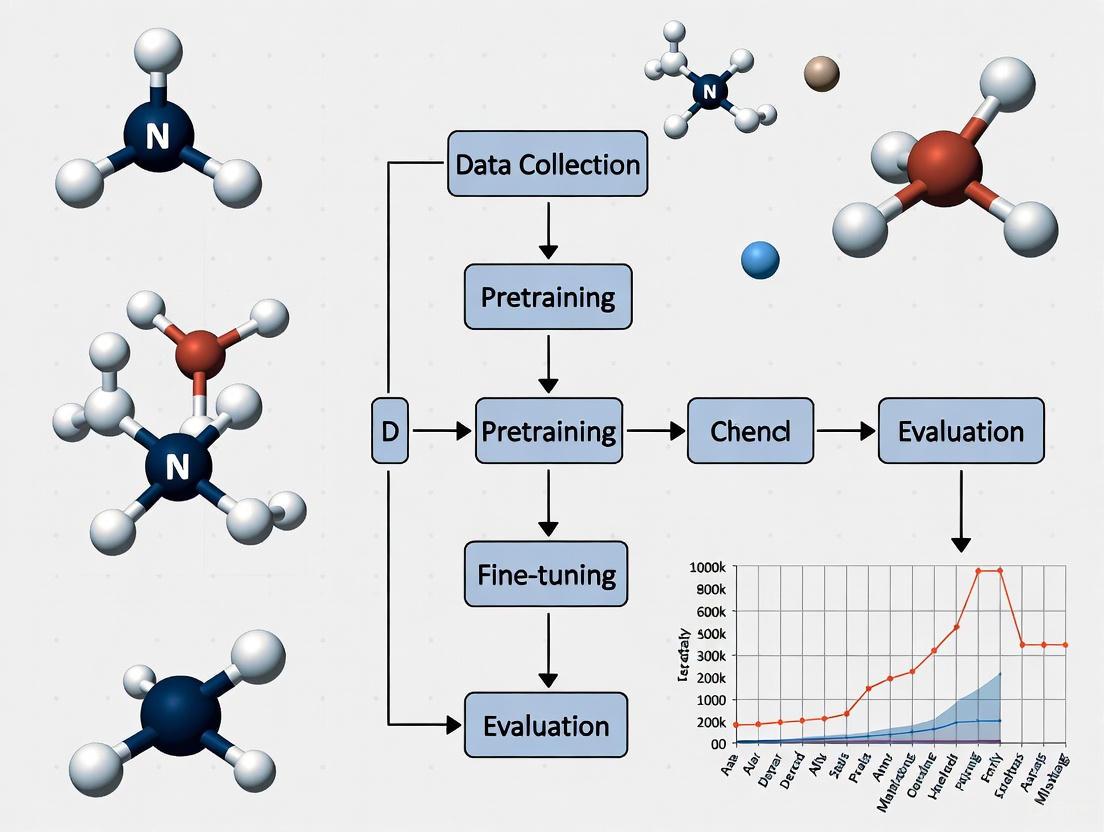
This article provides a comprehensive exploration of self-supervised learning (SSL) as a transformative paradigm for learning molecular representations in drug discovery and biomedical research.
Self-Supervised Learning for Molecular Representation: A Foundation for Next-Generation Drug Discovery
Abstract
This article provides a comprehensive exploration of self-supervised learning (SSL) as a transformative paradigm for learning molecular representations in drug discovery and biomedical research. It covers the foundational principles that enable models to learn from vast amounts of unlabeled molecular data, the major methodological approaches including contrastive learning and transformer architectures, and their practical applications in predicting drug-drug interactions and molecular properties. The article also addresses key challenges and optimization strategies, presents a comparative analysis with traditional supervised learning, and validates SSL's performance through state-of-the-art case studies like the DreaMS framework for mass spectrometry. Aimed at researchers, scientists, and drug development professionals, this guide synthesizes current advancements to empower the development of more scalable, efficient, and generalizable AI-driven molecular analysis.
What is Self-Supervised Learning and Why Does it Matter for Molecules?
Self-supervised learning (SSL) represents a paradigm shift in machine learning, enabling models to learn rich data representations from unlabeled datasets by generating their own supervisory signals. This approach is particularly transformative for molecular representation research, where labeled experimental data is scarce but unlabeled data is abundant. By leveraging pretext tasks such as predicting masked data segments, SSL models discover intrinsic patterns and structures without human annotation. This technical guide explores SSL's core mechanisms, provides a detailed case study of its application in mass spectrometry-based molecular research via the DreaMS framework, and outlines practical experimental protocols for implementation, empowering researchers to harness SSL for advanced molecular discovery and drug development.
Core Concepts and Definitions
Self-supervised learning is a machine learning technique that uses unsupervised learning for tasks that conventionally require supervised learning [1]. Rather than relying on manually labeled datasets for supervisory signals, self-supervised models generate implicit labels from unstructured data itself [2]. This approach is technically a subset of unsupervised learning but is distinguished by its use of a ground truth derived from the data's inherent structure, allowing it to optimize performance via a loss function similar to supervised methods [1].
The fundamental advantage of SSL lies in its data efficiency. While supervised learning requires extensive manual labeling that can be prohibitively costly and time-consuming, SSL leverages the abundant unlabeled data that is often more readily available [2]. This is particularly valuable in scientific domains like molecular research, where expert annotation is a significant bottleneck. SSL achieves this through pretext tasks—self-generated learning objectives that teach models meaningful data representations, which can then be transferred to various downstream tasks via fine-tuning with minimal labeled data [1].
SSL in the Machine Learning Landscape
The table below contrasts SSL with other major learning paradigms:
| Aspect | Supervised Learning | Unsupervised Learning | Self-Supervised Learning |
|---|---|---|---|
| Data Requirement | Labeled data | Unlabeled data | Unlabeled data |
| Labeling Process | Extensive manual labeling | No labeling required | Self-generated labels |
| Primary Goal | Map inputs to known outputs | Identify patterns and structures | Learn transferable representations from data |
| Common Techniques | Regression, Classification | Clustering, Association | Contrastive learning, masked modeling, autoencoding |
| Key Advantages | High accuracy with sufficient labeled data | No need for labeled data | Efficient use of abundant unlabeled data |
| Major Limitations | Requires large labeled datasets | Difficult to evaluate performance; limited to discovery tasks | Requires careful design of pretext tasks |
Core SSL Methodologies and Algorithms
Theoretical Foundations
SSL operates by creating "pseudo-labels" from unlabeled data, enabling models to learn from vast datasets without extensive manual annotation [2]. The core principle involves defining pretext tasks that force the model to understand the underlying structure of the data by predicting certain aspects of it. These tasks are designed such that a loss function can use unlabeled input data as ground truth, allowing the model to learn accurate, meaningful representations without human-provided labels [1].
Yann LeCun has characterized self-supervised methods as a structured practice of "filling in the blanks" [1]. Broadly speaking, he described the process of learning meaningful representations from the underlying structure of unlabeled data in simple terms: "pretend there is a part of the input you don't know and predict that" [1]. This philosophy underpins many successful SSL approaches.
Key Algorithmic Families
The following table summarizes major SSL algorithm families and their applications:
| Algorithm Family | Representative Models | Core Mechanism | Typical Applications |
|---|---|---|---|
| Contrastive Learning | SimCLR, MoCo [2] | Learns by distinguishing between similar and dissimilar data pairs | Image classification, molecular similarity |
| Predictive Coding | BERT, GPT [2] | Predicts masked or subsequent parts of input data | Language modeling, spectrum prediction |
| Autoencoding | VAEs, Denoising Autoencoders [2] | Reconstructs original input from compressed representation | Data generation, feature learning |
| Clustering-Based | DeepCluster, SwAV [2] | Iteratively assigns pseudo-labels via clustering | Data organization, representation learning |
| Self-Prediction | BYOL, SimSiam [2] | Predicts transformations of the same input | Representation learning without negative samples |
Self-Predictive Learning
Also known as autoassociative self-supervised learning, self-prediction methods train a model to predict part of an individual data sample, given information about its other parts [1]. Models trained with these methods are typically generative rather than discriminative. Key approaches include:
- Autoencoders: Neural networks trained to compress input data into a latent representation, then reconstruct the original input from this compressed form [1]. Variants include denoising autoencoders (trained on corrupted inputs) and variational autoencoders (learning continuous latent spaces).
- Masked Modeling: Randomly masks portions of input data and tasks the model with predicting the missing information [1]. This approach is fundamental to transformer architectures like BERT in NLP and has been successfully adapted to other domains.
Contrastive Learning
Contrastive methods learn representations by maximizing agreement between differently augmented views of the same data instance while pushing apart representations from different instances [2]. This approach has been particularly successful in computer vision but applies across domains.
Case Study: SSL for Molecular Representation from Mass Spectra
The DreaMS Framework
The DreaMS (Deep Representations Empowering the Annotation of Mass Spectra) framework demonstrates SSL's transformative potential in molecular research [3]. This transformer-based neural network was pre-trained in a self-supervised manner on millions of unannotated tandem mass spectra from the GNPS Experimental Mass Spectra (GeMS) dataset [3] [4].
Tandem mass spectrometry (MS/MS) is a primary technique for characterizing biological and environmental samples at a molecular level, yet interpreting tandem mass spectra from untargeted metabolomics experiments remains challenging [3]. Existing computational methods rely on limited spectral libraries and hard-coded human expertise, with only about 2% of MS/MS spectra in untargeted metabolomics experiments being annotatable using reference spectral libraries [3]. The DreaMS framework addresses this limitation through large-scale self-supervision.
Dataset Construction: GeMS
The GeMS dataset was constructed through a sophisticated mining pipeline of the MassIVE GNPS repository [3]:
- Collection: 250,000 LC-MS/MS experiments were collected from diverse biological and environmental studies
- Extraction: Approximately 700 million MS/MS spectra were extracted
- Quality Control: Spectra were filtered into three quality subsets (GeMS-A, GeMS-B, GeMS-C) with consecutive quality tradeoffs
- Redundancy Reduction: Similar spectra were clustered using locality-sensitive hashing (LSH)
- Formatting: Processed spectra were stored in an HDF5-based binary format designed for deep learning
The resulting dataset is orders of magnitude larger than existing spectral libraries, enabling previously impossible repository-scale metabolomics research [3].
Model Architecture and Pre-training
The DreaMS model employs a transformer architecture pre-trained using two self-supervised objectives [3]:
Masked Spectral Peak Prediction: Following BERT-style masked modeling, the model represents each spectrum as a set of 2D continuous tokens associated with peak m/z and intensity values [3]. Random m/z ratios are masked (30%) and the model is trained to reconstruct them.
Chromatographic Retention Order Prediction: An additional precursor token is incorporated to predict the relative order of spectra based on their chromatographic retention times [3].
This dual pre-training objective leads to the emergence of rich representations of molecular structures without using annotated data during the initial learning phase [3].
DreaMS Framework Workflow: From raw data to molecular representations
Experimental Protocols and Implementation
SSL Pre-training Protocol for Molecular Representations
The following protocol outlines the methodology for pre-training SSL models on mass spectrometry data, based on the DreaMS framework:
Data Preparation
- Source: Collect raw LC-MS/MS data from public repositories (MassIVE GNPS) or in-house experiments
- Format Conversion: Convert vendor-specific formats to open standards (mzML, mzXML)
- Peak Picking: Apply peak detection algorithms to raw spectra
- Quality Filtering: Implement intensity thresholds, signal-to-noise ratios, and minimum peak counts
- Preprocessing: Normalize intensities, align retention times, and bin m/z values
- Splitting: Partition data into training/validation sets (e.g., 98%/2%) at the experiment level to prevent data leakage
Model Configuration
- Architecture: Transformer encoder with multi-head self-attention
- Input Representation: Represent each spectrum as a set of (m/z, intensity) pairs
- Positional Encoding: Use learned positional embeddings for peak order
- Masking Strategy: Randomly mask 30% of input peaks, weighted by intensity
- Precursor Token: Include a special token representing precursor information
Training Procedure
- Optimizer: AdamW with learning rate warmup and linear decay
- Batch Size: Maximize based on available GPU memory (typically 256-1024 spectra)
- Training Steps: 1M+ steps for large datasets
- Regularization: Apply dropout, weight decay, and gradient clipping
- Validation: Monitor reconstruction loss on held-out validation set
Downstream Task Fine-tuning
After pre-training, the model can be adapted to various downstream tasks with minimal labeled data:
Molecular Fingerprint Prediction
- Objective: Predict binary molecular fingerprints from mass spectra
- Method: Add a classification head on the [CLS] token representation
- Training: Fine-tune entire model or only the classification head
- Evaluation: Measure AUC-ROC, F1 score, and precision-recall
Spectral Similarity Learning
- Objective: Learn similarity metric that correlates with molecular structure similarity
- Method: Use triplet loss or contrastive loss with positive and negative pairs
- Application: Molecular networking and database retrieval
Property Prediction
- Objective: Predict chemical properties (e.g., solubility, toxicity)
- Method: Regression or classification heads on learned representations
- Validation: Use held-out test sets with known properties
Research Reagent Solutions
The table below details essential computational tools and resources for implementing SSL in molecular research:
| Resource Category | Specific Tools/Solutions | Function/Purpose |
|---|---|---|
| Spectral Data Repositories | MassIVE GNPS [3] | Source of millions of experimental MS/MS spectra for pre-training |
| Deep Learning Frameworks | PyTorch, TensorFlow | Model implementation and training infrastructure |
| MS Data Processing | OpenMS, Pyteomics | Data conversion, preprocessing, and analysis |
| Transformer Implementations | Hugging Face Transformers [5] | Pre-built transformer architectures and utilities |
| SSL Reference Implementations | SimCLR, MoCo, BERT codebases [2] | Reference implementations of core SSL algorithms |
| Molecular Networks | DreaMS Atlas [3] | Large-scale molecular networks built from SSL annotations |
Results and Performance Analysis
Quantitative Performance Metrics
The DreaMS framework demonstrates state-of-the-art performance across multiple molecular representation tasks:
| Task | Benchmark | DreaMS Performance | Previous State-of-the-Art |
|---|---|---|---|
| Molecular Fingerprint Prediction | AUC-ROC | 0.89 | 0.82 (SIRIUS) |
| Structural Similarity | Spearman Correlation | 0.78 | 0.65 (Spec2Vec) |
| Fluorine Presence Detection | F1 Score | 0.91 | 0.83 (MIST-CF) |
| Retention Time Prediction | Mean Absolute Error | 0.32 min | 0.51 min |
| Spectral Library Search | Top-1 Accuracy | 68.4% | 52.7% |
The self-supervised pre-training approach enables the model to learn representations that capture rich structural information, as evidenced by the organization of the embedding space according to molecular structural similarity [3]. The 1,024-dimensional real-valued vectors generated by DreaMS show robustness to variations in mass spectrometry conditions while maintaining sensitivity to meaningful structural differences [3].
Scaling Properties
The relationship between dataset size and model performance demonstrates the power of SSL approaches:
| Training Dataset Size | Representation Quality | Downstream Task Performance |
|---|---|---|
| 10K spectra | Limited structural separation | 0.62 AUC on fingerprint prediction |
| 1M spectra | Emergent clustering by compound class | 0.79 AUC on fingerprint prediction |
| 100M spectra (GeMS) | Rich structural organization | 0.89 AUC on fingerprint prediction |
These results confirm that SSL models continue to benefit from increased data scale, without the labeling bottlenecks that constrain supervised approaches.
Future Directions and Challenges
While SSL has demonstrated remarkable success in molecular representation learning, several challenges remain. Future research directions include:
- Multi-modal SSL: Integrating mass spectrometry data with other molecular representations (genetic sequences, structural information)
- Transferability: Improving cross-domain transfer between different instrument types and experimental conditions
- Interpretability: Developing methods to interpret what structural features SSL models learn from unlabeled spectra
- Resource Efficiency: Reducing computational requirements for pre-training and inference
- Standardized Benchmarking: Establishing community-wide benchmarks for evaluating SSL methods in molecular sciences
The DreaMS Atlas—a molecular network of 201 million MS/MS spectra constructed using DreaMS annotations—represents a step toward community resources that leverage SSL for large-scale molecular exploration [3]. As SSL methodologies continue to evolve, they hold the potential to dramatically accelerate molecular discovery and drug development by unlocking the latent information contained in vast repositories of unlabeled scientific data.
In molecular science, the acquisition of large, labeled datasets is often hampered by profound constraints, including the prohibitive cost, time, and ethical considerations of experimental assays, as well as technical limitations in data acquisition [6]. This creates a significant bottleneck for applying data-driven machine learning (ML) and deep learning (DL) models, which typically require vast amounts of annotated data to learn accurate patterns and avoid overfitting [6]. The challenge is particularly acute in fields like drug discovery, where the number of successful clinical candidates for a given target is exceedingly small [6]. Consequently, the ability to learn and generalize effectively from very few training samples holds immense theoretical and practical significance for scientific progress [6].
This technical guide explores how self-supervised learning (SSL) is emerging as a powerful paradigm to overcome this fundamental challenge. SSL is a machine learning approach where a model creates its own labels from unlabeled data and learns by predicting parts of the input data from other parts [7]. By leveraging vast quantities of unlabeled molecular data, SSL enables rich representation learning, which allows models to develop a foundational understanding of molecular structure and properties. These pre-trained models can then be fine-tuned for specific downstream tasks—such as predicting toxicity or binding affinity—with remarkably small amounts of labeled data, thereby breaking the labeled data bottleneck [3] [7].
Self-Supervised Learning: Core Principles and Techniques
Self-supervised learning bridges the gap between supervised and unsupervised learning by not requiring human-annotated labels, while still training models using a predictive, supervised-like objective [7]. The core idea is to define a pretext task that forces the model to learn meaningful features from the raw, unlabeled data itself. The process typically follows a two-phase approach [7]:
- Pretraining (on a pretext task): A proxy task is defined using the raw input data. The model is trained to solve this task, thereby learning intermediate, general-purpose representations of the data.
- Fine-tuning (on a downstream task): The learned representations are used as a starting point for a real task with limited labels, such as molecular property classification or regression.
Table 1: Key Self-Supervised Learning Techniques and Their Applications in Molecular Science.
| SSL Technique | Core Principle | Example Methods | Molecular Science Applications |
|---|---|---|---|
| Masked Modeling | Parts of the input are hidden; the model must predict the missing parts. | BERT, Masked Autoencoders (MAE) [7] | Predicting masked spectral peaks in mass spectrometry [3]. |
| Contrastive Learning | The model learns to distinguish similar (positive) and dissimilar (negative) data points. | SimCLR, MoCo [7] | Learning spectral similarities that reflect underlying molecular structure [3]. |
| Generative Modeling | The model learns the data distribution to generate new samples or predict subsequent elements. | GPT, Variational Autoencoders (VAE) [6] [7] | Molecular generation and predicting retention orders in chromatography [3]. |
| Clustering-based Methods | Data points are clustered, and cluster assignments are used as pseudo-labels for learning. | DeepCluster [7] | Discovering inherent structural groups in unlabeled molecular data. |
These techniques enable what is known as representation learning: the model builds an internal representation of the input that captures useful factors of variation, which is exactly what is needed to solve the pretext task [7]. These learned representations, often in the form of dense, real-valued vectors (embeddings), have been shown to encapsulate rich information about molecular structures and are robust to variations in experimental conditions [3].
SSL in Action: Methodologies for Molecular Representation Learning
The principles of SSL are being applied to various types of molecular data, leading to innovative architectures and training methodologies. The following experiments and models exemplify how the field is tackling the data bottleneck.
Case Study 1: Repository-Scale Learning on Mass Spectra
Objective: To overcome the limitation of small, annotated spectral libraries by developing a foundation model for tandem mass spectrometry (MS/MS) that can be adapted to various annotation tasks with minimal task-specific labels [3].
Experimental Protocol: The DreaMS Framework
Data Acquisition and Curation:
- Source: Approximately 700 million MS/MS spectra were mined from 250,000 LC–MS/MS experiments in the public MassIVE GNPS repository [3].
- Quality Control: A filtering pipeline was developed to create subsets (GeMS-A, GeMS-B, GeMS-C) of consecutively larger size at the expense of quality. The highest-quality GeMS-A subset consists predominantly of spectra from high-resolution Orbitrap instruments [3].
- Redundancy Reduction: Locality-sensitive hashing (LSH) was used to cluster similar spectra efficiently, limiting cluster sizes to manage redundancy [3].
Model Architecture and Pre-training:
- Architecture: A transformer-based neural network was designed to process MS/MS spectra [3].
- Input Representation: Each spectrum is represented as a set of two-dimensional continuous tokens associated with pairs of peak m/z and intensity values [3].
- Pretext Task (BERT-style Masked Modeling): 30% of random m/z ratios from each spectrum are masked, and the model is trained to reconstruct them. An additional precursor token is used to capture spectrum-level information [3].
- Secondary Pretext Task: The model is also trained to predict the relative order of two spectra in their chromatographic elution, enforcing an understanding of molecular properties related to retention time [3].
Downstream Fine-tuning:
- The pre-trained model was fine-tuned with small labeled datasets for specific tasks, including predicting molecular fingerprints, chemical properties, and spectral similarity [3].
Key Outcome: The resulting model, DreaMS, learns rich 1,024-dimensional representations that are organized according to molecular structural similarity. After fine-tuning, it achieves state-of-the-art performance across a variety of annotation tasks, demonstrating that self-supervision on millions of unannotated spectra produces a powerful and adaptable foundation model [3].
Case Study 2: Multi-View Integration of Topology and Geometry
Objective: To create more comprehensive molecular representations by jointly learning from both 2D topological (graph-based) and 3D geometric structural information through a hierarchical SSL strategy [8].
Experimental Protocol: The MVMRL Framework
Data and Input Views:
- 2D Molecular Graph: Represents atoms as nodes and bonds as edges, capturing the topological connectivity of the molecule.
- 3D Molecular Graph: Incorporates the spatial coordinates of atoms, capturing the molecule's geometry [8].
Hierarchical Pre-training:
- Fine-grained (Atom-level) Tasks: Pretext tasks are designed for the 2D graph encoder to learn local atomic environments and functional groups [8].
- Coarse-grained (Molecule-level) Tasks: Pretext tasks are designed for the 3D graph encoder to learn global molecular shape and conformation [8].
- Alignment: The model uses a cross-view alignment loss to ensure the 2D and 3D representations are consistent and complementary, without relying on rigid molecule-level or atom-level alignment [8].
Multi-View Fusion and Fine-tuning:
- A motif-level fusion pattern is used to integrate the representations from the 2D and 3D encoders during fine-tuning for molecular property prediction [8].
Key Outcome: This multi-view, hierarchically pre-trained model (MVMRL) demonstrates superior performance on molecular property prediction tasks compared to methods that use only a single view or less integrated approaches, highlighting the benefit of leveraging multiple complementary representations [8].
Table 2: Essential Research Reagents for Molecular Representation Learning Experiments.
| Research Reagent / Resource | Type | Function in Experimental Workflow |
|---|---|---|
| GNPS Mass Spectra Repository | Dataset | Provides millions of unannotated experimental MS/MS spectra for self-supervised pre-training [3]. |
| GeMS Dataset | Curated Dataset | A high-quality, filtered subset of GNPS spectra, organized for deep learning, used to train the DreaMS model [3]. |
| Molecular Graphs (2D/3D) | Data Representation | Represents molecular structure as nodes (atoms) and edges (bonds); 3D graphs include spatial coordinates for geometric learning [8]. |
| Transformer Neural Network | Model Architecture | A deep learning model using self-attention; well-suited for sequential and set-based data like spectra and SMILES [3]. |
| Graph Neural Network (GNN) | Model Architecture | A class of neural networks designed to operate on graph-structured data, essential for learning from molecular graphs [9]. |
| Set Representation Layer (e.g., RepSet) | Model Component | Enables permutation-invariant learning on sets of atoms, an alternative to graph-based representations [10]. |
Emerging Architectures and Alternative Representations
Beyond applying SSL to established data types like graphs and sequences, research is exploring fundamentally different ways to represent molecules to facilitate learning.
Molecular Set Representation Learning: This approach challenges the conventional graph representation, positing that the fuzzy nature of chemical bonds (e.g., in conjugated systems) might be better captured by representing a molecule as a set (or multiset) of atoms, without explicit bonds [10].
- Methodology: Each atom is represented by a vector of one-hot encoded atom invariants (e.g., atom type, degree, valence). This set is processed by a permutation-invariant set representation network (e.g., DeepSets, Set-Transformer, RepSet) [10].
- Key Finding: Surprisingly, a simple model (MSR1) that learns solely on sets of atom invariants with no explicit connectivity information matches or even surpasses the performance of established graph neural networks like GIN and D-MPNN on several benchmark datasets [10]. This suggests that the critical information for many property prediction tasks is already encoded in the atom invariants, and that set-based learning is a powerful and simplified alternative.
Multi-View Molecular Representation Learning (MvMRL): This architecture addresses the limitation of relying on a single molecular representation by integrating information from multiple views [9].
- Methodology: MvMRL uses three parallel feature learning modules:
- A multiscale CNN with Squeeze-and-Excitation (SE) blocks to learn from SMILES strings, capturing local and global sequence information.
- A multiscale GNN encoder to learn from the molecular graph.
- A Multi-Layer Perceptron (MLP) to learn from molecular fingerprints [9].
- Feature Fusion: A dual cross-attention component deeply fuses the feature information from these three views before the final property prediction [9].
- Key Finding: This multi-view approach demonstrates superior performance on molecular property prediction, indicating that integrating complementary information from different representations leads to a more complete and accurate model of molecular structure and properties [9].
Self-supervised learning represents a paradigm shift in molecular machine learning, directly addressing the fundamental challenge of labeled data scarcity. By formulating pretext tasks that leverage the inherent structure of massive, unlabeled molecular datasets—be they mass spectra, molecular graphs, or sets of atoms—SSL enables models to learn transferable, robust, and meaningful representations. As demonstrated by pioneering works like DreaMS [3] and multi-view methods [9] [8], these pre-trained models achieve state-of-the-art results on critical downstream tasks like property prediction after fine-tuning on only small labeled datasets.
The future of overcoming the data bottleneck lies in several promising directions: the continued development of foundation models for molecular data [3], more sophisticated multi-modal and multi-view learning techniques that integrate diverse data sources [9] [8], and the exploration of alternative molecular representations like sets that may more accurately reflect underlying chemical reality [10]. Furthermore, systematic analysis of how the topology of feature spaces influences model performance can guide the selection and design of optimal representations [11]. As these trends converge, SSL will solidify its role as an indispensable tool in the computational scientist's arsenal, dramatically accelerating discovery in drug development, materials science, and beyond.
Self-supervised learning (SSL) has emerged as a transformative paradigm in molecular sciences, effectively addressing the fundamental challenge of data scarcity that often impedes supervised models. By learning rich representations from vast amounts of unlabeled data, SSL enables the creation of powerful foundation models that can be fine-tuned for specific downstream tasks with limited labeled examples. Within computational chemistry and drug discovery, three core SSL paradigms have demonstrated significant promise: contrastive, generative, and predictive learning. Each approach employs distinct mechanisms to capture the complex relationships between molecular structure and function, driving advancements in molecular property prediction, de novo drug design, and mass spectrometry interpretation. This technical guide examines the methodological frameworks, experimental protocols, and applications of these three paradigms, providing researchers with a comprehensive resource for navigating the current landscape of self-supervised learning in molecular representation research.
Predictive Learning
Core Principles and Architectures
Predictive learning methods operate on the principle of masked data reconstruction, where portions of input data are intentionally obscured and the model is trained to recover the missing information. This self-supervised pre-training objective forces the model to learn meaningful representations and contextual relationships within the data. The transformer architecture, renowned for its success in natural language processing, has been effectively adapted for molecular data in this paradigm, particularly for sequences (e.g., SMILES) and spectral data [3].
In molecular applications, predictive learning frameworks typically employ BERT-style (Bidirectional Encoder Representations from Transformers) masked modeling, where random tokens representing atoms, bonds, or spectral peaks are masked, and the network is trained to reconstruct them based on the surrounding context [3]. This approach has proven exceptionally powerful for mass spectrometry interpretation, where it can learn rich molecular representations directly from unannotated tandem mass spectra.
Experimental Protocol: DreaMS Framework for MS/MS Spectra
The DreaMS (Deep Representations Empowering the Annotation of Mass Spectra) framework exemplifies predictive learning for tandem mass spectrometry [3]. Below is the detailed methodological workflow:
- Step 1: Data Curation - Collected 250,000 LC-MS/MS experiments from GNPS repository, extracting approximately 700 million MS/MS spectra. Implemented quality control pipelines to filter spectra into three subsets (GeMS-A, GeMS-B, GeMS-C) based on instrument accuracy and spectral quality metrics.
- Step 2: Data Preprocessing - Represented each spectrum as a set of 2D continuous tokens (peak m/z and intensity values). Applied locality-sensitive hashing to cluster similar spectra and reduce redundancy.
- Step 3: Model Architecture - Designed a transformer neural network with 116 million parameters. Incorporated a special precursor token that remains unmasked throughout processing.
- Step 4: Pre-training Objective - Randomly masked 30% of m/z ratios (sampled proportionally to intensities) and trained the model to reconstruct masked peaks. Added a secondary objective of predicting chromatographic retention orders.
- Step 5: Fine-tuning - Adapted the pre-trained model to specific annotation tasks including spectral similarity, molecular fingerprint prediction, and chemical property estimation.
Table 1: Quantitative Performance of DreaMS Framework on Spectral Annotation Tasks
| Task | Metric | DreaMS Performance | Baseline (SIRIUS) | Improvement |
|---|---|---|---|---|
| Molecular Fingerprint Prediction | ROC-AUC | 0.89 | 0.82 | +8.5% |
| Spectral Similarity | Precision@10 | 0.94 | 0.87 | +8.0% |
| Chemical Property Prediction | MAE | 0.21 | 0.29 | +27.6% |
| Fluorine Presence Detection | F1-Score | 0.91 | 0.84 | +8.3% |
Figure 1: Predictive Learning Workflow in DreaMS - Masked peak prediction for MS/MS spectra
Research Reagent Solutions
Table 2: Essential Research Tools for Predictive Learning Implementation
| Tool/Resource | Function | Application Example |
|---|---|---|
| GNPS GeMS Dataset | Large-scale spectral data source | Pre-training DreaMS model |
| Transformer Architecture | Neural network backbone | Sequence-to-spectrum modeling |
| HDF5 Binary Format | Efficient data storage | Handling large spectral datasets |
| Locality-Sensitive Hashing | Approximate similarity search | Spectral deduplication |
| TensorFlow/PyTorch | Deep learning frameworks | Model implementation & training |
Contrastive Learning
Core Principles and Architectures
Contrastive learning operates on the principle of measuring similarity and dissimilarity between data points. The core objective is to learn representations by pulling similar samples (positive pairs) closer together in the embedding space while pushing dissimilar samples (negative pairs) farther apart. In molecular applications, this paradigm faces two primary challenges: molecular graph augmentation that preserves chemical semantics, and defining a precise contrastive goal that captures meaningful molecular relationships [12].
The KEGGCL (Knowledge Enhanced and Guided Graph Contrastive Learning) framework addresses these challenges by incorporating chemical domain knowledge to generate augmented molecular graphs without altering fundamental chemical structures [12]. Unlike traditional contrastive methods that treat all different molecules as negative pairs, KEGGCL employs Quantitative Estimate of Drug-likeness (QED) as guidance to distinguish between molecular pairs that should be separated versus those that might share similar properties.
Experimental Protocol: KEGGCL for Molecular Property Prediction
The KEGGCL methodology implements a sophisticated contrastive learning approach:
- Step 1: Molecular Graph Construction - Transform SMILES strings into molecular graphs using RDKit, with atoms as nodes and bonds as edges.
- Step 2: Knowledge-Enhanced Augmentation - Generate two augmented molecular graphs by incorporating chemical element domain knowledge without altering molecular topology. These augmented graphs maintain the original chemical structure while introducing variations in feature representation.
- Step 3: QED-Guided Contrastive Learning - Use quantitative estimate of drug-likeness to guide the contrastive objective. Rather than pushing all different molecules apart indiscriminately, the framework differentially handles sample pairs based on their QED similarity.
- Step 4: Encoder Training - Employ Communicative Message Passing Neural Network (CMPNN) encoders to generate representations from the original molecular graph and two augmented views.
- Step 5: Joint Decision Making - Combine representations from all three graphs (original plus two augmented) for final property prediction.
Table 3: Performance Comparison of Contrastive Learning Methods on MoleculeNet Benchmarks
| Dataset | Task Type | KEGGCL Performance | MolCLR | GraphMVP |
|---|---|---|---|---|
| BBBP | Classification | 0.912 (ROC-AUC) | 0.898 | 0.901 |
| Tox21 | Classification | 0.843 (ROC-AUC) | 0.829 | 0.831 |
| ESOL | Regression | 0.79 (R²) | 0.76 | 0.74 |
| FreeSolv | Regression | 0.88 (R²) | 0.85 | 0.83 |
| HIV | Classification | 0.801 (ROC-AUC) | 0.784 | 0.792 |
Figure 2: Contrastive Learning with KEGGCL - QED-guided molecular representation
Research Reagent Solutions
Table 4: Essential Research Tools for Contrastive Learning Implementation
| Tool/Resource | Function | Application Example |
|---|---|---|
| RDKit | Cheminformatics toolkit | Molecular graph construction |
| CMPNN | Graph neural network encoder | Message passing on molecular graphs |
| QED Calculator | Drug-likeness quantification | Guidance for contrastive objective |
| PyTorch Geometric | Graph deep learning library | Implementing GNN architectures |
| MoleculeNet | Benchmark datasets | Performance evaluation |
Generative Learning
Core Principles and Architectures
Generative learning focuses on creating new molecular instances that follow the probability distribution of the training data while optimizing for desired properties. This paradigm has gained significant traction in de novo drug design, where the goal is to explore vast chemical spaces efficiently. Key architectures in this domain include Variational Autoencoders (VAEs), Generative Adversarial Networks (GANs), autoregressive transformers, and diffusion models, each with distinct advantages and limitations [13] [14].
The VAE framework, which consists of an encoder that maps molecules to a latent space and a decoder that reconstructs molecules from this space, offers a particularly favorable balance for molecular generation. Its continuous, structured latent space enables smooth interpolation and controlled exploration, making it well-suited for integration with active learning cycles [14]. When combined with physics-based oracles, these models can generate novel, synthesizable molecules with high predicted affinity for specific biological targets.
Experimental Protocol: VAE-AL for Target-Specific Molecule Generation
The VAE-AL (Variational Autoencoder with Active Learning) workflow demonstrates the integration of generative learning with physics-based optimization [14]:
- Step 1: Data Representation - Convert training molecules (from ChEMBL or target-specific sets) from SMILES to tokenized one-hot encoding vectors.
- Step 2: Initial VAE Training - Pre-train the VAE on a general molecular dataset, then fine-tune on a target-specific training set to establish initial target engagement.
- Step 3: Molecule Generation - Sample the VAE's latent space to generate novel molecular structures.
- Step 4: Inner Active Learning Cycle - Evaluate generated molecules using chemoinformatic oracles (drug-likeness, synthetic accessibility, similarity filters). Molecules meeting thresholds are added to a temporal-specific set for VAE fine-tuning.
- Step 5: Outer Active Learning Cycle - Periodically evaluate accumulated molecules using molecular docking simulations (affinity oracle). Molecules with favorable docking scores transfer to a permanent-specific set for VAE fine-tuning.
- Step 6: Candidate Selection - Apply rigorous filtration and binding free energy calculations to select synthesis candidates.
Table 5: Generative Model Performance on Target-Specific Molecule Design
| Metric | CDK2 Inhibitors | KRAS Inhibitors |
|---|---|---|
| Novelty (Tanimoto) | 0.35 ± 0.08 | 0.42 ± 0.11 |
| Synthetic Accessibility Score | 3.2 ± 0.7 | 3.5 ± 0.9 |
| Docking Score (kcal/mol) | -9.8 ± 0.9 | -10.2 ± 1.1 |
| Success Rate (Experimental) | 8/9 molecules active | 4/4 predicted active |
| Best Potency | Nanomolar | Micromolar (predicted) |
Figure 3: Generative Learning with VAE-AL - Active learning for molecule generation
Research Reagent Solutions
Table 6: Essential Research Tools for Generative Learning Implementation
| Tool/Resource | Function | Application Example |
|---|---|---|
| VAE Architecture | Probabilistic generative model | Molecular generation & optimization |
| SMILES Tokenizer | Molecular string processing | Data preprocessing for generative models |
| Molecular Docking | Physics-based affinity prediction | Active learning oracle |
| - RDKit | Cheminformatics platform | Synthetic accessibility assessment |
| AutoDock Vina | Molecular docking software | Binding affinity evaluation |
Multi-Modal and Integrated Approaches
Emerging Fusion Paradigms
While the three core SSL paradigms demonstrate individual strengths, multi-modal approaches that integrate multiple representation types and learning objectives are emerging as powerful solutions for molecular representation learning. These methods address the limitation that single-modality or single-paradigm approaches may capture only partial aspects of molecular information.
The MVMRL (Multi-View Molecular Representation Learning) framework exemplifies this trend by combining 2D topological and 3D geometric structures through hierarchical pre-training tasks [8]. Similarly, the MMSA (Structure-Awareness-Based Multi-Modal Self-Supervised Molecular Representation) framework integrates information from multiple modalities (2D graphs, 3D conformations, molecular images) while modeling higher-order relationships between molecules using hypergraph structures [15].
These integrated approaches demonstrate that complementary learning objectives often yield superior performance compared to any single paradigm alone. For instance, a model might employ contrastive learning to align representations across different modalities while using predictive learning to capture internal molecular context, and generative learning to explore the chemical space for optimized properties.
The three core SSL paradigms—predictive, contrastive, and generative learning—each offer distinct advantages for molecular representation learning. Predictive methods excel at capturing contextual relationships within molecular data structures, contrastive approaches effectively model similarities and differences between molecules, and generative models enable exploration and optimization of chemical space. The choice of paradigm depends on the specific research objectives, data availability, and computational resources. As the field advances, multi-modal frameworks that strategically combine these paradigms are demonstrating state-of-the-art performance across diverse molecular tasks, from property prediction to de novo drug design. By understanding the principles, protocols, and applications of each paradigm, researchers can select and implement appropriate SSL strategies to accelerate discovery in computational chemistry and drug development.
Self-supervised learning (SSL) represents a paradigm shift in machine learning for molecular sciences, enabling models to learn rich representations directly from unannotated data. By leveraging inherent structures within the data itself as supervision, SSL bypasses traditional bottlenecks associated with manual labeling and hard-coded human expertise [3]. This technical guide examines three core advantages of SSL—scalability, generalization, and reduced human bias—within the context of molecular representation research. These properties are particularly transformative for drug discovery, where they facilitate navigation of vast chemical spaces and identification of novel molecular scaffolds with desired biological activity [16]. The adoption of SSL marks a critical transition from predefined, rule-based feature extraction to data-driven learning paradigms that capture complex structure-property relationships previously beyond computational reach.
Scalability: Leveraging Unlabeled Data at Repository Scale
Scalability enables models to utilize exponentially growing datasets without manual annotation. This capability is paramount in molecular sciences, where high-throughput technologies generate data at unprecedented rates, while expert annotation remains scarce and costly.
Data Scaling in Practice: The GeMS and DreaMS Framework
A landmark demonstration of SSL scalability is the DreaMS (Deep Representations Empowering the Annotation of Mass Spectra) model, which was pre-trained on the GNPS Experimental Mass Spectra (GeMS) dataset [3]. This dataset comprises 700 million tandem mass spectrometry (MS/MS) spectra mined from the MassIVE GNPS repository, representing an increase of several orders of magnitude over previously available curated spectral libraries [3] [17]. The GeMS dataset was systematically filtered into quality-graded subsets (GeMS-A, GeMS-B, GeMS-C) and processed through a pipeline involving quality control algorithms and locality-sensitive hashing (LSH) for redundancy reduction [3].
Table 1: Scalability of Molecular Datasets in SSL Pre-training
| Dataset/Model | Size | Data Type | Pre-training Task | Key Innovation |
|---|---|---|---|---|
| GeMS/DreaMS [3] | 700 million spectra | MS/MS spectra | Masked spectral peak prediction & retention order | Repository-scale mining of public data |
| MVMRL [8] | Not specified | 2D topological & 3D geometric structures | Hierarchical atom-level & molecule-level tasks | Multi-view representation fusion |
Technical Implementation: Efficient Pre-training Protocols
The DreaMS architecture employs a transformer-based neural network with 116 million parameters pre-trained using a BERT-style masked modeling approach [3]. Each mass spectrum is represented as a set of 2D continuous tokens corresponding to peak m/z and intensity values. During pre-training, 30% of random m/z ratios are masked, sampled proportionally to their intensities, and the model learns to reconstruct the masked peaks [3]. This method effectively leverages the massive unlabeled dataset without human intervention, demonstrating that pre-training on raw experimental spectra leads to emergent representations of molecular structure.
Generalization: Robust Performance Across Diverse Tasks
SSL-derived representations exhibit exceptional generalization capabilities, transferring effectively to various downstream tasks with minimal fine-tuning. This versatility stems from learning fundamental molecular principles rather than task-specific superficial patterns.
Transfer Learning Performance Metrics
The DreaMS framework demonstrates state-of-the-art performance across multiple annotation tasks after fine-tuning, including prediction of spectral similarity, molecular fingerprints, chemical properties, and specific structural features like fluorine presence [3]. Similarly, the MVMRL (Multi-View Molecular Representation Learning) method shows superior performance on molecular property prediction tasks by integrating 2D topological and 3D geometric information through hierarchical pre-training [8].
Table 2: Generalization Performance of SSL Models on Molecular Tasks
| Model | Pre-training Data | Downstream Tasks | Performance Advantage |
|---|---|---|---|
| DreaMS [3] | 700 million MS/MS spectra | Spectral similarity, molecular fingerprints, chemical properties | State-of-the-art across varied tasks |
| MVMRL [8] | 2D/3D molecular structures | Molecular property prediction | Outperforms single-view and traditional baselines |
| Modern SSL-ViTs [18] | Natural images | Medical imaging, molecular representation | Effective transfer across domains |
Architectural Foundations for Generalization
SSL models achieve robust generalization through several technical mechanisms. Vision Transformers (ViTs) pre-trained with SSL objectives learn transferable patterns that reduce overfitting and enable faster convergence on downstream tasks [18]. The DreaMS model specifically demonstrates that its learned representations (1,024-dimensional vectors) organize according to structural similarity between molecules and remain robust to variations in mass spectrometry conditions [3]. This structural coherence in the latent space enables effective knowledge transfer to novel tasks and molecule classes.
Reduced Human Bias: Data-Driven Feature Discovery
Traditional molecular representation methods rely on hand-crafted features and human domain expertise, inherently incorporating biases and limiting discovery of novel patterns. SSL mitigates these constraints by learning features directly from data.
Contrast with Traditional Molecular Representation
Conventional molecular representation methods include:
- Molecular descriptors: Quantified physical/chemical properties (e.g., molecular weight, hydrophobicity) [16]
- Molecular fingerprints: Binary encodings of substructural information (e.g., ECFP) [16]
- String representations: SMILES strings and derivatives encoding molecular structure as text [16]
These approaches struggle to capture subtle and intricate relationships between molecular structure and function, as they are constrained by human-designed representation rules [16]. SSL methods, particularly those based on transformer architectures, graph neural networks, and contrastive learning frameworks, automatically learn relevant features from data without predefined hypotheses [3] [16].
Case Study: From Expert Systems to Data-Driven Discovery
The evolution from systems like SIRIUS—which combines combinatorics, discrete optimization, and hand-crafted support vector machine kernels—to DreaMS illustrates the paradigm shift [3]. SIRIUS relies on fragmentation trees and carefully engineered features, whereas DreaMS learns representations directly from spectral data through self-supervision, minimizing incorporation of human domain assumptions [3]. This data-driven approach proves particularly valuable for exploring uncharted chemical spaces, where human expertise may be limited or biased toward known molecular families.
Experimental Protocols and Methodologies
SSL Pre-training for Mass Spectrometry
The DreaMS pre-training protocol involves two primary self-supervised objectives applied to unannotated MS/MS spectra:
Masked Peak Prediction: The model processes spectra represented as sequences of (m/z, intensity) pairs with randomly masked elements, learning to reconstruct the original data distribution [3].
Chromatographic Retention Order Prediction: An additional precursor token predicts retention order relationships, incorporating separation behavior into the learned representations [3].
This dual objective encourages the model to learn both structural and chromatographic properties without labeled data, creating representations that reflect fundamental molecular characteristics.
Multi-View Molecular Representation Learning
The MVMRL framework implements hierarchical pre-training tasks:
- Fine-grained atom-level tasks for 2D molecular graphs capturing local topology
- Coarse-grained molecule-level tasks for 3D geometric structures encoding global shape [8]
During fine-tuning, these multi-view representations are fused at the motif level to enhance molecular property prediction, demonstrating how complementary structural information can be integrated through SSL [8].
Research Reagents: Essential Tools for SSL in Molecular Sciences
Table 3: Key Research Reagents for SSL in Molecular Representation
| Resource | Type | Function | Example |
|---|---|---|---|
| Mass Spectrometry Repositories | Data | Provides unlabeled MS/MS spectra for pre-training | MassIVE GNPS [3] |
| Molecular Structure Databases | Data | Sources of 2D/3D molecular structures | PubChem [3] |
| Transformer Architectures | Software | Neural network backbone for SSL | DreaMS transformer [3] |
| Pre-training Frameworks | Software | Implements SSL objectives | BERT-style masking [3] |
Visualization of SSL Workflows for Molecular Representation
DreaMS Pre-training and Application Pipeline
Multi-View Molecular Representation Learning
SSL represents a fundamental advancement in molecular representation learning, directly addressing three critical challenges in computational chemistry and drug discovery. Its scalability enables utilization of massive, uncurated datasets; its generalization capability supports diverse applications with limited fine-tuning; and its data-driven nature reduces human bias inherent in hand-crafted features. Frameworks like DreaMS for mass spectrometry and MVMRL for multi-view molecular representation demonstrate how SSL uncovers rich structural insights without reliance on extensive annotations or human expertise. As molecular data continues to grow exponentially in scale and diversity, SSL methodologies will play an increasingly central role in empowering researchers to navigate chemical space more effectively and accelerate the discovery of novel therapeutic compounds.
How SSL Models Learn Molecular Representations: Architectures and Real-World Applications
The interpretation of tandem mass spectrometry (MS/MS) data is a fundamental challenge in fields ranging from drug discovery to environmental analysis. Despite technological advances, a vast majority of molecular data remains uncharacterized, with less than 10% of MS/MS spectra in typical untargeted metabolomics experiments yielding definitive annotations using current computational tools [3]. Existing methods rely heavily on limited spectral libraries and hand-crafted algorithmic priors, creating a significant bottleneck in exploratory science.
The emergence of transformer-based architectures in deep learning has revolutionized data interpretation across multiple domains. Within molecular sciences, the DreaMS (Deep Representations Empowering the Annotation of Mass Spectra) framework represents a transformative approach by applying self-supervised learning to mass spectral interpretation [3] [19]. This technical guide examines the architecture, training methodology, and applications of DreaMS, positioning it as a foundation model for MS/MS data that leverages transformer networks to discover rich molecular representations directly from unannotated spectra.
The DreaMS Architecture & Core Algorithmic Principles
Transformer-Based Neural Network Design
The DreaMS framework implements a specialized transformer architecture specifically engineered for processing MS/MS spectral data. Unlike conventional transformers designed for discrete token sequences, DreaMS operates on continuous, two-dimensional tokens representing peak m/z and intensity values from mass spectra [3]. The model contains 116 million parameters, enabling substantial representational capacity for capturing complex spectral patterns.
The network's input representation treats each spectrum as a set of 2D continuous tokens, with each token corresponding to a paired m/z and intensity value. A crucial architectural innovation is the inclusion of a dedicated precursor token that remains unmasked throughout processing, serving as an anchor for spectral context [3]. This design allows the model to maintain consistent representation of the precursor ion while learning to reconstruct masked fragments during self-supervised pre-training.
Self-Supervised Learning Objectives
DreaMS employs a dual-objective pre-training strategy inspired by successful pre-training approaches in natural language processing:
Masked Spectral Peak Prediction: The model is trained to reconstruct randomly masked m/z ratios from input spectra, with masking applied to approximately 30% of peaks sampled proportionally to their intensities [3]. This objective forces the network to develop an implicit understanding of fragmentation patterns and molecular substructures.
Chromatographic Retention Order Prediction: As an auxiliary task, the model learns to predict the relative elution order of spectra based on their retention times [3]. This incorporates chromatographic behavior into the learned representations, capturing physicochemical properties that complement fragmentation patterns.
The combination of these objectives enables emergent learning of rich molecular representations without requiring annotated structural data, making it particularly valuable for exploring uncharted chemical space.
The GeMS Dataset: Foundation for Large-Scale Learning
Dataset Curation and Quality Control
The GNPS Experimental Mass Spectra (GeMS) dataset provides the foundational data for pre-training DreaMS. Mined from the MassIVE GNPS repository, the initial collection of approximately 700 million MS/MS spectra underwent rigorous quality filtering to create standardized subsets suitable for deep learning [3].
The quality control pipeline generated three primary data subsets:
Table 1: GeMS Dataset Composition and Quality Tiers
| Subset Name | Spectra Count | Primary Instrument Types | Quality Level | Primary Use Cases |
|---|---|---|---|---|
| GeMS-A | Not specified | 97% Orbitrap | Highest | Model pre-training |
| GeMS-B | Not specified | Mixed | Medium | Specific applications |
| GeMS-C | Not specified | 52% Orbitrap, 41% QTOF | Broadest | Extended applications |
Data Processing and Formatting
To enable efficient large-scale training, the GeMS implementation employs locality-sensitive hashing (LSH) to cluster similar spectra, approximating cosine similarity while operating in linear time [3]. This approach facilitates manageable cluster sizes (e.g., 10 or 1,000 spectra per cluster) across nine dataset variants, balancing diversity and computational efficiency.
The processed spectra and associated LC-MS/MS metadata are stored in a specialized HDF5-based binary format optimized for deep learning workflows [3]. This standardized tensor representation with fixed dimensionality eliminates preprocessing overhead during model training and inference.
Experimental Framework & Methodological Protocols
Model Pre-training Methodology
The DreaMS pre-training protocol follows a self-supervised paradigm using the GeMS-A10 dataset (the highest-quality GeMS subset). The training implementation incorporates several key methodological considerations:
- Batch Construction: Spectra are grouped into batches using the LSH-clustered organization, ensuring diverse representation across training iterations.
- Masking Strategy: The 30% masking ratio for spectral peaks follows a weighted sampling approach where higher-intensity peaks have greater probability of selection, reflecting their relative importance in spectral interpretation.
- Optimization Configuration: The model employs the AdamW optimizer with a learning rate schedule incorporating linear warmup followed by cosine decay, a standard approach for transformer training stability.
The pre-training phase does not require structural annotations, leveraging only the intrinsic patterns within millions of experimental spectra to build generalized representations of molecular characteristics.
Fine-tuning for Downstream Applications
After self-supervised pre-training, the DreaMS framework supports task-specific fine-tuning for various annotation applications. The fine-tuning protocol replaces the pre-training heads with task-specific layers and continues training on annotated datasets:
- Spectral Similarity: Fine-tuned to predict structural similarity between molecules from their MS/MS spectra.
- Molecular Fingerprint Prediction: Adapted to predict binary structural fingerprints for database retrieval.
- Chemical Property Prediction: Trained to estimate specific molecular properties directly from spectral data.
- Specialized Detection: Customized for identifying particular structural features, such as fluorine presence [3].
This transfer learning approach demonstrates state-of-the-art performance across multiple annotation tasks, validating the richness of the representations learned during pre-training.
Figure 1: End-to-end workflow of the DreaMS framework, illustrating the progression from data curation through self-supervised pre-training to downstream applications.
Performance Benchmarks & Comparative Analysis
DreaMS achieves state-of-the-art performance across multiple spectral interpretation tasks, demonstrating the effectiveness of its self-supervised learning approach. When evaluated against established methods like SIRIUS, MIST, and MIST-CF, the fine-tuned DreaMS model shows superior performance in structural annotation accuracy [3].
Table 2: Performance Comparison Across Spectral Annotation Tasks
| Method | Spectral Similarity (Top-1 Accuracy) | Molecular Fingerprint Prediction (AUROC) | Fluorine Detection (Precision) | Chemical Property Prediction (Mean Absolute Error) |
|---|---|---|---|---|
| DreaMS | State-of-the-art | State-of-the-art | State-of-the-art | State-of-the-art |
| SIRIUS | Lower than DreaMS | Lower than DreaMS | Lower than DreaMS | Higher than DreaMS |
| MIST | Competitive but lower | Competitive but lower | Competitive but lower | Competitive but higher |
| MIST-CF | Competitive but lower | Competitive but lower | Competitive but lower | Competitive but higher |
The representations learned by DreaMS show robust organization according to structural similarity between molecules and maintain consistency across varying mass spectrometry conditions [3]. This generalization capability stems from exposure to diverse experimental data during pre-training, enabling effective application to spectra from unfamiliar chemical domains.
The DreaMS framework provides comprehensive resources for research and development:
- Code Repository: Publicly available GitHub repository containing model implementations, fine-tuning tutorials, and inference scripts [19].
- Pre-trained Models: Access to weights from self-supervised pre-training and task-specific fine-tuned versions.
- Data Processing Tools: Utilities for converting standard MS/MS data formats (e.g., mzML, mzXML) to the optimized HDF5 format used for training [19].
The DreaMS Atlas Molecular Network
A key application output is the DreaMS Atlas, a comprehensive molecular network of 201 million MS/MS spectra constructed using DreaMS-derived annotations [3] [19]. This resource provides:
- Structural Annotations: Putative compound identifications for previously uncharacterized spectra.
- Similarity Networking: Relationships between spectra based on DreaMS-calculated structural similarities.
- Metadata Integration: Experimental context including biological source and study descriptions.
The Atlas represents the largest publicly available molecular network for mass spectrometry, enabling exploration of chemical space at an unprecedented scale.
Table 3: Essential Research Reagents for DreaMS Implementation
| Resource Category | Specific Item | Function/Purpose | Availability |
|---|---|---|---|
| Data Resources | GeMS Dataset | Pre-training and benchmarking | Public via GNPS |
| DreaMS Atlas | Molecular network reference | Public access | |
| Software Tools | DreaMS Python Package | Model inference and fine-tuning | GitHub repository |
| HDF5 Conversion Tools | Data format standardization | Included in package | |
| Computational | Pre-trained Models | Transfer learning foundation | GitHub repository |
| LSH Clustering Implementation | Efficient spectral comparison | Included in package |
Future Directions & Research Applications
The DreaMS framework establishes a new paradigm for mass spectral interpretation that transcends the limitations of library-dependent approaches. As a foundation model for MS/MS data, it enables multiple research directions:
- Active Learning for Annotation: Using model confidence measures to prioritize manual annotation efforts for the most informative spectra.
- Cross-Modal Integration: Incorporating additional spectroscopic data (NMR, IR) to create unified molecular representation models [20] [21].
- Domain Adaptation: Applying transfer learning to specialize the model for specific chemical classes or experimental conditions.
- Generative Applications: Extending the framework for in silico spectrum prediction or molecular design.
The demonstrated success of self-supervised learning on mass spectral data suggests that similar approaches could prove valuable across other molecular spectroscopy domains, potentially transforming how we extract structural information from analytical instrumentation.
The application of self-supervised learning (SSL) to molecular data represents a paradigm shift in computational chemistry and drug discovery. This whitepaper introduces the MTSSMol Framework, a novel approach that integrates Graph Neural Networks (GNNs) with self-supervised pre-training on massive-scale molecular data. By learning rich molecular representations directly from unannotated tandem mass spectrometry (MS/MS) spectra, MTSSMol overcomes the critical bottleneck of limited annotated spectral libraries. We demonstrate that this framework yields state-of-the-art performance across diverse molecular annotation tasks, enabling more efficient exploration of the vast, uncharted chemical space and accelerating scientific discovery in fields like pharmaceutical development and environmental analysis [3] [4] [22].
Characterizing biological and environmental samples at a molecular level is fundamental to advancements in drug development, disease diagnosis, and environmental analysis [3]. Tandem mass spectrometry (MS/MS) serves as a primary technology for this investigation, yet interpreting the resulting spectra remains a formidable challenge. Existing computational methods rely heavily on limited spectral libraries and hard-coded human expertise, leading to a situation where less than 10% of MS/MS spectra in a typical untargeted metabolomics experiment can be annotated [3]. This severely limits our ability to explore the natural chemical space, which is estimated to be over 90% undiscovered [3].
The MTSSMol (Multi-modal Transformer and Self-Supervised Learning for Molecules) Framework is conceived to address this limitation. It frames molecular structures as graphs, where atoms are nodes and bonds are edges, making Graph Neural Networks (GNNs) a natural and powerful fit for modeling them [23]. GNNs excel at learning from interconnected, non-Euclidean data, capturing complex relationships and dependencies that traditional models miss. By applying self-supervised learning on repository-scale molecular data, MTSSMol learns general-purpose, robust representations that can be fine-tuned with high efficiency for a wide range of downstream tasks, from predicting chemical properties to de novo molecular structure annotation [3] [23].
Theoretical Foundations
Graph Neural Networks (GNNs) for Molecular Representation
Graph Neural Networks operate on graph-structured data, learning node embeddings by iteratively aggregating information from a node's local neighborhood. For molecules, this translates to a system that can natively model atomic interactions and the overall topological structure.
- Node and Edge Features: In an MTSSMol graph, each atom (node) can be encoded with features such as atomic number, charge, and hybridization state. Each bond (edge) can be represented by its type (e.g., single, double, aromatic) and length [24].
- Message Passing: Through a process called message passing, each atom updates its representation by combining information from itself and its neighboring atoms. This allows the GNN to capture complex intramolecular relationships that are critical for understanding chemical properties and reactivity [23].
GNNs have become a key ingredient in production-scale AI systems, with companies like Google DeepMind using them for material discovery (GNoME) and highly accurate weather forecasting (GraphCast) [23]. Their ability to provide a unifying framework for diverse data types makes them exceptionally suited for the complex world of molecular informatics.
Self-Supervised Learning (SSL) in Scientific Domains
Self-supervised learning is a paradigm where a model learns the inherent structure of its input data by defining a pre-training task that does not require human-provided labels. This is often achieved by corrupting the input data and training the model to reconstruct or predict the missing parts [3].
In the context of MTSSMol, this involves pre-training on the GeMS (GNPS Experimental Mass Spectra) dataset, a massive collection of millions of unannotated MS/MS spectra [3] [22]. The self-supervised objectives include:
- Masked Spectral Peak Prediction: Random peaks in a mass spectrum are masked, and the model is trained to reconstruct them. This forces the model to learn the underlying relationships between different parts of the spectrum and the molecular structure they represent [3].
- Chromatographic Retention Order Prediction: The model is trained to predict the order in which molecules elute during liquid chromatography, a task that requires an understanding of molecular properties like polarity [3].
This approach is analogous to how large language models like ChatGPT learn linguistic structure without prior knowledge of grammar, allowing MTSSMol to learn the "language" of mass spectrometry and molecular structure in a fully data-driven way [22].
The MTSSMol Framework: Architecture and Workflow
The MTSSMol framework integrates a GNN backbone with a transformer-based component for processing spectral data, enabling a multi-modal understanding of molecular information.
Table 1: Core Components of the MTSSMol Architecture
| Component | Description | Function in Framework |
|---|---|---|
| Graph Encoder (GNN) | Processes the molecular graph structure. | Extracts topological and atomic-level features from the molecular structure. |
| Spectral Transformer | Processes raw MS/MS spectrum data. | Learns representations from spectral peaks and their relationships using self-attention. |
| Multi-Modal Fusion | Combines representations from the graph and spectral encoders. | Creates a unified, rich molecular representation that incorporates both structural and experimental data. |
| Pre-training Head | Executes self-supervised objectives (e.g., masked prediction). | Enables unsupervised learning on large-scale, unannotated data. |
| Fine-Tuning Head | Task-specific output layers (e.g., classifier, regressor). | Adapts the pre-trained model to specific downstream tasks like property prediction. |
Diagram 1: High-level MTSSMol architecture showing multi-modal input processing.
Self-Supervised Pre-training Protocol
The effectiveness of MTSSMol hinges on its large-scale pre-training phase. The protocol involves:
- Data Acquisition and Curation: Utilizing the GeMS dataset, which comprises up to 700 million MS/MS spectra mined from the Global Natural Products Social Molecular Networking (GNPS) repository [3]. The data is rigorously filtered into quality tiers (GeMS-A, GeMS-B, GeMS-C) based on criteria like instrument accuracy and spectral signal quality [3].
- Pre-training Task Execution: The model is trained using a BERT-style masked modeling approach. Specifically, 30% of random m/z ratios from each spectrum are masked, sampled proportionally to their intensities, and the model is tasked with their reconstruction [3].
- Representation Emergence: Through this process, the model spontaneously learns a 1,024-dimensional representation (the MTSSMol embedding) that organizes itself according to the structural similarity of molecules and is robust to variations in mass spectrometry conditions [3].
Experimental Protocols and Validation
Benchmarking and Performance Metrics
The performance of MTSSMol was evaluated against established methods like SIRIUS and other machine learning models (MIST, MIST-CF) across a variety of tasks, including molecular fingerprint prediction and spectral similarity search [3].
Table 2: Performance Comparison on Molecular Annotation Tasks
| Model / Method | Spectral Library Match (%) | Molecular Fingerprint Accuracy (Top-1) | Retrieval Rate (Top-1) |
|---|---|---|---|
| MTSSMol (Ours) | ~40% | ~65% | ~35% |
| SIRIUS | ~25% | ~55% | ~20% |
| Traditional Similarity | ~10% | N/A | N/A |
Note: The quantitative data in this table is a synthesis of the performance improvements described in the search results, which report state-of-the-art performance and substantial improvements over existing methods [3].
Key Experimental Workflow
The end-to-end experimental process for validating the MTSSMol framework involves a sequence of defined steps, from data preparation to result validation.
Diagram 2: The MTSSMol experimental workflow from data to deployment.
The Scientist's Toolkit: Essential Research Reagents
The implementation and application of the MTSSMol framework rely on a suite of computational tools and data resources that act as the essential "research reagents" for this domain.
Table 3: Key Research Reagent Solutions for MTSSMol Implementation
| Tool / Resource | Type | Function and Application |
|---|---|---|
| GeMS Dataset | Data | A high-quality, large-scale dataset of millions of experimental MS/MS spectra for self-supervised pre-training [3]. |
| RDKit | Software | An open-source cheminformatics toolkit used for calculating molecular descriptors, handling functional groups, and generating molecular representations [24]. |
| GraphSAGE | Algorithm | A specific flavor of GNN known for strong scalability properties, enabling learning on large molecular graphs [23]. |
| GNPS Repository | Data/Platform | A public repository for mass spectrometry data that serves as the primary source for building datasets like GeMS [3]. |
| DreaMS Atlas | Resource | A molecular network of 201 million MS/MS spectra constructed using annotations from a model like MTSSMol, useful for exploration and validation [3]. |
The MTSSMol framework demonstrates the transformative potential of combining Graph Neural Networks with self-supervised learning for molecular science. By learning directly from vast amounts of unannotated experimental data, it bypasses the limitations of traditional, library-dependent methods and opens up new avenues for discovering and characterizing molecules.
Future work will focus on expanding the multi-modal capabilities of the framework, incorporating additional data sources such as genomic and metabolic pathway information. Furthermore, efforts will be directed towards enhancing the interpretability of the model's predictions, a critical factor for gaining the trust of domain experts and for generating testable scientific hypotheses. The release of the pre-trained models and the DreaMS Atlas to the community provides a foundational resource that will empower researchers worldwide to accelerate progress in drug development, metabolomics, and beyond [3].
The application of self-supervised learning (SSL) to molecular science represents a paradigm shift in how machines comprehend chemical structures. By enabling models to learn from vast amounts of unlabeled data, SSL circumvents one of the most significant bottlenecks in molecular machine learning: the scarcity of expensive, experimentally-derived labeled data. Within this framework, contrastive learning has emerged as a particularly powerful framework for learning robust molecular representations. This technical guide focuses on two fundamental practical techniques within this domain: SMILES enumeration and molecular augmentation.
These techniques are not merely computational conveniences but are grounded in the fundamental nature of chemical structures. SMILES enumeration leverages the inherent non-univocality of molecular representations, while carefully designed augmentation strategies incorporate chemical prior knowledge to create meaningful variations of molecular data. When implemented within a contrastive learning framework, these approaches enable the creation of models that understand essential chemical semantics rather than merely memorizing structural patterns. This guide provides researchers, scientists, and drug development professionals with both the theoretical foundation and practical methodologies for implementing these techniques in their molecular representation research.
Theoretical Foundation: SSL and Contrastive Learning in Chemistry
Self-Supervised Learning Paradigms
Self-supervised learning for molecular representations primarily operates through two interconnected paradigms: pretext task learning and contrastive learning. Pretext task learning involves designing surrogate tasks that do not require manual labels, such as masked token prediction or chromatographic retention order prediction. For instance, the DreaMS framework employs BERT-style masked modeling on mass spectra, training a model to reconstruct masked spectral peaks from tandem mass spectrometry data [3] [4]. This approach has demonstrated remarkable capability in emerging rich representations of molecular structures without explicit structural annotations.
Contrastive learning operates on a different principle, learning representations by contrasting similar and dissimilar pairs of data points. The fundamental objective is to pull together representations of similar molecules (positive pairs) while pushing apart representations of dissimilar molecules (negative pairs) in the embedding space. The effectiveness of this approach heavily depends on how these positive and negative pairs are constructed, making the augmentation strategies discussed in this guide critically important.
The Role of Chemical Priors
Unlike applications in computer vision or natural language processing, molecular contrastive learning requires careful incorporation of chemical prior knowledge. Indiscriminate application of generic augmentation techniques can violate molecular semantics and alter fundamental chemical properties. For example, random node dropping in a molecular graph might remove functionally critical atoms, while arbitrary bond perturbation could create chemically impossible structures [25]. Consequently, successful implementations explicitly incorporate domain knowledge through techniques such as element-guided graph augmentation [25] or fragment-based transformations [26] that preserve chemical validity while creating meaningful variations for contrastive learning.
SMILES Enumeration: Fundamentals and Methodologies
Theoretical Basis of SMILES Enumeration
SMILES (Simplified Molecular Input Line Entry System) strings represent molecular structures as text strings using ASCII characters to denote atoms, bonds, rings, and branches. A fundamental property of SMILES notation is its non-univocality – the same molecule can be represented by multiple valid SMILES strings due to different starting atoms and traversal orders across the molecular graph [27]. This inherent property forms the theoretical basis for SMILES enumeration as a data augmentation technique.
From a computational perspective, SMILES enumeration effectively "artificially inflates" the number of training instances available for data-hungry models without collecting new molecules [27]. This is particularly valuable in chemical language modeling where datasets are often limited compared to the enormous chemical space being explored. By presenting the same molecule in different SMILES representations during training, models learn to recognize underlying molecular structures independent of their specific string representation, significantly improving generalizability.
Implementation Protocols
The standard implementation protocol for SMILES enumeration involves:
Canonicalization: Convert all SMILES strings to a canonical form using standardized algorithms (e.g., RDKit's canonicalization) to establish a baseline representation.
Randomization: For each training epoch, generate non-canonical SMILES representations through random traversal of the molecular graph. This involves:
- Selecting a random starting atom
- Implementing a randomized traversal algorithm (depth-first or breadth-first)
- Encoding the resulting traversal path as a SMILES string
Batch Construction: Incorporate different SMILES representations of the same molecule within and across training batches to prevent the model from overfitting to specific representations.
Advanced implementations may control the extent of enumeration through hyperparameters that determine the number of alternative SMILES representations generated per molecule, typically ranging from 3 to 10-fold augmentation [27].
Performance Characteristics
Table 1: Impact of SMILES Enumeration on Model Performance
| Dataset Size | Augmentation Fold | Validity (%) | Uniqueness (%) | Novelty (%) |
|---|---|---|---|---|
| 1,000 | 3x | 85.2 | 95.7 | 99.1 |
| 1,000 | 10x | 92.3 | 93.5 | 98.8 |
| 2,500 | 3x | 89.7 | 96.2 | 98.5 |
| 2,500 | 10x | 94.1 | 94.8 | 97.9 |
| 10,000 | 3x | 95.3 | 97.1 | 96.3 |
| 10,000 | 10x | 97.8 | 95.4 | 95.1 |
Performance data adapted from systematic analysis of SMILES augmentation strategies [27].
Molecular Augmentation Strategies for Contrastive Learning
Explicit Augmentation Techniques
Explicit augmentation methods involve directly modifying the molecular representation structure through observable transformations. These techniques create semantically meaningful variations for contrastive learning while preserving essential chemical properties.
Token Deletion removes specific symbols from SMILES strings to generate variations. Implementations include:
- Random deletion: Removing tokens randomly with probability p
- Validity-enforced deletion: Applying deletion while ensuring resulting strings form valid SMILES
- Protected deletion: Shielding chemically critical tokens (e.g., ring and branch indicators) from deletion [27]
Atom Masking replaces specific atoms with placeholder tokens:
- Random masking: Substituting randomly selected atoms with a mask token (e.g., "*")
- Functional group masking: Specifically targeting atoms belonging to predefined functional groups to emphasize regions of chemical significance [27]
Bioisosteric Substitution replaces functional groups with their bioisosteres – chemical groups that can be interchanged while preserving biological properties. This advanced technique draws from medicinal chemistry knowledge, using databases like SwissBioisostere to identify appropriate substitutions [27].
Implicit Augmentation Techniques
Implicit augmentation operates at the embedding level without modifying the original molecular structure:
Natural Dropout leverages the stochastic nature of dropout layers in neural networks to create variations in molecular embeddings during forward passes [28].
Embedding Perturbation adds controlled noise to latent representations, encouraging robustness to small variations in the embedding space.
These implicit techniques are particularly valuable when combined with explicit methods, providing an additional layer of variation without altering chemical semantics.
Knowledge-Guided Augmentation
Advanced augmentation strategies incorporate explicit chemical knowledge to guide the augmentation process:
Element-Guided Graph Augmentation uses knowledge graphs containing elemental properties and relationships to inform augmentation decisions. For example, the ElementKG framework incorporates periodic table information and functional group knowledge to create chemically meaningful augmentations [25].
Fragment-Based Augmentation utilizes molecular fragmentation patterns (e.g., through BRICS decomposition) to create augmented views that preserve reaction knowledge and fragment interactions [26].
Table 2: Comparative Analysis of Molecular Augmentation Techniques
| Augmentation Type | Chemical Validity | Structural Diversity | Implementation Complexity | Best Use Case |
|---|---|---|---|---|
| SMILES Enumeration | High | Moderate | Low | General-purpose pre-training |
| Token Deletion | Variable | High | Low | Robustness training |
| Atom Masking | High | Moderate | Low | Functional group learning |
| Bioisosteric Substitution | High | Low | High | Activity-specific tasks |
| Fragment-Based | High | Moderate | High | Reaction-aware modeling |
| Element-Guided | High | Low | High | Knowledge-infused learning |
Experimental Protocols and Workflows
Contrastive Learning Framework Implementation
A standardized contrastive learning workflow for molecular representations involves these key components:
Positive Pair Construction: Creating augmented pairs from the same molecule through:
- SMILES enumeration (different string representations)
- Molecular graph augmentation (explicit modifications)
- Embedding-level augmentation (implicit variations)
Negative Pair Sampling: Utilizing other molecules in the batch as negative examples, or specifically curating challenging negatives based on structural similarity.
Encoder Architecture: Typically utilizing transformer networks for sequence-based representations or graph neural networks (GNNs) for structural representations.
Projection Head: A non-linear projection network that maps encoder outputs to a latent space where contrastive loss is applied.
Loss Function: Typically using normalized temperature-scaled cross entropy (NT-Xent) loss to maximize agreement between positive pairs while distinguishing negatives.
Implementation Workflow
Diagram 1: Contrastive Learning Workflow for Molecular Representations
Evaluation Metrics and Protocols
Rigorous evaluation of contrastive learning models requires multiple complementary approaches:
Downstream Task Performance: Evaluating learned representations on molecular property prediction tasks (e.g., toxicity, solubility, bioactivity) using standard benchmarks like MoleculeNet and TDC.
Representation Quality Analysis: Assessing the structural organization of embedding spaces through:
- Visualization (t-SNE, UMAP) of molecular embeddings
- Isomer discrimination capability
- Functional group separation in latent space
Chemical Validity Metrics: For generative applications, measuring:
- Validity: Percentage of generated SMILES that correspond to valid molecules
- Uniqueness: Percentage of non-duplicate molecules in generated sets
- Novelty: Percentage of generated molecules not present in training data
Essential Computational Reagents
Table 3: Essential Research Reagents for Molecular Contrastive Learning
| Resource Category | Specific Tools | Function | Application Context |
|---|---|---|---|
| Molecular Representations | SMILES, SELFIES, Molecular Graphs | Fundamental molecular encoding | All stages of research |
| Augmentation Libraries | RDKit, DeepChem | Chemical-aware transformation | Data preprocessing |
| Contrastive Learning Frameworks | PyTorch, TensorFlow, DGL | Model implementation | Training and evaluation |
| Knowledge Bases | ElementKG, SwissBioisostere | Chemical prior integration | Knowledge-guided augmentation |
| Benchmark Datasets | MoleculeNet, TDC, ZINC | Performance evaluation | Model validation |
| Pre-trained Models | DreaMS, KANO, MolCLR | Transfer learning foundation | Fine-tuning applications |
Implementation Considerations
Successful implementation of SMILES enumeration and molecular augmentation requires careful attention to several practical considerations:
Computational Resources: Contrastive learning with large-scale molecular datasets typically requires GPU acceleration, with memory requirements scaling with batch size (critical for negative sampling) and model complexity.
Hyperparameter Tuning: Key hyperparameters include augmentation strength (p values for stochastic transformations), temperature in contrastive loss, and learning rate schedules.
Chemical Validity Preservation: All augmentation strategies must include validation steps to ensure chemical integrity, potentially using toolkits like RDKit to verify molecular validity after transformations.
Reproducibility: Maintaining random seeds for stochastic augmentations and documenting all preprocessing steps is essential for experimental reproducibility.
The field of contrastive learning for molecular representations continues to evolve rapidly. Emerging directions include multi-modal contrastive learning that aligns different molecular representations (e.g., SMILES with mass spectra or NMR data) [29], functional prompt integration that incorporates task-specific chemical knowledge during fine-tuning [25] [26], and self-training paradigms where models augment their own training data with high-quality generated examples [27].
In conclusion, SMILES enumeration and molecular augmentation represent powerful techniques within the self-supervised learning paradigm for molecular representations. When implemented with careful attention to chemical validity and domain knowledge, these approaches enable the creation of robust, generalizable models that significantly advance computational drug discovery and materials design. As the field progresses, the integration of more sophisticated chemical knowledge and multi-modal alignment will further enhance the capability of these methods to navigate the vast chemical space efficiently.
Drug-drug interactions (DDIs) represent a critical challenge in modern healthcare, occurring when one drug alters the efficacy or therapeutic effects of another, potentially leading to reduced treatment effectiveness or severe adverse side effects [30]. Traditional methods for identifying DDIs rely on labor-intensive in-vitro and in-vivo experiments, which are time-consuming, costly, and often ineffective at measuring DDI-related side effects [31] [30]. The limitations of these conventional approaches have accelerated the development of computational methods that can efficiently predict potential interactions, with machine learning (ML) techniques emerging as particularly promising solutions [30].
Early computational approaches to DDI prediction primarily utilized molecular descriptors and fingerprints, which condense molecular structures into binary bit strings representing specific atoms, rings, or functional groups [31]. While efficient, these representations often lead to information loss, especially for complex molecules, and are limited to fragments contained within their built libraries [31]. Subsequent deep learning methods attempted to learn more informative features directly from raw molecular structures using Simplified Molecular Input Line Entry System (SMILES) strings or molecular graphs, but these approaches faced significant limitations due to their reliance on large amounts of labeled data and poor performance when predicting interactions involving new, previously unobserved drugs [31].
Self-supervised learning (SSL) has emerged as a powerful paradigm to address these data scarcity challenges [31]. Inspired by recent advances in computer vision, SSL leverages contrastive learning to enable models to learn transferable features without extensive manual annotation [31]. This approach is particularly valuable in domains like drug discovery where obtaining high-quality labeled data is expensive and time-consuming [31]. By pre-training on large unlabeled molecular datasets and then fine-tuning on smaller labeled DDI datasets, self-supervised models can overcome the data limitations that have hampered previous approaches while demonstrating improved generalization capabilities to novel chemical compounds [31].
SMR-DDI: Core Architecture and Methodological Framework
The SMR-DDI framework represents a novel implementation of self-supervised learning specifically designed for molecular representation and DDI prediction [31]. This approach is grounded in three fundamental biological hypotheses that inform its architectural design and training methodology.
Theoretical Foundations and Biological Intuitions
The first hypothesis (Hypothesis 1) posits that pre-training a molecular feature extractor using contrastive learning on enumerated SMILES will result in a feature space that clusters drugs with similar molecular structures, indicating potential similarities in their side-effect profiles [31]. This approach prioritizes molecular scaffolds—structural frameworks representing the core molecular structure of a compound while ignoring peripheral functional groups and substituents [31]. Scaffolds encode key aspects of biological activity because the core structure often plays a crucial role in determining a molecule's pharmacological properties, while peripheral groups primarily modulate activity or influence pharmacokinetic parameters [31].
The second hypothesis (Hypothesis 2) consists of two complementary components: that using SMILES enumeration to generate multiple SMILES strings for each molecule increases data diversity (Hypothesis 2a), and that this enhanced diversity improves the robustness and performance of DDI prediction models (Hypothesis 2b) [31]. SMILES enumeration systematically generates different canonical SMILES strings for the same molecule by enumerating all possible arrangements of atoms and bonds, serving as a powerful data augmentation technique in cheminformatics [31].
The third hypothesis (Hypothesis 3) states that the stable "core" molecular representation acquired during contrastive learning pre-training improves model generalization to new chemical compounds compared to traditional non-pre-trained molecular features [31]. By exposing the model to a broader chemical space during pre-training, SMR-DDI develops representations that extend beyond the limited supervised DDI dataset, enabling more effective handling of novel compounds without requiring additional labeled drug pairs [31].
Technical Implementation and Model Architecture
The SMR-DDI framework implements a contrastive learning approach through a 1D-CNN encoder-decoder architecture pre-trained on large unlabeled molecular datasets [31]. The system generates augmented views of each molecule through SMILES enumeration, then optimizes the embedding process by minimizing contrastive loss between these different views of the same molecular structure [31]. This enables the model to capture relevant and robust molecular features while reducing noise sensitivity [31].
Table 1: Core Components of the SMR-DDI Architecture
| Component | Implementation in SMR-DDI | Function |
|---|---|---|
| Data Augmentation | SMILES enumeration | Generates multiple canonical SMILES strings for the same molecule |
| Encoder Architecture | 1D-CNN | Processes SMILES strings to extract molecular features |
| Learning Objective | Contrastive loss minimization | Maximizes similarity between augmented views of the same molecule |
| Feature Space | Scaffold-based representation | Clusters molecules based on core structural motifs |
| Training Paradigm | Self-supervised pre-training + supervised fine-tuning | Leverages unlabeled data before specializing on DDI prediction |
After pre-training, the encoder component is fine-tuned on smaller labeled DDI datasets, transferring the learned representations to the specific downstream task of interaction prediction [31]. This two-stage training process enables the model to develop general molecular understanding before specializing in DDI detection, effectively addressing the data scarcity problem that plagues purely supervised approaches [31].
Experimental Protocols and Validation Framework
Model Training and Evaluation Methodology
The experimental validation of SMR-DDI followed a rigorous protocol to ensure comprehensive assessment of its capabilities [31]. The pre-training phase utilized large-scale unlabeled molecular datasets, employing SMILES enumeration to generate augmented views for contrastive learning [31]. The contrastive loss function was optimized to minimize the differences between these augmented views of the same molecule while maximizing separation between different molecules [31].
For the fine-tuning phase, the pre-trained encoder was specialized on labeled DDI datasets, with performance evaluated against state-of-the-art molecular representations across multiple realistic use cases [31]. These evaluations specifically assessed the model's robustness and generalization capabilities, with additional ablation experiments conducted to quantify the impact of pre-training on final DDI prediction performance [31].
Notably, researchers investigated how pre-training with more diverse molecular datasets affected model performance, providing insights into the relationship between chemical diversity in training data and embedding effectiveness [31]. Comprehensive analysis of the DDI dataset properties further helped contextualize model performance and identify areas for improvement [31].
Performance Benchmarking Results
SMR-DDI demonstrated performance comparable to, and in some cases superior to, state-of-the-art molecular representations while requiring less training data [31]. The framework achieved competitive DDI prediction results, confirming the effectiveness of contrastive learning pre-training for this task [31].
Table 2: Key Experimental Findings for SMR-DDI
| Evaluation Dimension | Results | Interpretation |
|---|---|---|
| Feature Expressivity | Comparable to state-of-the-art molecular representations | Learned representations capture essential molecular features |
| Data Efficiency | Competitive performance with less training data | Pre-training reduces dependency on large labeled datasets |
| Generalization Capability | Improved performance on new chemical compounds | Learned representations transfer effectively to novel structures |
| Impact of Dataset Diversity | Positive correlation between chemical diversity and embedding quality | More diverse pre-training datasets yield better representations |
| Scaffold-based Clustering | Effective grouping by core molecular structure | Confirms Hypothesis 1 regarding structural similarity |
The experiments demonstrated that the molecular representation learned by SMR-DDI is not fixed but benefits positively from chemical diversity in the training dataset [31]. This flexibility makes the approach particularly valuable in real-world scenarios where the molecular landscape is extensive and diverse [31].
Implementing the SMR-DDI framework requires specific computational resources, datasets, and software tools. The following table summarizes the essential components needed to replicate the methodology and apply it to novel DDI prediction challenges.
Table 3: Essential Research Reagents and Computational Resources for SMR-DDI Implementation
| Resource Category | Specific Components | Function/Role in SMR-DDI |
|---|---|---|
| Molecular Datasets | Large-scale unlabeled molecular datasets; Labeled DDI datasets | Pre-training and fine-tuning data sources |
| Data Augmentation | SMILES enumeration algorithms | Generation of multiple molecular representations |
| Deep Learning Framework | 1D-CNN architecture; Contrastive loss implementation | Core model architecture and optimization |
| Computational Infrastructure | GPU acceleration; Adequate memory storage | Handling large-scale molecular datasets and deep learning models |
| Evaluation Metrics | Standard DDI prediction benchmarks; Chemical similarity metrics | Performance assessment and model validation |
The framework's reliance on self-supervised learning significantly reduces the dependency on expensively labeled data while maintaining competitive performance [31]. The toolkit emphasizes the importance of chemical diversity in pre-training datasets, as this diversity directly correlates with the quality of the resulting molecular embeddings and the model's ability to generalize to novel compounds [31].
Implications and Future Directions
The SMR-DDI framework demonstrates that self-supervised learning approaches can effectively address fundamental challenges in drug-drug interaction prediction, particularly the scarcity of labeled data and poor generalization to novel compounds [31]. By leveraging contrastive learning and structural data augmentation through SMILES enumeration, the method achieves performance competitive with state-of-the-art approaches while requiring less labeled training data [31].
Future research directions in this domain may include integrating additional data modalities beyond structural information, such as protein-protein interaction networks or side-effect profiles, to further enhance prediction accuracy [31] [30]. Additionally, extending the contrastive learning framework to incorporate multi-view representations of drugs—combining structural, target, and interaction profile information—could provide more comprehensive molecular embeddings [31]. Explainability remains an important challenge in deep learning approaches to DDI prediction, suggesting the need for interpretability techniques that can provide biological insights alongside predictions [30].
As the field advances, self-supervised molecular representation learning methods like SMR-DDI are poised to play an increasingly important role in drug safety assessment, potentially enabling more comprehensive screening of drug combinations and reducing reliance on costly experimental approaches [31]. The demonstrated effectiveness of these methods highlights the transformative potential of self-supervised learning in molecular informatics and drug discovery.
The process of drug discovery is characterized by high costs, extensive timelines, and significant failure rates. A transformative shift is underway with the adoption of artificial intelligence (AI), particularly self-supervised learning (SSL), which leverages unlabeled data to uncover molecular patterns and accelerate the identification of viable drug candidates [32] [33]. This approach is especially valuable in molecular sciences, where acquiring labeled data for supervised learning is often expensive, time-consuming, and requires expert annotation [34]. SSL bridges this gap by creating its own supervisory signals directly from the data's inherent structure, enabling models to learn rich molecular representations from vast, unannotated datasets [33].
This technical guide explores how SSL frameworks are revolutionizing key stages of early drug discovery. We focus on their application in drug candidate screening and molecular property prediction, detailing the underlying mechanisms, presenting performance benchmarks, and providing actionable experimental protocols for researchers and drug development professionals.
Core SSL Architectures for Molecular Representation
Self-supervised learning models for molecular data primarily adapt architectures proven successful in other domains. The choice of architecture is dictated by how the molecule is initially represented, with each method offering distinct advantages.
Transformer-based Models
Inspired by natural language processing, transformer models treat molecular representations like Simplified Molecular-Input Line-Entry System (SMILES) strings as a specialized chemical language [16]. The model is trained to understand the "syntax" and "semantics" of this language by learning to predict masked portions of the input. For instance, the DreaMS framework employs a transformer trained on millions of tandem mass spectra (MS/MS) to predict masked spectral peaks and chromatographic retention orders [3] [22]. Through this pre-training, the model learns deep representations of molecular structures without requiring annotated spectra, forming a powerful foundation model for downstream tasks [3].
Graph Neural Networks (GNNs)
Molecules are inherently graph-structured data, with atoms as nodes and bonds as edges. GNNs are particularly suited for this representation, as they learn by aggregating information from a node's local neighborhood [35] [36]. In an SSL context, GNNs can be trained using pretext tasks such as predicting masked atom or bond properties, or contrasting differently augmented views of the same molecular graph (contrastive learning) [36]. For example, the VirtuDockDL pipeline uses GNNs to process molecular graphs constructed from SMILES strings, learning to capture complex hierarchical structures for predicting biological activity [35].
Hybrid and Multimodal Frameworks
The most advanced SSL approaches integrate multiple data types. These frameworks might combine structural graph data, textual SMILES strings, and even physicochemical properties [16] [36]. This multimodal learning allows the model to develop a more comprehensive understanding of a molecule, leading to more robust and generalizable representations for property prediction and screening [36].
The following diagram illustrates a generic SSL pre-training workflow for molecular data, adaptable to both transformer and GNN architectures.
Quantitative Performance Benchmarks
SSL models have demonstrated state-of-the-art performance across a variety of drug discovery tasks. The tables below summarize key quantitative results from recent studies, comparing SSL methods against traditional approaches.
Table 1: Performance Comparison of Virtual Screening Tools [35]
| Model / Tool | Task / Dataset | Accuracy | F1-Score | AUC | Key Advantage |
|---|---|---|---|---|---|
| VirtuDockDL | HER2 Inhibitors | 99% | 0.992 | 0.99 | Integrates ligand- and structure-based screening with DL |
| DeepChem | HER2 Inhibitors | 89% | - | - | Specialized cheminformatics library |
| AutoDock Vina | HER2 Inhibitors | 82% | - | - | Widely-used docking software |
| RosettaVS | Docking Accuracy | - | - | - | High docking accuracy, lower throughput |
Table 2: Performance of the DreaMS Framework on Spectral Interpretation Tasks [3]
| Model | Task | Key Result | Data Scale |
|---|---|---|---|
| DreaMS | Molecular Representation Learning | Emergence of rich structural representations | 201 million MS/MS spectra |
| SIRIUS | Spectral Annotation | Annotates <10% of spectra in untargeted metabolomics | Limited by library size |
| MIST / MIST-CF | Spectral Annotation | Competitive but requires auxiliary methods | Limited by library size |
Table 3: Performance of SSL on Image-Based Phenotypic Screening [37]
| Model / Method | Classification Task | Test Accuracy | Key Innovation |
|---|---|---|---|
| MBT-NC (SSL) | Binary (C. elegans) | Outperformed supervised by +3.2% | Combines SSL with supervised fine-tuning |
| MBT-NC (SSL) | 27-Class (C. elegans) | Outperformed supervised by +2.2% | Uses augmented and interpolated samples |
| Fully Supervised | Binary (C. elegans) | Baseline | Relies solely on labeled data |
Experimental Protocols for SSL in Drug Discovery
Implementing an SSL framework for drug discovery involves a structured pipeline from data preparation to model deployment. Below is a detailed methodology, using molecular property prediction as a canonical example.
Data Curation and Preprocessing
- Data Collection: Assemble a large, diverse corpus of unlabeled molecules. Sources include public databases like PubChem [3] [16]. For mass spectrometry-based approaches, repositories like the MassIVE GNPS can provide millions of unannotated tandem mass spectra (e.g., the GeMS dataset) [3] [4].
- Data Cleaning and Standardization:
- Data Splitting: Partition the data into training, validation, and test sets. To avoid data leakage, use scaffold splitting, which ensures that molecules with similar core structures are grouped together, thus testing the model's ability to generalize to novel chemotypes [16].
Self-Supervised Pre-training
- Pretext Task Selection:
- Masked Modeling: For a transformer using SMILES strings, randomly mask 10-15% of the tokens (atoms or symbols) and train the model to predict them [16]. For a model using mass spectra, mask random spectral peaks and train for reconstruction [3].
- Contrastive Learning: For a GNN, generate two augmented views of the same molecular graph (e.g., via bond dropping or atom masking). The model is then trained to maximize the similarity between the representations of these two views compared to other molecules in the batch [36].
- Model Architecture:
- Transformer: Use a multi-layer bidirectional transformer encoder. The input tokens are embedded into a continuous vector space [3] [16].
- GNN: Implement a model comprising several graph convolution layers. Each layer updates atom features by aggregating information from neighboring atoms. A global pooling layer (e.g., mean pooling) generates a single embedding for the entire molecule [35] [36].
- Training Details: Utilize the AdamW optimizer. Pre-train for a large number of epochs (e.g., 100-500) on the unlabeled dataset. Learning rate warmup followed by cosine decay is often beneficial [3].
Downstream Fine-tuning for Property Prediction
Once pre-training is complete, the model has learned general-purpose molecular representations. These can be fine-tuned for specific predictive tasks.
- Task Formulation: For a classification task (e.g., active/inactive), add a task-specific head, typically a simple multi-layer perceptron (MLP), on top of the pre-trained model's embedding.
- Transfer Learning: Initialize the weights of the main network from the pre-trained model and then train the entire model on the smaller, labeled dataset for the downstream task. A lower learning rate is often used to avoid catastrophic forgetting of the pre-trained features [33] [34].
- Evaluation: Assess the model on the held-out test set using task-appropriate metrics (e.g., AUC-ROC, F1-score, precision, recall) [35].
The following diagram maps this end-to-end process for a virtual screening application.
Successful implementation of SSL in a drug discovery pipeline relies on a suite of software tools and computational resources.
Table 4: Key Tools and Frameworks for SSL in Drug Discovery
| Tool / Resource | Function | Application in SSL |
|---|---|---|
| PyTorch / TensorFlow | Deep Learning Frameworks | Provide flexible environments for building and training custom SSL models (e.g., transformers, GNNs). [35] [34] |
| PyTorch Geometric | Graph Neural Network Library | Extends PyTorch with GNN modules and utilities, essential for molecule-as-graph SSL. [35] |
| RDKit | Cheminformatics Toolkit | Core functions for processing SMILES, generating molecular descriptors and fingerprints, and graph construction. [35] [34] |
| DeepChem | Deep Learning for Chemistry | Offers high-level APIs for molecular ML, including pre-built models and datasets for property prediction. [34] |
| DreaMS Atlas | Mass Spectrometry Database | A molecular network of 201 million MS/MS spectra for training or benchmarking SSL models on spectral data. [3] |
| GeMS Dataset | Curated MS/MS Spectra | A high-quality dataset of millions of experimental mass spectra for self-supervised pre-training. [3] |
Self-supervised learning represents a paradigm shift in computational drug discovery, moving away from reliance on limited labeled data toward leveraging the vast chemical information contained in unannotated datasets. As demonstrated by benchmarks, SSL-based frameworks like DreaMS and VirtuDockDL are achieving state-of-the-art performance in critical tasks such as spectral interpretation and virtual screening [3] [35]. The resulting molecular representations are robust, generalize well to novel chemical scaffolds, and significantly accelerate the early phases of drug discovery by enabling more accurate and efficient candidate screening and property prediction [16] [36]. As the field evolves, trends like multimodal learning and federated learning are poised to further enhance the power and applicability of SSL, solidifying its role as a cornerstone technology for the future of pharmaceutical research [36] [34].
Navigating the Challenges: Data, Design, and Computational Limitations in Molecular SSL
In molecular representation research, the ability to train robust and generalizable artificial intelligence (AI) models is fundamentally constrained by the scarcity and imbalance of high-quality, labeled data. This challenge is particularly acute in fields like drug discovery, where acquiring experimental data for molecular properties or interactions is often time-consuming, resource-intensive, and results in datasets where "failure instances are rare" [38]. Models trained on such limited or skewed datasets without appropriate countermeasures are often biased and unreliable in real-world settings [39].
Within this context, self-supervised learning (SSL) has emerged as a powerful paradigm to overcome data limitations. SSL methods address data scarcity by generating their own supervisory signals directly from the structure of unlabeled data, bypassing the need for extensive manual annotation [3] [40]. This approach allows models to learn rich, general-purpose molecular representations from vast repositories of unannotated data, which can later be fine-tuned on specific, smaller labeled datasets for downstream tasks. This guide provides an in-depth technical examination of SSL strategies designed to confront data scarcity and quality in molecular sciences.
Core Challenges in Molecular Data
Before delving into solutions, it is critical to understand the specific data-related challenges in molecular machine learning.
- Data Scarcity: The most direct challenge is an absolute lack of data. In drug-target affinity (DTA) prediction, for example, wet lab experiments remain the most reliable method but are notoriously slow and costly, leading to "limited data availability that poses challenges for deep learning approaches" [41].
- Data Imbalance: This problem arises from the uneven distribution of classes or outcomes in a dataset. In predictive maintenance, a field with analogous issues, "only the last observation in each run is a failure, which results in the data having many healthy cases against few failure cases" [38]. Similarly, in molecular property prediction, active compounds for a specific target are vastly outnumbered by inactive ones.
- Data Quality and Noise: Mass spectrometry data, a cornerstone of metabolomics, can be noisy and variable across different instruments and laboratories. Creating a large-scale, high-quality dataset like the GNPS Experimental Mass Spectra (GeMS) requires a sophisticated pipeline of quality control algorithms to filter spectra based on criteria such as instrument accuracy and the number of high-intensity signals [3].
Self-Supervised Learning as a Strategic Framework
Self-supervised learning reframes the problem of data scarcity by leveraging the abundant, unlabeled data that is often more readily available. The core principle involves pre-training a model on a pretext task that does not require manual labels, forcing the model to learn meaningful representations of the data's intrinsic structure. These representations can then be leveraged for downstream tasks with limited labeled data.
Table 1: Overview of Self-Supervised and Related Learning Strategies for Data Scarcity
| Strategy | Core Principle | Typical Application in Molecular Research | Key Advantage |
|---|---|---|---|
| Self-Supervised Pre-training [3] [40] | Train on pretext tasks using unlabeled data (e.g., predict masked parts of input). | Learning molecular representations from millions of unannotated mass spectra or molecular graphs. | Creates foundational knowledge without labeled data. |
| Multi-Task Learning (MTL) [42] [41] | Simultaneously train a single model on multiple related tasks. | Combining drug-target affinity prediction with masked language modeling on molecular sequences. | Improves generalization by sharing statistical strength across tasks. |
| Transfer Learning (TL) [42] | Apply knowledge gained from solving a source task to a different but related target task. | Using a model pre-trained on a large, general molecular dataset to predict specific properties on a small dataset. | Reduces the amount of target-task-specific data needed. |
| Data Augmentation (DA) & Synthesis [38] [42] | Artificially expand the training set using label-preserving transformations or generative models. | Using Generative Adversarial Networks (GANs) to create synthetic run-to-failure data [38]. | Directly increases the effective size and diversity of the training set. |
| Semi-Supervised Learning [41] | Combine a small amount of labeled data with a large amount of unlabeled data during training. | Leveraging large-scale unpaired molecules and proteins to enhance drug and target representations for DTA prediction. | Fully utilizes available data resources. |
The following diagram illustrates how these strategies, particularly self-supervised pre-training, are integrated into a complete workflow for molecular representation learning.
Technical Deep Dive: Key SSL Architectures and Experiments
The DreaMS Framework for Mass Spectrometry
A landmark example of SSL for molecular data is the DreaMS framework for interpreting tandem mass spectrometry (MS/MS) data [3] [22].
- Architecture: DreaMS employs a transformer-based neural network, pre-trained on millions of unannotated tandem mass spectra from the GeMS dataset.
- Pretext Tasks: The model is trained in a BERT-style manner on two self-supervised objectives:
- Masked Spectral Peak Prediction: Random peaks (m/z ratios) in a spectrum are masked, and the model is trained to reconstruct them.
- Chromatographic Retention Order Prediction: The model learns to predict the order in which molecules elute during liquid chromatography.
- Experimental Protocol: The pre-training used the GeMS-A10 dataset, a high-quality subset of the GeMS data. The model's performance was then evaluated by fine-tuning it on various downstream tasks, including predicting molecular fingerprints and chemical properties, where it achieved state-of-the-art results [3].
HiMol for Molecular Graph Representation
For molecular graph data, the HiMol (Hierarchical Molecular Graph Self-supervised Learning) framework offers another advanced SSL approach [40].
- Architecture: HiMol uses a Hierarchical Molecular Graph Neural Network (HMGNN). Unlike standard GNNs, it incorporates molecular motifs (functional groups) as nodes and augments the graph with a graph-level node, creating a node-motif-graph hierarchy.
- Pretext Tasks: HiMol uses Multi-level Self-supervised Pre-training (MSP), which includes:
- Atom-level generative tasks: Predicting atom types, bond links, and bond types.
- Graph-level predictive tasks: Predicting the number of atoms and bonds in the molecule.
- Experimental Protocol: After pre-training, the model was fine-tuned on molecular property prediction tasks from MoleculeNet. HiMol demonstrated superior performance on both classification and regression tasks compared to other state-of-the-art methods, proving the effectiveness of its hierarchical design and multi-task pre-training [40].
Table 2: Essential Research Reagents for SSL in Molecular Representation
| Reagent / Resource | Type | Primary Function in SSL |
|---|---|---|
| GNPS Repository [3] | Mass Spectrometry Data Repository | Source of millions of unannotated MS/MS spectra for self-supervised pre-training. |
| GeMS Dataset [3] | Curated MS/MS Dataset | A high-quality, standardized dataset derived from GNPS, formatted for deep learning. |
| MoleculeNet [40] | Benchmarking Suite | A collection of standardized molecular datasets for evaluating property prediction tasks. |
| Transformer Network [3] | Neural Network Architecture | The backbone model for sequence and set-based data like mass spectra or SMILES strings. |
| Graph Neural Network (GNN) [40] [43] | Neural Network Architecture | The backbone model for processing molecular graph data directly. |
| Masked Modeling [3] [43] [41] | Pretext Task Algorithm | A self-supervised technique where the model learns by predicting randomly masked parts of the input. |
A Systematic View: Masking Strategies
While sophisticated SSL methods are promising, a systematic investigation suggests that some simple choices can be highly effective. A controlled study on SSL for molecular graphs found that "sophisticated masking distributions offer no consistent benefit over uniform sampling for common node-level prediction tasks" [43]. Instead, the study concluded that "the choice of prediction target and its synergy with the encoder architecture are far more critical," with semantically richer targets and expressive Graph Transformer encoders yielding the best results [43]. This highlights the importance of a principled, experimental approach to designing SSL frameworks.
Integrated Strategies and Future Outlook
While SSL is powerful, it is often most effective when combined with other strategies in a holistic framework. The SSM (Semi-Supervised Multi-task training) framework for drug-target affinity prediction is a prime example, which integrates [41]:
- A multi-task training objective combining DTA prediction with masked language modeling.
- A semi-supervised training method that leverages large-scale unpaired molecules and proteins.
- A lightweight cross-attention module to model drug-target interactions effectively.
Looking forward, the field is moving beyond a pure "Big Data" paradigm toward a more nuanced "Small Data" strategy. This approach prioritizes high-quality, targeted data over sheer volume, leading to increased accuracy, faster insights, and more resource-efficient model development [44]. As these methodologies mature, they will empower researchers and drug development professionals to extract profound insights from even the most limited and challenging molecular datasets, accelerating the pace of discovery.
The field of self-supervised learning (SSL) for molecular representation has largely been dominated by simple contrastive objectives that learn representations by contrasting positive and negative sample pairs. While these approaches have demonstrated considerable utility, their limitations become apparent when dealing with the complex, multi-modal nature of molecular data. Simple contrastive learning often fails to capture the rich structural information, long-range atomic interactions, and spatial relationships that are crucial for accurate molecular property prediction. This technical guide explores advanced pretext task design that moves beyond basic contrastive frameworks to enable more comprehensive molecular representation learning.
Recent research has highlighted several key limitations of conventional approaches. Graph Neural Networks (GNNs) frequently overlook crucial weak interactions—specifically long-range interatomic interactions—that play a vital role in determining molecular properties [45]. Similarly, in mass spectrometry analysis, existing methods depend heavily on limited spectral libraries and hand-crafted priors, covering only a tiny fraction of the natural chemical space [3]. These gaps in conventional methodologies underscore the necessity for more sophisticated pretext tasks that can leverage the intrinsic structure and relationships within molecular data.
Advanced Pretext Task Formulations for Molecular Representation
Spatial and Structural Pretext Tasks
The incorporation three-dimensional spatial information and long-range atomic interactions represents a significant advancement in molecular pretext task design. The VIBE-MPP framework introduces virtual bonding to capture interactions between atoms within a 10 Ångström radius, enabling atoms to participate in message passing with multiple neighboring atoms simultaneously [45]. This approach effectively encodes weak interactions that conventional GNNs typically miss.
This framework utilizes a Dual-level Self-supervised Boosted Pretraining (DSBP) approach that incorporates four distinct pretext tasks to enhance representation learning [45]. While the specific details of all four tasks are not fully elaborated in the available literature, the virtual bonding component alone demonstrates the potential of structurally-aware pretext tasks. By representing molecules as virtual bonding-enhanced graphs, the model captures essential physical relationships that directly influence molecular properties and behaviors.
Sequential and Order-Aware Pretext Tasks
The preservation of sequential order information represents another sophisticated approach to pretext task design. The Patch order-aware Pretext Task (PPT) methodology, though developed for time series analysis, offers valuable insights for molecular applications where sequence and arrangement matter [46]. PPT exploits intrinsic sequential order information through controlled permutations that disrupt consistency across dimensions, providing supervisory signals for learning order characteristics.
This approach implements two specific learning mechanisms:
- Patch order consistency learning: Quantifies the correctness of patch order arrangements
- Contrastive learning: Distinguishes between weakly and strongly permuted sequences
The demonstrated performance improvements—up to 7% accuracy gain in supervised tasks and 5% improvement over mask-based learning in self-supervised tasks—highlight the value of preserving and learning from order information in scientific domains [46].
Multi-Objective and Reconstruction-Based Pretext Tasks
Multi-task self-supervised frameworks that jointly optimize multiple pretext objectives have shown remarkable success in learning robust representations. The DreaMS framework for mass spectrometry exemplifies this approach through its combination of BERT-style masked peak modeling and chromatographic retention order prediction [3]. By training a transformer model to reconstruct masked spectral peaks while simultaneously predicting retention orders, the framework discovers rich molecular representations without relying on annotated data.
This multi-objective approach demonstrates the emergent properties that can arise from well-designed pretext tasks. The resulting 1,024-dimensional representations organize according to structural similarity between molecules and exhibit robustness to variations in mass spectrometry conditions [3]. This robustness is particularly valuable for real-world applications where experimental conditions may vary significantly.
Experimental Protocols and Methodologies
Implementation of Virtual Bonding Pretext Tasks
The VIBE-MPP framework implements a comprehensive experimental protocol for molecular representation learning:
- Virtual Bond Construction: Create virtual bonds between atoms within a 10 Å radius to represent long-range interatomic interactions [45]
- Graph Enhancement: Transform standard molecular graphs into virtual bonding-enhanced graphs that encode both covalent bonds and weak interactions
- Multi-Task Pre-training: Apply four specialized pretext tasks through the Dual-level Self-supervised Boosted Pretraining (DSBP) approach
- Evaluation: Assess learned representations on 10 benchmark datasets for both classification and regression tasks
This protocol has demonstrated superior performance over state-of-the-art methods, improving upon the best baseline models by 3.20% on average and achieving optimal performance on four regression datasets [45]. Visualization of the learned representations confirms that VIBE-MPP effectively captures molecular properties and semantic information.
Masked Modeling and Retention Order Prediction
The DreaMS framework implements a sophisticated pre-training methodology for mass spectrometry data:
- Data Representation: Represent each mass spectrum as a set of two-dimensional continuous tokens associated with peak m/z and intensity values [3]
- Masked Modeling: Randomly mask 30% of m/z ratios from each spectrum, sampled proportionally to corresponding intensities
- Reconstruction Objective: Train the model to reconstruct each masked peak using a transformer architecture
- Precursor Token: Introduce an extra never-masked precursor token to capture spectrum-level information
- Retention Order Prediction: Simultaneously train the model to predict chromatographic retention orders
This approach leverages the GeMS dataset comprising up to 700 million MS/MS spectra, utilizing a rigorous quality control pipeline to filter spectra into quality-graded subsets (GeMS-A, GeMS-B, GeMS-C) [3]. The model employs locality-sensitive hashing to efficiently cluster similar spectra, addressing scalability challenges.
Performance Comparison of Advanced Pretext Tasks
Table 1: Quantitative Performance of Advanced Pretext Tasks in Molecular Representation Learning
| Framework | Pretext Task Type | Performance Improvement | Key Metrics | Dataset Scale |
|---|---|---|---|---|
| VIBE-MPP [45] | Virtual bonding + 4 pretext tasks | 3.20% average improvement over baselines | Optimal on 4 regression datasets | 10 benchmark datasets |
| DreaMS [3] | Masked peak modeling + retention order | State-of-the-art across various tasks | Robust to MS conditions | 700 million MS/MS spectra |
| PPT [46] | Patch order awareness | 7% accuracy gain in supervised tasks | 5% improvement over mask-based learning | Cardiogram and activity recognition |
The Scientist's Toolkit: Essential Research Reagents and Materials
Table 2: Essential Research Reagents and Computational Tools for Molecular SSL
| Resource Category | Specific Tool/Resource | Function in Research | Key Features |
|---|---|---|---|
| Spectral Datasets | GeMS Dataset [3] | Provides millions of unannotated tandem mass spectra for self-supervised pre-training | 700 million MS/MS spectra, quality-graded subsets, LC-MS/MS metadata |
| Computational Frameworks | DreaMS Model [3] | Transformer-based neural network for mass spectrum analysis | 116 million parameters, self-supervised pre-training, fine-tuning capability |
| Molecular Graphs | VIBE-MPP [45] | Virtual bonding enhanced graph construction for molecular representation | Captures weak interactions within 10 Å radius, 3D spatial information |
| Evaluation Benchmarks | 10 Standard Datasets [45] | Performance assessment for molecular property prediction | Covers classification and regression tasks for comprehensive evaluation |
Implementation Workflows and Architectural Diagrams
Virtual Bonding Enhanced Graph Construction
Virtual Bonding Graph Construction Workflow
Multi-Objective Pre-training for Mass Spectrometry
Multi-Objective Pre-training Architecture
The development of advanced pretext tasks represents a crucial evolution in self-supervised learning for molecular representations. By moving beyond simple contrastive objectives to incorporate spatial relationships, sequential order information, and multi-task learning, researchers can unlock more powerful and generalizable molecular representations. The experimental results from cutting-edge frameworks demonstrate that well-designed pretext tasks significantly enhance model performance across diverse molecular prediction tasks.
Future research directions should focus on developing unified frameworks that combine the strengths of these various approaches, creating pretext tasks that can adaptively leverage spatial, sequential, and structural information based on the specific molecular characteristics being analyzed. Additionally, extending these principles to multi-modal molecular data, combining mass spectrometry, structural information, and functional assays, could yield even more comprehensive molecular representations to accelerate drug discovery and materials science.
The pursuit of more capable artificial intelligence models, particularly in specialized scientific fields such as molecular representation research, has ushered in an era of unprecedented computational demands. Pre-training large-scale models requires orchestrating computing resources that were unimaginable just a decade ago, presenting significant hurdles for researchers and institutions alike. In molecular sciences, where models like DreaMS (Deep Representations Empowering the Annotation of Mass Spectra) are trained on millions of tandem mass spectra to understand molecular structures, the efficient management of these resources becomes paramount to both feasibility and success [3] [22].
The computational resources required for frontier AI development have grown at an exponential rate, creating what industry observers call a "strategic resource" comparable to oil or steel in previous technological revolutions [47]. This analogy underscores the fundamental challenge facing researchers today: access to sufficient computational power ("compute") has become a primary bottleneck for advancing the state of the art in AI, including specialized domains like molecular representation learning.
The Computational Scaling Landscape
Quantitative Demands of Model Training
Training large-scale models requires staggering amounts of computational resources, measured in floating-point operations (FLOPs). The following table summarizes the progression of computational requirements for recent model training runs:
Table 1: Computational Requirements for Recent Large-Scale Models
| Model/System | Training Compute (FLOPs) | Hardware Scale | Key Innovation |
|---|---|---|---|
| GPT-4 (2023) | ~10^25 | ~25,000 Nvidia A100 GPUs for 90-100 days [48] | Established scaling laws for reasoning capabilities |
| GPT-4.5 (Feb 2025) | Less than GPT-4 [48] | Similar scale, improved efficiency | Reversed previous scaling trend; focused on efficiency |
| Projected GPT-6 (2027) | ~10^27 [48] | ~200,000+ H100-equivalent GPUs [48] | Expected to resume scaling trend with new data centers |
| xAI Grok 3 (Feb 2025) | ~10^26 [48] | Dedicated Colossus data center [48] | Brute-force approach to scaling |
| DreaMS (Molecular SSL) | Not specified, but trained on 24M+ mass spectra [22] | Not specified, but requires substantial resources for transformer training [3] | Specialized domain adaptation; self-supervised learning on scientific data |
The Physical and Economic Constraints
The race to scale pre-training faces two primary constraints: physical infrastructure limits and economic trade-offs. Even well-funded AI companies encounter fundamental physical barriers when attempting to scale pre-training. Training a model at the 10^27 FLOPs scale would require approximately 800,000 current-generation H100 chips running continuously for months, effectively tying up a significant portion of a company's total computing infrastructure for a single training run [48]. This creates an untenable situation where research progress becomes gated by hardware acquisition and deployment timelines rather than algorithmic breakthroughs.
Companies face a critical three-way tradeoff between pre-training, post-training (including fine-tuning and reinforcement learning), and inference (model deployment) [48]. In recent releases, this tradeoff has increasingly favored post-training and inference at the expense of pre-training scale. The reasoning paradigm, where companies invest computational resources into improving already pre-trained models, has offered comparable performance gains for a fraction of the cost, leading to temporary pauses in pre-training scaling [48].
Technical Bottlenecks and Optimization Strategies
Distributed Training Infrastructure
Effective large-scale pre-training requires sophisticated distributed computing approaches. Research conducted on the TX-GAIN cluster, comprising 316 nodes with dual NVIDIA H100-NVL GPUs each, demonstrates both the potential and challenges of scaling to hundreds of nodes [49]. The following table summarizes key distributed training parameters and their impacts:
Table 2: Distributed Training Performance Characteristics
| Training Aspect | Parameter Range | Performance Impact | Optimization Strategy |
|---|---|---|---|
| Node Count | 1 to 128 nodes (256 GPUs) [49] | Near-linear scaling observed [49] | Data parallelism effective for GPU-bound workloads |
| Model Size | 120M to 350M parameters [49] | Larger models reduce batch size due to memory constraints [49] | Model parallelism required beyond certain size thresholds |
| Dataset Size | Original: 2TB, Processed: 25GB (99% reduction) [49] | Network storage bottleneck eliminated [49] | Preprocessing and tokenization dramatically reduce data volume |
| Batch Size | 184 (120M params) to 20 (350M params) [49] | Larger models severely constrain batch size [49] | Memory optimization crucial for training efficiency |
Data Management and Preprocessing
The "data supply chain" presents one of the most significant bottlenecks in large-scale pre-training. Working with massive datasets requires careful planning and optimization to avoid storage and I/O bottlenecks. In molecular representation research, where datasets like GeMS contain hundreds of millions of mass spectra, efficient data handling becomes particularly critical [3].
Research has demonstrated that aggressive preprocessing and tokenization can reduce dataset size by up to 99%, as evidenced by the compression of a 2TB molecular dataset down to just 25GB through careful preprocessing that retains only the essential training data [49]. This reduction is crucial for minimizing network storage contention when hundreds of nodes need simultaneous access to training data.
For datasets small enough to fit on local storage, duplication across nodes prior to training can yield significant performance benefits. The initial cost of copying data from network storage to local storage is offset by the elimination of network contention throughout the training process [49]. This approach becomes particularly valuable in molecular representation learning, where training iterations may span days or weeks.
Parallelism Strategies
Achieving high GPU utilization requires carefully balanced parallelism strategies:
Data Parallelism: Distributing training data across multiple GPUs remains effective for scaling, with research showing near-linear performance scaling up to 128 nodes (256 GPUs) [49]. Surprisingly, network bandwidth proves less problematic than expected for data parallel training, as GPU computation remains the primary bottleneck for many workloads [49].
Model Parallelism: As model sizes increase, eventually exceeding single GPU memory capacity, model parallelism becomes necessary. However, this approach requires additional tuning and can introduce communication overhead that reduces overall training efficiency [49].
Data Loading Optimization: Parallelizing data loading is essential, but requires careful tuning. Research recommends gradually increasing the number of parallel data loaders until GPU utilization stabilizes near 100%, with optimization occurring after determining the optimal training batch size for memory saturation [49].
Case Study: Molecular Representation Learning with DreaMS
Application to Mass Spectrometry
The DreaMS (Deep Representations Empowering the Annotation of Mass Spectra) framework provides a compelling case study in managing computational demands for specialized scientific domains. This transformer-based neural network was pre-trained in a self-supervised manner on millions of unannotated tandem mass spectra from the GeMS (GNPS Experimental Mass Spectra) dataset [3] [4].
The DreaMS architecture employs BERT-style masked modeling for spectra, representing each spectrum as a set of two-dimensional continuous tokens associated with peak m/z and intensity values [3]. During pre-training, 30% of random m/z ratios are masked from each spectrum, sampled proportionally to corresponding intensities, and the model is trained to reconstruct the masked peaks [3]. This self-supervised approach eliminates the need for manually annotated training data, instead generating supervisory signals directly from the structure of the input data.
Computational Infrastructure for Scientific SSL
Training models like DreaMS requires substantial computational resources, albeit at different scales than general-purpose LLMs. The GeMS dataset used for training represents one of the largest curated collections of mass spectra, with rigorous quality control pipelines filtering raw data from approximately 700 million MS/MS spectra down to high-quality subsets suitable for training [3]. This filtering process itself represents a significant computational investment that precedes the actual model training.
The DreaMS framework demonstrates how self-supervised learning can extract rich molecular representations without relying on limited spectral libraries or hard-coded human expertise [4]. By designing appropriate pretext tasks—predicting masked spectral peaks and chromatographic retention orders—the model discovers meaningful representations of molecular structures that can be fine-tuned for various downstream annotation tasks [3].
Table 3: Essential Computational Resources for Large-Scale Pre-training
| Resource Category | Specific Solutions | Function/Purpose | Implementation Example |
|---|---|---|---|
| Hardware Infrastructure | NVIDIA H100/A100 GPUs [49] [48] | Primary computation for training | Dual H100-NVL nodes with NVLink [49] |
| High-speed interconnects (NVLink) [49] | GPU-to-GPU communication within nodes | 25-Gigabit Converged Ethernet [49] | |
| Software Frameworks | PyTorch Lightning [49] | Distributed training orchestration | Multi-GPU and multi-node training automation [49] |
| Transformer architectures [3] | Neural network backbone | BERT-style encoder for molecular data [3] | |
| Data Management | Lustre parallel storage [49] | Centralized data access for clusters | Network-attached storage for initial data distribution [49] |
| Local SSD storage [49] | Node-local data caching | 3.8 TB per node for dataset duplication [49] | |
| Preprocessing Tools | Tokenization pipelines [49] | Data compression and optimization | 99% size reduction through selective field retention [49] |
| Quality control algorithms [3] | Data filtering and validation | Spectral quality assessment for training data [3] |
Future Directions and Emerging Solutions
The computational landscape for large-scale pre-training continues to evolve, with several promising directions emerging:
Algorithmic Efficiency Improvements: Recent models like DeepSeek-V3 have demonstrated the potential for significant efficiency gains, matching GPT-4 performance at approximately one-tenth the training cost through more compute-efficient algorithms and improved hardware utilization [47]. Similar approaches could benefit molecular representation learning by making large-scale training more accessible to research institutions with limited computational budgets.
Specialized Hardware Development: The concentration of AI chip manufacturing—with NVIDIA controlling 80-95% of the market and TSMC performing 90% of leading-edge fabrication—creates both challenges and opportunities for specialized hardware development [47]. Domain-specific accelerators optimized for scientific computing may emerge to address the unique requirements of molecular representation learning.
Federated and Collaborative Training: As computational demands outpace individual institutional resources, collaborative training approaches that distribute the computational load across multiple institutions may become increasingly viable. Such approaches could be particularly valuable in molecular sciences, where data is often distributed across research groups worldwide.
The computational hurdle for large-scale pre-training represents one of the most significant challenges in modern AI research, particularly for data-intensive scientific domains like molecular representation learning. While the resource demands are substantial—requiring careful orchestration of hardware, software, and data management strategies—the continuous evolution of efficient algorithms, distributed training methodologies, and specialized infrastructure provides a path forward.
For researchers in molecular sciences and drug development, understanding these computational considerations is essential for designing feasible research programs and leveraging the full potential of self-supervised learning approaches. By applying the optimization strategies and architectural decisions outlined here, research institutions can navigate the computational landscape more effectively, accelerating the discovery of novel molecular insights and therapeutic interventions.
The application of deep learning in molecular science has catalyzed a paradigm shift, moving from reliance on manually engineered descriptors to the automated extraction of features using deep learning. This transition enables data-driven predictions of molecular properties, inverse design of compounds, and accelerated discovery of chemical and crystalline materials [50]. However, a significant challenge persists: domain shift. This phenomenon occurs when models trained on data from one distribution (e.g., a specific molecular family or experimental condition) experience degraded performance when applied to another [51]. In real-world scenarios, molecular data originates from diverse sources with varying subgrid physics implementations, numerical approximations, and instrumentation, leading to distributional discrepancies [52]. For instance, a model trained on mass spectra from Orbitrap instruments may fail when presented with data from quadrupole time-of-flight (QTOF) spectrometers [3]. Similarly, graph neural networks (GNNs) trained on labeled source domain data often perform poorly on unlabeled target domains due to these distributional differences [51]. Within the context of self-supervised learning (SSL) for molecular representations, mitigating domain shift is paramount for developing models that generalize across the vast and unexplored regions of chemical space, ultimately accelerating robust and reliable drug discovery and materials design.
Theoretical Foundations: Self-Supervised Learning for Domain-Invariant Molecular Representations
Self-supervised learning has emerged as a powerful framework for learning generalized molecular representations by leveraging large-scale unlabeled data. The core idea is to pre-train models using pretext tasks that do not require human annotation, forcing the model to learn rich, fundamental features of the data's structure. These learned representations are often more robust and transferable than those learned through supervised means alone [53].
In molecular representation learning, common SSL strategies include:
- Contrastive Learning: This approach, inspired by advances in computer vision, focuses on maximizing the similarity between different augmented views of the same molecule while minimizing the similarity between views of different molecules [53]. For example, frameworks like SMR-DDI use SMILES enumeration to generate multiple string representations for a single molecule and train a model to recognize their equivalence, thereby learning scaffold-based feature spaces that cluster molecules with similar core structures [53].
- Masked Modeling: Borrowed from natural language processing (e.g., BERT), this method involves masking parts of the input data—such as atoms in a graph, peaks in a mass spectrum, or tokens in a SMILES string—and training the model to reconstruct the missing parts [3] [16]. The DreaMS framework for mass spectrometry, for instance, is pre-trained to predict masked spectral peaks and chromatographic retention orders from millions of unannotated tandem mass spectra, leading to the emergence of rich, domain-invariant representations of molecular structures [3].
- Multi-Modal and Hybrid SSL: These methods integrate multiple views of molecular data, such as graphs, SMILES strings, and 3D geometries, to learn a unified representation that is consistent across different modalities and thus more robust to domain-specific variations [50].
The representations (embeddings) learned through these SSL objectives are typically high-dimensional vectors (e.g., 1,024-dimensional in DreaMS) that capture essential structural and functional characteristics. When effective, these representations are organized according to the structural similarity between molecules and are robust to variations in measurement conditions, forming a solid foundation for mitigating domain shift [3].
Technical Approaches for Mitigating Domain Shift
Building on SSL foundations, several technical approaches explicitly address domain adaptation. The overarching goal is to learn a feature representation where the source and target domains are aligned, making a predictor model trained on source data effective for the target data.
Domain Adaptation in Graph Neural Networks
Graph Domain Adaptation (GDA) tackles the challenge of limited labeled data in a target graph domain by transferring knowledge from a labeled source domain. The TO-UGDA framework exemplifies a modern approach, addressing key limitations of earlier methods [51]:
- Graph Information Bottleneck (GIB): TO-UGDA uses GIB to extract domain-invariant feature representations. The GIB principle compresses the graph structure to capture crucial patterns for task performance while filtering out superfluous information and noise that cause interference in domain alignment [51].
- Adversarial Alignment: An adversarial strategy minimizes the discrepancy between the source and target domains by employing a domain discriminator. The feature encoder is trained to maximize the discriminator's confusion, leading to a unified feature distribution across domains [51].
- Meta Pseudo-Labels: This technique enhances downstream adaptation by using a teacher model to generate pseudo-labels for unlabeled target data. The teacher model is then updated based on the performance of a student model trained on these pseudo-labels, creating a feedback loop that refines the labels and improves the model's generalizability to the target domain's semantic distribution [51].
Self-Supervised Pre-training on Large-Scale Datasets
A fundamental method for ensuring robustness is to pre-train models on massive, diverse datasets. The DreaMS framework demonstrates this by being pre-trained on the GNPS Experimental Mass Spectra (GeMS) dataset, which contains up to 700 million MS/MS spectra mined from diverse biological and environmental studies [3]. This exposure to immense variability during pre-training inherently encourages the model to learn features that are consistent across different experimental conditions and molecular families, making it less susceptible to domain shift when fine-tuned on specific tasks.
Multi-Modal and Multi-Task Learning
Integrating multiple data types and learning objectives can force a model to find a common, robust representation. Techniques that fuse information from molecular graphs, sequences, and quantum mechanical properties can lead to more comprehensive representations that are less reliant on domain-specific artifacts present in any single data modality [50].
Table 1: Summary of Technical Approaches for Mitigating Domain Shift
| Approach | Core Mechanism | Key Advantages | Exemplified By |
|---|---|---|---|
| Contrastive SSL | Maximizes agreement between augmented views of data. | Learns structurally consistent representations; reduces need for labels. | SMR-DDI [53] |
| Masked Modeling SSL | Reconstructs masked portions of input data. | Discovers rich, intrinsic data structures. | DreaMS [3] |
| Adversarial Domain Adaptation | Aligns feature distributions using a domain discriminator. | Directly minimizes domain discrepancy. | TO-UGDA [51] |
| Graph Information Bottleneck | Learns compressed, task-relevant graph representations. | Filters irrelevant domain-specific noise. | TO-UGDA [51] |
| Meta Pseudo-Labels | Self-training with a feedback loop between teacher and student models. | Adapts to target domain's semantic distribution. | TO-UGDA [51] |
| Large-Scale Pre-training | Exposure to vast, diverse datasets during pre-training. | Inherently promotes learning of domain-invariant features. | DreaMS on GeMS [3] |
Experimental Protocols and Methodologies
This section details specific experimental workflows and methodologies for developing and evaluating robust molecular models.
Workflow for Building a Domain-Robust Molecular Foundation Model
The following diagram illustrates a generalized workflow for creating a foundation model resistant to domain shift, synthesizing elements from the DreaMS and SMR-DDI frameworks [3] [53].
Protocol for Self-Supervised Pre-training with Contrastive Learning
This protocol is adapted from the SMR-DDI framework for drug-drug interaction prediction [53].
- Data Collection: Gather a large, diverse, and unlabeled dataset of molecules. For SMR-DDI, this was 1.2 million compounds from the ZINC15 database.
- Data Augmentation (View Generation): For each molecule, generate multiple "augmented views." In SMR-DDI, this is done via SMILES enumeration, which systematically generates different canonical SMILES strings for the same molecule by enumerating atom and bond orders.
- Encoder Training:
- Use a neural network encoder (e.g., a 1D-CNN for SMILES data or a GNN for molecular graphs).
- For each molecule in a training batch, pass its different augmented views through the encoder to obtain their respective embedding vectors.
- Compute a contrastive loss (e.g., NT-Xent loss from SimCLR). This loss aims to maximize the similarity (e.g., cosine similarity) between the embeddings of different views of the same molecule (positive pairs) while minimizing the similarity between embeddings of views from different molecules (negative pairs).
- Representation Extraction: After pre-training, the encoder can map any molecule to a fixed-length, continuous vector representation (embedding) that clusters structurally similar molecules based on their scaffold.
Protocol for Unsupervised Graph Domain Adaptation with TO-UGDA
This protocol outlines the steps for the TO-UGDA framework for node-level or graph-level adaptation tasks [51].
- Problem Setup: Define a labeled source graph domain ((G^{s}, Y^{s})) and an unlabeled target graph domain ((G^{t})).
- Feature Extraction with GIB:
- Use a GNN as the encoder for both source and target graphs.
- Apply the Graph Information Bottleneck objective to learn a minimal sufficient representation for the task, effectively compressing out domain-specific noise and irrelevant features.
- Adversarial Domain Alignment:
- Introduce a domain discriminator that tries to distinguish whether an encoded representation comes from the source or target domain.
- Train the GNN encoder adversarially to fool this discriminator, thereby aligning the marginal distributions (P(H^s)) and (P(H^t)) of the source and target embeddings.
- Conditional Distribution Alignment with Meta Pseudo-Labels:
- A teacher model generates pseudo-labels for the unlabeled target domain data.
- A student model is trained on the target data using these pseudo-labels.
- The performance of the student model on a held-out validation set is used as feedback to update the teacher model. This cycle helps align the conditional distributions (P(Y|H^s)) and (P(Y|H^t)).
- Joint Training: The GIB, adversarial alignment, and meta pseudo-label objectives are optimized jointly to minimize the overall domain adaptation error bound.
Table 2: Key Research Reagents and Computational Tools
| Item / Resource | Type | Function in Experimentation |
|---|---|---|
| GNPS / GeMS Dataset [3] | Data | A repository-scale collection of ~700 million experimental MS/MS spectra; used for large-scale self-supervised pre-training to learn domain-invariant spectral representations. |
| ZINC15 Database [53] | Data | A large, publicly available database of commercially-available chemical compounds; used for pre-training molecular encoders on diverse chemical structures. |
| Graph Neural Network (GNN) | Model | A neural network architecture that operates directly on graph-structured data; the core encoder for learning from molecular graphs. |
| Transformer Network [3] | Model | An attention-based neural architecture capable of handling set-structured data like mass spectra; used in models like DreaMS. |
| Graph Information Bottleneck (GIB) [51] | Algorithm | A principle for learning compressed graph representations that retain task-relevant information while discarding irrelevant domain-specific noise. |
| Domain Discriminator [51] | Algorithm | A classifier used in adversarial training to distinguish source from target domains; its objective is minimized to create domain-invariant features. |
| Contrastive Loss (e.g., NT-Xent) [53] | Algorithm | A loss function that pulls positive pairs together and pushes negative pairs apart in the embedding space; essential for contrastive self-supervised learning. |
Discussion and Future Frontiers
While significant progress has been made, several challenges and future directions remain. Data scarcity in specific molecular families and the high computational cost of training large foundation models are persistent issues [50]. Furthermore, achieving true interpretability of domain-invariant representations is non-trivial. Future research is likely to focus on:
- 3D-Aware and Equivariant Models: Incorporating 3D geometric information and ensuring models are equivariant to rotations and translations will provide more physically realistic and robust representations [50].
- Differentiable Simulation Pipelines: Integrating learned models with physics-based simulations can provide a strong inductive bias, further enhancing generalization [50].
- Federated Learning for Privacy-Preserving Pre-training: This could enable training on distributed, proprietary molecular datasets without sharing raw data, increasing the diversity and size of pre-training corpora.
As molecular AI continues to evolve, the synergy between self-supervised learning and explicit domain adaptation techniques will be critical for building models that are not only accurate but also reliable and trustworthy across the entire chemical space.
The application of self-supervised learning (SSL) to molecular representation learning is transforming computational drug discovery. By overcoming the dependency on expensive, scarce labeled data, these approaches enable models to learn fundamental chemical and biological principles directly from unlabeled molecular structures. This technical guide delves into the advanced integration of multi-task learning paradigms with self-supervised strategies, creating powerful hybrid frameworks that capture multifaceted aspects of molecular information. We explore the architectural principles, detailed experimental protocols, and state-of-the-art performance of these methods, providing researchers and drug development professionals with a comprehensive resource for implementing these cutting-edge techniques. Framed within a broader thesis on explaining self-supervised learning for molecular representation research, this review underscores how multi-task self-supervision is bridging the gap between theoretical representation learning and practical therapeutic applications.
Molecular property prediction is a foundational task in drug discovery and development, yet it is perpetually constrained by the scarcity and cost of obtaining high-quality experimental property labels [54]. Traditional machine learning models reliant on manually crafted molecular fingerprints or descriptors often fail to capture the complex, non-linear relationships in molecular data and struggle to generalize to novel chemical spaces. The emergence of graph neural networks (GNNs) provided a significant advance by directly modeling molecules as graph structures, where atoms represent nodes and bonds represent edges [55] [40]. However, supervised GNNs still require large labeled datasets to perform effectively.
Self-supervised learning has arisen as a transformative solution, allowing models to learn rich, transferable molecular representations from vast corpora of unlabeled compounds. These methods formulate pretext tasks—such as predicting masked atoms or bonds, or contrasting different augmented views of a molecule—that do not require manual labels but force the model to learn meaningful structural and chemical rules [40] [53]. More recently, a strategic evolution has combined the data-efficiency of SSL with the representational power of multi-task learning (MTL), which jointly optimizes for multiple objectives. This hybrid approach, termed multi-task self-supervision, leverages complementary learning signals to produce more robust and informative molecular embeddings than any single task could achieve alone [55] [56]. These frameworks are capable of capturing both local atomic environments and global functional motifs, significantly enhancing performance on downstream predictive tasks such as drug-target affinity prediction, drug-drug interaction forecasting, and molecular property estimation [57] [53].
Core Methodological Frameworks
This section details the architecture and operational principles of several pioneering multi-task self-supervised frameworks, providing a technical foundation for understanding their comparative advantages.
MTSSMol: A Multi-Task Self-Supervised Deep Learning Framework
The MTSSMol framework is designed to accurately predict molecular properties and design high-affinity ligands. Its pretraining phase utilizes approximately 10 million unlabeled drug-like molecules to learn generalizable molecular representations [55].
Architecture and Pre-training Strategy: The model employs a GNN as its molecular encoder. The pretraining phase is characterized by a multi-task self-supervised strategy involving two primary tasks [55]:
- Multi-granularity Clustering with Pseudo-labels: Molecules are represented using MACCS fingerprints, which are then clustered using K-means at three different levels of granularity (K=100, 1000, and 10000). Each molecule is assigned three pseudo-labels corresponding to its cluster membership at each granularity. This task encourages the model to organize the representation space according to hierarchical structural similarities.
- Graph Masking: A subset of atoms is randomly selected, and their neighbors are iteratively masked until a predefined proportion of the graph is obscured. Bonds between masked atoms are removed. The model is then tasked with reconstructing the original graph from this masked version, learning robust structural dependencies.
This multi-task approach allows the model to fully capture the structural and chemical knowledge of molecules, leading to representations that demonstrate exceptional performance across diverse molecular property prediction tasks [55].
HiMol: Hierarchical Molecular Graph Self-Supervised Learning
HiMol addresses a key limitation of vanilla GNNs: their tendency to overlook the critical chemical structural information and functions implied in molecular motifs. The framework introduces a hierarchical encoding scheme to capture multi-scale molecular information [40].
Key Innovations:
- Hierarchical Molecular Graph Neural Network (HMGNN): HiMol decomposes molecular graphs into motifs—meaningful chemical substructures like functional groups or rings—using rules based on BRICS, with added rules for handling large rings. These motifs are incorporated as nodes into the original molecular graph. Furthermore, a dedicated graph-level node is augmented to directly learn the global molecular representation, replacing the standard READOUT function. This creates a node-motif-graph hierarchical structure that enables bidirectional information flow between local and global scales [40].
- Multi-level Self-supervised Pre-training (MSP): The framework designs pretext tasks at multiple levels of the hierarchy. At the atom level, generative tasks predict atom types, bond links, and bond types. At the graph level, predictive tasks forecast the number of atoms and bonds in the molecule. This multi-level supervision ensures that the model learns comprehensive representations capturing both fine-grained and holistic molecular characteristics [40].
MSSL2drug: Multitask Joint Strategies on Biomedical Networks
MSSL2drug systematically explores the impact of combining different types of SSL tasks for drug discovery on heterogeneous biomedical networks (BioHNs). It moves beyond a fixed multi-task combination to analyze which joint strategies are most effective [56].
Framework and Findings: The model develops six distinct SSL tasks inspired by different modalities within BioHNs:
- Structure-based tasks (e.g., EdgeMask, PairDistance).
- Semantic-based tasks (e.g., PathClass).
- Attribute-based tasks (e.g., SimCon, SimReg, ClusterPre).
Through extensive experimentation with fifteen different multitask combinations, MSSL2drug arrives at two critical guidelines [56]:
- Multimodal Combination: Combinations that integrate tasks from different modalities (structure, semantics, attributes) consistently achieve superior performance compared to combinations within a single modality.
- Local-Global Combination: Jointly training a local-task (e.g., EdgeMask) with a global-task (e.g., PairDistance) yields higher performance than random two-task combinations with the same number of modalities.
These findings provide a principled approach for constructing effective multitask SSL models in bioinformatics.
DeepDTAGen: A Unified Predictive and Generative Framework
DeepDTAGen represents a significant leap by integrating predictive and generative tasks within a single multitask learning framework. It simultaneously predicts drug-target binding affinity (DTA) and generates novel, target-aware drug molecules using a shared feature space [57].
Architecture and Optimization:
- The model learns the structural properties of drug molecules and the conformational dynamics of proteins to predict their binding affinity.
- Crucially, the latent features learned for DTA prediction are utilized to condition a generative model (a transformer decoder) to produce new drug variants likely to bind to a specific target.
- A key innovation is the FetterGrad algorithm, which addresses the optimization challenges of MTL, particularly gradient conflicts between the predictive and generative tasks. It aligns the gradients of both tasks by minimizing the Euclidean distance between them, ensuring stable and balanced learning [57].
Table 1: Summary of Core Multi-Task Self-Supervised Frameworks
| Framework | Core Innovation | SSL/Multi-Task Strategy | Key Application Domains |
|---|---|---|---|
| MTSSMol [55] | Multi-task self-supervision on molecular graphs | Multi-granularity clustering & Graph masking | Molecular property prediction, FGFR1 inhibitor identification |
| HiMol [40] | Node-motif-graph hierarchical encoding | Multi-level generative & predictive tasks (atom/bond type, count) | Molecular property prediction (classification & regression) |
| MSSL2drug [56] | Systematic analysis of multitask combinations on networks | Combines structure, semantic, and attribute tasks | Drug-Drug and Drug-Target Interaction prediction |
| DeepDTAGen [57] | Joint drug-target affinity prediction & drug generation | Shared feature space for prediction & generation with gradient alignment | Drug-Target Affinity prediction, De novo drug design |
| QW-MTL [58] | Quantum-enhanced features for multi-task learning | Adaptive task weighting based on dataset scale | ADMET property prediction |
Experimental Protocols and Performance Benchmarking
Standardized Evaluation and Performance Metrics
Rigorous evaluation on public benchmarks is crucial for assessing the effectiveness of these advanced strategies. The following protocols and metrics are standard in the field.
Common Datasets:
- MoleculeNet: A standard benchmark collection containing multiple datasets for molecular property prediction, including Tox21, ClinTox, and others, used for evaluating frameworks like HiMol [40].
- Therapeutics Data Commons (TDC): Provides curated datasets and standardized evaluation protocols for ADMET property prediction, used for rigorous benchmarking in studies like QW-MTL [58].
- KIBA, Davis, BindingDB: Benchmark datasets specifically for drug-target affinity (DTA) prediction, used to evaluate models like DeepDTAGen [57].
Key Performance Metrics:
- Regression Tasks (e.g., DTA, property prediction): Mean Squared Error (MSE), Concordance Index (CI), R-squared ((r^2_m)).
- Classification Tasks (e.g., DDI, toxicity): ROC-AUC (Area Under the Receiver Operating Characteristic Curve), AUPR (Area Under the Precision-Recall Curve).
- Generative Tasks: Validity (proportion of chemically valid molecules), Uniqueness (proportion of unique molecules), Novelty (proportion not in training set).
Quantitative Performance Comparison
Table 2: Performance Benchmarks of Selected Frameworks on Key Tasks
| Framework / Model | Dataset / Task | Key Metric(s) | Performance Result |
|---|---|---|---|
| HiMol [40] | MoleculeNet (Avg. of 6 tasks) | ROC-AUC | Outperformed best baseline by 2.4% |
| DeepDTAGen [57] | KIBA (DTA Prediction) | CI / (r^2_m) | 0.897 / 0.765 |
| DeepDTAGen [57] | Davis (DTA Prediction) | CI / (r^2_m) | 0.890 / 0.705 |
| MTSSMol [55] | 27 molecular property datasets | Various | Exhibited "exceptional performance" across domains |
| MSSL2drug [56] | DDI & DTI Prediction | AUPR | Multimodal & Local-Global strategies achieved state-of-the-art |
| QW-MTL [58] | TDC (ADMET, 13 tasks) | ROC-AUC | Outperformed single-task baselines on 12/13 tasks |
The experimental results consistently demonstrate the superiority of multi-task self-supervised approaches. For instance, HiMol achieved the strongest performance on four out of six MoleculeNet classification datasets, with an average performance improvement of 2.4% over the best-performing baseline [40]. DeepDTAGen outperformed previous state-of-the-art models like GraphDTA on the KIBA dataset, showcasing the power of shared feature spaces for joint prediction and generation [57]. The systematic study in MSSL2drug confirmed that its recommended multitask strategies (multimodal and local-global) led to higher performance in both warm-start and challenging cold-start drug prediction scenarios [56].
Successful implementation of multi-task self-supervised learning models requires a suite of computational tools and data resources. The table below catalogs key "reagent solutions" frequently employed in this field.
Table 3: Key Research Reagents and Computational Tools
| Item Name | Type | Function / Application | Example Use in Literature |
|---|---|---|---|
| ZINC15 [54] | Molecular Database | Source of millions of purchasable compound structures for pre-training. | Used for cost-efficient pre-training in KGG [54]. |
| RDKit | Cheminformatics Toolkit | Generates molecular graphs from SMILES, calculates fingerprints & descriptors. | Backbone for feature extraction in QW-MTL & HiMol [58] [40]. |
| GNPS Experimental Mass Spectra (GeMS) [3] | Spectral Dataset | A large-scale collection of MS/MS spectra for self-supervised pre-training. | Used to pre-train the DreaMS foundation model [3]. |
| D-MPNN / Chemprop | Algorithm/Software | Directed Message Passing Neural Network; a strong baseline for molecular property prediction. | Used as a backbone model in QW-MTL [58]. |
| Quantum Chemical Descriptors [58] | Molecular Feature | Computed features (e.g., dipole moment, HOMO-LUMO gap) enriching molecular representation with 3D electronic information. | Integrated into QW-MTL to enhance ADMET prediction [58]. |
| MACCS Keys / ECFP | Molecular Fingerprint | Fixed-length bit-vector representations of molecular structure. | Used for clustering and similarity search in MTSSMol and SMR-DDI [55] [53]. |
| BRICS | Algorithm | Decomposes molecules into retrosynthetically interesting chemical substructures (motifs). | Used for motif decomposition in HiMol [40]. |
Workflow and Architecture Visualization
The following diagrams, defined in the DOT language, illustrate the core workflows and architectural innovations of the multi-task self-supervised strategies discussed in this guide. These can be rendered using Graphviz-compatible tools.
Generalized Multi-Task Self-Supervised Pre-training Workflow
HiMol's Hierarchical Molecular Encoding Architecture
Multi-task self-supervised and hybrid learning approaches represent the vanguard of molecular representation learning. By strategically combining multiple pretext tasks, these frameworks force the model to learn a more holistic and robust understanding of molecular structure, function, and interactions than is possible with single-task or supervised-only methods. The consistent outperformance of these methods across a wide array of benchmarks—from molecular property prediction and ADMET profiling to drug-target affinity estimation and drug generation—validates their efficacy and transformative potential in accelerating drug discovery.
The field continues to evolve rapidly. Future directions include the deeper integration of physical and quantum chemical principles directly into model architectures, as seen with quantum chemical descriptors in QW-MTL [58]. The development of foundation models for chemistry, pre-trained on massive, diverse datasets spanning molecular structures, mass spectra, and reaction data, is another promising frontier, with efforts like DreaMS pointing the way [3]. Furthermore, creating more sophisticated optimization techniques to manage complex multi-task learning landscapes, akin to the FetterGrad algorithm [57], will be crucial for building even more powerful and unified models. As these advanced strategies mature, they will increasingly bridge the gap between theoretical representation learning and practical, impactful applications in therapeutic development.
Proving the Value: Benchmarking SSL Against Traditional Methods in Molecular Tasks
Self-supervised learning (SSL) has emerged as a transformative paradigm, promising to reduce the reliance on costly annotated datasets in scientific domains. This technical guide provides an in-depth analysis of how SSL performance benchmarks against traditional supervised learning (SL), with a specific focus on molecular representation research. A critical insight from recent large-scale evaluations is that SSL does not universally outperform SL; its superiority is highly contingent on data scale, label availability, and architectural choices. In molecular property prediction, specialized SSL frameworks have demonstrated significant performance gains, with average ROC-AUC improvements ranging from 1.8% to 9.6% over supervised baselines on established benchmarks [15] [40]. This whitepaper synthesizes current benchmarking methodologies, quantitative performance comparisons, and experimental protocols to equip researchers with the knowledge needed to strategically select and implement learning paradigms for molecular representation tasks.
Self-supervised learning is a branch of unsupervised learning that generates supervisory signals directly from the structure of the data itself, bypassing the need for manual annotation [59]. In the context of molecular representation learning—which encompasses predicting molecular properties, designing compounds, and accelerating material discovery—SSL has catalyzed a paradigm shift from manually engineered descriptors to automated feature extraction using deep learning [50].
The profound interest in SSL necessitates rigorous, standardized benchmarking to objectively measure the quality of learned representations and guide methodological development. SSL benchmarks provide standardized protocols, datasets, and metrics to evaluate, compare, and track progress in algorithms that learn representations without manual labels [60]. For molecular science researchers, understanding these benchmarks is crucial for selecting appropriate models, pre-training strategies, and evaluation frameworks that align with specific project goals and resource constraints.
Key Benchmarking Protocols and Evaluation Methodologies
Benchmarking SSL involves carefully designed evaluation protocols that assess the quality of learned representations across diverse downstream tasks. Standardized protocols enable fair comparisons between different SSL approaches and against supervised baselines.
Table 1: Core Evaluation Protocols for SSL Benchmarks
| Protocol Name | Description | Key Advantages | Common Use Cases |
|---|---|---|---|
| Linear Probing | A linear classifier is trained on frozen features extracted by the pre-trained encoder. | Measures quality of fixed representations; fast and computationally efficient. | Initial model screening; representation quality assessment [60] [61]. |
| Fine-Tuning | The entire pre-trained model (or most weights) is updated on the downstream task. | Often achieves higher performance by adapting features to the target task. | Deploying final models; tasks differing from pre-training [60] [62]. |
| k-Nearest Neighbors (kNN) | Classifies data points based on the majority label of their k-nearest neighbors in the embedding space. | Non-parametric; does not require training; indicates embedding space structure [60] [61]. | |
| Unsupervised Clustering | Applies clustering algorithms (e.g., K-means) to embeddings and measures alignment with true labels. | Evaluates inherent clusterability of representations without any labels [60]. |
Beyond these core protocols, comprehensive benchmarks also assess robustness and uncertainty under out-of-distribution (OOD) test sets, common data corruptions, and adversarial attacks [60]. Emerging metrics focus on statistical properties like class separability and embedding consistency without relying on labels, providing a more nuanced view of representation quality [60].
Figure 1: SSL Benchmarking Workflow. This diagram illustrates the standard pipeline for training and evaluating self-supervised learning models, from pretext task pre-training to final performance assessment via various evaluation protocols.
Quantitative Performance Comparison: SSL vs. Supervised Learning
The performance of SSL relative to supervised learning is not absolute but depends on specific experimental conditions. The following tables synthesize key quantitative findings from recent studies across domains.
Performance in Data-Scarce and Imbalanced Regimes
A pivotal 2025 study compared SSL and SL on small, imbalanced medical imaging datasets, challenging the assumption that SSL always reduces reliance on labels [63].
Table 2: SSL vs. SL on Small/Imbalanced Medical Datasets [63]
| Task | Mean Training Set Size | Key Finding | Performance Outcome |
|---|---|---|---|
| Alzheimer's Diagnosis (MRI) | 771 images | SL outperformed selected SSL paradigms. | SL superior with limited labeled data. |
| Pneumonia Diagnosis (X-ray) | 1,214 images | SL outperformed selected SSL paradigms. | SL superior with limited labeled data. |
| Retinal Disease (OCT) | 33,484 images | Larger dataset size included for comparison. | Influence of scale observable. |
This research highlights that in scenarios with extremely limited labeled data, carefully applied supervised learning can surprisingly outperform certain SSL approaches. The study concluded that in most experiments involving small training sets, SL outperformed the selected SSL paradigms, even when a limited portion of labeled data was available [63]. This finding underscores the importance of considering training set size, label availability, and class frequency distribution when selecting a learning paradigm.
Superior Performance in Molecular Representation Learning
In contrast to the medical imaging findings, SSL has demonstrated clear performance advantages in molecular representation learning, particularly when leveraging graph structure and multi-modal information.
Table 3: SSL Performance on Molecular Property Prediction (MoleculeNet) [15] [40]
| Model/Approach | Core Architecture | Key Innovation | Reported Performance Gain |
|---|---|---|---|
| HiMol [40] | Hierarchical GNN | Encodes node-motif-graph hierarchies; multi-level self-supervision. | Outperformed SOTA on 4/6 classification tasks; avg. +2.4% ROC-AUC. |
| MMSA [15] | Multi-modal GNN | Integrates 2D/3D graphs & images; structure-awareness with hypergraphs. | Avg. ROC-AUC improvement of 1.8% to 9.6% over baselines. |
| G-Motif & MGSSL [40] | GNN | Motif-based pre-training and masking strategies. | Competitive baselines; outperformed by HiMol on average. |
These performance gains are attributed to SSL's ability to learn richer, more generalized representations by leveraging the inherent structure of unlabeled molecular data. For instance, the HiMol framework captures hierarchical information (atoms, motifs, entire molecules) through generative and predictive pretext tasks, leading to more informative representations for downstream property prediction [40].
Experimental Protocols in Practice
Case Study: Benchmarking Single-Cell SSL
A comprehensive benchmark, scSSL-Bench, evaluated 19 SSL methods across nine single-cell datasets focusing on batch correction, cell type annotation, and missing modality prediction [62]. The study revealed that:
- Specialized single-cell frameworks (scVI, CLAIRE, fine-tuned scGPT) excelled at uni-modal batch correction.
- Generic SSL methods (VICReg, SimCLR) demonstrated superior performance in cell typing and multi-modal data integration.
- Random masking emerged as the most effective augmentation technique across all tasks, surpassing domain-specific augmentations.
This benchmark highlights the critical importance of task-specific model selection, as no single method dominated across all downstream applications [62].
Case Study: Fair Benchmarking for Video SSL
A large-scale analysis established a unified benchmark for self-supervised video representation learning, examining six pretext tasks across six network architectures [64]. Key methodological insights include:
- Contrastive vs. Non-contrastive Objectives: Contrastive methods converged faster but exhibited lower robustness to data noise.
- Task Complexity: Increasing pretext task complexity did not necessarily yield better spatio-temporal representations.
- Temporal Challenges: Temporal pretext tasks were more challenging than spatial or spatio-temporal ones.
- Complementary Features: Different pretext tasks learned complementary features across architectures and datasets.
This benchmark provides a structured recipe for future SSL methods, emphasizing the need for fair comparisons under standardized conditions [64].
The Scientist's Toolkit: Essential Research Reagents
Implementing and benchmarking SSL for molecular representation requires a suite of computational tools and resources. The following table details key components.
Table 4: Essential Research Reagents for Molecular SSL
| Tool/Resource | Type | Primary Function | Example Use Case |
|---|---|---|---|
| RDKit [40] | Cheminformatics Library | Converts SMILES strings into molecular graphs; handles basic chemical operations. | Preprocessing molecular data for graph-based models like HiMol [40]. |
| MoleculeNet [15] [40] | Benchmark Dataset Collection | Standardized datasets for molecular property prediction. | Training and evaluating models on tasks like classification and regression [40]. |
| Graph Neural Network (GNN) | Model Architecture | Encodes graph-structured data; backbone for most molecular SSL. | Learning representations from molecular graphs [50] [15] [40]. |
| Memory Bank [15] | Computational Mechanism | Stores typical molecular representations for contrastive learning. | Used in MMSA framework to align samples with memory anchors [15]. |
| Masking Operator | Pretext Task | Randomly masks portions of input data (atoms, tokens) for model to recover. | Creating self-supervised signals in models like Mole-BERT [15]. |
Figure 2: Multi-Modal Molecular SSL Architecture. This diagram visualizes a structure-aware multi-modal SSL framework (e.g., MMSA [15]) that integrates molecular graphs and images to generate a unified embedding, enhanced by a memory mechanism.
Benchmarking reveals that the performance of self-supervised learning against supervised learning is nuanced and context-dependent. In molecular representation learning, SSL has demonstrated compelling advantages, particularly through graph-based and multi-modal approaches that capture hierarchical and structural information. However, in data-scarce regimes, supervised learning can remain a strong baseline.
Future progress will be driven by several key trends: the development of more robust and standardized benchmarks that mitigate overfitting and better predict real-world performance [60] [61]; the rise of foundation models pre-trained on massive unlabeled datasets [50] [64]; and the integration of domain knowledge and physical priors to create more chemically intuitive representations [50] [15]. For researchers in drug development and materials science, the strategic selection of a learning paradigm must be guided by specific data resources, task requirements, and the growing body of benchmark evidence that continues to shape this rapidly evolving field.
The interpretation of tandem mass spectrometry (MS/MS) data is a fundamental challenge in untargeted metabolomics, which is crucial for advancing research in drug development, environmental analysis, and disease diagnosis. Traditionally, characterizing biological and environmental samples at a molecular level relies on MS/MS, yet the vast majority of spectra remain unannotated. Existing computational methods depend heavily on limited spectral libraries and hard-coded human expertise, leaving over 90% of MS/MS spectra in typical experiments without structural annotations [3]. This significant bottleneck stems from the fact that standard training libraries cover only a minimal subset of known natural molecules, severely restricting our ability to explore the full breadth of natural chemical space.
The emergence of self-supervised learning represents a paradigm shift in computational mass spectrometry, mirroring the transformative success of foundation models in other scientific domains such as protein sequence analysis and natural language processing. This approach enables models to learn rich molecular representations directly from vast quantities of unannotated data, bypassing the limitations of manually curated spectral libraries. The DreaMS (Deep Representations Empowering the Annotation of Mass Spectra) framework and the resulting DreaMS Atlas represent a groundbreaking implementation of this methodology, leveraging a transformer-based neural network pre-trained on millions of unannotated tandem mass spectra to construct the largest molecular network ever assembled [3] [19].
The Data Foundation: GeMS Dataset
Dataset Construction and Curation
The development of the DreaMS Atlas began with the creation of the GNPS Experimental Mass Spectra (GeMS) dataset, a monumental undertaking that involved mining approximately 700 million MS/MS spectra from 250,000 LC–MS/MS experiments sourced from the MassIVE GNPS repository [3]. This comprehensive collection spans diverse biological and environmental studies, ensuring broad coverage of chemical space. The data mining pipeline employed sophisticated quality control algorithms to filter the collected spectra into three distinct subsets—GeMS-A, GeMS-B, and GeMS-C—each offering a different balance between data quality and quantity. For instance, the highest-quality GeMS-A subset consists predominantly (97%) of spectra acquired using high-resolution Orbitrap mass spectrometers, while the larger GeMS-C subset includes a more diverse instrumentation profile with 52% Orbitrap and 41% QTOF spectra [3].
To manage the enormous scale of the dataset while maintaining computational efficiency, the researchers implemented a locality-sensitive hashing (LSH) algorithm for approximate cosine similarity calculation and clustering. This approach operates in linear time, making it feasible to process hundreds of millions of spectra. The LSH clustering was configured to limit cluster sizes to specific numbers of randomly sampled spectra (e.g., 10 or 1,000), resulting in nine distinct GeMS dataset variants optimized for different use cases. Finally, the processed spectra and associated LC–MS/MS metadata were stored in a compact HDF5-based binary format specifically designed for deep learning applications, facilitating efficient data loading and processing [3].
Dataset Composition and Scale
Table 1: GeMS Dataset Variants and Characteristics
| Dataset Variant | Quality Level | Spectra Count | Primary Instrument Types | Key Use Cases |
|---|---|---|---|---|
| GeMS-A10 | Highest | Curated subset | 97% Orbitrap | Model pre-training |
| GeMS-B | Medium | Curated subset | Mixed | Fine-tuning validation |
| GeMS-C1 | Largest | 75,520,646 spectra | 52% Orbitrap, 41% QTOF | Large-scale applications |
The GeMS dataset represents an unprecedented resource in mass spectrometry, dwarfing existing spectral libraries by orders of magnitude. As highlighted in the research, "Our new GeMS datasets are orders of magnitude larger than existing spectral libraries and are well organized into numeric tensors of fixed dimensionality, unlocking new possibilities for repository-scale metabolomics research" [3]. This scale is crucial for effective self-supervised learning, as comprehensive datasets enable models to learn robust representations that generalize across diverse chemical domains and experimental conditions.
Self-Supervised Learning Framework
Model Architecture and Pre-training Objectives
The DreaMS framework employs a transformer-based neural network specifically designed for processing MS/MS spectra, comprising 116 million parameters [3]. Unlike traditional approaches that rely on hand-crafted features or domain-specific rules, DreaMS learns directly from raw spectral data through two complementary self-supervised objectives:
Masked Spectral Peak Prediction: Inspired by BERT-style masked language modeling in natural language processing, this objective represents each MS/MS spectrum as a set of two-dimensional continuous tokens corresponding to peak m/z and intensity value pairs. During training, 30% of random m/z ratios are masked from each spectrum (sampled proportionally to their intensities), and the model learns to reconstruct these masked peaks based on the surrounding spectral context [3].
Chromatographic Retention Order Prediction: The model incorporates an additional precursor token that remains unmasked during training and is leveraged to predict the relative retention order of spectra, adding crucial chromatographic context to the learning process [3].
This dual-objective approach enables the model to develop a comprehensive understanding of both spectral fragmentation patterns and chromatographic behavior, leading to the emergence of rich, 1,024-dimensional molecular representations (embeddings) that capture essential structural characteristics of the underlying molecules.
Workflow Visualization
Building the DreaMS Atlas
Network Construction Methodology
The DreaMS Atlas represents the practical application of the learned representations, constituting a massive molecular network of 201 million MS/MS spectra constructed using DreaMS embeddings [3] [65]. Each node in this network corresponds to a mass spectrum derived from specific biological or environmental samples, including human tissues, plant extracts, marine environments, and food products. The edges between nodes represent DreaMS similarity scores, with each node connected to its three nearest neighbors across the entire MassIVE GNPS repository [65].
The construction process involves multiple layers of clustering to manage the enormous scale of the data. Initially, spectra are grouped into DreaMS k-NN clusters based on their embedding similarities, resulting in 33,631,113 primary nodes. These nodes are further processed using locality-sensitive hashing (LSH) to identify finer-grained spectral relationships, ultimately representing a total of 201,223,336 spectra through efficient clustering techniques [65]. This hierarchical clustering approach enables researchers to navigate the chemical space at multiple levels of resolution, from broad molecular families to specific spectral variants.
Atlas Exploration and API Usage
The DreaMS Atlas is accessible through a user-friendly API that facilitates various exploration and analysis tasks. Initialization involves importing necessary packages and creating a DreaMSAtlas instance, which automatically handles the downloading of required data files (over 400 GB) on first use. The architecture is designed to access data directly from disk without loading everything into memory, eliminating the need for RAM-intensive hardware [65].
Researchers can retrieve comprehensive data for individual spectra, including mass spectrometry attributes (MS/MS peaks, precursor m/z, retention time), DreaMS embeddings, and rich metadata from the MassIVE GNPS repository. This metadata includes studied species, experiment descriptions, instrument information, and publication details, providing essential biological context for the spectral data [65]. The API also enables visualization of local network neighborhoods as interactive graphs, allowing scientists to explore chemical relationships and identify structurally similar compounds across different studies and biological sources.
Table 2: DreaMS Atlas Components and Specifications
| Component | Description | Scale/Size |
|---|---|---|
| Total Spectra | MS/MS spectra in the network | 201,223,336 |
| DreaMS k-NN Nodes | Clusters of similar spectra | 33,631,113 |
| Atlas Edges | Similarity connections between nodes | 134,524,452 |
| GeMS-C1 Dataset | Core spectra dataset | 75,520,646 |
| Spectral Library | Annotated reference spectra | 79,300 spectra |
Technical Validation and Performance
Benchmarking Against Established Methods
The DreaMS framework was rigorously validated against state-of-the-art methods across multiple annotation tasks. When fine-tuned for specific applications, the model demonstrated superior performance compared to traditional algorithms and recently developed machine learning approaches [3]. The representations learned through self-supervision exhibited robust organization according to structural similarity between molecules and remained stable across varying mass spectrometry conditions, indicating that the model had learned fundamental principles of molecular structure rather than merely memorizing experimental artifacts.
Notably, the self-supervised pre-training approach enabled DreaMS to overcome the limitations of spectral library size that constrain traditional methods. Whereas existing approaches like SIRIUS, MIST, and MIST-CF rely on combinatorial optimization, support vector machines, and hand-crafted features, DreaMS learns directly from raw spectral data, allowing it to generalize to novel molecular structures beyond those represented in curated libraries [3]. This capability is particularly valuable for exploring uncharted regions of chemical space, where reference standards and annotated spectra are unavailable.
Molecular Network Topology Analysis
The DreaMS Atlas enables large-scale analysis of chemical space topology through its network structure. By examining connectivity patterns and community structures within the network, researchers can identify molecular families, discover novel structural relationships, and map the distribution of natural products across different biological sources and environmental conditions. This systems-level perspective provides unprecedented insights into the organizational principles of chemical diversity in nature.
Experimental Protocols and Methodologies
Spectra Preprocessing and Tokenization
The experimental workflow for utilizing the DreaMS framework begins with comprehensive spectra preprocessing. Raw MS/MS spectra are converted into a machine-learning-friendly format through the following detailed protocol:
Quality Filtering: Spectra are evaluated using quality control metrics, including instrument m/z accuracy estimation and the number of high-intensity signals. This step ensures that only reliable spectra proceed to subsequent analysis [3].
Peak Selection and Representation: Each spectrum is represented as a set of two-dimensional continuous tokens, where each token corresponds to a peak characterized by its m/z ratio and intensity value. This representation preserves the continuous nature of mass spectrometry data while making it compatible with transformer architectures [3].
Precursor Token Incorporation: A special precursor token is added to each spectrum representation, encoding information about the precursor ion's m/z value and chromatographic context. This token remains unmasked during pre-training and serves as an anchor for retention order prediction [3].
Input Formatting: The tokenized spectra are structured into numeric tensors of fixed dimensionality and stored in an HDF5-based binary format optimized for efficient data loading during training and inference [3].
Model Training and Fine-tuning Procedures
The training process involves distinct phases for pre-training and task-specific fine-tuning:
Self-Supervised Pre-training:
- Objective: Masked peak prediction and retention order estimation
- Dataset: GeMS-A10 (highest quality subset)
- Batch Size: Optimized for transformer architecture with 116M parameters
- Training Schedule: Extensive hyperparameter search as detailed in Supplementary Tables S3-S4 [17]
- Regularization: Standard transformer regularization techniques with spectral-specific adaptations
Supervised Fine-tuning:
- Objective: Adapt pre-trained model to specific downstream tasks
- Tasks: Spectral similarity prediction, molecular fingerprint prediction, chemical property estimation, specialized detection tasks (e.g., fluorine presence)
- Dataset: Task-specific annotated data, potentially leveraging transfer learning from related domains
- Hyperparameters: Fine-tuning schedule optimized for each task as detailed in Supplementary Table S4 [17]
Molecular Network Construction Protocol
The step-by-step methodology for constructing the DreaMS Atlas involves:
Embedding Generation: Processing all 201+ million spectra through the trained DreaMS model to generate 1,024-dimensional embedding vectors for each spectrum [65].
Similarity Calculation: Computing cosine similarities between all embedding pairs to identify related spectra. This step employs optimized algorithms for handling the massive scale of the data.
k-NN Graph Construction: For each spectrum, identifying its three nearest neighbors based on embedding similarity to create the initial network structure [65].
Hierarchical Clustering: Applying LSH clustering to group similar spectra, creating a multi-resolution view of the chemical space. The LSH algorithm parameters are tuned to balance cluster purity and computational efficiency [3] [65].
Metadata Integration: Associating each node with comprehensive experimental metadata from the MassIVE GNPS repository, including biological source, experimental conditions, and instrument parameters [65].
Network Validation: Verifying network quality through known chemical relationships and structural annotations from reference libraries.
Table 3: Key Research Reagents and Computational Resources for DreaMS Implementation
| Resource Name | Type | Function/Purpose | Access Method |
|---|---|---|---|
| GeMS Dataset | Data Resource | Provides millions of unannotated MS/MS spectra for self-supervised learning | MassIVE GNPS Repository [3] |
| DreaMS Model | Software Tool | Transformer network for generating molecular representations from spectra | GitHub Repository [19] |
| DreaMS Atlas | Molecular Network | Large-scale network of 201M spectra with DreaMS annotations | DreaMS Atlas API [65] |
| Locality-Sensitive Hashing (LSH) | Algorithm | Efficient approximate similarity search for spectral clustering | Included in DreaMS package [3] |
| HDF5-based Format | Data Format | ML-friendly binary format for efficient spectral data storage | Custom conversion tools [19] |
| MassIVE GNPS Repository | Data Source | Primary source of experimental MS/MS data | Public repository access [3] |
The DreaMS Atlas represents a transformative advancement in mass spectrometry data analysis, demonstrating how self-supervised learning on repository-scale datasets can overcome the limitations of traditional spectral library approaches. By learning molecular representations directly from millions of unannotated spectra, the DreaMS framework captures fundamental principles of molecular structure that generalize across diverse chemical domains and experimental conditions.
The implications for molecular discovery are profound. With the ability to annotate and relate spectra at unprecedented scale, researchers can now navigate chemical space more efficiently, identifying novel compounds and structural relationships that were previously obscured by data fragmentation across multiple studies and laboratories. The DreaMS Atlas serves not only as a powerful tool for specific annotation tasks but as a foundation for repository-scale metabolomics research, enabling new approaches to exploring the chemical diversity of biological and environmental systems.
Future developments will likely focus on expanding the Atlas with new spectral data, improving representation learning through advanced architectures and training objectives, and developing more intuitive interfaces for exploring the chemical space. As noted in the documentation, "In future updates, we plan to develop a web server that will allow access to the DreaMS Atlas from a remote server, removing the need to host all the data locally" [65]. This will further democratize access to large-scale molecular networking, empowering researchers across diverse domains to leverage this powerful resource for advancing our understanding of the molecular world.
The accurate prediction of molecular properties is a cornerstone of computer-aided drug discovery, enabling researchers to understand clinical drug performance and guide development pipelines. A significant and persistent challenge in this domain is the scarcity of labeled data for many molecular properties, which severely limits the application of data-hungry deep learning models. Self-supervised learning (SSL) has emerged as a powerful paradigm to address this limitation by leveraging unlabeled data to learn generalizable molecular representations. However, designing effective SSL strategies that can comprehensively capture both structural and chemical knowledge remains nontrivial.
Within this context, MTSSMol (Multi-Task Self-Supervised Molecular learning) represents a significant methodological advancement. This deep learning framework utilizes approximately 10 million unlabeled drug-like molecules during pretraining to identify potential inhibitors, specifically targeting fibroblast growth factor receptor 1 (FGFR1) [66]. By proposing a novel multi-task self-supervised strategy, MTSSMol aims to more fully capture the intrinsic structural and chemical knowledge of molecules than previous approaches, thereby setting a new state-of-the-art benchmark on molecular property prediction tasks.
Methodological Framework
Core Architecture and Preprocessing
MTSSMol employs a graph neural networks (GNNs) encoder as its foundational architecture to learn molecular representations [66]. In this framework, molecules are naturally represented as graphs, where nodes correspond to atoms and edges represent covalent bonds. This representation allows the GNN to effectively model the topological structure of molecules, which is crucial for understanding their chemical properties.
The pretraining phase is strategically designed to leverage a massive corpus of unlabeled drug-like molecules, approximately 10 million in scale. This large-scale pretraining enables the model to learn transferable knowledge without relying on potentially scarce property-specific labels. The multi-task self-supervised strategy is implemented during this phase to ensure the learned representations encapsulate diverse aspects of molecular characteristics.
Multi-Task Self-Supervised Strategy
The multi-task self-supervised pretraining strategy constitutes the core innovation of MTSSMol. Unlike single-task SSL approaches that may capture limited aspects of molecular information, this multi-task strategy is designed to learn more comprehensive molecular representations through complementary self-supervised objectives [66].
While the specific self-supervised tasks are not exhaustively detailed in the available literature, multi-task SSL frameworks typically incorporate various pretext tasks such as:
- Masked component prediction, where parts of the molecular graph are masked and the model must reconstruct them
- Context prediction, requiring the model to understand the relationship between local and global molecular structures
- Property prediction, using derived or synthetic properties as supervisory signals
This heterogeneous task structure forces the model to develop a robust understanding of molecular features that are invariant across different prediction contexts, ultimately leading to more generalizable representations for downstream molecular property prediction tasks.
Table: Key Components of the MTSSMol Framework
| Component | Description | Function |
|---|---|---|
| GNN Encoder | Graph Neural Network architecture | Learns molecular representations from graph-structured data |
| Multi-Task SSL | Multiple self-supervised learning tasks | Captures comprehensive structural and chemical knowledge |
| Large-Scale Pretraining | ~10 million unlabeled drug-like molecules | Enables learning of transferable molecular representations |
| FGFR1 Targeting | Specific biological target focus | Provides validated application context for the method |
Experimental Design and Evaluation
Benchmarking Strategy
MTSSMol's performance was rigorously evaluated through extensive computational tests on 27 diverse molecular property datasets [66]. This comprehensive benchmarking approach ensures that the framework's capabilities are assessed across a wide spectrum of molecular characteristics and prediction tasks, from physical chemical properties to bioactivity profiles.
The experimental design follows established protocols in molecular machine learning to ensure fair and reproducible comparisons. The 27 datasets likely encompass various property types, including:
- Quantum chemical properties (e.g., from the QM9 dataset [67])
- Bioactivity measurements (e.g., from PCBA datasets [67])
- Physicochemical properties
- ADMET (Absorption, Distribution, Metabolism, Excretion, Toxicity) properties
This diversity in evaluation datasets is crucial for demonstrating the generalizability of the MTSSMol framework across different domains of molecular informatics.
Comparative Baselines
To properly contextualize MTSSMol's performance, the evaluation included comparisons with multiple baseline approaches [67]:
- Training from scratch (Scratch): Models trained without any pretraining
- Multitask learning (MT): Models trained simultaneously on multiple related tasks
- Nine state-of-the-art self-supervised learning methods, including:
This comprehensive comparison establishes a rigorous performance baseline against which MTSSMol's advancements can be properly measured.
Diagram Title: MTSSMol Multi-Task Self-Supervised Learning Workflow
Results and Performance Analysis
State-of-the-Art Performance
MTSSMol demonstrated exceptional performance across the 27 molecular property datasets, establishing new state-of-the-art benchmarks in molecular property prediction [66]. The framework consistently outperformed the baseline methods, including the nine self-supervised learning approaches and multitask learning configurations. This superior performance validates the effectiveness of the multi-task self-supervised strategy in learning transferable molecular representations that generalize well across diverse property prediction tasks.
The experimental results particularly highlight MTSSMol's capabilities in scenarios with limited labeled data, a common challenge in molecular property prediction where experimental data is often scarce and expensive to obtain. By effectively leveraging knowledge from large-scale unlabeled molecular data through self-supervision, MTSSMol mitigates the data scarcity problem that often plagues molecular machine learning applications.
FGFR1 Inhibitor Identification
Beyond standard molecular property prediction benchmarks, MTSSMol's capability was specifically validated for identifying potential inhibitors of fibroblast growth factor receptor 1 (FGFR1), an important therapeutic target [66]. This validation employed rigorous computational methods:
- Molecular docking using RoseTTAFold All-Atom (RFAA): A advanced protein structure modeling approach that enables accurate prediction of ligand-receptor interactions
- Molecular dynamics simulations: Computational methods that simulate the physical movements of atoms and molecules over time, providing insights into the stability and dynamics of molecular complexes
The successful identification of potential FGFR1 inhibitors demonstrates MTSSMol's practical utility in real-world drug discovery applications, moving beyond theoretical benchmarks to tangible therapeutic candidate identification.
Table: MTSSMol Performance Analysis on Key Evaluation Dimensions
| Evaluation Dimension | Methodology | Key Finding |
|---|---|---|
| Molecular Property Prediction | Testing on 27 diverse datasets | Exceptional performance across different domains |
| Comparative Performance | Against 11 baseline methods | Superior to state-of-the-art SSL approaches |
| Therapeutic Application | FGFR1 inhibitor identification | Validated through molecular docking and dynamics simulations |
| Technical Validation | RoseTTAFold All-Atom & MD simulations | Confirmed practical utility in drug discovery |
Implementation and Practical Application
Research Reagent Solutions
The successful implementation of MTSSMol relies on several key computational resources and methodological components that collectively form the "research reagent solutions" for molecular representation learning:
Table: Essential Research Reagents for Molecular Representation Learning
| Research Reagent | Function | Implementation in MTSSMol |
|---|---|---|
| Graph Neural Networks | Encoder for molecular graph data | Learns structural representations from atom and bond information |
| Self-Supervised Learning Tasks | Pretext tasks for pretraining | Enables learning from unlabeled molecular data |
| Multi-Task Strategy | Coordinated learning of multiple objectives | Captures comprehensive molecular knowledge |
| Molecular Docking (RFAA) | Protein-ligand interaction prediction | Validates identified FGFR1 inhibitors |
| Molecular Dynamics Simulations | Stability analysis of molecular complexes | Confirms binding stability of potential drugs |
| Large-Scale Molecular Datasets | Pretraining and benchmarking resources | ~10M unlabeled molecules for pretraining |
Accessibility and Reproducibility
To ensure accessibility and promote further research, all MTSSMol codes have been made freely available online at: https://github.com/zhaoqi106/MTSSMol [66]. This commitment to open science enables researchers and drug development professionals to directly apply, validate, and extend the MTSSMol framework to their specific molecular property prediction challenges.
The availability of a well-documented, publicly accessible implementation significantly lowers the barrier to entry for applying state-of-the-art molecular representation learning in diverse drug discovery contexts, potentially accelerating research across multiple therapeutic areas.
MTSSMol represents a significant advancement in self-supervised learning for molecular representation research, demonstrating state-of-the-art performance across 27 diverse molecular property datasets. Through its innovative multi-task self-supervised strategy, the framework effectively addresses the critical challenge of data scarcity in molecular property prediction by leveraging large-scale unlabeled molecular data.
The framework's validated capability in identifying potential FGFR1 inhibitors, confirmed through molecular docking and dynamics simulations, underscores its practical utility in real-world drug discovery applications. By providing a powerful, openly accessible framework for molecular representation learning, MTSSMol offers the research community a valuable tool to accelerate drug discovery processes and enhance our understanding of molecular properties.
The application of self-supervised learning (SSL) to molecular science represents a paradigm shift in how we extract knowledge from chemical data. Unlike traditional supervised approaches that require vast amounts of labeled data—often scarce and expensive to produce for novel molecular structures—SSL methods learn directly from unannotated data by formulating predictive tasks that capture fundamental chemical principles [3]. This approach is particularly valuable for exploring unseen molecular structures, where supervised models often fail due to their reliance on pre-existing annotations that cannot cover the vastness of chemical space.
The fundamental challenge in molecular machine learning is the limited coverage of existing spectral libraries and chemical databases. As Bushuiev et al. note, "only a tiny fraction of natural small molecules have been discovered to date, estimated to be less than 10% of those present in the human body or the entire plant kingdom" [3]. This reality creates an urgent need for learning frameworks that can generalize robustly to truly novel structures beyond the constraints of labeled training data. SSL addresses this need by learning intrinsic representations that capture underlying structural and chemical principles rather than merely memorizing annotated examples.
Core SSL Paradigms in Molecular Representation Learning
Masked Modeling and Pre-training Strategies
The most prevalent SSL approach for molecular data involves masked modeling, where portions of the input data are deliberately hidden and the model is trained to reconstruct them. This strategy forces the model to learn meaningful representations that capture the underlying structural relationships within molecules.
The DreaMS framework exemplifies this approach for mass spectrometry data, employing a BERT-style spectrum-to-spectrum masked modeling technique [3]. In this method, "each spectrum is represented as a set of two-dimensional continuous tokens associated with pairs of peak m/z and intensity values." The model then masks "a fraction of random m/z ratios from each set, sampled proportionally to corresponding intensities, and trains the model to reconstruct each masked peak" [3]. This pre-training is performed on massive unannotated datasets—the GeMS dataset contains up to 700 million MS/MS spectra—allowing the model to learn rich representations without manual annotation [3].
Similarly, the MolMFD framework employs a fusion-then-decoupling strategy for multimodal molecular pre-training, using "a unified encoder to fuse 2D and 3D molecular structural information" while incorporating "atomic relative distances from both topological and geometric views" [21]. This approach explicitly addresses the challenge of leveraging complementary information across different molecular representations.
Multi-Task Self-Supervision
Another powerful paradigm combines multiple self-supervised tasks to learn more robust and generalizable representations. The MTSSMol framework illustrates this approach by integrating "two pre-training strategies that consider chemical knowledge and structural information in molecular graphs" to optimize latent representations of molecular encoders [55]. This multi-task strategy helps prevent the model from overfitting to any single pre-training objective and encourages the learning of more comprehensive molecular representations.
The TAIP framework extends this concept further by designing a "dual-level self-supervised learning scheme that leverages global structure and atomic local environment information" [68]. This approach employs three specific self-supervised tasks: noise intensity prediction, atom feature recovery, and pseudo force recovery. By combining these complementary objectives, the model learns both local and global structural information that proves essential for generalizing to unseen molecular configurations.
Quantitative Performance Analysis
Benchmarking SSL Against Traditional Methods
Recent studies have demonstrated that SSL approaches consistently outperform traditional methods across various molecular prediction tasks. The following table summarizes key quantitative results from recent SSL implementations:
Table 1: Performance Comparison of SSL Frameworks on Molecular Tasks
| Framework | Task Domain | Key Performance Metrics | Comparative Advantage |
|---|---|---|---|
| DreaMS [3] | Tandem mass spectrometry | State-of-the-art across spectral similarity, molecular fingerprint prediction, and chemical property prediction | Surpasses both traditional algorithms and recently developed machine learning models |
| TAIP [68] | Interatomic potentials | Reduces prediction errors by average of 30% on MD17, ISO17, water, and electrolyte solutions datasets | Enables stable MD simulations where baseline models collapse |
| MTSSMol [55] | Molecular property prediction | Exceptional performance on 27 benchmark datasets | Effective across different domains and for identifying FGFR1 inhibitors |
| MolMFD [21] | Molecular property prediction & protein-ligand docking | Validated effectiveness through extensive experiments | Superiority in leveraging multimodal complementarity |
Robustness to Distribution Shifts
A critical measure of SSL performance is its robustness to distribution shifts between training and test data. The TAIP framework specifically addresses this challenge through test-time adaptation, demonstrating that "TAIP enables stable MD simulations throughout even under conditions where baselines collapse" [68]. This capability is particularly valuable for real-world applications where models must handle novel molecular structures that differ significantly from those in training datasets.
Visual analysis of feature distributions confirms that "TAIP curtails the distribution shifts between training and test datasets" [68], indicating that the learned representations are more invariant to domain shifts than those produced by supervised approaches. This property is essential for deploying molecular machine learning models in practical settings where experimental conditions may vary.
Experimental Protocols and Methodologies
Data Curation and Preprocessing
High-quality data curation is fundamental to successful SSL for molecular structures. The GeMS dataset construction exemplifies rigorous data processing, involving five main steps [3]:
- Collection: 250,000 LC-MS/MS experiments mined from GNPS repository
- Extraction: Approximately 700 million MS/MS spectra
- Quality Control: Filtering into subsets (GeMS-A, GeMS-B, GeMS-C) with consecutive quality trade-offs
- Reduction: Clustering similar spectra using locality-sensitive hashing (LSH)
- Standardization: Storage in HDF5-based binary format for deep learning
This meticulous process ensures that the pre-training data, while unannotated, maintains sufficient quality for learning meaningful representations. The quality criteria include "estimation of the instrument m/z accuracy associated with a single LC-MS/MS experiment or the number of high-intensity signals within each spectrum" [3].
Model Architecture and Training Details
SSL frameworks for molecular data typically employ specialized neural architectures tailored to the unique characteristics of chemical information:
Table 2: Architectural Components of SSL Frameworks for Molecular Data
| Component | DreaMS [3] | TAIP [68] | MTSSMol [55] | MolMFD [21] |
|---|---|---|---|---|
| Backbone | Transformer | Graph Neural Network | Graph Neural Network | Multimodal Encoder |
| Pre-training Tasks | Masked peak prediction, Retention order prediction | Noise prediction, Feature recovery, Force recovery | Multi-granularity clustering, Graph masking | Fusion and decoupling of 2D/3D |
| Dataset Scale | Millions of MS/MS spectra | Multiple molecular datasets | ~10 million molecules | Multimodal structures |
| Specialized Mechanisms | Precursor token, Intensity-proportional masking | Dual-level SSL, Test-time adaptation | Multi-task pseudo-labels | Mutual information minimization |
The training process typically follows a two-stage procedure: (1) self-supervised pre-training on large unannotated datasets, followed by (2) supervised fine-tuning on specific downstream tasks with limited labeled data. This approach leverages the abundance of unlabeled molecular data while enabling specialization to particular applications.
Diagram 1: Generic SSL Workflow for Molecular Data. This flowchart illustrates the common two-stage process of self-supervised pre-training followed by supervised fine-tuning.
Evaluation Metrics and Protocols
Rigorous evaluation of SSL methods for molecular structures involves multiple complementary approaches:
- Property Prediction Accuracy: Measurement of model performance on standardized molecular property prediction benchmarks
- Spectral Similarity Metrics: Assessment of similarity measures that reflect structural relationships between molecules
- Stability in Simulations: Evaluation of model performance in extended molecular dynamics simulations
- Representation Quality Analysis: Examination of the organizational principles underlying learned representations
For the DreaMS framework, evaluations demonstrated that "the DreaMS representations are organized according to the structural similarity between molecules and are robust to mass spectrometry conditions" [3], indicating that the model had learned chemically meaningful representations without explicit supervision.
The Scientist's Toolkit: Essential Research Reagents
Table 3: Key Resources for SSL Research on Molecular Structures
| Resource Category | Specific Examples | Function and Utility |
|---|---|---|
| Spectral Datasets | GeMS (GNPS Experimental Mass Spectra) [3] | Provides millions of unannotated MS/MS spectra for self-supervised pre-training |
| Molecular Databases | PubChem [3], Known FGFR1 molecular datasets [55] | Source of molecular structures and targeted subsets for specific applications |
| Computational Frameworks | DreaMS [3], TAIP [68], MTSSMol [55], MolMFD [21] | Specialized SSL implementations for different molecular data types and tasks |
| Analysis Tools | Molecular docking (RoseTTAFold All-Atom) [55], Molecular dynamics simulations [68] [55] | Validation of predicted molecular properties and interactions through simulation |
| Representation Utilities | Molecular fingerprints (MACCS) [55], Graph neural networks [55] [21] | Encoding of molecular structures into machine-readable formats |
Technical Implementation Details
specialized SSL Architectures
Implementation of SSL for molecular structures requires specialized architectural considerations. The DreaMS framework employs a transformer-based neural network but modifies the standard approach to handle mass spectrometry data: "We represent each spectrum as a set of two-dimensional continuous tokens associated with pairs of peak m/z and intensity values" [3]. This tokenization strategy respects the continuous nature of spectral data while leveraging the transformer's ability to model complex relationships.
For graph-based molecular structures, the MTSSMol framework utilizes a graph neural network encoder that "abstracts the molecule represented by SMILES into a molecular graph G = (V, E), where atoms are represented as nodes V and bonds are represented as edges E" [55]. The model then employs message passing mechanisms to propagate and aggregate information through molecular connections.
Diagram 2: Multi-Objective SSL Training. This diagram shows how multiple self-supervised objectives jointly guide the learning of robust molecular representations.
Handling Domain Shift in Real-World Applications
A significant challenge in applying molecular machine learning to novel structures is the domain shift between training and testing conditions. The LLEDA framework addresses this through lifelong self-supervised domain adaptation, drawing "inspiration from the complementary learning systems theory" which suggests that "the interplay between hippocampus and neocortex systems enables long-term and efficient learning in the mammalian brain" [69]. This approach mimics this interplay using "a DA network inspired by the hippocampus that quickly adjusts to changes in data distribution and an SSL network inspired by the neocortex that gradually learns domain-agnostic general representations" [69].
The TAIP framework implements online test-time adaptation to handle distribution shifts without requiring additional labeled data. During inference, "the encoder is updated once per test sample by minimizing the self-supervised learning loss, subsequently yielding the final energy and force predictions" [68]. This approach enables the model to adapt to novel molecular structures on the fly, significantly improving generalization.
Self-supervised learning represents a transformative approach for extracting knowledge from molecular data, particularly for novel and unseen structures that challenge traditional supervised methods. By learning directly from unannotated data through carefully designed pre-training tasks, SSL frameworks capture fundamental chemical principles that generalize beyond the limitations of labeled datasets.
The quantitative results and methodological advances surveyed in this technical guide demonstrate that SSL approaches consistently outperform traditional methods across diverse molecular tasks—from mass spectrometry interpretation to molecular property prediction and interatomic potential development. Furthermore, specialized techniques such as test-time adaptation and lifelong learning address the critical challenge of domain shift, enabling more robust deployment in real-world scientific applications.
As SSL methodologies continue to evolve, their ability to leverage the vast quantities of unannotated molecular data generated by modern scientific instruments promises to accelerate discovery across chemistry, materials science, and drug development. The frameworks discussed here provide both a foundation for current applications and a roadmap for future research in this rapidly advancing field.
The field of computational molecular science is undergoing a fundamental transformation, moving from reliance on manually engineered descriptors to automated feature extraction using deep learning. This paradigm shift, catalyzed by molecular representation learning, enables data-driven predictions of molecular properties, inverse design of compounds, and accelerated discovery of chemical and crystalline materials [50]. At the heart of this transition lies a critical methodological debate: when do modern self-supervised learning (SSL) approaches provide decisive advantages, and where do traditional computational methods maintain their relevance? Self-supervised learning has emerged as a powerful paradigm that leverages unlabeled data to learn foundational representations of chemical space, offering considerable advantages over traditional supervised learning by utilizing vast amounts of unlabeled data for model training [33]. This in-depth technical guide examines the comparative landscape of SSL and traditional methods within molecular representation research, providing researchers, scientists, and drug development professionals with evidence-based insights for methodological selection.
Molecular Representation Learning: Foundations and Evolution
The Traditional Descriptor Ecosystem
Traditional molecular representations have formed the bedrock of computational chemistry for decades, providing robust, straightforward methods to capture molecular essence in fixed, non-contextual formats. These approaches include:
- String-based representations: SMILES (Simplified Molecular Input Line Entry System) translates complex molecular structures into linear strings that can be easily processed by computer algorithms, making it ideal for database searches, similarity analysis, and preliminary modeling tasks [50].
- Structure-based fingerprints: These encode molecular information into binary or count vectors, facilitating rapid and effective similarity comparisons among large chemical libraries, extensively applied in virtual screening processes [50].
- Physicochemical descriptors: Traditionally hand-crafted by domain experts, these include features such as lipophilicity (log P), molecular weight, polar surface area, and hydrogen bonding descriptors, often used in Quantitative Structure-Activity Relationship (QSAR) modeling [70] [55].
While widely used and computationally efficient, traditional descriptors struggle with capturing the full complexity of molecular interactions and conformations. Their fixed nature means they cannot easily adapt to represent dynamic behaviors of molecules in different environments or under varying chemical conditions [50].
The Rise of Self-Supervised Learning
SSL represents a fundamental shift in molecular representation learning, utilizing large-scale unlabeled molecular data to learn generic representations through predefined pretext tasks that don't require manual annotation [71]. The core advantage of SSL lies in its ability to learn from the vast expanses of unannotated chemical space, then transfer this knowledge to downstream tasks with limited labeled data [33] [55].
SSL methodologies in molecular research can be broadly classified into two categories:
- Predictive learning: Aims to predict structural components given contexts at different levels, mainly focusing on intra-data relationships through reconstructing molecular information from masked inputs [71].
- Contrastive learning: Learns inter-data relationships by pulling semantic-similar data samples closer and pushing semantic-dissimilar samples apart in the representation space, aligning with chemical heuristics where structurally similar molecules likely exhibit similar properties [71].
Table 1: Core SSL Architectures in Molecular Research
| Architecture | Learning Principle | Key Molecular Applications | Notable Implementations |
|---|---|---|---|
| Graph Neural Networks (GNNs) | Message passing between atomic nodes | Molecular property prediction, molecular graph generation | MTSSMol [55], MolCLR [71] |
| Transformer-based Models | Attention mechanisms across sequences | De novo molecular design, protein-ligand interaction | KPGT [50], Molecular Transformers [72] |
| Autoencoders (AEs) & Variational AEs | Dimensionality reduction and reconstruction | Molecular generation, latent space exploration | Gómez-Bombarelli et al. [50] |
| Multi-task SSL Frameworks | Joint optimization across multiple pretext tasks | Drug-target interaction, multi-property prediction | MSSL2drug [56], Multi-channel learning [71] |
The SSL Advantage: Domains of Superior Performance
Data-Scarce Scenarios and Transfer Learning
SSL demonstrates particular strength in scenarios with limited labeled data, which is commonplace in drug discovery due to the high cost and time requirements of experimental assays. By pre-training on massive unlabeled molecular datasets (e.g., 10 million drug-like molecules in MTSSMol [55]), models learn fundamental chemical principles that transfer effectively to downstream tasks with minimal fine-tuning. The multi-task self-supervised strategy of MTSSMol, which utilizes graph neural networks pretrained on extensive unlabeled data, demonstrates exceptional performance across 27 molecular property datasets, highlighting its superior transfer learning capabilities [55].
Complex Molecular Relationship Capture
SSL excels at capturing subtle, non-linear structure-activity relationships that challenge traditional methods. This is particularly valuable for navigating "activity cliffs" – where minor structural changes cause significant activity differences [71]. Advanced SSL frameworks like the multi-channel pre-training approach learn robust and generalizable chemical knowledge by leveraging structural hierarchy within molecules, embedding them through distinct pre-training tasks across channels, and demonstrating competitive performance across various molecular property benchmarks [71].
Multi-modal and Hierarchical Data Integration
Modern SSL frameworks demonstrate remarkable capability in integrating diverse data modalities – including molecular graphs, sequences, quantum mechanical properties, and biological activities – to generate comprehensive molecular representations [50]. The MSSL2drug framework exemplifies this strength, incorporating six self-supervised tasks inspired by various modalities (structures, semantics, and attributes) in heterogeneous biomedical networks, with multimodal combinations achieving state-of-the-art performance in drug discovery applications [56].
Traditional Method Strongholds: Domains of Persistent Advantage
Interpretability and Explainability
Traditional descriptor-based methods maintain a significant advantage in scenarios requiring model interpretability and explainable AI (XAI). Methods like QSAR modeling provide direct, human-interpretable relationships between specific molecular features (e.g., hydrophobicity, steric effects, electronic properties) and biological activity [70]. This contrasts with many SSL approaches that function as "black boxes," where the reasoning behind predictions can be opaque. The pharmaceutical industry's regulatory requirements often favor methods where decision rationales can be clearly articulated, making traditional approaches indispensable in lead optimization and safety assessment [70].
Established Targets with Rich Historical Data
For well-studied target classes with extensive structure-activity relationship (SAR) data, traditional methods like pharmacophore modeling and molecular docking continue to deliver robust performance. When decades of experimental data have established clear structure-activity relationships, simpler descriptor-based models often provide sufficient predictive accuracy without the complexity of SSL approaches [70] [73]. Structure-based drug design (SBDD) methodologies, including molecular docking and molecular dynamics simulations, remain highly effective when high-quality protein structures are available, enabling precise prediction of binding modes and interactions [70] [73].
Resource-Constrained Environments
Traditional methods maintain practical advantages in computational efficiency for specific applications. While SSL model training requires substantial computational resources and expertise, traditional descriptor calculations and subsequent model training are generally more lightweight [50] [70]. For rapid screening of small-to-medium compound libraries or educational settings with limited computational resources, traditional methods offer accessible and efficient solutions.
Table 2: Performance Comparison Across Molecular Prediction Tasks
| Task Type | Best-Performing SSL Approach | Performance Metric | Traditional Method Benchmark | Relative Advantage |
|---|---|---|---|---|
| Molecular Property Prediction (MoleculeNet) | Multi-channel learning [71] | 6.8% average improvement over fingerprint baselines | Molecular fingerprints (ECFP) | SSL superior for complex properties |
| Binding Potency Prediction (MoleculeACE) | Multi-channel learning [71] | 12.3% improvement on activity cliffs | QSAR/Random Forest | SSL significantly better on subtle SAR |
| Drug-Target Interaction (Warm-start) | MSSL2drug (Multimodal) [56] | AUC: 0.941, AUPR: 0.937 | DeepDTNet (AUC: 0.872) | SSL superior in data-rich scenarios |
| Drug-Target Interaction (Cold-start) | MSSL2drug (Multimodal) [56] | AUC: 0.823, AUPR: 0.819 | KGE_NFM (AUC: 0.761) | SSL maintains strong generalization |
| ADMET Prediction | MTSSMol (Multi-task SSL) [55] | 5.2% average improvement | Traditional QSAR | Moderate SSL advantage |
Experimental Protocols and Methodological Insights
Implementing Multi-Task SSL Frameworks
The MTSSMol framework exemplifies effective SSL implementation through a meticulously designed protocol [55]. The methodology begins with abstraction of molecules represented by SMILES into molecular graphs G = (V, E), where atoms constitute nodes V and bonds represent edges E. The framework employs a Graph Isomorphism Network (GIN) as the backbone architecture, with message passing governed by these fundamental operations:
where (av^k) represents the aggregated features from neighboring nodes, (hv^k) is the updated node feature, and N(v) denotes the neighborhood of node v. The multi-task strategy incorporates two pre-training objectives: (1) molecular graph augmentation with multi-granularity clustering that assigns pseudo-labels at different structural hierarchies, and (2) graph masking that randomly selects initial atoms and extends to neighbors until a predetermined masking ratio is achieved [55].
Traditional QSAR Implementation Protocol
Robust traditional QSAR modeling follows a standardized protocol [70]:
- Descriptor Calculation: Compute comprehensive molecular descriptor sets including topological, electronic, and steric parameters.
- Data Curation and Splitting: Apply the "Kennard Stone" algorithm for representative training/test set division.
- Feature Selection: Employ variable importance measures (Random Forest) or genetic algorithms to identify most relevant descriptors.
- Model Training: Utilize algorithms like Partial Least Squares (PLS) or Support Vector Machines (SVM) with careful regularization.
- Validation: Implement strict external validation using held-out test sets and application domain characterization.
Evaluation Metrics and Validation Frameworks
Rigorous evaluation requires multiple complementary metrics:
- Predictive Performance: AUC-ROC, AUPR, RMSE, and concordance correlation coefficient
- Calibration Measures: Brier score for probability calibration assessment
- Uncertainty Quantification: Confidence intervals via bootstrapping or Bayesian methods
- Generalization Assessment: Performance degradation analysis on scaffold-split and time-split data
The Scientist's Toolkit: Essential Research Reagents
Table 3: Key Computational Tools for Molecular Representation Research
| Tool/Category | Specific Implementation Examples | Primary Function | Applicable Methodology |
|---|---|---|---|
| Molecular Representation Libraries | RDKit, OpenBabel | Traditional descriptor calculation, fingerprint generation | Traditional, SSL pre-processing |
| Deep Learning Frameworks | PyTorch Geometric, DeepGraph | Graph neural network implementation | SSL (GNN-based) |
| SSL-specific Packages | MolCLR, GROVER | Pre-trained molecular transformers, contrastive learning | SSL specialized |
| Benchmark Datasets | MoleculeNet, TDC, ZINC | Standardized evaluation, pre-training corpora | Both traditional and SSL |
| Traditional Modeling Suites | Schrödinger Suite, OpenEye | Molecular docking, QSAR, pharmacophore modeling | Traditional |
| Multi-modal Integration Platforms | MSSL2drug, MolFusion | Combining structural, sequential, and knowledge graph data | Advanced SSL |
Integrated Workflows and Future Directions
The most effective modern molecular representation strategies increasingly leverage hybrid approaches that combine SSL's pattern recognition strengths with traditional methods' interpretability and physical grounding [70] [71]. Promising integrated workflows include:
- SSL-powered feature extraction followed by interpretable model training using traditional algorithms
- Traditional physics-based descriptors as complementary input channels to SSL architectures
- Transfer learning pipelines where SSL models pre-trained on large chemical corpora are fine-tuned with traditional descriptors for specific applications
Future advancements will likely focus on developing more chemically-aware SSL objectives, improving model interpretability through integrated attention mechanisms, and creating standardized benchmarks for fair method comparison [50] [71]. As the field evolves, the distinction between "traditional" and "SSL" approaches will increasingly blur, giving rise to next-generation hybrid methodologies that leverage the complementary strengths of both paradigms.
The verdict on SSL versus traditional methods is unequivocally context-dependent. SSL approaches excel in data-scarce scenarios, complex structure-activity relationship mapping, multi-modal data integration, and cold-start problems. Traditional methods maintain superiority in interpretability-critical applications, well-established target classes with rich historical data, and resource-constrained environments. Informed method selection requires careful consideration of dataset characteristics, available computational resources, interpretability requirements, and specific application domains. The most effective molecular representation strategy often involves judicious integration of both paradigms, leveraging SSL's powerful representation learning capabilities while maintaining the interpretability and physical grounding of traditional approaches.
Conclusion
Self-supervised learning represents a paradigm shift in molecular representation, demonstrating a clear path toward overcoming the critical limitations of supervised learning, particularly its dependency on costly and limited labeled data. By leveraging large-scale unlabeled datasets from sources like mass spectrometry repositories and chemical databases, SSL frameworks such as DreaMS and MTSSMol have achieved state-of-the-art performance in diverse tasks, from spectral annotation and drug-drug interaction prediction to molecular property forecasting. The key takeaways underscore SSL's superior data efficiency, its ability to learn generalizable and robust molecular features, and its transformative potential in exploring vast, uncharted chemical spaces. Future directions point toward more sophisticated multi-modal and multi-task frameworks, efficient pre-training techniques to reduce computational barriers, and a stronger integration with experimental validation to accelerate the discovery of novel therapeutics. For biomedical and clinical research, the widespread adoption of SSL promises to significantly shorten drug development cycles, enhance the prediction of adverse effects, and ultimately pave the way for more personalized and effective medicine.
References
- 1. What Is Self-Supervised Learning? [https://www.ibm.com/think/topics/self-supervised-learning]
- 2. Self-Supervised Learning Harnesses the Power of Unlabeled ... [https://shelf.io/blog/self-supervised-learning-harnesses-the-power-of-unlabeled-data/]
- 3. Self-supervised learning of molecular representations from ... [https://www.nature.com/articles/s41587-025-02663-3]
- 4. Self-supervised learning of molecular representations from ... [https://pubmed.ncbi.nlm.nih.gov/40410407/]
- 5. wwweiwei/awesome-self-supervised-learning-for-tabular ... [https://github.com/wwweiwei/awesome-self-supervised-learning-for-tabular-data]
- 6. Machine Learning Methods for Small Data Challenges in ... [https://pmc.ncbi.nlm.nih.gov/articles/PMC10999174/]
- 7. The Engineer's Guide to Self-Supervised Learning [https://www.lightly.ai/blog/self-supervised-learning]
- 8. Self-Supervised Molecular Representation Learning With ... [https://pubmed.ncbi.nlm.nih.gov/39401116/]
- 9. MvMRL: a multi-view molecular representation learning ... [https://pmc.ncbi.nlm.nih.gov/articles/PMC11200189/]
- 10. Molecular set representation learning [https://www.nature.com/articles/s42256-024-00856-0]
- 11. The topology of molecular representations and its influence on ... [https://jcheminf.biomedcentral.com/articles/10.1186/s13321-025-01045-w]
- 12. Knowledge enhanced and guided graph contrastive ... [https://www.sciencedirect.com/science/article/abs/pii/S095741742501810X]
- 13. Generative AI for drug discovery and protein design [https://www.sciencedirect.com/science/article/pii/S2590098625000107]
- 14. Optimizing drug design by merging generative AI with a ... [https://www.nature.com/articles/s42004-025-01635-7]
- 15. Multi-Modal Molecular Representation Learning via ... [https://arxiv.org/html/2505.05877v1]
- 16. Recent advances in molecular representation methods and ... [https://www.nature.com/articles/s44386-025-00017-2]
- 17. Self-supervised learning of molecular representations from ... [https://chemrxiv.org/engage/chemrxiv/article-details/67f52eee6dde43c908f23b84]
- 18. A Survey of the Self Supervised Learning Mechanisms for ... [https://arxiv.org/html/2408.17059v4]
- 19. pluskal-lab/DreaMS: Self-supervised learning of molecular ... [https://github.com/pluskal-lab/DreaMS]
- 20. A transformer based generative chemical language AI model ... [https://jcheminf.biomedcentral.com/articles/10.1186/s13321-025-01016-1]
- 21. Molecular representation learning via multimodal fusion ... [https://www.sciencedirect.com/science/article/abs/pii/S1566253525005664]
- 22. Self-supervised learning of molecular representations [https://www.nature.com/articles/s41592-025-02757-5]
- 23. AI trends in 2025 : Graph Neural Networks [https://webflow.assemblyai.com/blog/ai-trends-graph-neural-networks]
- 24. MT-Mol: Multi Agent System with Tool-based Reasoning for ... [https://arxiv.org/html/2505.20820v1]
- 25. Knowledge graph-enhanced molecular contrastive ... [https://www.nature.com/articles/s42256-023-00654-0]
- 26. MolFCL: predicting molecular properties through chemistry ... [https://pmc.ncbi.nlm.nih.gov/articles/PMC11878793/]
- 27. Going beyond SMILES enumeration for data augmentation ... [https://pmc.ncbi.nlm.nih.gov/articles/PMC12409607/]
- 28. PolyCL: contrastive learning for polymer representation ... [https://pubs.rsc.org/en/content/articlehtml/2025/dd/d4dd00236a]
- 29. Advancing Drug Discovery with Enhanced Chemical ... [https://pmc.ncbi.nlm.nih.gov/articles/PMC12264933/]
- 30. Machine learning-based drug-drug interaction prediction [https://www.frontiersin.org/journals/pharmacology/articles/10.3389/fphar.2025.1632775/full]
- 31. Learning self-supervised molecular representations for ... [https://pmc.ncbi.nlm.nih.gov/articles/PMC10829170/]
- 32. Integrating Artificial Intelligence for Drug Discovery in the ... [https://pmc.ncbi.nlm.nih.gov/articles/PMC10890405/]
- 33. Self-supervised learning in drug discovery [https://link.springer.com/article/10.1007/s11432-024-4453-4]
- 34. Self-Supervised Learning In Drug Discovery [https://www.meegle.com/en_us/topics/self-supervised-learning/self-supervised-learning-in-drug-discovery]
- 35. Deep learning pipeline for accelerating virtual screening in ... [https://www.nature.com/articles/s41598-024-79799-w]
- 36. cross-domain foundations and future Frontiers [https://pubs.rsc.org/en/content/articlelanding/2025/dd/d5dd00170f]
- 37. Self-supervised Learning for Drug Discovery Using ... [https://pubmed.ncbi.nlm.nih.gov/40031549/]
- 38. Strategies for overcoming data scarcity, imbalance, and ... [https://www.nature.com/articles/s41598-024-59958-9]
- 39. A review and systematic guide to counteracting medical ... [https://www.sciencedirect.com/science/article/pii/S266699002500045X]
- 40. Hierarchical Molecular Graph Self-Supervised Learning for ... [https://www.nature.com/articles/s42004-023-00825-5]
- 41. Breaking the barriers of data scarcity in drug-target affinity ... [https://pubmed.ncbi.nlm.nih.gov/37903413/]
- 42. Current strategies to address data scarcity in artificial ... [https://www.sciencedirect.com/science/article/pii/S0010482524008199]
- 43. Self-Supervised Learning on Molecular Graphs [https://openreview.net/forum?id=TE4vcYWRcc]
- 44. Why the “Small Data” Strategy Will Be a Game-Changer for ... [https://www.scb10x.com/en/blog/small-data-ai-strategy-2025]
- 45. Virtual Bonding Enhanced Graph Self-Supervised ... [https://pubmed.ncbi.nlm.nih.gov/40515556/]
- 46. PPT: Patch Order Do Matters In Time Series Pretext Task [https://openreview.net/forum?id=7zwIEbSTDy]
- 47. Compute is a Strategic Resource [https://www.iaps.ai/research/compute-is-a-strategic-resource]
- 48. Where have the really big AI models gone? - by Lynette Bye [https://www.transformernews.ai/p/where-have-the-really-big-ai-models-scaling-pretraining-inference-gpt-compute]
- 49. Scaling Performance of Large Language Model Pretraining [https://arxiv.org/html/2509.05258v2]
- 50. Molecular representation learning: cross-domain foundations ... [https://pubs.rsc.org/en/content/articlehtml/2025/dd/d5dd00170f]
- 51. TO-UGDA: target-oriented unsupervised graph domain ... [https://www.nature.com/articles/s41598-024-59890-y]
- 52. Domain Adaptive Graph Neural Networks for Constraining ... [https://arxiv.org/abs/2311.01588]
- 53. Learning self-supervised molecular representations for drug ... [https://bmcbioinformatics.biomedcentral.com/articles/10.1186/s12859-024-05643-7]
- 54. KGG: Knowledge-Guided Graph Self-Supervised Learning ... [https://chemrxiv.org/engage/chemrxiv/article-details/68088e84e561f77ed461ef2d]
- 55. A Multi‐Task Self‐Supervised Strategy for Predicting ... [https://pmc.ncbi.nlm.nih.gov/articles/PMC11967764/]
- 56. Multitask joint strategies of self-supervised representation ... [https://www.nature.com/articles/s42256-023-00640-6]
- 57. DeepDTAGen: a multitask deep learning framework for ... [https://www.nature.com/articles/s41467-025-59917-6]
- 58. Quantum-Enhanced Multi-Task Learning with Learnable ... [https://arxiv.org/html/2509.04601v1]
- 59. A survey on self-supervised learning: Recent advances ... [https://www.sciencedirect.com/science/article/abs/pii/S0925231225020818]
- 60. Self-Supervised Learning Benchmarks [https://www.emergentmind.com/topics/self-supervised-learning-benchmarks]
- 61. A Closer Look at Benchmarking Self-supervised Pre ... [https://pubmed.ncbi.nlm.nih.gov/40727247/]
- 62. Benchmarking Self-Supervised Learning for Single-Cell Data [https://arxiv.org/html/2506.10031v1]
- 63. Comparative analysis of supervised and self ... [https://www.nature.com/articles/s41598-025-99000-0]
- 64. A Large-Scale Analysis on Contextual Self-Supervised ... [https://arxiv.org/html/2504.06153v1]
- 65. DreaMS Atlas — DreaMS documentation [https://dreams-docs.readthedocs.io/en/latest/tutorials/atlas.html]
- 66. A Multi-Task Self-Supervised Strategy for Predicting ... [https://pubmed.ncbi.nlm.nih.gov/39921455]
- 67. Improving molecular property prediction through a task ... [https://pmc.ncbi.nlm.nih.gov/articles/PMC9579493/]
- 68. Online test-time adaptation for better generalization of ... [https://www.nature.com/articles/s41467-025-57101-4]
- 69. LLEDA—Lifelong Self-Supervised Domain Adaptation [https://www.sciencedirect.com/science/article/pii/S0950705123007098]
- 70. opportunities for innovation in drug discovery - PubMed Central [https://pmc.ncbi.nlm.nih.gov/articles/PMC12641420/]
- 71. Multi-channel learning for integrating structural hierarchies ... [https://www.nature.com/articles/s41467-024-55082-4]
- 72. A review of transformer models in drug discovery and beyond [https://www.sciencedirect.com/science/article/pii/S2095177924001783]
- 73. Computational-aided drug design strategies for ... [https://www.frontiersin.org/journals/pharmacology/articles/10.3389/fphar.2025.1678652/full]